What To Do When Rabbits Keep Destroying Your Georgia Vegetable Garden
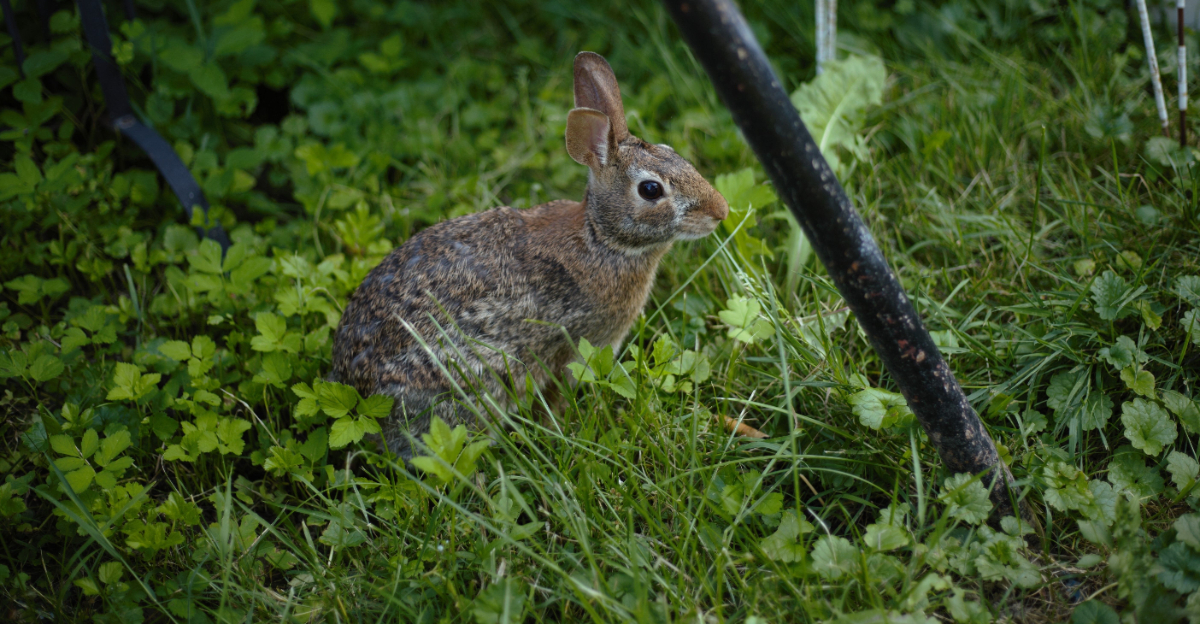
A vegetable garden can look perfectly healthy in the evening and noticeably thinner by the next morning. Missing leaves, clipped stems, and half-eaten seedlings are often the first signs that rabbits have discovered an easy food source nearby.
What makes the problem so frustrating is how quickly it can escalate.
A few bites from one rabbit may not seem serious at first, but repeated visits can quickly take a toll on vegetables. Some crops recover, while others struggle to regain momentum after the damage.
Fresh vegetables are especially appealing because they provide tender growth that is easy to reach. Lettuce, beans, peas, and young pepper plants are often among the first targets once rabbits begin visiting regularly.
Damage can appear scattered at first before becoming much more noticeable.
Georgia vegetable gardens frequently face this challenge during the growing season.
The good news is that several practical solutions can help protect crops and make a garden far less attractive to hungry visitors.
1. Install A Rabbit-Proof Fence Around Vulnerable Crops
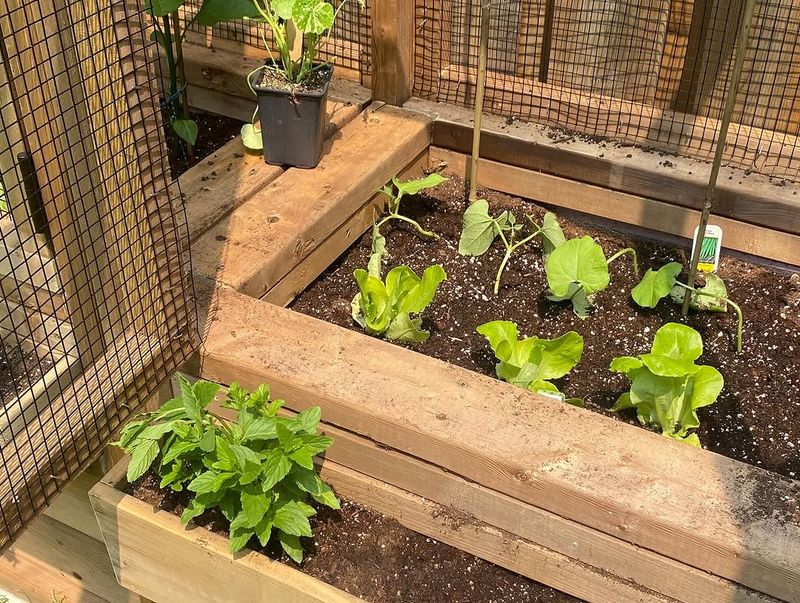
A fence that actually works is worth every minute it takes to put up. Rabbits are low to the ground, so your barrier needs to focus on the bottom, not the top.
Hardware cloth or chicken wire with openings no larger than one inch works best for keeping them out.
Bury the bottom edge at least six inches into the soil. Rabbits will dig under a fence if nothing stops them.
Bending the buried portion outward at a 90-degree angle creates an underground barrier they rarely bother to push past.
Keep the fence at least two feet tall above ground. Cottontails, the most common type in Georgia vegetable gardens, rarely jump higher than that when foraging.
Jackrabbits jump higher, but they are far less common in residential areas here.
Use metal stakes or wooden posts every four to six feet to keep the wire upright. Floppy fencing is easy for rabbits to push under.
Tight, well-staked wire holds its shape through rain and wind without sagging.
Leave yourself a gate or an easy entry point so you can get in to water and harvest. A fence that is hard to open will frustrate you every single day.
2. Cover Seedlings Before Browsing Begins
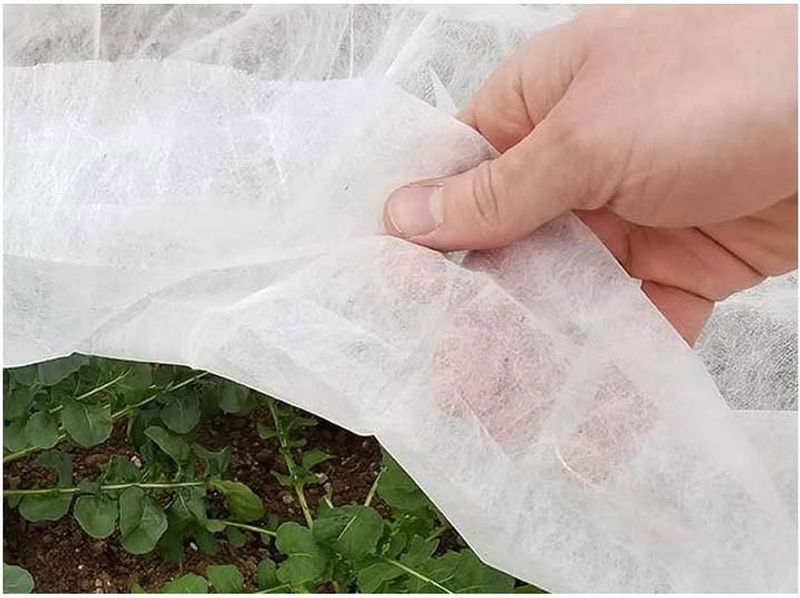
Seedlings disappear faster than anything else in a rabbit-damaged garden. Young plants are soft, low, and easy to reach.
Covering them right after transplanting or germination stops the problem before it even starts.
Floating row cover is one of the most useful tools you can keep in a garden shed. It lets in light, air, and water while putting a physical barrier between rabbits and your plants.
Lightweight versions work well without blocking too much sun.
Lay the fabric directly over the seedlings or drape it over wire hoops. Secure the edges with garden staples, bricks, or sandbags.
Any gap at the edge is an invitation, so press it down firmly all the way around.
Row cover also protects seedlings from late cold snaps, which are not unusual in early spring across the region. You get pest protection and frost protection from a single product.
Your Georgia Garden Changes Every Week. Your Plan Should Too.
Gardening in Georgia changes quickly throughout the season. Every Friday you’ll receive a simple weekly plan showing exactly what to plant, prune, fertilize, harvest, and protect so you never miss the right timing.
That kind of double duty makes it easy to justify the cost.
Remove covers during the day if temperatures get very warm. Seedlings under sealed row cover can overheat on hot afternoons.
Ventilation matters just as much as protection once plants start growing fast.
3. Protect Lettuce And Beans First
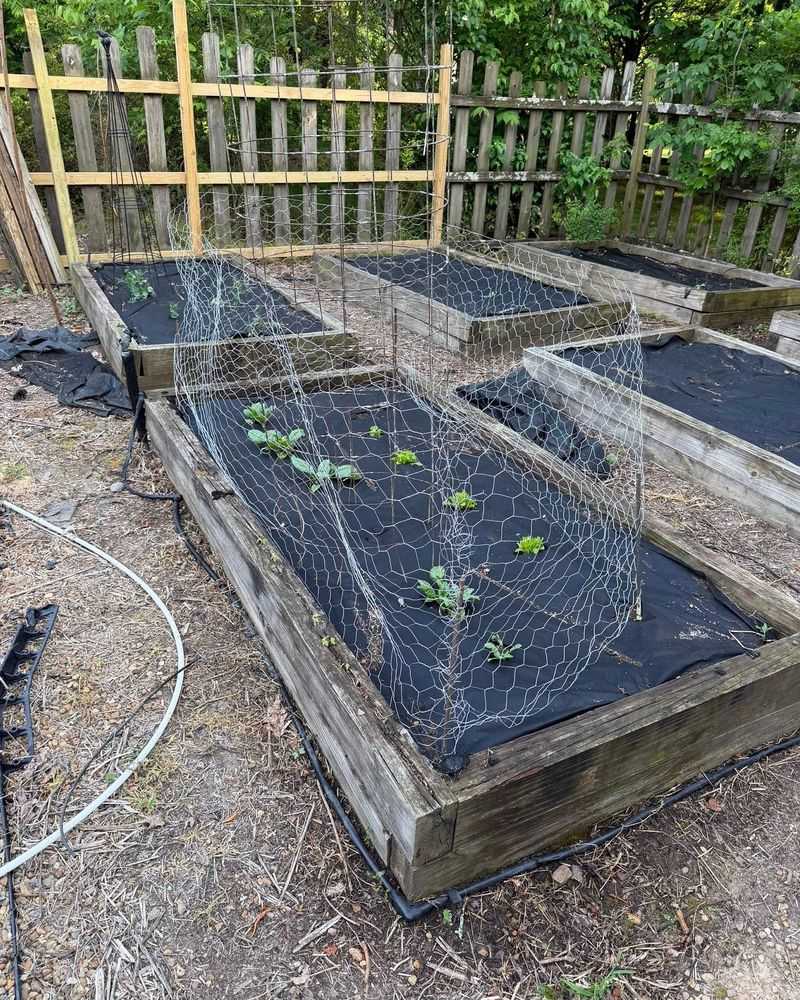
Not all vegetables attract rabbits equally. Lettuce and beans are at the top of the list for plants they will target first.
If you only have time or resources to protect a few things, start with those two.
Lettuce is soft, leafy, and grows low to the ground. Rabbits can graze a full row in one night without leaving much behind.
Protecting it early in the season prevents a frustrating restart that sets your harvest schedule back by weeks.
Green beans are another favorite, especially when plants are young and tender. Once beans start climbing and get tougher stems, damage tends to slow down.
But in the early stages, they need the same attention as lettuce.
Individual wire cloches work well for small lettuce patches. You can find them at most garden centers, or bend your own from hardware cloth.
Place one over each plant or cluster and press the edges into the soil slightly.
Raised beds with sides at least 18 inches tall offer some natural protection. Rabbits prefer not to climb when easier food is available at ground level.
Pairing raised beds with a low wire barrier around the perimeter makes them even more secure.
4. Choose Raised Beds For High-Risk Crops
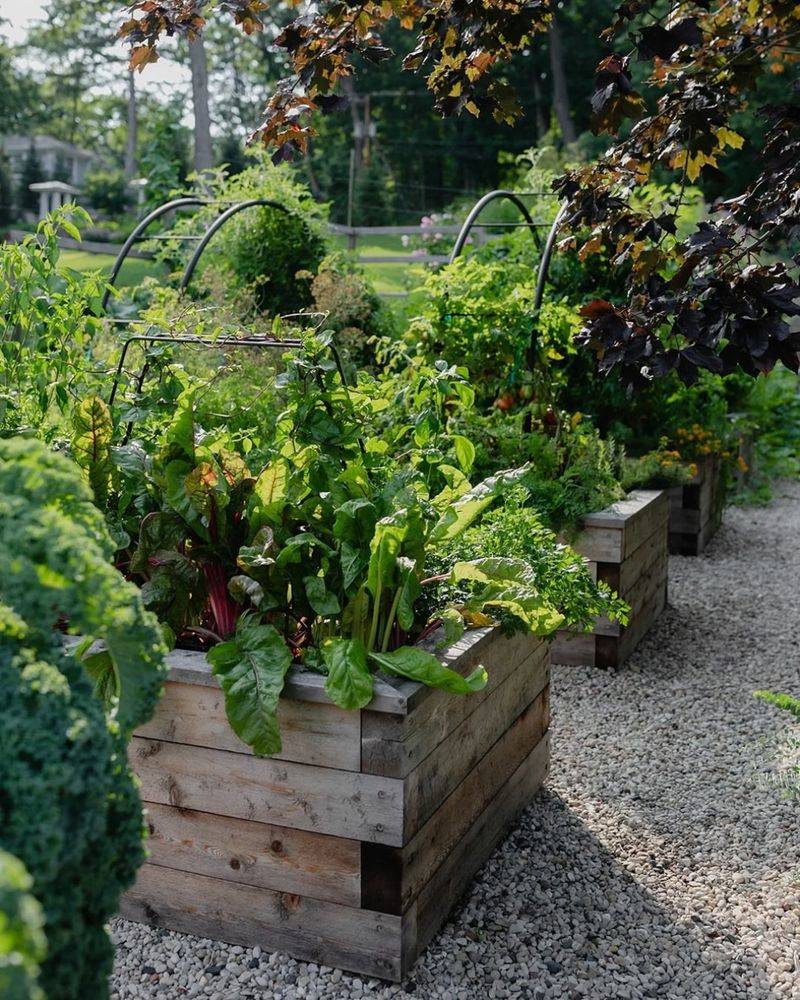
Ground-level planting puts your vegetables right where rabbits are most comfortable feeding. Raising your beds changes that dynamic in a simple, practical way.
Rabbits can climb, but they strongly prefer not to when easier options exist nearby.
Beds that sit 18 to 24 inches above ground level create a real obstacle for cottontail rabbits. Combine that height with a smooth exterior surface, and you have a setup that most rabbits will walk right past.
Cedar and pine boards are both common and affordable for building raised beds in the South.
High-risk crops like carrots, beets, and spinach benefit most from raised bed placement. Root vegetables are especially vulnerable because rabbits will dig slightly to get at them.
Keeping those crops elevated reduces that risk without extra fencing.
Raised beds also improve drainage, which matters in areas that get heavy summer rain. Roots stay healthier, and plants grow faster when water does not pool around them.
Better plant health means faster recovery even if some minor browsing does happen.
Fill beds with quality soil mix rather than native ground soil. Looser, nutrient-rich soil supports stronger root development.
5. Plant Strong-Smelling Herbs Around Key Areas
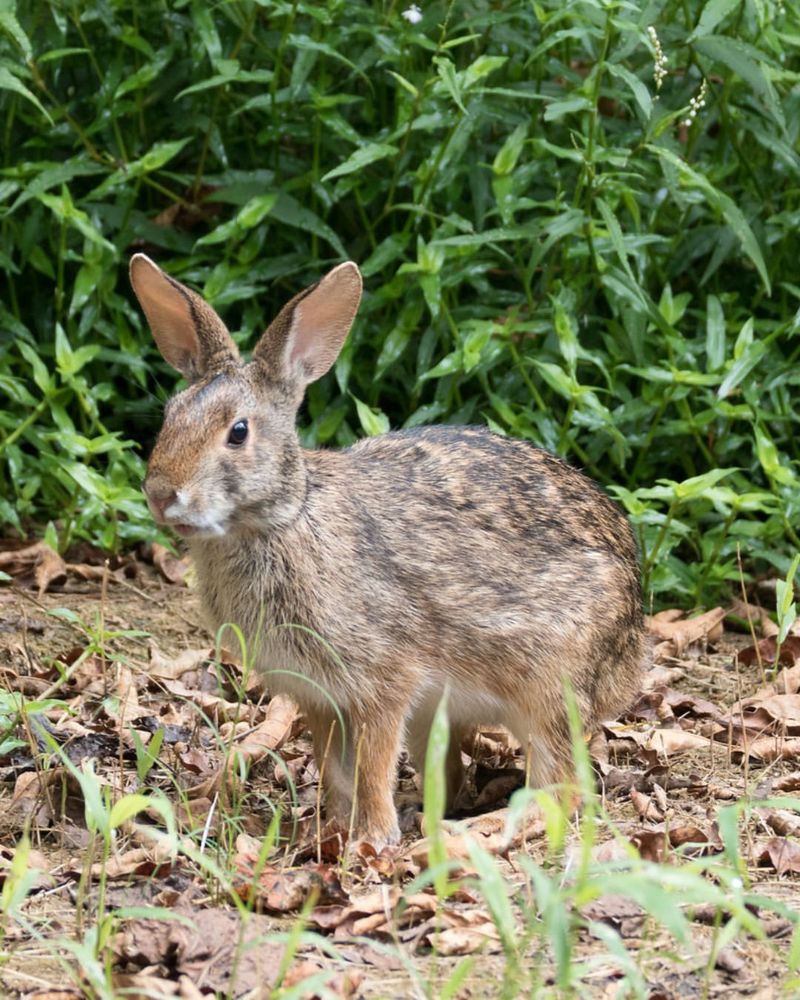
Smell is one of the most powerful tools rabbits use to navigate their environment. Planting herbs with strong, sharp scents around your vegetable beds creates a sensory boundary they tend to avoid.
It is not a guaranteed barrier, but it adds a useful layer to your overall strategy.
Lavender, rosemary, and mint are among the most effective options. Their oils are strong and persistent, especially after rain or when brushed against.
Planting them as a border around your most vulnerable beds gives rabbits a reason to look elsewhere.
Mint spreads aggressively if left unchecked. Planting it in buried containers or pots sunk into the ground keeps it from taking over your garden space.
You still get the scent benefit without losing control of the bed layout.
Rosemary grows well in the heat and does not need much water once established. It works well as a low hedge along garden edges.
The woody stems also make it unappealing for rabbits to chew through, which adds a small physical deterrent on top of the scent.
Garlic and chives are worth planting near lettuce and bean rows specifically. Their pungent smell is particularly off-putting to many small animals.
6. Use Wire Cages Around Favorite Vegetables
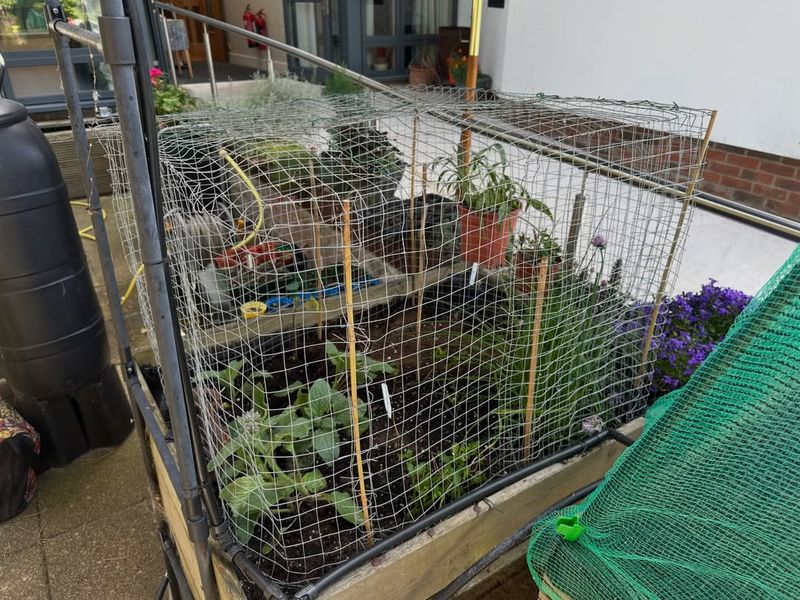
Wire cages are one of the most direct solutions for protecting individual plants that rabbits keep targeting. You place the cage, and the plant inside is physically off-limits.
No chasing, no spraying, no guessing.
Hardware cloth with half-inch openings is the right material for this job. Chicken wire works in a pinch, but the openings are often large enough for young rabbits to squeeze through.
Smaller openings mean better protection, especially early in the season when juvenile rabbits are exploring new territory.
Cut the hardware cloth into strips and bend them into cylinders. Use zip ties or wire to close the seam.
Push the bottom edge about two inches into the soil so there is no easy gap at the base for rabbits to nose under.
Tomatoes, peppers, and eggplant are common cage candidates. These plants are slower to mature and represent a significant investment of time and effort.
Losing one to rabbit browsing right before harvest is genuinely frustrating, and a cage prevents exactly that scenario.
Make cages tall enough to account for plant growth. A cage that fits a seedling perfectly will be too short by midsummer.
7. Harvest Ripe Produce Before Damage Occurs
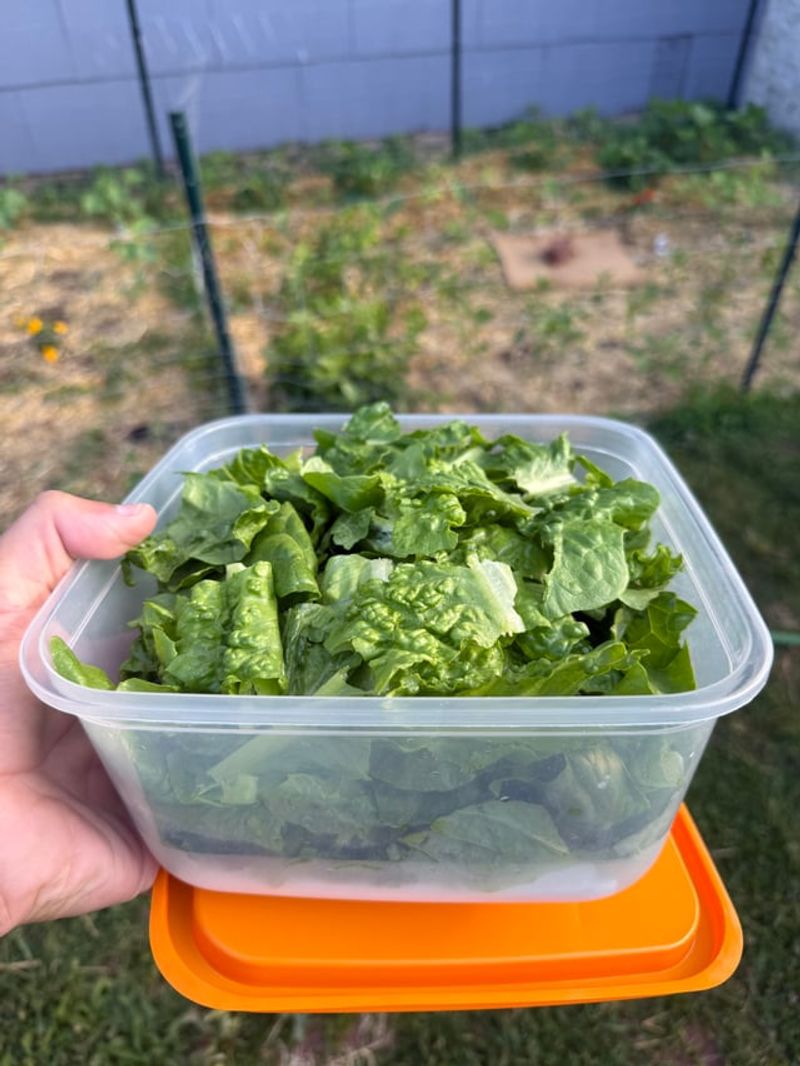
Ripe vegetables sitting on the vine or close to the ground are easy targets. Rabbits are opportunistic feeders, and ready-to-harvest produce is exactly what they prefer.
Picking crops as soon as they are ready removes the opportunity before they get to it.
Check your garden every morning if possible. Rabbits are most active at dawn and dusk, so produce left overnight is at higher risk than produce picked in the evening.
A quick morning walk through the beds lets you spot ripe items and remove them before the next feeding window opens.
Beans are especially worth monitoring closely. They go from perfectly sized to overripe quickly in warm weather.
Harvesting them every two to three days keeps the plant producing and reduces the number of low-hanging pods that attract attention.
Cucumbers and zucchini also benefit from frequent picking. Oversized cucumbers sitting near the soil surface are noticeable to rabbits.
Keeping fruits harvested at the right size reduces visible targets and encourages the plant to keep producing.
Lettuce can be harvested leaf by leaf rather than waiting for a full head. Taking outer leaves regularly keeps the plant growing while reducing the amount of exposed, accessible foliage at any one time.