These Fruit Trees Handle California Heat Better Than Gardeners Expect
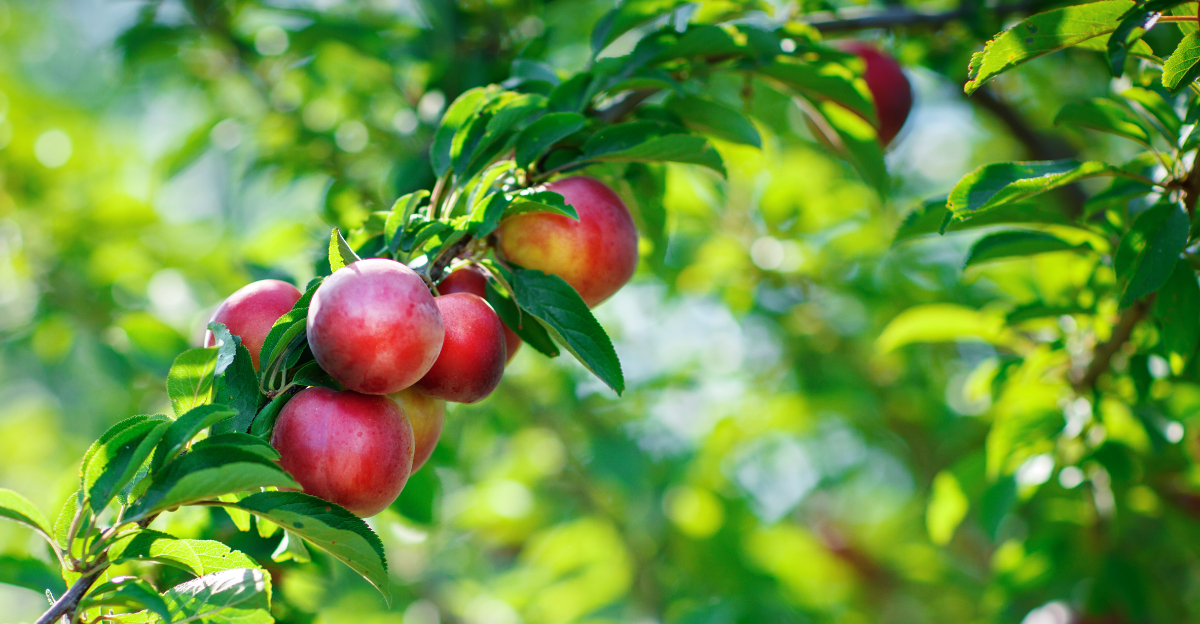
California heat can make fruit trees look like a risky choice, especially when summer turns sharp and dry. Still, some trees are tougher than their pretty blossoms suggest.
They can handle long sunny days, warm soil, and dry spells once their roots settle in. That makes them exciting picks for yards where softer, thirstier trees struggle.
The trick is knowing which fruit trees actually fit the heat instead of forcing the wrong ones into a hot spot. A good choice can bring shade, seasonal beauty, and a harvest that feels like a backyard bonus.
It can also make the garden feel more useful without adding constant stress. Plant with the right match in mind, and a hot California yard can become a surprisingly productive place.
1. Fig Trees Handle Full Sun Better Than Gardeners Expect
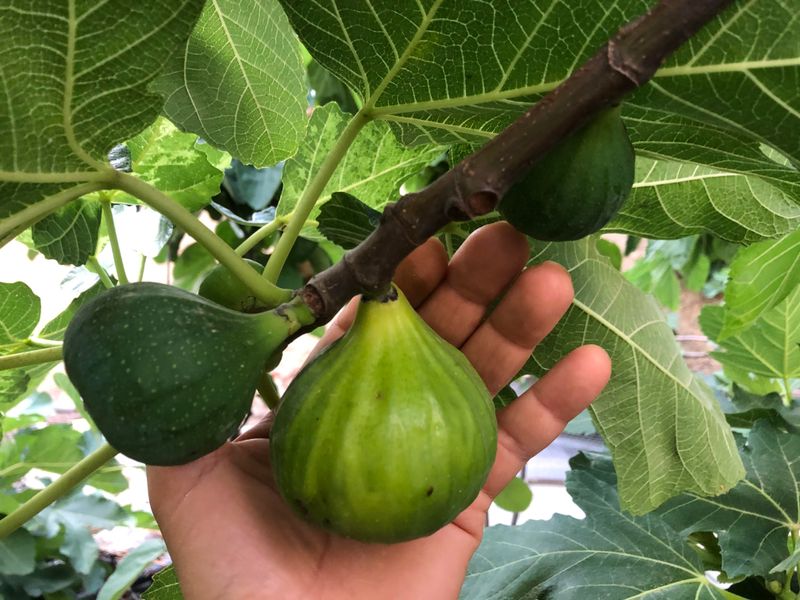
Few trees are as laid-back about heat as the common fig. It comes from the Mediterranean and the Middle East, where summer temperatures regularly hit triple digits.
That background means it was built for our long, hot growing season. Figs actually produce sweeter, more flavorful fruit when they get plenty of heat.
A cool, cloudy summer can leave figs bland and watery. But a hot one? That is where they shine.
Varieties like ‘Black Mission,’ ‘Brown Turkey,’ and ‘Desert King’ are especially well-suited to our warm inland areas.
One thing that surprises gardeners is how little water a fig tree needs once it is established. It can handle drought-like conditions that would stress other fruit trees badly.
Deep, infrequent watering works best and encourages roots to go deep into the soil.
Figs also grow fast. A young tree can become a shade-providing, fruit-producing giant within just a few years.
They do not need a second tree for pollination, which makes them perfect for smaller yards. Pruning keeps them manageable and productive.
If you want a fruit tree that asks for almost nothing and still delivers big in the heat, a fig tree is one of the smartest choices you can make for a hot-summer garden.
2. Pomegranates Thrive Where Summer Heat Gets Serious
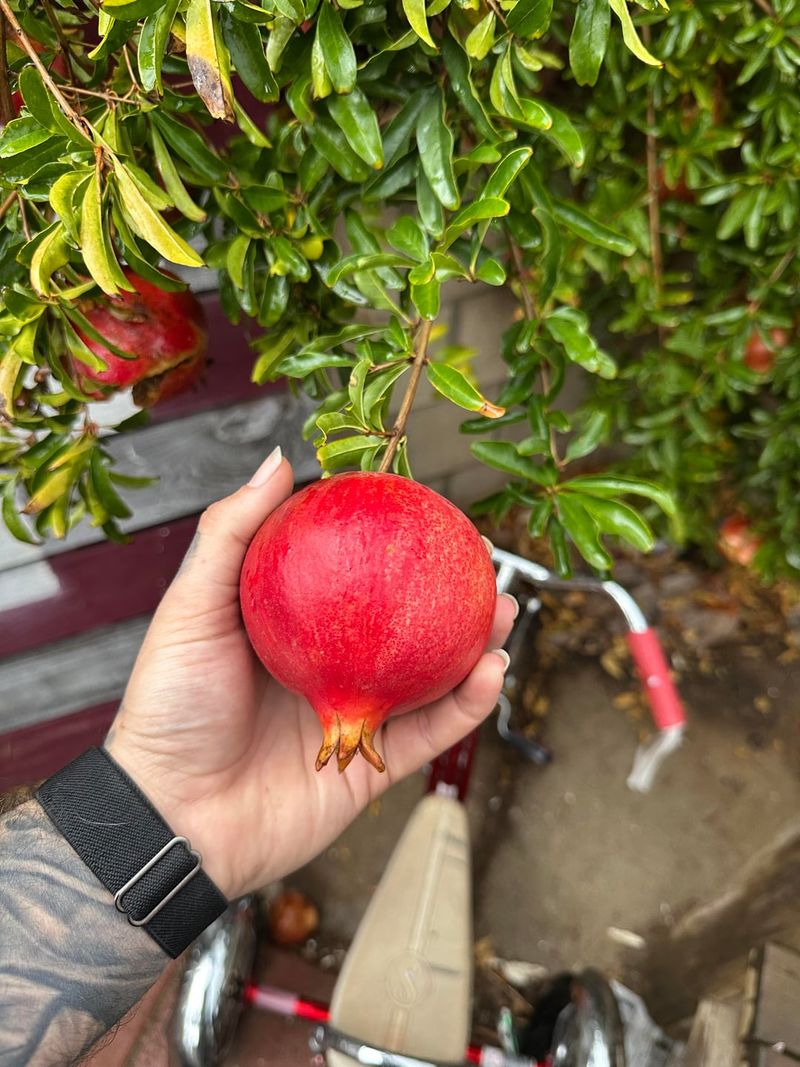
There is something almost dramatic about a pomegranate tree in full fruit. The bright red, jewel-like fruits hanging from arching branches look like something out of an ancient painting.
And they should, because pomegranates have been grown in hot, dry climates for thousands of years.
Our state’s warm inland valleys are practically perfect for this tree. It needs long, hot summers to develop full sweetness and that deep red color we all love.
Mild or cool summers often result in fruit that looks fine on the outside but tastes flat. Heat is not a problem for pomegranates.
It is a requirement.
Once established, these trees are remarkably drought-tolerant. They can survive on surprisingly little water, though regular irrigation during fruit development leads to better yields.
The ‘Wonderful’ variety is the most popular and widely available, but ‘Ambrosia’ and ‘Parfianka’ also do very well in our warmer regions.
Pomegranates are also tough against pests and diseases, which keeps maintenance low. They grow as either a multi-stemmed shrub or a single-trunk tree, giving you flexibility in how you shape them.
Your California Garden Changes Every Week. Your Plan Should Too.
Gardening in California changes quickly throughout the season. Every Friday you’ll receive a simple weekly plan showing exactly what to plant, prune, fertilize, harvest, and protect so you never miss the right timing.
Full sun is non-negotiable. Give a pomegranate a hot spot with well-drained soil, and it will reward you generously every fall with fruit that is as beautiful as it is delicious.
3. Jujubes Laugh Off Heat Better Than Most Fruit Trees
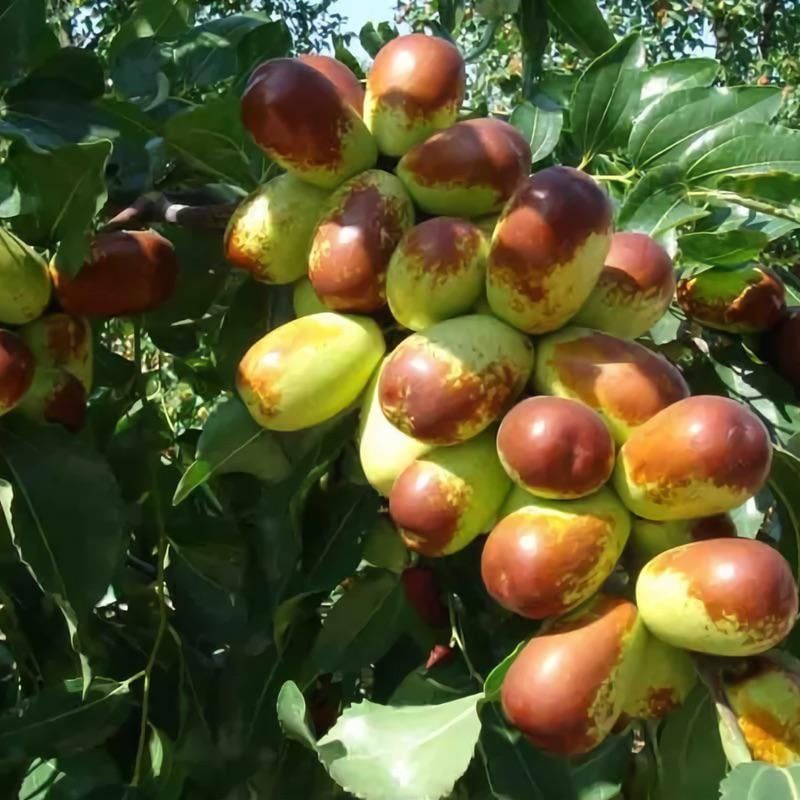
Not everyone has heard of the jujube, but those who grow one tend to become its biggest fan almost overnight.
Also called the Chinese date, this tree has been cultivated in Asia for over 4,000 years.
It was bred in some of the hottest, driest farming regions on earth, and that toughness is baked right into its DNA.
Summer heat does not slow a jujube down at all. In fact, it needs heat to ripen its fruit properly.
The small, apple-like fruits start out green, then turn golden, then deep red or brown as they ripen.
They taste like a cross between an apple and a date, with a crisp texture when fresh and a chewy, candy-like texture when dried.
What really sets jujubes apart from other fruit trees is their ability to handle poor soil, drought, and heat all at once. They thrive in conditions that would stress most other trees into poor production.
They also rarely need spraying for pests or diseases. Varieties like ‘Li,’ ‘Lang,’ and ‘Honey Jar’ are popular choices and do well in our warmer regions. These trees are self-fruitful, so you only need one.
They are also late to leaf out in spring, which helps them avoid frost damage in areas that still get cold nights. For a low-fuss, heat-loving fruit tree, jujube is hard to beat.
4. Persimmons Handle Hot Inland Yards With The Right Care
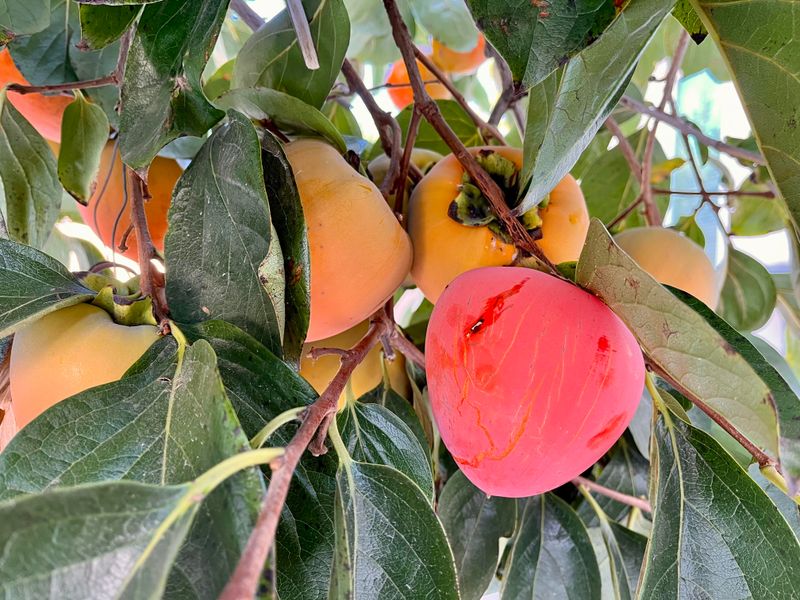
Bright orange persimmons hanging from nearly bare branches in late fall are one of the most striking sights in any fruit garden.
These trees come from East Asia and parts of the American South, where hot summers and mild winters are common. That background makes them a solid fit for our warm inland yards.
There are two main types to know: astringent and non-astringent. Astringent types like ‘Hachiya’ must be fully soft and ripe before eating, or they taste mouth-puckeringly awful.
Non-astringent types like ‘Fuyu’ can be eaten while still firm, almost like an apple. Both handle heat well, but ‘Fuyu’ tends to be the most popular choice for home gardens.
Persimmons do need some winter chill hours to set fruit properly, but most of our inland valleys provide enough cold nights to satisfy them.
They are also quite drought-tolerant once established, though consistent watering during summer improves fruit size and quality.
One thing to keep in mind is that young persimmon trees can be a little slow to establish. They may drop fruit in their first couple of years, which can be frustrating.
But patience pays off. By year three or four, a healthy persimmon tree can produce hundreds of fruits per season.
Give it full sun, good drainage, and a little patience, and it becomes one of the most reliable trees in a hot-summer garden.
5. Loquats Take Heat And Still Give A Spring Harvest
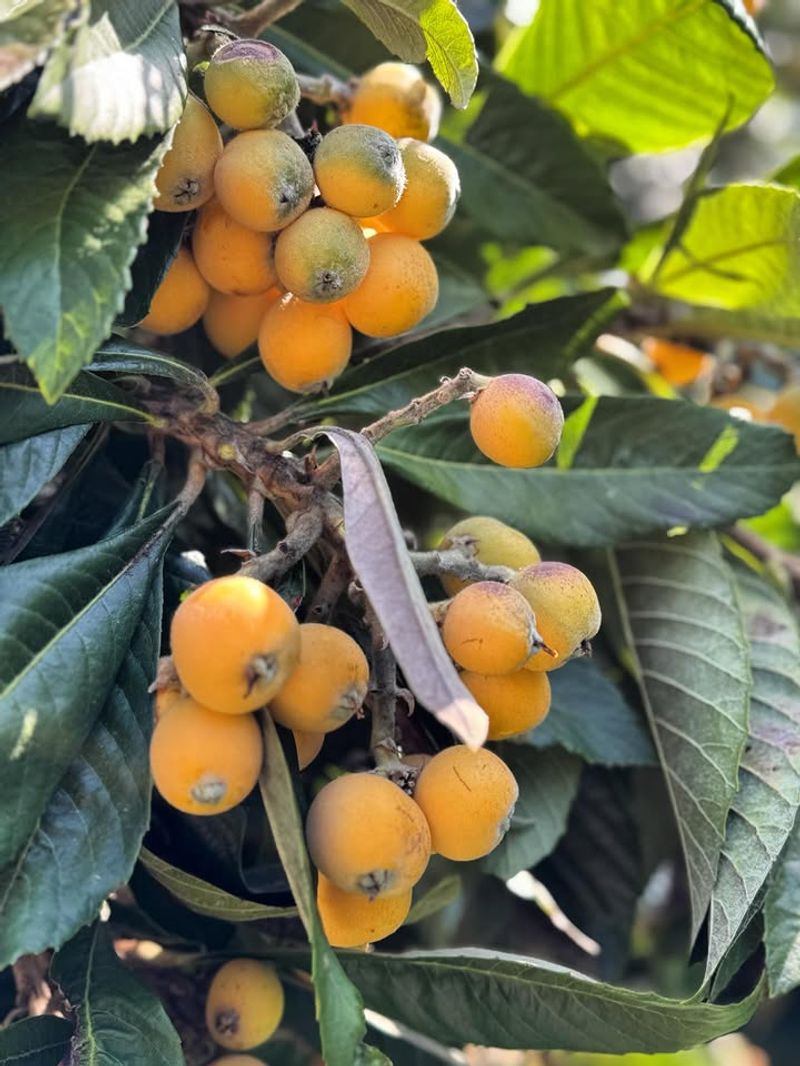
Most fruit trees in our state ripen in summer or fall. Loquat breaks that pattern entirely by delivering fruit in late winter or early spring, right when the garden feels the most bare.
That alone makes it worth considering, but its heat tolerance seals the deal for many gardeners.
Originally from China and Japan, the loquat is an evergreen tree that stays leafy and attractive year-round.
It handles our hot summers with ease, partly because it does most of its active growing and flowering during the cooler months.
By the time the real heat arrives, the fruit is already harvested and the tree is simply resting and storing energy.
The small, apricot-colored fruits are sweet and slightly tart, with a tropical flavor that catches people off guard in the best way.
‘Big Jim,’ ‘Champagne,’ and ‘Gold Nugget’ are reliable varieties for our warmer areas. Most loquats are self-fruitful, so a single tree is enough to get a good crop.
In terms of care, loquats are pretty easygoing. They tolerate poor soil and do not need heavy fertilizing.
Watering during the dry season keeps them looking their best, but established trees are fairly drought-tolerant. They also work well as ornamental trees because of their large, glossy leaves.
If you want a fruit tree that earns its place in the garden twelve months a year, loquat is a standout choice.
6. Olive Trees Bring Fruit And Serious Heat Tolerance
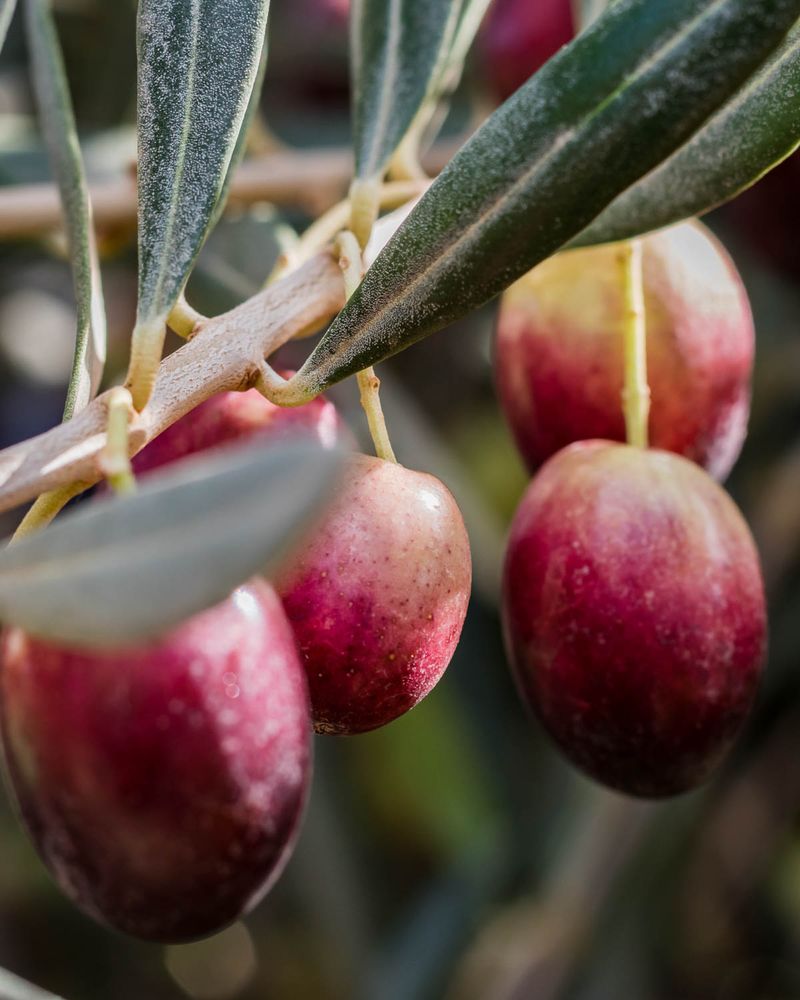
Olive trees have been growing in hot, dry climates for thousands of years. Ancient groves still produce fruit in parts of the Mediterranean that receive barely any rain.
That kind of resilience is exactly why olive trees do so well in our warm, dry state.
The silvery-green leaves and gnarled trunks give olive trees a timeless, artistic quality that few other fruit trees can match. They look beautiful in the landscape even when they are not fruiting.
But they do fruit, and generously, when given enough heat and sunlight. Varieties like ‘Arbequina,’ ‘Manzanillo,’ and ‘Mission’ are all proven performers in our warmer regions.
One thing that surprises new gardeners is how little water an established olive tree needs. Once its roots are deep and settled, it can survive on rainfall alone in many parts of our state.
During the establishment period, regular watering helps the tree get off to a strong start. After that, deep, infrequent irrigation is all it needs.
Olives do need some winter chill to produce fruit, but most inland valleys easily provide enough cold hours. They also need full sun and well-drained soil.
Avoid overwatering, which is actually the most common mistake people make with olive trees.
Treat them like the tough, sun-loving Mediterranean trees they are, and they will give you beautiful fruit and a landscape anchor that improves with every passing year.
7. Quince Handles Warm Summers With Less Fuss Than Apples
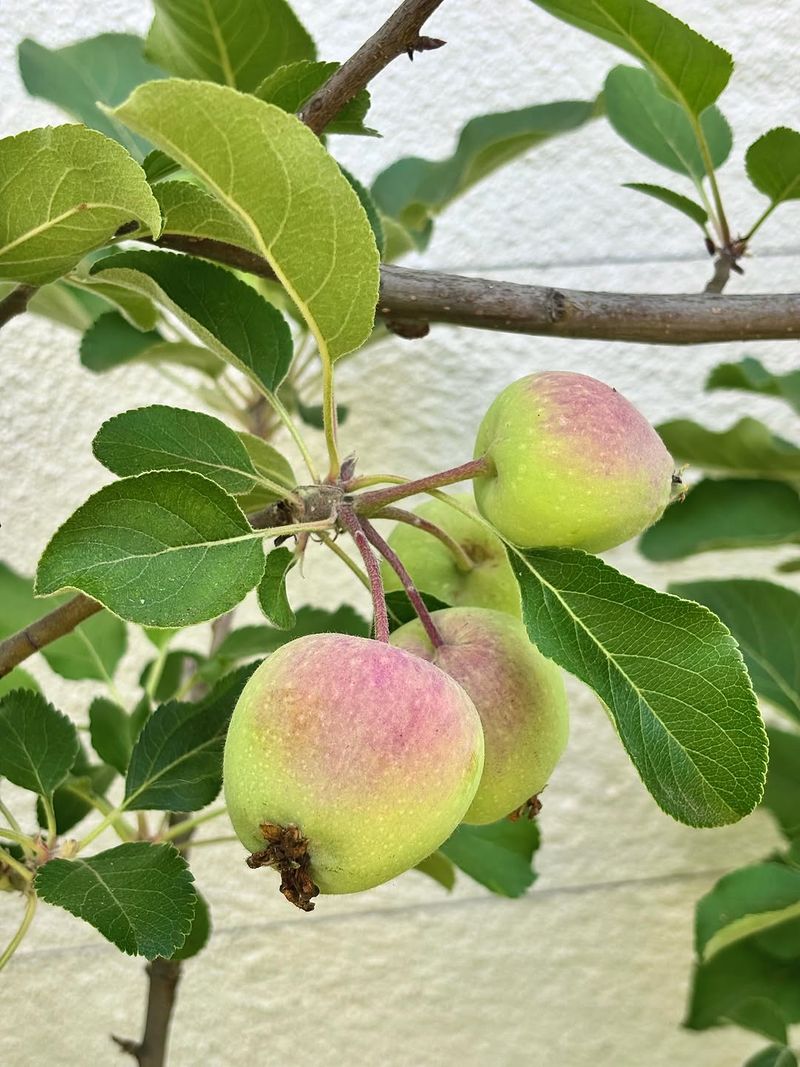
Quince does not get nearly enough credit in the home fruit garden. It is often overlooked in favor of apples and pears, but it handles our warm summers with far less drama than either of those.
If you have ever struggled to grow apples in a hot inland yard, quince might be the tree you have been looking for all along.
The fruit is large, golden-yellow, and fragrant when ripe. Raw quince is quite hard and tart, but cooked it transforms into something deeply aromatic and delicious.
Quince paste, quince jam, and quince added to meat dishes are all popular uses. The cooking transformation is genuinely impressive and one of the things that makes this fruit so special.
From a growing standpoint, quince is tough. It tolerates heat, drought, and a range of soil types better than most pome fruits.
It does not need as many chill hours as apples, which makes it more reliable in our warmer valleys. It is also largely self-fruitful, so you do not need two trees to get a harvest.
Pests and diseases that plague apple trees tend to bother quince far less, which keeps the maintenance workload light. Varieties like ‘Pineapple’ and ‘Smyrna’ are popular and productive.
Full sun and moderate watering are really all this tree asks for. For gardeners who want a productive, low-maintenance fruit tree that handles heat gracefully, quince is a genuinely underrated option worth planting.
8. Nectarines Handle Heat When The Variety Is Right
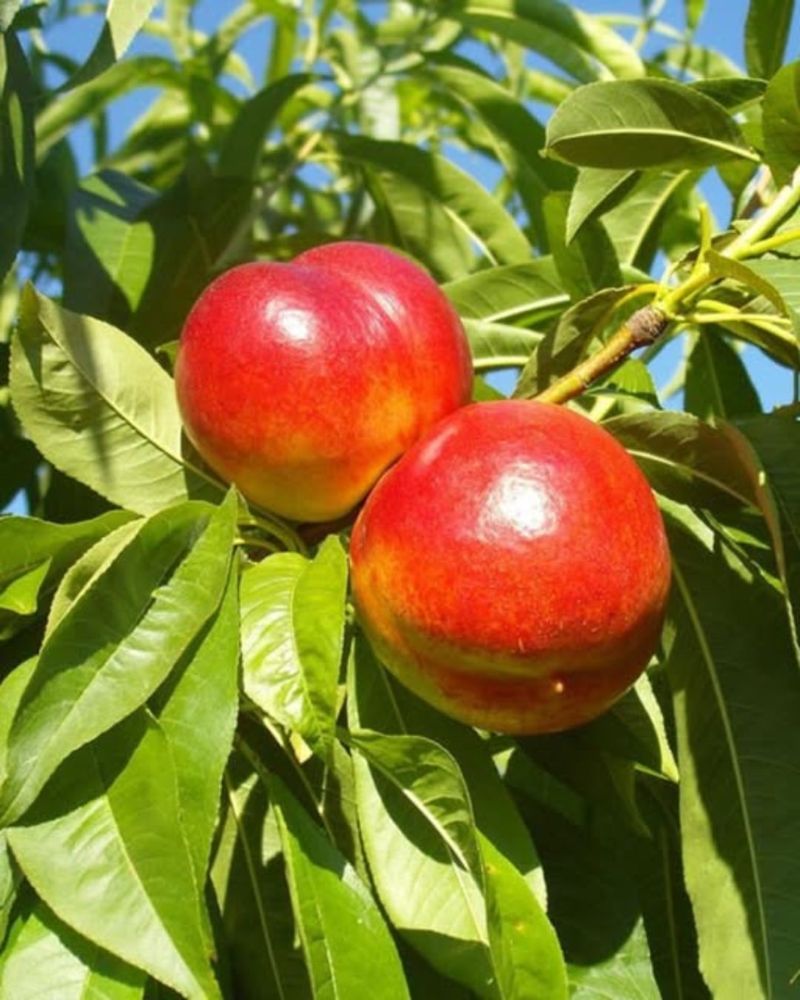
Stone fruits and summer heat go together naturally in our state, and nectarines are a perfect example of that relationship.
When the variety matches the climate, a nectarine tree can produce a stunning crop of smooth-skinned, sweet, aromatic fruit right in the middle of the hottest months of the year.
The key word there is variety. Not all nectarines are created equal when it comes to heat.
Low-chill varieties bred specifically for warm climates are the ones to look for. Options like ‘Fantasia,’ ‘Flavortop,’ and ‘Arctic Star’ perform well in our warmer regions without needing the deep winter chill that some other stone fruits require.
Choosing the wrong variety is the most common reason nectarine trees underperform in hot areas.
Nectarines need full sun, good drainage, and consistent watering during fruit development. They are a little more demanding than some of the other trees on this list, but the payoff is worth it.
Fresh nectarines from your own tree taste nothing like what you find at the grocery store. The flavor is richer, juicier, and far more satisfying.
Pruning is important for nectarines. It keeps the tree open to sunlight, improves air circulation, and makes harvesting easier. A well-pruned tree also tends to produce larger, better-tasting fruit.
With the right variety, a bit of consistent care, and a sunny spot in the yard, nectarines reward hot-climate gardeners with one of summer’s most delicious harvests.