How To Support California Barn Owls That Naturally Control Garden Rodents
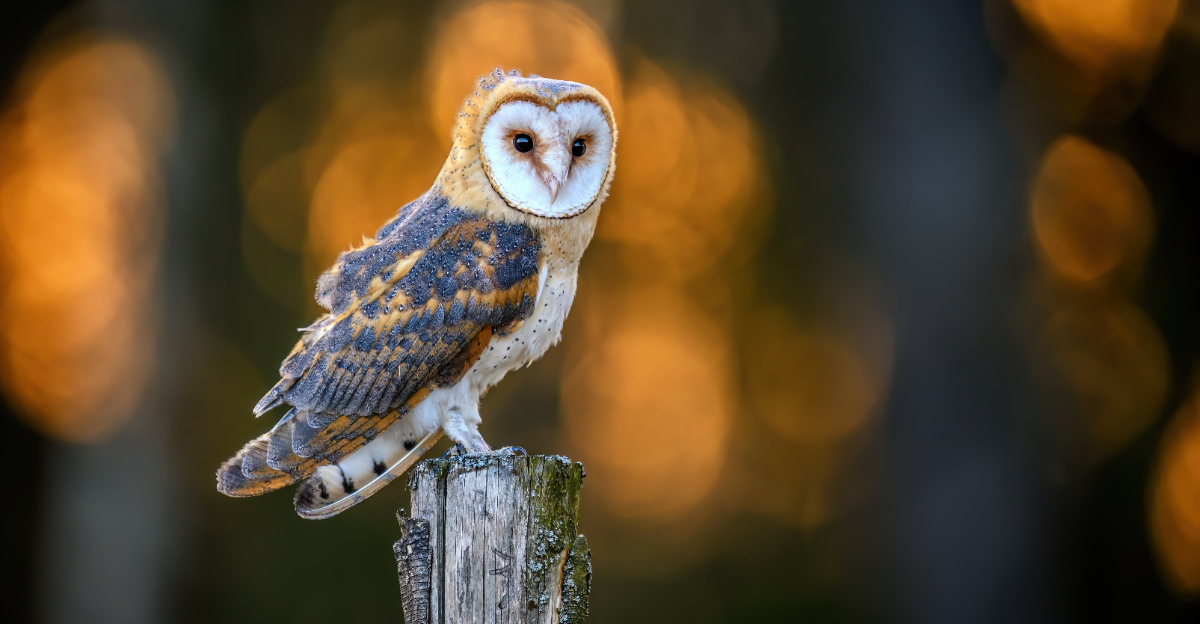
A quiet yard at night may be busier than you think. While people are inside, barn owls can be gliding over fields, orchards, and open garden edges, searching for rodents that cause trouble around plants and storage areas.
These pale, heart faced hunters are one of California’s most useful wild neighbors, but they need the right conditions to stick around.
Safe nesting spots, open hunting space, and fewer hazards can make a big difference.
Supporting barn owls is not about turning your yard into a zoo. It is about making smart choices that help nature do part of the work.
When a property gives these birds what they need, it can become more balanced, more interesting, and less welcoming to rodents.
1. Barn Owls Hunt The Rodents Most Gardeners Hate
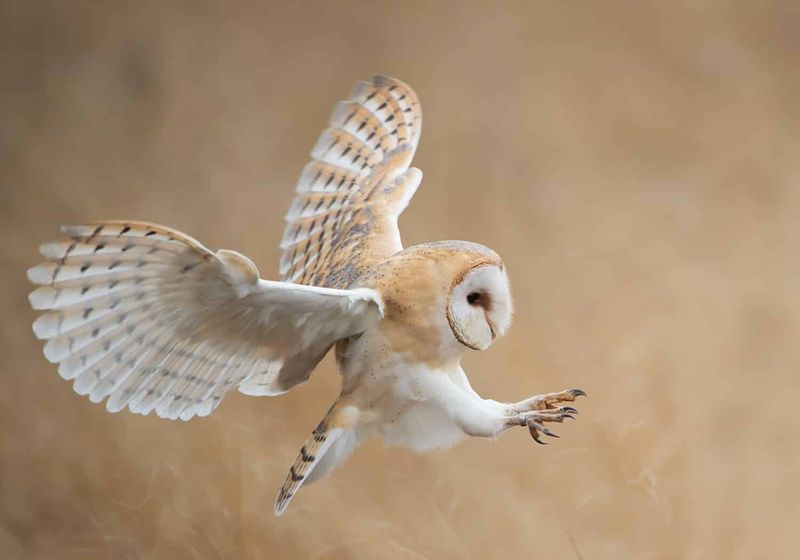
Most gardeners spend a lot of time and money trying to get rid of mice, voles, gophers, and rats. What many people do not know is that barn owls are already built for exactly that job.
Barn owls have some of the sharpest hearing of any bird on Earth. Their heart-shaped faces act like a satellite dish, funneling even the tiniest sounds straight to their ears.
They can pinpoint a mouse moving under leaves or snow without ever seeing it. That is a superpower most pest control products cannot match.
A single barn owl hunts almost every night, often covering large areas in one outing. They prefer the same rodents that destroy garden beds and chew through irrigation lines.
Mice, rats, and voles are all top targets on a barn owl’s nightly menu.
Unlike traps or poison, barn owls work continuously and quietly. They do not need to be reset or replaced.
Once a pair settles near your garden, they keep coming back night after night throughout the season.
Supporting these birds is not just helpful for your plants. It is also good for the local ecosystem.
Barn owls sit near the top of the food chain in many garden environments. When they thrive, the whole yard benefits.
Welcoming them is one of the smartest moves a gardener can make.
2. Owl Boxes Work Better In Quiet Open Areas
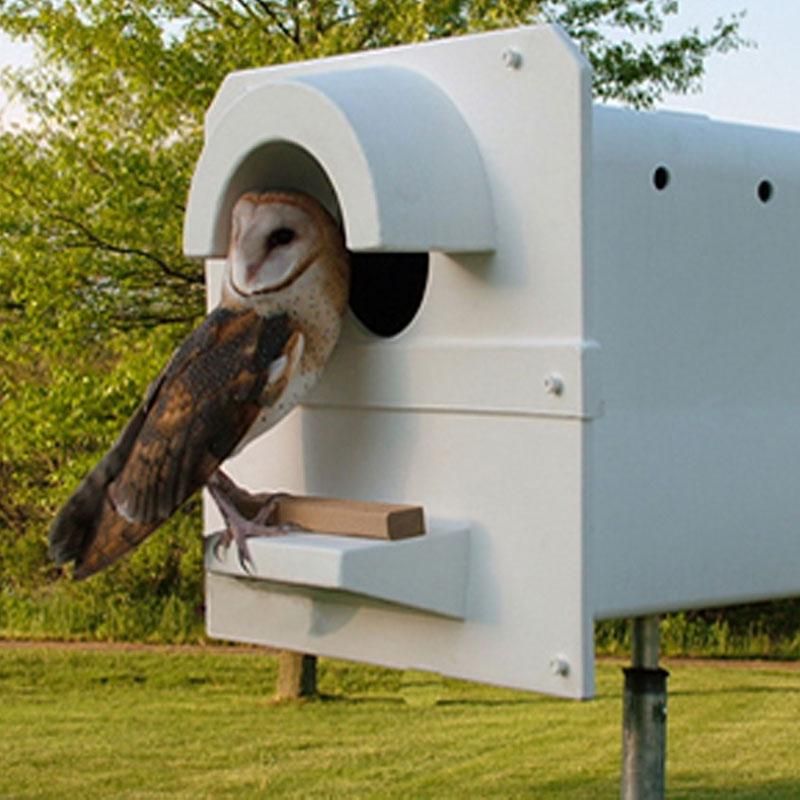
Putting up an owl box is one of the most direct ways to invite barn owls onto your property. But placement matters just as much as the box itself.
Barn owls prefer open spaces where they can fly low and hunt freely. A box mounted near a busy road, a loud dog run, or a cluttered storage area is unlikely to attract a nesting pair.
Owls need peace and quiet, especially during nesting season in late winter and early spring.
The best spots for an owl box are open fields, orchard edges, or quiet corners of large yards. Mount the box at least ten to fifteen feet off the ground on a sturdy post or the side of a barn.
Face the entrance hole away from the direction of strong prevailing winds to keep the nest comfortable.
Box size matters too. A proper barn owl box should have an interior floor space of at least ten by eighteen inches.
Your California Garden Changes Every Week. Your Plan Should Too.
Gardening in California changes quickly throughout the season. Every Friday you’ll receive a simple weekly plan showing exactly what to plant, prune, fertilize, harvest, and protect so you never miss the right timing.
The entrance hole should be about four to five inches wide. Smaller boxes may attract other birds instead.
Many local wildlife organizations in our state offer free or low-cost owl boxes and installation guidance. Reaching out to a local Audubon chapter or farm bureau is a great starting point.
Once installed correctly, an owl box can attract a nesting pair within one season.
3. Rodent Poison Can Harm The Owls Too
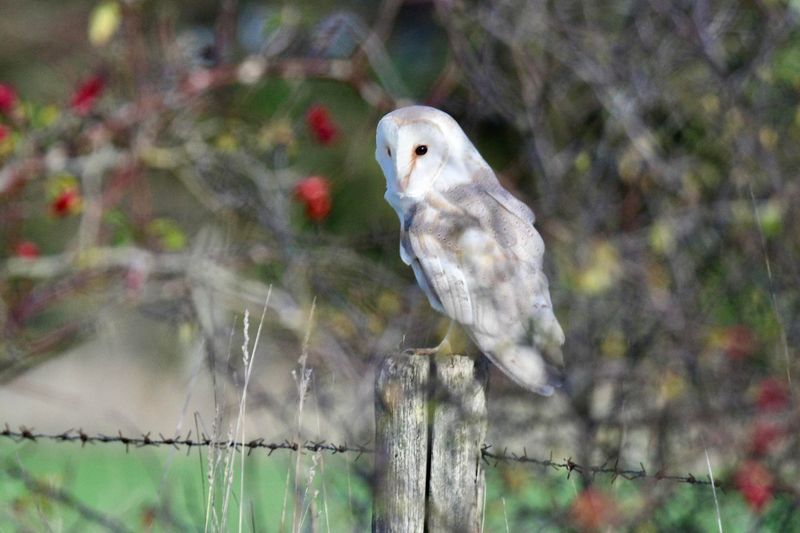
Here is something most gardeners do not think about: when you put out rodent poison, you may be putting barn owls at serious risk too. It is a chain reaction that starts in your garden and ends somewhere much worse.
A mouse or rat eats the poison but does not always stop moving right away. It may wander around for hours or even days before it collapses.
During that time, a barn owl can swoop in and catch it. The owl then eats a poisoned rodent, and the toxin builds up in its body.
This process is called secondary poisoning, and it is one of the leading threats to barn owls across our state. Even small amounts of rodenticide can build up over time and cause serious harm.
Some poisons stay active in the owl’s body long after the mouse is gone.
Switching away from rodent poison does not mean giving up on rodent control. Snap traps placed inside enclosed bait stations are a much safer option.
They stop rodents quickly without leaving a toxic chain behind.
Many farms and vineyards in our state have already moved away from rodenticides in favor of barn owls and safer trapping methods. The results have been impressive.
Choosing non-toxic rodent control is one of the most powerful things you can do to protect these birds.
4. Tall Grass And Field Edges Help Owls Hunt
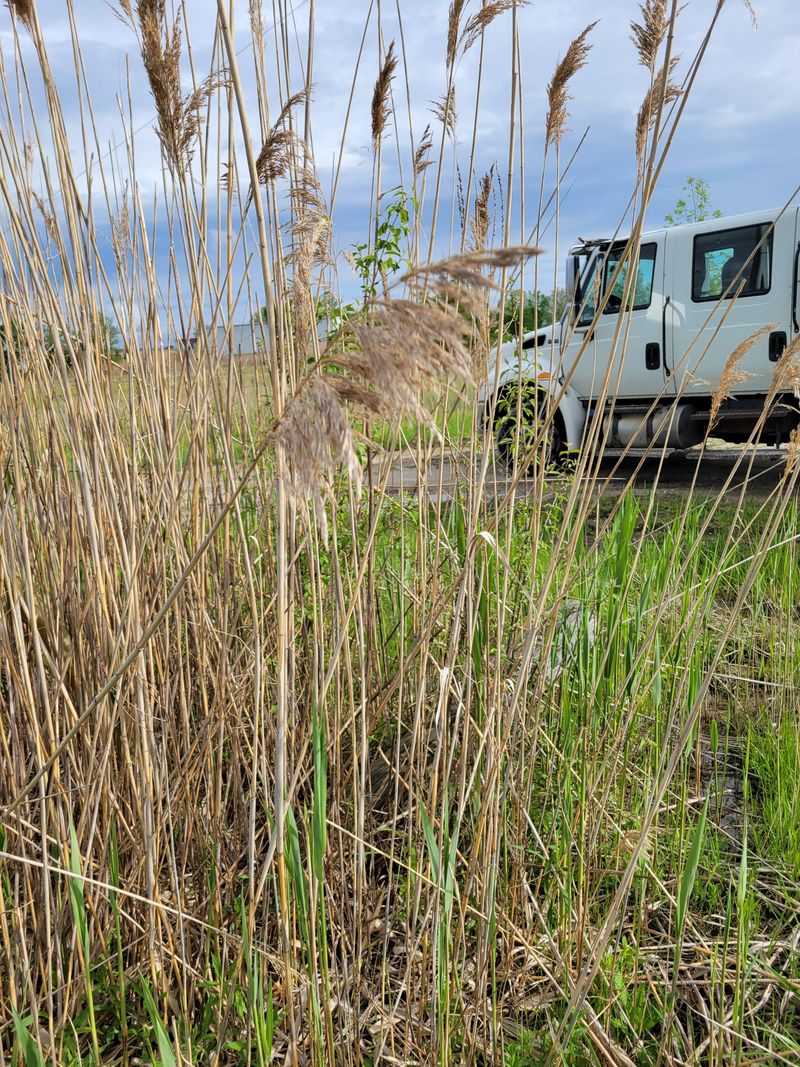
Perfectly manicured lawns look nice, but they are not very useful for barn owls. These birds hunt best in areas with a mix of short open ground and taller grassy edges where rodents like to hide and travel.
Rodents are creatures of habit. They move along the edges of fields, fences, and hedgerows where they feel protected from predators.
Barn owls know this and patrol those same edges every night. If your property has a strip of taller native grass along a fence line or the edge of a garden bed, you are already offering great hunting ground.
You do not need to let your whole yard go wild. Even a narrow strip of unmowed grass, five to ten feet wide, along a fence or property edge can make a real difference.
Native bunch grasses like purple needlegrass or blue wild rye are great choices for our state.
They provide cover for rodents at ground level, which actually draws more prey into a predictable hunting zone for owls.
Keeping a small brushy area or a low hedge near the owl box can also help. Owls use these spots to rest between hunts and to scan the ground below them.
Creating this kind of layered habitat does not require a lot of space or effort. Even small properties can offer useful hunting corridors that make your yard far more attractive to a hunting barn owl.
5. Bright Yard Lights Can Disrupt Night Hunting
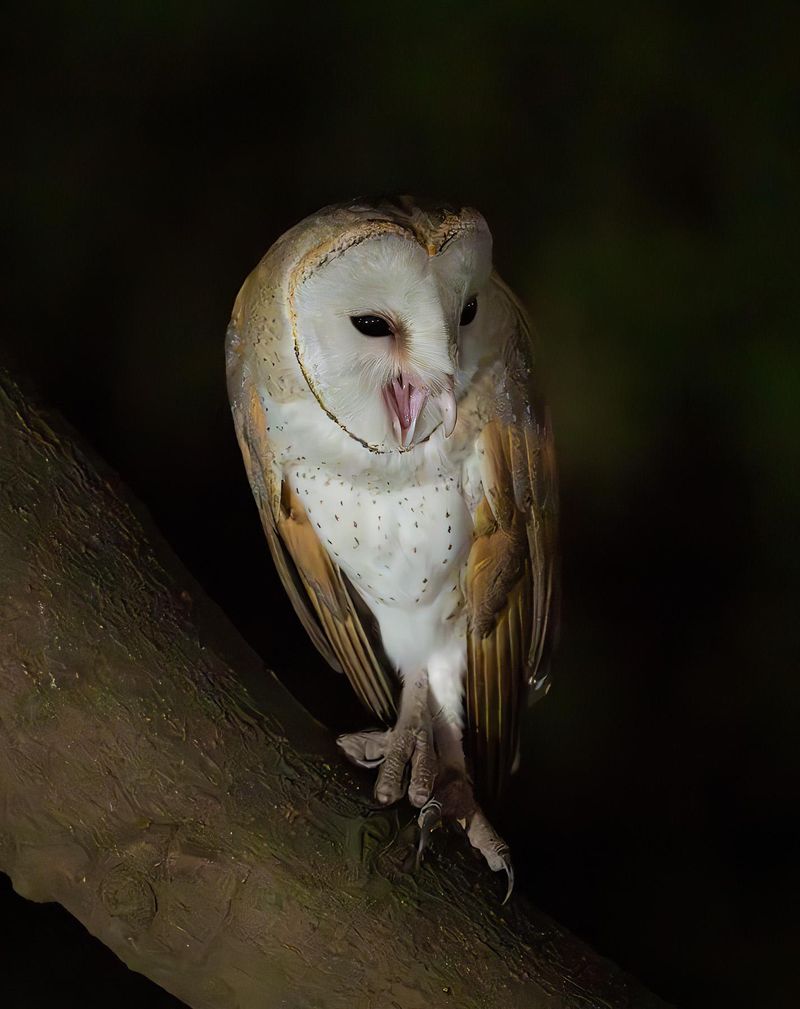
Barn owls are built for darkness. Their eyes are incredibly sensitive to low light, and they rely on both sight and sound to hunt.
Flooding your yard with bright white lights at night can throw off their entire hunting routine.
Strong outdoor lighting creates what is called light pollution. It confuses nocturnal animals and can make barn owls avoid certain areas entirely.
If your garden is lit up like a parking lot every night, owls may simply choose to hunt somewhere darker and quieter instead.
Switching to motion-activated lights is one of the easiest fixes. These lights only turn on when something moves near them, so most of your yard stays dark the rest of the night.
Using amber or warm-toned bulbs instead of bright white LEDs also helps. Warm light is less disruptive to nocturnal wildlife and still gives you the security lighting you need.
Point your lights downward rather than outward. Directional lighting keeps your pathways visible without spilling light across your whole yard or into neighboring open spaces where owls may be hunting.
Small changes like these add up quickly. Darker nights mean more active owls and more rodents caught before sunrise.
Many homeowners in our state have noticed a real increase in owl activity simply by cutting back on unnecessary outdoor lighting.
It costs very little and makes a surprisingly big difference for barn owl activity near your home.
6. Old Trees And Barns Give Owls Safe Roosting Spots
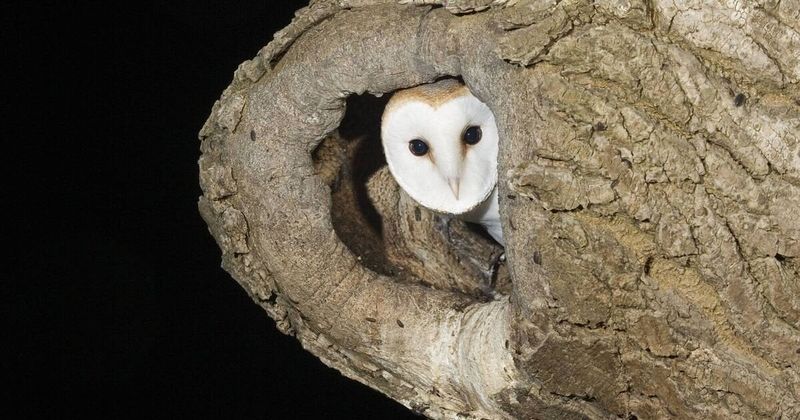
Barn owls got their name for a reason. They have always loved old structures with dark, quiet cavities where they can sleep through the day and raise their young.
If your property has an old barn, shed, or large hollow tree, you may already be sitting on prime owl real estate.
Natural tree cavities in large old oaks, sycamores, or eucalyptus trees are among the most valued roosting spots a barn owl can find. These cavities offer insulation, shade, and protection from wind and predators.
Sadly, many of these old trees are removed during property cleanups, taking away nesting options that took decades to develop.
Before cutting down an old or hollow tree, consider whether it is truly a safety risk or just aesthetically unpleasant.
If the tree is structurally sound enough to leave standing, it may be worth keeping for the wildlife value alone.
A certified arborist can help you assess whether a tree is safe to leave in place.
Old barns and outbuildings are equally valuable. A small opening in a barn wall or an unblocked loft space can become a regular roost for a barn owl pair.
If you have an older structure on your property, resist the urge to seal every gap and crack.
Leaving a few access points can turn a drafty old barn into a year-round home for one of the most effective rodent controllers around.
7. A Single Owl Family Can Eat Thousands Of Rodents
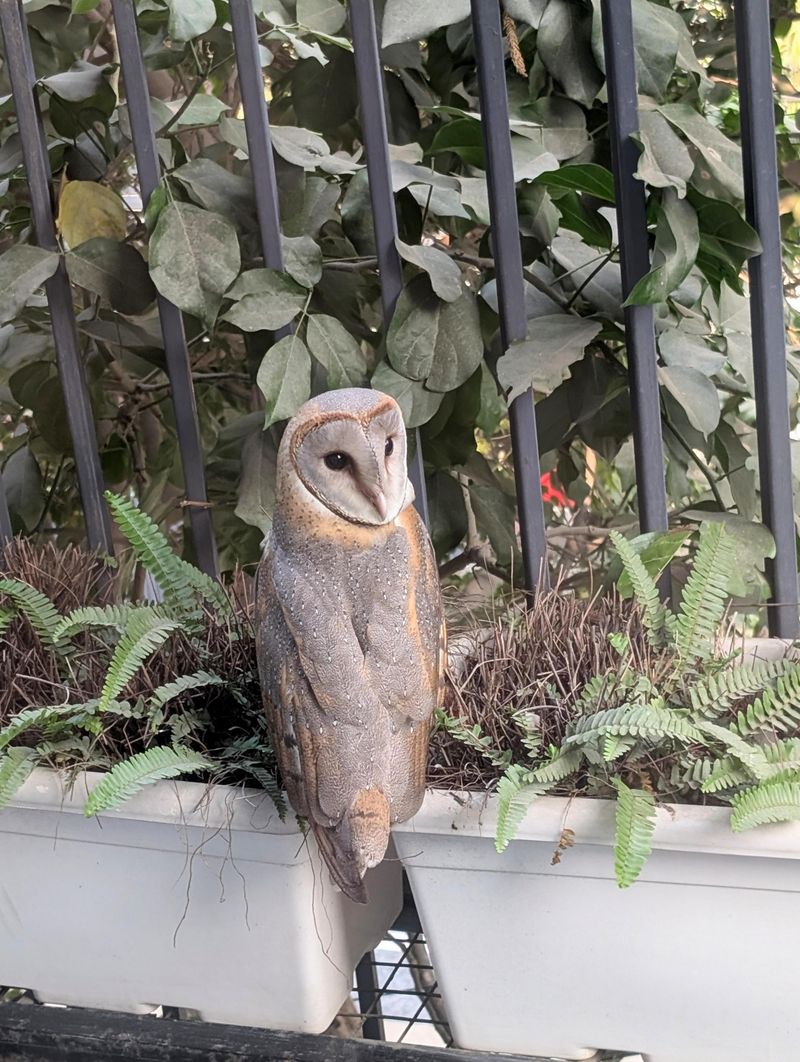
The numbers are honestly hard to believe. A mated pair of barn owls with a full nest of chicks can consume well over a thousand rodents in a single nesting season.
Some studies in our state have recorded numbers closer to three thousand rodents per family per year.
Barn owls typically raise one to two broods per year. Each brood can include four to seven chicks.
Every one of those chicks needs to eat constantly as it grows. The parents hunt almost every night to keep up with demand, and that constant hunting is exactly what makes them so effective for rodent control.
Unlike a single trap that can only catch one rodent at a time, a barn owl family operates as a coordinated, high-volume pest management team.
They cover large areas, target the most active rodents, and do it all without any input or maintenance from you.
Farmers in our state’s agricultural valleys have used barn owls for decades as a core part of their pest management strategy.
Vineyards, orchards, and row crop farms have all seen measurable reductions in rodent damage after installing owl boxes and supporting nesting pairs.
For a home gardener, even one nesting pair nearby can noticeably reduce the number of rodents damaging your beds and burrows.
Supporting one family of owls is like having a fully staffed, round-the-clock rodent patrol that never asks for a day off.
8. Barn Owls Work Best As Part Of A Bigger Rodent Plan
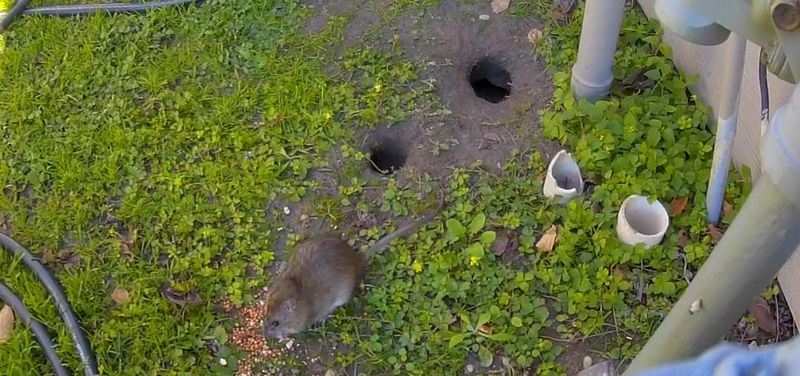
Barn owls are powerful allies, but they work best when paired with other smart rodent management strategies.
Relying on owls alone may not solve a serious infestation, especially during the early months before a pair has settled in.
Start by removing things that attract rodents in the first place. Store birdseed, pet food, and compost in sealed containers.
Keep garden debris and wood piles away from the base of your house. Rodents love clutter and easy food sources, so cutting those off makes your yard far less welcoming to them.
Snap traps placed inside enclosed bait stations are a safe and effective short-term tool. They work quickly, do not harm owls or other wildlife, and can be checked and reset easily.
Use them in areas where you see the most rodent activity, such as along fence lines, under raised beds, or near compost bins.
Planting native shrubs and ground covers that create habitat for barn owls without sheltering rodents near your home is another layer of protection.
Dense planting far from the house draws rodent activity away from structures and toward open hunting zones where owls can do their best work.
Think of barn owls as the centerpiece of your rodent plan, not the entire plan.
When combined with smart trapping, and thoughtful landscaping, barn owls can turn a frustrating rodent problem into something you barely have to think about anymore.
9. Patience Matters Because Owls May Take Time To Move In
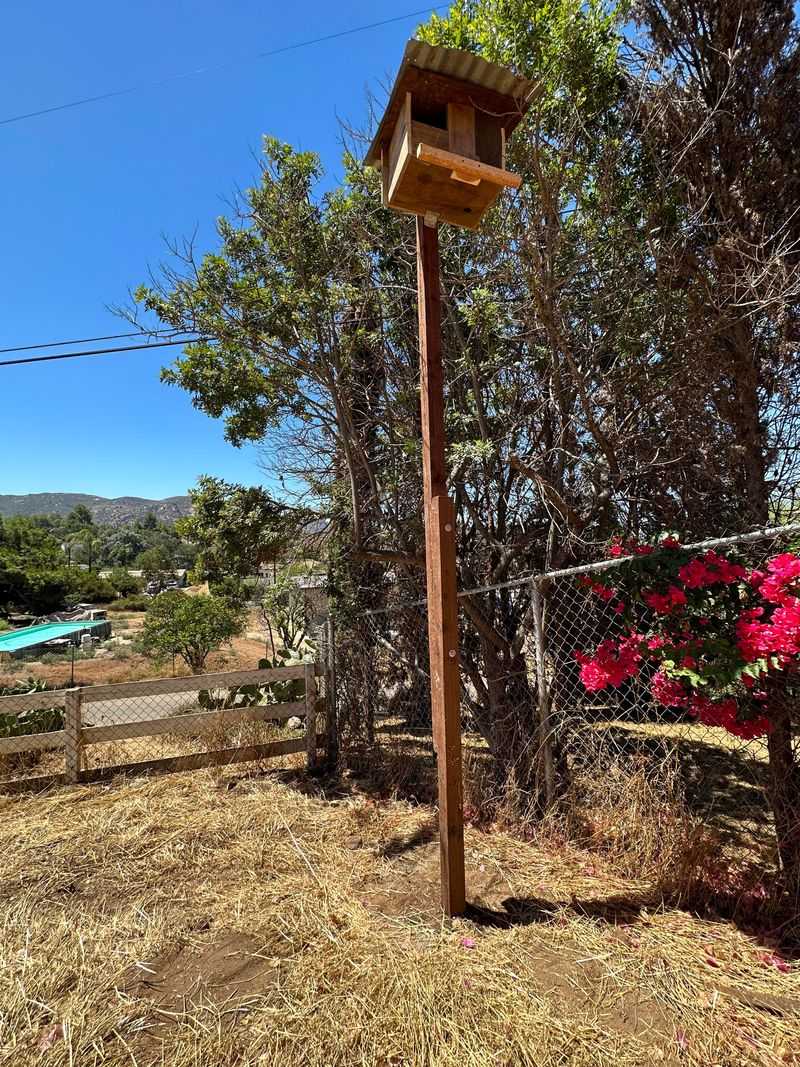
You put up the owl box. You turned off the extra lights. You let a strip of grass grow along the fence. Now you wait. And that is the hardest part for most gardeners.
Barn owls do not always move in right away. It can take weeks, months, or even a full year before a pair discovers your box and decides to nest.
That is completely normal. Owls are cautious birds. They scout an area carefully before committing to a nest site.
The best thing you can do is stay consistent. Keep the box clean and accessible. Remove old nesting material after each season so it stays fresh for the next pair.
Avoid disturbing the area around the box, especially during the early spring months when owls are scouting for nest sites.
Some people add a small amount of wood shavings or dry grass inside the box to make it more inviting.
Avoid using cedar shavings, which can have strong oils that bother sensitive birds. Plain pine shavings or dry straw work well.
Keep a simple journal of any owl sightings near your property. You may start noticing them flying over at dusk or hearing their raspy calls at night before they ever use the box.
Those are encouraging signs that owls are nearby and getting comfortable with your space. Good things take time, and barn owls are absolutely worth the wait.