Why California Lemon Trees Drop Fruit Before It Ripens And How To Fix It
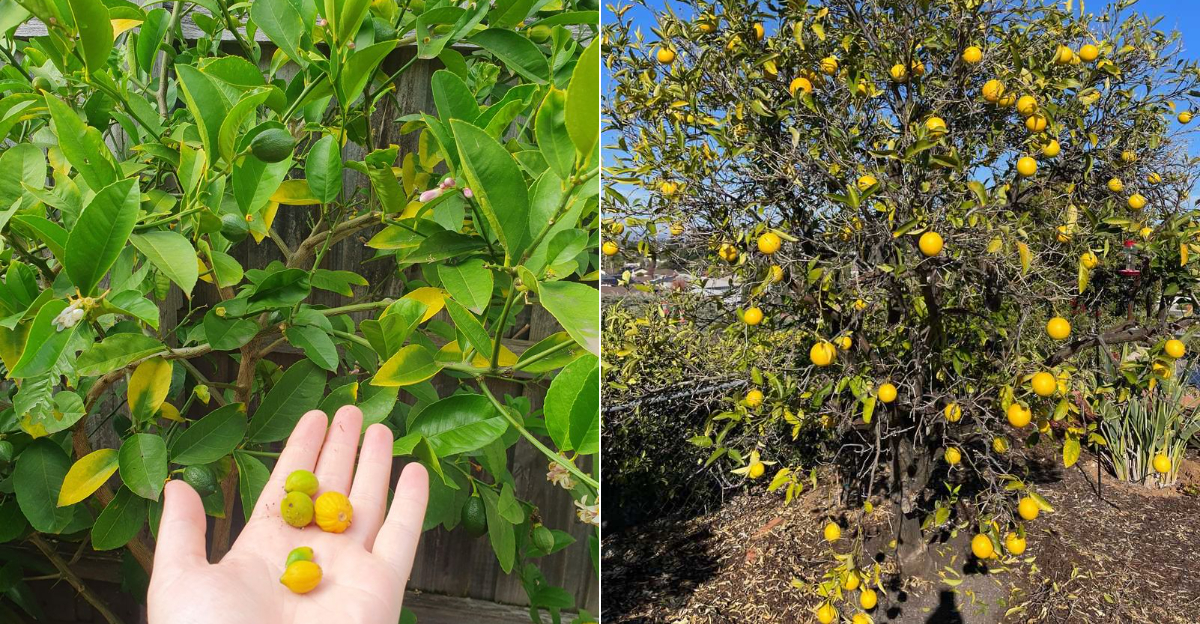
Lemon trees can be frustrating when fruit forms, grows for a while, then falls before it is ready. In California gardens, this can happen even when the tree looks mostly healthy.
A little fruit drop is normal, especially when the tree is carrying more than it can support. But steady dropping can point to stress.
Watering may be uneven. Heat can push the tree harder than expected.
Young trees may also shed fruit because their roots are still getting established. The tricky part is that the fix depends on the pattern.
A lemon tree dropping tiny fruit may need different care than one losing larger fruit near ripening time.
Watch when it happens, check the soil, and look at the whole tree before making changes. The right adjustment can help your lemons stay on the branch longer.
1. Some Early Lemon Drop Is Completely Normal
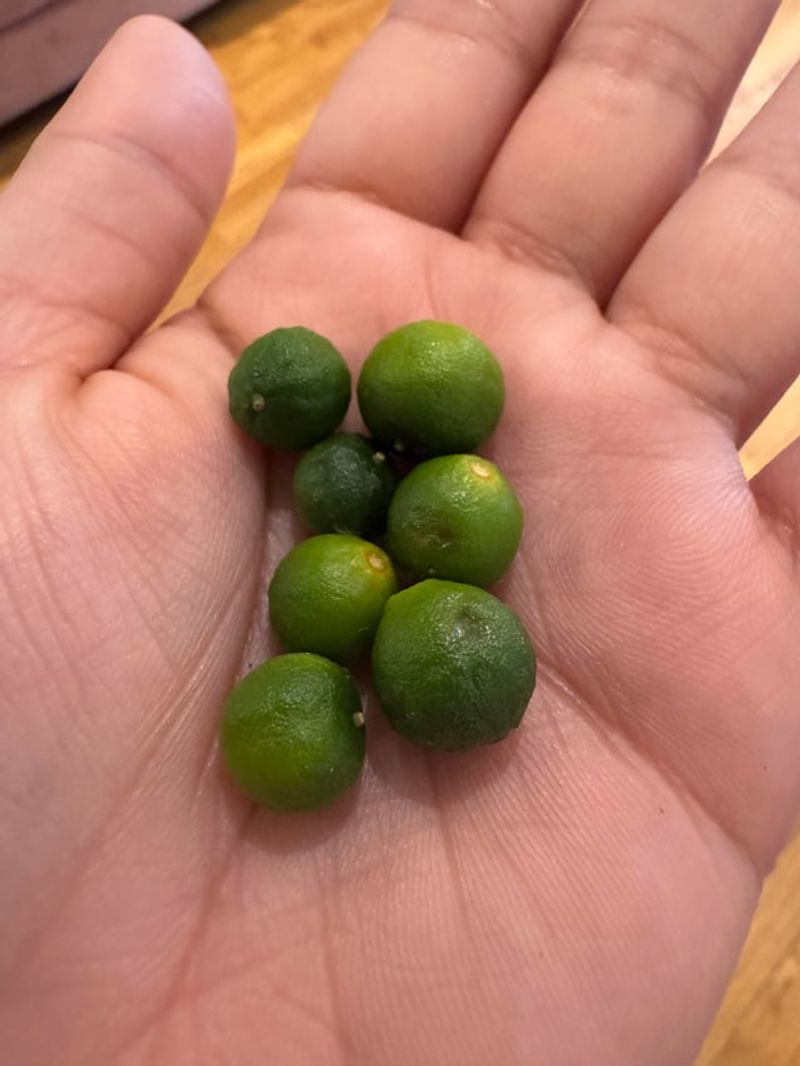
Not every fallen lemon means something is wrong. Lemon trees naturally shed a portion of their young fruit shortly after it sets.
This process is called June drop, and it happens every year, even on healthy trees.
The tree is essentially deciding how many lemons it can realistically support through the season. If too many fruits set at once, the tree will drop the weakest ones to protect its overall energy.
Think of it as the tree doing its own quality control.
Most gardeners panic when they see small green lemons on the ground. But if the tree still has plenty of fruit left on the branches, there is nothing to worry about.
A normal drop usually removes only a fraction of the total fruit set.
The key is to observe the pattern over a few days. If the dropping slows down and stops, the tree is simply thinning itself.
If fruit continues to fall heavily for weeks, that is when you should start looking for other causes.
Keeping a simple log of when and how many fruits fall can help you spot patterns over the years.
Once you recognize what normal looks like for your specific tree, you will feel much more confident about what needs attention and what does not.
Patience is a huge part of growing lemons successfully in California.
2. Small Fruit Often Falls In Late Spring And Early Summer
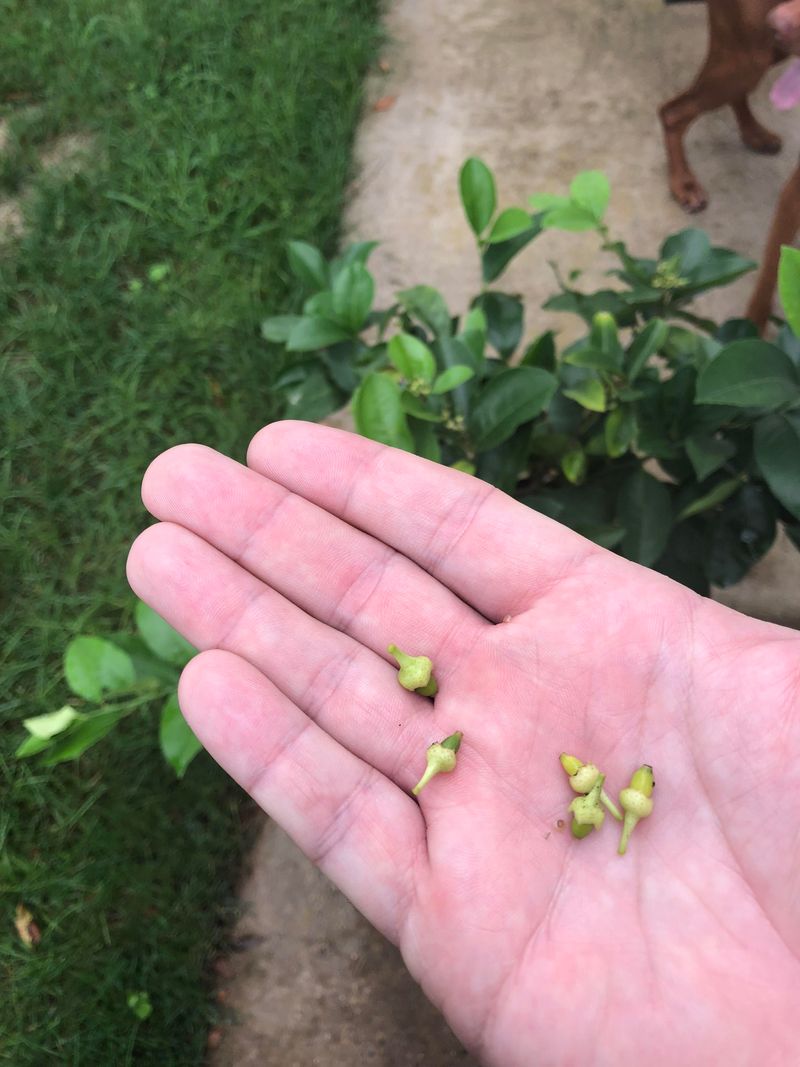
Late spring and early summer bring a predictable wave of small fruit falling from lemon trees across the region.
Many new California growers see this and assume their tree is struggling, but timing matters a lot here.
This seasonal drop is tied directly to how the tree manages its energy after a big bloom.
After flowering, a lemon tree may set far more fruit than it can bring to full size. The tree then sheds the excess during those warmer late spring weeks.
Most of the fallen fruit at this stage will be pea-sized or marble-sized, and very hard to the touch.
Warm temperatures speed up this process. As days get longer and hotter, the tree shifts focus from fruit setting to fruit development.
Your California Garden Changes Every Week. Your Plan Should Too.
Gardening in California changes quickly throughout the season. Every Friday you’ll receive a simple weekly plan showing exactly what to plant, prune, fertilize, harvest, and protect so you never miss the right timing.
The fruitlets that are not getting enough nutrients or sugar from the tree simply fall off.
You can support your tree through this period by making sure it has consistent moisture and a balanced fertilizer. A citrus-specific fertilizer applied in early spring gives the tree the nutrients it needs to hold onto more fruit.
Avoid heavy nitrogen applications during bloom, as too much nitrogen pushes leafy growth instead of fruit development.
Once the drop slows down, the fruit that remains on the tree is usually the strongest and most likely to ripen fully. That remaining fruit deserves your full attention and care going forward.
3. Older Fruit Drop Usually Points To Stress
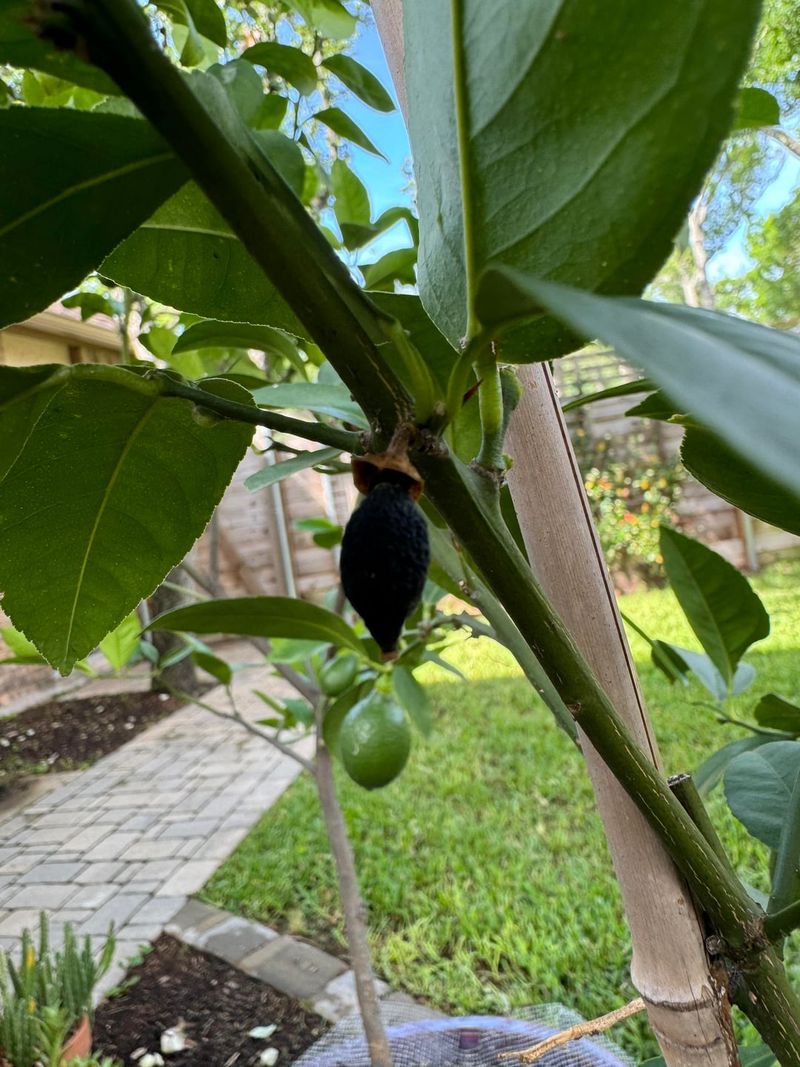
When larger, older fruit starts falling before it ripens, that is a different signal entirely. Unlike the normal early drop of tiny fruitlets, older fruit drop usually means the tree is under some kind of stress.
Identifying the source of that stress quickly is essential. Stress can come from many directions. Drought, heat, poor soil, root problems, and pest pressure are all common culprits.
The tree drops mature fruit as a survival response, redirecting its remaining energy toward staying alive rather than finishing the fruit.
One helpful clue is to look at the leaves. If they are yellowing, curling, or dropping along with the fruit, the stress is likely widespread.
Healthy green leaves alongside dropping fruit may point to a more specific issue like overwatering or a pest problem on the fruit itself.
Check the soil moisture a few inches below the surface. Dry, powdery soil is a clear sign the tree needs more water.
Soggy, compacted soil that smells musty can signal root damage from poor drainage.
Once you pinpoint the cause, address it gradually. Sudden changes, like flooding a drought-stressed tree, can make things worse.
Slow and steady improvements in watering, fertilizing, and soil health give the tree the best chance to recover and hold onto its remaining fruit through the rest of the season.
4. Irregular Watering Can Make Lemons Fall Early
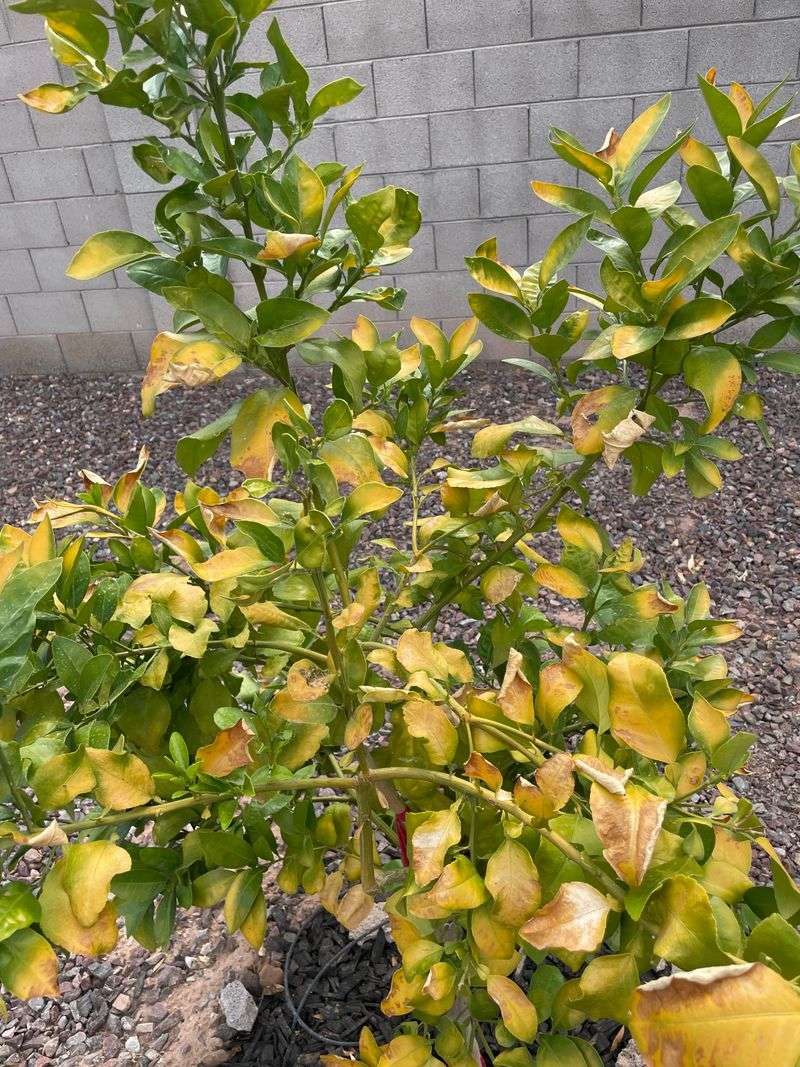
Watering habits have a huge impact on whether lemons stay on the tree or fall early. Lemon trees are sensitive to inconsistent moisture.
Going from very dry to very wet and back again confuses the tree and often triggers fruit drop.
When the soil dries out completely between waterings, the tree experiences drought stress. It responds by shedding fruit to reduce the amount of water it needs to survive.
Even a few days of severe dryness during hot weather can cause a wave of fruit to fall.
On the flip side, overwatering creates its own problems. Roots sitting in soggy soil cannot absorb oxygen properly.
When roots are stressed, the whole tree suffers, and fruit is often the first thing to go.
The goal is consistent, deep watering that keeps the soil evenly moist but never waterlogged.
For most mature lemon trees in warm, dry climates, watering deeply once or twice a week during summer works well.
Always check the soil a few inches down before watering to avoid adding water when it is not needed.
Using a drip irrigation system takes the guesswork out of watering. It delivers a slow, steady supply of moisture directly to the root zone.
Mulching around the base of the tree also helps the soil hold onto moisture longer between watering sessions, which keeps the tree much more comfortable during dry spells.
5. Heat Waves And Santa Ana Winds Make Drop Worse
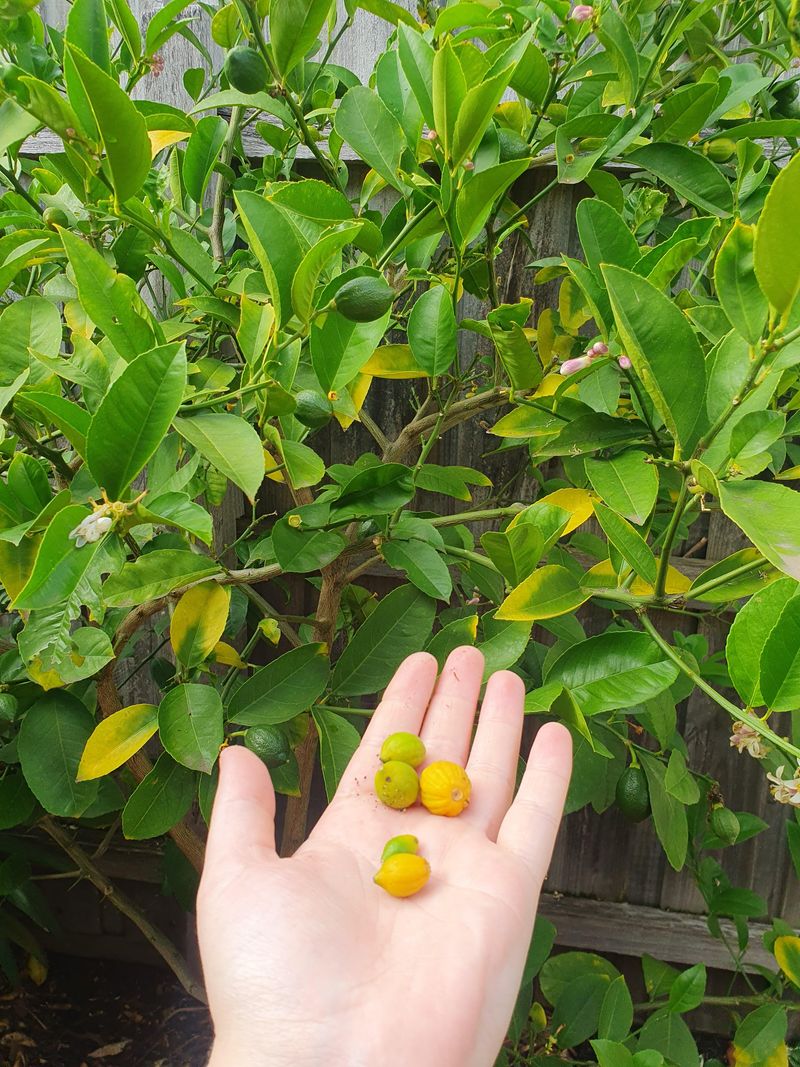
Hot, dry conditions are tough on lemon trees, and California is no stranger to extreme heat events. When temperatures spike above 95 degrees Fahrenheit for several days in a row, lemon trees can drop fruit rapidly.
The tree simply cannot keep up with the water demand that extreme heat creates.
Santa Ana winds make the situation even harder. These hot, dry winds pull moisture out of leaves and soil at a much faster rate than normal.
Even a well-watered tree can show stress during a strong Santa Ana event because the wind strips moisture faster than the roots can replace it.
Fruit drop during heat waves is largely unavoidable, but you can reduce the damage with some preparation. Water your tree deeply before a heat wave arrives.
Adding a fresh layer of mulch around the base helps insulate the roots and slow moisture loss from the soil.
Young trees are especially vulnerable during these events. Providing temporary shade cloth over a young tree during extreme heat can prevent significant stress.
Older, established trees handle heat better but still benefit from extra water during prolonged hot spells.
After a heat wave passes, resist the urge to over-fertilize. The tree needs time to recover, and too much fertilizer on a stressed tree can push it further off balance.
Give it a week or two of good watering before resuming a regular fertilizer schedule.
6. Dry Soil During Hot Weather Can Shock The Tree
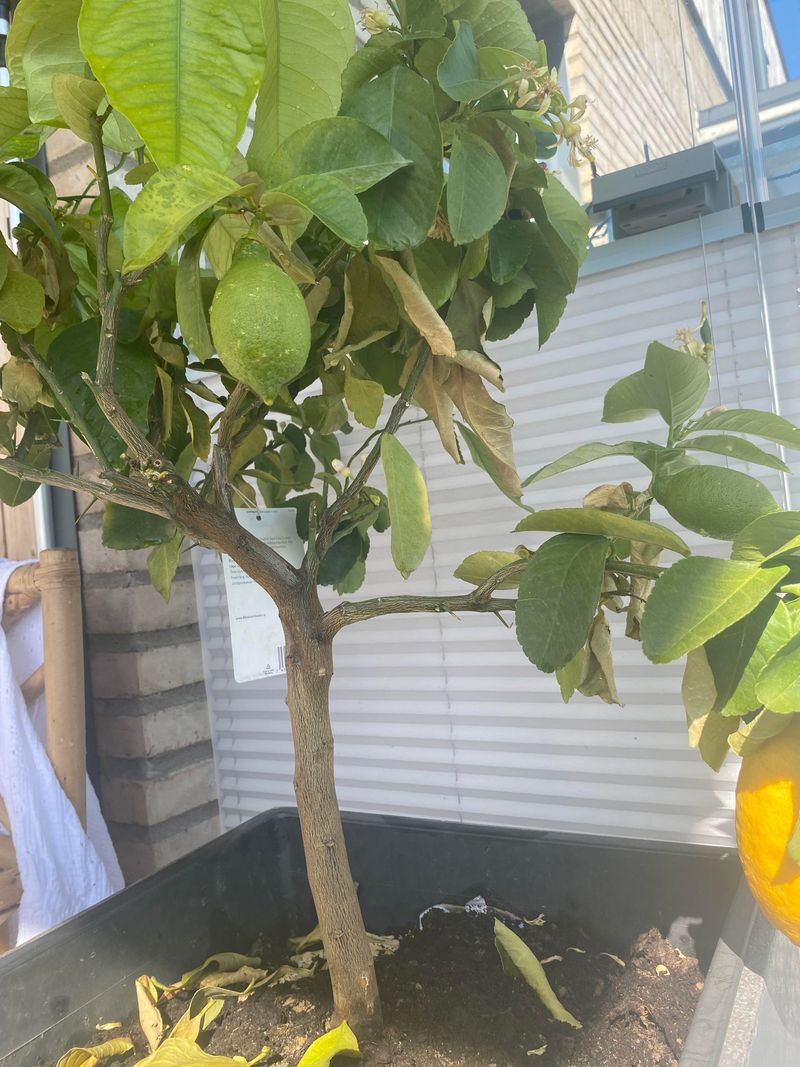
There is a big difference between slightly dry soil and bone-dry soil. When the root zone of a lemon tree dries out completely during a heat wave, the tree goes into shock.
Fruit drop is one of the fastest responses to that kind of sudden moisture loss.
Soil in warm, sunny California yards can dry out surprisingly fast, especially in raised beds or containers. Sandy soils drain quickly and need more frequent watering than clay-heavy soils.
Knowing your soil type helps you set a realistic watering schedule that prevents the soil from reaching that critical dry point.
One of the best ways to check soil moisture is to push a wooden dowel or long screwdriver into the soil near the drip line of the tree. If it comes out dry and clean, the tree needs water.
If it comes out with moist soil clinging to it, you can wait another day or two.
Adding a three to four inch layer of organic mulch around the base of the tree is one of the most effective tools for managing soil moisture. Wood chips, straw, or shredded bark all work well.
Keep the mulch a few inches away from the trunk to prevent moisture buildup against the bark.
Consistent soil moisture during hot months keeps the tree calm and productive. A tree that never experiences extreme dryness holds onto its fruit much more reliably from early summer all the way through harvest season.
7. Poor Drainage Can Stress Citrus Roots
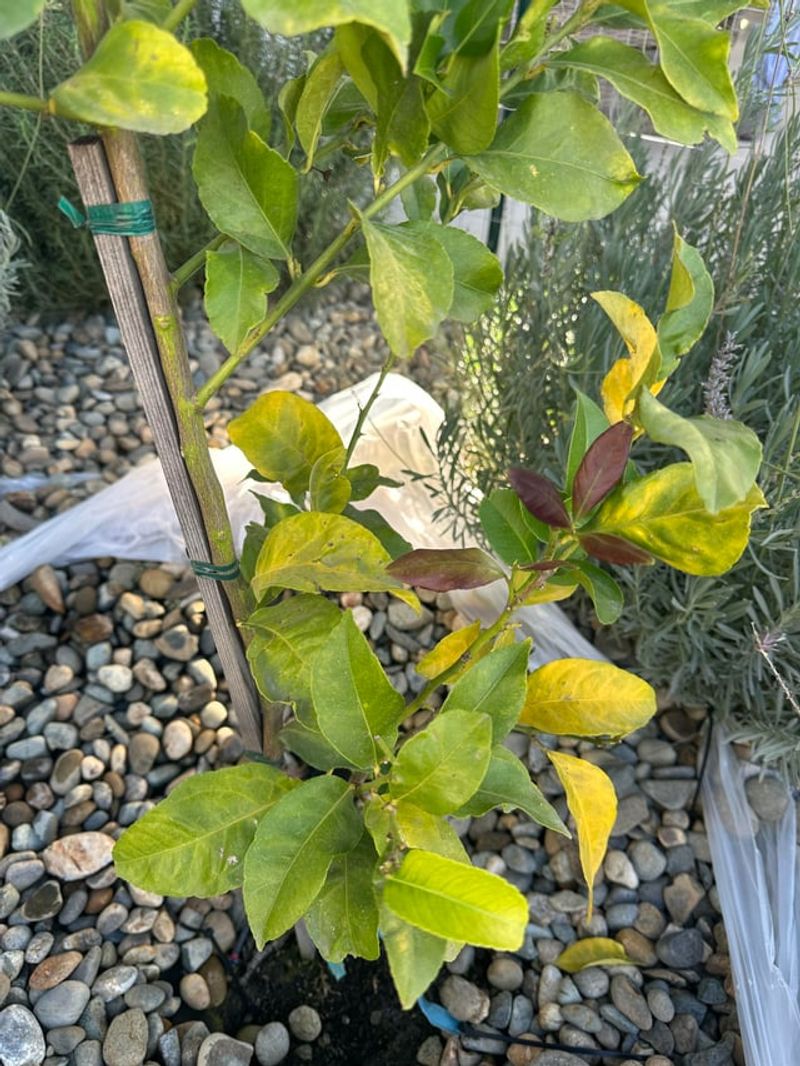
Citrus roots need both water and air to function properly. When soil holds too much water for too long, the roots are essentially suffocating.
Poor drainage is one of the most overlooked causes of fruit drop and general tree decline in backyard citrus.
Clay-heavy soils are the most common culprit in many parts of California. Clay holds water tightly, and after heavy rain or deep irrigation, it can stay saturated for days.
Roots sitting in that wet environment begin to break down, and the tree loses its ability to take up nutrients and water effectively.
Signs of poor drainage include yellowing leaves, slow growth, and fruit that drops without any obvious cause.
The soil near the base of the tree may also feel spongy or smell slightly sour from anaerobic activity underground.
Improving drainage starts with soil amendment. Working compost into the planting area loosens compacted soil and improves its structure.
For severely compacted areas, a French drain or raised planting mound can redirect excess water away from the roots.
If your tree is already in a poorly draining spot, avoid adding more water than necessary. Let the soil dry slightly between waterings.
Over time, adding organic matter to the surrounding soil each year will gradually improve its drainage capacity and give your tree a much healthier root environment to thrive in long term.
8. Young Lemon Trees May Drop Fruit They Cannot Support
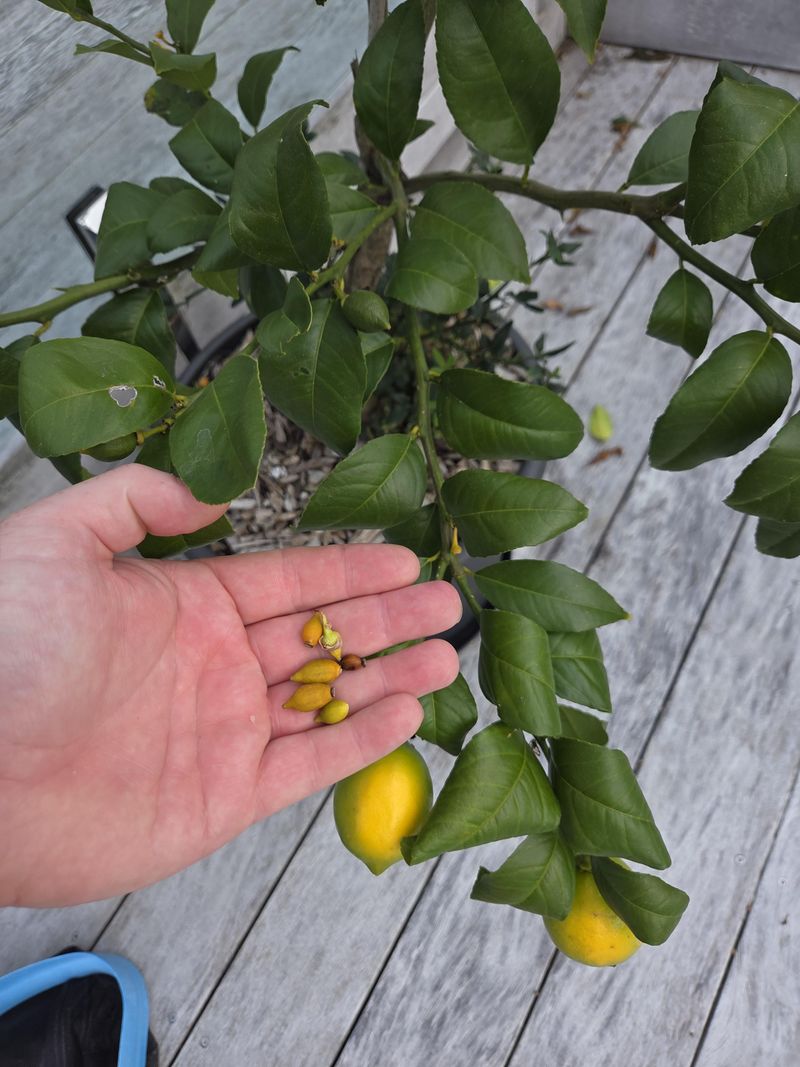
A young lemon tree full of fruit looks exciting, but it can actually be a warning sign. Trees that are less than three years old often cannot support a heavy fruit load.
When a young tree sets more fruit than its root system and canopy can handle, it will shed the excess.
This is not a flaw. It is actually a smart survival strategy. A young tree needs to invest most of its energy into building strong roots and a sturdy branch structure.
Carrying a full crop too early can slow that development and leave the tree weaker in the long run.
Many experienced growers recommend removing most of the fruit from young trees during the first two or three years.
It feels counterintuitive, but letting the tree focus on growth rather than fruit production leads to a much more productive tree in later years.
If you want to keep some fruit on a young tree, limit it to just a handful of the best-looking lemons. Remove the rest by hand when they are still small.
This gives the tree a manageable workload while still letting you enjoy a small early harvest.
Feeding young trees with a balanced citrus fertilizer every six to eight weeks during the growing season supports healthy development.
Good nutrition gives a young tree the building blocks it needs to grow strong enough to eventually carry a full crop without dropping fruit prematurely.
9. Pests Can Weaken Leaves And New Growth
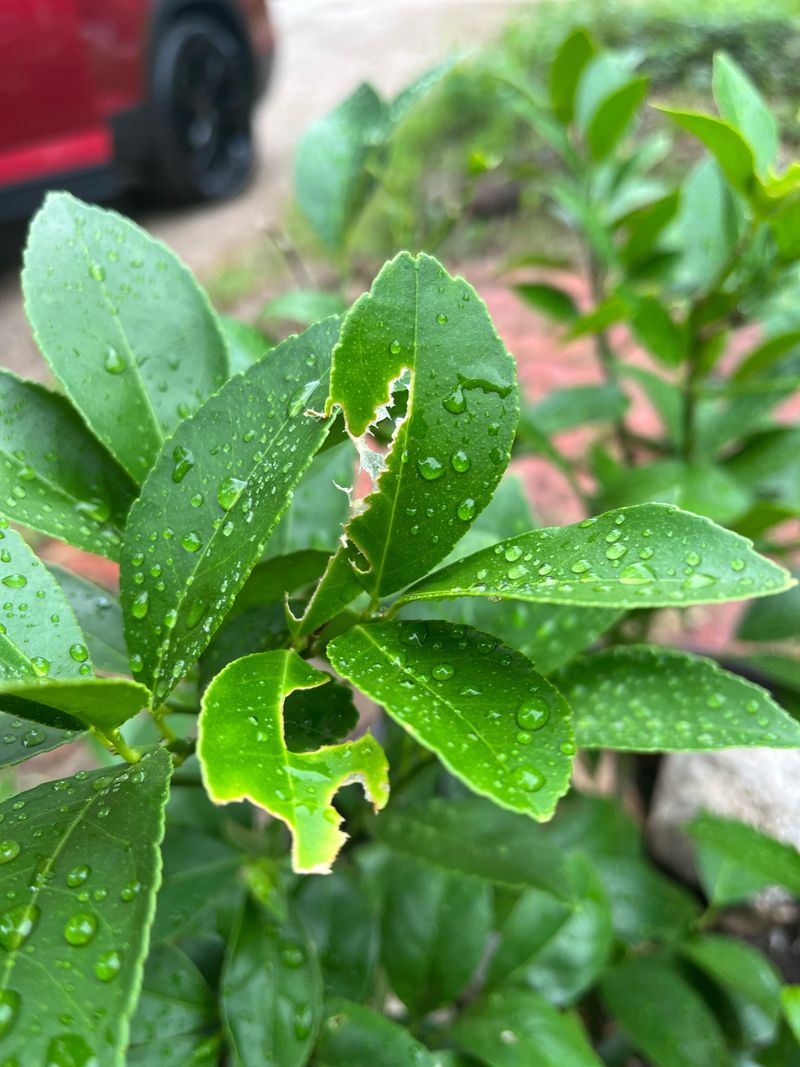
Bugs might seem like a minor nuisance, but certain pests can seriously weaken a lemon tree and contribute to fruit drop.
Aphids, citrus leafminers, and spider mites are among the most common offenders in home gardens across the region.
They attack new growth and leaves, which are the tree’s main food-producing parts.
When leaves are damaged or curled by pests, the tree cannot photosynthesize as efficiently. Less energy production means less fuel for developing fruit.
Over time, a heavy pest infestation can starve the fruit of the resources it needs to stay on the tree.
Aphids tend to cluster on tender new shoots and the undersides of young leaves. You can often spot them by the sticky, shiny residue they leave behind, known as honeydew.
This residue also attracts ants and can lead to sooty mold growth on leaves and fruit.
Controlling pests does not have to involve harsh chemicals. A strong blast of water from a garden hose knocks aphids off leaves effectively.
Neem oil spray is a popular organic option that works on a wide range of soft-bodied insects without harming beneficial bugs like ladybugs or lacewings. Checking your tree regularly for pest activity is the best prevention.
Catching an infestation early, before it spreads across the whole canopy, makes treatment much easier and prevents the kind of widespread leaf damage that leads to premature fruit drop.
10. Do Not Overprune A Stressed Lemon Tree
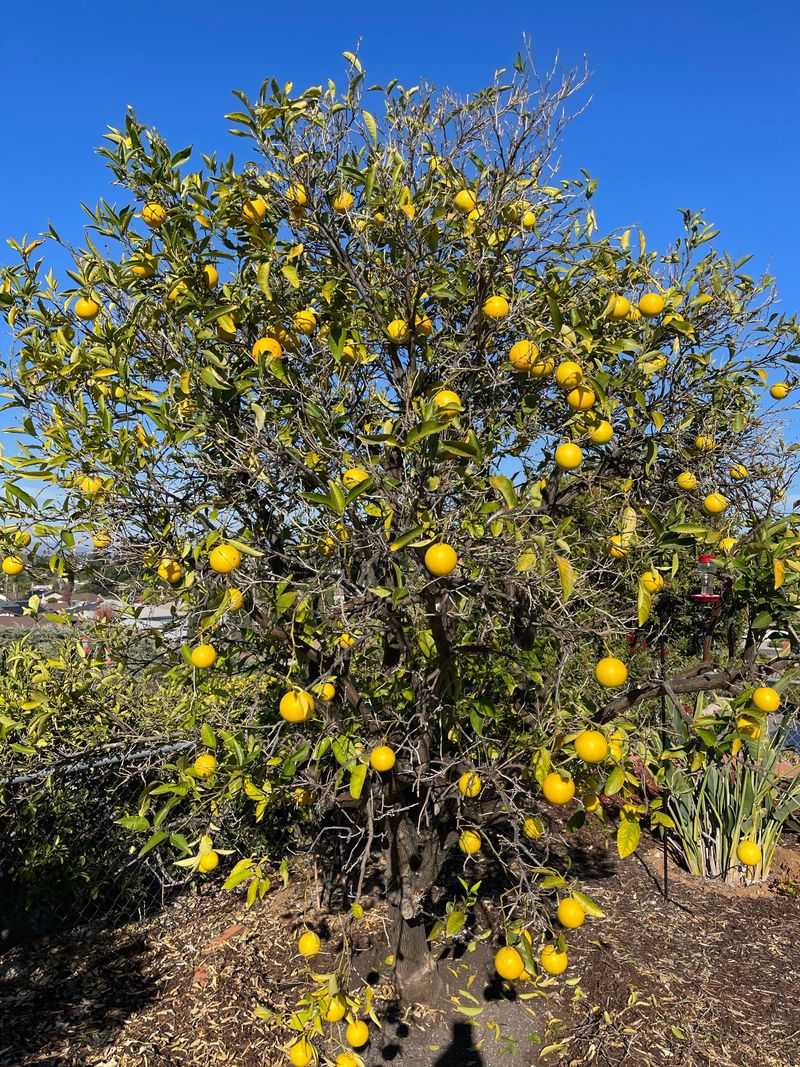
Pruning is an important part of lemon tree care, but timing and amount matter a great deal. Cutting back too many branches on a tree that is already under stress can trigger a significant wave of fruit drop.
The tree loses too much leaf area at once, which reduces its ability to produce energy.
A stressed lemon tree needs every leaf it can keep. Leaves are where photosynthesis happens, and photosynthesis is what fuels fruit development.
Removing large portions of the canopy when the tree is already struggling is like taking away its kitchen during a food shortage.
Light, selective pruning is always safer than heavy cutting. Remove damaged or crossing branches, and trim back any growth that is blocking airflow through the center of the canopy.
Keep major pruning for late winter or early spring, before the tree puts energy into new growth and flowering.
If your tree has just gone through a heat wave, a pest outbreak, or a period of drought stress, hold off on pruning entirely for a few weeks.
Give the tree a chance to stabilize before you make any cuts. Resume regular watering and fertilizing first.
Once the tree is showing healthy new growth and the fruit drop has slowed, you can do a light cleanup prune. Always use clean, sharp tools to make smooth cuts that heal quickly.
Proper pruning at the right time supports a stronger, more productive tree season after season.