Privacy Plants Oregon Gardeners Should Avoid Planting Too Close To Property Lines
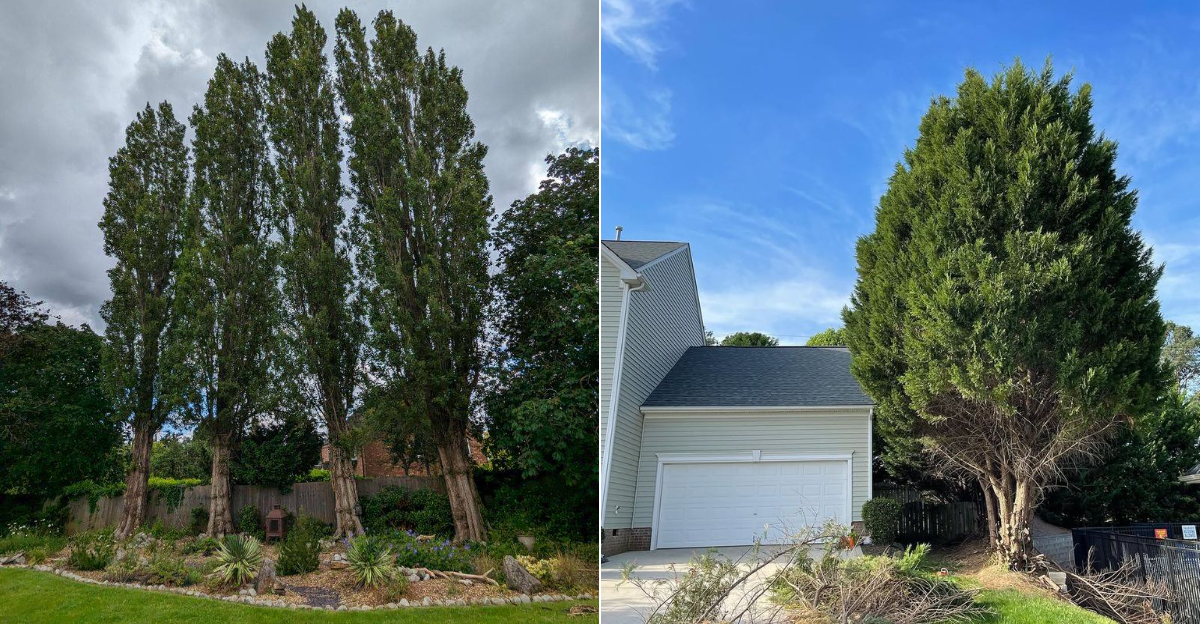
Privacy plants can seem harmless when they are small at the nursery. A few years later, that cute shrub may be leaning over the fence, blocking a neighbor’s light, or sending roots into the wrong place.
Oregon’s mild, wet seasons can make growth happen faster than expected, especially with plants chosen for quick screening. That is where property line planting gets tricky.
The goal is privacy, not a future argument over branches, berries, leaves, or constant trimming.
Some plants need more room than their tags suggest. Others spread wide, grow tall, or become hard to control in narrow spaces.
Before planting a living screen, it helps to think about the full grown size, not just the empty view you want to hide today.
Smart spacing now can save your yard, your fence, your neighborly peace and give less headache later on.
1. Bamboo Running Varieties
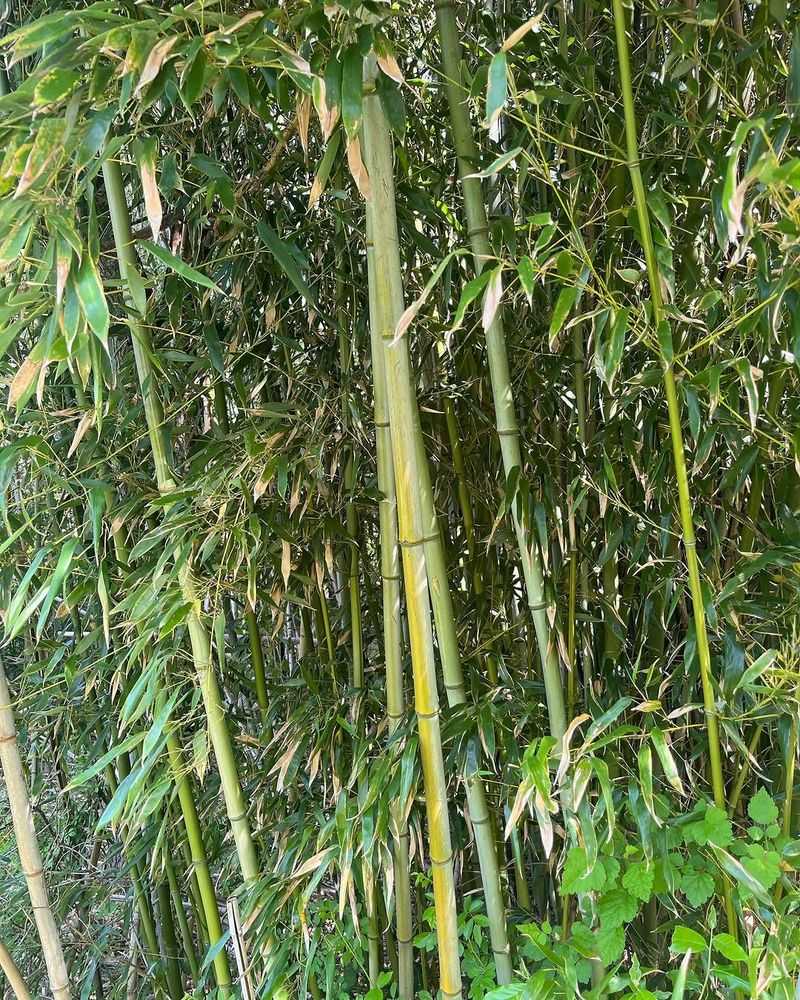
Few plants earn more angry neighbor complaints than running bamboo. Unlike clumping bamboo, running varieties send out underground stems called rhizomes that can travel 20 or more feet in a single growing season.
Those rhizomes don’t care about property lines, fences, or sidewalks. Once running bamboo gets into a neighbor’s yard, it’s incredibly hard to remove.
Roots go deep, spread fast, and can crack concrete patios, foundations, and retaining walls.
In our state, several counties have had to deal with bamboo-related property disputes that ended up in court.
Some Oregon cities have started passing ordinances that fine homeowners for allowing bamboo to spread onto neighboring properties.
The cost of bamboo removal can run into thousands of dollars, and you could be held responsible for your neighbor’s removal costs too.
If you love bamboo, go with a clumping variety like Fargesia instead. Clumping bamboo stays in a tight, manageable cluster and grows slowly outward.
It still gives you great privacy without the underground invasion. If you already have running bamboo, install a root barrier that goes at least 30 inches deep around the entire planting area.
Check it every season and cut back any rhizomes that try to escape. Staying on top of it now saves a lot of trouble later.
2. Leyland Cypress
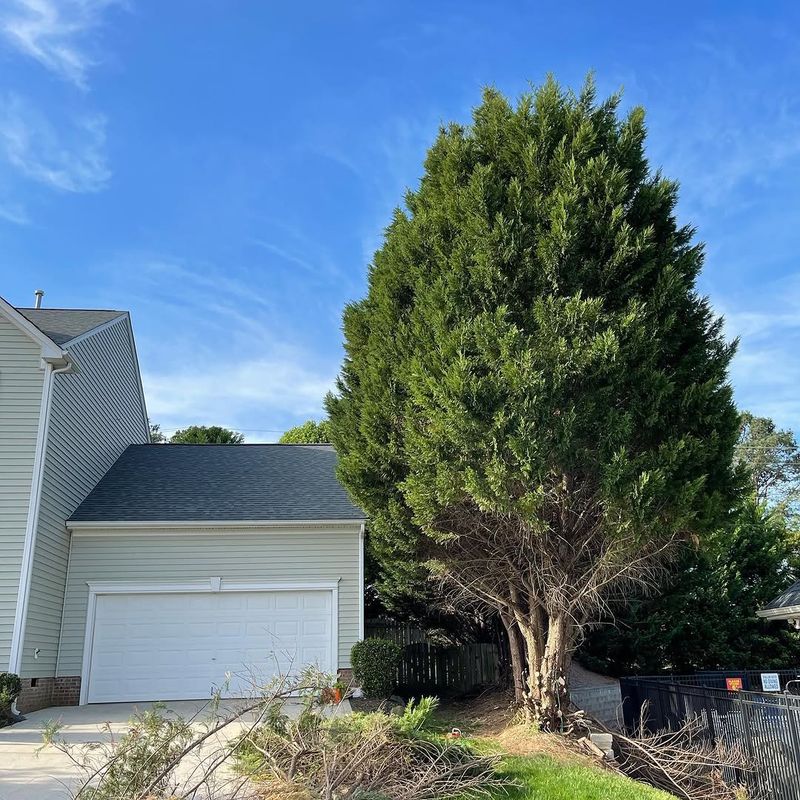
Fast and tall sounds great until your neighbor calls a lawyer. Leyland Cypress is one of the most popular privacy trees in the Pacific Northwest, and it’s easy to see why.
It grows up to four feet per year and creates a thick, green wall in just a few seasons.
The problem is that it doesn’t stop growing. These trees can reach 70 feet tall and spread 15 to 25 feet wide.
Plant one too close to the property line and it can quickly hang over your neighbor’s yard, block their sunlight, and drop branches on their lawn or roof.
Roots can also lift sidewalks and driveways if planted near pavement.
In our state’s wet climate, Leyland Cypress is also prone to fungal diseases like Seiridium canker, which causes large sections of the tree to turn brown and look terrible. Once infected, the tree rarely recovers fully.
Your Oregon Garden Changes Every Week. Your Plan Should Too.
Gardening in Oregon changes quickly throughout the season. Every Friday you’ll receive a simple weekly plan showing exactly what to plant, prune, fertilize, harvest, and protect so you never miss the right timing.
Many HOAs in Oregon have started limiting or banning this tree for these exact reasons. A good rule of thumb is to plant Leyland Cypress at least 15 to 20 feet from any property line.
Better yet, choose a smaller, more manageable privacy shrub instead. Always check local ordinances before planting near a fence or boundary. Your future self and your neighbors will thank you for it.
3. Arborvitae Planted Too Tightly
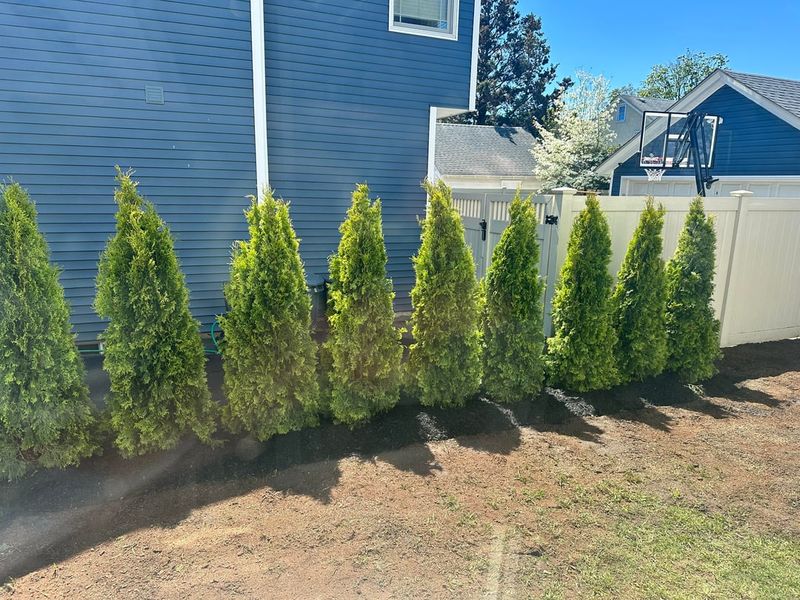
Arborvitae is a classic choice for privacy hedges, and it looks great when planted correctly. The trouble starts when gardeners plant them too close together or right on the property line.
Many people space them just two or three feet apart, hoping to create a solid wall fast. That spacing almost always causes problems.
When arborvitae are crammed together, airflow drops significantly between the plants. Poor airflow leads to moisture buildup, which invites fungal disease.
The inner branches start to brown and drop needles. Over time, the hedge looks patchy and unhealthy instead of lush and green.
Planted too close to a property line, arborvitae can also push branches into your neighbor’s space as they mature. Most varieties grow six to eight feet wide at maturity.
If you plant the center of the tree one foot from the fence, half the tree will end up on the other side.
Spacing matters more than speed. Plant arborvitae at least four to five feet apart and no closer than five feet from any property line.
The Green Giant variety is a popular choice in this state because it’s fast-growing but still manageable with proper spacing. Water deeply but not too often, and give each tree room to breathe.
A properly spaced arborvitae hedge will look far better after five years than an overcrowded one.
4. Photinia
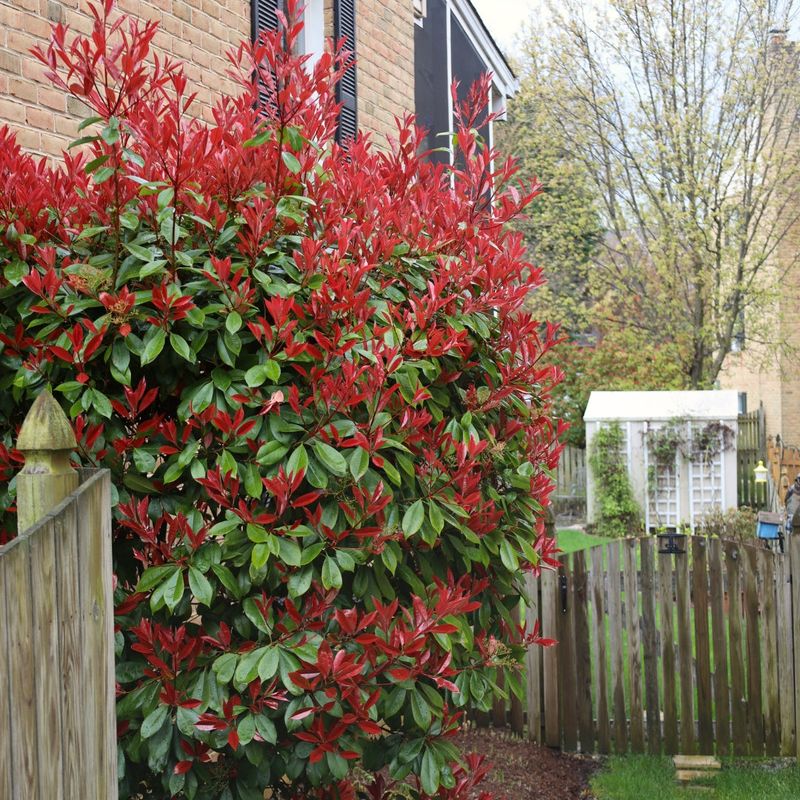
With its bright red new growth in spring, Photinia looks stunning in the nursery. It’s often sold as a fast-growing privacy hedge, and it does grow quickly.
But what the plant tag doesn’t always tell you is how wide and unruly Photinia can get without regular pruning.
Left unchecked, Photinia can grow 10 to 15 feet tall and just as wide. That means a shrub planted near a property line can easily spread into your neighbor’s yard within a few years.
The branches are dense and heavy, and they can damage fences if they lean against them for too long.
Photinia is also very prone to a fungal disease called Entomosporium leaf spot, which is common in Oregon’s wet climate.
The disease causes red and brown spots on the leaves, eventually causing heavy leaf drop. Once it takes hold, it spreads quickly between plants in a tightly planted hedge.
Pruning Photinia frequently can help control leaf spot by removing infected growth, but it also means more work for you.
If you love the look of Photinia, plant it at least six to eight feet from your property line and prune it at least twice a year. Avoid overhead watering, which spreads the fungal spores.
Choose disease-resistant varieties when possible, and space plants well to allow good airflow between them throughout the year.
5. Poplar Trees
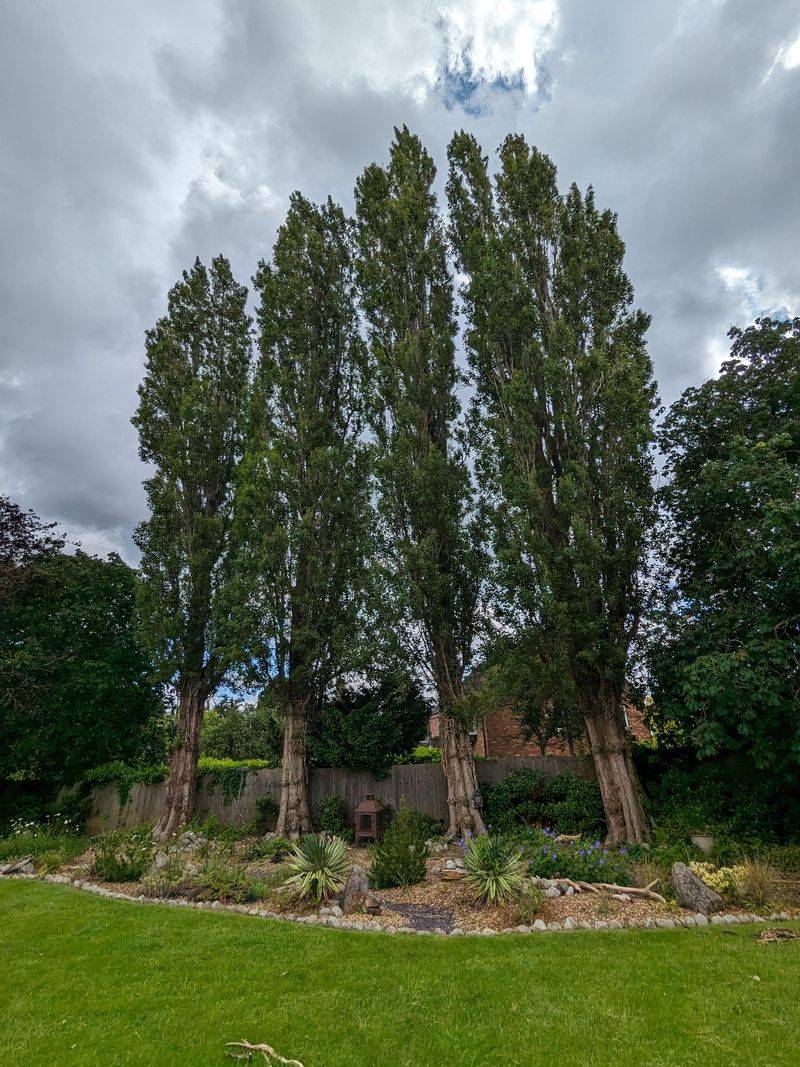
Poplar trees grow at a jaw-dropping speed. Some varieties add six to eight feet of height per year, making them tempting for homeowners who want fast privacy.
But that rapid growth comes with a serious tradeoff that can cost you big money in repairs.
Poplar roots are aggressive and shallow. They spread wide looking for water, and they love to find it in pipes.
Sewer lines, irrigation pipes, and drain tiles are all at risk when a Poplar is planted nearby. In this state’s older neighborhoods, Poplar roots have been blamed for cracking and clogging underground pipes.
The roots also heave sidewalks, driveways, and patios. Once that damage starts, repairs are expensive and the roots keep coming back.
Even after the tree is removed, root fragments left in the soil can resprout and cause more problems for years.
Poplar trees also have a relatively short lifespan for a large tree. Many start to decline after 30 to 40 years, and large dead branches become a safety hazard.
Cleaning up fallen branches, seed fluff, and leaves is a constant chore. If privacy is your goal, a Poplar planted close to the property line will likely create more conflict than comfort.
Plant them at least 30 to 40 feet from any structure, pipe, or boundary. Or skip them altogether and choose a less aggressive option.
6. Silver Maple
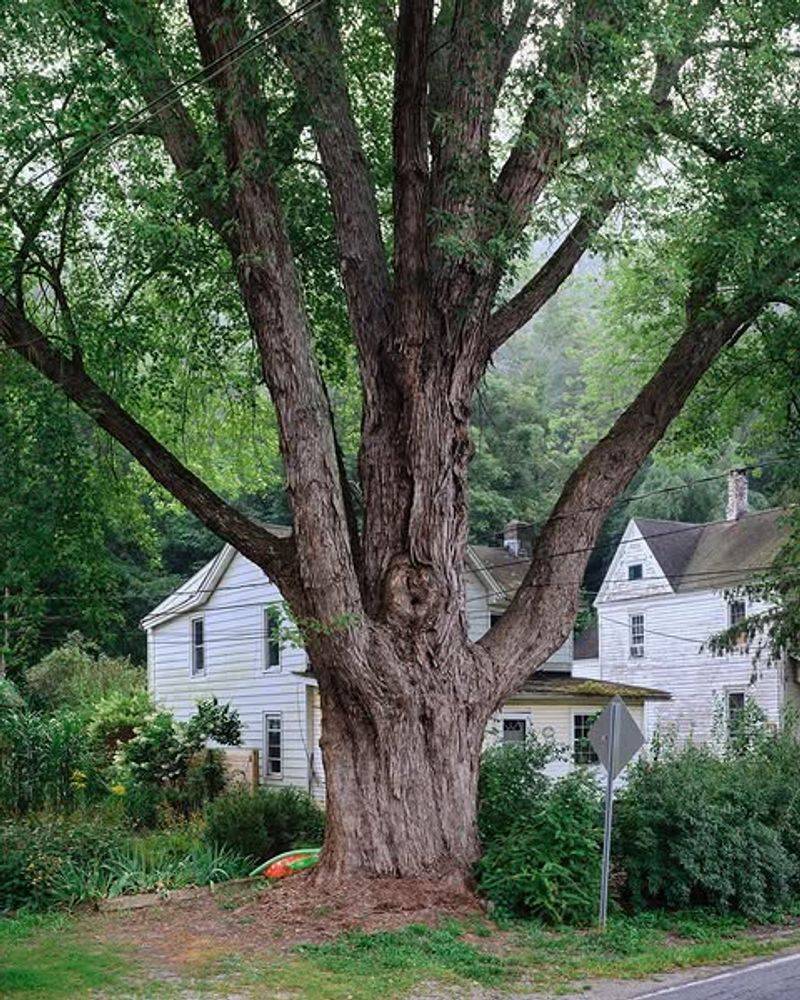
Silver Maple is a beautiful tree with shimmering silver-green leaves that flutter in the breeze.
It provides excellent shade and grows quickly, which makes it appealing for homeowners who want results fast. But its root system is the stuff of landscaping nightmares.
The roots of a Silver Maple are aggressive, wide-spreading, and very close to the soil surface. They can extend two to three times the width of the tree’s canopy.
That means a tree with a 40-foot canopy could have roots spreading 80 to 120 feet in every direction. Near a property line, that’s a serious problem.
Those surface roots can crack foundations, lift patios, clog drains, and destroy underground pipes.
Neighbors often end up dealing with root damage on their side of the fence without any warning.
In our state, property damage caused by tree roots can result in legal disputes between neighbors, especially if the planting was done carelessly.
Silver Maple also drops a large number of seeds called samaras, which sprout everywhere and become a weeding headache for both you and your neighbors.
The wood is also weak and prone to breaking in windstorms, which are common in northern and coastal regions of the state.
If you want a shade tree near a property line, choose a species with a less invasive root system. Sugar Maple or Japanese Maple are much friendlier options for smaller yards.
7. Sweetgum
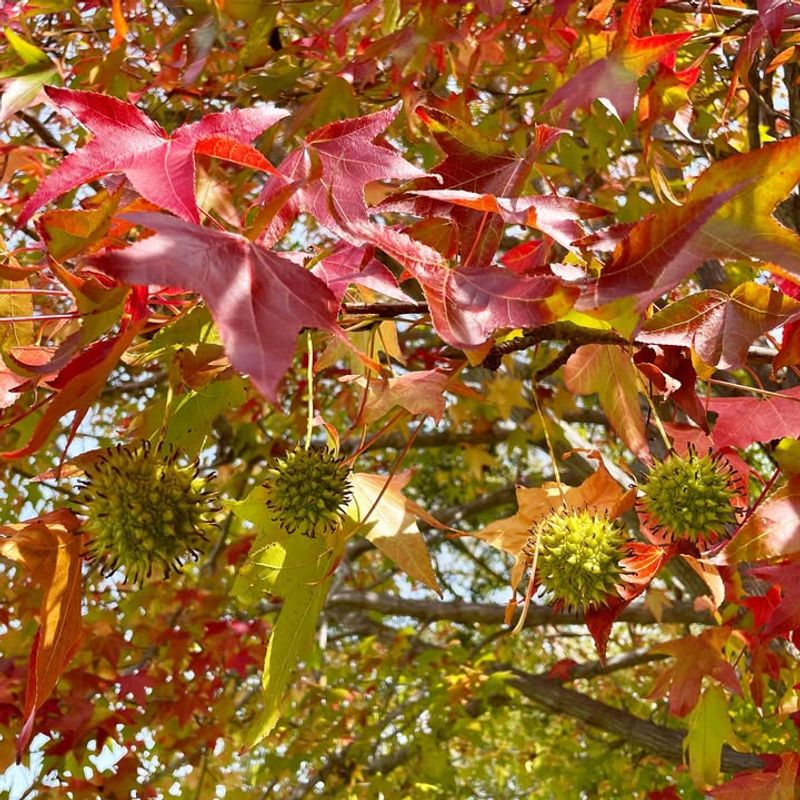
At first glance, Sweetgum looks like a dream tree. Its star-shaped leaves turn brilliant shades of red, orange, and purple in fall.
It grows tall and straight, offering great vertical privacy. But spend one season raking up what it drops and you might change your mind quickly.
Sweetgum produces spiky, round seed pods that gardeners often call gumballs. A single mature tree can drop thousands of these pods every year.
They cover the ground, roll onto sidewalks, and create a slipping hazard. They’re also painful to walk on barefoot and nearly impossible to rake cleanly off a lawn.
When planted near a property line, those seed pods don’t stay on your side. Wind, rain, and slope can send them rolling into your neighbor’s yard, garden beds, and driveway.
It’s a small thing that quickly becomes a big source of tension between neighbors.
Sweetgum roots can also be aggressive, especially near structures and paving. The tree grows large, sometimes reaching 75 feet tall, and its canopy spreads wide.
In this state’s mild climate, it grows vigorously and can become hard to manage in a smaller yard. There are sterile varieties of Sweetgum available that don’t produce seed pods.
If you love the look, go with one of those and plant it well away from any property line. Give it at least 20 feet of space in every direction to avoid future problems.
8. Eucalyptus
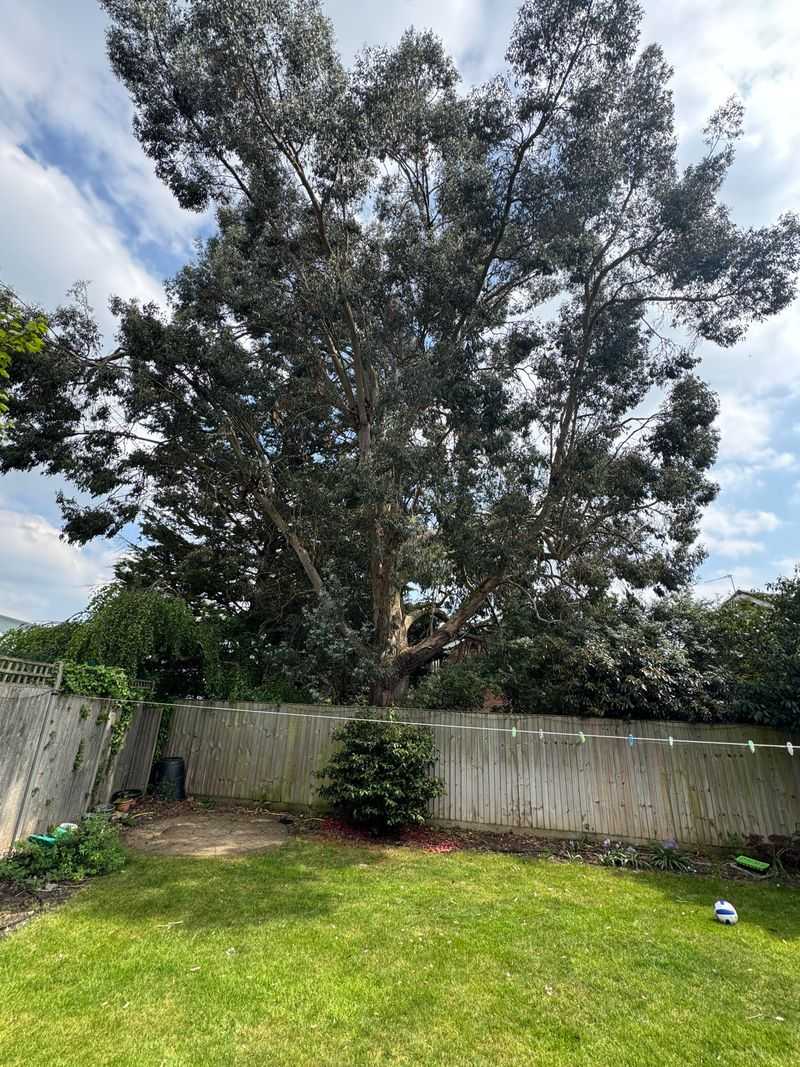
Eucalyptus trees have a striking look and a distinctive smell that many people love. In warmer parts of our state, they grow fast and tall, creating a dramatic privacy screen in just a few years.
But the list of problems they bring along is just as long as their trunk. First, Eucalyptus drops constantly. Bark strips, leaves, and branches fall year-round.
The litter is heavy and can cover a large area around the tree. Because the leaves contain oils that resist decomposition, they build up on the ground and can make it hard for other plants to grow nearby.
Those same oils also make Eucalyptus a fire risk in dry summers.
Oregon’s fire season has been growing more intense, and having a fire-prone tree near your property line puts both your home and your neighbor’s home at greater risk.
Some fire-safe landscaping guidelines in this state specifically discourage planting Eucalyptus near structures.
The roots are also very aggressive. They spread wide and deep, seeking out water sources.
Foundation damage, cracked driveways, and clogged drainage systems have all been linked to Eucalyptus planted too close to structures.
In a windstorm, large branches and even whole tops can break off without warning.
If you’re drawn to the tropical look, consider planting a smaller ornamental tree that offers similar visual appeal without the constant mess and structural risk.
Always check local fire safety guidelines before planting Eucalyptus anywhere near a property boundary.
9. Black Walnut
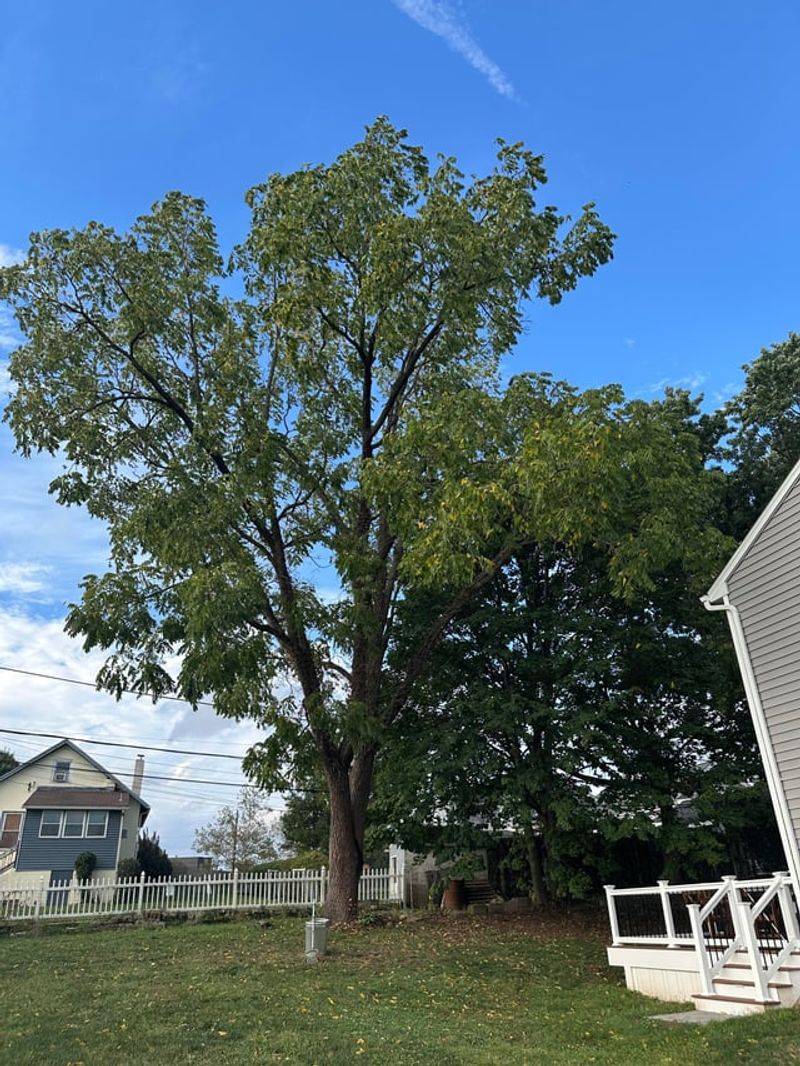
Black Walnut is one of the most misunderstood trees in American landscaping. It looks majestic, grows tall, and provides deep shade.
But it carries a hidden weapon that most gardeners don’t know about until it’s too late. That weapon is a chemical called juglone.
Juglone is produced naturally in the roots, leaves, and husks of Black Walnut trees. It leaches into the surrounding soil and is toxic to many common plants.
Tomatoes, blueberries, rhododendrons, and many other garden favorites can wilt and struggle when planted within the root zone of a Black Walnut. That root zone can extend 50 to 80 feet from the trunk.
When planted near a property line, the juglone zone can easily extend into your neighbor’s garden beds.
Plants they’ve spent years growing may start to decline without either of you understanding why.
That kind of invisible damage can create serious tension and even legal disputes.
Black Walnut also drops large, hard nuts every fall. The nuts stain driveways, sidewalks, and patios dark brown.
They’re slippery when wet and can be a hazard for people walking nearby. Squirrels bury the nuts everywhere, leading to unwanted seedlings popping up all over both yards.
If you want a large shade tree, choose one that doesn’t affect neighboring plants or create a mess that crosses the property line. A Red Oak or a Vine Maple is a far more neighborly choice for Oregon yards.