Do These Things To Your North Carolina Basil In June Before The Summer Heat Makes It Bolt
Basil and North Carolina summers start out as a great match and then things get complicated fast.
June is right at that turning point where the plant is still producing beautifully but the conditions pushing it toward flowering are building every single week.
Once basil commits to bolting, the flavor changes, leaf production drops off, and the window for getting the most out of your plants starts closing in a hurry.
Most gardeners notice it too late, after the flower stalks are already up and the leaves have taken on that slightly bitter edge that signals the plant has moved on to other priorities.
The good news is that June gives you a real opportunity to intervene before that happens.
A few specific habits started now can keep North Carolina basil productive and flavorful well into August, which is considerably longer than most backyard plants manage without any intentional management.
1. Pinch Off Flower Buds Early
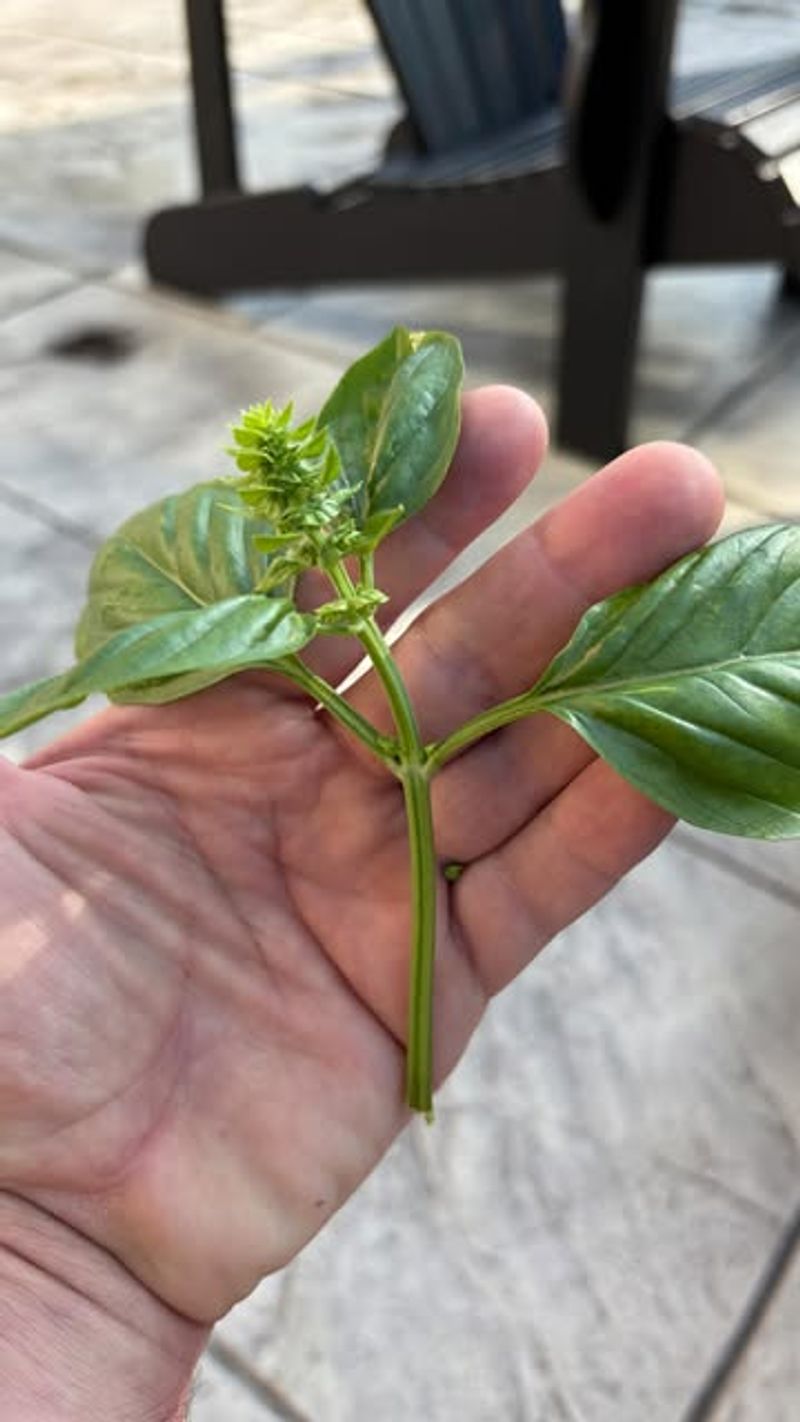
Spotting those tiny flower buds on your basil is actually great news because catching them early gives you real control over your harvest. The moment basil starts forming flowers, the plant shifts its focus away from leaf production and toward making seeds.
That means fewer leaves, less flavor, and a shorter growing season for you.
Pinching off buds is simple and takes only a few minutes. Use your thumb and index finger to snap off the bud clusters right at the base, just above a set of healthy leaves.
Do this every few days during June because buds can appear quickly once the heat starts building.
Focus on the very top of each stem first, since that is where bolting typically begins. After pinching, the plant responds by sending out two new side shoots from just below where you removed the bud.
Over time, this creates a much bushier, fuller plant with more harvestable leaves.
Make it a habit to check your basil every two to three days throughout June. Consistent pinching keeps the plant in a vegetative state longer, giving you weeks of extra production before the summer heat really takes hold.
Even young plants with just a few nodes benefit from early pinching, so start as soon as you see any bud formation appearing.
2. Provide Consistent Moisture
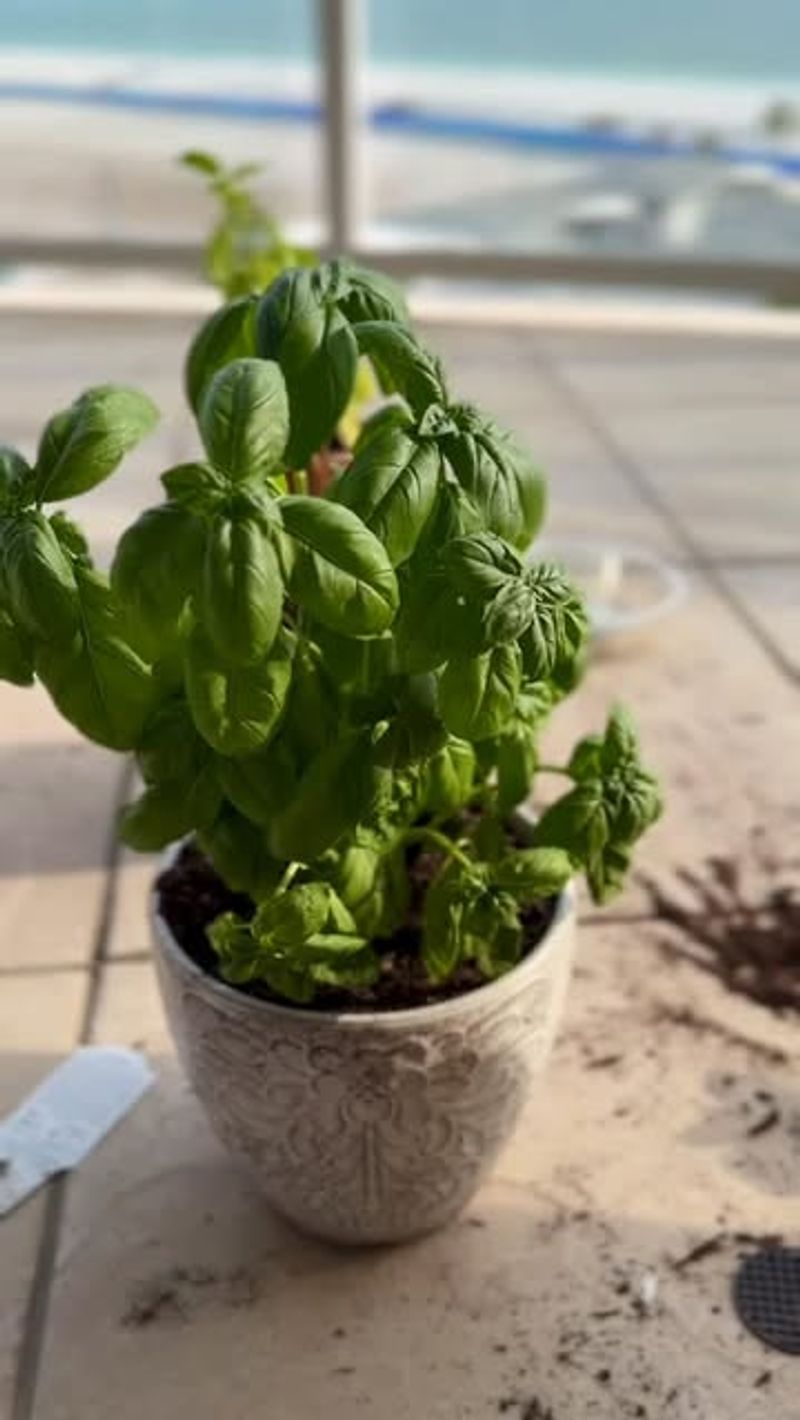
Basil is surprisingly sensitive to water stress, and inconsistent watering is one of the fastest ways to trigger early bolting.
When the soil dries out too much between waterings, the plant interprets that stress as a signal to reproduce quickly, which means flowers and seeds instead of the lush leaves you want.
In North Carolina June conditions, in-ground basil typically needs about one inch of water per week. During dry spells or especially hot stretches, you may need to water every other day.
Always check the soil about an inch deep before watering. If it feels dry at that depth, it is time to water thoroughly.
Container-grown basil dries out even faster than garden beds because pots heat up quickly in direct sun. Check containers daily and water until moisture drains freely from the bottom.
Your North Carolina Garden Changes Every Week. Your Plan Should Too.
Gardening in North Carolina changes quickly throughout the season. Every Friday you’ll receive a simple weekly plan showing exactly what to plant, prune, fertilize, harvest, and protect so you never miss the right timing.
Morning watering is ideal because it gives leaves time to dry before evening, reducing the chance of fungal issues.
Drip irrigation or soaker hoses work really well for in-ground basil because they deliver moisture directly to the root zone without wetting the foliage.
Consistent moisture keeps the plant calm, healthy, and focused on growing leaves rather than rushing through its life cycle.
Even watering also improves the flavor concentration in your basil leaves, making every harvest more rewarding.
3. Mulch Around Your Plants
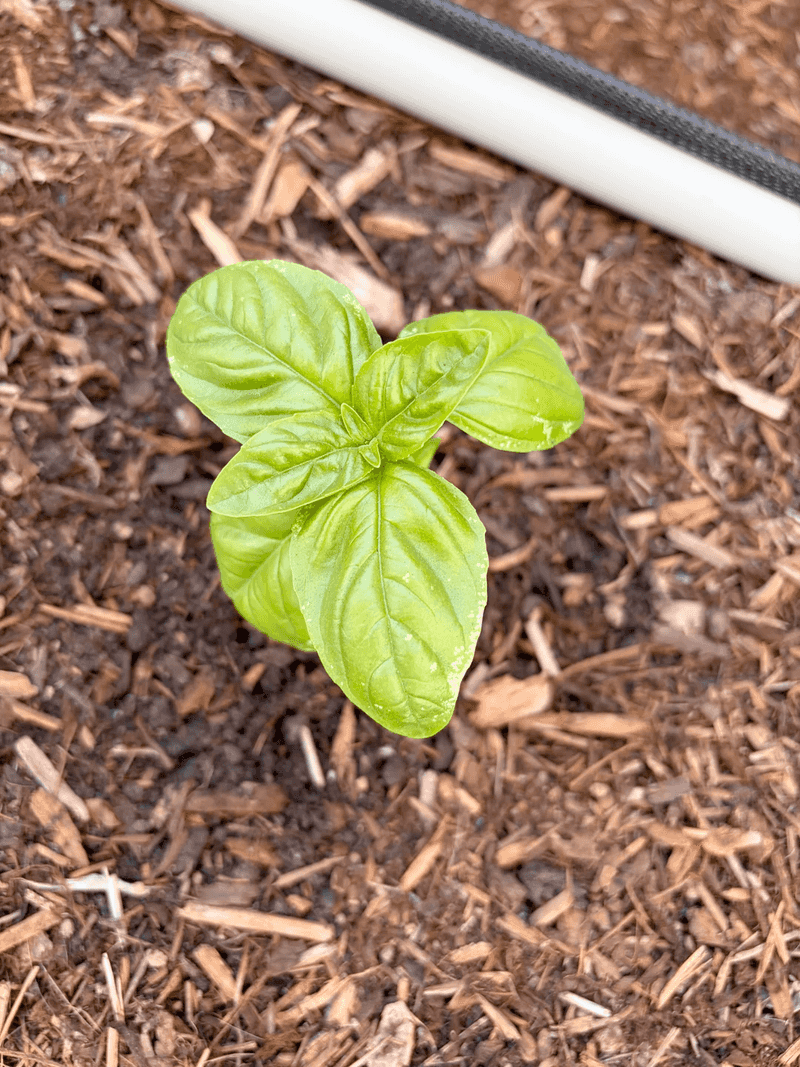
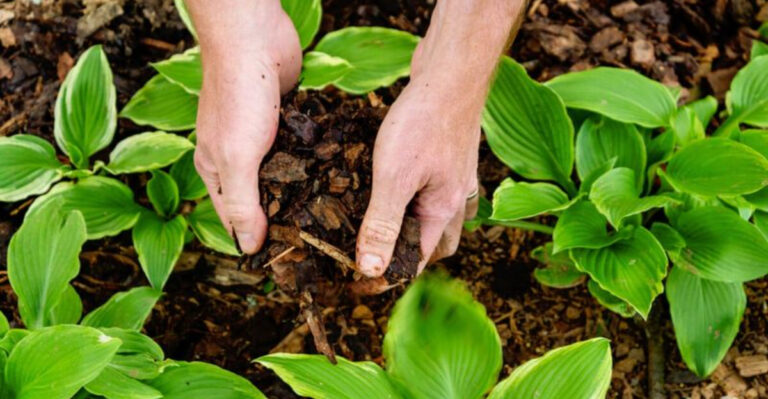
One of the most underrated moves you can make for your basil in June is spreading a layer of mulch around the base of each plant.
It sounds simple, but mulch does a surprising amount of heavy lifting in a warm-climate garden like North Carolina.
A one-to-two-inch layer of organic mulch, like straw, shredded leaves, or wood chips, keeps soil moisture from evaporating too quickly.
That matters a lot in June when temperatures start climbing and sunny days can dry out your garden beds within hours.
Steady soil moisture means less stress on your basil, and less stress means slower bolting.
Mulch also moderates soil temperature. When the ground stays a few degrees cooler under a layer of mulch, basil roots stay more comfortable and continue supporting strong leaf growth.
This is especially valuable in North Carolina, where June afternoons can push soil temperatures into ranges that make shallow-rooted herbs struggle.
Keep the mulch a couple of inches away from the main stem of each plant to prevent moisture buildup against the stem, which can invite rot or fungal problems. Refresh your mulch layer if it compresses or breaks down over the month.
Beyond moisture and temperature benefits, mulch also suppresses weeds that would otherwise compete with your basil for nutrients and water throughout the growing season.
4. Ensure Adequate Sunlight
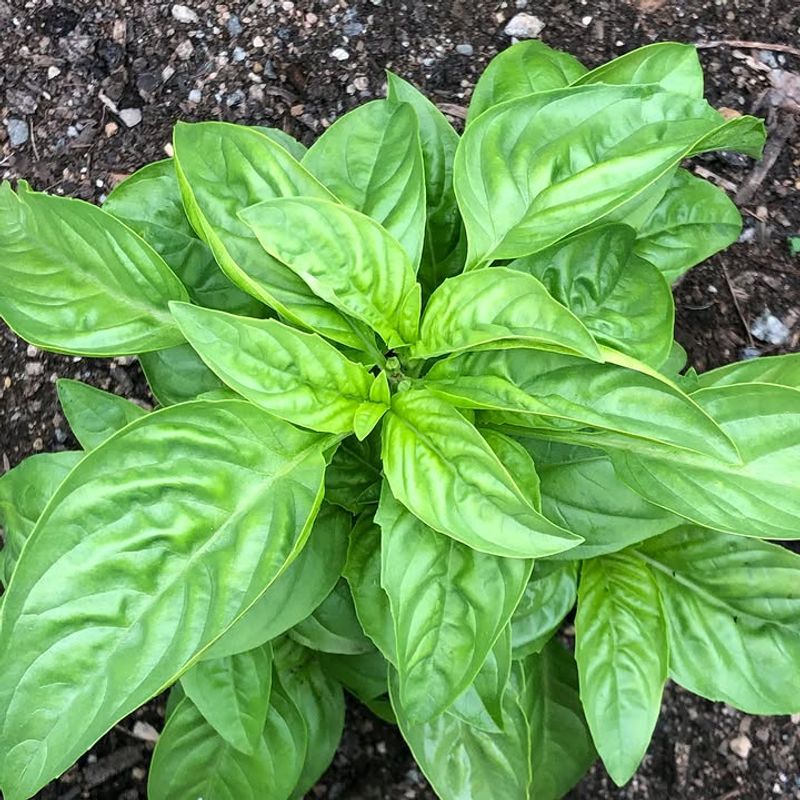
Basil genuinely loves the sun, and North Carolina summers deliver plenty of it. For the healthiest leaf production and the most intense flavor, your basil needs six to eight hours of direct sunlight every single day.
Choosing the right planting spot makes a huge difference in how well your plants perform through the season.
Morning sun is ideal for basil. It warms the plants gently and promotes steady growth without the intensity of late-afternoon rays.
A south or east-facing garden bed usually delivers that perfect combination of bright morning light and slightly filtered afternoon exposure.
Here is the nuance that many gardeners miss: while basil needs full sun, extreme afternoon heat in June and July can actually stress the plant and speed up bolting.
If your garden gets full sun all day including the hottest three to four hours of the afternoon, consider planting near a structure or taller crop that casts light shade after two or three in the afternoon.
Shade cloth rated at thirty percent is another practical option for managing afternoon heat without blocking enough light to slow growth. Just drape it over a simple frame above your basil during the hottest part of the day.
Getting the sunlight balance right in June sets your basil up for a long, productive growing season rather than a short, stressed one that ends in early flowering.
5. Fertilize Lightly In June
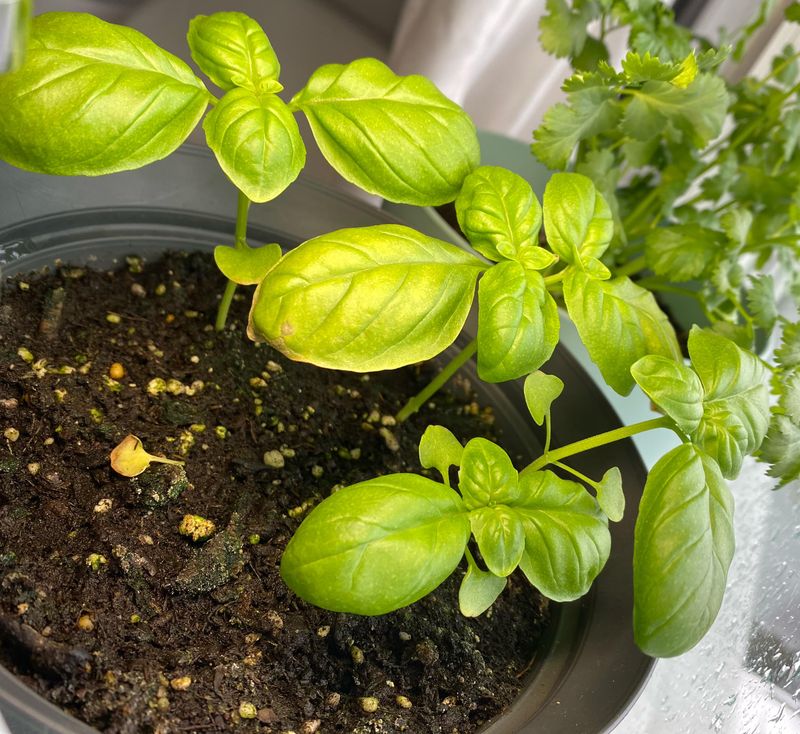
Feeding your basil in June can make a real difference in how full and productive your plants become, but the key word here is lightly.
Too much fertilizer, especially high-nitrogen formulas, can push rapid leafy growth that actually makes the plant more prone to bolting and pest pressure. Balance is everything.
A balanced fertilizer with equal parts nitrogen, phosphorus, and potassium works well for basil in June. Look for something labeled 10-10-10 or a similar ratio.
Organic options like fish emulsion or compost tea are also excellent choices because they release nutrients slowly, feeding the plant steadily without overwhelming it.
Apply fertilizer once at the beginning of June and again around the middle of the month if your plants look like they need a boost. Always water your basil before applying any granular fertilizer to prevent root burn.
For liquid fertilizers, dilute to half the recommended strength and apply in the morning so the soil can absorb nutrients before the heat of the day.
Watch your plants closely after fertilizing. Healthy basil that has been fed correctly shows deep green leaves, strong upright stems, and steady new growth.
If you notice very rapid soft growth or yellowing, ease back on feeding. Light, consistent nutrition keeps your basil growing at a productive pace without rushing it toward the flowering stage prematurely.
6. Harvest Frequently For Bigger Yields
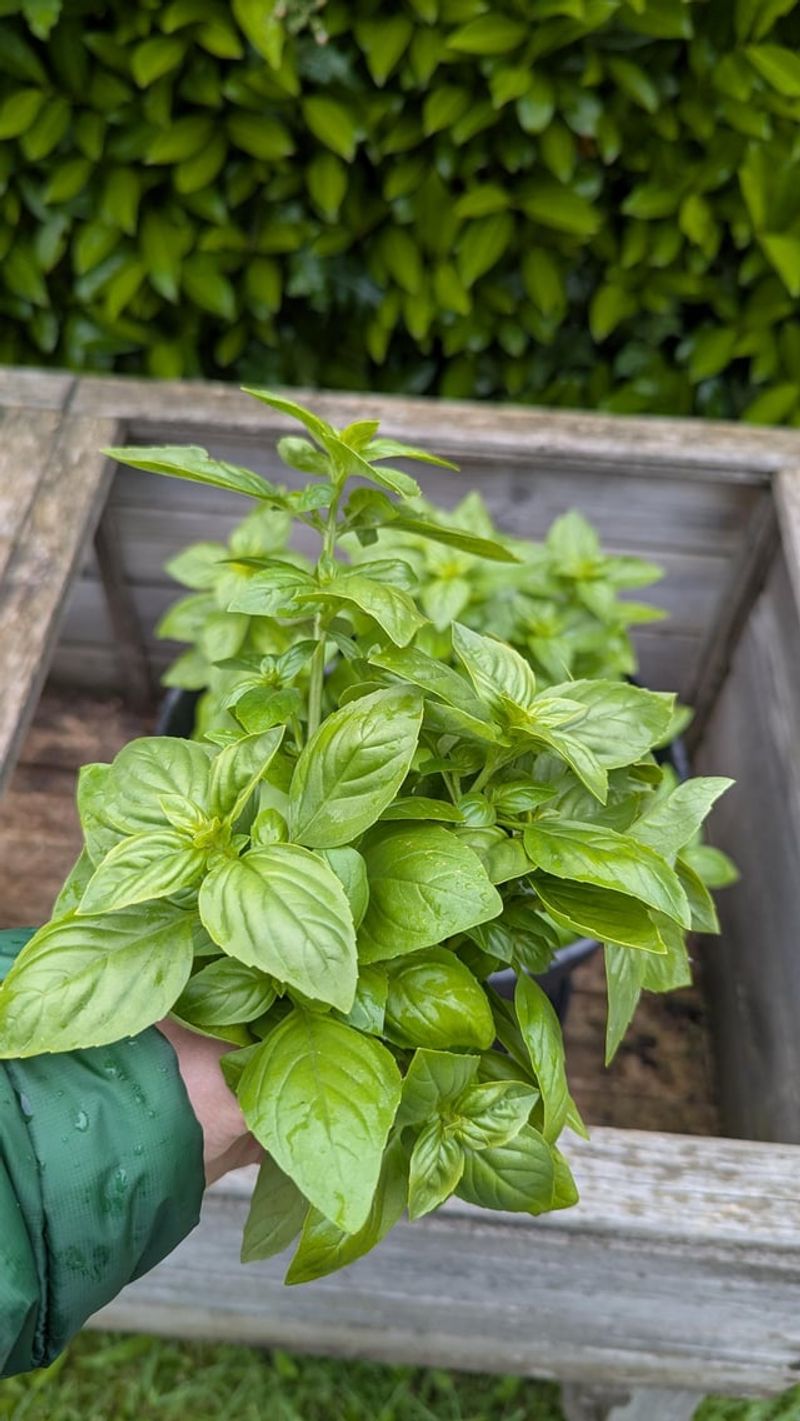
Regular harvesting is one of the most powerful tools you have for keeping basil productive all summer. Every time you snip leaves or stems, you are sending the plant a clear signal to keep growing rather than flowering.
Think of frequent harvesting as your ongoing conversation with the plant, telling it to stay in leaf-production mode.
The best technique is to cut stems just above a leaf node, which is the point where two leaves branch off the main stem.
After you cut there, two new shoots will grow from that spot, making the plant bushier and more productive over time.
Never remove more than one-third of the plant at a single harvest to keep it strong and thriving.
Harvest in the morning after the dew has dried but before the afternoon heat sets in. That is when basil leaves hold the most essential oils, giving you the best flavor for cooking, making pesto, or preserving.
Even if you do not need the leaves right away, snipping regularly still benefits the plant by slowing the bolting process.
Starting weekly harvests in early June builds a great rhythm that carries you through the hottest months. If you notice stems getting long and lanky, do a more aggressive cut-back by trimming each stem down to about one-third of its height.
This refreshes the plant and encourages a whole new flush of flavorful, tender new growth in the weeks ahead.
7. Monitor For Pests Regularly
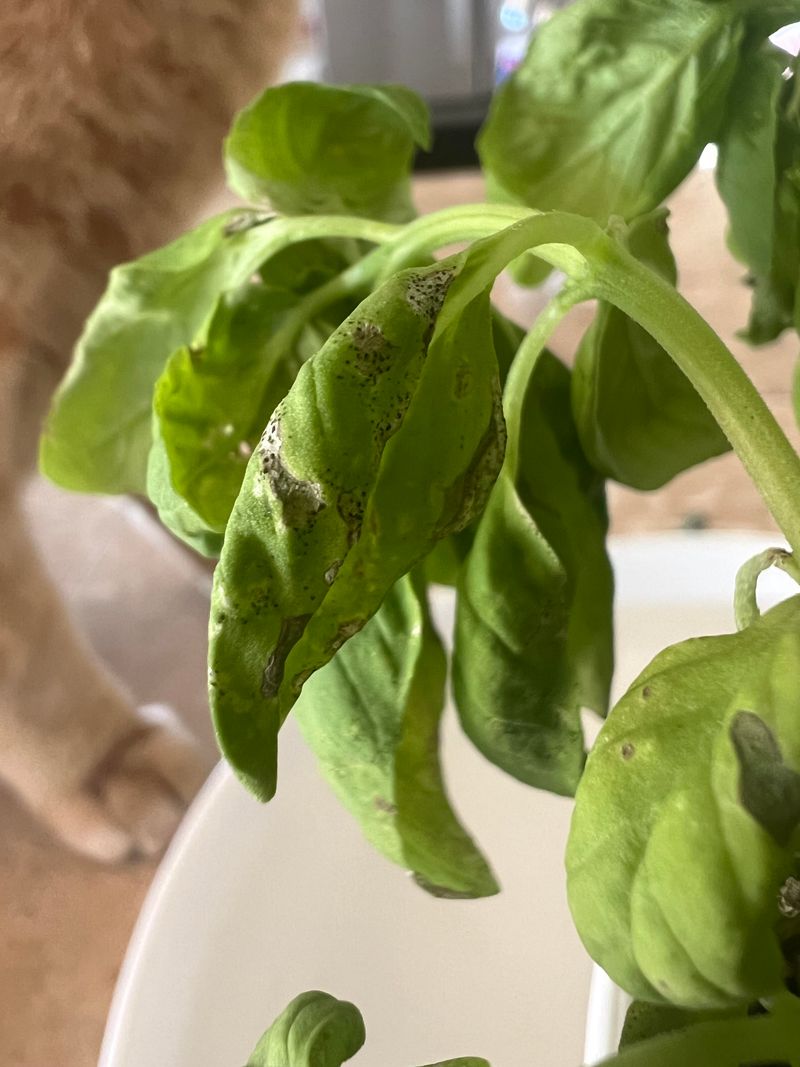
Pest pressure in June can sneak up on you fast, especially in North Carolina where warm, humid conditions create ideal environments for insects to multiply.
Aphids, spider mites, and leafhoppers are the most common visitors to basil this time of year, and even a moderate infestation can stress your plants enough to trigger early bolting.
Make a habit of inspecting your basil at least twice a week. Flip leaves over and check the undersides, where aphids and spider mites tend to cluster.
Look for tiny moving dots, sticky residue, or distorted new growth, which are all signs that something is feeding on your plant. Catching an infestation early makes control much easier and less disruptive to the plant.
For aphids, a strong spray of water from a garden hose knocks most of them off quickly. Insecticidal soap spray is an effective and safe option for persistent infestations on basil.
Apply it in the early morning or evening to avoid leaf scorch and to give the spray time to work before it dries off in the heat.
Spider mites thrive in hot, dry conditions, so keeping humidity up with consistent watering and mulching actually helps prevent them. Leafhoppers are trickier but can be managed with row covers during peak activity.
Staying on top of pest monitoring throughout June protects your plants from the kind of chronic stress that shortens the growing season and reduces your overall harvest.
8. Give Plants Room To Breathe
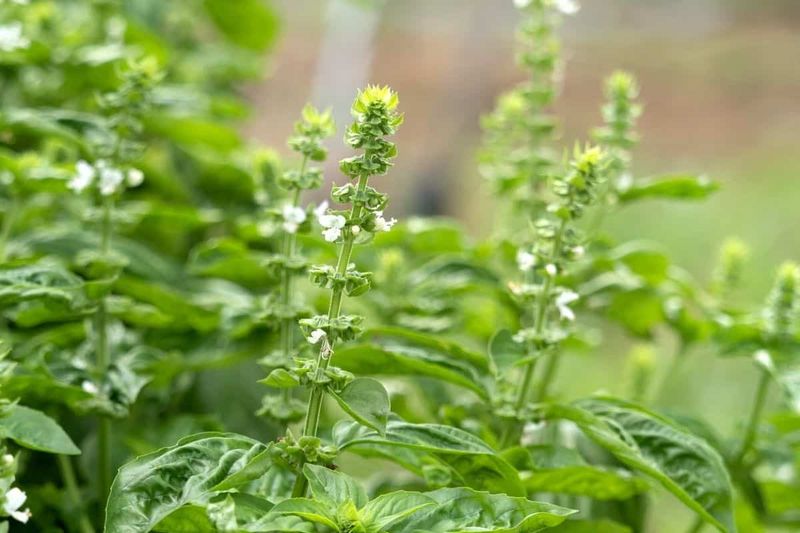
Crowded plants are stressed plants, and stressed plants bolt sooner. When basil grows too close to neighboring plants or other herbs, airflow around the stems and leaves gets restricted.
That trapped warmth and humidity creates the perfect setup for fungal diseases and heat stress, both of which can push basil toward flowering well before you are ready.
Proper spacing for basil is about twelve to eighteen inches between plants. That distance gives each one enough room to spread outward, develop a full canopy of leaves, and receive good air circulation throughout the day.
If you planted your basil closer together in spring, June is a good time to thin or transplant a few to open things up.
Container gardeners need to pay attention here too. Planting two or three basil plants in a single small pot might seem efficient, but it creates competition for water, nutrients, and airflow.
Each plant in a container should have enough space so the leaves are not constantly touching neighboring plants or the rim of the pot.
Good airflow also helps leaves dry faster after watering or rainfall, which reduces the chance of powdery mildew and downy mildew, two common fungal problems that hit basil hard in humid North Carolina summers.
Simply adjusting the spacing now, before peak summer heat arrives, can extend your harvest window by several weeks and keep your plants growing strong through the season.
9. Shade During Extreme Heat Waves
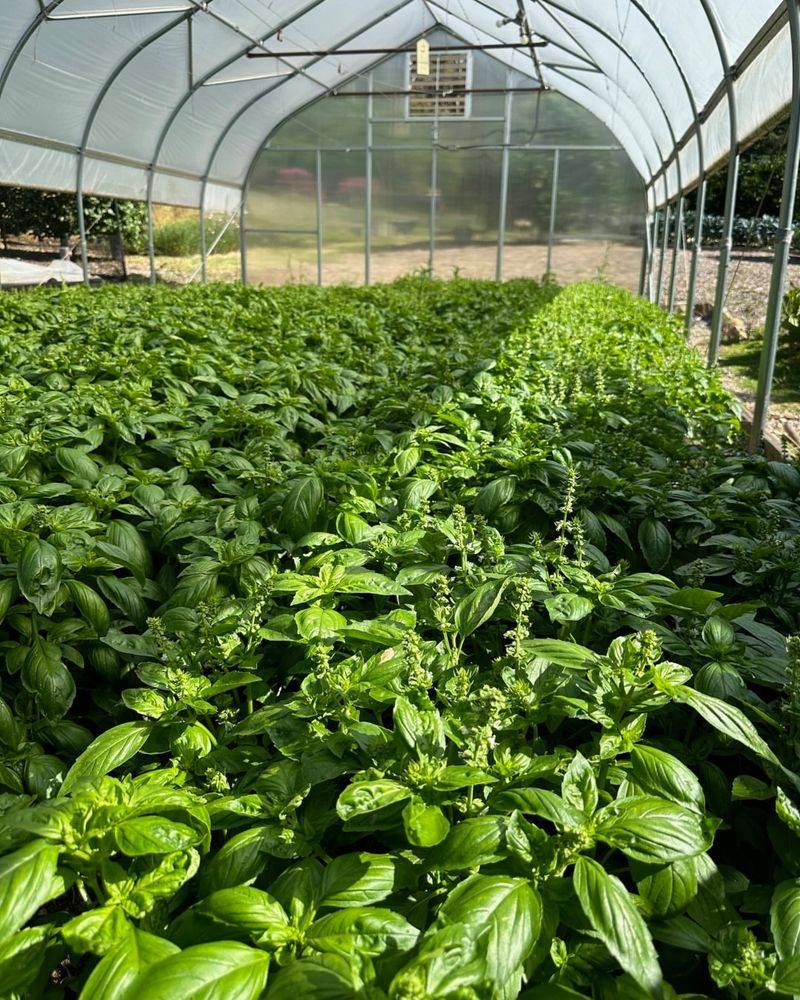
North Carolina summers do not ease into heat gradually. Some days in June can jump into the upper nineties with intense afternoon sun that bakes the garden and pushes plants into survival mode.
For basil, that kind of extreme heat is one of the biggest triggers for rapid bolting, and a little temporary shade can make a meaningful difference.
Shade cloth is the most practical solution for protecting basil during heat waves. A thirty-percent shade cloth blocks just enough sunlight to lower the temperature around your plants without reducing the light they need for photosynthesis.
Drape it over a simple wire hoop frame or stake it above your plants on the hottest afternoons, typically between noon and four in the afternoon.
You do not need to leave the shade cloth in place all day. Removing it in the morning lets your basil get the full benefit of cooler morning sun, which supports healthy growth.
Put it back up before the temperature peaks and take it down again in the evening. This flexible approach works really well for managing heat without sacrificing too much sunlight.
Beyond shade cloth, you can also use taller companion plants strategically. Tomatoes or trellised beans planted to the west of your basil will cast natural afternoon shade as the sun moves across the sky.
Keeping your basil cool and comfortable during peak heat in June preserves both the flavor of the leaves and the overall health of the plant through the longest, hottest stretch of the summer.