Who Is Responsible For Tree Branches Falling On A Neighbor’s Property In Oregon
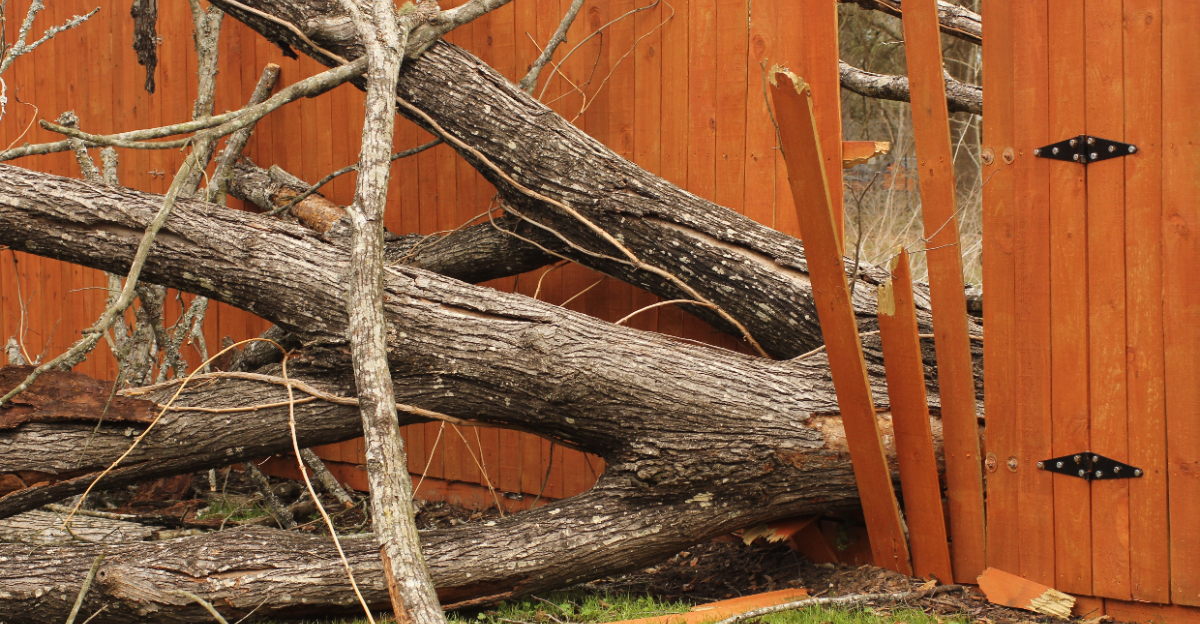
A tree can feel like part of the yard until one branch lands on the other side of the fence. Then the calm neighborly vibe can turn into questions fast.
Who pays for the cleanup? Does it matter where the trunk grows?
What if the branch looked weak before it came down? Oregon homeowners may be surprised by how much the answer depends on the details.
A healthy tree and a known hazard can lead to very different outcomes. Weather can also make the situation feel less clear.
Before anyone starts pointing fingers, it helps to know how responsibility is usually viewed. Tree branches near property lines are common, but the rules around damage and cleanup can be confusing.
A little knowledge can make the next conversation with your neighbor much easier.
1. Healthy Trees Rarely Drop Large Branches Without Warning
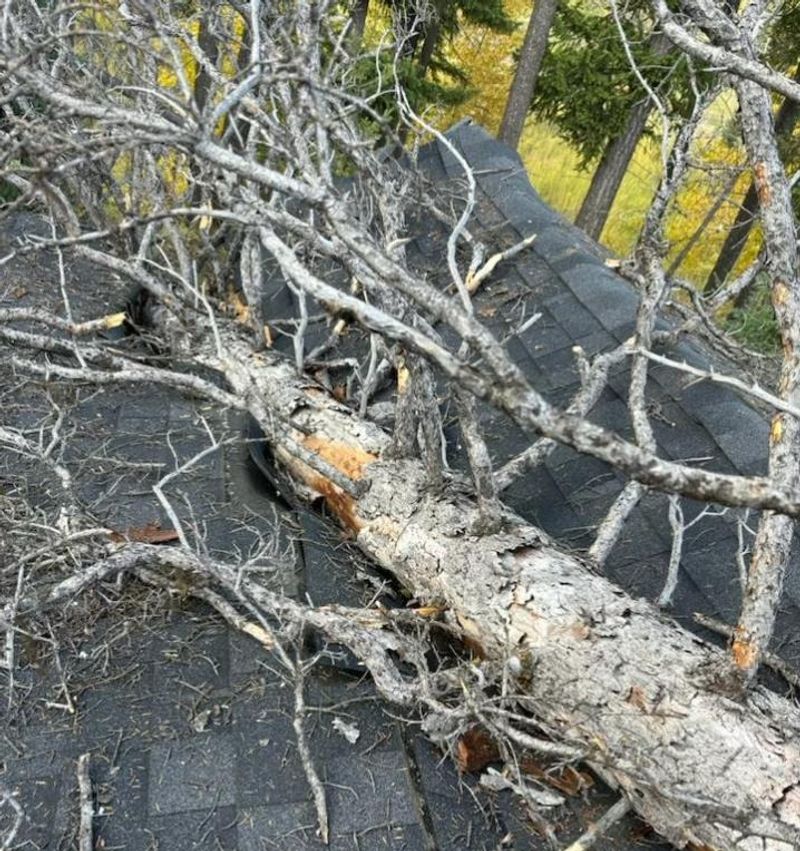
Most people assume that any fallen branch means someone is automatically at fault. That is not always the case.
A genuinely healthy tree can still lose a limb during extreme weather, and that does not automatically make the tree owner legally responsible for what lands on a neighbor’s property.
Courts and insurance adjusters in this state often look at the condition of the tree before the incident.
If the tree was well-maintained, regularly trimmed, and showed no visible signs of disease or weakness, the owner is typically not found negligent.
The law generally does not hold people responsible for truly unpredictable events.
That said, “healthy” is not just a guess. A certified arborist can assess a tree and provide documentation of its condition.
Having that kind of professional record on hand is smart for any homeowner with large trees near property lines.
Neighbors who receive damage from a healthy tree’s fallen branch are often directed to their own homeowner’s insurance for help. This surprises many people, but it is a well-established principle in property law.
Your insurance covers your property, and the source of the damage does not always change that.
Regular tree care is still the best way to reduce risk. Pruning withered wood, checking for pest damage, and watching for signs of stress keeps trees safer for everyone nearby.
A little attention now can prevent a lot of headaches later.
2. Neglected Trees Can Create Liability Problems
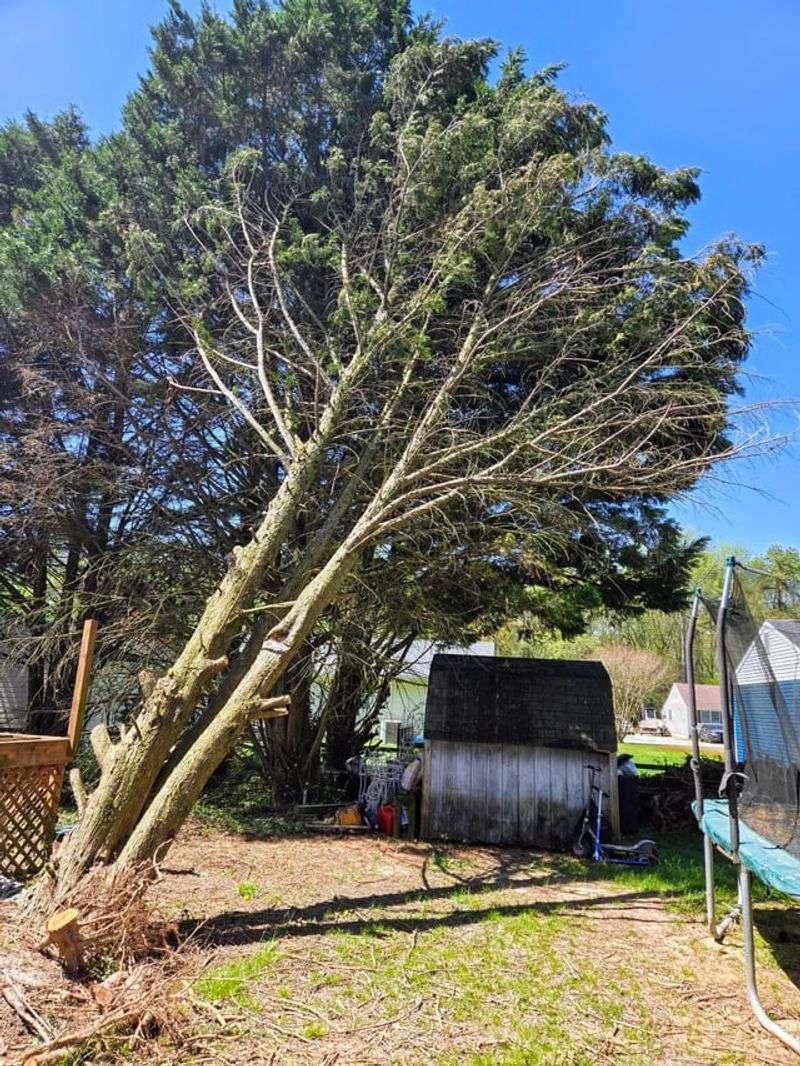
Neglect is one of the biggest factors courts consider when a branch falls on a neighbor’s property.
If a tree owner ignores obvious warning signs and damage occurs, they may be held financially responsible.
The key word here is “knew or should have known.” Cracked bark, fungal growth, leaning trunks, and branches that look hollow or brittle are all red flags.
If these signs are visible from the street or a neighbor’s yard, it is hard to argue that the owner had no idea there was a problem.
Ignorance is rarely accepted as a legal defense when the signs were obvious.
Neighbors who notice a hazardous tree next door should send a written notice to the tree owner. This creates a paper trail showing that the owner was informed.
Your Oregon Garden Changes Every Week. Your Plan Should Too.
Gardening in Oregon changes quickly throughout the season. Every Friday you’ll receive a simple weekly plan showing exactly what to plant, prune, fertilize, harvest, and protect so you never miss the right timing.
If the owner does nothing and the branch falls, that notice becomes powerful evidence of negligence.
In this state, once a property owner receives written notice of a dangerous tree, their responsibility to act increases significantly.
Failing to respond or take action after being notified can shift full liability onto them for any resulting damage.
Taking care of your trees is not just good neighborly behavior. It is a legal obligation when those trees pose a clear risk to others.
Scheduling regular inspections with a licensed arborist is one of the most straightforward ways to stay on the right side of property law.
3. Storm Damage Usually Changes Who Pays
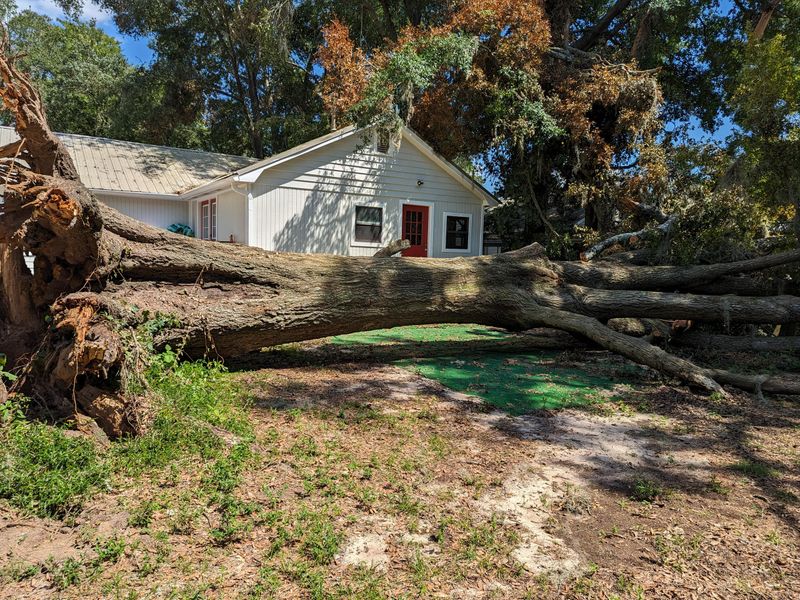
Storms have a way of turning everything upside down, including who is responsible for property damage.
When a powerful windstorm or ice storm causes a branch to fall, the legal picture shifts in ways that many homeowners do not expect.
Acts of nature are generally treated differently under the law. If a storm is severe enough to be classified as an extraordinary weather event, courts often treat the resulting damage as an unforeseeable accident.
That means the tree owner may not be held liable, even if the branch caused real harm.
However, this protection has limits. If the tree was already in poor shape before the storm hit, the storm does not erase the owner’s prior negligence.
A weakened tree that finally fails during a storm can still result in liability for the owner who ignored warning signs beforehand.
Insurance companies play a huge role after storm events. Most homeowner policies cover damage from fallen trees or branches, regardless of where the tree came from.
Filing a claim with your own insurer is usually the fastest way to get repairs started without waiting for a legal dispute to resolve.
Documenting the storm is also helpful. Weather reports, photos taken right after the event, and timestamps all help establish that a major storm was the direct cause.
Keeping records of local weather events, especially severe ones, is a practical habit for any homeowner in storm-prone areas of this state.
4. Withered Branches Are More Likely To Cause Legal Trouble
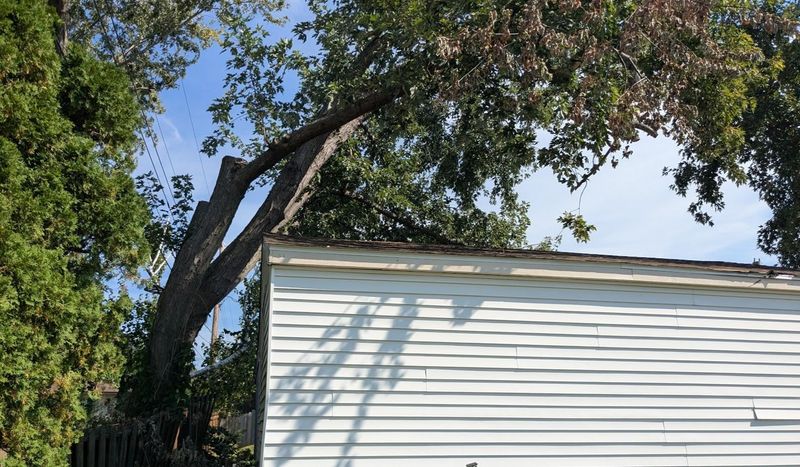
Few things in property law create as clear a liability risk as a withered branch hanging over a neighbor’s yard. This wood is unpredictable.
It can fall on a calm, sunny day with no wind at all. And when it does, the tree owner is usually the one who has to answer for it.
The reason is straightforward. Withered branches are a visible, identifiable hazard.
A reasonable homeowner walking around their property should notice them. If they see a large damaged limb hanging over the property line and do nothing, that inaction is the problem.
In this state, courts use the “reasonable person” standard. Would a reasonable person have seen the withered branch and taken action?
If the answer is yes, then failing to act can be considered negligence. That negligence becomes the legal basis for holding the tree owner responsible for any resulting damage.
Getting rid of withered branches is not complicated. A licensed arborist or tree service can remove them safely and efficiently.
Many companies offer free or low-cost assessments, and the cost of removal is usually far less than the cost of a legal dispute or insurance claim.
Homeowners should walk their property at least twice a year and look up. Checking the canopy for damaged, broken, or hanging limbs takes only a few minutes.
Catching a problem early makes it much easier and cheaper to fix before it becomes your neighbor’s problem too.
5. Oregon Property Owners Can Trim Overhanging Limbs Carefully
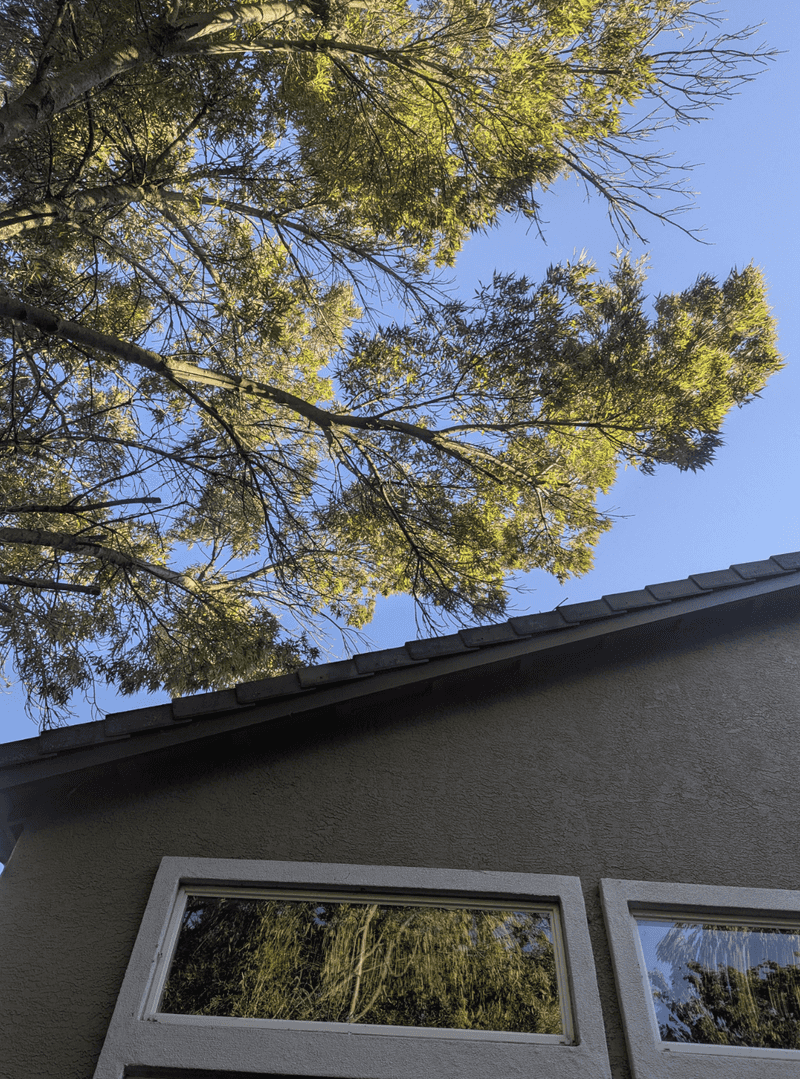
One thing many homeowners do not realize is that they have the legal right to trim branches that cross over their property line. This is a well-established rule in this state and across most of the country.
You do not need your neighbor’s permission to cut what hangs over your side of the fence. That said, there are important limits to this right. You can only cut up to the property line.
You cannot go onto your neighbor’s property to do the trimming, and you cannot damage the health of the tree in the process.
Cutting too aggressively or removing major structural limbs can harm the tree and create new legal problems for you.
The best approach is to hire a licensed arborist or tree trimming professional. They understand how to make clean cuts that do not stress the tree.
They also know how to stay within the legal boundaries of the trim without causing damage that could come back on you.
Some neighbors prefer to handle trimming together. Talking to your neighbor before cutting anything is always a good idea.
A friendly conversation can prevent misunderstandings and sometimes leads to cost-sharing, which benefits everyone.
Keep the trimmed branches and debris on your side of the property. Tossing them back into your neighbor’s yard is considered bad form and can actually create a new dispute.
Dispose of the material properly, and the whole process stays clean and simple from start to finish.
6. Photos And Arborist Reports Matter After Damage Happens
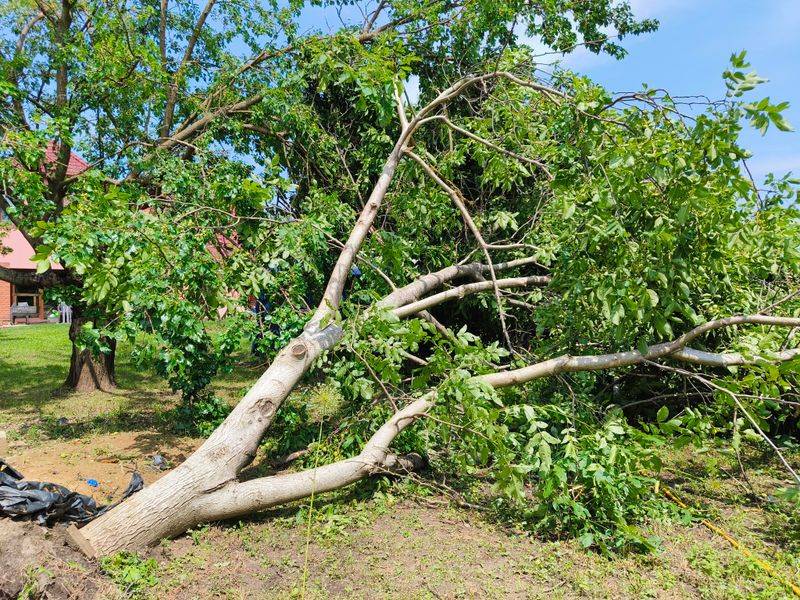
Right after a branch falls, the most important thing you can do is document everything. Pull out your phone and take photos from multiple angles.
Capture the branch, the damage it caused, the tree it came from, and the surrounding area. Do this before anything is moved or cleaned up.
Photos tell a story that words alone cannot. They show the size of the branch, where it landed, and what it hit.
If the case ever goes to an insurance adjuster or a court, those early photos carry serious weight. Timestamps are especially helpful because they establish exactly when the damage occurred.
An arborist report adds another layer of credibility to your case. A certified arborist can examine the tree and the fallen branch and provide a written assessment.
They can identify whether the branch was withered or diseased before it fell, which directly affects who is responsible.
If you are the tree owner being accused of negligence, an arborist report can actually work in your favor too. A clean bill of health from a professional shows that you maintained the tree responsibly.
That kind of documentation can protect you from unfair claims.
Saving all communication related to the incident is equally important. Texts, emails, and written notices between you and your neighbor should be kept in a folder.
If the situation escalates, having a clear record of what was said and when can make all the difference in how the dispute is resolved.
7. Insurance Often Depends On Whether The Tree Was Maintained
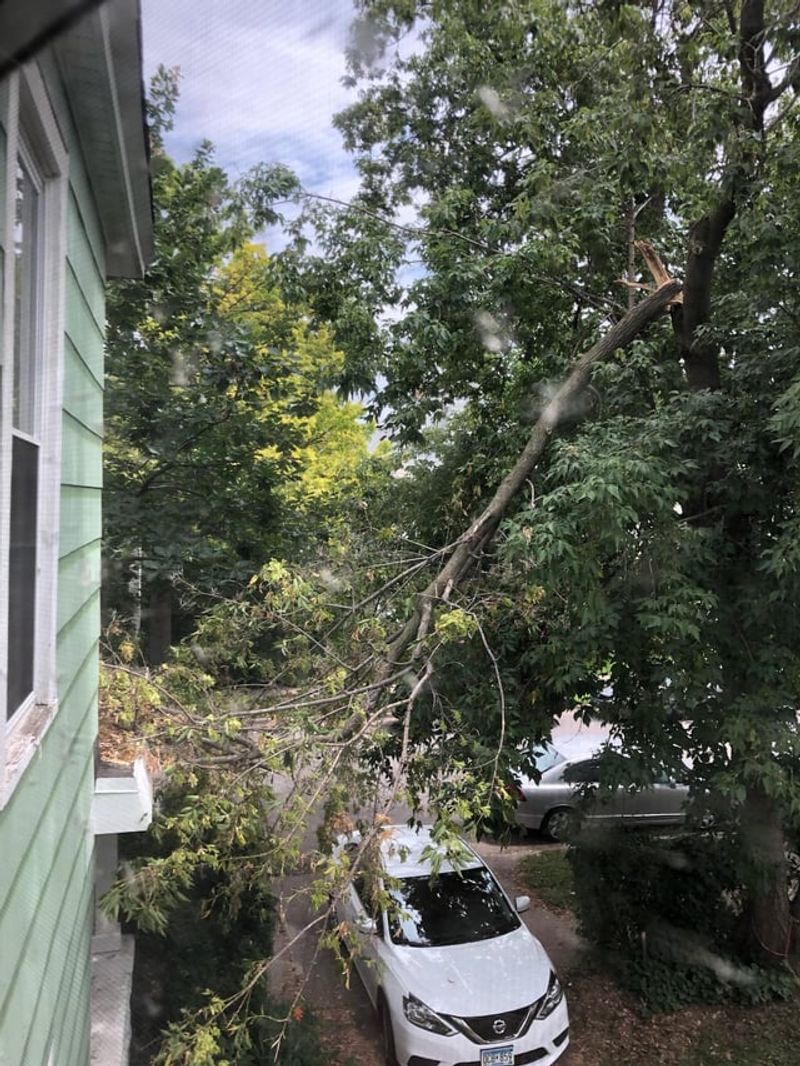
When a branch falls and causes damage, one of the first calls most people make is to their insurance company.
What many do not realize is that the outcome of that call can hinge on whether the tree was properly maintained. Insurers ask questions, and the answers matter.
If the damaged property belongs to your neighbor, their homeowner’s insurance is usually the first line of coverage.
Most standard policies cover damage from fallen trees or branches, no matter where the tree originated.
But if the tree owner was clearly negligent, the neighbor’s insurer may seek reimbursement from the tree owner or their liability coverage.
Tree owners who kept up with regular maintenance have a much stronger position when dealing with insurance.
Records of past trimming, arborist visits, and any treatments done to the tree all support the claim that the owner acted responsibly. Insurers look favorably on documented care.
On the flip side, an owner who ignored visible problems may find their liability coverage stretched thin.
Some policies have exclusions for damage caused by trees that were obviously hazardous before the incident.
Reading the fine print in your homeowner’s policy before trouble happens is always a wise move.
Talking to your insurance agent about tree coverage is a practical step every homeowner should take.
Ask specifically about what is covered if your tree damages a neighbor’s property and what happens if a neighbor’s tree damages yours. Getting clear answers now prevents confusion later.
8. Rotting Trees Create Bigger Risks Than Healthy Ones
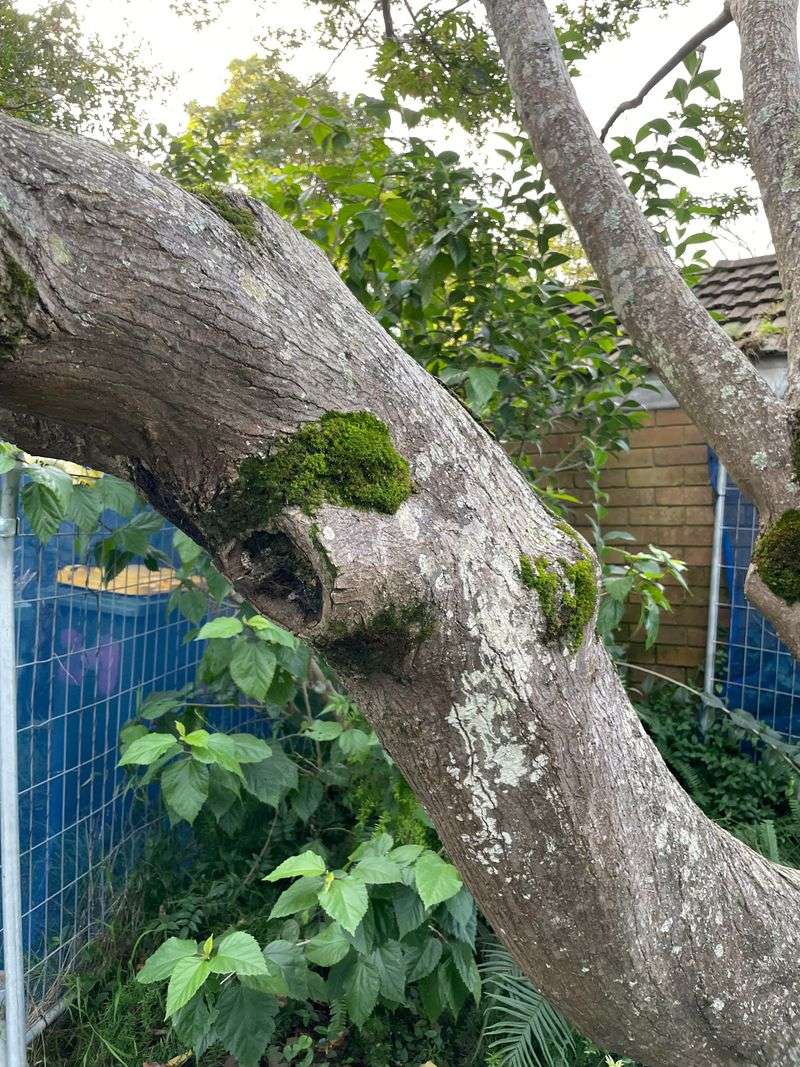
A rotting tree is one of the most serious hazards a homeowner can have on their property. The decay weakens the wood from the inside out, making it far more likely to shed branches or even collapse entirely.
And unlike storm damage, rot is usually something a careful owner would notice over time.
Fungal growth on the trunk, soft or spongy wood, hollow sounds when you knock on the bark, and unusual leaning are all signs of internal rot. These are not subtle clues.
They are visible warnings that the tree is compromised. Ignoring them is hard to justify legally or practically.
In this state, a property owner who has a rotting tree near a shared property line carries significant responsibility.
If that tree sheds a branch or falls and causes damage, the owner’s prior knowledge of the rot is a central issue. Courts take a dim view of inaction when the risk was clear and ongoing.
Rotting trees are not always a total loss. An arborist can assess how deep the decay goes and whether the tree can be saved or stabilized.
In some cases, targeted treatments or structural supports can extend the life of a tree safely. In others, full removal is the only responsible option.
Acting early on a rotting tree is always cheaper than dealing with the aftermath of a fallen one.
Property damage, legal fees, and strained neighbor relationships are all far more costly than a professional tree removal.
Getting an assessment sooner rather than later is simply the smarter path forward.
9. A Certified Arborist Can Help Determine Neglect
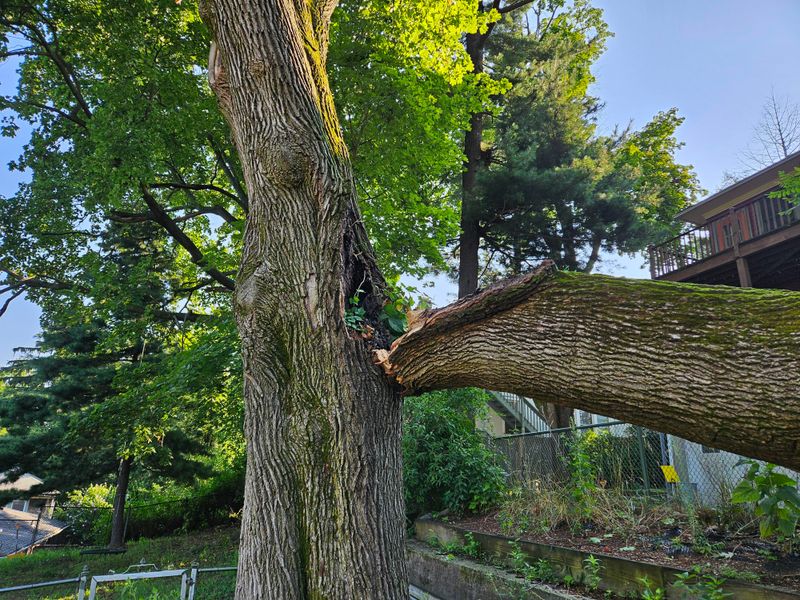
When a dispute over a fallen branch gets serious, both sides often need more than opinions.
A certified arborist brings professional expertise that can cut through the back-and-forth and provide factual answers about what actually happened to the tree and why.
Arborists are trained to read the signs of neglect, disease, and structural failure in trees.
They can look at a fallen branch and tell you whether it was withered before it fell, whether pest damage weakened it, or whether it was structurally sound right up until the storm.
That kind of insight is hard to argue against. In legal disputes, an arborist’s written report often carries the same weight as expert testimony.
Insurance adjusters also rely on these reports when determining whether a claim is valid and who should be held financially responsible.
A clear, professional assessment can resolve a dispute much faster than a drawn-out argument between neighbors.
For tree owners who want to stay proactive, scheduling an annual inspection with a certified arborist is one of the best investments they can make.
The arborist can flag potential problems early, recommend treatments or removals, and provide written documentation of the tree’s health over time.
Finding a certified arborist is easier than most people think. The International Society of Arboriculture maintains a searchable online directory of certified professionals.
Look for someone with experience in residential tree assessment and a solid local reputation.
A good arborist can be one of the most valuable professionals a homeowner in this state ever works with.