The Biggest Mistakes California Gardeners Make With Citrus Trees In Summer
Citrus trees can look tough, but summer can test them fast. California heat can dry the soil quicker than gardeners expect.
Strong sun can also stress fruit and leaves when the tree is already struggling. That is when small care mistakes start to show.
A little too much water can cause trouble. So can waiting too long between deep soakings.
Fertilizer timing matters more than many people think, especially when the tree is pushing new growth. The tricky part is that citrus problems often build slowly.
By the time the leaves curl or fruit looks off, the tree may have been stressed for weeks. Summer care does not need to be complicated, but it does need the right rhythm.
Avoid the biggest mistakes now, and your citrus tree has a much better shot at staying healthy through the hottest part of the year.
1. Shallow Watering During Peak Heat
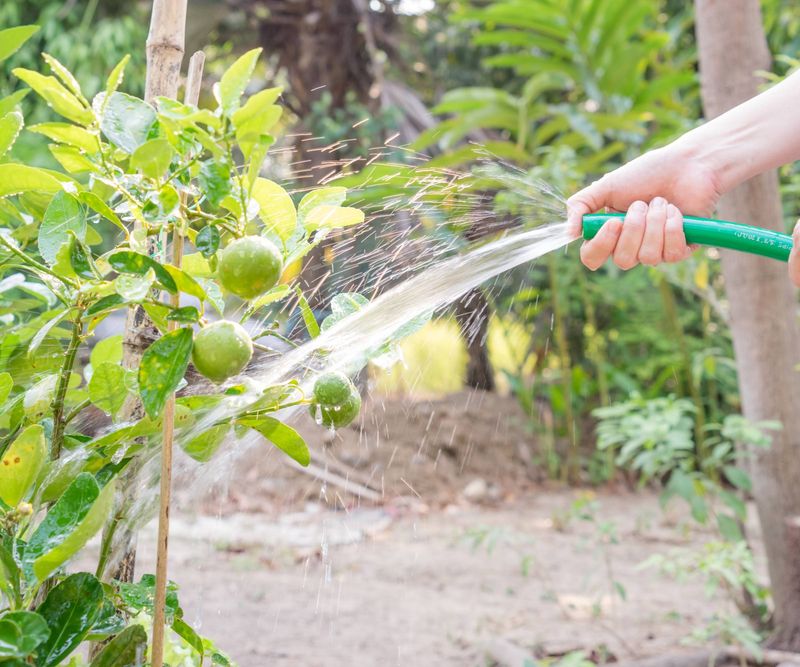
Most people water their citrus trees too quickly and move on. A quick spray of the hose might wet the surface, but it never reaches the deep roots where the tree actually pulls moisture from.
During summer heat, shallow watering is one of the fastest ways to stress a citrus tree.
Citrus roots spread wide and go fairly deep into the soil. To reach them, you need to water slowly and for a longer period of time.
Drip irrigation or a slow-running hose left in place for 30 to 45 minutes works much better than a quick sprinkle. The goal is to wet the soil at least 12 to 18 inches deep.
When roots stay dry at deeper levels, the tree starts pulling back energy from fruit and leaves. You might notice wilting, leaf drop, or small, dry fruit as a result.
Watering deeply two to three times per week during peak summer heat gives the tree a real chance to stay hydrated and productive.
Try pushing a wooden dowel or long screwdriver into the soil after watering. If it slides in easily past 12 inches, your watering depth is solid.
If it stops short, you need to water longer. Deep watering is the single most impactful change most citrus gardeners can make in summer.
2. Letting Pots Dry Out Between Waterings
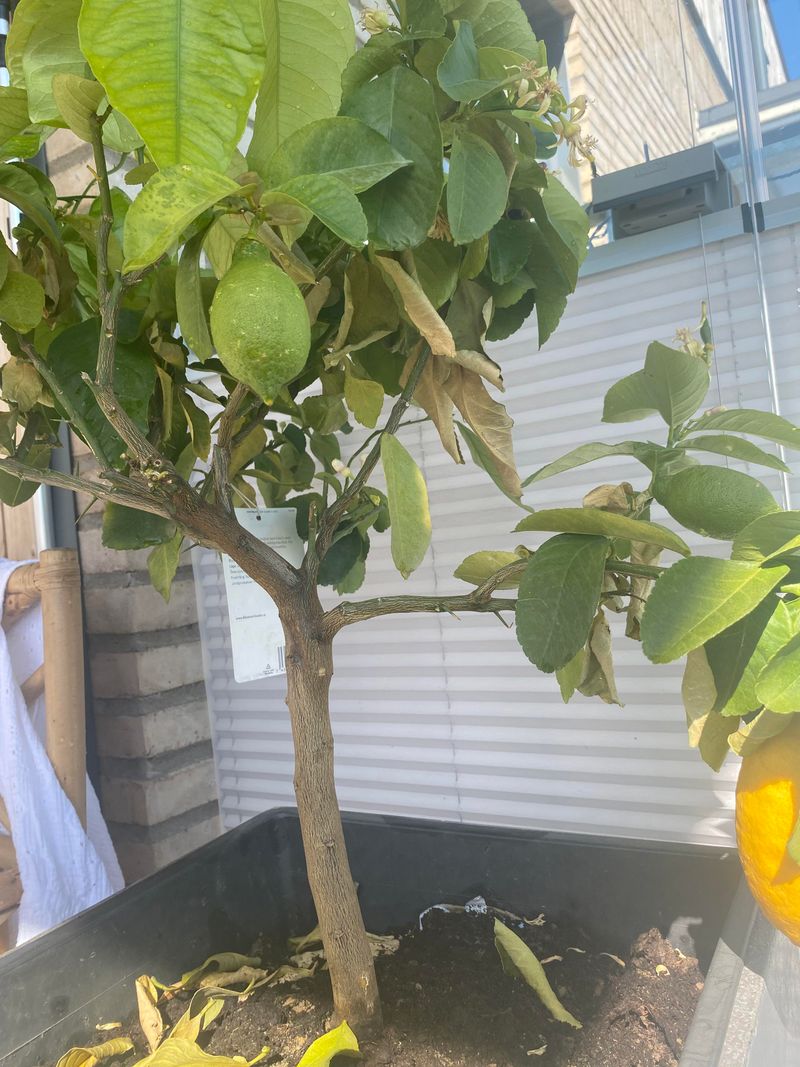
Container-grown citrus trees face a tougher summer than those planted in the ground. Pots heat up fast in direct sun, and the soil inside dries out much more quickly than garden soil does.
Letting that soil go bone dry between waterings puts real strain on the tree.
When potting mix dries out completely, it can actually repel water instead of absorbing it. You might water your tree and watch the water run straight out the bottom without soaking in at all.
That means the roots still get nothing, even though it looks like you watered.
During summer, container citrus often needs watering every one to two days depending on pot size, sun exposure, and temperatures. Stick your finger two inches into the soil.
If it feels dry at that depth, it is time to water. Always water until it drains freely from the bottom of the pot.
Your California Garden Changes Every Week. Your Plan Should Too.
Gardening in California changes quickly throughout the season. Every Friday you’ll receive a simple weekly plan showing exactly what to plant, prune, fertilize, harvest, and protect so you never miss the right timing.
Grouping pots together in a slightly shaded spot during the hottest part of the afternoon can also slow down moisture loss. Using a larger pot with quality potting mix helps retain moisture longer between sessions.
Adding a layer of gravel or mulch on top of the soil surface also slows evaporation significantly and keeps roots cooler throughout the day.
3. Fertilizing Heat-Stressed Citrus Too Hard
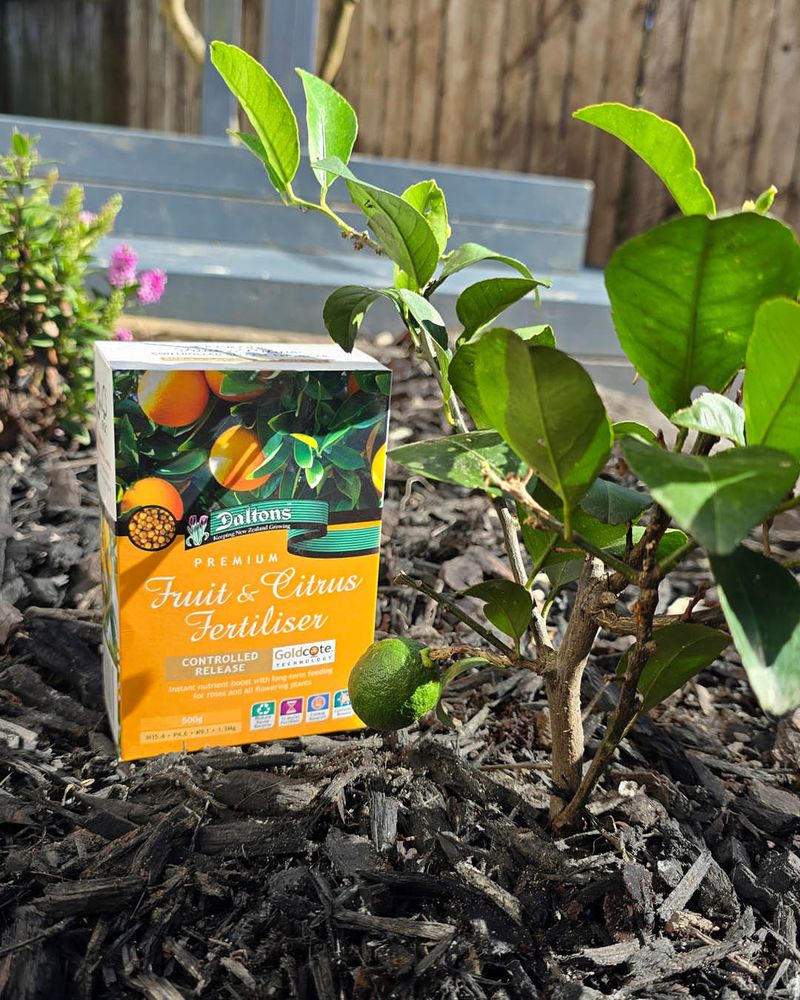
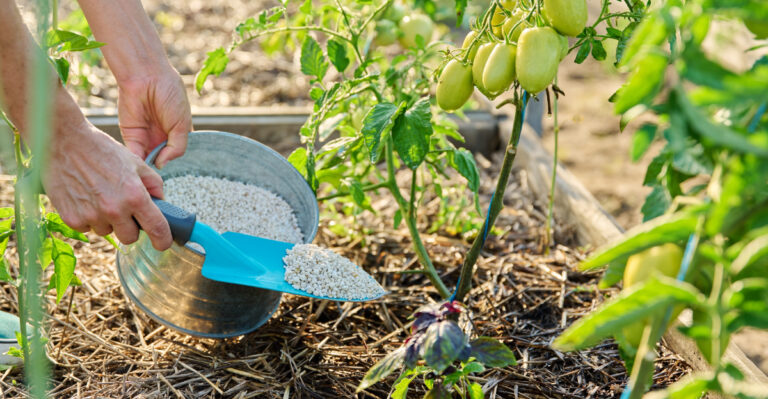
Feeding your citrus tree feels productive, but timing matters more than most people realize. Pushing fertilizer on a tree that is already stressed from summer heat can backfire quickly.
Instead of helping, it can scorch roots and push out tender new growth at the worst possible time.
New growth that appears during a heat wave is fragile. It burns easily in intense sun and attracts pests like aphids and mites almost immediately.
Fertilizing in mid-summer heat encourages exactly this kind of vulnerable growth, which ends up causing more problems than it solves.
A better approach is to fertilize in early spring and again in early fall when temperatures are more moderate.
If you feel the need to feed during summer, use a diluted liquid fertilizer at half strength and only apply it when the tree has been well-watered first. Never fertilize dry soil.
Signs that a tree has been over-fertilized include brown leaf tips, wilting despite adequate water, and a strong chemical smell from the soil.
If this happens, flush the soil deeply with water several times to help push excess salts through and away from the root zone.
Giving your tree a fertilizer break during the hottest weeks of the year is often the kindest thing you can do for it.
4. Pruning Off Shade That Protects Fruit
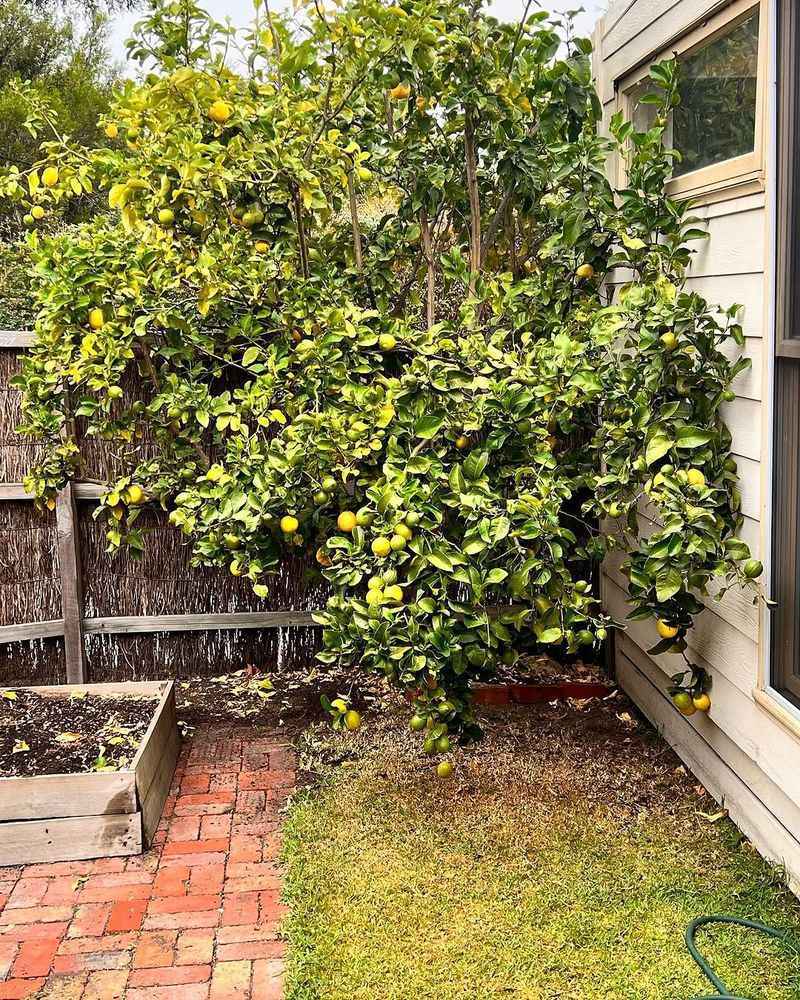
Summer pruning feels satisfying because it tidies up the tree and makes the yard look neat. But removing too many branches during peak heat can expose fruit and bark to direct sunlight they are not ready to handle.
What looks like good maintenance can quietly damage the harvest. Citrus fruit needs some leaf cover to stay protected from intense afternoon sun.
When too much canopy is removed, the fruit gets direct exposure to heat that can reach well over 100 degrees in many parts of our state.
This causes sunburn on the fruit skin, turning it pale, leathery, and unusable.
Heavy pruning also stresses the tree at a time when it is already working hard to survive summer heat.
Energy that should go toward fruit development gets redirected to healing pruning wounds and pushing new growth instead. That shift shows up later as smaller fruit or a lighter harvest.
Save major pruning for late winter or very early spring before the heat arrives. During summer, stick to removing only damaged wood, crossing branches, or anything clearly diseased.
Light shaping is fine, but keep the canopy full enough to provide natural shade for the fruit below.
A well-shaded citrus tree stays cooler, holds moisture better, and produces higher-quality fruit by the end of the season.
5. Leaving Trunks Exposed To Sunburn
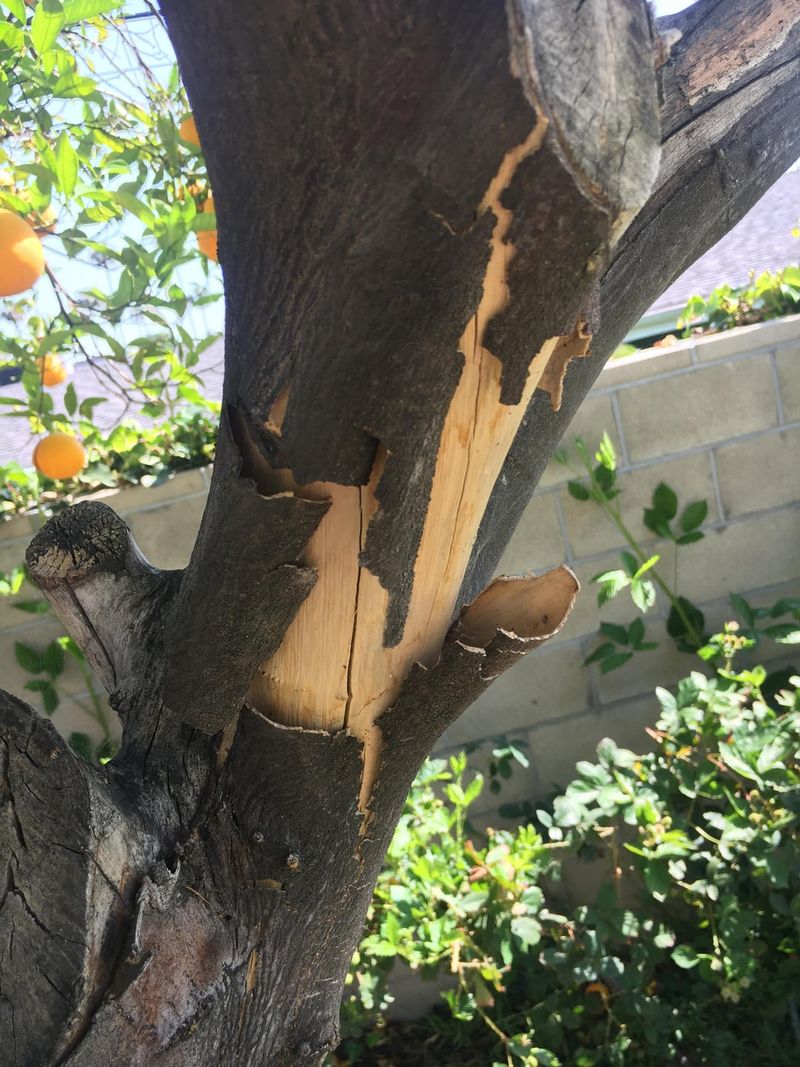
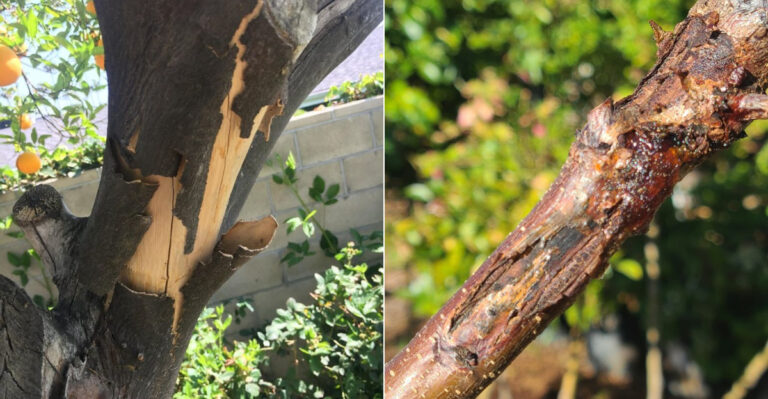
Sunburned bark is more common than most people think, and it does real damage to the long-term health of a citrus tree.
The trunk and main scaffold branches are especially vulnerable during summer when the sun is high and intense. Young trees and recently pruned trees face the greatest risk.
When bark gets sunburned, it dries out and cracks. Over time, those cracks become entry points for insects and fungal problems.
A tree with damaged bark has to work harder to move water and nutrients up from the roots, which slows everything down, including fruit production.
Protecting the trunk is simple and inexpensive. Paint the exposed trunk and lower branches with diluted white interior latex paint mixed at a 50-50 ratio with water.
This reflects sunlight and keeps the bark temperature down without harming the tree. Reapply every couple of years or after heavy rain seasons.
Another option is to wrap the trunk loosely with tree wrap or burlap during the hottest months. This works especially well for young trees in their first two or three summers.
Planting ground cover or low shrubs around the base of the tree also helps shade the lower trunk naturally.
A little protection now prevents years of setback and keeps your tree structurally strong and productive for the long haul.
6. Watering Right Against The Trunk
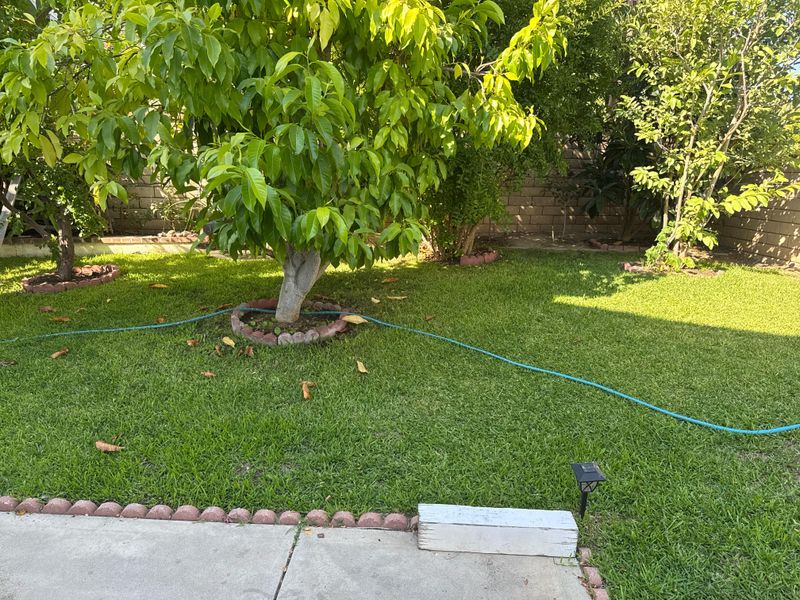
Watering at the base of the trunk seems like the most logical spot, but it is actually one of the worst places to direct water for a citrus tree.
Keeping the trunk area constantly wet creates ideal conditions for root rot and fungal problems that can weaken the tree over time.
Citrus trees are especially sensitive around the root crown, which is the area where the trunk meets the soil.
Prolonged moisture at this spot encourages a disease called Phytophthora, a soil-borne pathogen that attacks the bark and cuts off the tree’s ability to move nutrients effectively.
It spreads fast and is hard to reverse once established. The better approach is to water in a wide circle around the tree, starting about a foot away from the trunk and extending out to the drip line.
The drip line is roughly where the outer edge of the canopy ends. That is where the feeder roots are most active, and that is where water does the most good.
Using a drip system with emitters placed along the drip line takes the guesswork out of placement entirely.
If you water by hand, walk the hose around the perimeter rather than standing in one spot near the trunk.
Keeping the area directly around the trunk dry and well-ventilated is one of the simplest ways to protect your tree’s root system all summer long.
7. Ignoring Leaf Curl During Hot Spells
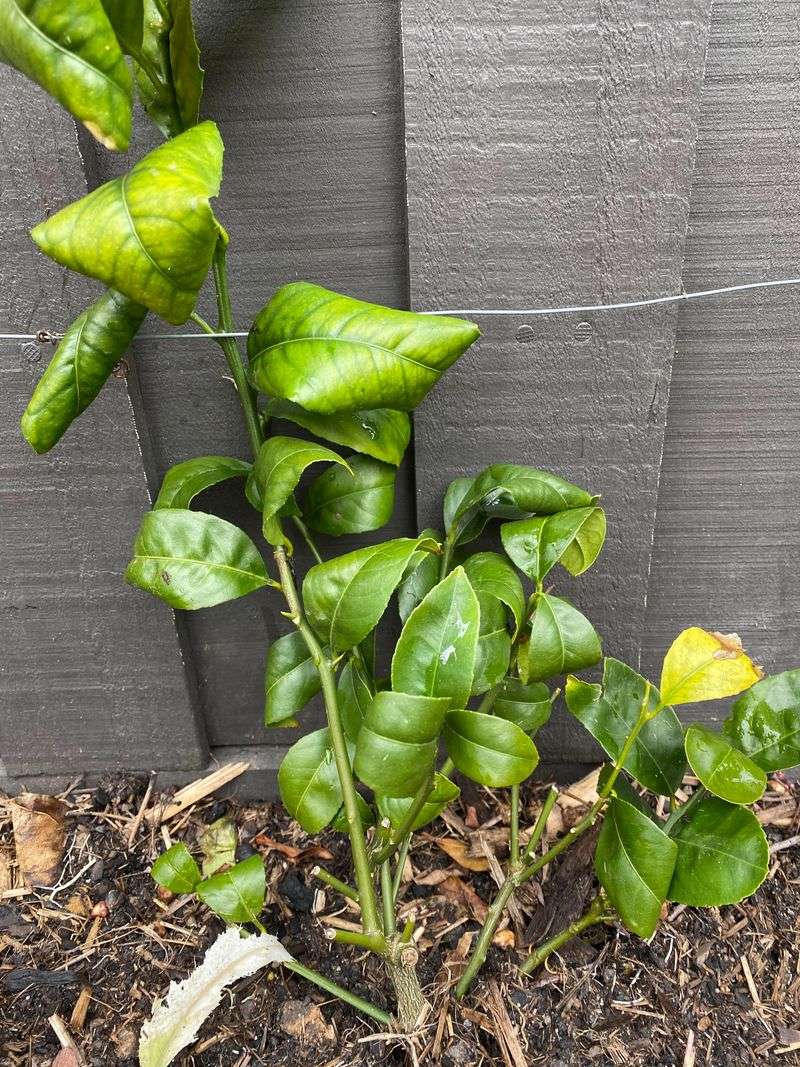
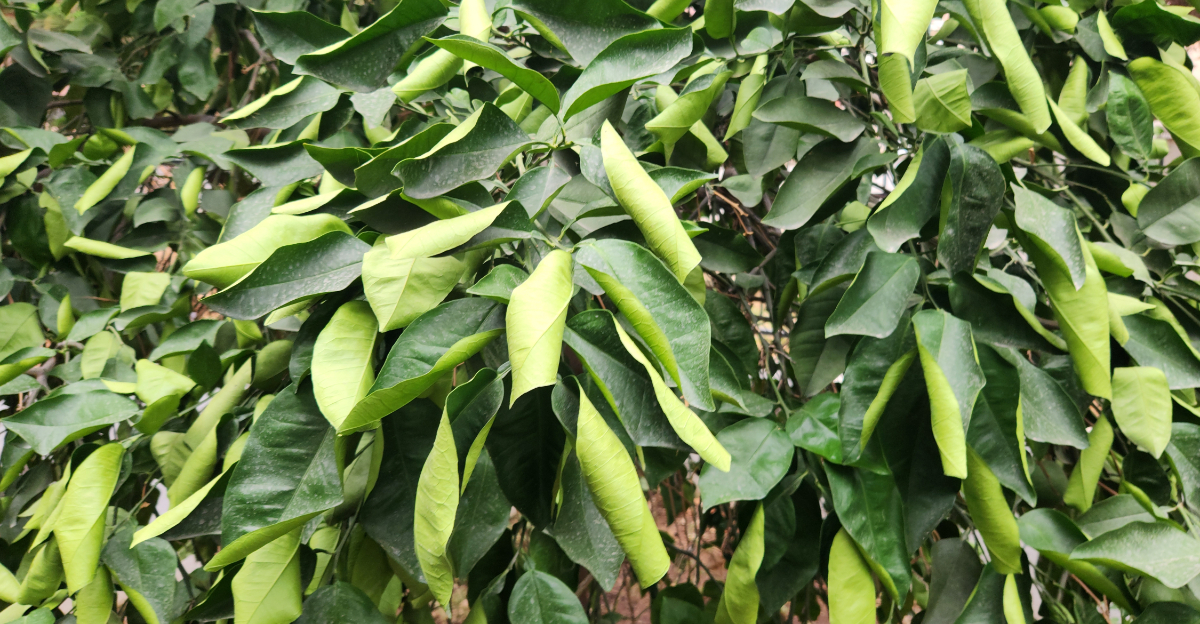
Curling leaves on a citrus tree during a heat wave are easy to brush off as just a normal summer reaction. And sometimes they are.
But consistently ignoring leaf curl without investigating the cause can allow real problems to go unchecked until significant damage has been done.
Leaf curl happens for several reasons. Drought stress is the most common cause in summer, and it usually resolves within hours of a deep watering.
But curl that stays even after watering can point to other issues like root damage, pest infestation, or a viral problem that needs a closer look.
Spider mites are a sneaky culprit behind summer leaf curl. They thrive in hot, dry conditions and reproduce rapidly.
Check the undersides of curled leaves for tiny moving dots or fine webbing. If you spot them, a strong blast of water or an insecticidal soap spray can help bring them under control before they spread across the whole tree.
Citrus leafminer is another pest that causes distinctive curling and distortion in new leaves. The larvae tunnel through the leaf tissue and leave a silvery trail behind them.
Affected leaves never uncurl properly and should be removed. Monitoring your tree weekly during summer, especially checking new growth, helps you catch these problems early when they are far easier to manage effectively.
8. Letting Mulch Touch The Bark
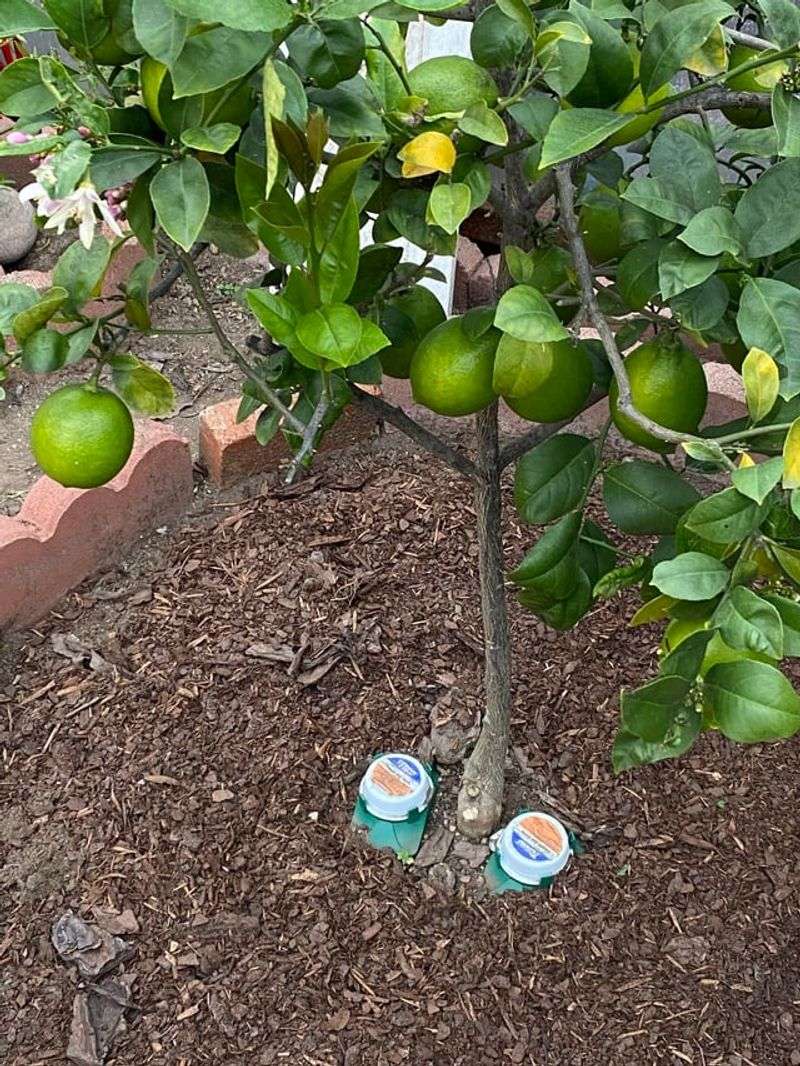
Mulch is genuinely one of the best things you can add around a citrus tree in summer. It keeps roots cool, slows moisture evaporation, and suppresses weeds all at once.
But piling mulch right up against the trunk creates a hidden problem that builds slowly and can be hard to reverse.
When organic mulch stays pressed against bark, it holds moisture there constantly. That continuous dampness softens the bark and invites fungal growth.
Over months, the bark begins to break down from the outside in, weakening the tree’s protective layer and creating an entry point for pathogens and insects.
The fix is straightforward. Pull mulch back so there is a clear gap of at least three to four inches between the mulch layer and the trunk.
This keeps the base of the tree dry and well-ventilated while still allowing the surrounding soil to benefit from the moisture retention that mulch provides.
Apply mulch in a wide ring extending out to or just past the drip line of the tree. Keep the depth between two and four inches.
Wood chips, straw, or shredded bark all work well. Refresh the layer every spring or fall as it breaks down.
Done correctly, mulching is one of the most effective low-effort strategies for keeping citrus trees healthy and hydrated during long, hot summer months.
9. Missing Scale, Mites, And Aphids Early
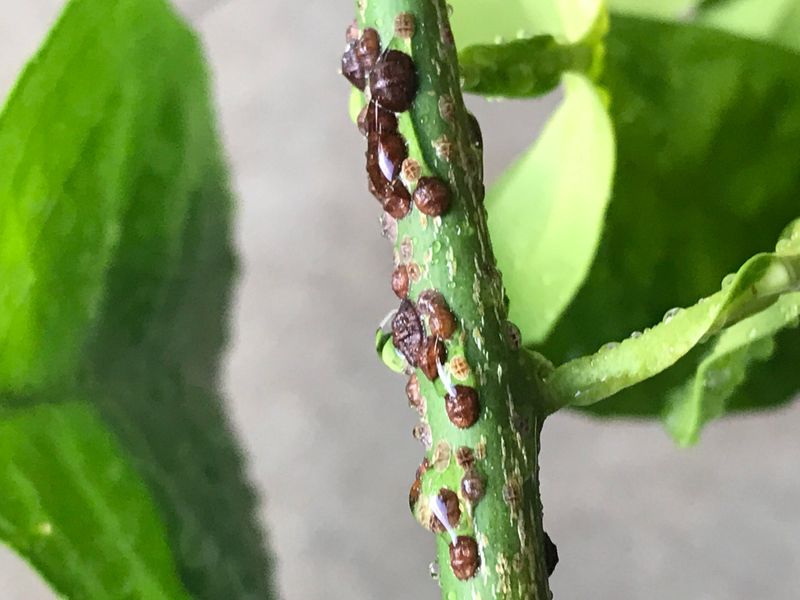
Summer heat brings out the worst pest pressure for citrus trees. Scale insects, spider mites, and aphids all thrive when temperatures climb and natural predators are less active.
The real problem is that most infestations are well underway before a gardener notices anything is wrong.
Scale looks like small brown or white bumps stuck to branches and the undersides of leaves.
It feeds by sucking sap from the tree and secretes a sticky substance called honeydew that coats leaves and encourages black sooty mold to grow. A tree with heavy scale looks dull, sticky, and tired all at once.
Aphids cluster on new growth and cause leaves to curl and pucker. They reproduce incredibly fast in warm weather, and a small group can turn into a massive colony within just a week or two.
A hard spray of water from a hose can knock them off, but repeated treatments are usually necessary to stay ahead of them.
Spider mites are nearly invisible to the naked eye but cause significant leaf damage through tiny feeding punctures that turn leaves bronze or silver. Check for fine webbing on the undersides of leaves as a telltale sign.
Neem oil, insecticidal soap, or horticultural oil sprays applied in the early morning or evening work well against all three of these pests without harming beneficial insects nearby.
10. Treating Yellow Leaves With Random Fertilizer
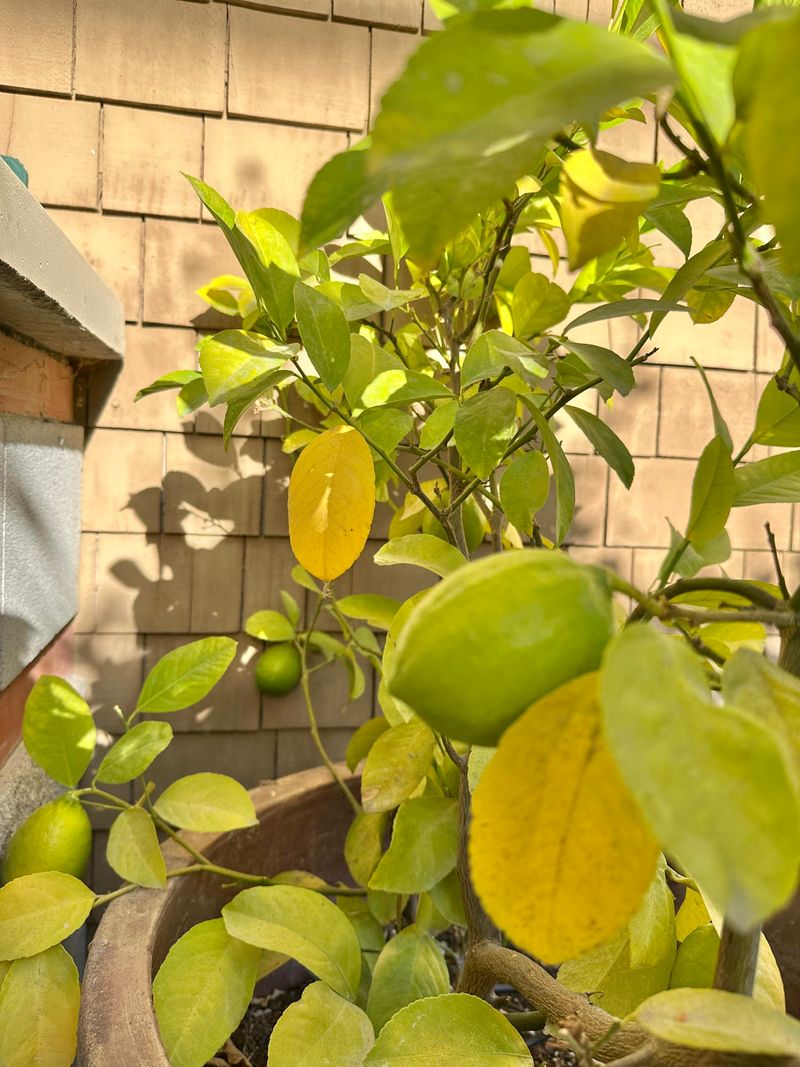
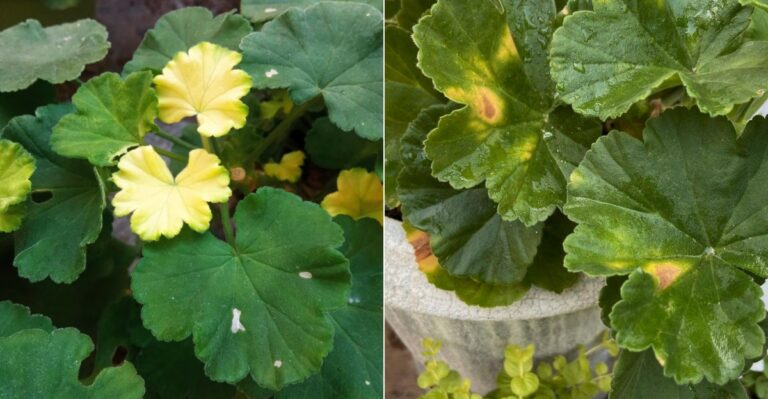
Yellow leaves on a citrus tree can mean a dozen different things, and grabbing whatever fertilizer is on the shelf rarely fixes the actual problem.
In fact, adding the wrong nutrients can make things worse by throwing off the soil’s balance even further or by burning already-stressed roots.
Nitrogen deficiency causes older leaves to turn uniformly pale yellow, starting from the bottom of the tree and working upward.
Iron deficiency, on the other hand, shows up as yellowing between the veins of younger leaves while the veins themselves stay green.
These two problems look similar but need completely different treatments.
Magnesium deficiency causes a distinctive pattern where the center of older leaves turns yellow while the edges stay green. Zinc deficiency creates small, mottled leaves with yellow patches.
Each of these conditions points to something specific missing from the soil or something blocking nutrient uptake, like poor drainage or a pH that is too high.
Before buying anything, get a simple soil test from your local garden center or cooperative extension office. It costs very little and tells you exactly what your soil is lacking.
Matching the right amendment to the real deficiency gets results much faster than guessing.
Citrus trees are heavy feeders, but they need the right food in the right amounts at the right time to truly thrive throughout the summer season.