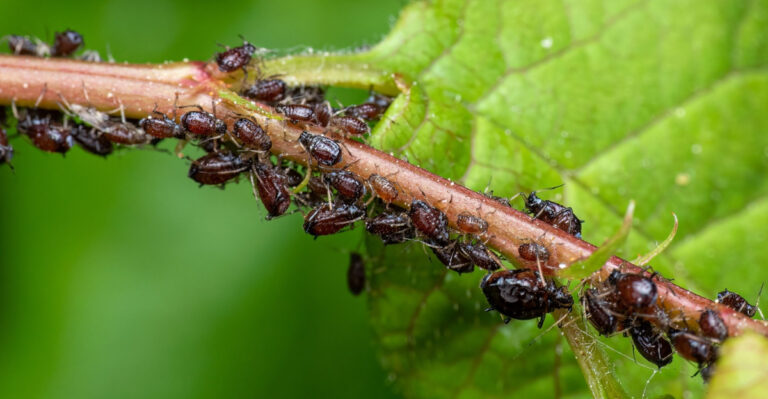
This Is The Invasive Insect Spreading Through California Vegetable Gardens At An Alarming Rate Right Now
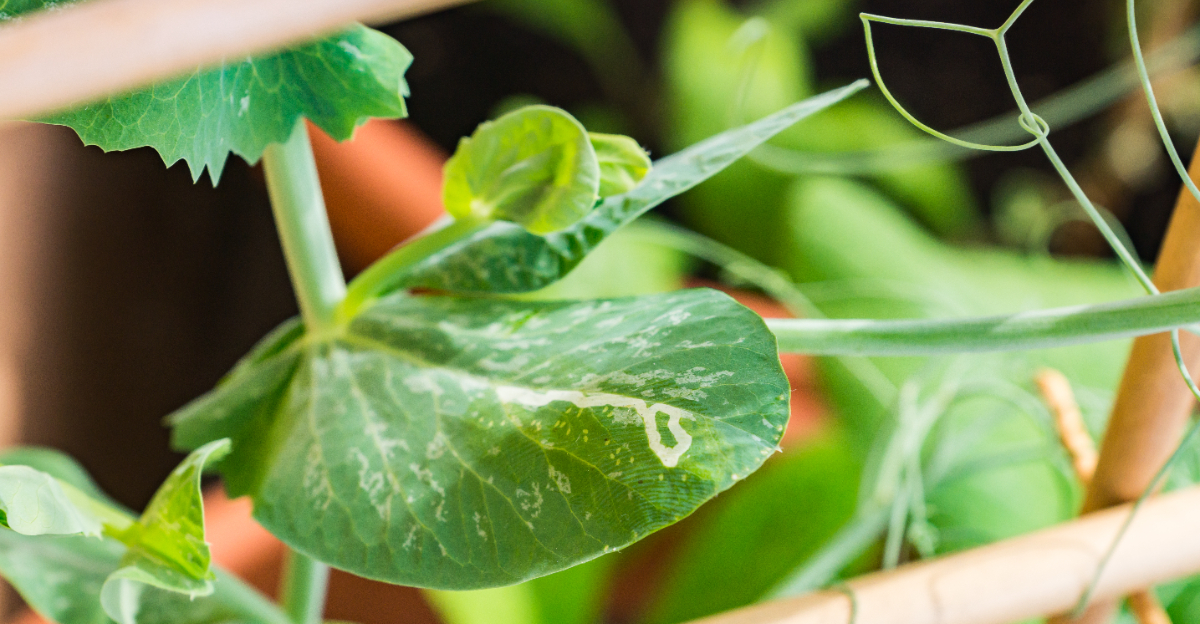
Somewhere between your tomato rows and the fence line, something smaller than a grain of rice is quietly causing serious damage across California gardens. Nobody notices until the damage is already sprawled across every leaf.
This tiny invader works fast, and it works invisibly at first. Its larvae burrow inside leaf tissue, carving pale winding tunnels that spread like cracked glass across your plants.
By the time most gardeners spot the pattern, entire beds from coastal valleys to inland plots are already marked. This is a problem you cannot afford to ignore until next season.
If your vegetables have started showing strange silvery trails, this culprit may already be settled in. What it takes to stop it is simpler than you might expect, but only if you catch it early.
One Pest Is Behind This Rapid Garden Damage
Your garden looked fine last Tuesday. Now the leaves are covered in pale, winding tunnels that seem to appear overnight.
The culprit is the pea leafminer, a small fly known scientifically as Liriomyza huidobrensis. Farmers and home growers alike are struggling to keep up with this pest’s spread.
The adult fly is barely two millimeters long. You might not even notice it unless you look closely at your plants on a sunny morning.
Female flies puncture leaf surfaces to feed and lay eggs. Those eggs hatch into tiny larvae that immediately begin tunneling through the soft tissue inside leaves.
The damage happens fast and looks alarming. Within days, a single infested plant can show dozens of those telltale squiggly white lines across its foliage.
What makes this pest so dangerous is its speed. One generation can complete its entire life cycle in as few as three weeks in warm weather.
California’s mild climate gives the pea leafminer almost year-round breeding conditions. That is a major reason populations are growing rapidly right now.
Unlike some garden pests that stay in one area, this fly moves easily between neighboring yards and farms. Wind, movement of plant material, and even foot traffic can spread it further.
Early detection makes a real difference. Once you know what to look for, you can act before the damage gets out of hand.
Pea Leafminer’s Rapid Spread Across California
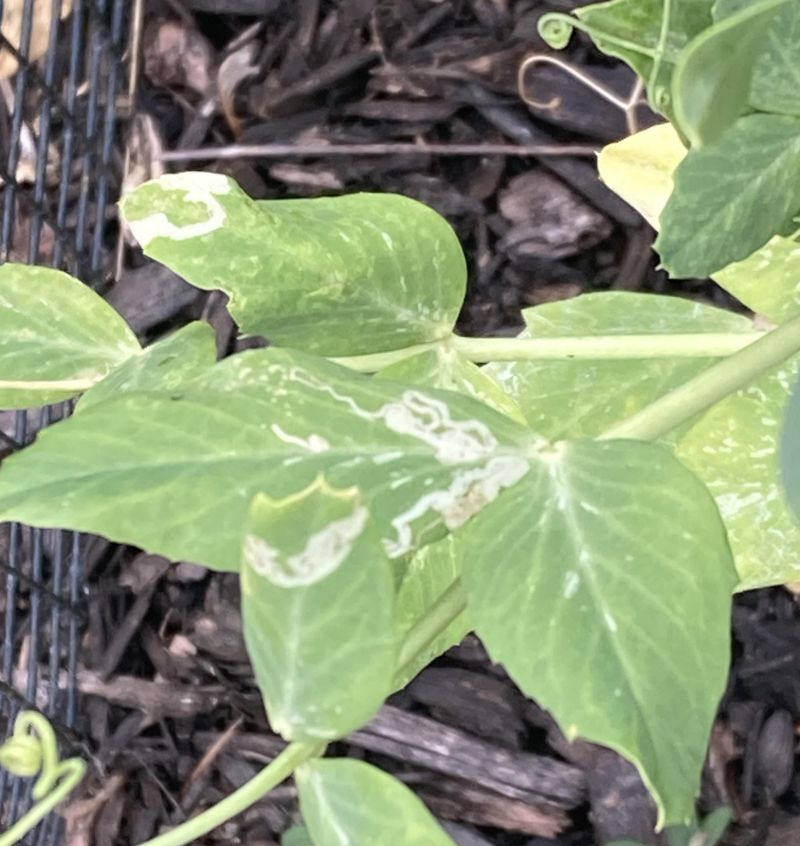
Back in the 1990s, this pest was mostly a problem in South America and parts of Europe. Now it has firmly planted itself in North America, and California is feeling the pressure hard.
The pea leafminer’s rapid spread across California has been tracked by agricultural scientists for years. Reports over the past several years point to a steady expansion.
Coastal counties saw early infestations due to their year-round growing seasons. Inland valleys followed quickly as the pest hitched rides on transported plant material and soil.
Nursery plants are one of the biggest ways this insect moves between regions. A single infested seedling brought home from a garden center can introduce the pest to an entire neighborhood.
The fly is not picky about where it settles. As long as there are suitable host plants nearby, it will establish and reproduce without hesitation.
Your California Garden Changes Every Week. Your Plan Should Too.
Gardening in California changes quickly throughout the season. Every Friday you’ll receive a simple weekly plan showing exactly what to plant, prune, fertilize, harvest, and protect so you never miss the right timing.
University of California agricultural extension offices have been issuing warnings to home growers and commercial farms. The spread is being called one of the more rapid pest movements seen in recent years.
Social media gardening groups have also been buzzing with photos of the damage. Gardeners across the state are sharing images of ruined crops and asking what went wrong.
Awareness is growing, but so is the pest population. Understanding the speed of this spread helps explain why experts are urging gardeners to act now rather than wait and see.
Vegetable Crops Most At Risk From This Insect
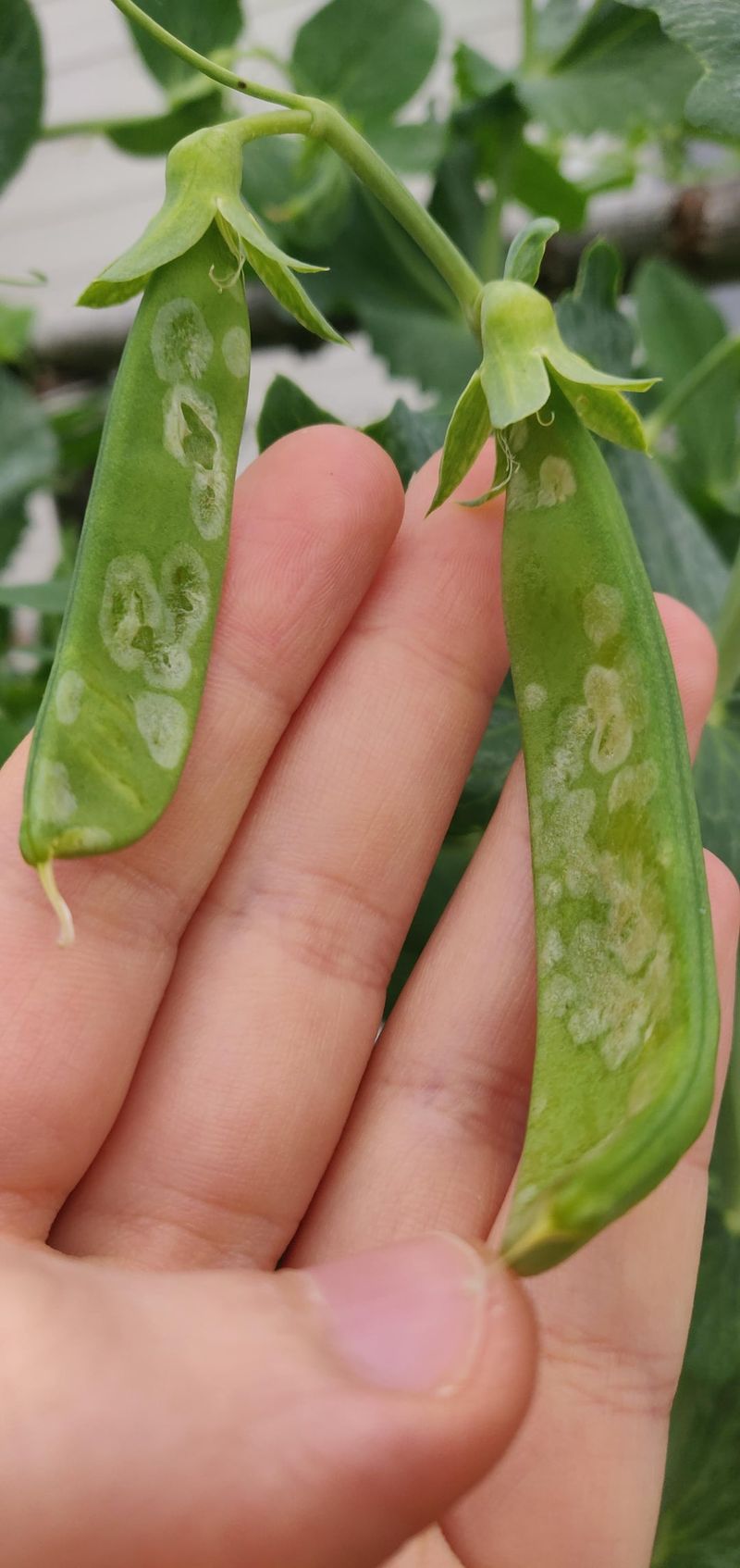
Not every plant in your garden faces the same level of threat. The pea leafminer has strong preferences, and knowing which crops are on its menu is essential information for any home grower.
Peas are the obvious target, given the pest’s name. But the list of vulnerable crops goes far beyond that single vegetable.
Celery, lettuce, spinach, and chard are all highly attractive to this fly. These leafy greens provide the soft, moist leaf tissue that larvae need to tunnel effectively.
Tomatoes and potatoes are also at risk, which surprises many gardeners. The fly will target almost any plant in the Solanaceae family when its preferred hosts are less available.
Beans and beets round out the list of commonly affected crops. Even some ornamental plants like chrysanthemums have been documented as hosts in heavy infestation zones.
The degree of damage varies by crop type. Leafy greens tend to suffer more visible harm because the tunneling affects a larger percentage of the edible portion.
For root vegetables like beets, the leaf damage may not ruin the harvest entirely. But weakened foliage still reduces the plant’s ability to photosynthesize and produce energy.
Gardeners growing mixed beds face a compounded problem. One infested plant can quickly become a launching point for the fly to attack everything else nearby.
Prioritizing protection for your most vulnerable crops is a smart first move. Start with your leafy greens and work outward from there.
Spotting The Telltale Mining Trails On Leaves
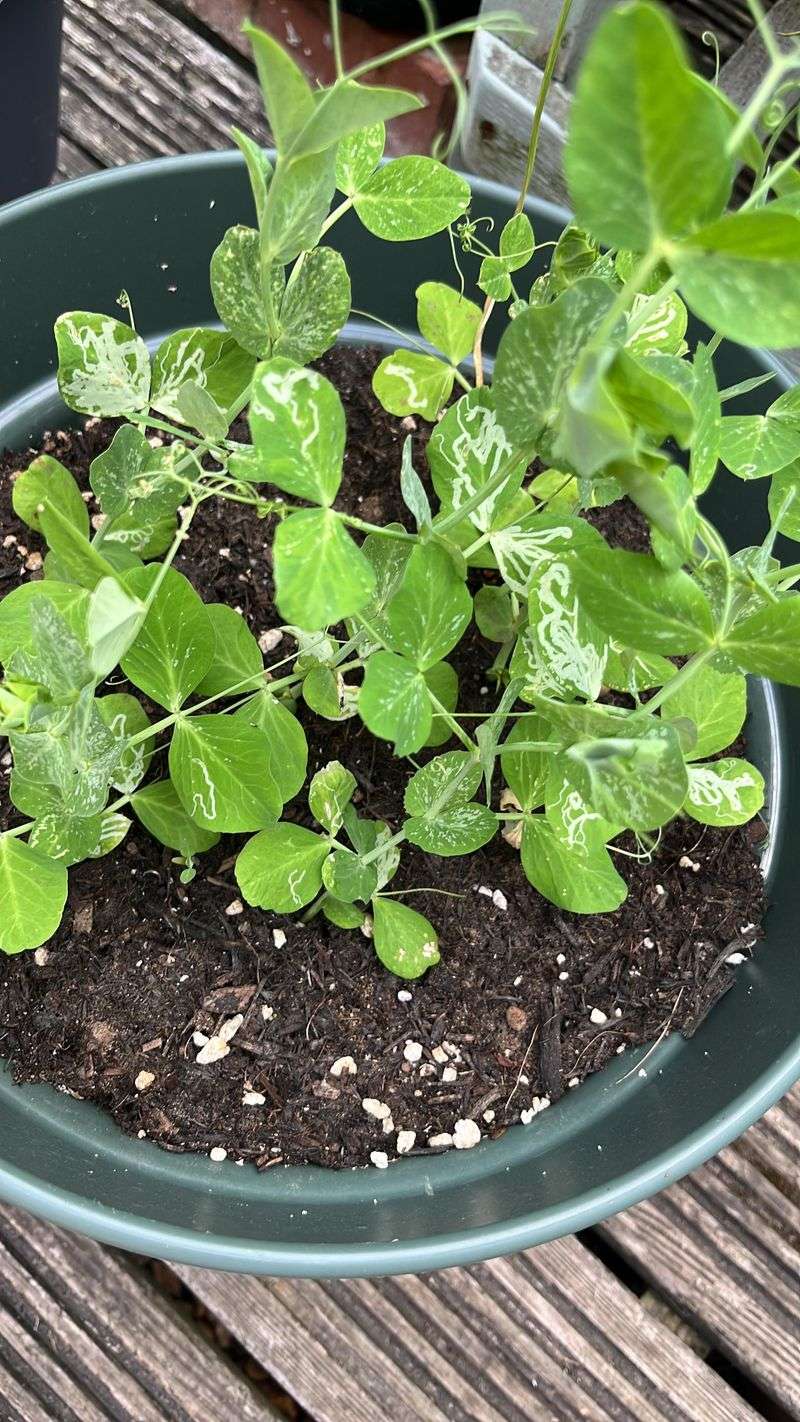
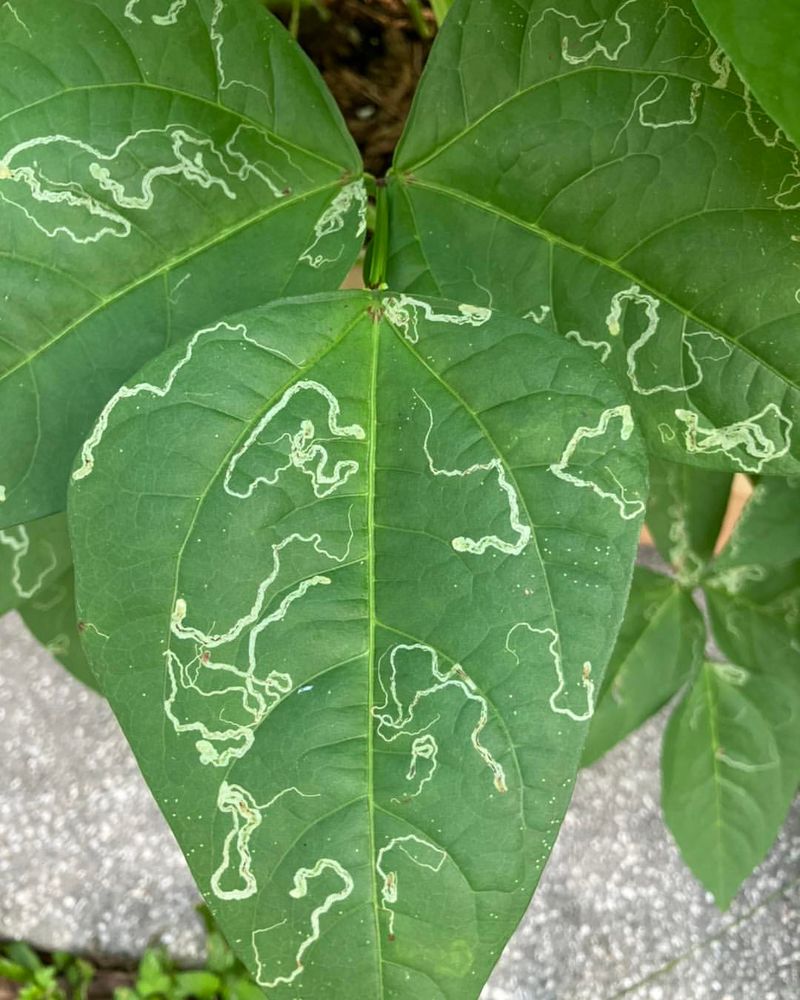
Grab a leaf from your garden and hold it up to the light. If you see pale, winding lines snaking across the surface, you are looking at leafminer damage up close.
Spotting the telltale mining trails on leaves is usually the first sign gardeners notice. These lines are actually tunnels carved by tiny larvae feeding inside the leaf.
Fresh tunnels appear greenish or translucent at first. As the larvae continue feeding and the tissue dries out, the trails turn white or silvery and become much more visible.
The trails tend to follow irregular, looping paths rather than straight lines. This serpentine pattern is a reliable way to distinguish leafminer damage from other types of pest injury.
Look at the end of each tunnel for a small dark dot. That dot is often the larva itself, still actively feeding inside the leaf tissue.
Heavily infested leaves may have so many overlapping tunnels that the entire surface looks bleached. At that stage, the leaf is no longer able to function properly for the plant.
Checking the underside of leaves is also helpful. Adult flies sometimes leave tiny yellow or white feeding punctures that appear as small pale spots scattered across the surface.
Early detection is your best advantage. Catching the damage when only a few tunnels are present gives you far more options for managing the problem before it escalates.
Your eyes are your most powerful tool in the garden. Make weekly leaf inspections a regular habit starting now.
Natural Predators That Help Keep Numbers Down
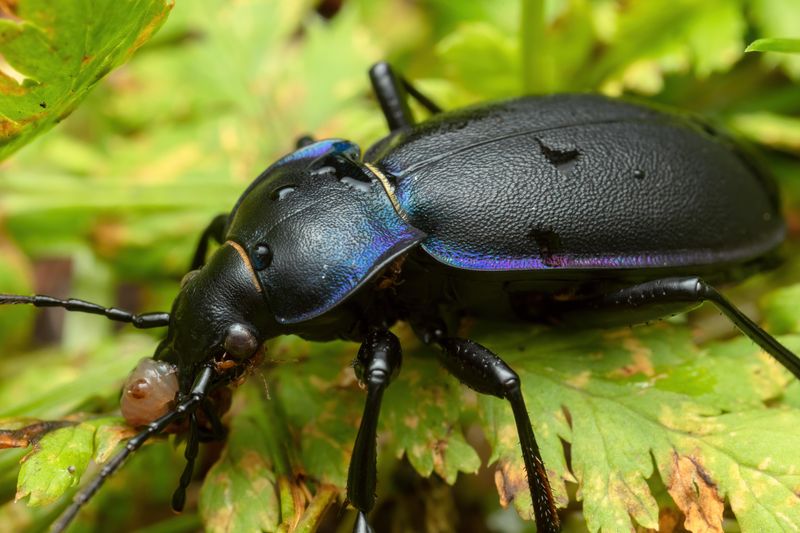
Nature has its own pest control system, and it works surprisingly well when given the chance. Several natural predators help keep pea leafminer populations from overwhelming a garden.
Parasitic wasps are the most effective natural enemy of this pest. These tiny wasps lay their eggs inside leafminer larvae, and the wasp larvae develop inside the pest and stop it from maturing.
Species like Diglyphus isaea and Chrysocharis parksi are among the most documented parasitoids attacking pea leafminers. They are already present in many California gardens and farms.
The challenge is that broad-spectrum insecticides wipe out these beneficial wasps along with the pest. Overusing chemical sprays often makes infestations worse in the long run.
Ground beetles and spiders also prey on adult flies when they rest on soil or low foliage. Encouraging these predators means providing habitat like mulch, leaf litter, and undisturbed soil areas.
Birds like house sparrows and chickadees will occasionally pick off adult flies from plant surfaces. A garden that attracts birds is doing double duty as a pest management zone.
Lacewing larvae are another useful ally. These voracious insects feed on a wide range of soft-bodied pests and can be purchased at many garden supply stores.
Supporting a diverse ecosystem in your garden is one of the most powerful long-term strategies available. A garden full of life is far more resilient than one kept artificially clean.
Steps Home Gardeners Can Take To Protect Their Plots
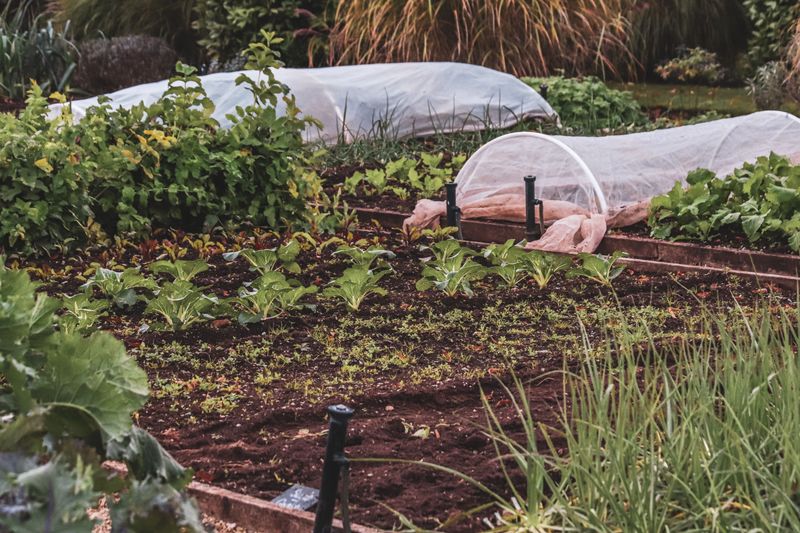
You do not need to be a professional farmer to fight back against this pest. Home gardeners have several solid options that can make a real difference without harsh chemicals.
Start with yellow sticky traps placed near vulnerable crops. Adult pea leafminer flies are attracted to yellow, and these traps help you monitor population levels before damage gets serious.
Row covers made of lightweight fabric are one of the most effective physical barriers available. Placed over plants before adults appear, they block the fly from reaching leaves to lay eggs.
Remove and bag any heavily infested leaves you find during your inspections. Do not compost them, as larvae inside the tunnels can survive and continue developing in a compost pile.
Crop rotation helps disrupt the pest’s breeding cycle. Avoid planting the same susceptible crops in the same bed season after season, since pupae can overwinter in nearby soil.
Spinosad-based organic sprays have shown effectiveness against leafminer larvae. These products are derived from naturally occurring soil bacteria and are approved for organic gardening use.
Neem oil applied to leaf surfaces can deter adult flies from feeding and laying eggs. Consistent application every seven to ten days during peak activity periods gives the best results.
Building healthy soil with compost and avoiding plant stress also matters. Stressed plants are more attractive to this pest and less able to tolerate the damage it leaves behind.