7 Reasons Why Your Bird Of Paradise Isn’t Blooming In Texas (And How To Fix It)
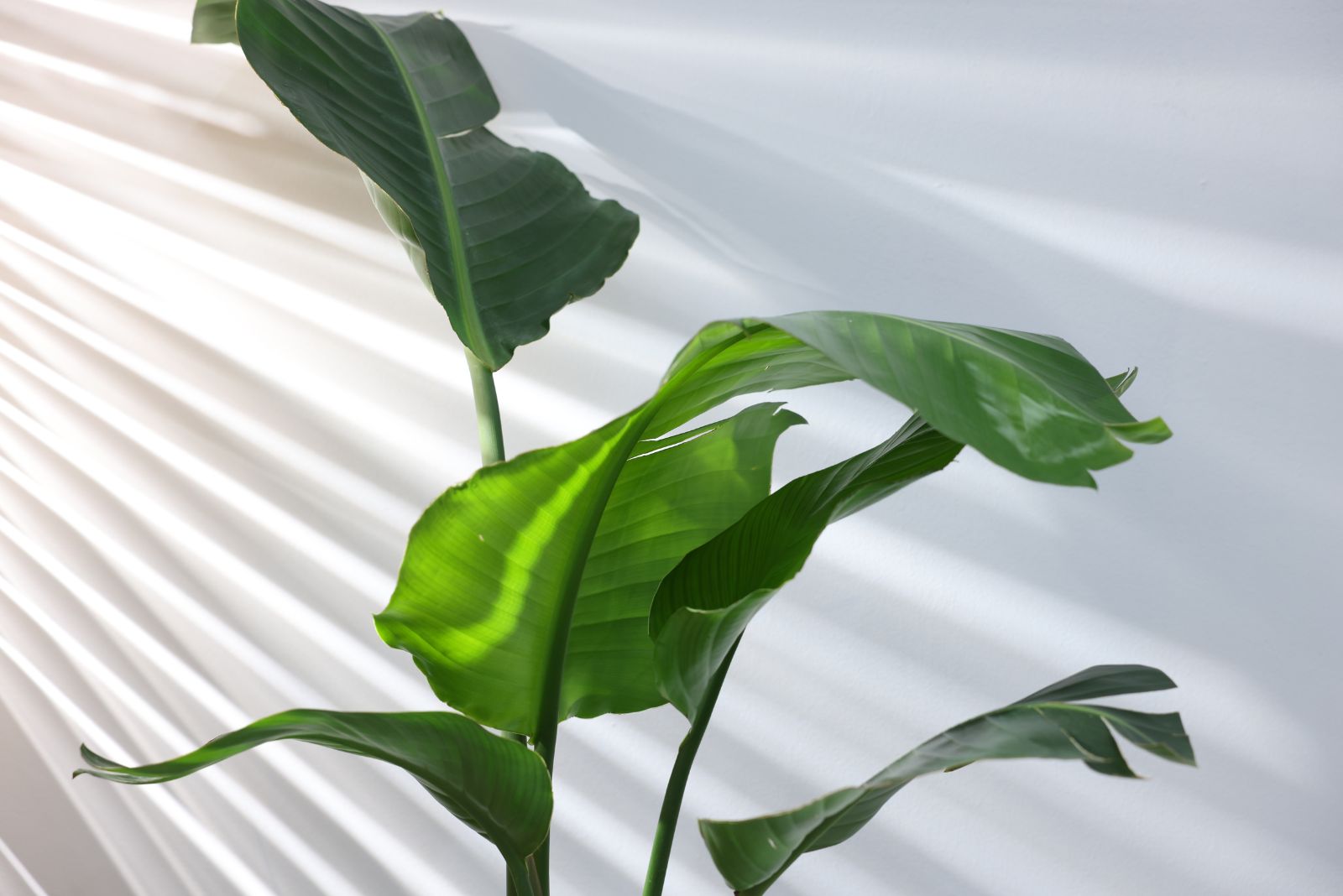
Bird of paradise is one of the most dramatic plants you can grow in a Texas garden, and when it blooms, the results justify every bit of the space it takes up. Getting it to actually bloom though is where a lot of Texas gardeners hit a wall.
The plant looks healthy, the foliage is full and green, and yet the flowers never come or show up so infrequently that the whole thing starts to feel like a disappointment.
Bloom failure in bird of paradise is almost always traceable to something specific, and the causes are not always obvious because several of them are things that seem like good gardening practice applied to the wrong plant.
Age, root conditions, sun exposure, feeding habits, and watering patterns all play a role, and Texas growing conditions add a layer of complexity that generic care advice does not always account for.
Understanding what is actually holding the blooms back is the necessary first step toward finally getting this plant to perform the way it should.
1. Your Plant Isn’t Mature Enough Yet
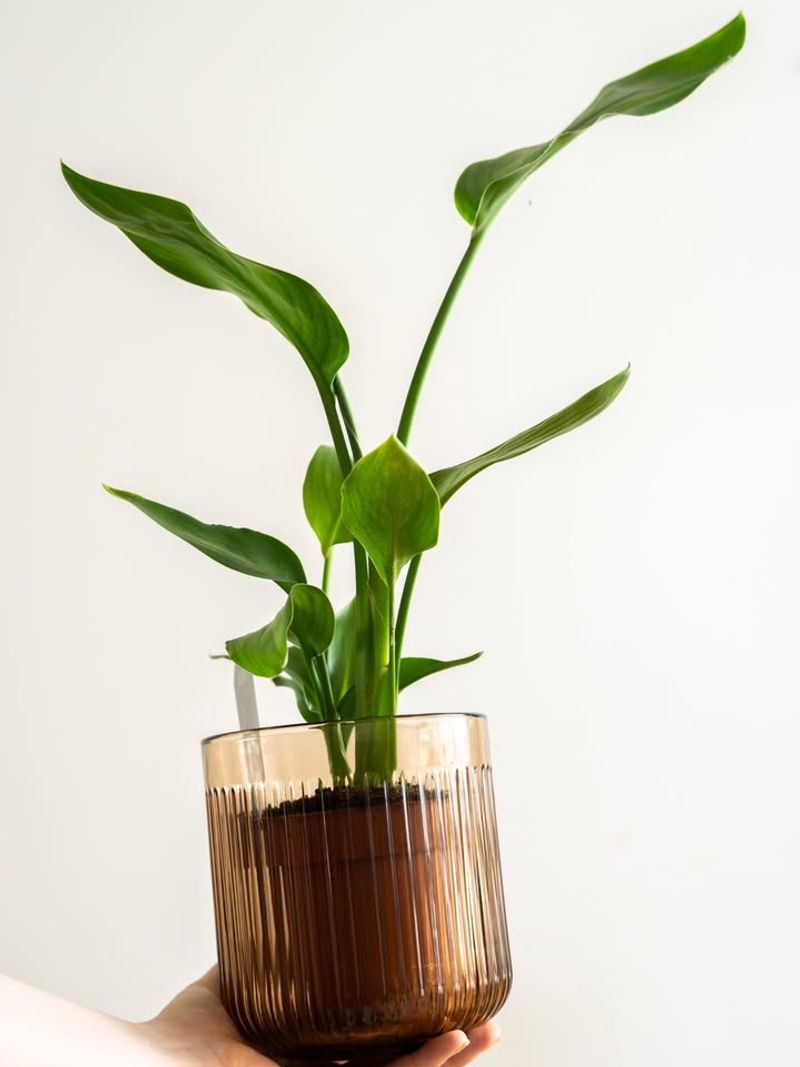
Patience is the secret ingredient most gardeners forget when it comes to Bird of Paradise. Unlike many flowering plants that bloom within their first season, Bird of Paradise plants often take 3 to 5 years before producing their first flower.
If yours was grown from seed, the wait can stretch even longer. Young plants put almost all of their energy into building roots and leaves before they even think about blooming.
That lush, green growth you see is actually a good sign. It means your plant is healthy and working hard underground to build a strong foundation.
Many gardeners make the mistake of repotting their Bird of Paradise too often or into a pot that is way too big. A slightly crowded root system actually signals the plant to start blooming rather than just keep spreading roots.
Think of it like a little push that tells the plant it is time to focus on flowers. The fix here is simple: give your plant time and avoid unnecessary repotting. If it is in a container, leave it slightly pot-bound.
If it is in the ground, keep conditions consistent and let it mature naturally. Mark the date you planted it so you know how old it really is.
Many Texas gardeners are surprised to realize their plant is only two years old when they expected flowers already. Good things truly do take time, and a mature Bird of Paradise in full bloom is absolutely worth every single day of waiting.
2. Not Enough Sunlight
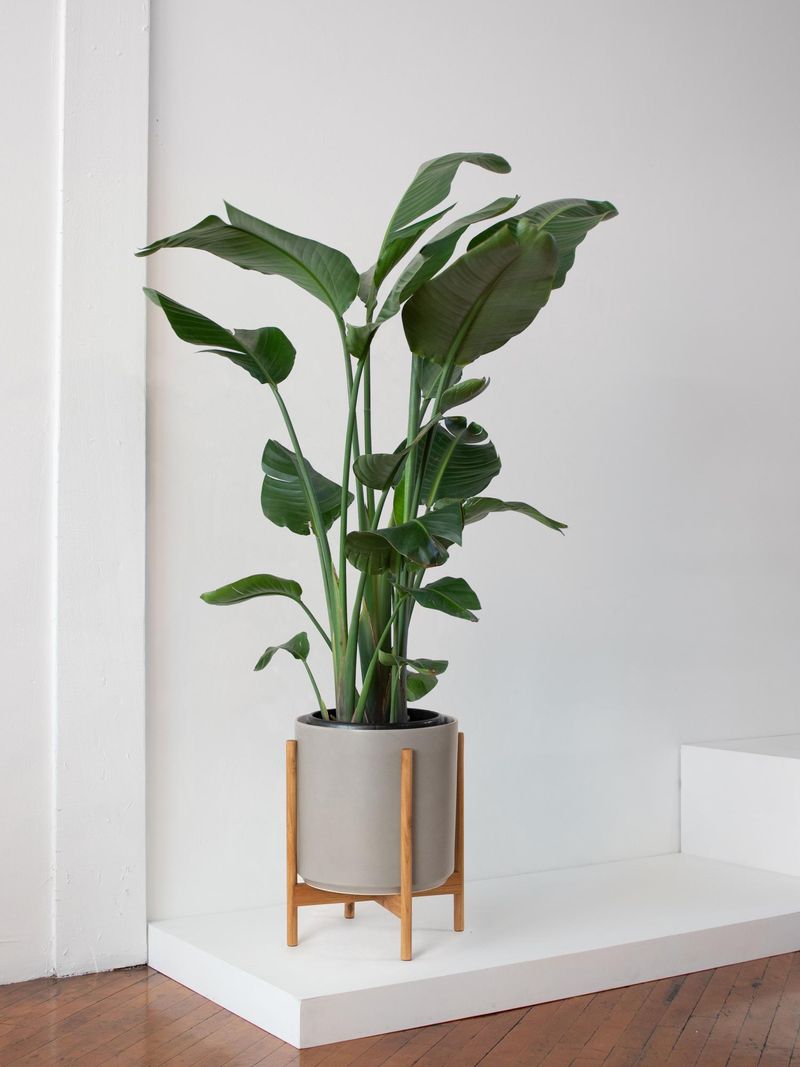
Sunlight is basically the fuel that powers a Bird of Paradise bloom. Without enough of it, your plant will grow big and green but stay completely flowerless no matter what else you do.
In Texas, it might seem like sunshine is never in short supply, but shady yards, tall fences, and dense tree canopies can quietly rob your plant of the light it needs.
Bird of Paradise plants need at least 6 hours of direct sunlight every single day to have a real shot at blooming. A spot that gets morning shade and afternoon sun might not be cutting it.
Your Texas Garden Changes Every Week. Your Plan Should Too.
Gardening in Texas changes quickly throughout the season. Every Friday you’ll receive a simple weekly plan showing exactly what to plant, prune, fertilize, harvest, and protect so you never miss the right timing.
Southern or western exposures in your yard are usually the best bets for maximum light exposure throughout the day.
Here is something many gardeners overlook: even a plant that gets decent light might not be getting the right kind of light. Filtered or dappled light through tree branches does not count the same way as direct, unobstructed sun.
The plant needs to feel that full, intense warmth to trigger its blooming cycle. Moving your Bird of Paradise to a sunnier spot is one of the fastest fixes you can make. If it is in a container, relocate it to the brightest area of your patio or yard.
If it is in the ground, consider trimming back nearby trees or shrubs that may be casting shade.
Once your plant gets consistent, strong sunlight, you may start seeing flower buds appear within the next growing season. More sun truly equals more blooms for this tropical beauty.
3. Too Much Nitrogen Fertilizer
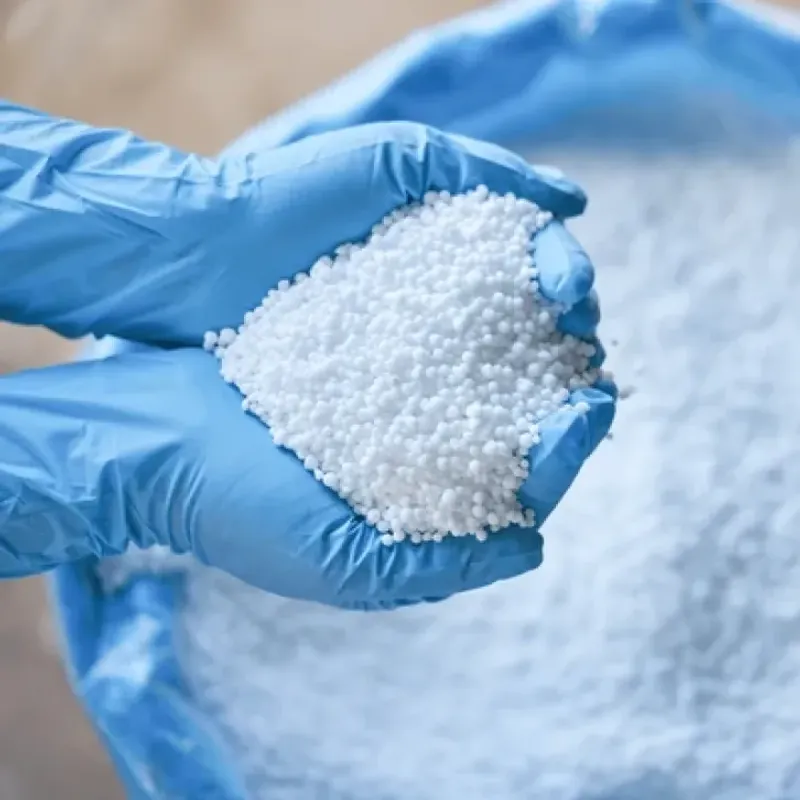
Walk into any garden center and you will find shelves lined with fertilizers promising lush, green growth. The problem is that lush green growth is exactly what you do NOT want to prioritize if you are trying to get your Bird of Paradise to bloom.
Too much nitrogen sends the plant a very clear message: keep making leaves, forget about flowers. Nitrogen is the first number on any fertilizer label, and plants absolutely need some of it.
But when that number is too high compared to the others, flowering plants like Bird of Paradise respond by pumping out enormous, beautiful leaves while completely skipping the bloom stage. It is a frustrating trade-off that catches a lot of well-meaning gardeners off guard.
The fix is to switch to a fertilizer that is lower in nitrogen and higher in phosphorus. Phosphorus, the middle number on the label, is the nutrient that actually encourages root strength and flower bud development.
Look for fertilizers labeled as bloom boosters or flower promoters, especially during the spring and summer growing season.
A good rule of thumb is to feed your Bird of Paradise with a balanced or phosphorus-heavy fertilizer every four to six weeks during active growth. Cut back on feeding during the cooler Texas winters when the plant naturally slows down.
Avoid the temptation to over-fertilize thinking more is better. Too much of any fertilizer can actually stress the plant and push it further from blooming.
Getting the fertilizer balance right is one of the simplest and most effective changes you can make for better blooms.
4. Poor Soil Or Drainage Conditions
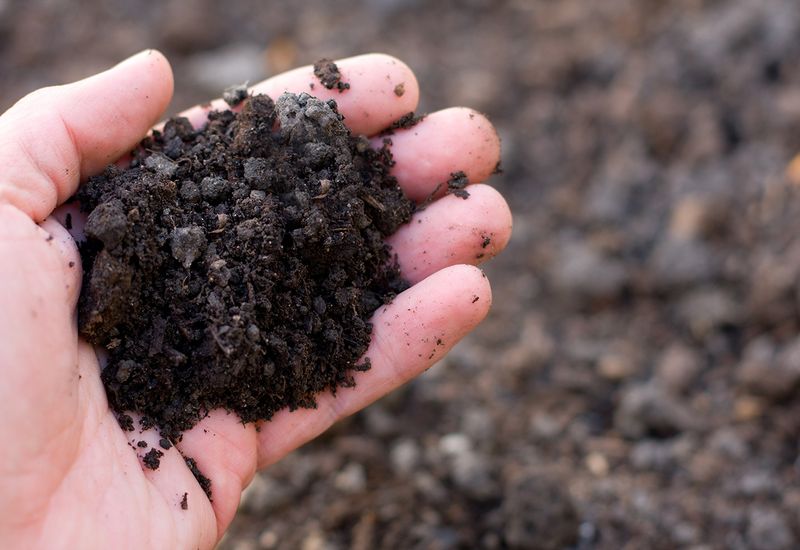
Texas soil has a reputation for being tough, and that reputation is well earned. Heavy clay soil is incredibly common across much of the state, and while it holds moisture well, it also compacts easily and drains poorly.
For a Bird of Paradise, that kind of soil environment can be a serious roadblock to healthy root development and blooming.
When roots sit in waterlogged or compacted soil, they struggle to absorb nutrients and oxygen properly. A plant under that kind of stress is too busy trying to survive to put energy into producing flowers.
Even a plant in full sun with perfect watering can fail to bloom if the soil beneath it is working against it every single day.
Good drainage is not just nice to have for Bird of Paradise, it is absolutely essential. These plants love rich, well-draining soil that holds some moisture but never stays soggy.
If you dig down a few inches and the soil feels like wet clay or stays clumped and dense, that is a red flag worth addressing right away.
Fixing poor soil is easier than most people expect. Work compost, aged bark, or other organic matter into the planting area to loosen the texture and improve drainage.
Raised beds are another great option for Texas gardeners dealing with stubborn clay. For container plants, use a high-quality potting mix designed for tropical plants.
Once your Bird of Paradise has roots growing freely in rich, well-draining soil, it will have the foundation it needs to finally focus its energy on producing those stunning, long-awaited blooms.
5. Too Much Or Too Little Water
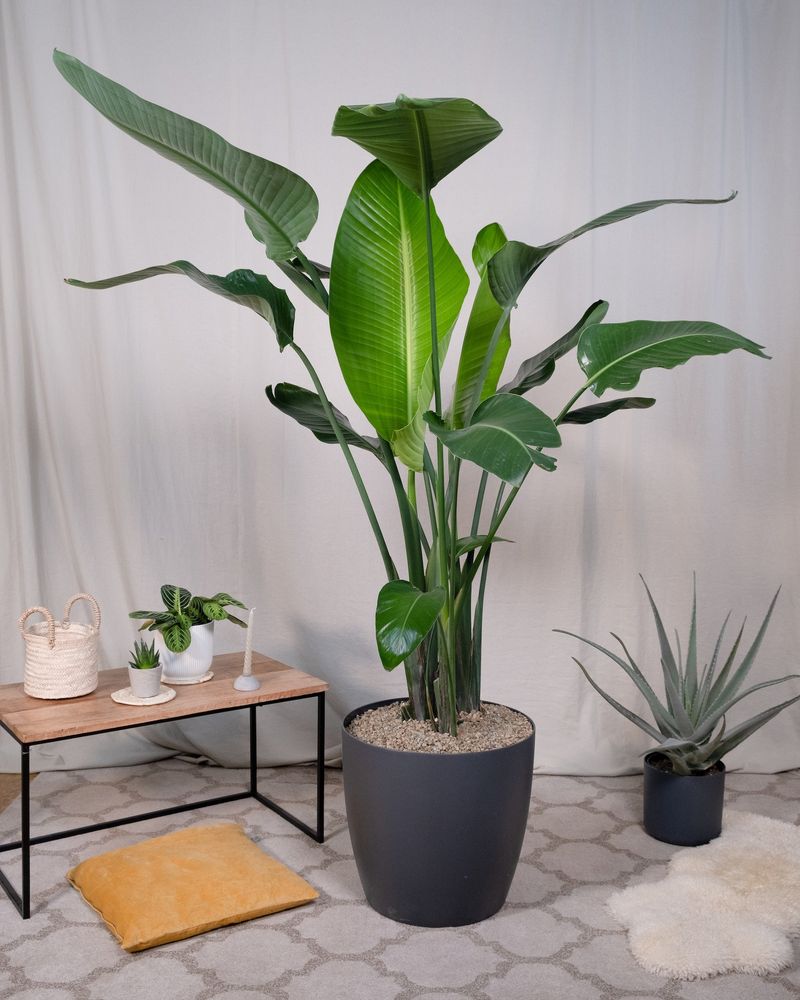
Water is one of those things where getting it just right matters more than most gardeners realize. Too much water and your Bird of Paradise roots start to rot, which shuts down nutrient uptake and puts the plant under serious stress.
Too little water and the plant goes into a kind of survival mode, pulling energy away from blooming to just stay alive.
In Texas, the summer heat makes consistent watering especially tricky. The soil can dry out fast during a heat wave, but then a sudden rainstorm can leave things waterlogged for days.
That back-and-forth inconsistency is genuinely stressful for a tropical plant that prefers steady, predictable moisture levels throughout the growing season.
The sweet spot for Bird of Paradise watering is soil that stays evenly moist but never wet or soggy. Water deeply when you do water, making sure moisture reaches the lower roots rather than just wetting the surface.
Then let the top inch or two of soil dry out a bit before you water again. A simple finger test works great here. Stick your finger about an inch into the soil near the plant. If it feels dry, it is time to water. If it still feels moist or cool, wait another day or two.
Mulching around the base of the plant is a smart Texas trick that helps hold moisture in the soil during hot spells and reduces how often you need to water.
Consistent, deep watering combined with good mulch coverage gives your Bird of Paradise the stable environment it needs to shift focus toward producing flowers.
6. Wrong Pruning Or Cutting Back
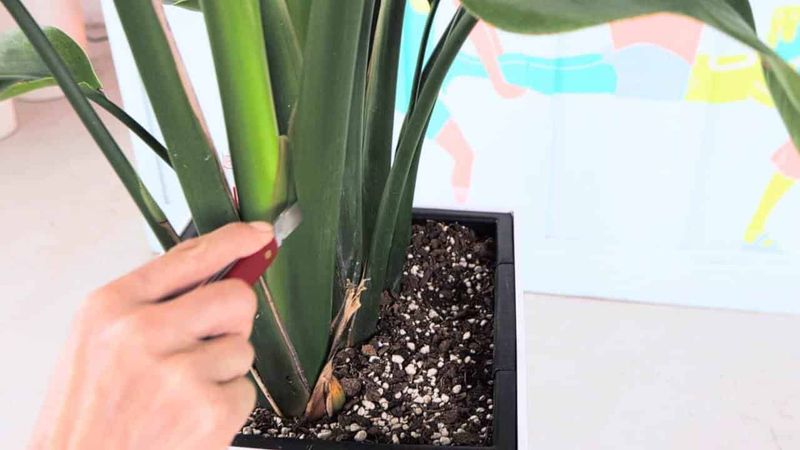
Pruning feels productive. There is something satisfying about cleaning up a plant and giving it a fresh, tidy look.
But with Bird of Paradise, overeager pruning is one of the sneakiest reasons why blooms never seem to show up. Cutting back the wrong stalks at the wrong time can accidentally remove the very stems that were about to produce flowers.
Bird of Paradise flower buds develop on mature, established stalks. If you trim those back thinking they look a little rough or overgrown, you are essentially removing the bloom before it ever gets a chance to open.
The plant then has to start that whole development process over again, which can set back your bloom cycle by an entire season or more.
The good news is that this is one of the easiest mistakes to fix once you know what to look for. Only remove leaves and stalks that are clearly brown, fully dried out, or visibly damaged.
Healthy green growth should be left alone, even if it looks a little messy or uneven. Resist the urge to cut things back just for the sake of tidiness.
During the active growing season, let your Bird of Paradise do its thing without too much interference. Flower stalks will emerge naturally from the base of the plant when conditions are right.
If you notice a stalk that looks different from the regular leaf stems, thicker or more upright, leave it completely alone because it could be a developing bloom.
Less pruning almost always means more flowers with this particular plant, so hold back those shears and let nature take its course.
7. Texas Heat And Climate Stress
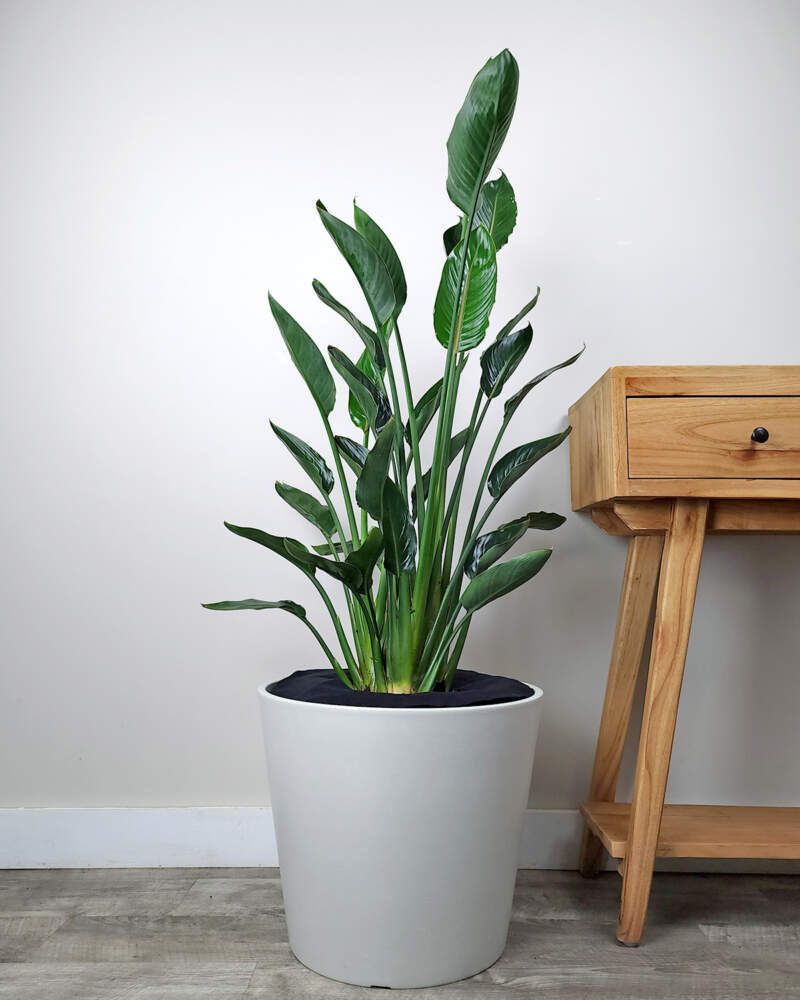
Texas is warm, and Bird of Paradise plants genuinely love warm weather. But there is a difference between warm and scorching hot.
During the peak of a Texas summer, temperatures can regularly hit triple digits, and that level of extreme heat can push even a heat-tolerant tropical plant into full stress mode. When a plant is stressed, blooming is the last thing on its agenda.
Heat stress causes the plant to redirect its energy toward basic survival rather than flower production. You might notice leaves curling, browning at the tips, or looking a little washed out during the hottest weeks of summer.
These are signs that the plant is working overtime just to cope with the temperature, and blooms simply cannot happen under those conditions.
The fix does not mean moving your plant to a cold spot. It means giving it a little relief during the most intense heat of the day.
Afternoon shade during July and August can make a real difference, especially in central and west Texas where temperatures climb the highest. A shade cloth, a nearby taller plant, or even a strategically placed umbrella can help.
Keeping soil moisture consistent during heat waves is equally important. Dry soil combined with extreme heat is a double stressor that compounds the problem fast.
Water more frequently during hot spells, and add a thick layer of mulch to keep roots cooler and moisture locked in longer. Once temperatures ease up in early fall, you will often see Bird of Paradise plants perk back up and start showing signs of budding.
That fall season is actually one of the best bloom windows for Texas gardeners who manage summer stress well.