These Free Garden Materials Can Help Oregon Soil Before The Summer Heat Peaks
Some of the best things you can do for your Oregon garden this summer cost absolutely nothing, and that is not a clickbait promise, it is just composting math.
The materials that build healthier soil, hold moisture through dry stretches, and add organic matter to tired beds are probably already sitting around your property right now.
Kitchen scraps, fallen leaves, grass clippings, cardboard boxes from online shopping, coffee grounds from your morning routine. All of it can go to work in your garden instead of heading to the recycling bin or the curb.
Oregon’s swing from waterlogged winters to bone dry summers is tough on soil, but free organic materials used consistently and correctly can make a genuinely noticeable difference before the hottest weeks of the year arrive.
1. Fallen Leaves Build Free Organic Matter
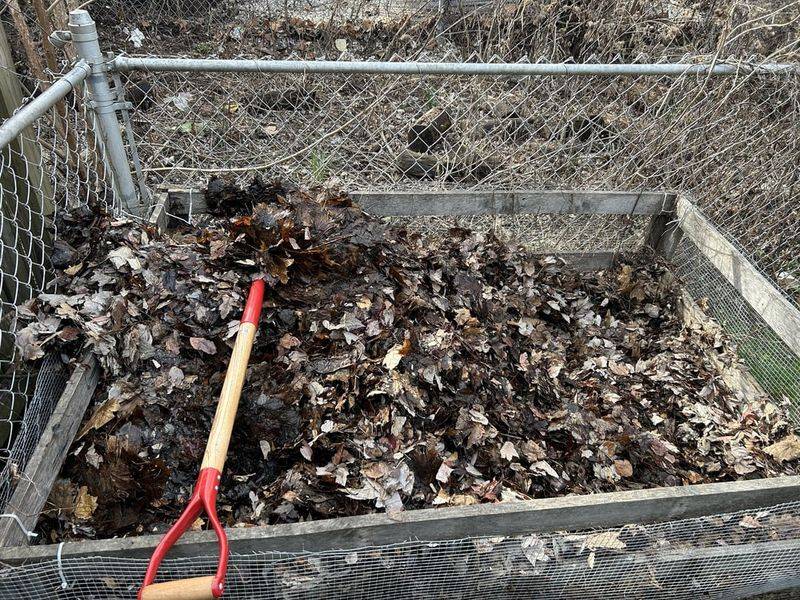
Raking up a big pile of leaves might feel like a chore, but those leaves are actually one of the most useful free materials an Oregon gardener can work with before summer heat sets in.
Fallen leaves are rich in carbon and can serve as a valuable brown layer in a compost pile, helping to balance out the nitrogen-heavy green materials like grass clippings or vegetable scraps.
When layered with other compost ingredients, dried leaves break down over several months and contribute to a finished compost that improves soil structure and supports healthy plant roots.
Leaves also work well in sheet mulching, where they can be laid over cardboard as an added organic layer to help suppress weeds and retain moisture in new garden beds.
Homeowners often have access to large amounts of fallen leaves in autumn, and storing them in a simple pile or bin means they are ready to use the following spring or early summer.
Oak leaves can be slower to break down than maple or alder, so shredding them first speeds up the composting process.
Avoid using leaves that show signs of disease or heavy pest damage, since those can introduce problems into the pile.
A good rule of thumb is to use dry, clean leaves and mix them thoroughly with other materials for the best results in Oregon compost and mulch projects.
2. Grass Clippings Add A Quick Green Layer
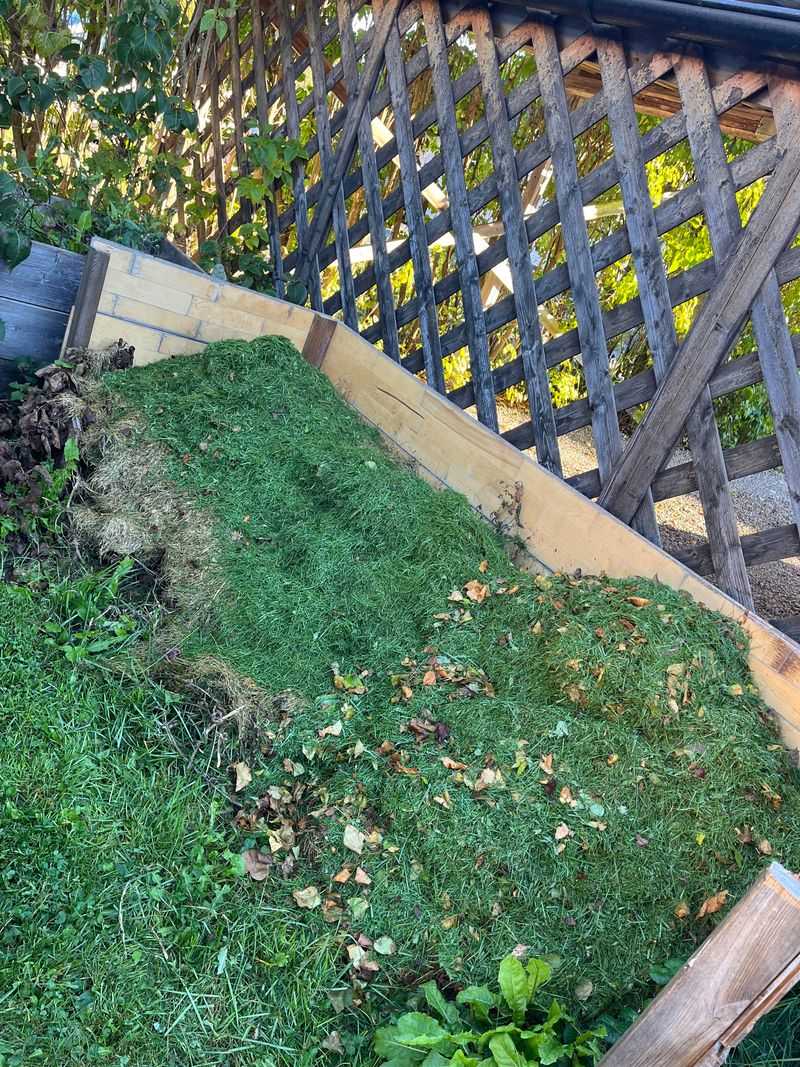
After the first few mows of the season, most Oregon homeowners end up with more grass clippings than they know what to do with.
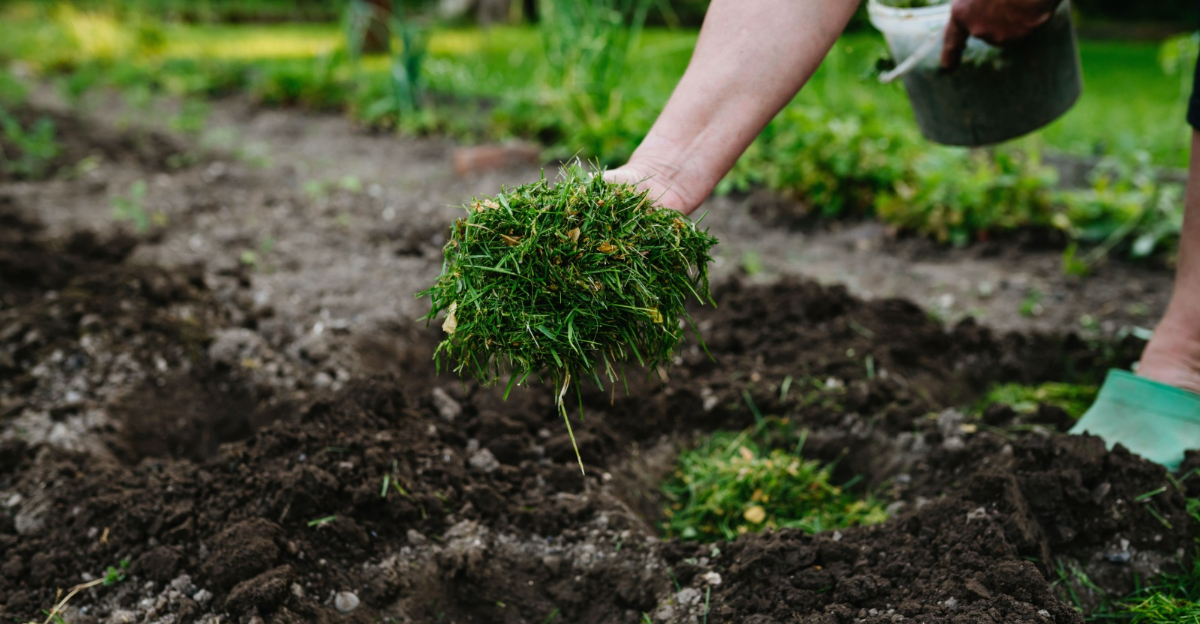
Rather than bagging them up for the curb, those clippings can go straight into a compost pile where they act as a fast-decomposing green layer packed with nitrogen.
Nitrogen-rich materials like grass clippings help heat up a compost pile and speed up the breakdown of slower carbon materials like dried leaves or straw.
Adding a few inches of clippings at a time and mixing them in well prevents them from matting together, which can block airflow and slow the composting process significantly.
Thin layers mixed into the pile tend to break down much more evenly than thick clumps left on top.
One important thing to keep in mind is that clippings from lawns recently treated with herbicides or pesticides should stay out of the compost pile.
Your Oregon Garden Changes Every Week. Your Plan Should Too.
Gardening in Oregon changes quickly throughout the season. Every Friday you’ll receive a simple weekly plan showing exactly what to plant, prune, fertilize, harvest, and protect so you never miss the right timing.
Residues from some lawn treatments can persist through composting and potentially affect vegetable plants or sensitive garden beds.
Gardeners who are unsure about their lawn treatments may want to wait several mowings before adding clippings to a pile used near food crops.
When the clippings are clean and untreated, they are a genuinely useful free material that can support faster composting and help build organic matter in Oregon soil well before peak summer heat arrives.
3. Arborist Wood Chips Help Soil Hold Moisture
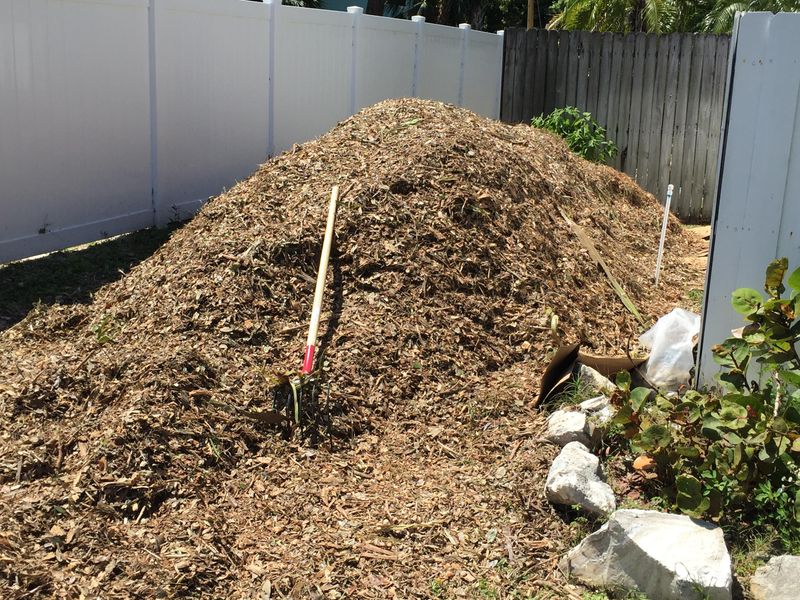
Tree crews working in Oregon neighborhoods often have more wood chips than they can easily dispose of, and many arborists are happy to drop a load off for free if a homeowner has the space to take them.
Fresh wood chips make an excellent surface mulch around trees, shrubs, paths, and ornamental areas where retaining soil moisture through Oregon’s dry summer months is a real priority.
A layer of wood chips around three to four inches deep can help slow evaporation from the soil surface, moderate soil temperature, and reduce the amount of watering needed during warm stretches.
Over time, the chips break down slowly and contribute organic matter to the soil beneath, which supports soil structure and microbial activity in the long run.
It is worth noting that fresh wood chips are generally best suited for surface mulching around established trees and shrubs rather than mixing directly into vegetable beds.
Incorporating large amounts of fresh wood chips into planting soil can tie up nitrogen temporarily as they decompose, which may affect plant growth in food gardens.
Keeping a generous gap between the chip layer and the base of tree trunks or shrub stems also helps prevent moisture buildup that could lead to rot issues over time.
For homeowners with large areas to cover, arborist chips are one of the most practical and genuinely free mulch options available before summer heat peaks.
4. Homemade Compost Feeds The Bed Gently
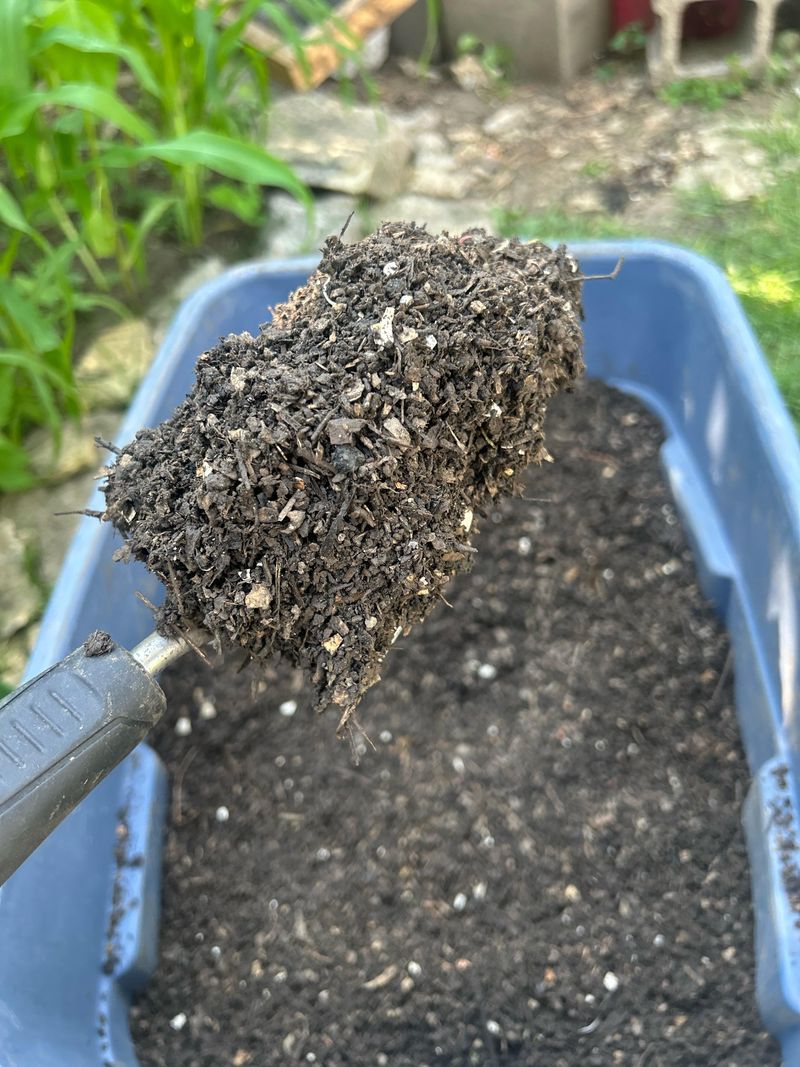
Finished homemade compost is one of those materials that gardeners often underestimate until they see how much difference a moderate layer can make in a vegetable bed or flower border heading into summer.
Unlike synthetic fertilizers, compost releases nutrients slowly and steadily, which means plants get a more consistent supply of what they need without the risk of overdoing it.
Spreading two to three inches of finished compost over existing beds and working it lightly into the top layer of soil can improve soil structure and support water retention.
It also encourages the kind of microbial activity that keeps garden soil healthy through the drier months.
Oregon’s naturally heavy clay soils in many parts of the Willamette Valley and other regions tend to respond well to regular additions of organic matter like compost over time.
One thing to check before using homemade compost is whether it has fully finished breaking down. Unfinished compost can still be generating heat and may temporarily affect plant roots if applied too close to the base of established plants.
A good batch of finished compost should look dark, crumble easily, and smell earthy rather than sharp or sour.
Gardeners who keep a consistent pile going through Oregon’s rainy season often find they have a solid supply ready to use just as the warmer weather arrives and garden beds need the most support.
5. Coffee Grounds Belong In The Compost Pile
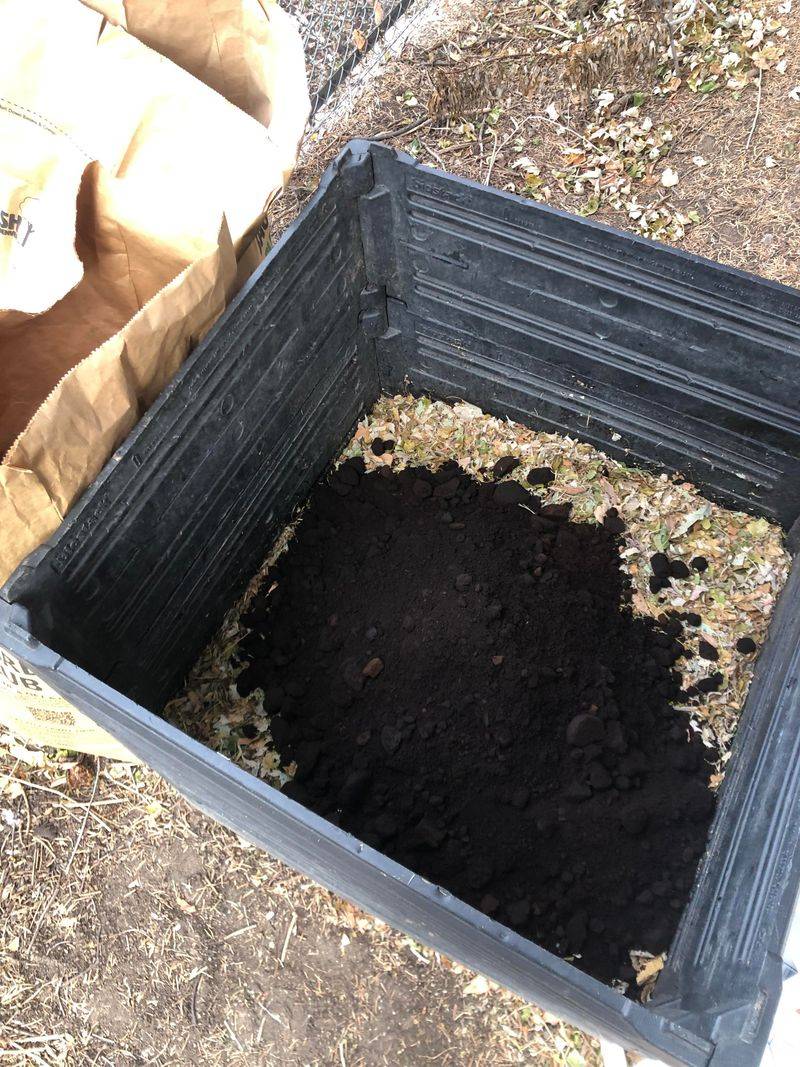
Most Oregon households that brew coffee daily end up tossing a surprising amount of used grounds without realizing they have a useful garden material sitting right in the kitchen.
Coffee grounds are often described as a soil amendment on their own, but they tend to work best when added to a compost pile rather than spread thickly and directly around plants.
Grounds add a moderate amount of nitrogen to the compost mix and can help support the microbial activity that drives decomposition.
Mixed in with carbon-rich materials like dried leaves, cardboard bits, or straw, coffee grounds become a helpful part of a balanced compost pile rather than an overpowering element.
Piling them too thickly in one spot can create a dense mat that resists moisture and airflow, which slows the whole pile down.
There is a common belief that coffee grounds acidify soil significantly, but research suggests the effect is fairly modest once the grounds are composted and worked into the ground.
Gardeners with acid-loving plants like blueberries sometimes add small amounts of grounds to the soil surface, but using them in compost first is the safer and more broadly useful approach for most garden situations.
Many local coffee shops are also willing to set aside used grounds for pickup, which gives Oregon gardeners access to a steady free supply throughout the growing season without any extra cost or effort involved.
6. Plain Cardboard Helps Start Sheet Mulching
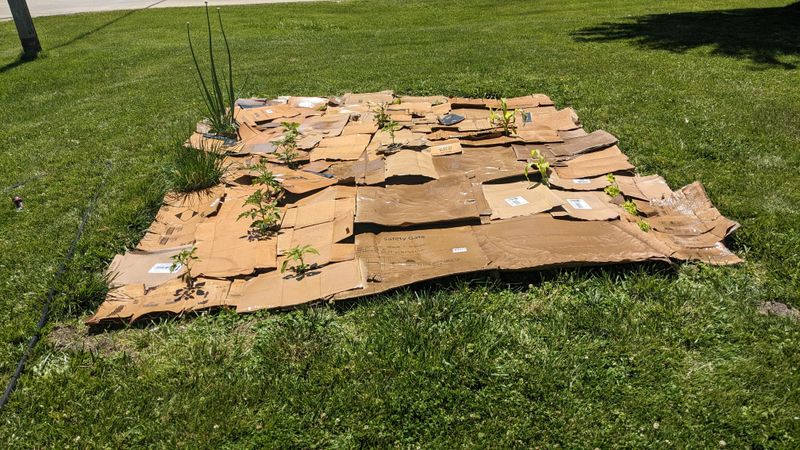
Breaking down cardboard boxes after a delivery or a home project feels routine, but those plain brown sheets can actually become one of the most useful free materials for Oregon gardeners starting a new bed or reclaiming an overgrown area before summer.
Sheet mulching with cardboard is a technique that uses overlapping layers of cardboard as a weed-suppressing base, topped with organic materials like wood chips or compost.
The cardboard blocks light from reaching weed seeds and existing grass below, which helps reduce competition in new garden areas without digging up the soil.
Over several months, the cardboard breaks down and contributes organic matter to the soil, while earthworms and other soil organisms work through the layers underneath.
Gardeners often find this method especially useful for converting lawn areas or weedy side yards into new planting zones without a lot of heavy labor.
For sheet mulching to work well, the cardboard should be plain brown corrugated material with all tape, staples, and glossy coatings removed.
Heavily printed or coated cardboard is worth skipping since some inks and coatings are not suitable for garden use.
Laying the pieces with generous overlaps of at least six inches helps close the gaps that weeds might push through over time.
Wetting the cardboard after laying it helps it conform to the ground and start breaking down more quickly, especially during Oregon’s transitional spring weather before the dry summer season takes hold.
7. Vegetable Scraps Can Become Garden Compost
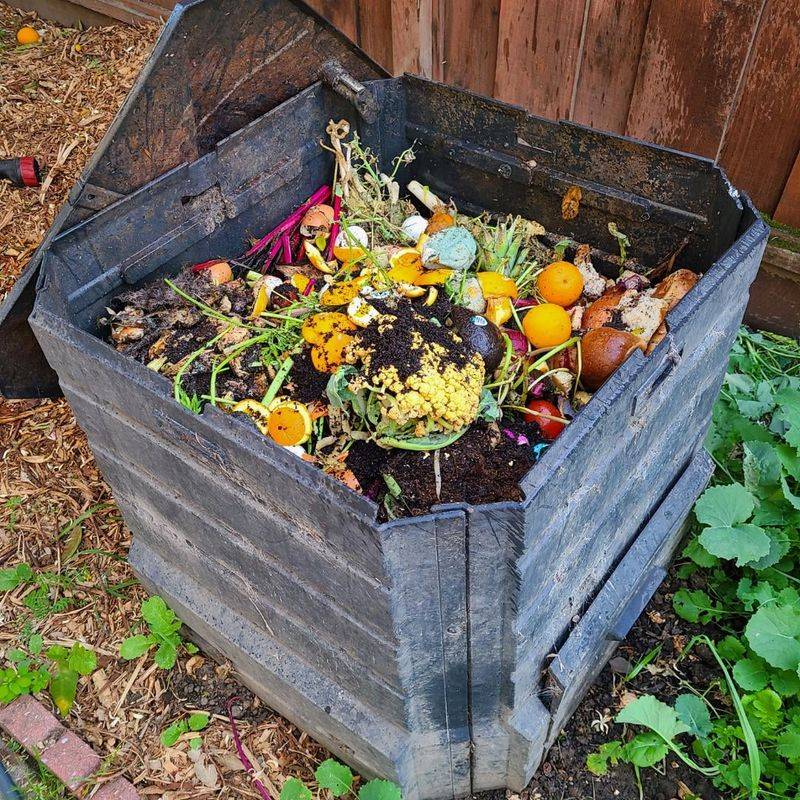
Every time an Oregon home cook trims vegetables, peels fruit, or clears out wilted greens from the fridge, there is a small opportunity to redirect that material into the garden rather than the trash.
Vegetable and fruit scraps are nitrogen-rich green materials that break down relatively quickly in a compost pile and help build the organic matter that Oregon garden soil benefits from heading into summer.
The key to using kitchen scraps well is mixing them with plenty of dry brown materials like leaves, straw, or torn cardboard. A pile that receives too many wet scraps without enough dry material can become soggy, compacted, and unpleasant.
Turning the pile regularly and keeping a rough balance between greens and browns helps maintain good airflow and a healthy decomposition process through the season.
Some kitchen materials are worth keeping out of the compost pile entirely, including meat, fish, dairy products, oily foods, and anything that could attract wildlife or introduce harmful bacteria.
Pet waste and diseased plant material should also stay out of a standard backyard compost setup.
In Oregon, where bears, raccoons, and other wildlife may visit residential areas, keeping a securely covered compost bin is a practical step that helps protect the pile while still allowing it to function well.
With those simple precautions in place, vegetable scraps from an everyday Oregon kitchen can become a genuinely useful source of free organic material for garden beds.
8. Clean Straw Adds A Useful Brown Layer
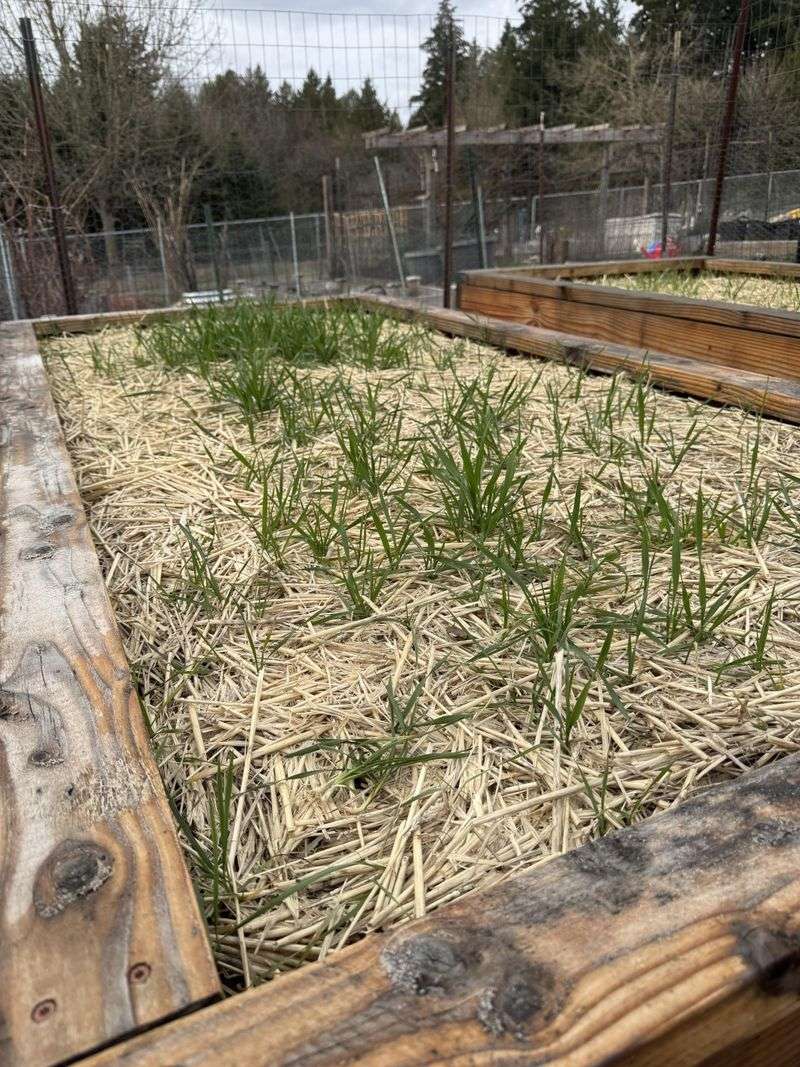
Straw has been used in gardens for a long time, and for good reason.
When it is clean, dry, and free from heavy contamination, straw adds a reliable brown carbon layer to a compost pile or a useful surface covering for Oregon garden beds heading into the warmer months of the year.
In a compost pile, straw helps balance out nitrogen-heavy green materials like grass clippings or vegetable scraps, improving airflow and supporting an even breakdown process.
Layered over the soil surface around vegetable plants or in flower borders, straw can help reduce moisture loss, moderate soil temperature, and limit weed pressure during Oregon’s dry summer stretch when regular watering becomes more important.
One thing worth checking when sourcing straw is whether it may carry herbicide residues from treated grain fields.
Some persistent herbicides used in grain production can survive the composting process and potentially affect sensitive garden plants, particularly in vegetable beds.
Asking the supplier about the source and treatment history of the straw is a reasonable step before using large amounts in food gardens.
Straw that appears relatively seed-free is also preferable, since grain seeds mixed into a bale can sprout and create extra weeding work later in the season.
Gardeners who find a reliable clean source often keep a few bales on hand through the growing season for both composting and surface mulching needs across different areas of the landscape.