7 Michigan Shrubs Worth Fertilizing In July And 3 That Should Never Be Fed Mid-Summer
Fertilizing on a fixed schedule without considering what each shrub actually needs at a given point in the season leads to mixed results at best in a Michigan landscape.
July sits at an awkward point in the growing year, late enough that some shrubs genuinely benefit from a nutrient boost heading into late summer.
However, it is also late enough that feeding certain other species pushes out new growth that has no time to harden off before fall arrives.
Seven shrubs respond well to July fertilizing and show measurable improvement in vigor and bloom.
Three others should be left alone entirely during this window, because feeding them now sets up problems that surface as winter damage months later.
1. Reblooming Bigleaf Hydrangea
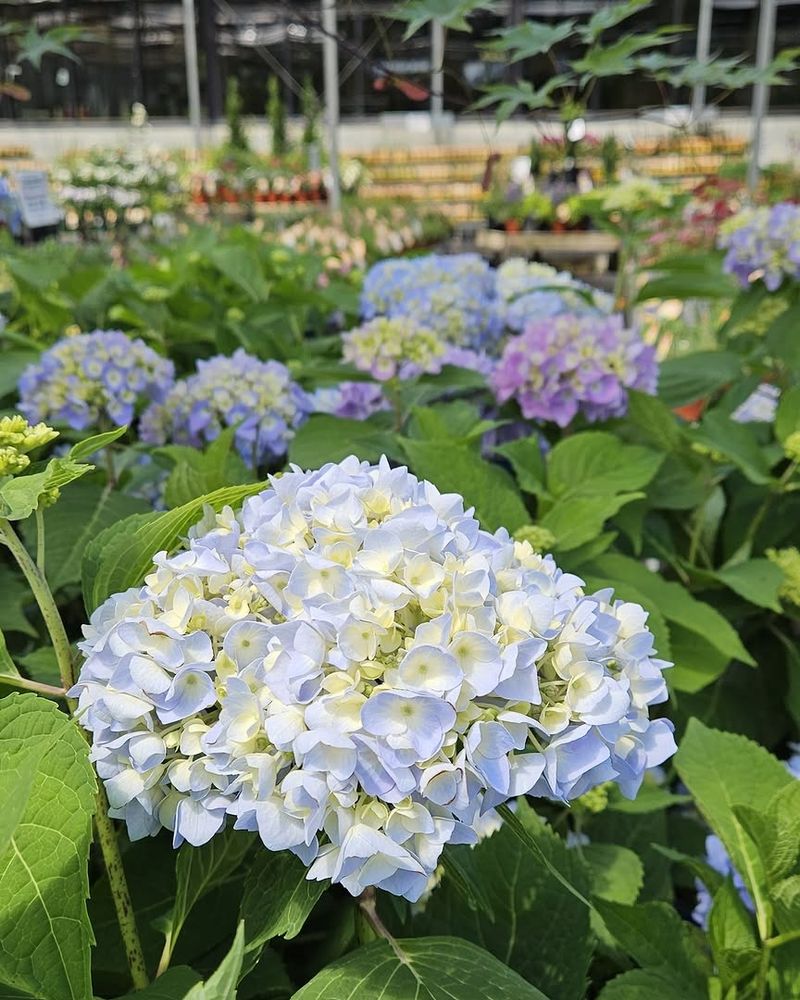
Reblooming bigleaf hydrangeas are one of the more exciting shrubs Michigan gardeners get to work with.
Varieties like Endless Summer can produce flowers on both old wood and new wood, which means a second round of blooms is actually possible if you give the plant the right support.
That second flush of color is what makes July feeding worth considering for this particular shrub.
If your bigleaf hydrangea looks pale, has yellowish leaves, or is clearly pushing out new buds for a second bloom cycle, a light early July feeding can help.
A low-nitrogen or balanced slow-release fertilizer is the smarter choice here.
Too much nitrogen will encourage the plant to pump out big leafy growth instead of those beautiful flower heads you are hoping for.
Timing really matters with this one. Feeding should happen in early July at the latest, not mid or late July.
Michigan winters arrive faster than most gardeners expect, and you want new growth to have time to toughen up before the cold sets in.
If your reblooming hydrangea already looks healthy, strong, and full of color, skip the fertilizer and stick with steady watering and a good layer of mulch around the base instead.
2. Smooth Hydrangea
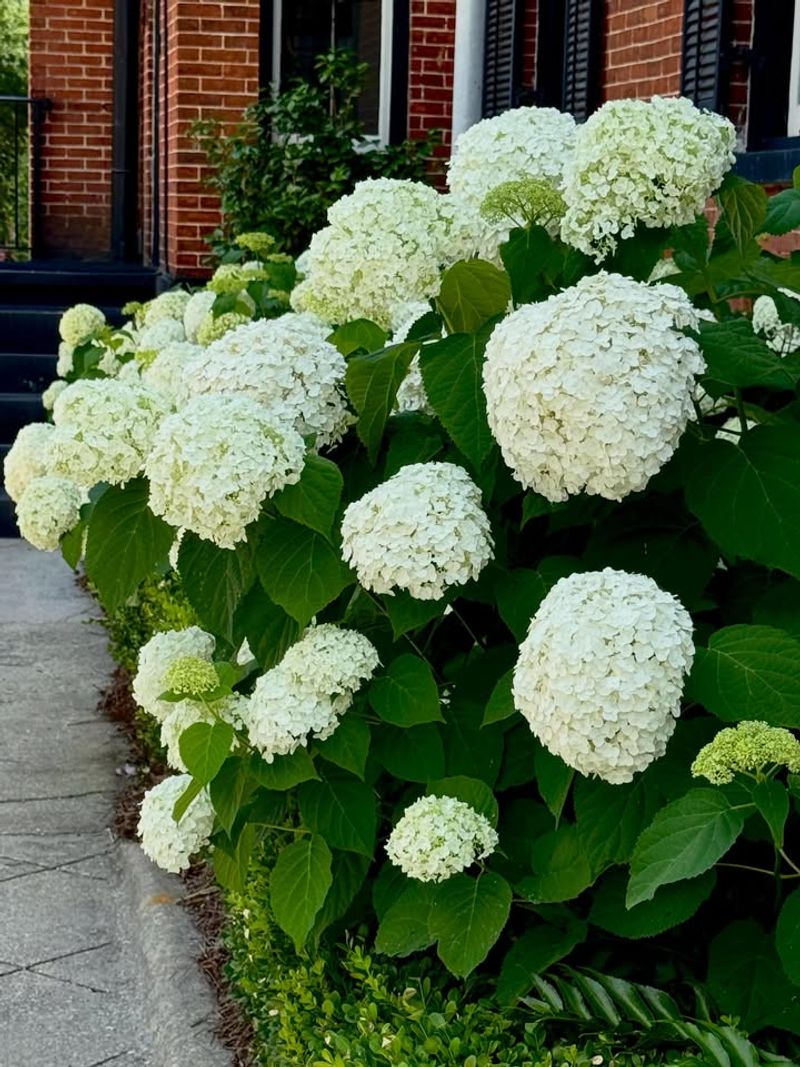
Smooth hydrangeas, including the beloved Annabelle types, are a staple in Michigan yards for a reason.
They are tough, reliable, and capable of producing enormous white flower heads that stop people in their tracks.
Because this shrub blooms on new wood, the growth it pushes out during summer directly affects the flower show you get.
Around early July, a smooth hydrangea is often still building its summer display. If the plant looks a little tired, pale, or underfed, a light feeding can give it a helpful nudge.
Something balanced or slightly higher in phosphorus is a good call since phosphorus supports flower development rather than just leafy bulk.
That said, not every smooth hydrangea needs fertilizer in July. A shrub that already looks lush, full, and healthy is probably doing just fine on its own.
Compost worked into the soil in spring, consistent moisture through summer heat, and a thick layer of mulch can often do more good than a mid-season fertilizer application.
Read the plant before you reach for the bag. If it looks strong and vibrant, save your energy and let it do its thing naturally through the rest of the season.
Your Michigan Garden Changes Every Week. Your Plan Should Too.
Gardening in Michigan changes quickly throughout the season. Every Friday you’ll receive a simple weekly plan showing exactly what to plant, prune, fertilize, harvest, and protect so you never miss the right timing.
3. Panicle Hydrangea
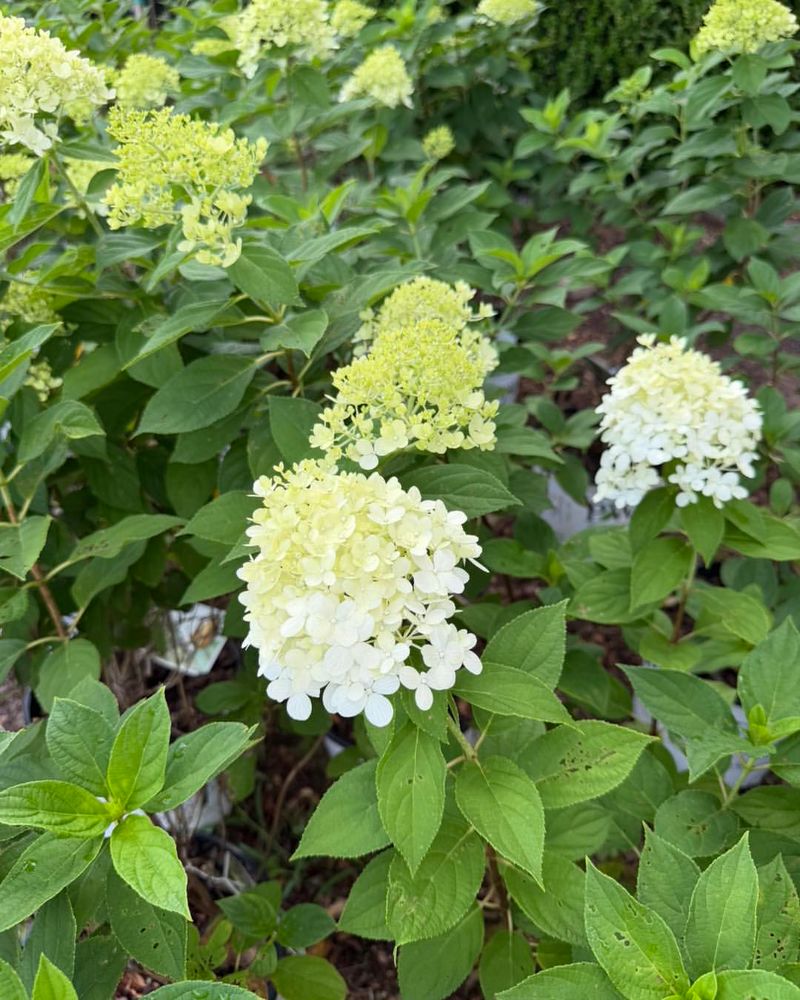
Panicle hydrangeas might be the most forgiving of all the hydrangea types you can grow in Michigan.
They handle cold winters better than most, tolerate a wider range of soil conditions, and still manage to put on a stunning late-summer flower show.
Varieties like Limelight and Little Lime have become favorites for a reason. Because panicle hydrangeas bloom on new wood, the growth they produce during summer is what carries those big cone-shaped flower clusters.
In early July, if your soil is poor, sandy, or has been heavily leached by rain, a light feeding can help the plant stay on track for a strong bloom.
A balanced or low-nitrogen fertilizer applied at a careful rate is the way to go. Nitrogen is the tricky part here.
Too much of it and the shrub puts all its energy into producing thick, leafy stems rather than the showy blooms you planted it for. Stick to the label rate or go slightly below it.
Panicle hydrangeas growing in average to decent soil often need nothing more than mulch and water to perform beautifully through summer.
Watch the plant, trust what you see, and only feed if the foliage is telling you something is clearly off.
4. Repeat Blooming Shrub Rose
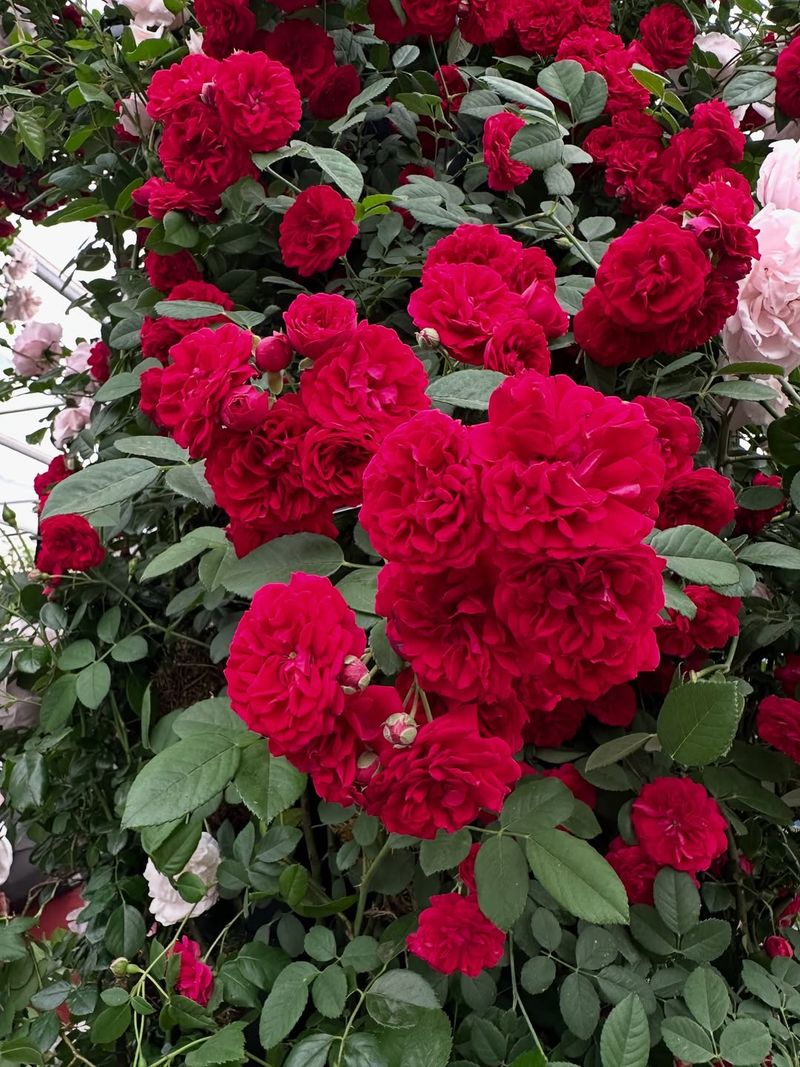
Shrub roses that bloom more than once in a season are working hard, and that extra effort shows up in their nutritional needs.
After that first big flush of flowers fades and new buds start forming again, the plant is drawing on a lot of stored energy to keep going.
A well-timed July feeding can help it stay strong through that second bloom cycle. Roses are naturally heavier feeders compared to many other shrubs.
A balanced rose fertilizer or one with a slightly higher middle number for phosphorus works well at this stage.
Water the plant deeply before you apply anything, and water again afterward so the fertilizer moves down toward the roots without sitting on dry soil. The key is stopping early enough.
Feeding too late in summer can push new tender growth that will not have time to harden before Michigan winters arrive. Early July is a reasonable window, but mid to late July feeding starts getting risky.
If your shrub rose looks healthy, is setting new buds naturally, and the soil tested well in spring, a lighter application or even just a compost topdress might be all it needs.
Watch the color of the leaves and the pace of new bud development for the clearest clues about what the plant actually wants.
5. Container Shrub Rose
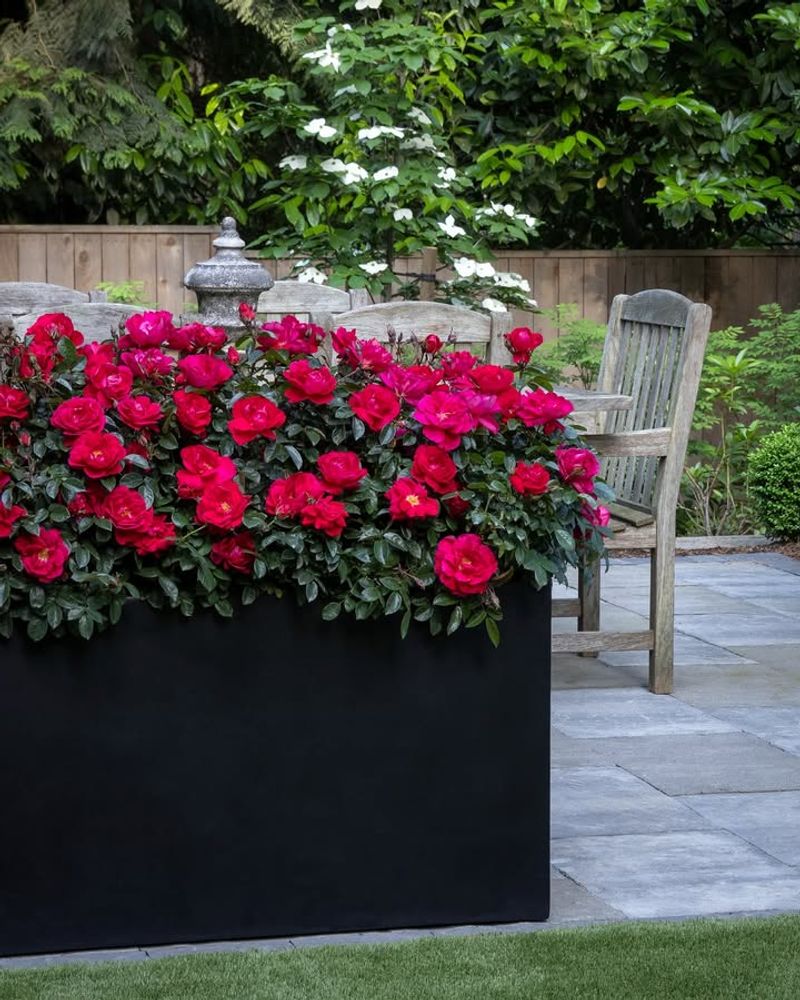
A shrub rose growing in a patio container lives a very different life than the same rose planted in the ground.
Every time you water, and every time summer rain falls, nutrients wash right out through the drainage holes at the bottom.
By July, a container rose has often used up much of what was in that potting mix when you first planted it.
That nutrient loss is exactly why container shrub roses can genuinely benefit from a light July feeding when their in-ground cousins might not need one.
A diluted liquid rose fertilizer or a gentle slow-release product applied at label rate can help keep growth steady and flowers coming through the rest of summer.
The goal is consistent, low-level nutrition rather than a big single dose. One important rule to follow before feeding any container plant in summer is to water it first.
Feeding a dry or heat-stressed container rose can damage the roots and cause more harm than good.
Make sure the soil is moist, give the fertilizer a day to settle in, and keep the container in a spot where it gets morning sun but some afternoon shade during the hottest weeks.
Container roses reward attentive care with a genuinely impressive amount of color from spring all the way through fall.
6. Rose Of Sharon In A Container
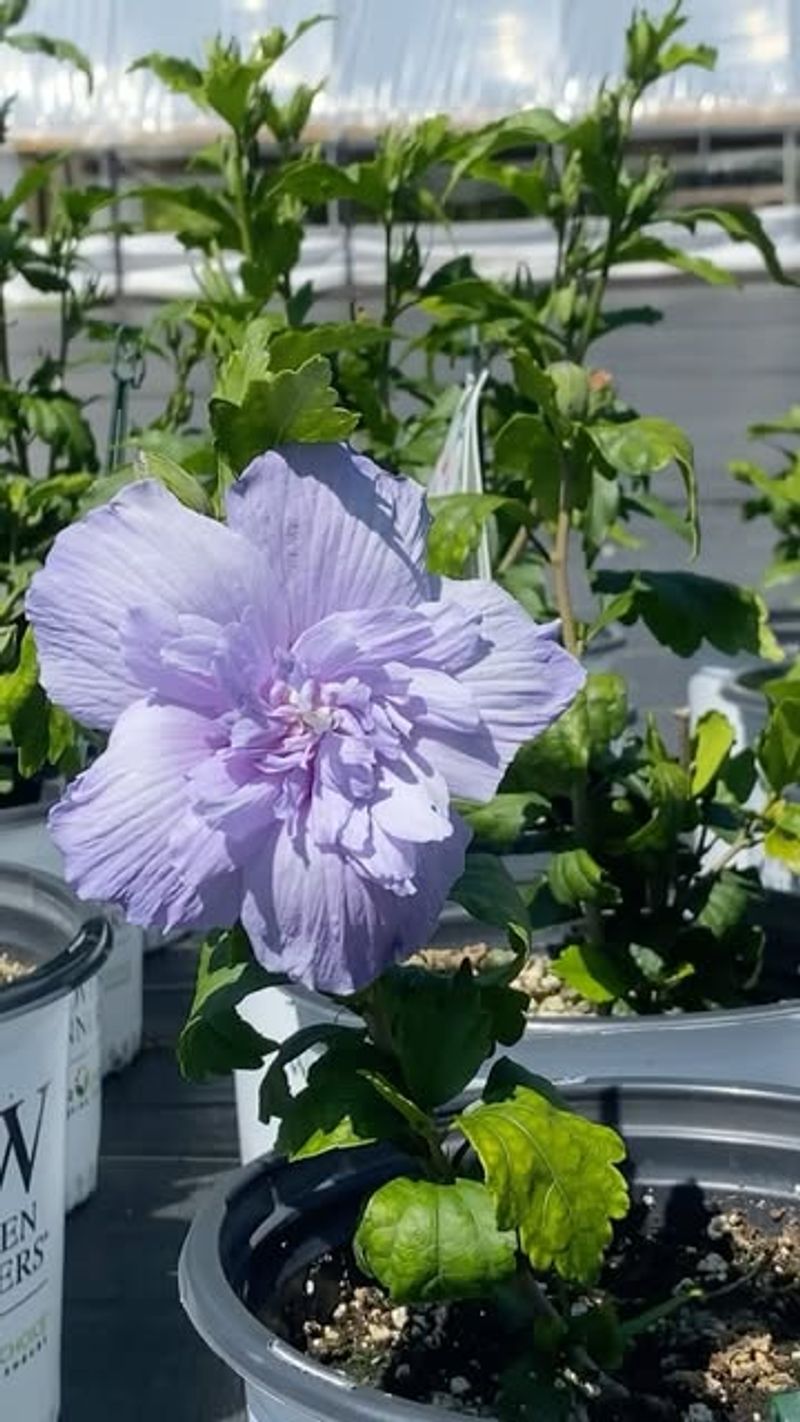
Rose of Sharon is one of those late-summer bloomers that tends to take care of itself when planted in the ground.
It is tough, adaptable, and rarely needs much extra help once it gets going. But grow one in a large patio container, and the situation changes quite a bit. Container soil has limited volume, and nutrients wash out every time you water.
By the time July rolls around and your container Rose of Sharon starts pushing out buds and flowers, it may be running low on what it needs to keep that process going strong.
A light feeding at this stage, using a balanced or bloom-focused fertilizer at a careful rate, can make a noticeable difference in how many flowers you see through late summer. It is worth being honest about the distinction here.
An in-ground Rose of Sharon planted in average Michigan soil usually only needs a spring feeding at most, and many established plants do not even need that. The container version is the exception to the rule.
Limit July feeding to shrubs that are actively budding or flowering, and always water before you apply fertilizer to avoid stressing the roots.
A little attention at the right moment keeps container Rose of Sharon looking full and colorful all the way into September.
7. Potted Dwarf Hydrangea
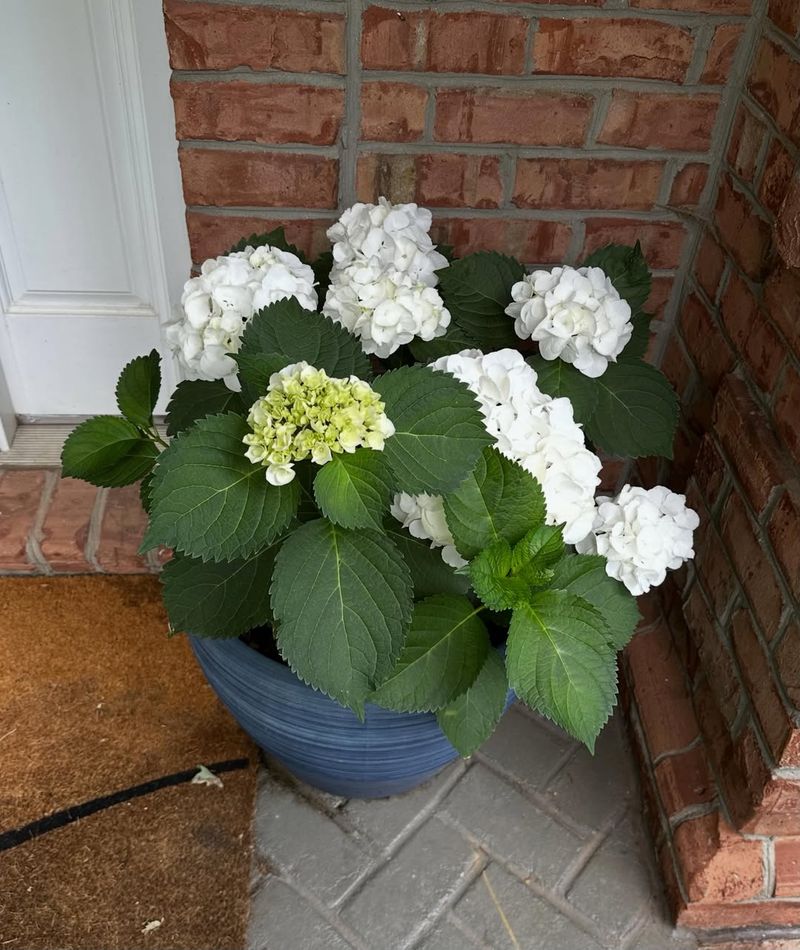
Dwarf hydrangeas in containers have become a popular choice for Michigan patios and porches because they pack a lot of color into a small footprint.
Varieties like Incrediball Blush or Let’s Dance Rhythmic Blue stay compact enough for pots but still produce flowers that turn heads. The trade-off is that pot life means a faster nutrient turnover.
Frequent summer watering is the main reason potted dwarf hydrangeas can run low on nutrients by July. Every time water drains through the pot, it carries a small amount of fertilizer with it.
If leaves start looking pale or slightly yellowish and the plant is not in full shade, a light slow-release or diluted liquid feeding in early July can help restore some of that balance.
Keep the feeding gentle and targeted. A half-strength balanced fertilizer or a light slow-release granule worked into the top inch of soil is plenty.
Avoid heavy applications that push a lot of leafy growth at the expense of blooms. And remember, the single biggest need for a potted dwarf hydrangea in Michigan July heat is consistent moisture.
Fertilizer helps, but a pot that dries out between waterings will struggle no matter how carefully you feed it. Water first, feed lightly, and check the soil every day during heat waves.
8. Arborvitae Should Not Be Fed Mid-Summer
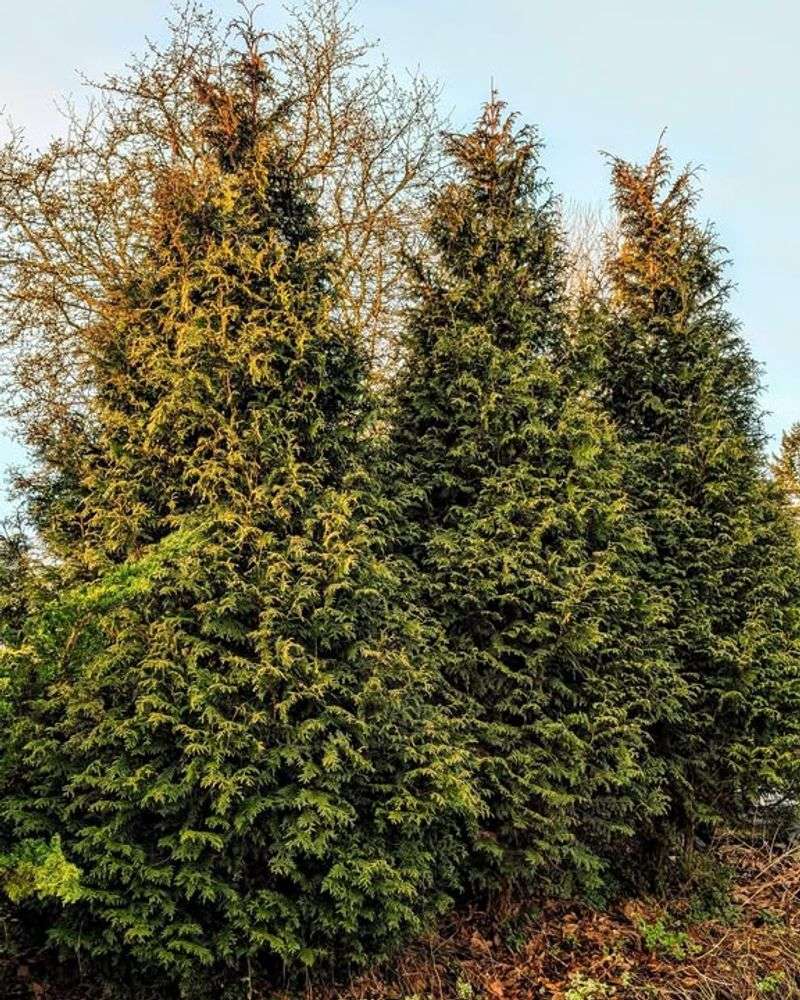
Arborvitae are workhorses in Michigan landscapes. They serve as privacy screens, windbreaks, and year-round green backdrops, and most of the time they ask for very little in return.
That low-maintenance reputation is part of what makes them so popular, but it also means some gardeners assume they can be fed on the same schedule as flowering shrubs. That assumption can cause real problems.
Feeding arborvitae in mid-summer pushes the plant to produce tender new growth at exactly the wrong time of year.
That soft, fresh growth will not have enough time to harden before Michigan winters arrive, leaving it vulnerable to cold damage.
Mid-July is generally considered the cutoff for any feeding of evergreens in cold-winter regions, and in Michigan, sticking to that cutoff is smart practice.
If your arborvitae looks stressed or off-color in July, fertilizer is rarely the answer. Check for watering issues first since arborvitae are surprisingly thirsty during hot, dry spells.
Make sure there is a good layer of mulch around the base to hold soil moisture and keep roots cool.
Look at spacing too, because overcrowded arborvitae often struggle from competition more than from nutrient deficiency.
If feeding feels necessary, wait until early spring next year and use a slow-release evergreen fertilizer at the recommended rate.
9. Rhododendron And Azalea Should Not Be Fed Mid-Summer
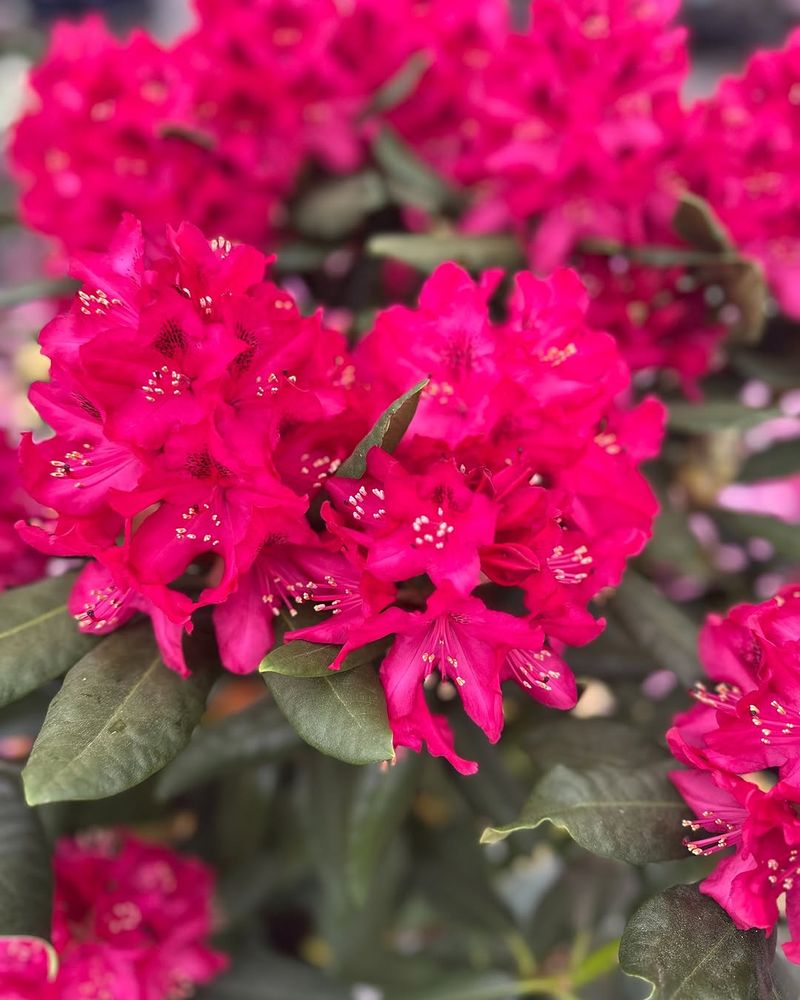
Rhododendrons and azaleas are some of the most beautiful acid-loving shrubs you can grow in Michigan, but they are also among the most sensitive when it comes to feeding timing.
These shallow-rooted plants have a specific window when fertilizing actually helps, and mid-summer is firmly outside that window.
The right time to feed rhododendrons and azaleas is shortly after they finish blooming in spring, and only if a soil test shows that nutrients are actually low.
Feeding them in July or later can push a flush of soft new growth that the plant simply cannot harden off before cold weather sets in.
That late, tender growth is particularly vulnerable and can set the shrub back significantly heading into the following season.
Soil pH matters far more to these shrubs than fertilizer schedule. Rhododendrons and azaleas need acidic soil, ideally in the 4.5 to 6.0 range, to absorb nutrients properly.
A plant growing in soil that is too alkaline will look stressed no matter how much fertilizer you apply.
If your rhododendron looks unhappy in July, check the pH before reaching for a bag of fertilizer.
Add a thick layer of pine bark mulch, keep moisture consistent, and let the plant rest through the heat of summer. That is usually the most helpful thing you can do.
10. Lilac Should Not Be Fed Mid-Summer
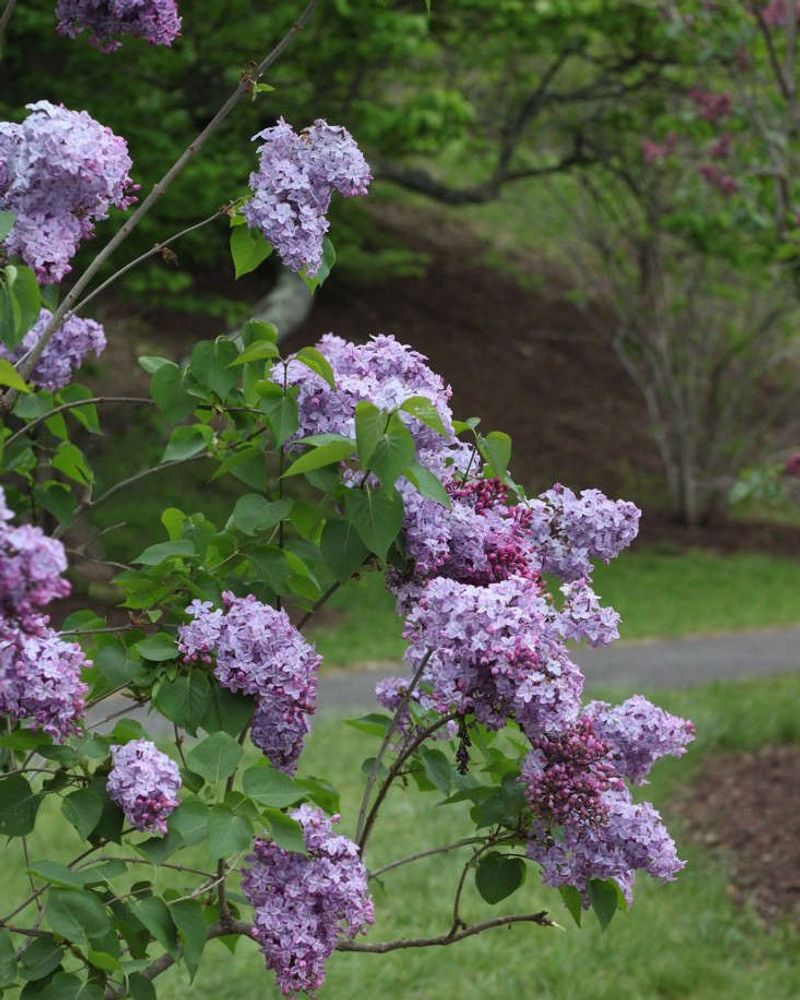
Lilacs hold a special place in Michigan gardens. The smell of a lilac in bloom on a warm May evening is something gardeners look forward to all year.
But once those flowers fade and summer sets in, lilacs largely prefer to be left alone, especially when it comes to fertilizer.
Established lilacs are remarkably self-sufficient. They pull what they need from average soil and rarely show signs of true nutrient deficiency.
Adding nitrogen in mid-summer is one of the fastest ways to accidentally work against the plant.
Too much nitrogen encourages the shrub to produce lots of lush leafy growth, which sounds good but actually reduces the number of flower buds it sets for the following spring.
There are better ways to support a lilac in July. If you have not already done so, make sure any pruning happened right after bloom earlier in the season since lilacs set next year’s buds on this year’s new wood.
Keep lawn fertilizer well away from the root zone because high-nitrogen lawn products can drift and affect nearby shrubs.
If you genuinely feel the plant needs something, get a soil test first and let the results guide you.
Most of the time, a lilac in average Michigan soil just needs water, mulch, and a little patience to perform beautifully year after year.