The Grass Cutting Habits That Are Bringing More Ticks Into Ohio Yards This Summer
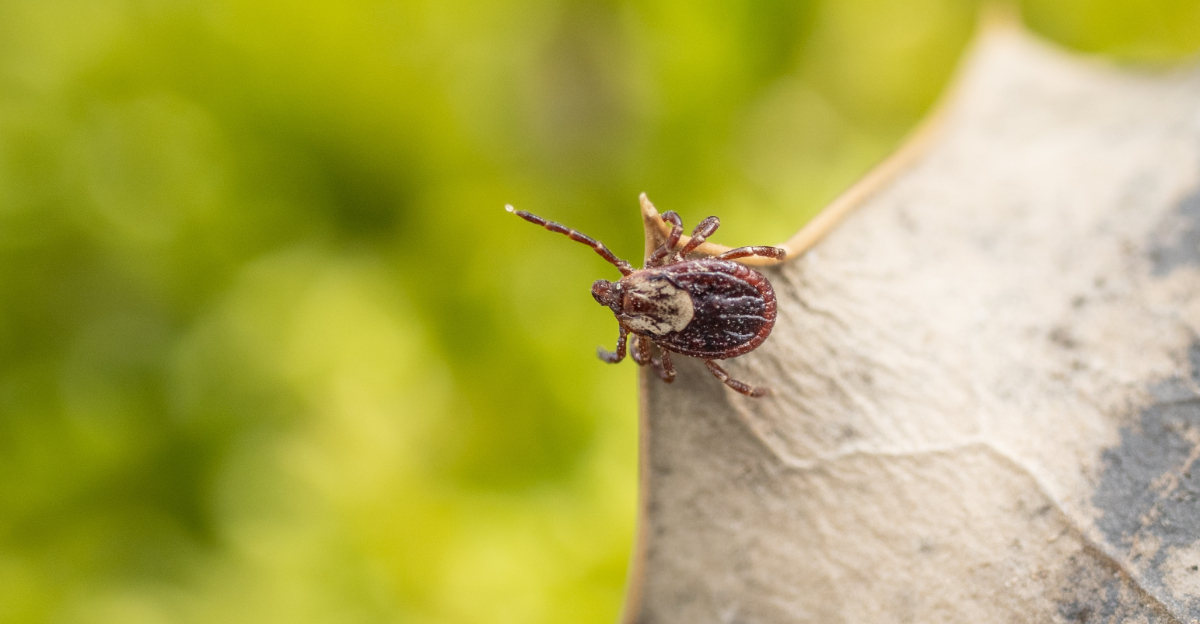
Your grass cutting routine is rolling out the red carpet for ticks, and Ohio yards are paying the price for it this summer. Sounds dramatic?
Ask anyone who has pulled a tick off their kid after an afternoon in the backyard. The way you mow, how often you do it, how short you cut it, and where you leave those clippings matters far more than most people realize.
Ticks are not just stumbling into yards by accident. They are following a trail that certain mowing habits create for them, almost like a roadmap straight into your outdoor space.
Ohio summers are already tough enough without adding a tick problem on top. So before you fire up that mower again, you need to understand exactly which cutting habits are turning your lawn into prime tick real estate.
Some of these will genuinely surprise you.
1. Tall Grass Turns Lawns Into Tick Cover
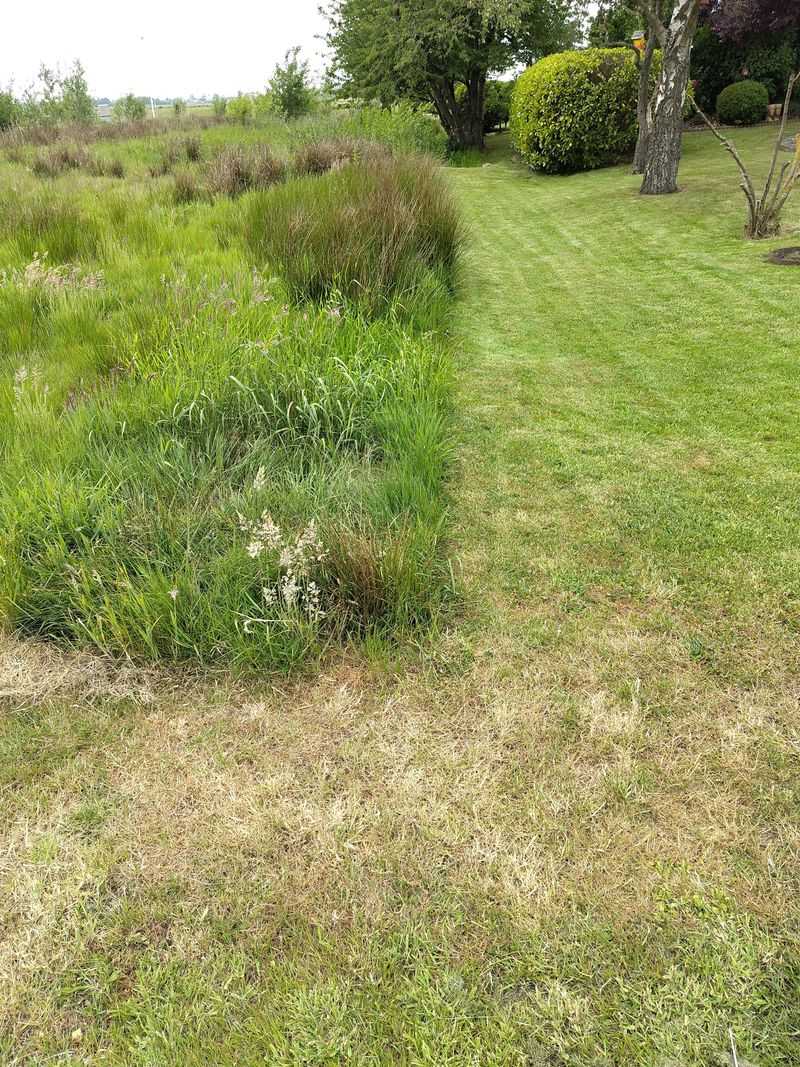
Picture your backyard after a two-week stretch of rainy weather. The grass shoots up fast, the ground stays damp, and suddenly your lawn feels more like a meadow than a mowed yard.
That thick, tall grass creates cooler, more humid pockets near the soil, and those are exactly the conditions ticks tend to prefer.
According to Ohio State University Extension, ticks are commonly found in areas with tall vegetation, where they can wait on blades of grass or stems for a passing host.
Mowing regularly during summer’s fast growth periods keeps grass at a height that dries out more quickly between rainfalls, making it less hospitable to ticks.
Lawn care experts generally recommend keeping grass between two and a half and three and a half inches tall. Scalping the lawn short is not the answer, as that stresses the grass and can create other problems.
The real fix is staying consistent. Mowing every seven to ten days during peak summer growth prevents the tall, shaded, humid pockets that make your lawn more tick-friendly.
Pairing regular mowing with good drainage habits and sunlight exposure gives you the best results. Mowing alone does not eliminate tick risk entirely, but it is one of the most practical habits a homeowner can build into a summer yard-care routine.
2. Messy Edges Invite Ticks Closer To The House

The mower does a solid job on the open lawn, but those narrow strips along the foundation, driveway edge, patio border, and garden walkway often get skipped.
Over time, these spots can grow into a ragged fringe of grass and weeds that sits right where your family walks, sits, and plays every day.
Ohio Department of Health guidance notes that ticks and the small animals that carry them frequently use dense low vegetation near structures. Those animals include mice, chipmunks, and rabbits.
When overgrown edges run right up to your back door, patio furniture, or garden path, they bring tick-friendly habitat closer to the spots people use most.
A string trimmer or edger used after every mowing session can make a real difference. Focus on areas along the foundation, shed base, fence lines near patios, and both sides of walkways.
Your Ohio Garden Changes Every Week. Your Plan Should Too.
Gardening in Ohio changes quickly throughout the season. Every Friday you’ll receive a simple weekly plan showing exactly what to plant, prune, fertilize, harvest, and protect so you never miss the right timing.
Keeping these borders clean and low removes the sheltered strips that wildlife and pests move through on their way into your yard. Pulling weeds from these edges regularly also helps, since weeds can grow back thick and fast during summer.
High-use zones, like where kids run barefoot or dogs nap near the back steps, deserve the most attention. Tidy edges are one of the simplest ways to reduce tick contact near the home.
3. Damp Clipping Piles Create Cozy Tick Shelter
Most of the time, grass clippings left on the lawn after mowing are not a problem. When they are light and spread out evenly, they break down quickly and actually return nutrients to the soil.
The trouble starts when thick, wet clumps pile up in shaded or low spots and just sit there, staying damp for days.
Wet clipping mats can hold moisture close to the soil surface and create sheltered, humid pockets. Ticks do not breed in clipping piles the way mosquitoes breed in standing water.
Still, damp organic matter does support the cool, moist conditions that ticks prefer for survival. Small animals that move through yards, and that can carry ticks, may also use these piles for temporary cover.
The fix is straightforward. After mowing, check for thick clumps and spread them out with a rake or leaf blower so they dry and break down faster.
In shaded corners or areas that stay wet, consider bagging clippings from those zones specifically. Compost piles are a great option for heavy clippings if the pile is located away from high-use yard spaces.
Keeping the lawn surface open and dry after mowing removes one more sheltered spot that could make your yard more tick-friendly. That matters especially under trees and near shrubs during humid summers.
4. Leaf Litter Under The Mower Keeps Ticks Protected
Running the mower over a thin layer of leaves in the fall can actually shred them into fine mulch, which is great for the lawn.
But when leaf litter builds up thick in corners, under trees, and along wooded edges and just stays there through summer, it becomes a different kind of problem.
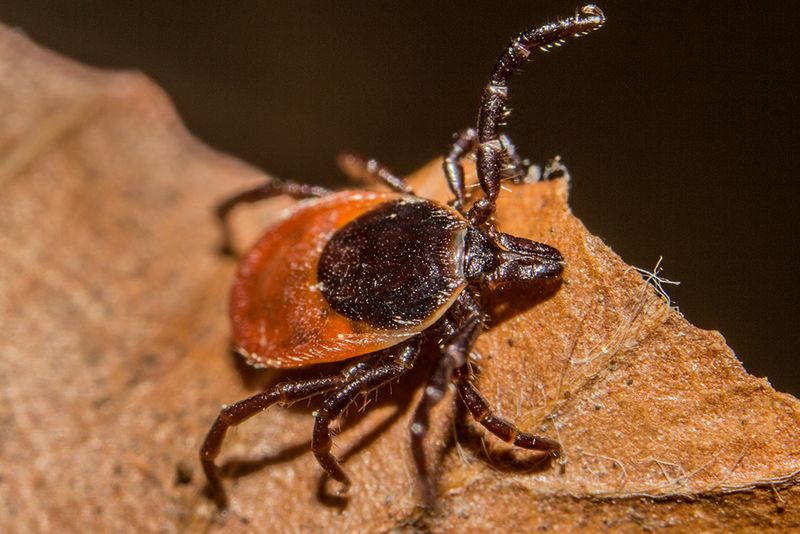
State University Extension and public health resources both note that leaf litter can provide ideal shelter for ticks. It can also shelter the small mammals that carry them into yards.
Mice and chipmunks nest in leaf piles and move through leafy ground cover. That makes shaded, leaf-covered areas near the lawn edge some of the riskier spots in a typical yard.
The goal is not to strip every natural area of leaves. Leaf litter supports beneficial insects, earthworms, and birds, and a managed leaf zone away from high-use areas can still exist.
The priority is clearing leaves from spots where people and pets spend time: around play equipment, near patios, along walking paths, and at the mowed edge of the yard. Raking or blowing leaves away from these zones is a practical and wildlife-friendly approach.
You can either compost them or move them to a designated natural area farther from the house. Clearing a few key spots makes a meaningful difference without disrupting the whole yard ecosystem.
5. Brushy Borders Push Tick Habitat Into The Yard

That ragged strip where your lawn meets the back hedge, the woods, or the naturalized area along the property line might look like harmless scenery.
But according to Ohio State University Extension, the transition zone between mowed lawn and wooded or brushy areas is especially important.
It is one of the most tick-active spots in a residential yard.
Ticks tend to concentrate in these border zones because they offer cover, humidity, and regular traffic from deer, raccoons, and small mammals.
When that brushy border is wide, dense, and unmanaged, it essentially pushes tick habitat right to the edge of where your kids and pets play every day.
The closer the brush grows to the yard’s main activity areas, the shorter the distance ticks need to travel.
Trimming back shrubs, cutting tall weeds along the border, and widening the mowed path between your lawn and any naturalized or wooded area can create a cleaner buffer.
Some yard and garden resources suggest maintaining a wood chip or gravel barrier between lawn and wooded edges to further discourage tick movement.
Natural areas do not need to disappear entirely, but clear, managed boundaries make a real difference. Keeping that transition zone trimmed and open reduces both tick habitat and the routes that wildlife use to move into the parts of the yard your family uses most.
6. Rare Mowing Lets Weeds Become Tick Pathways
Summer schedules get busy fast. A vacation here, a rainy stretch there, and suddenly three weeks have passed since the mower came out.
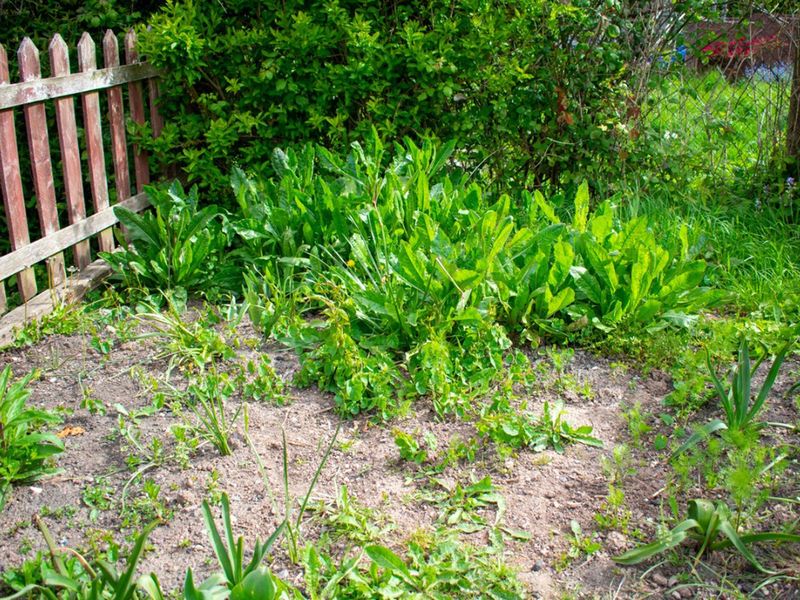
During peak summer growth months, that kind of gap can turn a tidy lawn into a weedy, overgrown patchwork that creates real problems beyond just aesthetics.
Tall weeds and seed heads provide the kind of sheltered, upright vegetation that ticks use to position themselves for contact with passing hosts.
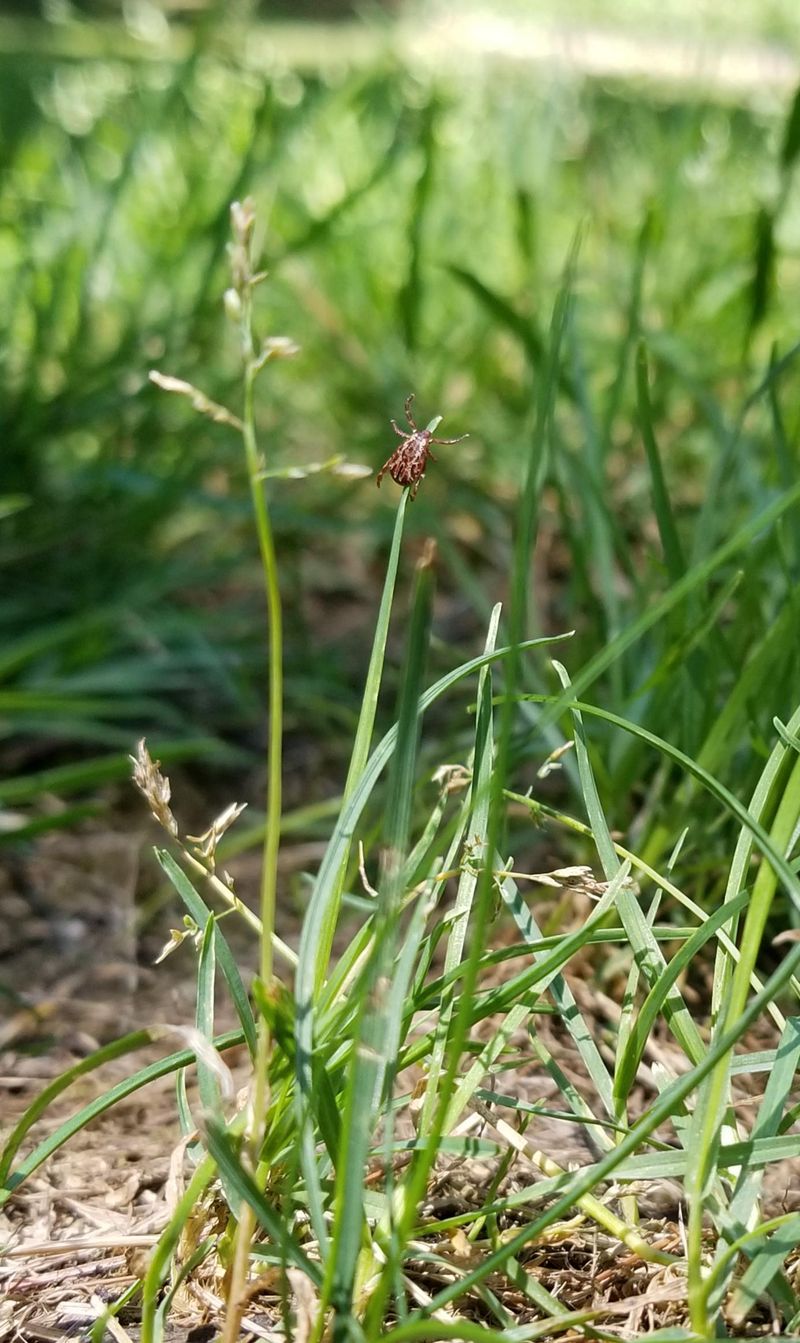
Ohio State University Extension notes that ticks typically climb vegetation and wait, a behavior called questing, for animals or people to brush past.
Tall weeds and dense, neglected patches give them ideal spots to do exactly that.
Staying on a realistic mowing schedule is the practical fix. Every seven to ten days during fast growth periods is a reasonable target for most yards.
If a gap does happen, mow as soon as possible and pay extra attention to the weedy patches that grew up along edges, fence lines, and low spots.
Renters, busy homeowners, and people returning from vacation can also use a lawn service for a single catch-up mow to reset the yard.
No one needs a perfect lawn every week. The goal is simply to prevent repeated overgrowth, which is the pattern that creates the most tick-friendly conditions over a full summer season.
7. Fence Lines Become Tick Corridors When Ignored
Fence lines are easy to overlook. The mower clips the open lawn just fine.
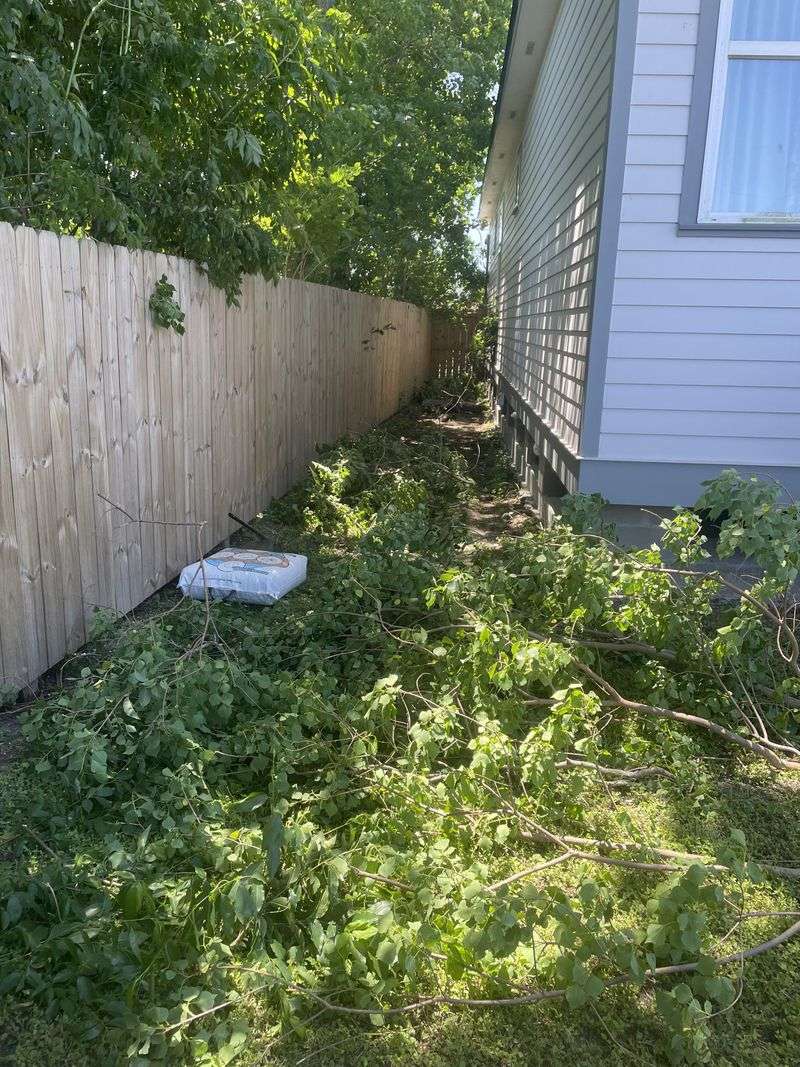
But those narrow strips right along the fence base, the edges of the gate, and the sides of the dog run often get missed week after week. Over time, they can grow into dense, weedy corridors that run the full length of your yard.
These forgotten strips matter for a specific reason. Pets, wildlife, and neighborhood animals all move along fence lines regularly.
Dogs pace the fence. Rabbits and raccoons squeeze along the base.
Deer sometimes follow fence edges. Any animal moving through tall, dense growth along a fence can carry ticks from one part of the yard to another.
It can also drop them in spots where your dog walks or rests daily.
A string trimmer used along fence bases after every mow keeps these strips low and open. Pay special attention to gate areas, corners where two fences meet, and spots where your dog tends to hang out or rest.
If you have a pet run, check that the edges stay trimmed and that debris does not pile up along the sides. Clearing fence-line growth is a small task that takes only a few extra minutes.
It removes one of the most commonly overlooked travel routes that ticks and their host animals use to move through residential yards in this state.
8. Shady Corners Stay Risky When Growth Gets Thick
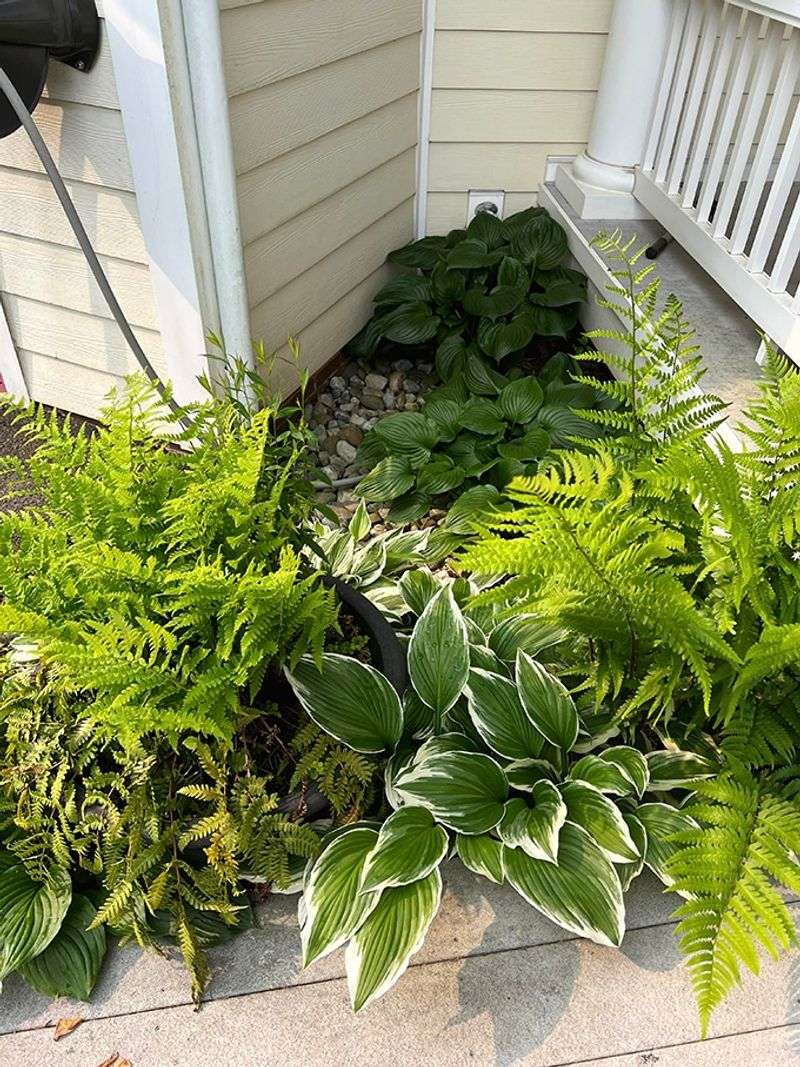
Behind the shed, under the low-hanging branches, and in the corner where two fences meet, sunlight barely reaches. These spots stay damp and cool long after the rest of the yard dries out.
Even after mowing, shaded corners with thick vegetation can hold moisture for hours. That creates conditions that are much friendlier to ticks than the open, sunny parts of the lawn.
Shade itself is not the issue. Plenty of Ohio yards have beautiful shaded areas that are well-maintained and low-risk.
The real problem is when shade combines with dense, unmanaged growth, poor airflow, and accumulated debris.
That combination keeps the ground surface cool and humid in a way that supports tick survival and gives small host animals a sheltered place to move through.
Thinning out low shrubs and trimming branches that drape over corners both help improve airflow. Keeping the ground surface in shaded zones as clear as possible also helps reduce moisture retention.
If you have a sitting area or a children’s play space in a shaded part of the yard, those spots deserve regular attention throughout summer. Remove any deceased leaves, old mulch that has gotten soggy, or thick grass clumps that build up in corners.
Mowing alone will not fully address these spots. A combination of trimming, clearing, and occasional raking keeps shaded zones from becoming the dampest and most overlooked tick-friendly areas in your yard.