The Best Vegetables Ohio Gardeners Should Plant In May For Big Summer Harvests
May is when an Ohio vegetable garden starts feeling full of possibility. The soil is warming, the days are stretching out, and most gardeners are finally past the point of nervously checking the forecast every five minutes.
That alone feels like a win. This is the month when a few smart planting choices can set up weeks of fresh picking later on, which is a pretty satisfying return for a little spring effort.
Bush beans, cucumbers, basil, tomatoes – suddenly the garden starts looking less like a hopeful plan and more like a summer meal waiting to happen. That is part of the fun.
A May planting can turn a raised bed, backyard plot, or sunny kitchen garden corner into something that keeps giving long after spring fades.
If summer harvests are the goal, this is when Ohio gardeners can really get things moving.
1. Tomatoes Get A Strong Start In Warm May Beds
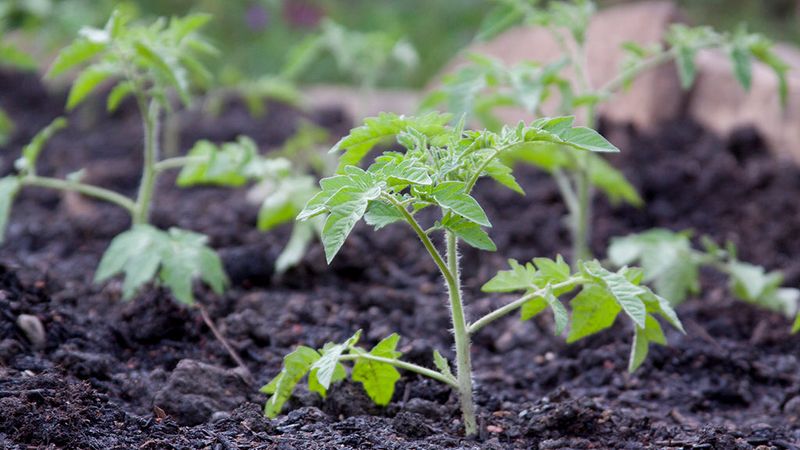
Warm soil is exactly what tomato transplants are waiting for, and Ohio gardens in May start offering just that.
Once nighttime temperatures stay consistently above 50 degrees Fahrenheit and the soil has warmed to at least 60 degrees, tomato plants can go in and begin settling their roots quickly.
Most Ohio gardeners aim for mid-May to be safe, though southern parts of the state may get a slightly earlier start.
Choosing a sunny spot with at least six to eight hours of direct light gives tomatoes the energy they need to grow steadily through summer. Raised beds tend to warm up faster than in-ground plots, which can give transplants a helpful head start.
Adding a layer of compost to the planting hole feeds the soil and supports strong early growth.
Staking or caging plants at planting time saves a lot of effort later and helps keep the garden organized as vines fill out. Varieties like Celebrity, Early Girl, and Big Boy have earned loyal followings among Ohio home gardeners for their reliability.
With good soil, consistent watering, and a May planting, expect a satisfying tomato harvest by mid to late July.
2. Peppers Set Up Well For Summer Heat
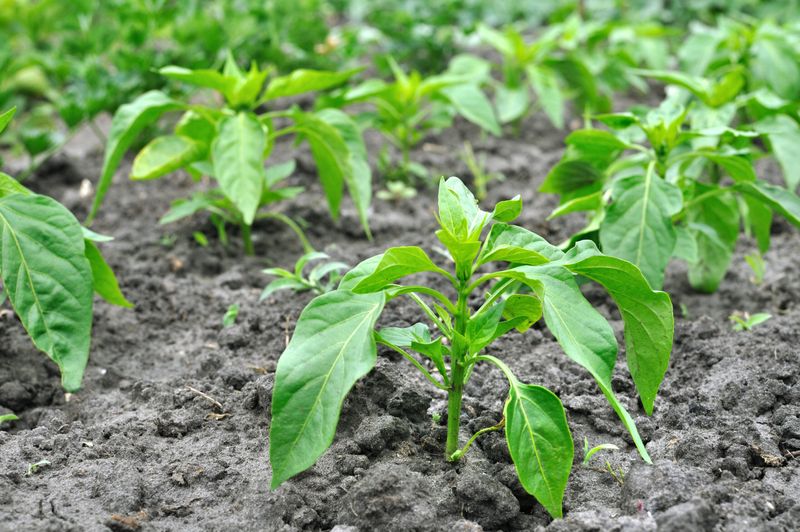
Peppers are patient plants that reward gardeners who give them a warm, settled start. In Ohio, that usually means waiting until mid-May or even closer to Memorial Day before moving transplants outdoors.
Pepper roots are sensitive to cold soil, and planting too early can stall growth for weeks rather than helping the season along.
Once the soil hits around 65 degrees and nighttime temperatures are reliably mild, peppers take off with surprising speed. Both sweet bell peppers and hot varieties like jalapenos and banana peppers do well in Ohio’s summer warmth.
A sunny location with good drainage keeps the plants healthy and productive from early summer through fall.
Spacing plants about 18 inches apart gives each one enough room to branch out and produce a full load of fruit. Consistent watering matters most when flowers are forming and fruit is sizing up.
Letting the soil dry out too much during that stage can cause blossom drop, which cuts into your harvest.
Your Ohio Garden Changes Every Week. Your Plan Should Too.
Gardening in Ohio changes quickly throughout the season. Every Friday you’ll receive a simple weekly plan showing exactly what to plant, prune, fertilize, harvest, and protect so you never miss the right timing.
A light layer of mulch around the base of each plant helps hold moisture and keeps the root zone from getting too hot during the warmest stretches of the Ohio summer.
3. Cucumbers Grow Fast Once The Soil Warms
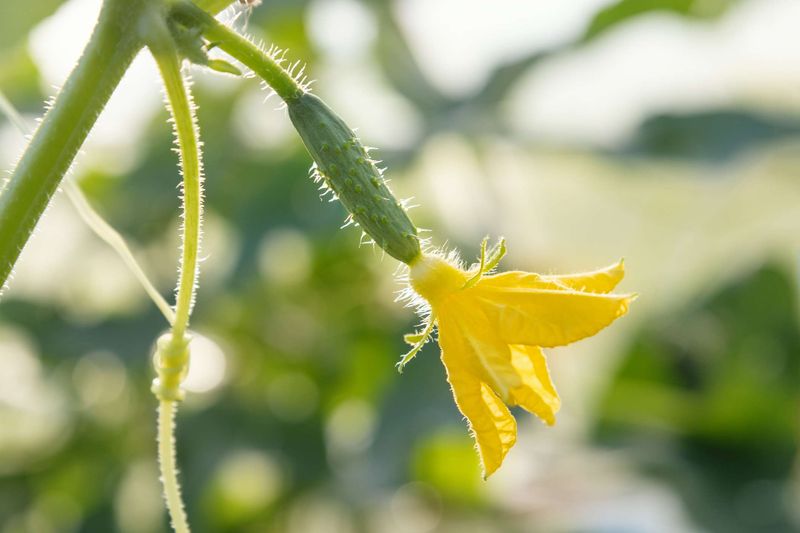
Few vegetables move from seed to harvest as quickly as cucumbers once the soil temperature climbs above 60 degrees.
In Ohio, that sweet spot often arrives by mid-May, making it one of the best times to direct sow cucumber seeds or set out transplants.
Cucumbers planted in May can be producing fruit within 50 to 65 days, depending on the variety.
Slicing cucumbers like Straight Eight and Marketmore are popular choices for Ohio home gardens because they produce steadily and handle summer heat reasonably well.
Pickling types like National Pickling or Calypso are worth growing if you plan to put up jars at the end of summer.
Both types benefit from growing on a trellis or fence, which keeps fruit off the soil and improves air circulation around the leaves.
Cucumbers are thirsty plants, and consistent moisture is key to keeping fruit from turning bitter or misshapen. Watering at the base rather than overhead reduces the risk of powdery mildew, which can be a common challenge in Ohio’s humid summer conditions.
Harvesting regularly once fruit reaches full size encourages the plant to keep producing rather than slowing down mid-season.
4. Zucchini Starts Strong In Late Spring
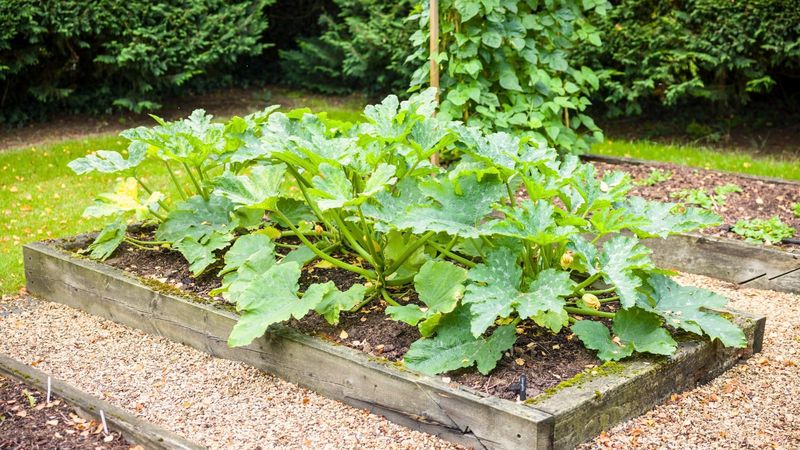
Gardeners who have grown zucchini before know that this vegetable does not take long to become the most productive plant in the garden. Planting in May, once the soil is warm and frost risk has passed, gives zucchini the conditions it loves.
Seeds can go directly into the ground, or you can use transplants started a few weeks earlier indoors.
Ohio’s warm summer days push zucchini plants into high gear, and most gardeners start harvesting within 50 to 55 days of planting.
Checking plants every day or two is a good habit, because zucchini can grow from harvest-ready to oversized in just 24 hours during peak summer heat.
Harvesting fruit when it is six to eight inches long keeps production going and the texture of the flesh at its best.
Spacing is worth thinking about before you plant, since mature zucchini plants spread wider than many gardeners expect. Leaving at least three feet between plants allows good airflow, which helps reduce the risk of powdery mildew later in the season.
Growing two or three plants is usually enough to supply a household generously. A single well-established zucchini plant can produce dozens of fruits over the course of an Ohio summer.
5. Bush Beans Bring Easy Summer Harvests
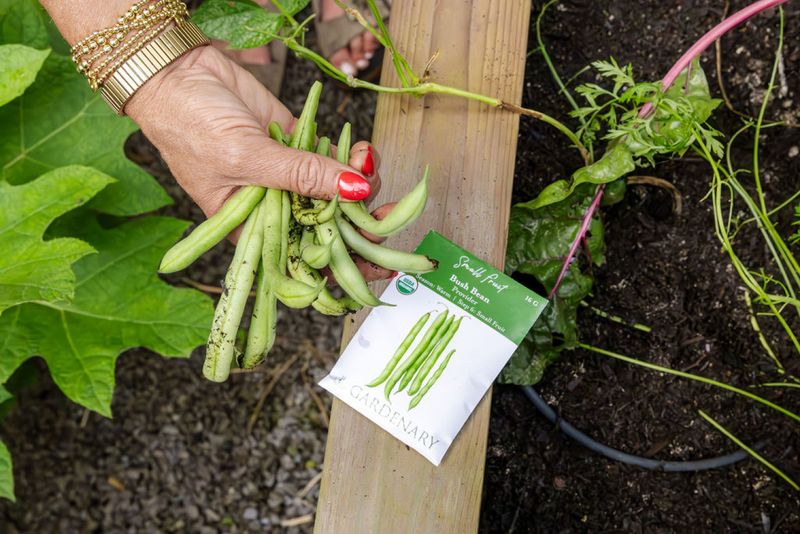
Bush beans are one of those vegetables that make gardening feel rewarding without requiring a lot of fuss. They grow quickly, do not need staking or trellising, and produce a generous harvest within about 50 to 60 days from planting.
May is a solid month to sow bush beans in Ohio once the soil has warmed above 60 degrees and the frost window has closed.
Direct sowing is the standard approach, since beans do not transplant well. Sowing seeds about one to one-and-a-half inches deep and three to four inches apart gives each plant enough room to develop without crowding.
A second sowing two to three weeks after the first can extend your harvest window well into summer, which is a practical strategy for Ohio gardeners who want a steady supply rather than one large flush.
Provider, Contender, and Blue Lake are reliable varieties that have performed well in Ohio home gardens over many seasons.
They handle both warm and slightly cooler conditions better than many warm-season crops, which makes them a flexible option for May planting.
Keeping pods picked as they reach full size encourages the plant to continue flowering. Letting beans go past their prime on the vine tends to slow production noticeably.
6. Sweet Corn Likes The Warmer Side Of May
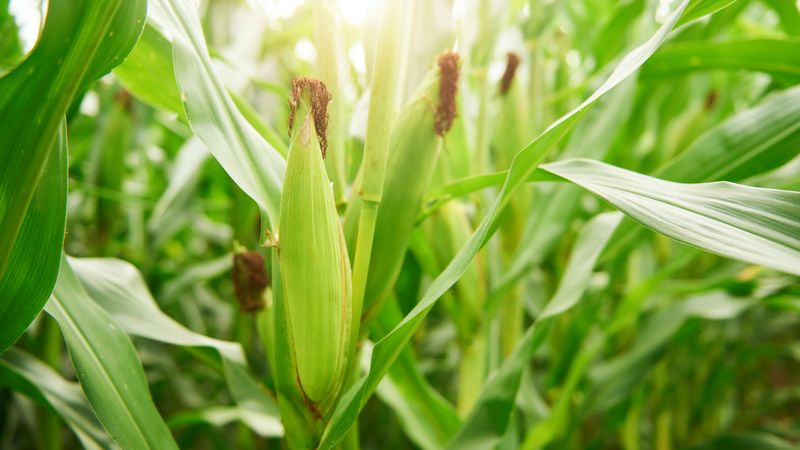
Soil temperature is the biggest factor when it comes to sweet corn, and Ohio gardeners generally want to wait until the ground has reached at least 60 degrees before sowing.
For most of the state, that lines up with the second half of May, though warmer southern counties may be ready a bit earlier.
Planting in cold soil leads to slow germination and can invite seed rot before sprouts even appear.
Sweet corn needs to be planted in blocks rather than single rows to ensure proper pollination. A block of at least four rows, each containing several plants, gives pollen the chance to fall on silks across the planting.
Most backyard gardeners find that a block measuring at least eight by eight feet produces a reliable harvest. Varieties like Incredible, Honey Select, and Peaches and Cream are popular among Ohio home gardeners for their flavor and performance.
Corn is a heavy feeder and benefits from a soil amended with compost before planting. Keeping the planting area consistently watered, especially when tassels appear and silks begin to emerge, supports good ear development.
Raccoons and other wildlife are a known challenge for Ohio gardeners growing corn, so some type of garden barrier or deterrent is worth planning for ahead of harvest time.
7. Cantaloupe Needs Heat To Get Going
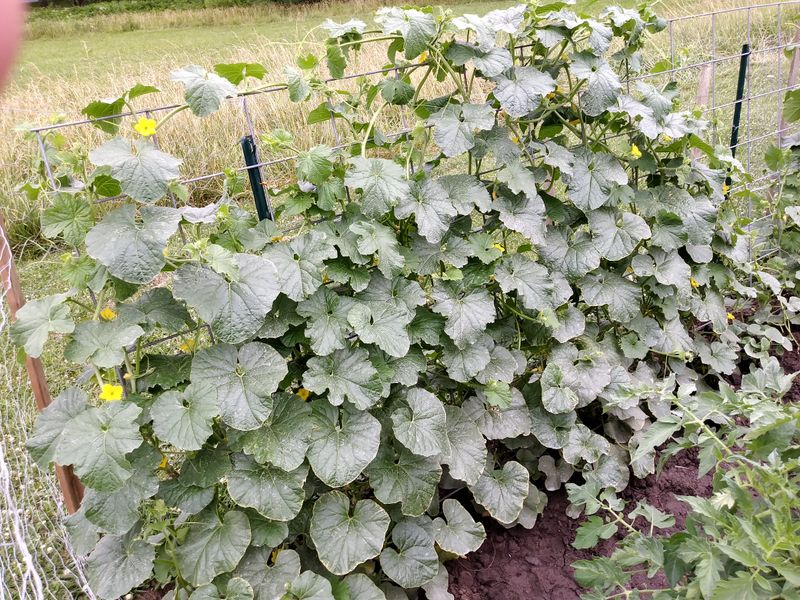
Cantaloupe is one of those crops that takes a little patience but rewards Ohio gardeners with something genuinely satisfying by late summer.
Seeds or transplants go into the ground once the soil has warmed to at least 65 to 70 degrees, which in Ohio usually means the latter part of May.
Planting too early into cold soil tends to stall growth rather than jump-start it.
Full sun and good drainage are non-negotiable for cantaloupe. A raised bed or a slightly mounded planting area helps keep excess moisture away from the roots, which can be a real advantage during rainy Ohio springs.
Vines spread significantly, so spacing hills at least four to five feet apart gives each plant room to stretch without crowding its neighbors.
Varieties like Hale’s Best, Athena, and Ambrosia have done well in Ohio’s summer climate and are worth seeking out at local nurseries or through seed catalogs.
Once fruit begins to form, reducing watering slightly as melons approach maturity can actually concentrate sweetness.
A cantaloupe is ready to harvest when it slips easily from the vine with light pressure and the skin develops a noticeable tan or golden undertone beneath the netting.
8. Kale Still Earns Space In The Spring Garden
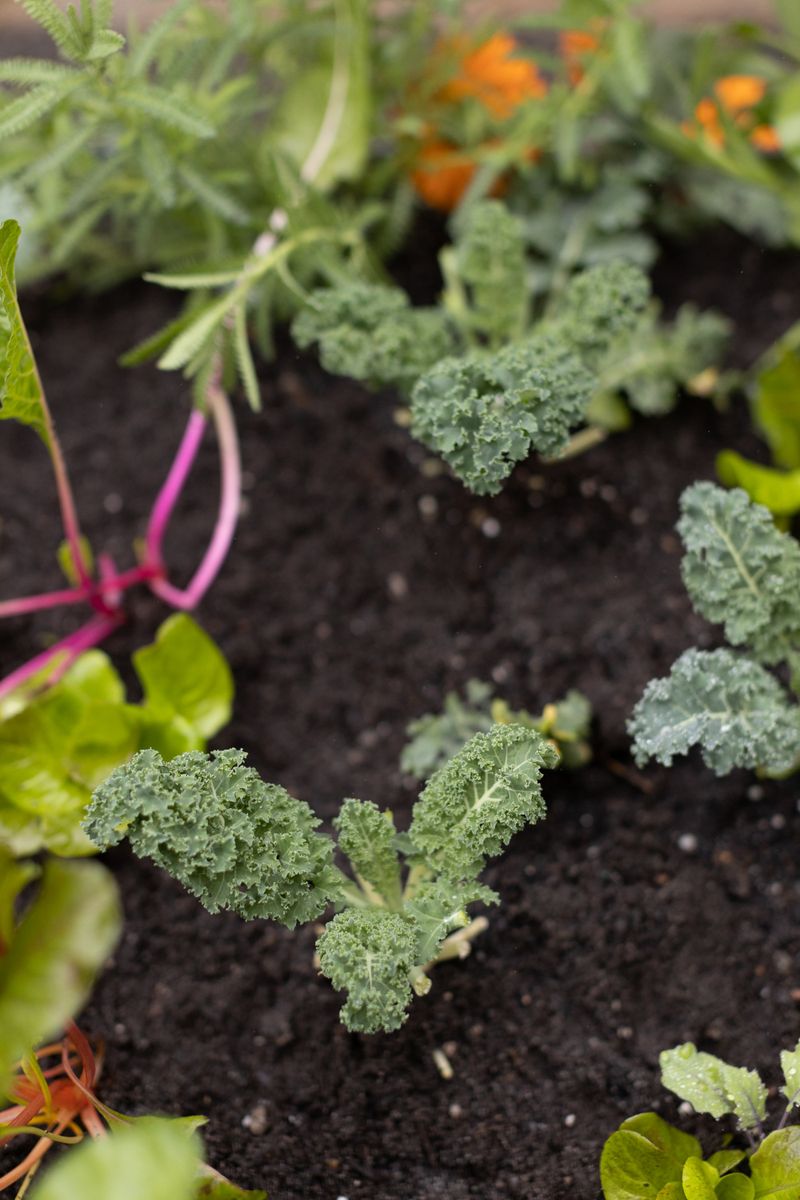
Not every vegetable in the May garden needs hot weather to thrive, and kale is a strong example of that.
This leafy green actually prefers cooler growing conditions and can handle light frost without much trouble, which means it can go into Ohio gardens earlier in May than many warm-season crops.
May-planted kale often produces well into summer and, for some gardeners, into fall as well.
Kale grows best in full sun but tolerates partial shade better than most vegetables, making it a flexible option for garden spots that do not get all-day sun.
Spacing plants about 12 to 18 inches apart allows each one to develop a full canopy of leaves without crowding.
Varieties like Lacinato, Red Russian, and Winterbor are popular choices that have proven reliable in Ohio home gardens.
Harvesting outer leaves regularly keeps the plant productive and encourages new growth from the center. Kale leaves harvested after a cool night tend to be slightly sweeter, which is something Ohio gardeners often notice as temperatures shift through the season.
Adding kale to salads, soups, stir-fries, and smoothies makes it one of the more versatile crops in the spring and early summer garden.
9. Swiss Chard Keeps Beds Productive And Full
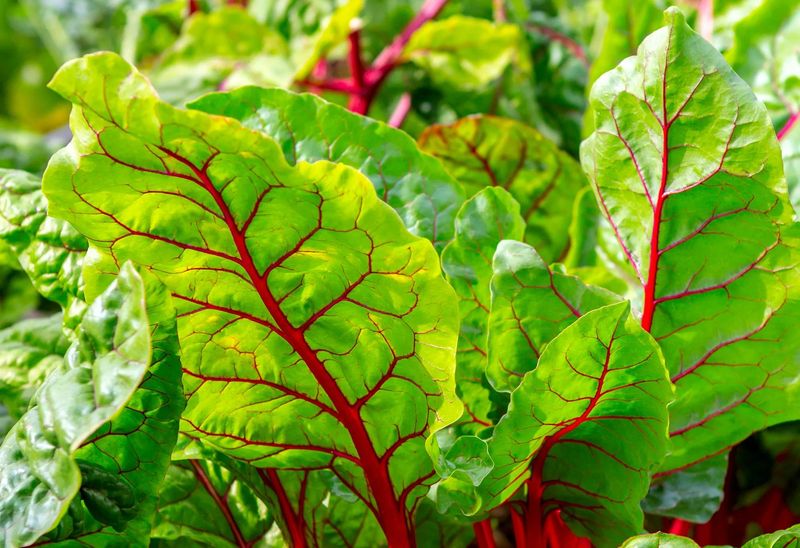
Swiss chard brings both color and productivity to the spring garden in a way that few other vegetables can match. The stems come in shades of red, orange, yellow, and white, which makes the bed look lively even before harvest season hits its peak.
In Ohio, chard can be planted in May from seed or transplants and will grow steadily through the warmer months ahead.
Unlike some greens that bolt quickly in summer heat, Swiss chard is more heat-tolerant and tends to keep producing through Ohio’s warmer months with less fuss.
Planting seeds about half an inch deep and thinning seedlings to stand six to eight inches apart gives each plant enough room to develop properly.
Rainbow Chard and Fordhook Giant are two varieties that Ohio gardeners often rely on for dependable seasonal performance.
Harvesting outer stalks when they reach a usable size encourages the plant to keep pushing out new growth from the center.
Chard works well sauteed with olive oil and garlic, stirred into pasta dishes, or used as a substitute for spinach in many recipes.
A few well-placed chard plants can keep a household supplied with fresh greens from late spring well into the heart of an Ohio summer.
10. Beets Still Belong In The May Garden
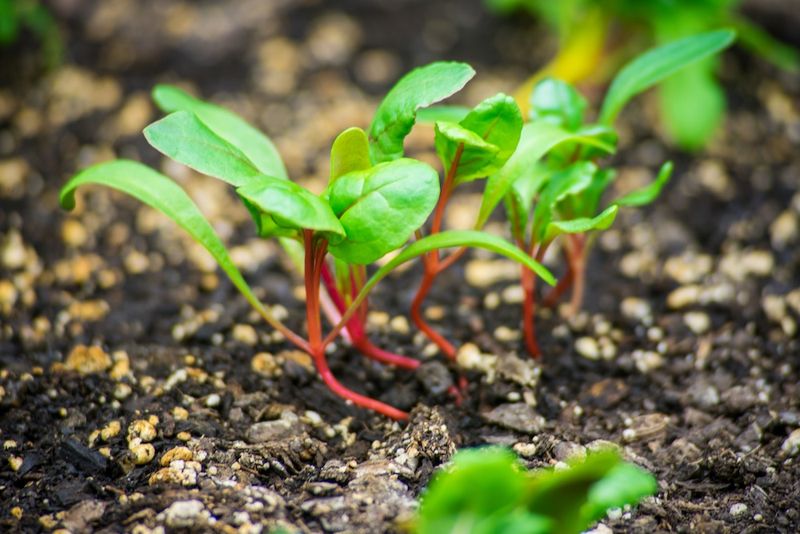
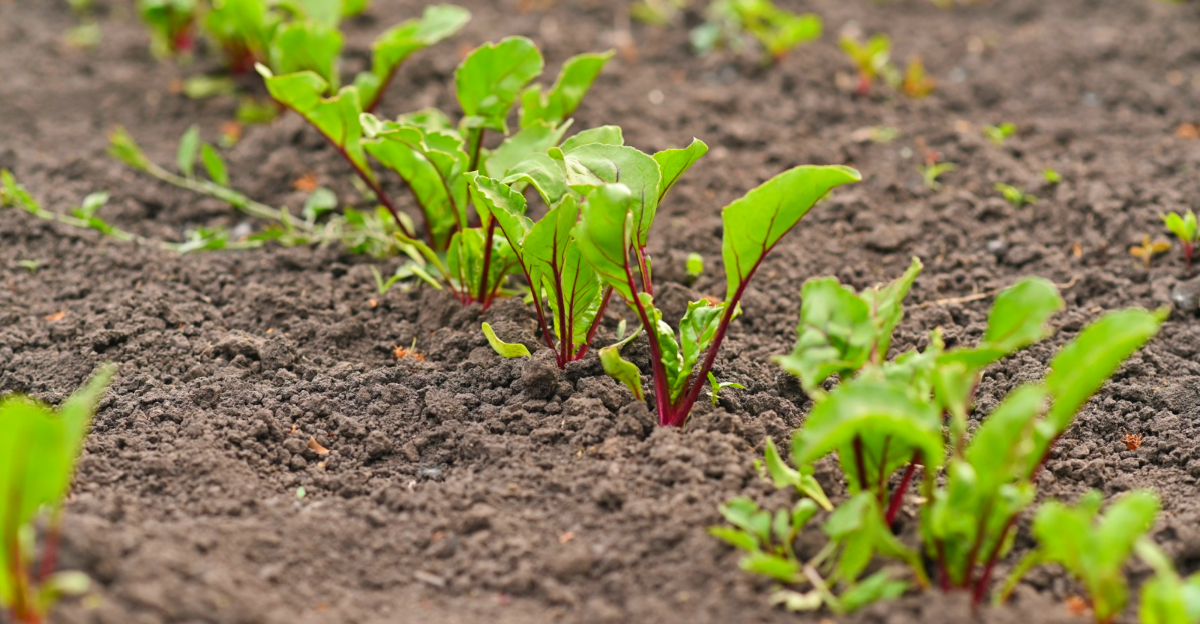
Early May is still a productive window for beet planting in Ohio, especially in the northern part of the state where soil temperatures take a little longer to climb.
Beets prefer soil temperatures between 50 and 75 degrees for good germination, which makes the first half of May a reasonable target before the ground gets too warm.
Sowing seeds directly into loose, well-drained soil gives the best results.
Beet seeds are actually clusters of two or three seeds, so thinning is an important step that many beginner gardeners skip. Thinning seedlings to stand about three to four inches apart prevents overcrowding and allows each root to develop properly.
The thinnings are edible and make a tasty addition to salads, so nothing goes to waste in the process.
Varieties like Detroit Dark Red, Chioggia, and Golden Beet offer Ohio gardeners some variety in flavor and appearance. Beets are a dual-purpose crop because both the roots and the leaves are edible, which adds to their value in a home garden.
Most varieties are ready to harvest in 55 to 70 days, making a May planting a reasonable fit for early summer table use. Keeping the soil consistently moist during germination helps the stand come in evenly.
11. Carrots Can Go In While The Soil Stays Cool
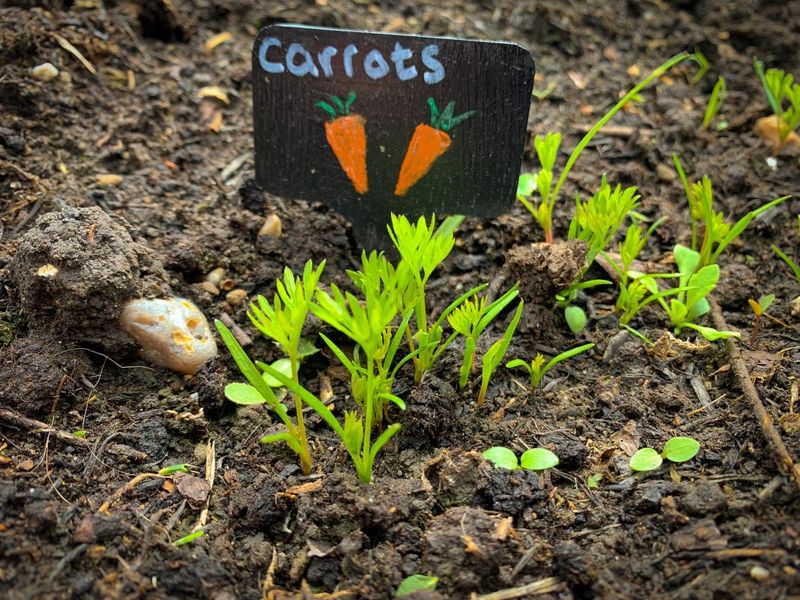
Carrots are one of the few vegetables that actually prefer cooler soil for germination, which makes early May a well-timed planting window in Ohio before the ground heats up significantly.
Soil temperatures between 45 and 65 degrees support good germination, and Ohio’s May soil often lands right in that range during the first few weeks of the month.
Loose, deep, rock-free soil is essential for straight, well-formed roots. Raised beds are particularly well-suited for carrots because the soil structure tends to be lighter and easier for roots to push through.
Sowing seeds thinly about a quarter inch deep and keeping the surface consistently moist until sprouts appear can take some patience, since carrots are known for slow and sometimes uneven germination.
Nantes, Danvers, and Chantenay are carrot types that have performed well in Ohio home gardens and adapt to a range of soil conditions.
Thinning seedlings to stand about two to three inches apart once they are a few inches tall allows each root enough room to fill out properly.
Carrots sown in early May in Ohio are often ready for harvest by late June or July, bringing a satisfying crunch to summer meals straight from the garden.