Pennsylvania Gardeners Are Quietly Planting This Native Along Woodland Edges To Keep Ticks Away
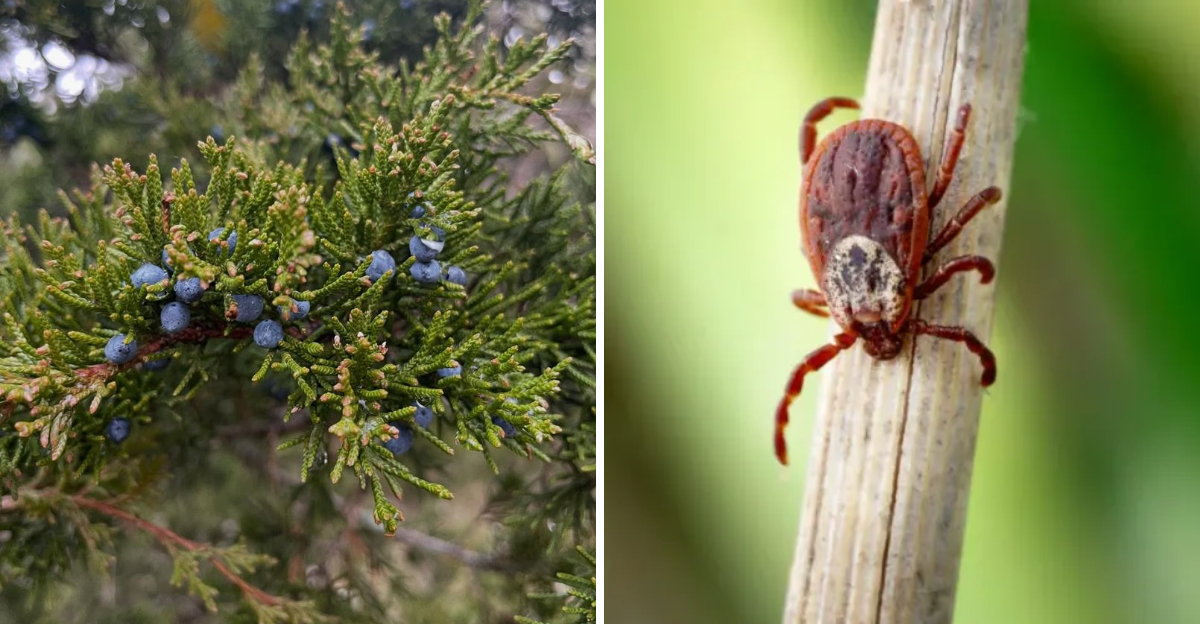
There is a native Pennsylvania plant that has been growing along woodland edges and open fields across the state for centuries, and a growing number of gardeners are starting to put it to deliberate use in a way that goes beyond its usual role in the landscape.
Word has been spreading quietly among Pennsylvania gardeners who pay attention to tick pressure in their yards that this plant has a meaningful effect on tick activity in the areas around it.
It is not a new discovery exactly, but it has been underutilized as a practical landscaping tool for anyone managing the transition zone between maintained yard and wilder ground, which is precisely where ticks concentrate most heavily.
This plant handles that edge beautifully on its own terms, offering structure, wildlife habitat, and year-round presence, and the tick-deterring quality it brings to that zone adds a layer of value that makes it one of the more practical planting decisions a Pennsylvania homeowner can make right now.
Meet The Eastern Red Cedar
Not many trees can claim the kind of all-around usefulness that the Eastern Red Cedar brings to a Pennsylvania yard.
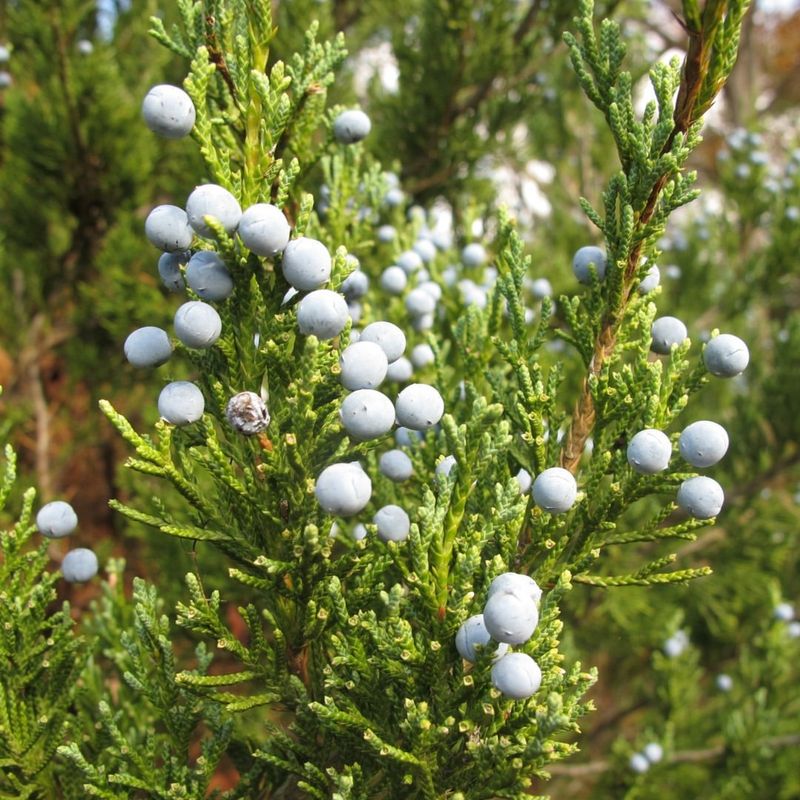
Juniperus virginiana, its scientific name, is a sturdy, evergreen native that has been growing across the eastern United States for thousands of years.
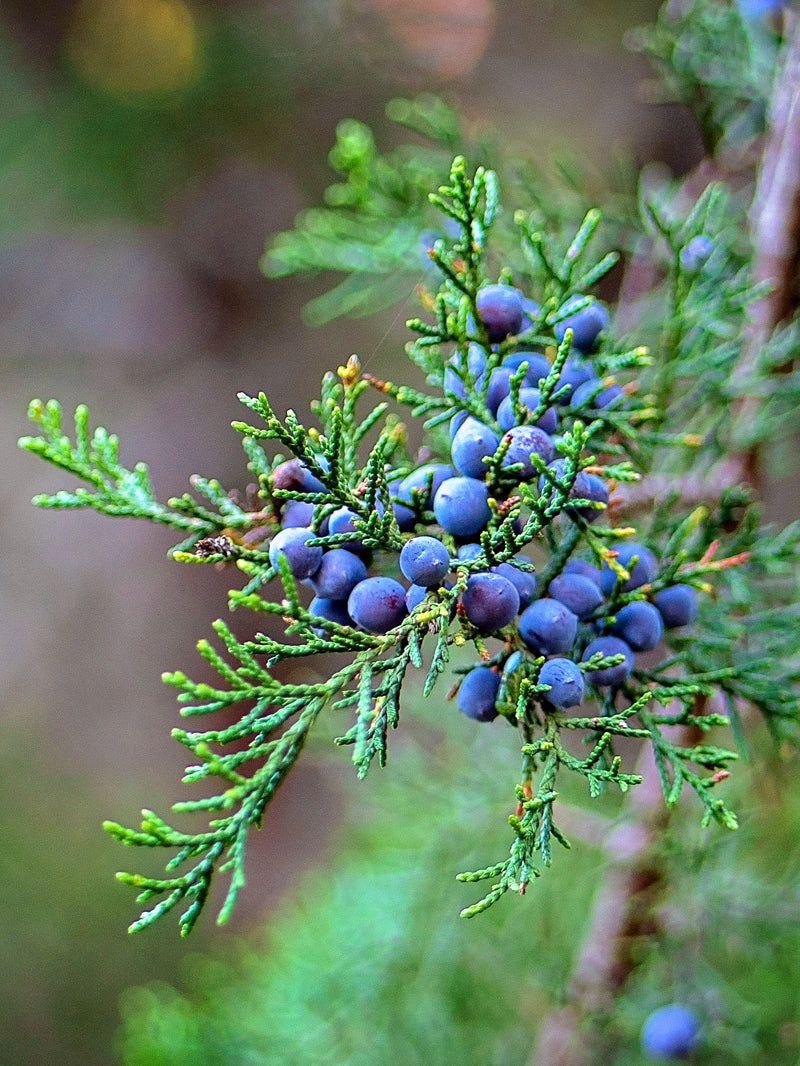
It is not actually a true cedar at all but belongs to the juniper family, which explains those small, waxy blue berries it produces each fall.
Pennsylvania gardeners have been quietly rediscovering this tree for good reason. It grows naturally along woodland edges, fence lines, and open fields, making it a perfect fit for the borders where most tick activity happens.
Its dense, year-round foliage creates a living wall that looks attractive in every season. What makes this tree stand out is its dual role in the landscape. On one hand, it works hard as a functional plant, providing a natural barrier against ticks and harsh weather.
On the other hand, it adds real visual appeal with its rich green color and classic conical shape that looks tidy and purposeful without much effort.
Gardeners love that it fits into so many different landscape styles. Whether your yard leans rustic and natural or clean and structured, the Eastern Red Cedar adapts beautifully.
Young trees start narrow and upright, while older specimens can develop a broader, more sculptural look over time.
For anyone looking to add a hardworking, good-looking native to their Pennsylvania property, this tree is a strong and sensible starting point worth getting to know.
Why It Repels Ticks
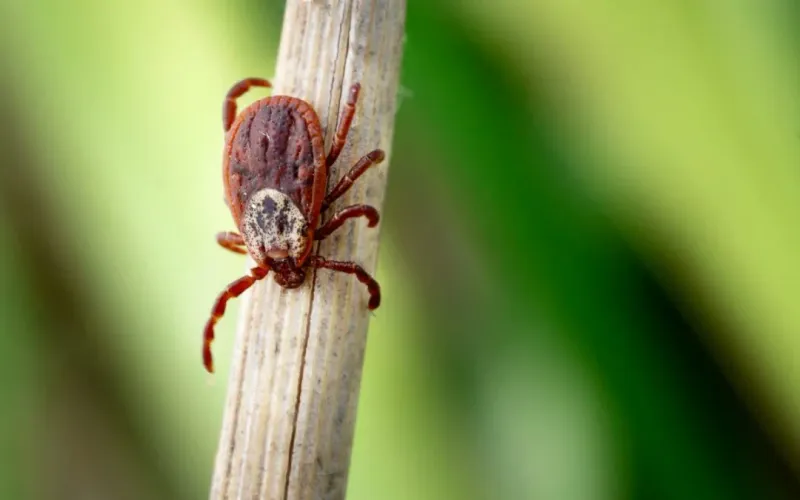
Here is something most people do not know: Eastern Red Cedar naturally produces aromatic oils inside its foliage, bark, and wood.
These oils give the tree its distinctive, pleasant cedar scent that many people associate with old closets and cedar chests. That same scent, it turns out, is something ticks strongly dislike.
Cedarwood oil, which is derived from trees like the Eastern Red Cedar, has been studied for its ability to repel ticks and other insects.
Your Pennsylvania Garden Changes Every Week. Your Plan Should Too.
Gardening in Pennsylvania changes quickly throughout the season. Every Friday you’ll receive a simple weekly plan showing exactly what to plant, prune, fertilize, harvest, and protect so you never miss the right timing.
The compounds in the oil, particularly cedrol and cedrene, interfere with ticks and make the surrounding environment less appealing to them.
Planting these trees along the edges of your yard creates a natural aromatic boundary that ticks tend to avoid crossing. Tick behavior plays a big role here. Ticks do not jump or fly.
They wait in low vegetation along edges, paths, and borders for a host to brush by. These transition zones between your lawn and wooded areas are prime tick territory.
Placing Eastern Red Cedars right in those hotspots addresses the problem exactly where it starts.
A row of these trees along a woodland border essentially creates a fragrant, living tick barrier. The oils stay active year-round because the tree is evergreen, meaning the protection does not stop when the weather turns cold.
Think of it as a long-term, chemical-free strategy that works quietly in the background. You plant the trees, they grow, and the tick-repelling benefits build naturally over time without any sprays or treatments needed.
Growing Conditions That Make It Shine
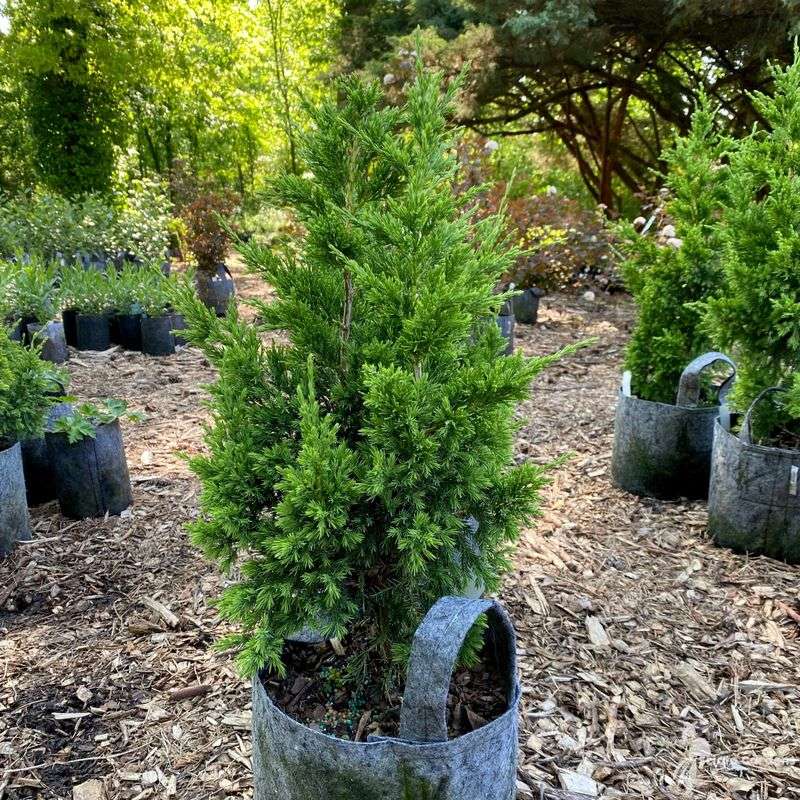
One of the best things about the Eastern Red Cedar is how little it asks of you in return for everything it gives. Full sun is where it truly thrives, producing the densest and most aromatic foliage when it gets at least six hours of direct sunlight per day.
That said, it handles partial shade reasonably well, making it flexible enough for a variety of yard situations.
Soil is almost never a dealbreaker for this tree. It grows in clay, sandy loam, rocky hillsides, and even dry, nutrient-poor ground that would challenge most other plants.
Pennsylvania gardeners dealing with difficult spots along property lines or slopes will find this tree handles those areas without complaint.
Drought tolerance is another major selling point. Once established, usually after the first two growing seasons, Eastern Red Cedar rarely needs supplemental watering.
Pennsylvania summers can get dry, but this tree manages well without extra irrigation, which saves time and reduces water use significantly.
Cold hardiness is not a concern either. The tree is rated for USDA zones 2 through 9, which means it handles Pennsylvania winters without any protection or special care.
Wind is also not a problem. Its deep root system and flexible branches make it one of the tougher trees you can plant in an exposed location.
For gardeners who want a plant that establishes quickly and then largely takes care of itself, Eastern Red Cedar checks every box. It is genuinely one of the most adaptable native trees available for Pennsylvania landscapes of any size or type.
Smart Landscape Uses For This Tree
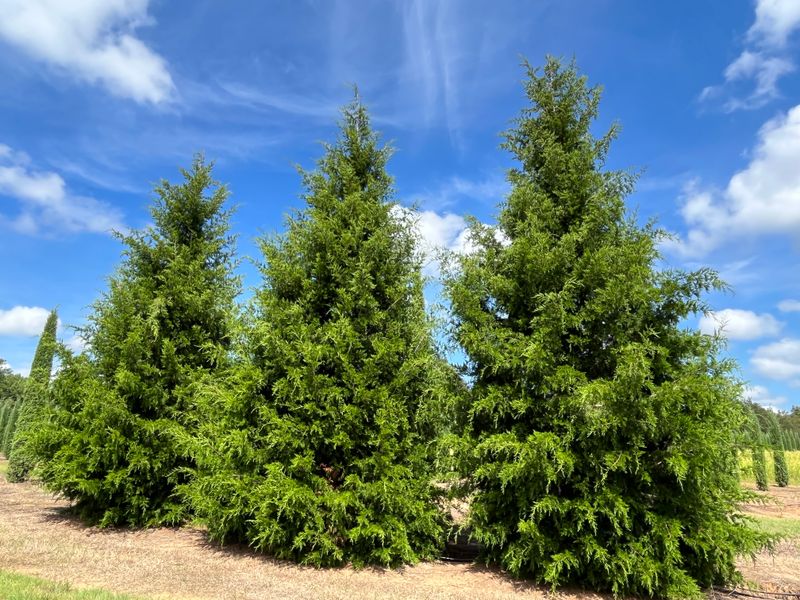
Few trees pull double duty as effectively as the Eastern Red Cedar does in a home landscape. Its dense, year-round foliage makes it one of the best choices available for privacy screens and living hedges.
Plant a row of them six to eight feet apart and within a few years you will have a thick green wall that blocks views, softens noise, and looks great in every season.
Along woodland edges, which is exactly where tick pressure tends to be highest, a line of Eastern Red Cedars creates both a visual boundary and a natural deterrent.
Gardeners who back up to wooded areas or fields have found that planting these trees along the transition zone noticeably reduces tick encounters in the open lawn beyond.
Windbreaks are another practical application. The tree’s upright growth and dense branching make it excellent at slowing wind across open areas.
Pennsylvania winters bring some serious gusts, and a well-placed cedar screen can protect gardens, outbuildings, and even the house itself from the worst of it.
As a focal point or backdrop in larger landscapes, Eastern Red Cedar earns its place. Its rich blue-green color contrasts beautifully with lighter-colored plants and flowering shrubs.
Pair it with native wildflowers or ornamental grasses and the combination looks polished and intentional without requiring a professional designer.
Smaller yards can use a single specimen as a structural anchor in a corner bed. The tree naturally stays relatively narrow, especially in its younger years, making it workable even in spaces that are not particularly large or sprawling.
Easy Maintenance That Fits Any Schedule
Busy gardeners will appreciate this tree more than almost any other. Eastern Red Cedar is genuinely low-maintenance once it gets established, and that establishment period is shorter than you might expect.
For the first season or two, some regular watering during dry spells helps the roots settle in. After that, you can mostly step back and let the tree do its thing.
Pruning is rarely necessary for health reasons. The tree has a naturally tidy, conical shape that it maintains on its own without much intervention.
If you want a cleaner look or need to manage the size in a smaller space, light trimming in late winter or early spring works well. Avoid heavy pruning in summer or fall since that can stress the tree and reduce the density of its foliage.
Spacing matters when you plant. For a solid privacy screen or tick barrier, placing trees six to eight feet apart gives each one enough room to fill out properly while still creating a continuous dense planting.
Tighter spacing around five feet can work if you want a quicker visual effect, though it may require thinning later on.
In smaller gardens, choosing a compact cultivar like Blue Arrow or Skyrocket keeps the footprint narrow and manageable. These varieties grow tall but stay slim, offering the same tick-deterring benefits without taking over the space.
Fertilizer is rarely needed. Eastern Red Cedar draws from the soil efficiently and does not require annual feeding to stay healthy and vigorous.
Simple, straightforward, and reliable are the three words that best describe caring for this tree long-term.
Additional Benefits Worth Knowing About
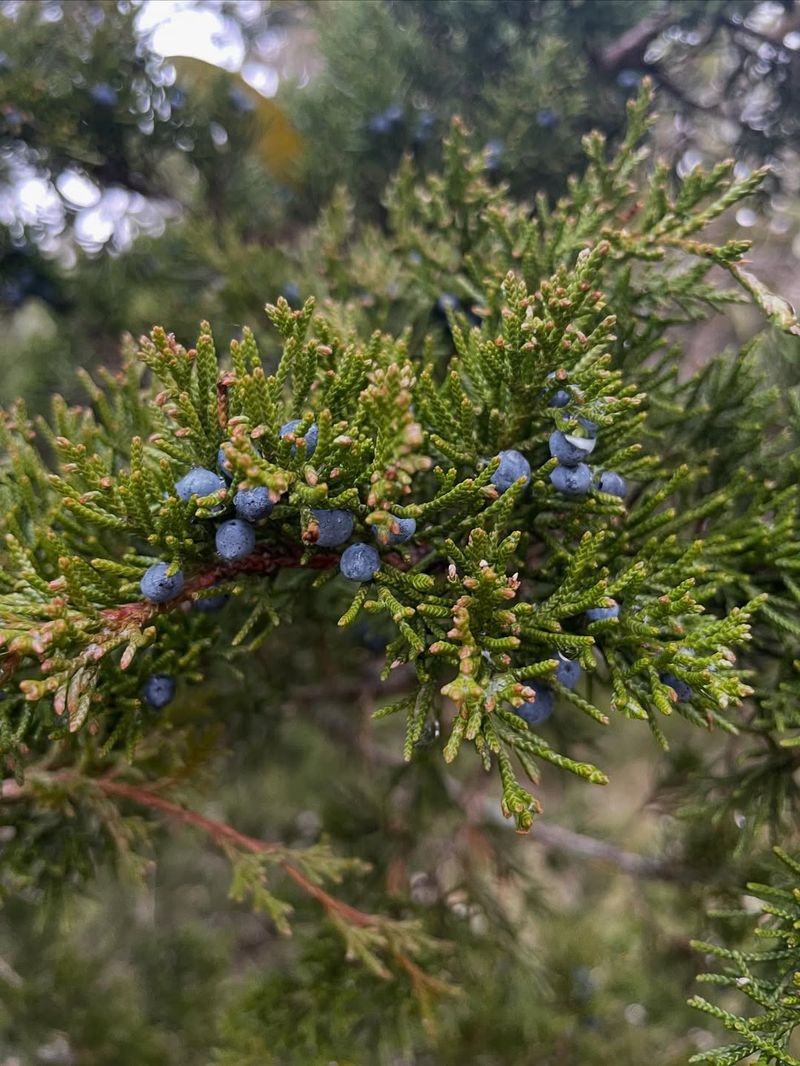
Beyond tick control and good looks, the Eastern Red Cedar brings a surprising number of additional benefits that make it even more worthwhile. Wildlife absolutely love this tree.
The small, waxy blue berries it produces in fall and winter are a favorite food source for cedar waxwings, bluebirds, robins, and dozens of other bird species.
If you enjoy watching birds in your yard, planting one or two of these trees is one of the fastest ways to attract more feathered visitors.
Small mammals and insects also find shelter in the dense branching. The thick foliage provides protected nesting spots and cover from predators, making the tree a genuine habitat anchor in any yard.
This kind of ecological contribution is something few ornamental plants can match. Year-round structure is another understated benefit. Many gardens look bare and flat in winter once deciduous plants drop their leaves.
Eastern Red Cedar stays full and green through every cold month, giving the landscape a sense of depth and life even in January and February. From a long-term investment standpoint, few plants offer better returns.
Once established, the tree requires almost no input while continuously providing privacy, wind protection, wildlife habitat, and tick deterrence season after season. It adds real value to a property both visually and functionally.
For Pennsylvania homeowners thinking about sustainable, native landscaping that works with the local environment instead of against it, Eastern Red Cedar represents exactly the kind of smart, forward-thinking planting choice that pays off for decades without demanding much in return.