8 Garden Plants That Naturally Repel Virginia’s Most Common Critters
The harvest was perfect one morning. By the next, something had stripped it bare, leaving only stems and hoof prints pressed into the mulch.
Virginia gardens are practically a wildlife magnet, and the local critters know it. What if the most effective barrier you could build was actually a flower?
Along my back border, a dense planting of two unassuming perennials had held the rabbits at bay for multiple seasons running. Nothing sprayed.
Nothing staked. The plants themselves were simply doing the work, pushing back with scent, texture, and chemistry that hungry critters find genuinely uninviting.
Nature tucked the repellent right into the roots and oils of some of the most beautiful blooms you can grow.
Virginia already grows some of the most stunning natural deterrents on earth. You just need to know which ones to plant.
1. Russian Sage
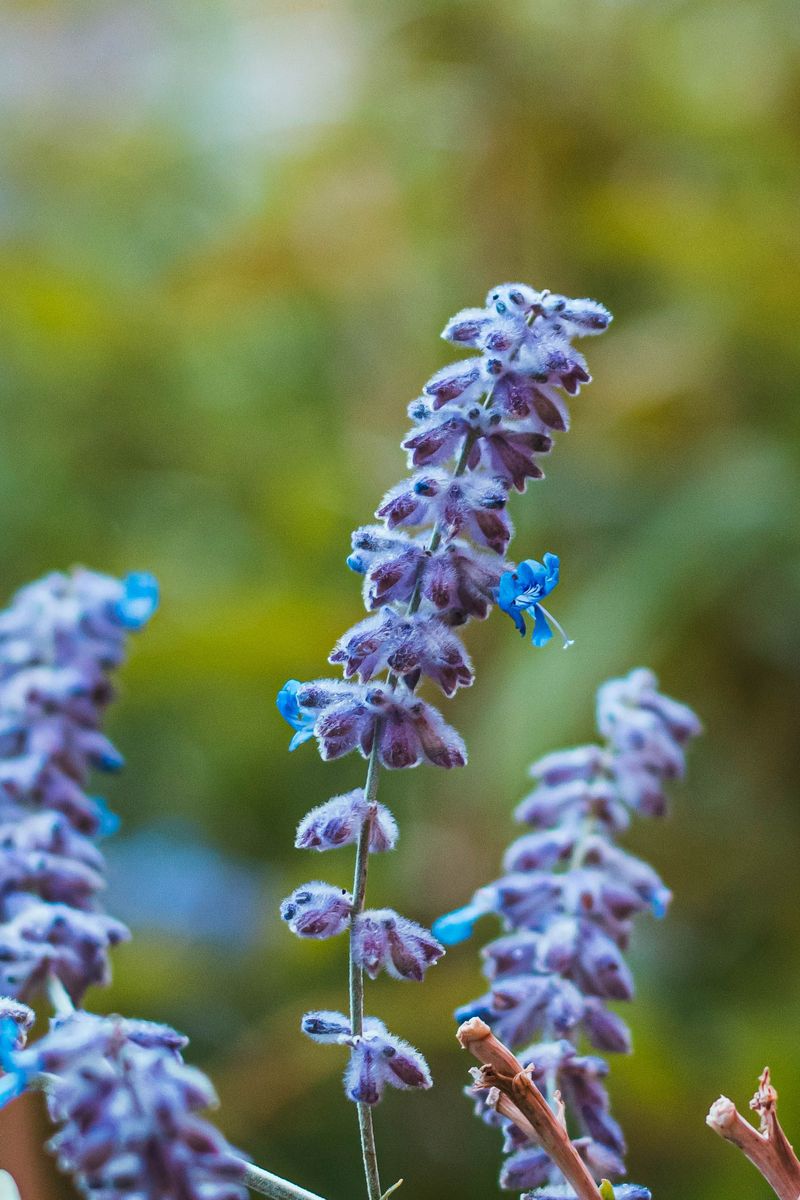
Few plants stop a deer in its tracks quite like Russian Sage. That silvery-blue cloud of blooms swaying in the summer breeze is not just beautiful.
It is practically a no-trespassing sign for hungry wildlife. The secret lies in the strong, camphor-like fragrance that rolls off every stem and leaf.
Deer have sensitive noses, and Russian Sage smells nothing like the tender shoots they crave. Rabbits feel the same way, steering clear of anything that reeks of aromatic oils.
Even Japanese beetles, which can shred a rose bush overnight, tend to pass right over it. Plant Russian Sage along the borders of your beds where critters typically enter, and you create a fragrant fence they rarely cross.
It thrives in full sun and well-drained soil, making it a natural fit for Virginia’s hot, dry summer spells. Once established, it handles drought with ease and comes back stronger each spring.
The silvery stems add winter interest long after the purple blooms fade, so the garden never looks bare.
Pair it with ornamental grasses or black-eyed Susans for a planting combination that is both wildlife-resistant and visually stunning.
Removing spent blooms encourages a second flush of color in late summer, extending both its beauty and its pest-deterring power.
Gardeners who struggle with deer pressure along woodland edges often call Russian Sage their most reliable ally. Once you plant it, you may wonder how your garden ever managed without it.
2. Catmint
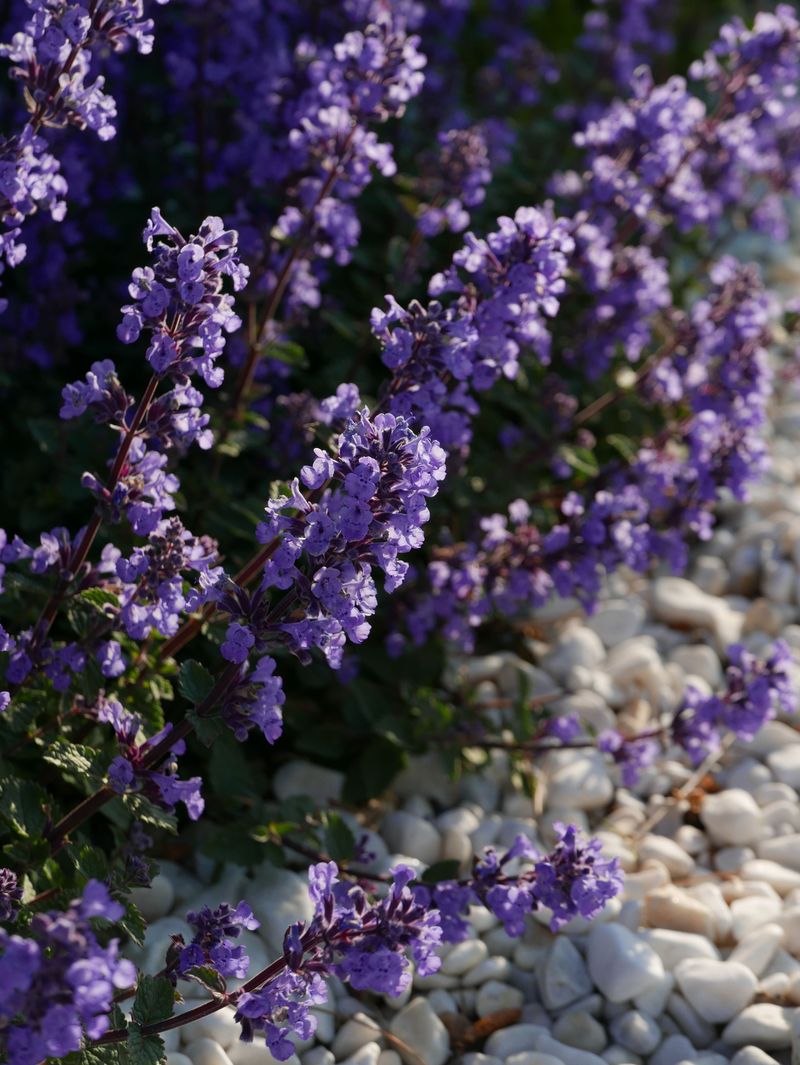
Cats go wild for it, but deer want absolutely nothing to do with it. Catmint is one of those rare garden plants that pulls double duty with serious style.
It forms soft mounds of gray-green foliage topped with waves of lavender-blue flowers from late spring well into fall.
Cats adore the minty, herbal scent. Deer and rabbits want nothing to do with it. The blooms bring in predatory insects that keep aphid populations under control naturally.
For best results, choose ornamental varieties such as Nepeta x faassenii rather than common catnip, which can self-seed more aggressively.
Planting catmint along the front edge of a border creates a low, fragrant barrier that critters find deeply unappealing.
Your Virginia Garden Changes Every Week. Your Plan Should Too.
Gardening in Virginia changes quickly throughout the season. Every Friday you’ll receive a simple weekly plan showing exactly what to plant, prune, fertilize, harvest, and protect so you never miss the right timing.
It is incredibly tough once rooted in, tolerating heat, humidity, and the dry spells that turn lesser plants into crispy disappointments.
Virginia summers can be brutal, and catmint just shrugs them off. Shear it back by half after the first big bloom flush, and it will reward you with a fresh round of flowers by late summer.
That second act keeps the repelling power going strong right through the season when hungry critters are most active.
Pollinators absolutely adore the blooms, so while pests are being turned away, bees and butterflies are showing up in droves.
Pair catmint with roses for a classic cottage-garden look that also helps protect the roses from aphid damage.
It spreads gently over time, filling gaps without becoming aggressive or weedy. Few plants offer this much beauty, resilience, and pest-deterring punch in a single, easy-to-grow package.
3. Lamb’s Ear
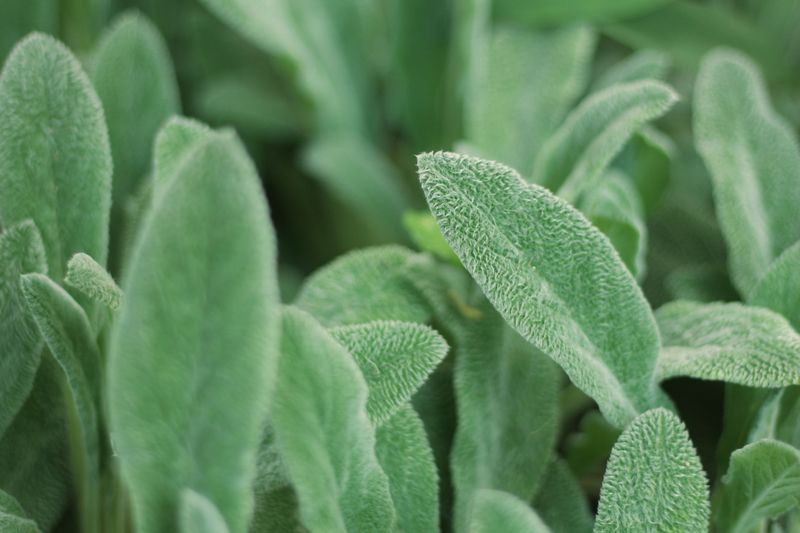
Lamb’s Ear makes its case the moment you touch it. That thick, woolly texture is nothing like the tender, smooth leaves deer and rabbits actually want to eat.
Wildlife rely heavily on texture when deciding what to eat, and Lamb’s Ear sends a clear message: this is not on the menu.
Beyond the feel, the leaves carry a mild but distinct herbal scent that most garden pests find off-putting.
Slugs, which can devastate hostas and other soft-leaved plants, also avoid the fuzzy surface because it is difficult and uncomfortable for them to move across.
Plant Lamb’s Ear as a ground cover beneath taller perennials and you create a textured carpet that acts as a natural deterrent at soil level.
It spreads at a steady, manageable pace, filling in bare spots without taking over the entire bed. The silvery foliage catches morning light beautifully, even before a single flower opens.
Tall spikes of small purple blooms appear in early summer, adding vertical interest and attracting bumblebees.
Virginia’s humid summers can cause the centers to rot if air circulation is poor, so divide clumps every few years to keep them healthy and vigorous.
Pair it with dark-leaved plants like heuchera for a contrast that stops visitors in their tracks. Beauty and function are a rare combination, and Lamb’s Ear delivers both.
4. Garden Sage
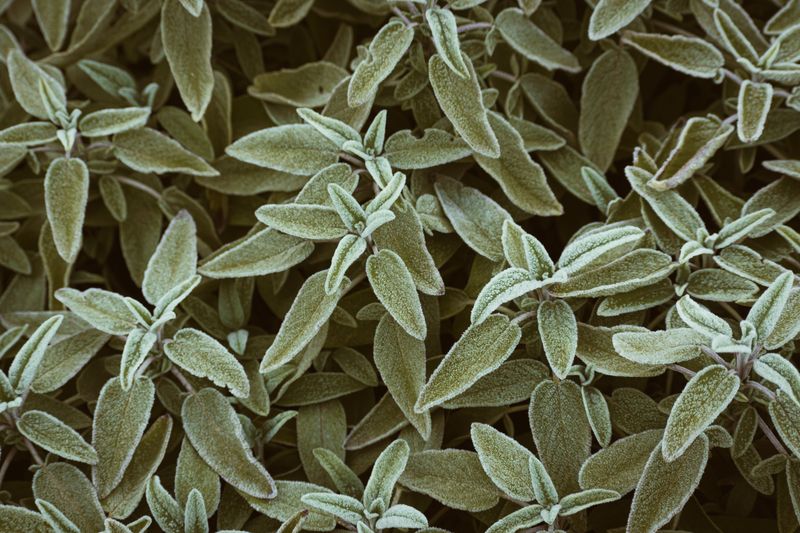
Garden Sage has a reputation in the kitchen, but its real talent lies in the garden. This tough, aromatic herb has been confusing and repelling pests for centuries.
The strong, earthy scent that makes sage so appealing in the kitchen is precisely what deer, rabbits, and cabbage moths find so unbearable in the garden.
Planting sage near vegetables like cabbage, broccoli, and kale can dramatically reduce caterpillar damage by masking the scent of those susceptible crops.
Cabbage loopers and imported cabbageworms rely on scent to find their host plants, and a nearby sage plant throws their navigation completely off course.
Garden Sage also deters carrot flies when planted near root vegetables, making it a clever companion throughout the entire edible garden.
It grows best in full sun with excellent drainage, conditions that are easy to achieve in most Virginia raised beds and traditional garden plots.
The silvery-green leaves stay attractive even when the plant is not blooming, providing year-round texture and color in the border.
Purple flower spikes appear in late spring and draw in beneficial insects that prey on common garden pests, creating a natural balance in the yard.
Harvest leaves regularly to keep the plant compact and encourage fresh, potent growth that maximizes pest-repelling power.
A few well-placed sage plants can quietly protect an entire vegetable bed, working around the clock without a single spray bottle in sight. That is a lot of value packed into one humble, fragrant herb.
5. Barrenwort
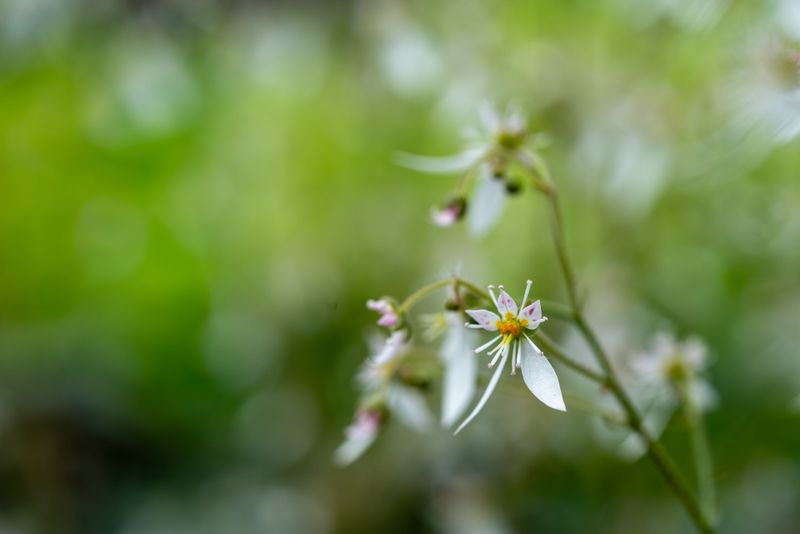
Shade gardens have a critter problem that sunny borders do not. Shaded beds are usually easy targets for browsing wildlife. Barrenwort changes that equation entirely.
Also known as Epimedium, this tough ground cover produces leathery, heart-shaped leaves that neither deer nor rabbits find remotely appetizing.
The foliage has a slightly waxy, tough quality that simply does not register as food to most browsing animals.
Delicate flowers in shades of yellow, pink, purple, or white appear in early spring, dancing above the foliage like tiny butterflies before most other plants even wake up.
When selecting Epimedium, choose confirmed hybrid cultivars rather than straight species to avoid the handful of subspecies flagged by mid-Atlantic native plant organizations.
Once established, Barrenwort spreads into a dense, weed-suppressing mat that leaves almost no room for unwanted plants or critters to get comfortable.
It handles dry shade beautifully, a combination that defeats most ground covers but barely slows Barrenwort down.
Under large trees where roots compete fiercely for moisture, this plant manages to thrive where others simply give up.
Virginia’s woodland garden settings are exactly where Barrenwort earns its reputation as a hardworking, low-fuss hero.
It requires almost no maintenance once established, aside from cutting back old foliage in late winter to show off the new spring blooms.
Pair it with ferns and hellebores and you get a polished shade garden that deters deer without breaking a sweat. The best defenses rarely announce themselves.
6. Lavender
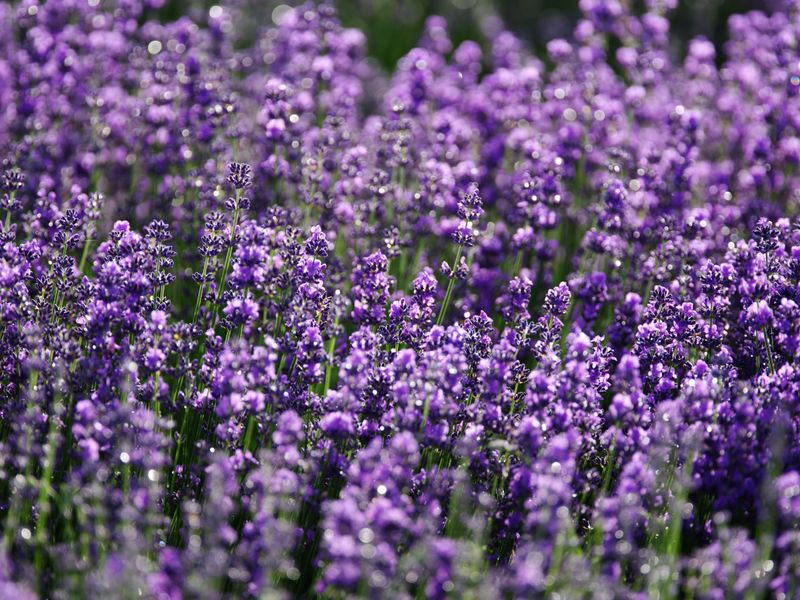
Almost everyone loves the smell of lavender. Wildlife, however, find it deeply uninviting. That divide is precisely what earns lavender its reputation as one of the most effective natural pest deterrents you can plant.
The essential oils packed into every leaf and flower are overwhelming to animals with highly sensitive olfactory systems, creating an invisible wall they prefer not to cross.
Mosquitoes steer clear of lavender, which makes it a natural choice near any outdoor seating area.
Full sun and well-drained soil unlock its best blooms, running from early summer through midsummer with some varieties reblooming late in the season.
The key to success in Virginia is choosing varieties suited to the region’s humidity. Phenomenal and Hidcote are top performers in mid-Atlantic conditions.
Poor drainage is the one thing that can bring lavender down, so raised beds or slopes work especially well in areas with heavy clay soil.
Beyond pest control, dried lavender bundles tucked into closets and drawers repel moths from fabric, extending the plant’s usefulness well beyond the garden fence.
Pollinators swarm the blooms from morning to evening, turning any lavender planting into a buzzing, productive ecosystem.
Few plants deliver this much sensory pleasure alongside this much practical garden protection. Plant it once, and you will find reasons to add more every single season.
7. Anise Hyssop
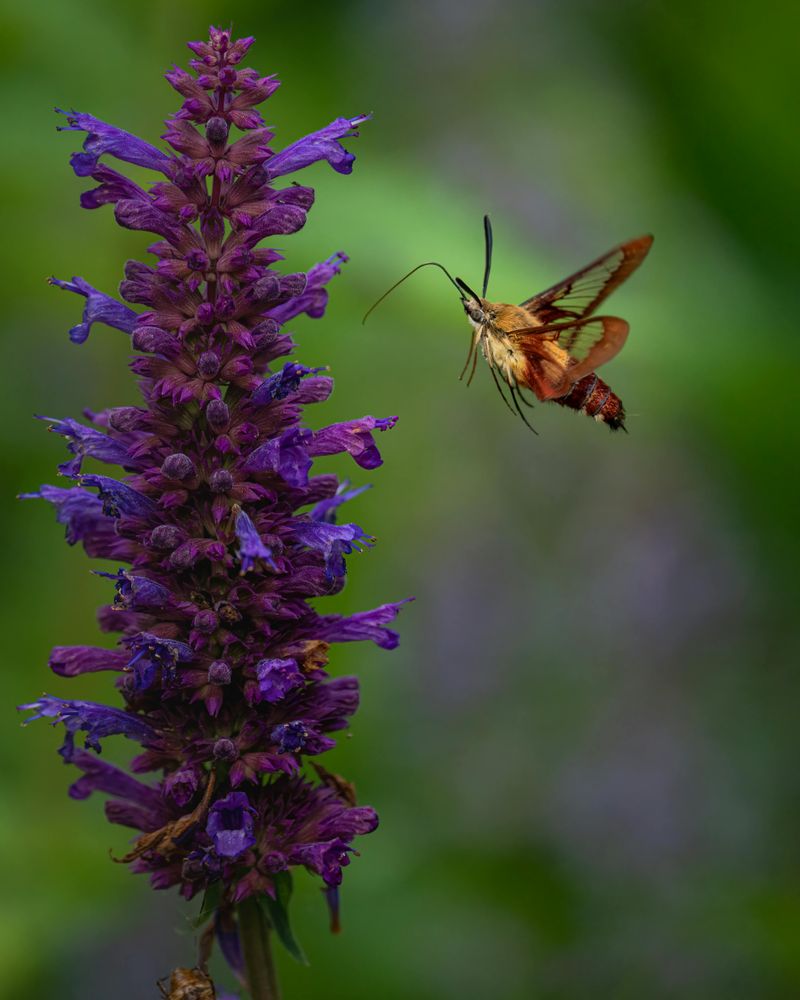
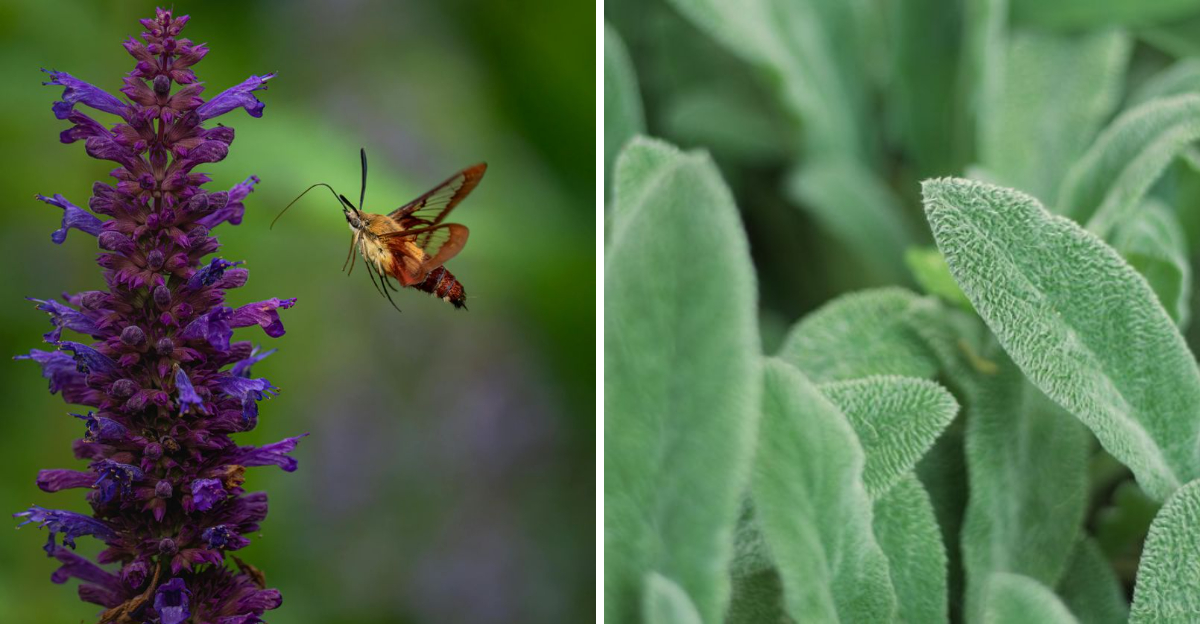
Anise Hyssop announces itself the moment you touch it. One crushed leaf releases a sweet, licorice-like scent that stops critters cold.
For deer, rabbits, and many common insect pests, it is a signal to move along and find something less overwhelming to nibble on.
Anise Hyssop belongs to the mint family, and like its relatives, it carries aromatic compounds that confuse and repel a wide range of critters that would otherwise treat your garden like a buffet.
Tall spikes of purple flowers rise above the fragrant foliage from midsummer through early fall, creating a vertical accent that is hard to ignore in any planting design.
The blooms are irresistible to bees, butterflies, and hummingbirds, making Anise Hyssop one of the best pollinator magnets available to Virginia gardeners.
Attracting beneficial insects in large numbers also helps control pest populations naturally, since many predatory insects follow the pollinators into the garden.
It self-seeds lightly, so charming little seedlings may pop up nearby each spring, ready to fill gaps without any effort on your part.
Full sun and average soil are all it needs to flourish through the heat and humidity of a mid-Atlantic summer.
The leaves can be steeped into a pleasant herbal tea or used as a garnish, giving this plant a culinary bonus on top of everything else it offers. A garden that works this hard while looking this good is a garden worth protecting.
8. Astilbe
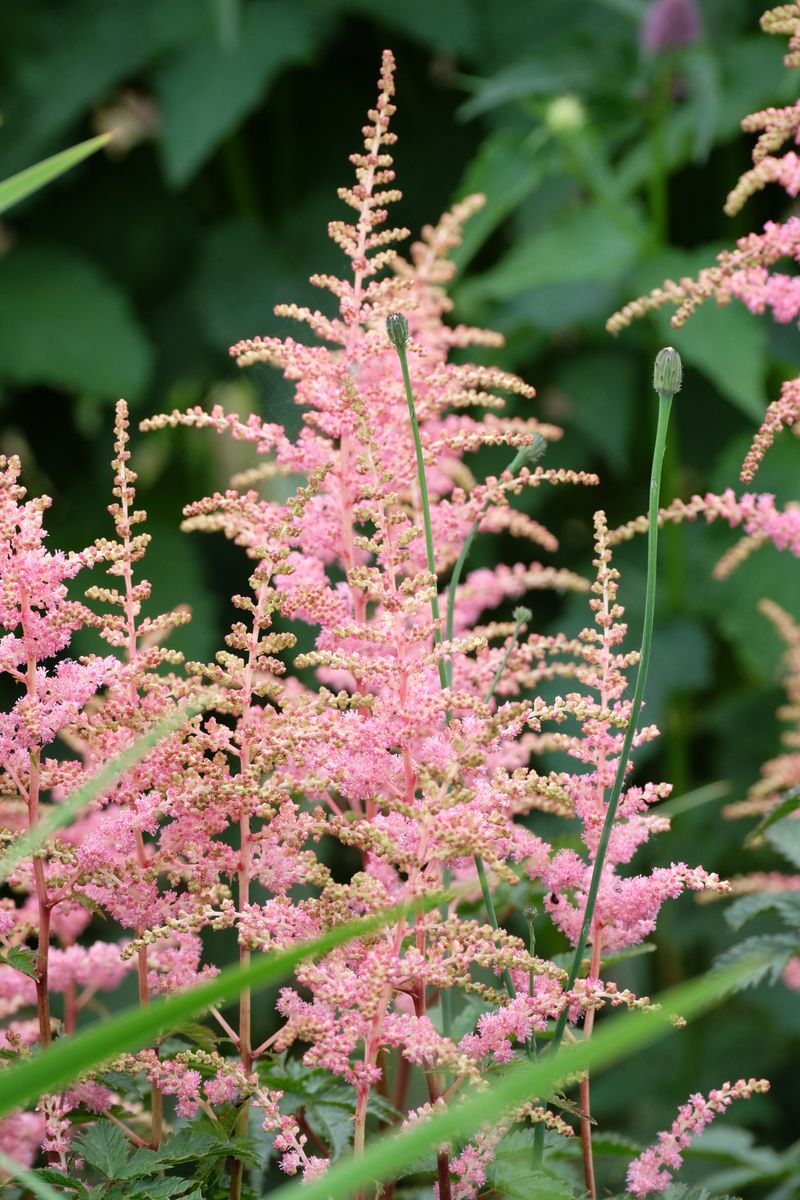
Shady, moist corners of the yard are where critters feel safest, and Astilbe turns those spots into a surprisingly effective no-browsing zone.
Deer tend to avoid Astilbe because the foliage carries a slightly bitter, astringent quality that does not match the tender, sweet greens they seek out.
The feathery plumes of flowers in pink, red, white, and lavender rise dramatically above the fern-like leaves, making Astilbe one of the most visually striking shade perennials available to home gardeners.
Few plants can match that combination of pest resistance and pure, head-turning beauty in a low-light setting.
Astilbe thrives in consistently moist soil, making it a natural fit for low spots, rain gardens, and shaded beds near downspouts where other plants struggle to survive.
Virginia’s woodland edges and shaded backyards provide exactly the conditions this plant was built for, and it responds with reliable, lush growth season after season.
Slugs, which can be a real menace in damp, shaded areas, also tend to pass over Astilbe in favor of more palatable neighbors.
Pair it with hostas and ferns for a layered, textured shade garden that looks professionally designed and naturally keeps browsers at bay.
The dried seed heads persist into winter, adding subtle texture to the garden when everything else has gone quiet.
For gardeners battling both critters and challenging shade, Astilbe quietly solves two problems at once.