9 Native Virginia Trees That Shade Your Yard And Spare Your Sidewalk
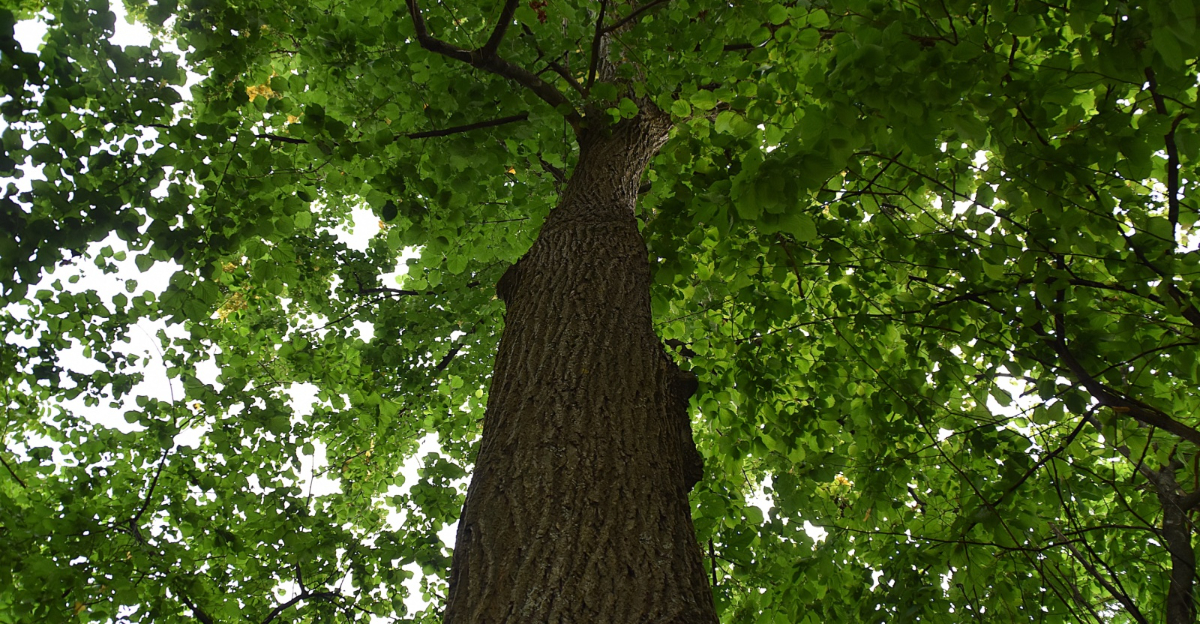
Planting the wrong tree nearly cost me a full sidewalk replacement. The roots crept under the concrete slowly, then all at once, and suddenly I had a $4,000 problem wearing leaves.
Virginia homeowners know this pain well. One bad tree choice and you are fighting cracked driveways, power line drama, and a canopy blocking every drop of sunlight your garden needs.
The good news? Virginia is loaded with stunning native shade trees that actually play nice with your yard.
These trees grow up knowing the local soil, the humid summers, and the dry spells. That means less watering, fewer pest headaches, and way less cursing at your garden hose.
Native trees also bring the wildlife. Birds, butterflies, and pollinators show up like they got a personal invitation.
These are the best native shade trees for Virginia yards are broken down here, covering size, shape, and why your sidewalk stays intact. Pick the right one and you will wonder why you waited so long to plant it.
1. Bur Oak
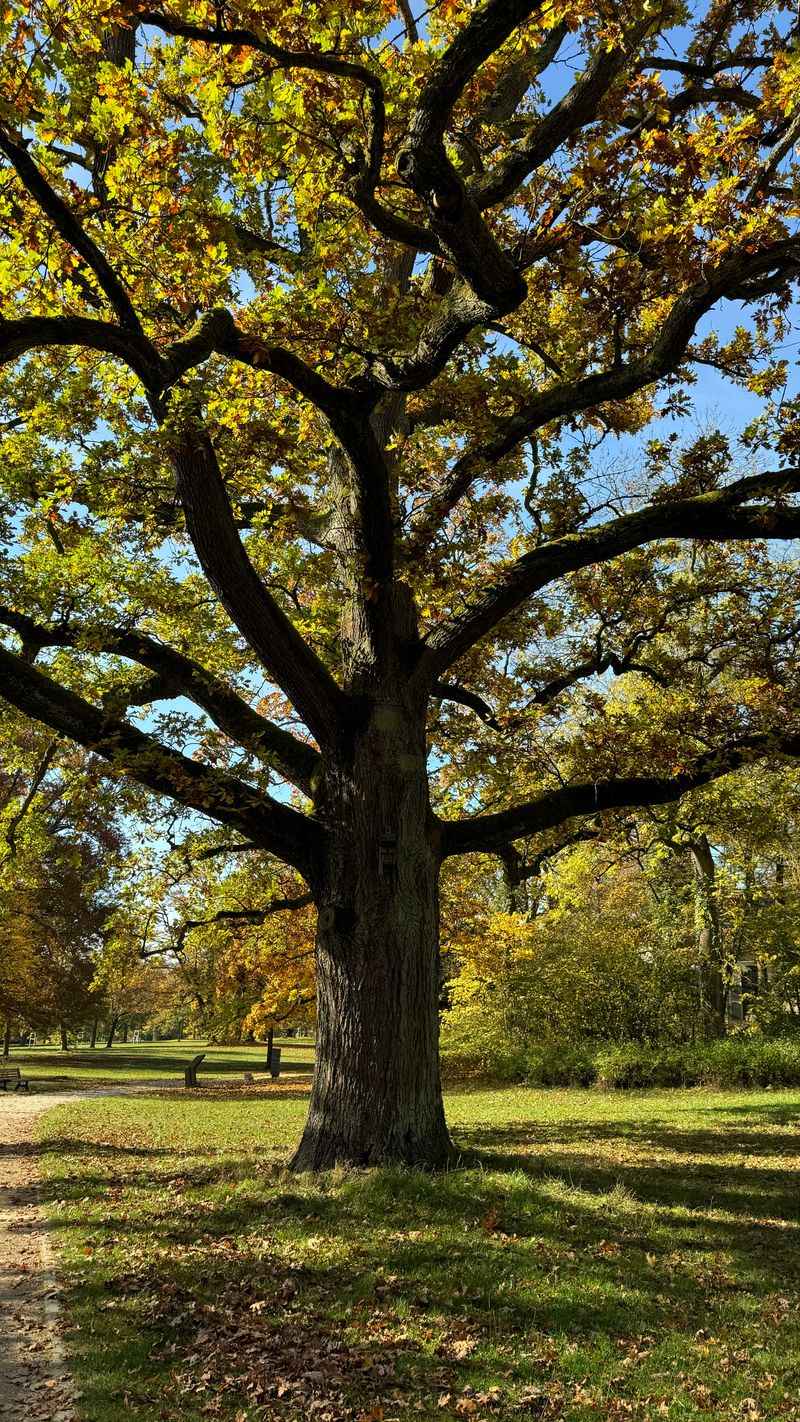
Some trees look like they belong on a movie set, and Bur Oak is absolutely one of them. With its deeply furrowed bark and wide-spreading crown, this tree commands attention the moment it matures.
Native Virginia trees do not get much more dramatic than this one, and yet it earns its keep without drama in the root department.
Bur Oak grows slowly but surely, eventually reaching 60 to 80 feet tall with a canopy that can spread just as wide. Its root system runs deep rather than shallow, which means it poses far less risk to sidewalks and foundations than shallow-rooted trees.
That alone makes it a standout pick for homeowners who want shade without structural regrets.
The acorns rank among the largest of any native oak. Squirrels, deer, and wild turkeys absolutely love them.
It also handles drought, heat, and even urban pollution with impressive toughness. Plant it where it has room to stretch, give it a decade or two, and this tree will reward you with the kind of shade that turns your backyard into a retreat worth staying in all summer long.
2. White Oak
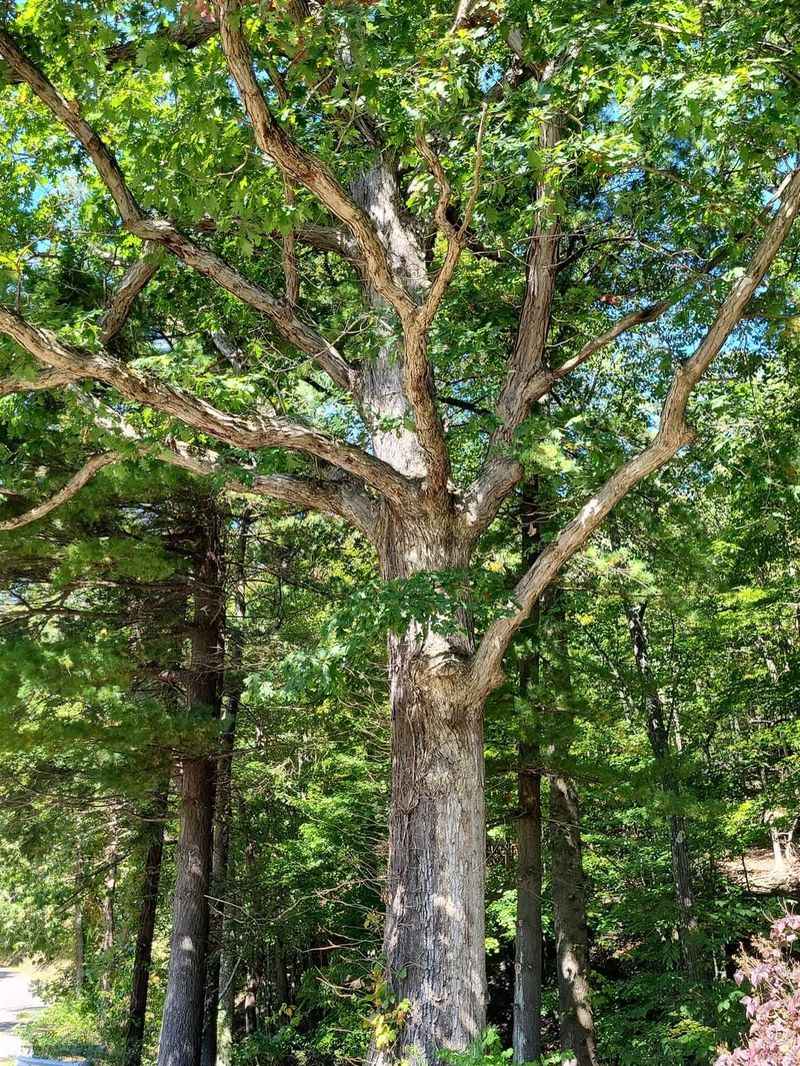
Virginia naturalists almost always agree: White Oak gets planted first. This tree supports more than 500 species of caterpillars alone, making it one of the most ecologically generous trees you can put in your yard.
Birds, insects, and small mammals all depend on it throughout the seasons.
White Oak grows to around 60 to 100 feet tall, with a broad, rounded crown that delivers serious shade. Its roots grow deep and wide but tend to stay below the surface in a way that respects nearby pavement.
That is a rare combination in large shade trees, and it is a big reason landscapers recommend it so often for residential lots.
The foliage turns a rich burgundy-red in autumn, giving you a spectacular seasonal show before the leaves fall. It prefers well-drained soil and full sun, though it tolerates a fair amount of variation once established.
Patience is the price of admission here since White Oak is not a fast grower. But once it settles in, this tree becomes the kind of permanent, living landmark that increases your property value and makes your neighbors genuinely envious.
Your Virginia Garden Changes Every Week. Your Plan Should Too.
Gardening in Virginia changes quickly throughout the season. Every Friday you’ll receive a simple weekly plan showing exactly what to plant, prune, fertilize, harvest, and protect so you never miss the right timing.
3. American Elm
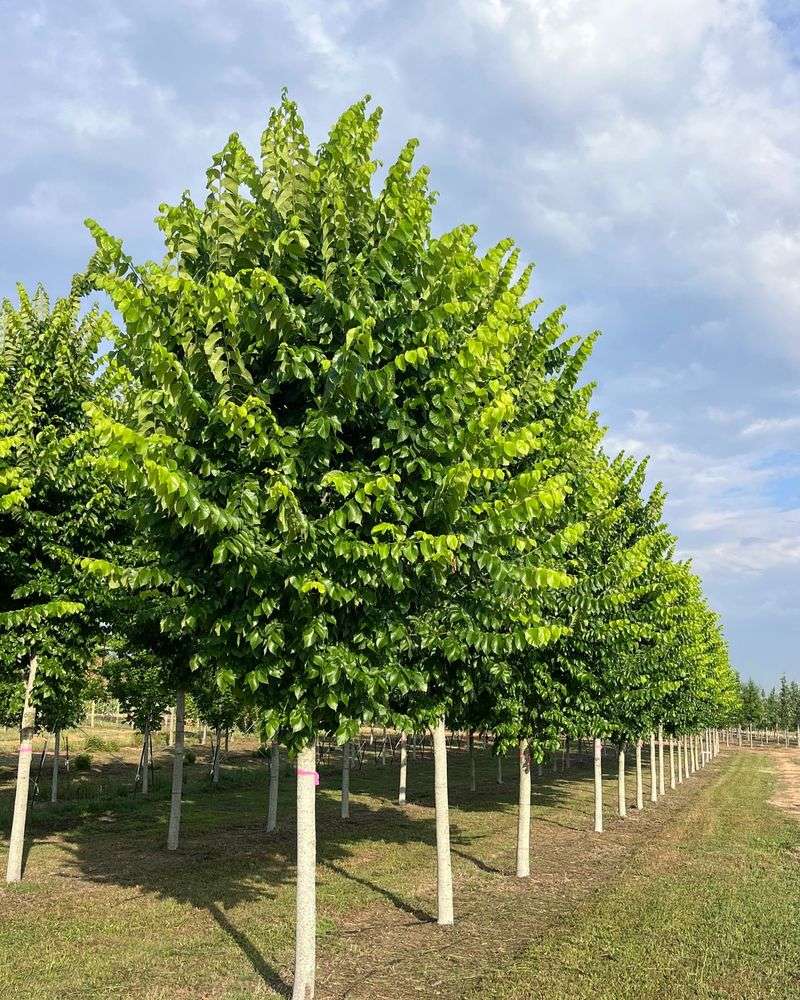
Dutch elm disease stole one of America’s most beloved street trees in the mid-1900s. Disease-resistant cultivars are now widely available, and American Elm is making a comeback in Virginia.
Its signature vase shape is one of the most graceful silhouettes in the tree world. Branches arch upward and then sweep outward like a fountain frozen mid-spray, creating a canopy that shades without crowding.
The roots are vigorous and wide-spreading, so give it plenty of distance from sidewalks, driveways, and foundations.
American Elm grows at a moderate pace, reaching 60 to 80 feet tall with a spread that can hit 40 to 70 feet across. It handles wet soils better than most large trees, making it a solid choice for low-lying spots in your yard that stay soggy after rain.
The leaves turn a soft yellow in fall before dropping cleanly. Those old photographs of tree-canopied streets hit differently when you realize what was lost.
A disease-resistant American Elm is the closest you can get to bringing that era back.
4. American Linden
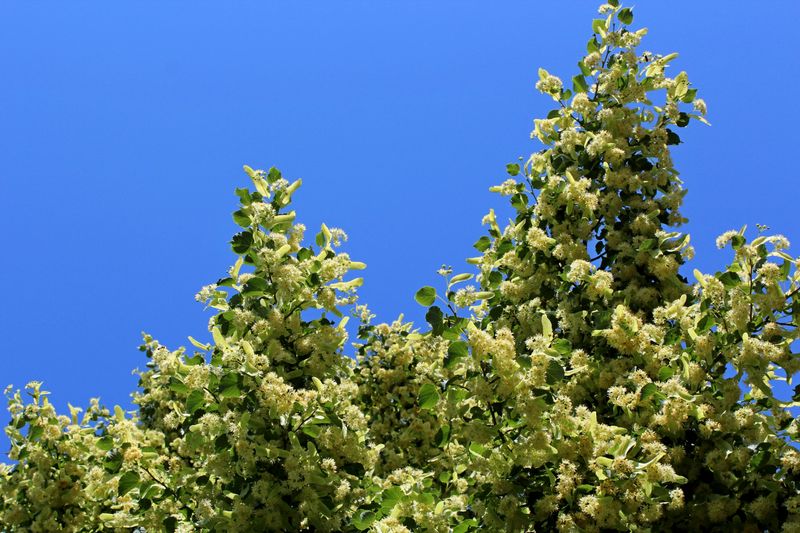
Few trees announce themselves with as much sweetness as American Linden in bloom. In early summer, this tree releases a honey-like fragrance so strong that you can smell it from halfway down the block.
Bees go absolutely wild for it, and backyard beekeepers consider it one of the most valuable trees they can grow.
Also called Basswood in many parts of the country, American Linden reaches 60 to 80 feet tall and develops a dense, rounded crown that blocks sun with impressive efficiency.
The heart-shaped leaves are large and lush, and they create a thick canopy that keeps the ground below noticeably cooler on hot July afternoons.
Root behavior is generally well-mannered, especially compared to silver maples or willows.
This tree thrives in moist, fertile soil and prefers spots with decent drainage and full to partial sun. It grows at a medium pace and does not require a lot of fussing once established.
The soft wood has historically been used for carving and musical instruments, which adds a quirky layer of history to your backyard.
Plant it where you want a fragrant, wildlife-friendly focal point, and it will deliver shade, scent, and a steady hum of pollinators every single June.
5. Blackgum
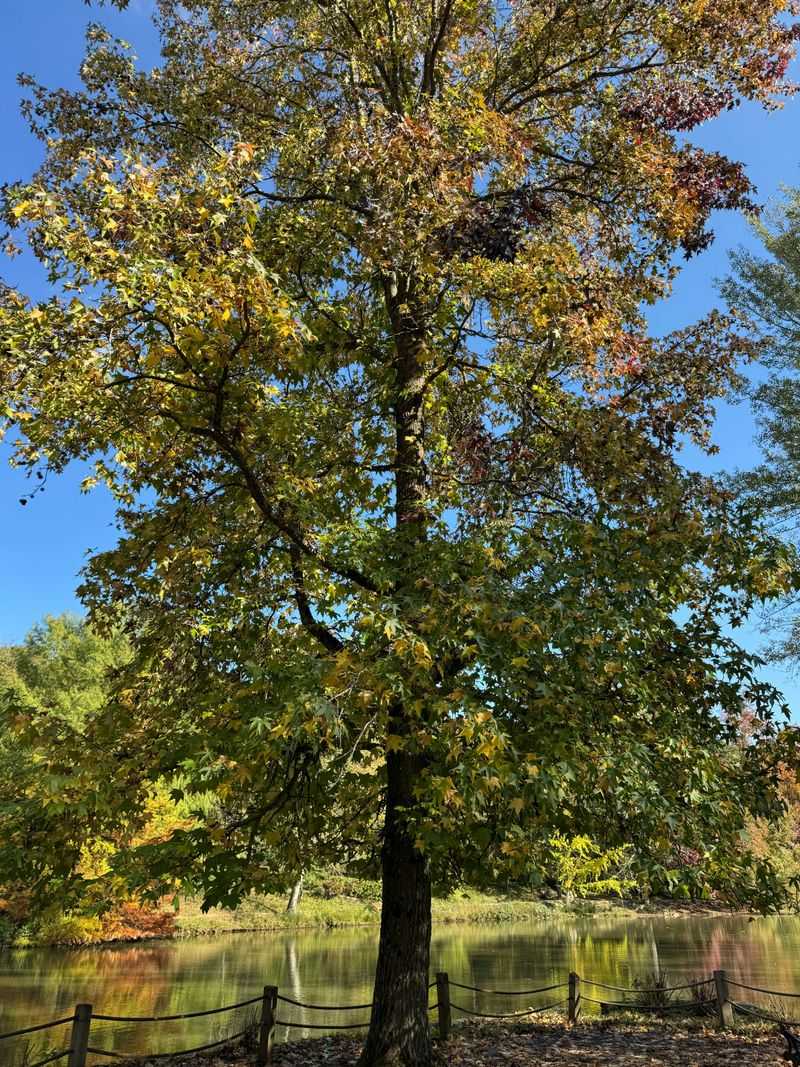
Blackgum is Virginia’s most underrated native tree, especially come fall. It turns a blazing mix of scarlet, orange, and purple in September.
Often days ahead of everything else in the yard. Neighborhood walks in October get a lot more interesting when there is a Blackgum in the mix.
Blackgum, also known as Black Tupelo, grows to about 30 to 50 feet tall with a pyramidal shape that matures into a more irregular, layered crown. Its roots are deep and do not spread aggressively near the surface, making it a genuinely sidewalk-friendly option.
It also handles both wet and moderately dry soils, which gives it unusual flexibility for different yard conditions across Virginia.
The small blue-black fruits that appear in late summer are a magnet for songbirds, including thrushes, woodpeckers, and warblers stocking up before migration. Transplanting can be tricky since it prefers to be planted young and left alone to establish.
Once it settles in, though, Blackgum is remarkably low-maintenance and long-lived. For anyone who wants a tree that earns its spot through four seasons of genuine interest, this one delivers color, wildlife value, and structural grace all at once.
6. Shumard Oak
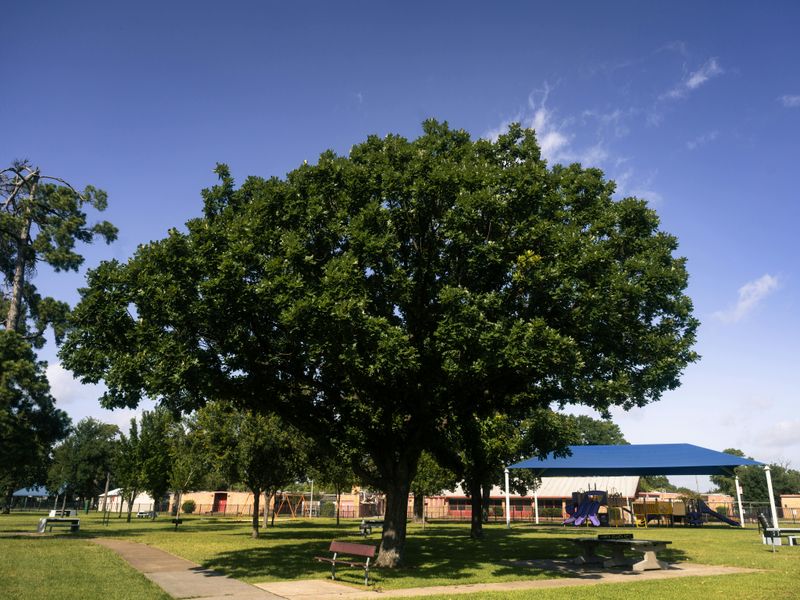
Shumard Oak is the shade tree that urban planners wish more homeowners knew about. It grows faster than most oaks, handles compacted and clay-heavy soils like a champion, and still manages to put on a spectacular crimson show every fall.
For Virginia yards that need serious shade in a reasonable amount of time, this tree is a genuine overachiever.
It reaches 40 to 60 feet tall with a broad, open crown that spreads wide enough to cover a significant portion of a backyard. The deeply cut, pointed lobes of its leaves give it an elegant, almost architectural look throughout the growing season.
Unlike some fast-growing trees that sacrifice root manners for speed, Shumard Oak maintains a relatively non-invasive root system that plays nicely with nearby pavement.
This species is also notably heat and drought tolerant once established, which is increasingly important as Virginia summers grow longer and hotter.
It produces medium-sized acorns that attract deer, squirrels, and a variety of native birds.
Shumard Oak is also more tolerant of wet feet than most oaks, meaning low spots in the yard that other trees would struggle in are fair game.
If you want fast shade with long-term structural integrity and wildlife appeal, Shumard Oak deserves a serious look.
7. Chinkapin Oak
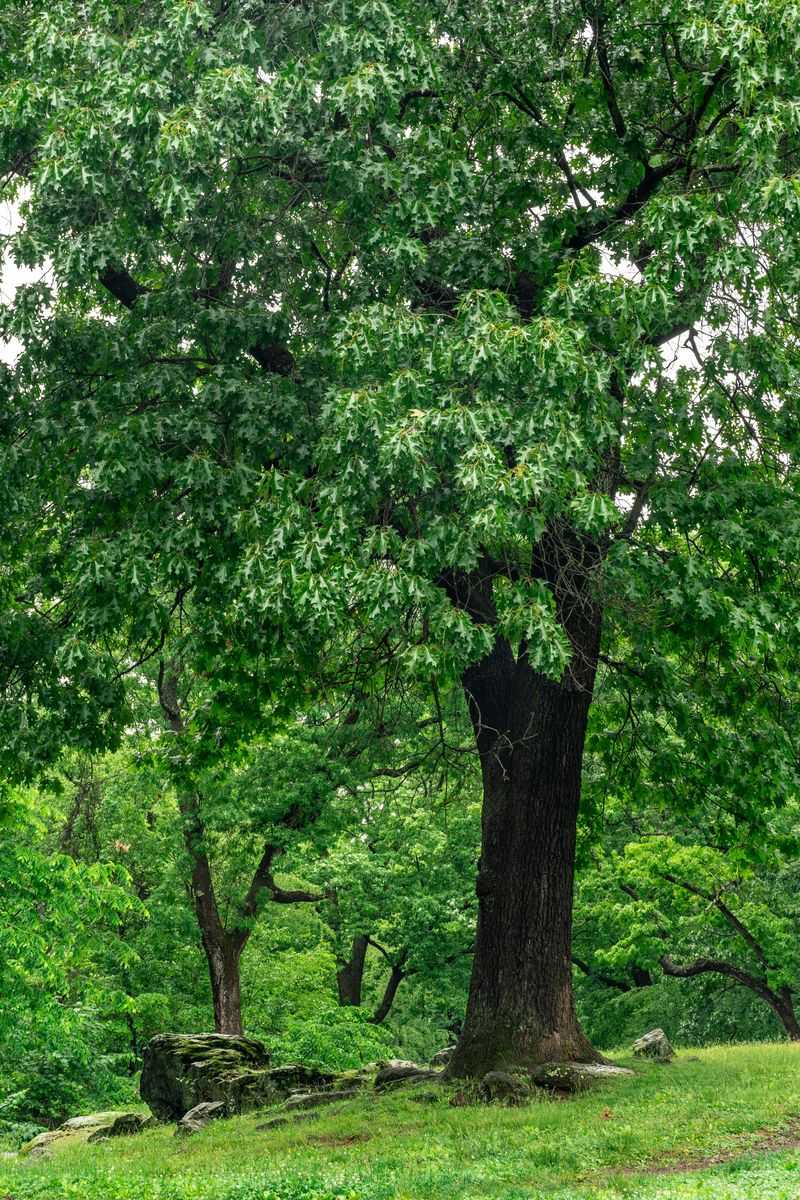
Chinkapin Oak quietly outshines its more famous oak relatives. Most people expect the classic deeply lobed oak leaf.
Chinkapin Oak surprises them with long, toothed leaves that look closer to chestnut foliage, adding unexpected texture to any yard. That visual twist makes it a conversation starter every time someone walks through your yard.
Chinkapin Oak grows to 40 to 70 feet tall with a broad, rounded canopy that provides generous shade.
It has a strong affinity for rocky, alkaline soils and limestone outcroppings, which makes it particularly well-suited to parts of Virginia where other trees struggle.
Its roots tend to run deep, keeping surface disruption to a minimum near walkways and patios.
The acorns are sweet enough that wildlife, and reportedly even humans historically, have eaten them. Deer, turkeys, and squirrels all compete for the annual crop, making your yard a reliable wildlife hub in autumn.
Chinkapin Oak is also resistant to many of the pests and diseases that trouble other oak species, which translates to lower maintenance over its long lifespan.
Plant it in a sunny spot with decent drainage, and this distinctive tree will reward you with decades of shade and seasonal wildlife entertainment.
8. Willow Oak
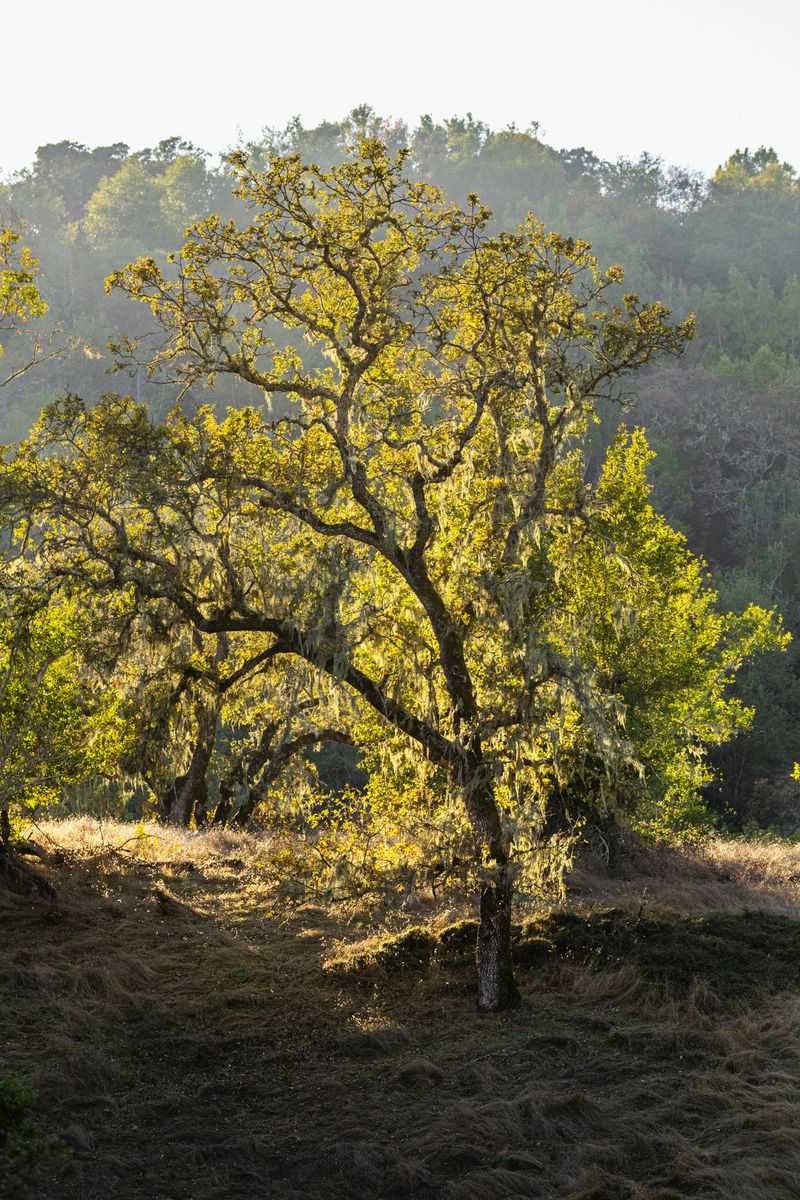
Ready to meet one of Virginia’s most reliable shade tree?
Willow Oak has earned its place along streets, sidewalks, and front yards across the state. It brings together beauty, durability, and good manners in a way that few large trees can match.
The foliage is distinctive and lovely. Long, narrow leaves more closely resemble a willow than a typical oak.
They give the tree a fine, airy texture that filters light beautifully rather than blocking it entirely. In autumn those leaves turn a soft golden yellow before dropping cleanly.
Fall cleanup stays relatively manageable.
Willow Oak tends to develop a deeper root system than many other large shade trees. That makes it a friendlier neighbor to sidewalks, driveways, and foundations.
It is not a guarantee, but it is a meaningful advantage over shallower-rooted alternatives.
It grows at a moderate pace, reaching 40 to 60 feet tall with a rounded, graceful canopy. Virginia’s heat, humidity, and variable soils suit it well.
It handles urban conditions with quiet resilience.
Plant it with room to grow. Water it through the first couple of seasons.
Willow Oak will likely outlast the garden around it by generations.
9. Swamp White Oak
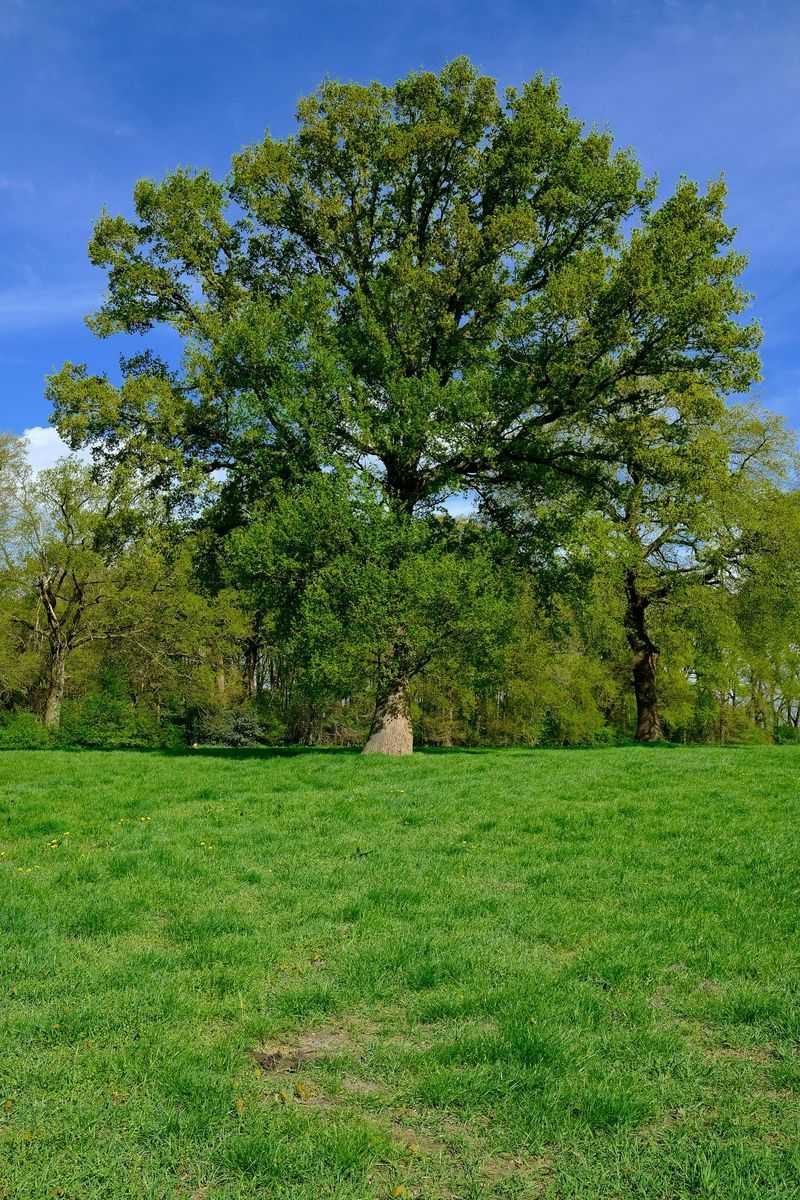
Wet spots in your yard do not have to be a problem when Swamp White Oak is in the picture. This native Virginia tree thrives in low-lying, poorly drained areas where most other shade trees would struggle or simply refuse to grow.
Turning a soggy corner of your property into a shaded retreat is exactly the kind of win this species was made for.
Swamp White Oak reaches 50 to 60 feet tall with a broad, irregular crown that spreads generously. One of its most distinctive features is its two-toned bark, with the upper branches showing a peeling, papery texture that contrasts with the deeply furrowed lower trunk.
That visual character makes it interesting year-round, not just when it is leafed out in summer.
Despite its name, this tree adapts well to average yard conditions beyond wet zones, making it more versatile than its label suggests. Its acorns are produced in pairs on long stalks, a detail that bird watchers and curious kids tend to find endlessly fascinating.
Root behavior is generally respectful of nearby surfaces, which is a consistent theme among the best native Virginia trees for residential use.
Give Swamp White Oak the soggy spot nothing else survives and it will thrive where every other tree gave up.
That frustrating wet corner of your yard just became its favorite place to live.