The Trees Michigan Gardeners Are Planting To Help Keep Mosquitoes Away
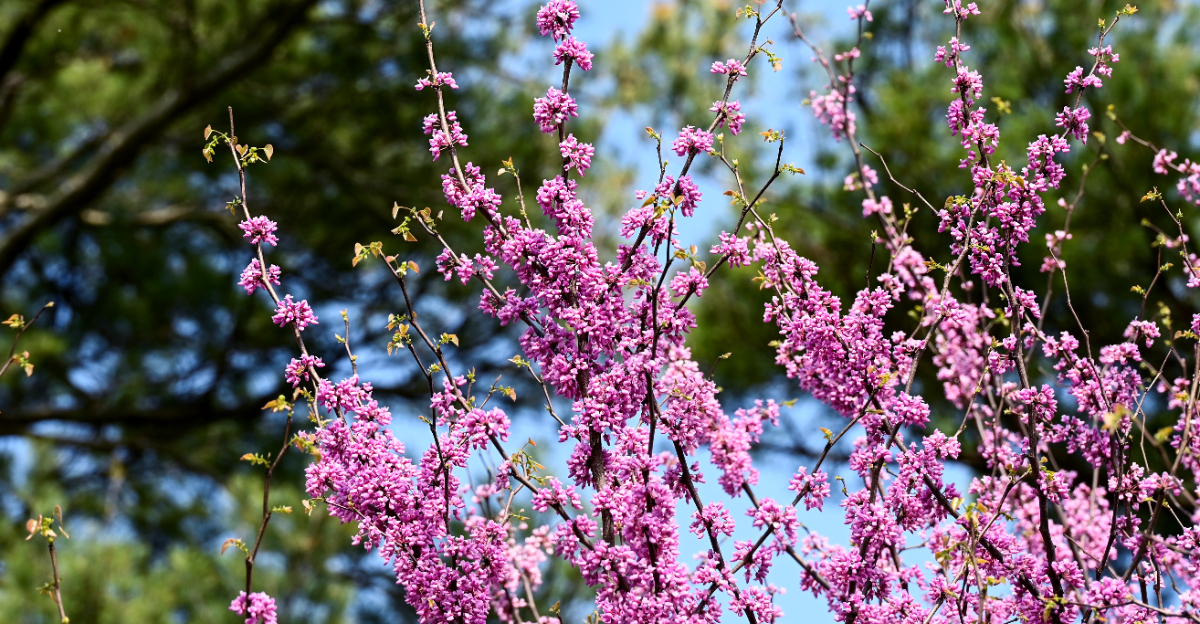
Nobody wants to spend a summer evening swatting mosquitoes away every few minutes just to enjoy their own backyard.
Michigan yards that back up to standing water, low spots, or wooded areas tend to have it especially rough once the humidity and heat settle in for the season.
What a growing number of gardeners across the state have figured out is that certain trees can actually help reduce mosquito pressure without relying on sprays, traps, or citronella candles.
These trees pull double duty by offering shade, visual appeal, and natural properties that mosquitoes genuinely want to avoid.
Planting even one or two of them in the right spots around your yard can make a noticeable difference in outdoor comfort from late spring all the way through early fall.
1. Eastern Red Cedar
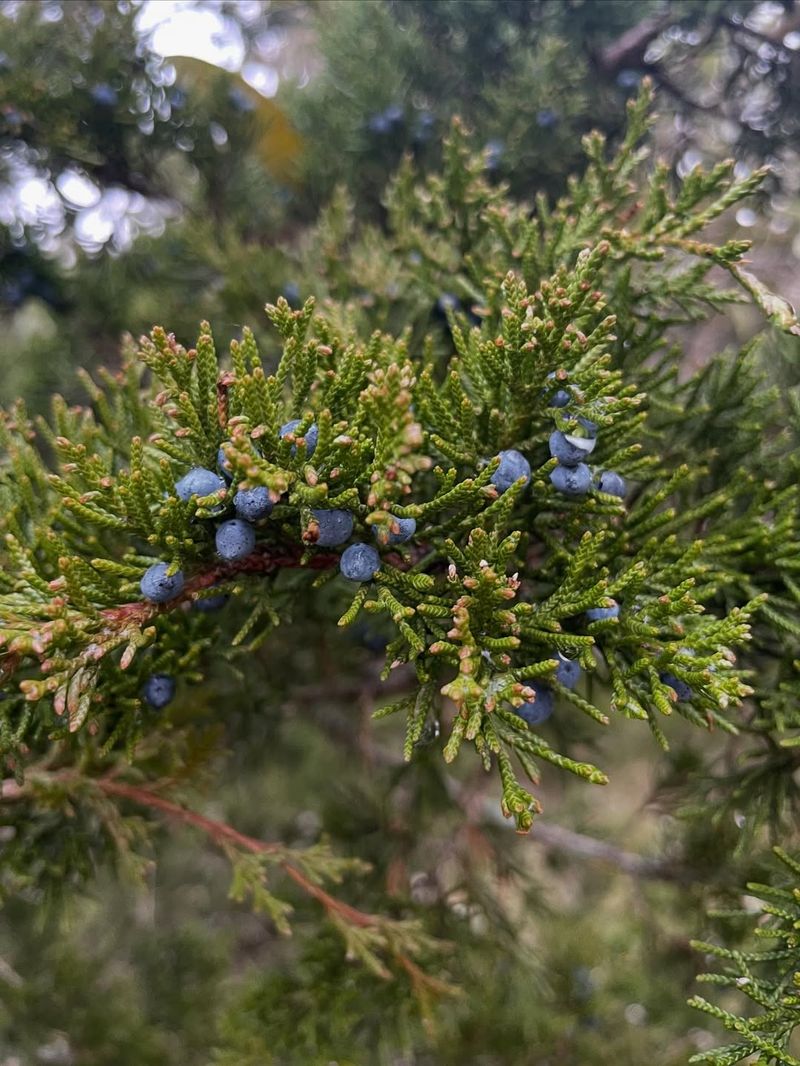
Few native trees pack as much practical value into one package as the Eastern Red Cedar.
Its dense, aromatic foliage releases natural oils that mosquitoes find deeply unappealing, making it a smart addition to any yard where outdoor comfort matters.
Eastern Red Cedar thrives in full sun and handles a wide range of soil conditions, from sandy to clay-heavy ground.
It is incredibly drought-tolerant once established, which makes it low-maintenance and reliable across Michigan growing zones 4 through 6.
Spacing trees about 8 to 15 feet apart allows enough airflow to keep the canopy healthy and maximize that mosquito-deterring fragrance.
Plant it along property lines or near patios to create a living privacy screen that works year-round.
The evergreen structure means you get mosquito deterrence and visual screening even in winter.
Birds absolutely love nesting in its thick branches, and the small blue berries attract cedar waxwings and other wildlife throughout the season.
Pruning is rarely needed, but light shaping in early spring keeps things tidy. Avoid planting near apple trees since Eastern Red Cedar can host cedar-apple rust.
With minimal care and maximum reward, this native evergreen earns its place as one of the most practical landscape trees.
2. Container-Grown Lemon-Scented Tea Tree
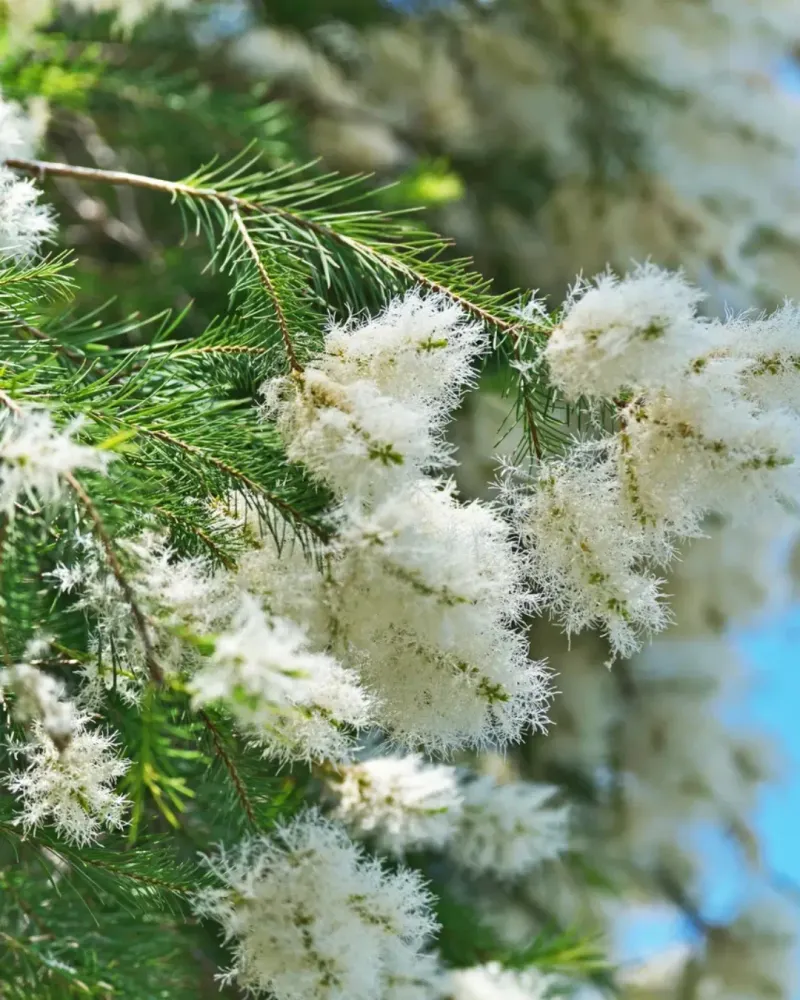
Imagine stepping onto your patio and catching a bright, lemony fragrance drifting through the air while mosquitoes quietly retreat.
That is exactly the experience that container-grown Lemon-Scented Tea Tree brings to Michigan outdoor spaces.
The citrusy aromatic oils this plant produces are genuinely off-putting to mosquitoes, making it a popular patio companion during warm months.
Here is the key thing Michigan gardeners need to know: Melaleuca alternifolia is not winter-hardy outdoors in this climate.
It cannot survive winters in the ground, so growing it in a large container is the only practical approach.
Choose a pot at least 15 to 20 inches wide, fill it with well-draining potting mix, and place it in a full-sun spot on your deck or patio from late spring through early fall.
Once temperatures start dropping toward 40 degrees Fahrenheit, bring the container indoors to a bright, cool location like a sunlit garage or enclosed porch.
Water sparingly during winter and resume regular watering when new growth appears in spring.
Fertilize monthly during the growing season with a balanced liquid fertilizer to keep the plant lush and fragrant.
Your Michigan Garden Changes Every Week. Your Plan Should Too.
Gardening in Michigan changes quickly throughout the season. Every Friday you’ll receive a simple weekly plan showing exactly what to plant, prune, fertilize, harvest, and protect so you never miss the right timing.
Positioning two or three containers near seating areas creates a noticeable aromatic barrier.
The bonus is that the feathery, soft foliage looks gorgeous in a pot and adds a tropical flair to any patio setup.
3. Sweetbay Magnolia
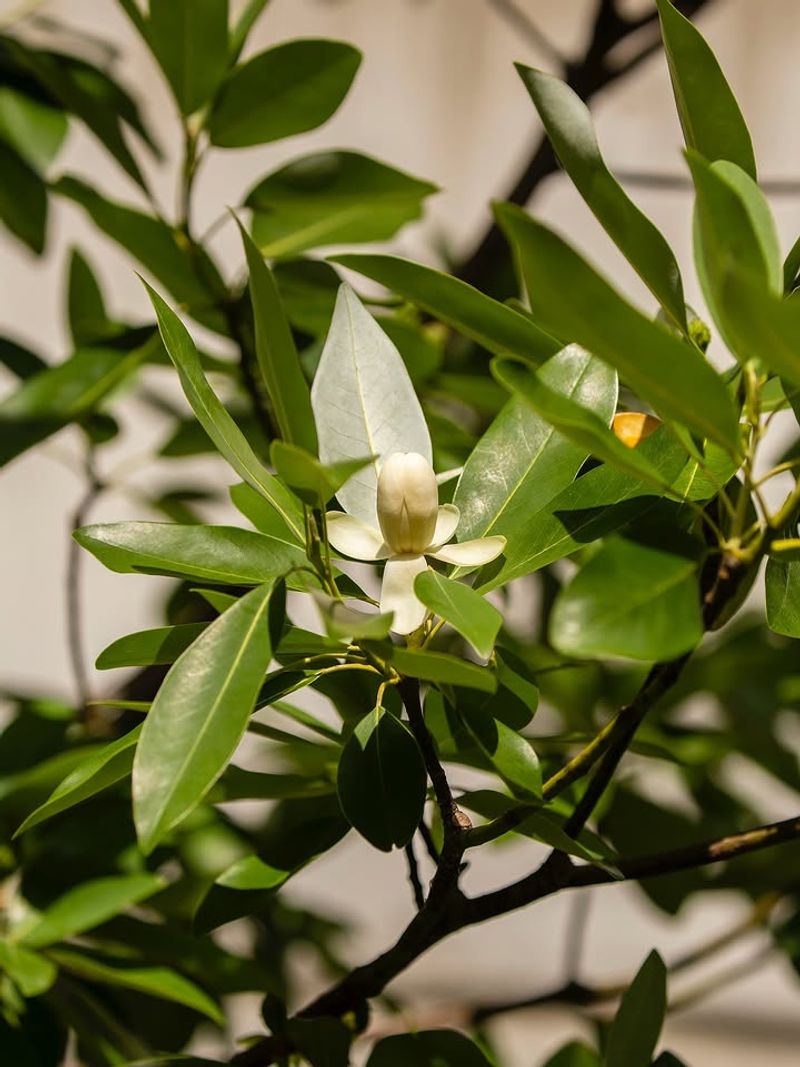
Sweetbay Magnolia is one of those trees that earns admiration from every angle.
The creamy white, lemon-scented flowers that appear in late spring and early summer are genuinely stunning, but what makes this tree especially valuable for gardeners is what those aromatic leaves do to mosquitoes.
The volatile compounds released by crushed or warmed foliage act as a natural deterrent, making outdoor seating areas noticeably more pleasant.
This native magnolia grows well in Michigan zones 5 and 6, though zone 4 gardeners should plant it in a sheltered spot with some winter protection.
It prefers moist, slightly acidic soil and performs best in full sun to partial shade. Near a rain garden or naturally damp area of the yard, it absolutely thrives.
Expect a mature height of 10 to 20 feet, which provides meaningful shade without overwhelming smaller yards.
Plant Sweetbay Magnolia near patios, outdoor dining areas, or bedroom windows to enjoy both the fragrance and the mosquito-discouraging benefits.
Mulching the base with 2 to 3 inches of wood chips helps retain moisture and keeps roots healthy through Michigan winters. The semi-evergreen foliage holds on well into fall, giving you extended seasonal interest.
Bright red seed clusters appear in late summer, attracting songbirds and adding another layer of visual beauty to this already impressive tree.
4. Pine Trees
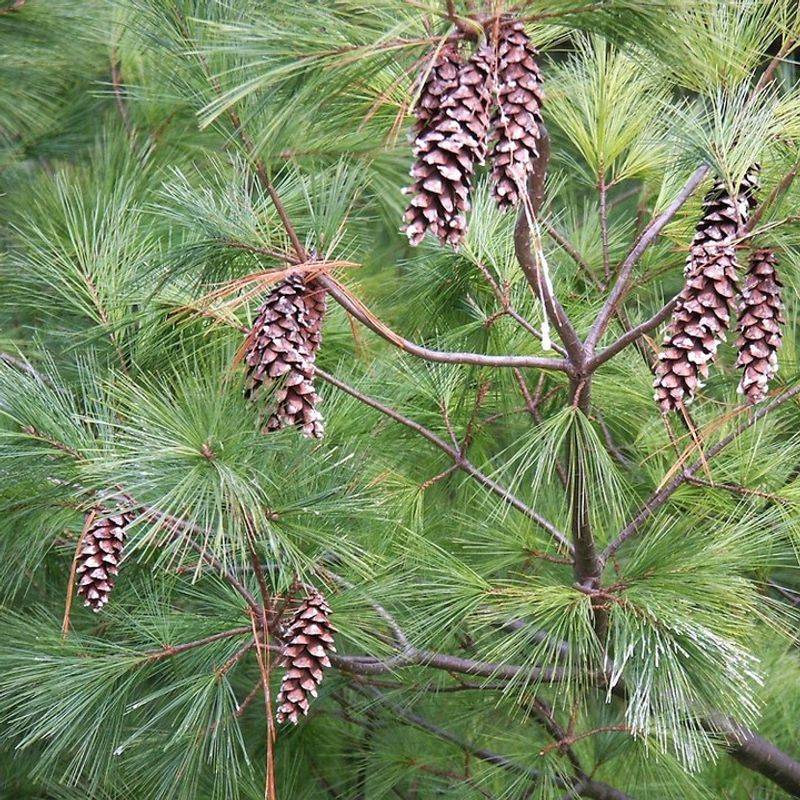
Pine trees have been shading Michigan yards for generations, but many homeowners do not realize just how unfriendly the environment beneath a pine is for mosquitoes.
The aromatic oils in pine needles and the dry, acidic needle litter that accumulates on the ground create a microhabitat that mosquitoes genuinely avoid.
Standing water is the number one thing that attracts mosquitoes, and a well-placed pine grove keeps soil beneath it notably dry.
Michigan-friendly species like Eastern White Pine, Jack Pine, and Red Pine all bring this benefit while adapting beautifully to local soils and winters.
Eastern White Pine is particularly popular because it grows quickly and develops a wide, graceful canopy that improves airflow across the yard.
Good air circulation is actually one of the most underrated mosquito deterrents, since mosquitoes are weak fliers and struggle in even a light breeze.
Space pines at least 15 to 20 feet apart to ensure healthy airflow and prevent the dense, stagnant conditions that mosquitoes prefer.
Plant in well-draining soil and full sun for best results. Avoid low-lying areas where water pools, since that would work against the drainage benefits you are trying to create.
Raking pine needle litter into garden beds around the tree extends the aromatic coverage and improves drainage in nearby planting areas.
It is a simple, natural mulch with a bonus mosquito-deterring effect that costs nothing extra.
5. Bayberry
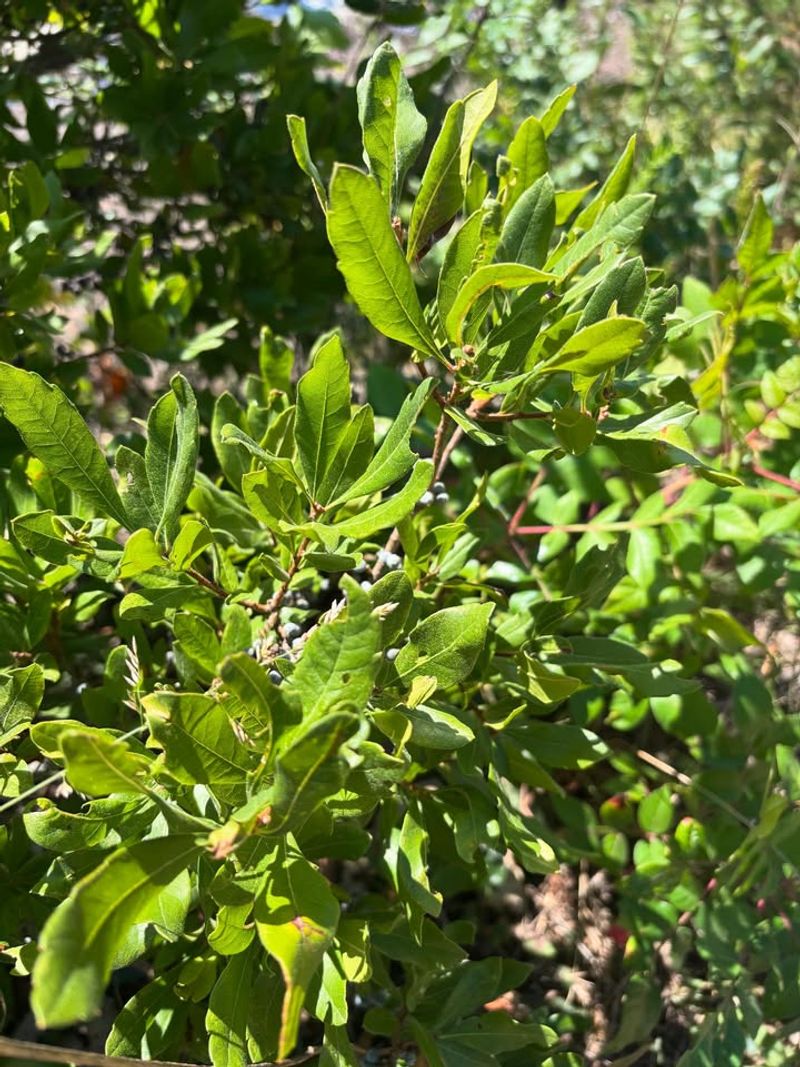
Walk past a Bayberry shrub on a warm afternoon and you will immediately understand why mosquitoes want nothing to do with it.
The leaves release a rich, spicy-sweet fragrance when brushed or warmed by sunlight, and that aromatic quality comes from natural compounds that act as a deterrent to biting insects.
For Michigan gardeners, this native plant is a seriously underappreciated tool in the fight for a more comfortable backyard.
Morella pensylvanica is a compact, semi-evergreen shrub that typically grows 5 to 8 feet tall, making it perfect for foundation plantings, hedgerows, or borders near outdoor seating.
It handles our winters with ease, being hardy through zone 3. Sandy, well-draining soil suits it best, and it actually fixes nitrogen from the air, improving poor soil over time without any fertilizer input from you.
Plant Bayberry in full sun to light shade and space individual shrubs about 4 to 6 feet apart for a dense, screening effect.
Once established, it is remarkably drought-tolerant and requires almost no maintenance beyond occasional shaping.
The waxy gray berries that form in fall attract birds like tree swallows and yellow-rumped warblers, adding lively wildlife activity to your yard.
Rubbing a few leaves between your fingers and letting the scent linger on your hands is an old-fashioned natural insect deterrent that actually works. Bayberry is practical, beautiful, and completely at home in Michigan landscapes.
6. Northern White Cedar
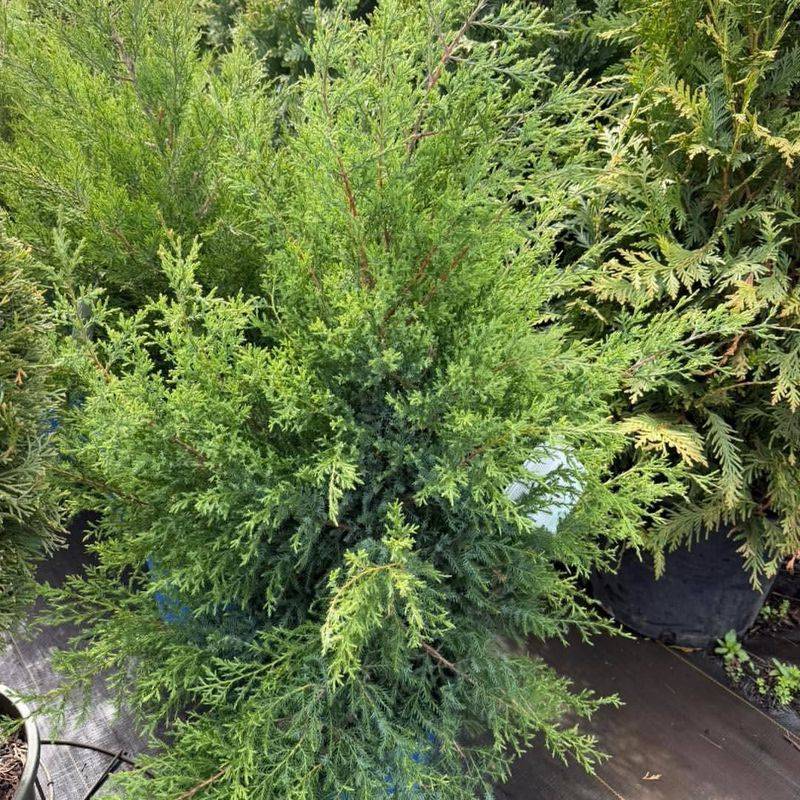
Northern White Cedar is a Michigan original, growing naturally in swamps, rocky lakeshores, and forest edges across the state.
But transplanted into a home landscape, it becomes something even more useful: a dense, aromatic evergreen screen that discourages mosquitoes while giving you year-round privacy.
The flat, scale-like foliage releases a sharp, resinous scent that mosquitoes find unappealing, especially on warm, still summer days when pests are most active.
Thuja occidentalis is hardy through zone 3 and adapts to a wide range of Michigan soils, including moist and slightly alkaline conditions that challenge other evergreens.
It performs best in full sun but tolerates partial shade reasonably well. For a solid privacy hedge, plant trees 4 to 6 feet apart.
For a more open windbreak or specimen planting, space them 8 to 10 feet apart to allow the natural pyramidal shape to develop fully.
Pruning is simple and best done in early spring before new growth pushes out. Light trimming maintains a tidy shape without stressing the tree.
Avoid cutting back into old, bare wood since Thuja does not regenerate well from hard pruning.
Watering deeply once a week during the first two summers helps roots establish firmly in Michigan soil.
One bonus worth mentioning: deer do browse on Northern White Cedar, so in areas with high deer pressure, consider wrapping young trees in burlap during winter.
Mature, established trees handle browsing much better than newly planted ones.
7. Redbud
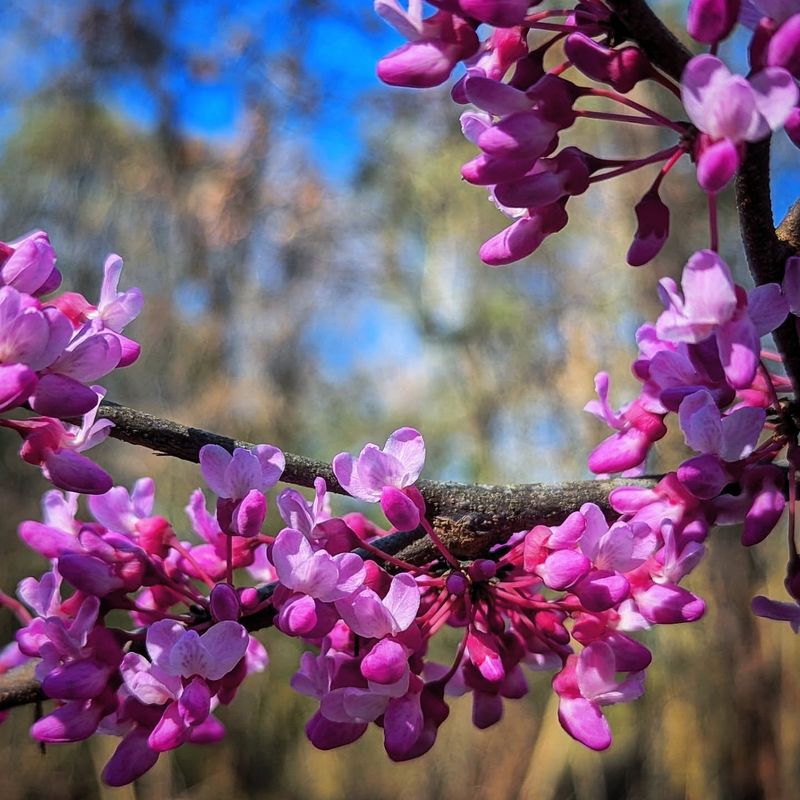
Every spring, Redbud trees put on one of the most dazzling shows in the landscape.
Branches erupt in vivid pink-purple blossoms before a single leaf appears, drawing in bees, butterflies, and beneficial insects that are natural predators of mosquito larvae and eggs.
That early pollinator activity is one of the reasons Redbud earns a spot on this list, because a yard buzzing with beneficial insects is a yard where mosquito populations struggle to build up unchallenged.
Cercis canadensis is a small, graceful native tree that typically reaches 20 to 30 feet at maturity, with a broad, spreading canopy that delivers meaningful shade by midsummer.
Shade reduces the warm, humid ground-level conditions that mosquitoes prefer for resting.
Planting Redbud near patios or outdoor seating areas gives you both the beauty of its seasonal display and the functional benefit of a cooling, dense summer canopy.
Redbud grows best in Michigan zones 5 and 6, preferring well-drained, slightly acidic to neutral soil.
It handles full sun to partial shade and actually performs beautifully at the edge of a woodland garden.
Water young trees regularly during the first growing season, then ease off as roots establish.
Fall brings another visual reward when the large, heart-shaped leaves turn a warm golden yellow.
From spring blossoms to summer shade to fall color, Redbud gives Michigan gardeners three full seasons of interest in one compact, wildlife-friendly package.
8. Sassafras
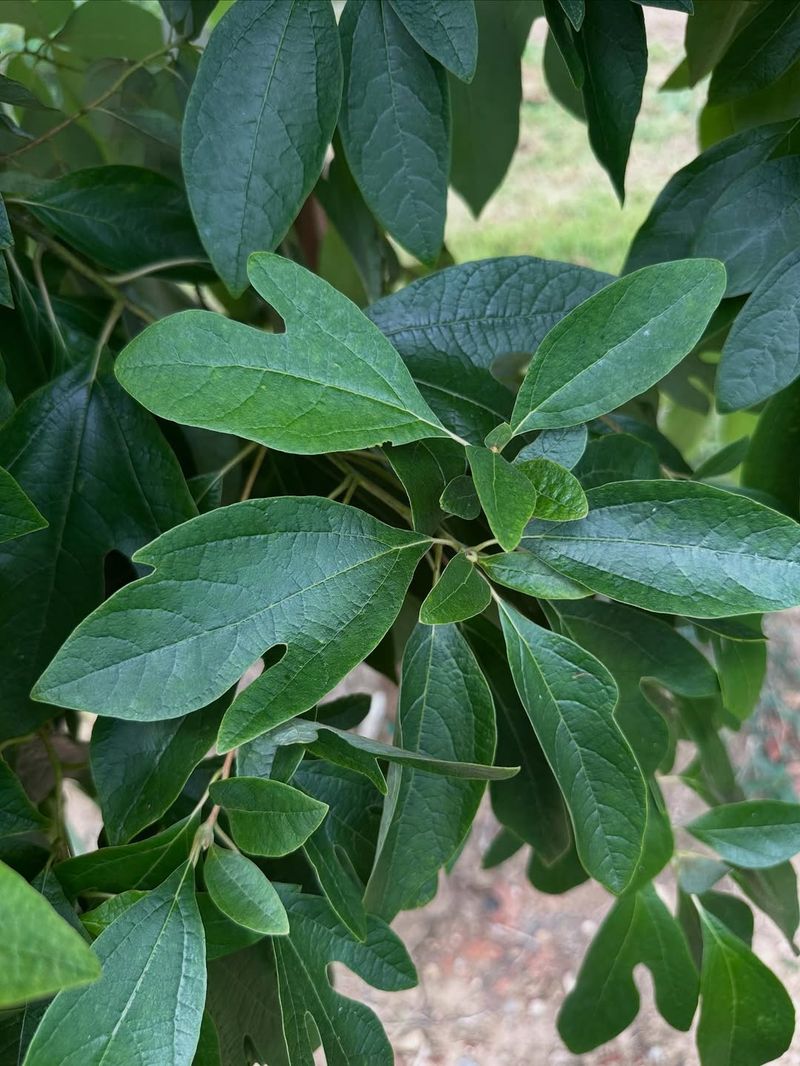
Sassafras is one of those trees that rewards curious gardeners on multiple levels.
The roots, bark, and leaves all carry a distinctive spicy-citrus fragrance that has been used for centuries in everything from root beer to traditional medicine.
For modern Michigan gardeners, that aromatic quality translates into a natural mosquito-deterring benefit, since the volatile compounds in Sassafras foliage create an environment that biting insects prefer to avoid.
This native Michigan tree grows in zones 4 through 9, making it a reliable performer across the entire state. It prefers well-drained, slightly acidic soil and does best in full sun to partial shade.
Sassafras can spread through root suckers over time, gradually forming a small thicket, which actually increases the aromatic coverage in your yard.
If you prefer a single-trunk specimen, simply remove suckers as they appear in spring.
Mature trees reach 30 to 60 feet, providing generous shade that cools outdoor spaces and reduces the warm, humid microclimates near the ground where mosquitoes rest.
The mitten-shaped leaves, which come in two and three-lobed forms, turn spectacular shades of orange, red, and purple in fall, making Sassafras one of the most visually rewarding native trees available to Michigan homeowners.
Plant Sassafras at least 15 feet from structures to give the root system room to spread.
Water consistently during the first two summers, then step back and enjoy one of Michigan’s most aromatic and colorful native trees.
9. Sweetspire
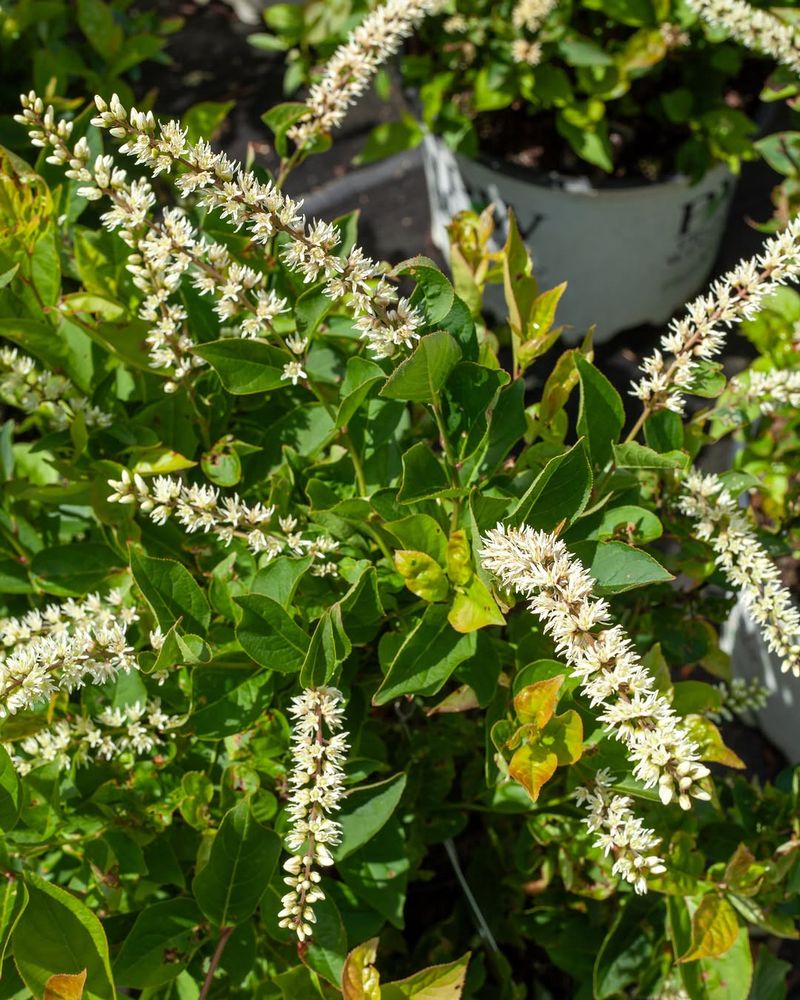
Virginia Sweetspire might be the most underestimated plant on this entire list.
Compact enough for small yards, tough enough for Michigan winters, and fragrant enough to make nearby mosquitoes uncomfortable, this native shrub punches well above its weight in any landscape.
The long, drooping white flower spikes that bloom in early summer release a sweet, honey-like fragrance that attracts pollinators while creating an aromatic zone that mosquitoes tend to steer clear of.
Itea virginica grows 3 to 5 feet tall and wide, forming a dense, layered canopy of glossy leaves that reduces the shaded, humid resting spots that mosquitoes seek out near the ground.
It thrives in Michigan zones 5 and 6 and adapts to a surprisingly wide range of conditions, including moist soil and partial shade, which makes it ideal for rain gardens, shaded borders, or spots near downspouts where other plants struggle.
Plant in groups of three or more for the strongest fragrance effect and the most visually impactful display. Space individual shrubs about 3 to 4 feet apart.
Sweetspire needs very little maintenance beyond cutting stems back by about one-third in early spring to encourage fresh, vigorous growth and abundant flowering. Fall color is a genuine bonus here.
The leaves turn brilliant shades of orange, red, and burgundy well into November, long after most other shrubs have gone quiet.
Sweetspire gives Michigan gardeners fragrance, function, pollinator support, and stunning fall interest all in one tidy, hardworking native package.