The White Powder On Tennessee Rose Leaves That Most Gardeners Handle Wrong
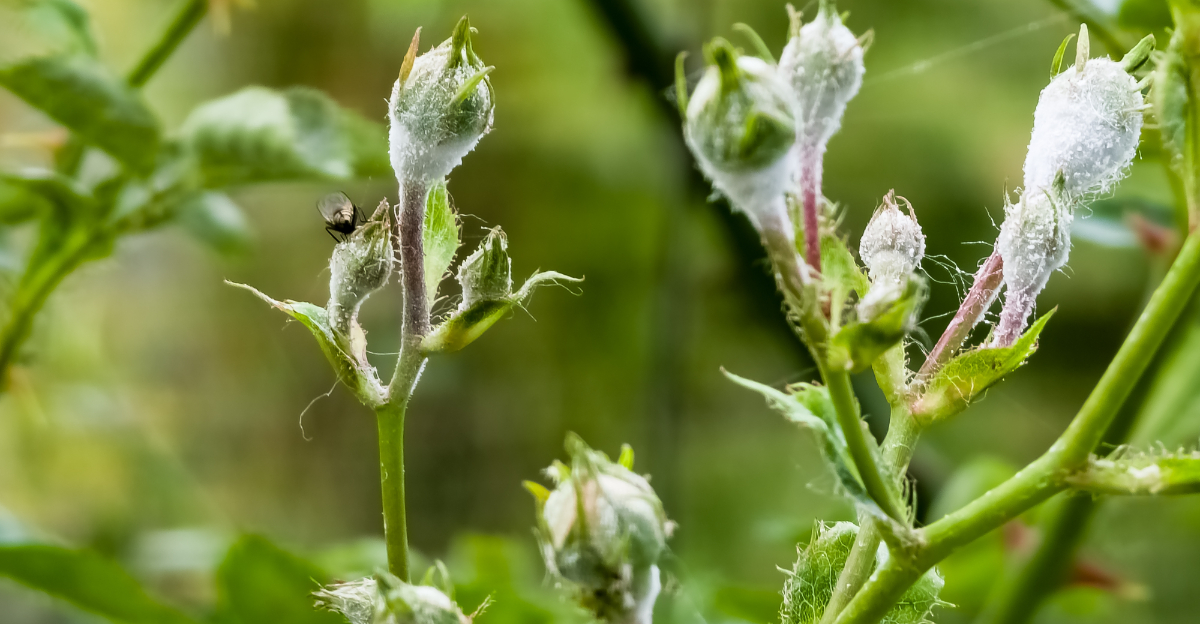
Your rose leaves looked fine yesterday. This morning, they are dusted in something white and powdery, almost like flour settled overnight.
Most gardeners recognize it instantly, and then immediately treat it wrong. Powdery mildew is one of the most misread fungal problems in Tennessee home gardens, partly because it looks so mild.
It does not look like an emergency. That is exactly why it spreads. A quick spray of the wrong product, a well-meaning rinse with the garden hose, and you have just made things significantly worse.
Tennessee’s climate plays a role too, warm days, humid nights, and unpredictable rainfall give this fungus everything it needs to move fast across your rose bed.
The good news is that powdery mildew is very manageable once you understand what drives it. But first, you need to stop doing the thing that almost everyone does when they see it.
That White Powder On Rose Leaves Is Not What Most Gardeners Think
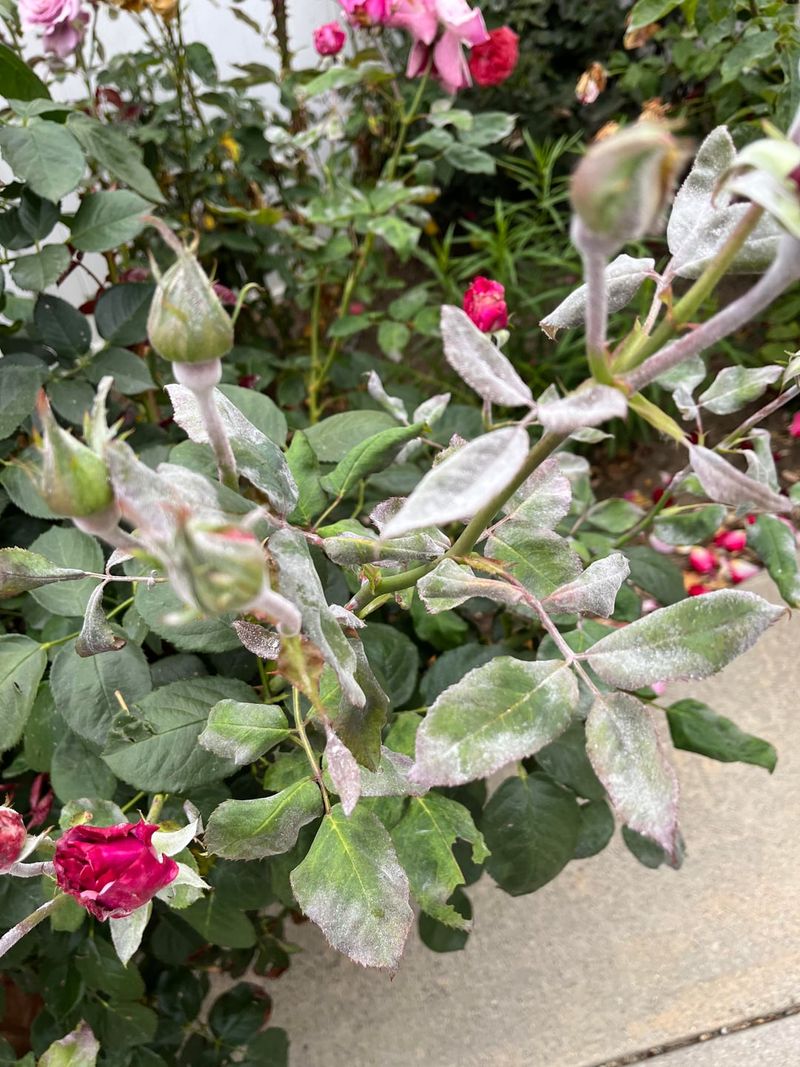
That dusty coating is not dirt, residue, or a spray reaction, it is a living fungus. Most gardeners assume the white powder on rose leaves is a nutrient problem or even dried water spots from a sprinkler.
Actually, it is a fungus called powdery mildew, and it spreads fast. The spores travel through air and can begin colonizing new leaf surfaces surprisingly quickly under the right conditions.
Powdery mildew does not need wet leaves to grow, which surprises most people. Unlike other fungal problems, it actually thrives in dry conditions with high humidity in the air.
That combination is exactly what Tennessee summers deliver. Warm days, cool nights, and muggy air create a perfect storm for this fungus to spread across your garden.
Many gardeners make the mistake of assuming the problem will clear up on its own. Ignoring it gives the fungus time to weaken your plant before you even notice the damage.
The white coating blocks sunlight from reaching the leaf surface. Without enough light, the plant cannot produce the energy it needs to stay strong and bloom well.
Young leaves and new growth are the most vulnerable targets. If you see curling, twisting, or purple-tinged new shoots alongside the white coating, mildew is already spreading.
Knowing exactly what you are dealing with is the first step to fixing it right. Once you understand the enemy, the right treatment becomes much easier to choose.
Tennessee’s Climate Gives Powdery Mildew The Perfect Conditions
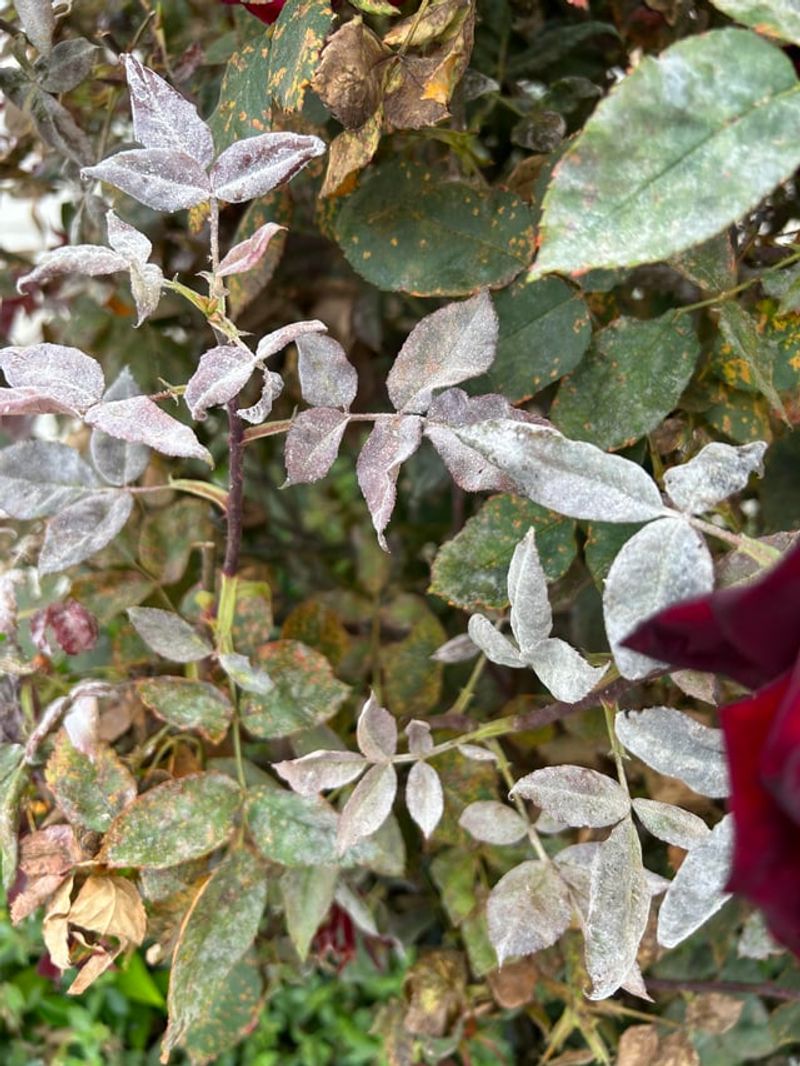
Tennessee weather is gorgeous, but your roses pay a price. The state sits in a climate zone where warm humid summers collide with unpredictable temperature swings.
Powdery mildew fungus loves temperatures between 60 and 80 degrees Fahrenheit. That range covers most of spring and fall in Tennessee, which means mildew season is longer here than in drier states.
High relative humidity in the air feeds the spores even when soil is dry. Middle Tennessee, East Tennessee, and the Memphis area all experience long stretches of muggy weather that keep spore counts high.
Afternoon storms that roll through in June and July raise humidity without fully soaking the ground. That partial moisture is exactly the condition powdery mildew exploits best.
Your Tennessee Garden Changes Every Week. Your Plan Should Too.
Gardening in Tennessee changes quickly throughout the season. Every Friday you’ll receive a simple weekly plan showing exactly what to plant, prune, fertilize, harvest, and protect so you never miss the right timing.
Cool nights after hot days cause condensation to form on leaf surfaces. That thin film of moisture is enough for spores to germinate and begin colonizing new tissue.
Dense planting makes airflow poor, which traps moisture around leaves even longer. Many home gardens in Tennessee are planted too close together for the local climate.
Shade from trees or fences slows drying time on leaves after rain or dew. Slow-drying leaves stay in that sweet spot for fungal growth much longer than sun-exposed ones.
Understanding your local climate is not just background information. It directly shapes which prevention strategies will actually work in your specific backyard.
Rose Varieties In Tennessee More Likely To Get Powdery Mildew
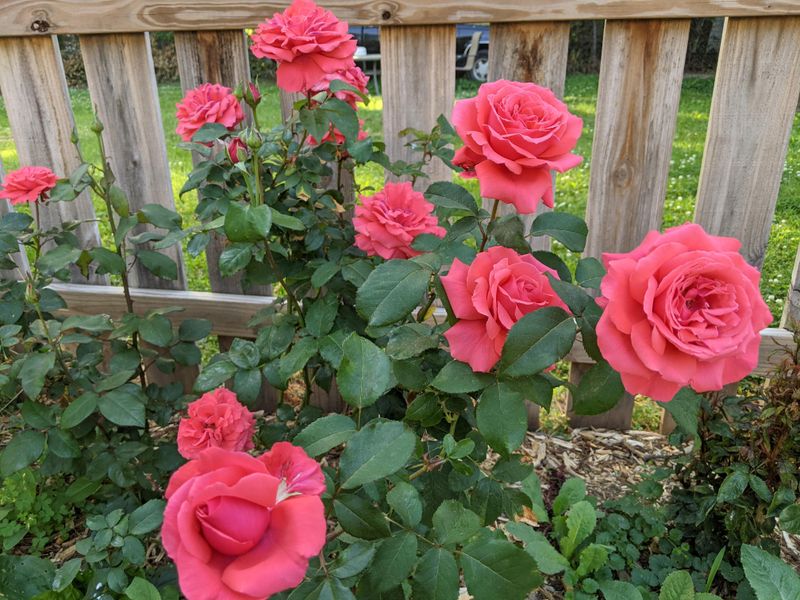
Not all roses are equally vulnerable, and that matters a lot when you are shopping. Hybrid tea roses, which are among the most popular choices in American home gardens, are notoriously susceptible to powdery mildew.
Many gardeners in Tennessee choose hybrid teas for their big showy blooms without realizing the maintenance tradeoff. Those gorgeous flowers often come with a high-maintenance fungal battle attached.
Climbing roses trained against walls or fences also struggle more than freestanding shrubs. Walls block airflow and create warm pockets where spores accumulate and spread quickly.
Disease resistance varies widely even among old garden roses, so check the label before assuming a vintage variety is a safe bet.
Miniature roses packed tightly into containers face elevated risk because air cannot move freely around the foliage. Container growing also stresses roots, and stressed plants fight off fungus less effectively.
Knock Out roses and other shrub rose varieties bred for disease resistance perform noticeably better in humid climates. If you have had repeated mildew problems, switching varieties might be the smartest long-term move.
Checking the disease resistance rating on a rose tag before buying is a simple habit that saves a lot of frustration. Look for labels that specifically mention powdery mildew resistance rather than just general hardiness.
Choosing the right plant for the right place is always the first line of defense. Your garden should work with your climate, not constantly fight it.
The Most Common Treatment Mistakes Tennessee Gardeners Make
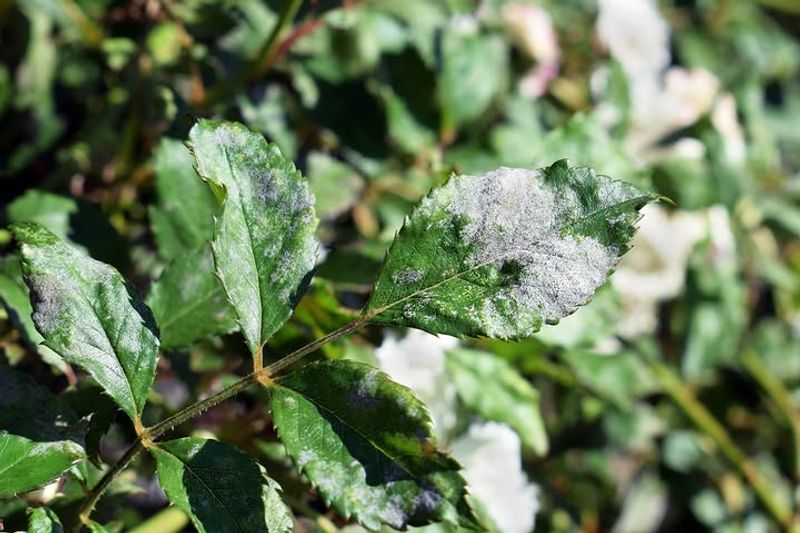
Grabbing the hose and soaking the leaves seems logical, but timing matters more than most gardeners realize. Washing foliage late in the day leaves wet overnight, which creates ideal conditions for the fungus to spread further.
Wet foliage in warm conditions invites a whole new wave of fungal problems on top of the mildew. You end up trading one issue for several worse ones.
Spraying fungicide on a hot afternoon is another common error that reduces effectiveness. High temperatures cause many fungicide formulas to evaporate before they can penetrate the leaf surface.
Waiting too long to act is probably the most widespread mistake of all. Gardeners often think a little white powder is minor, but mildew spreads exponentially once it establishes itself.
Using the same fungicide product repeatedly is also a problem. Fungi adapt, and repeated exposure to one active ingredient leads to resistance, making your spray less effective over time.
Removing infected leaves and dropping them directly into the compost pile spreads spores throughout the garden. Infected plant material should always go into sealed trash bags, not compost.
Over-fertilizing with high-nitrogen products pushes out lots of soft new growth, which is exactly what powdery mildew targets first. Lush, tender leaves are more vulnerable than mature, hardened foliage.
Avoiding these mistakes costs nothing and immediately improves your results. Small corrections in timing and technique make a bigger difference than any single product you could buy.
Treatments That Actually Work On Powdery Mildew

Baking soda mixed with water and a drop of dish soap is one of the oldest effective home remedies for powdery mildew. Mix one tablespoon of baking soda per gallon of water and spray it on affected leaves in the early morning.
The alkaline environment created by baking soda disrupts fungal growth without harming the plant. Reapply every seven to ten days, especially after rain washes the coating away.
Neem oil is another reliable option that works as both a treatment and a preventive measure. It coats leaf surfaces and interferes with the fungus’s ability to reproduce and spread.
Potassium bicarbonate is considered even more effective than baking soda by many experienced gardeners. It works faster and tends to stay active longer after application.
Commercial fungicides containing myclobutanil or trifloxystrobin are strong options for severe cases. Always rotate between two different active ingredients to prevent the fungus from developing resistance.
Sulfur-based fungicides have been used on roses for generations and still hold up well. Avoid applying sulfur when temperatures exceed 90 degrees Fahrenheit, since heat causes leaf damage.
Milk spray sounds unusual, but some studies suggest it can help reduce powdery mildew spread when applied consistently. Mix one part milk with two parts water and apply weekly in the morning so it dries fully before nightfall.
The white powder on rose leaves does not stand a chance when you match the right treatment to the right timing. Consistency matters far more than using the strongest product available.
Keeping Powdery Mildew Off Your Roses Season After Season
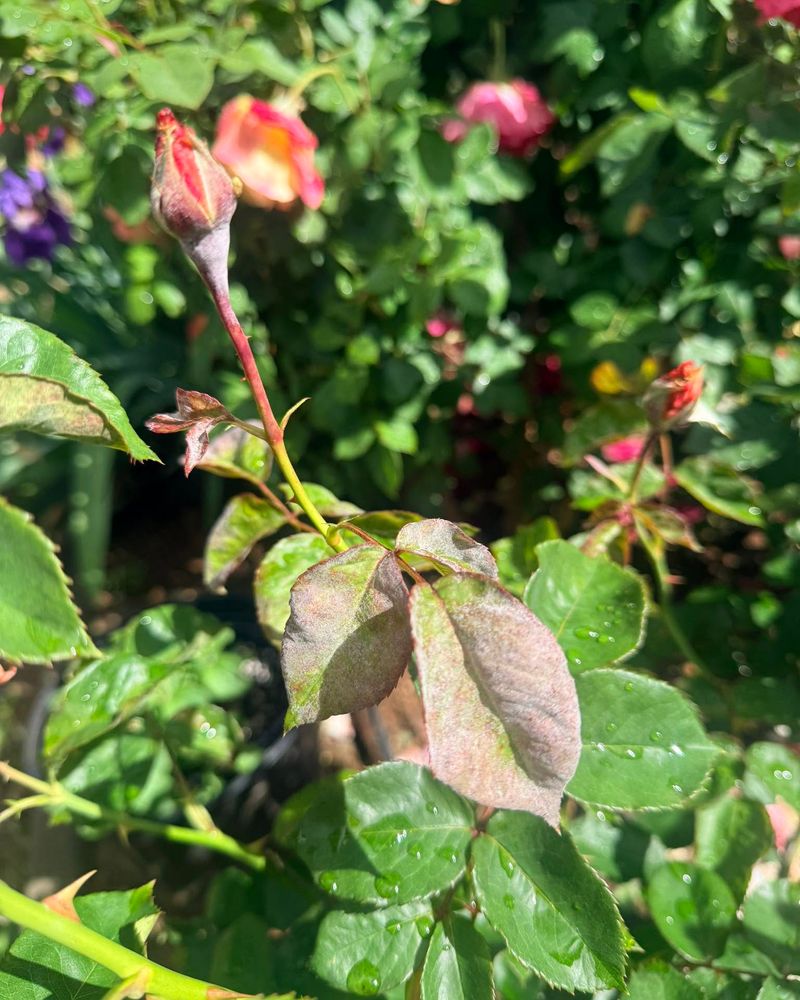
Prevention beats treatment every single time. Once you have broken the mildew cycle, keeping it away requires a few consistent habits rather than emergency interventions.
Spacing your rose plants properly is the single most impactful structural change you can make. Good airflow between plants keeps foliage drier and spore counts lower throughout the growing season.
Pruning out the center of dense bushes opens up air circulation without reducing bloom production. A well-pruned rose dries faster after rain and stays cleaner through the summer.
Watering at the base of the plant rather than overhead keeps leaves dry during the hours when mildew spores are most active. Drip irrigation or a soaker hose makes this easy and efficient.
Applying a preventive spray of diluted neem oil or potassium bicarbonate at the start of humid stretches stops problems before they start. Early spring and late summer are the two most important treatment windows in Tennessee.
Cleaning up fallen leaves and pruned material from around the base of your roses removes overwintering spores. Spores survive cold months in fallen leaves and old plant debris, ready to spread again when warm weather returns.
Choosing resistant varieties when you add new plants to your garden gradually shifts the odds in your favor. Each resistant plant you add reduces the overall fungal pressure in your garden space.
Staying ahead of the white powder on rose leaves is completely achievable with a simple seasonal routine. Healthy roses are not lucky, they are managed with intention from the very first warm day of the year.