Popular Landscaping Plants That Could Be Attracting More Scorpions To Your Arizona Yard
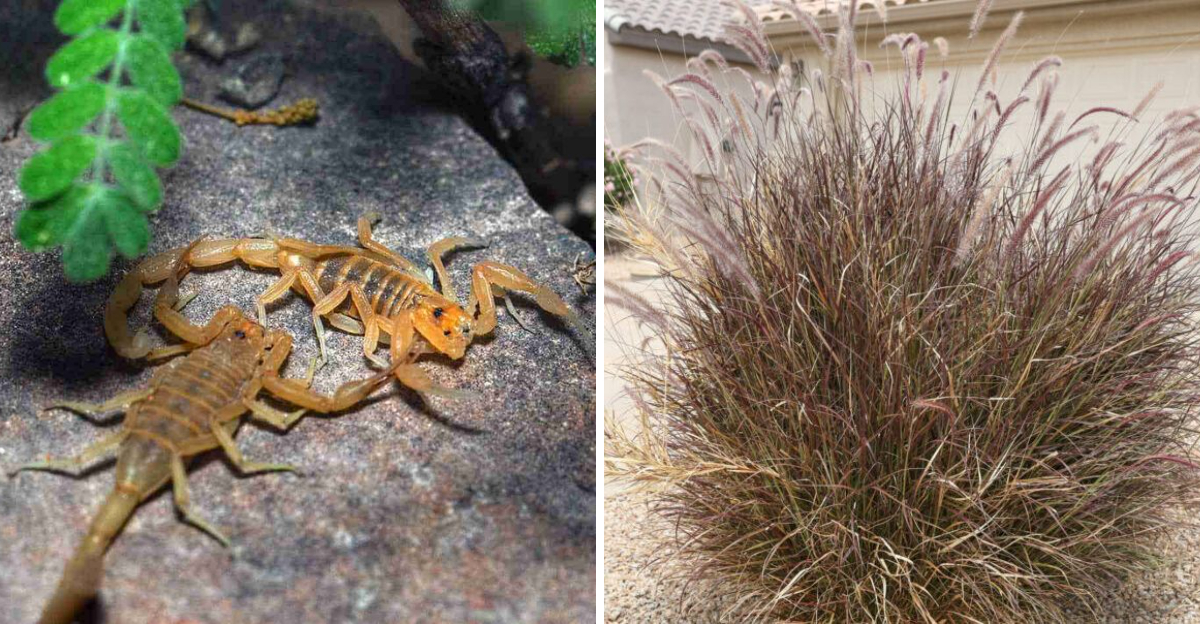
Most people think about scorpions when they are cleaning out a garage, moving a storage box, or shaking out a pair of shoes. Landscaping is usually much lower on the list of suspects.
After all, a healthy yard is supposed to make outdoor spaces more enjoyable, not create new reasons to watch every step.
That is what makes this topic so surprising. Some of the features that make a yard look full, colorful, and inviting can also create conditions that certain unwanted visitors seem to appreciate.
The connection is not always obvious, which is why many homeowners never think twice about it.
As temperatures stay high and outdoor activity increases, it is common to become more aware of what is happening around the yard after sunset.
A closer look at the landscape can sometimes reveal details that were easy to overlook before, especially during Arizona’s hottest months.
1. Dense Rosemary Hedges Hold Moisture And Shade
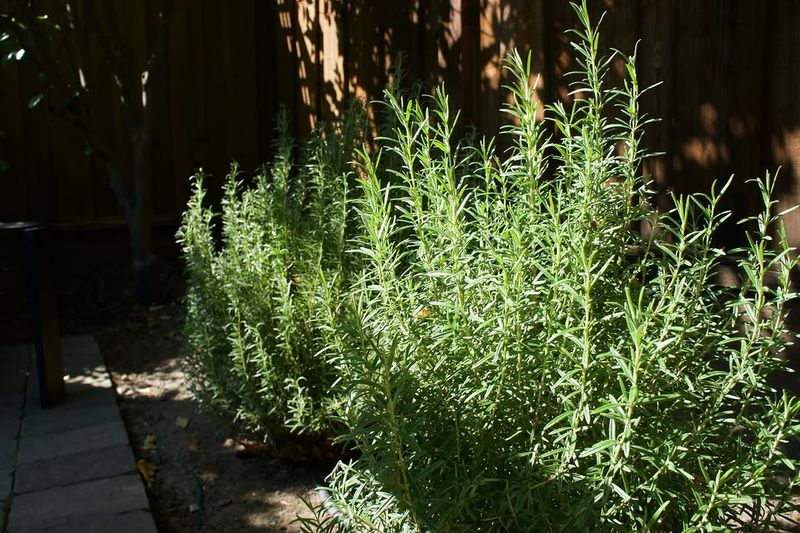
Rosemary smells amazing, but that thick hedge along your walkway might be doing more than looking good. When rosemary grows dense and unpruned, the base of the plant stays cool and shaded even on the hottest afternoons.
Scorpions are highly attracted to spots that stay cool during the day. A rosemary hedge that traps shade and holds ground moisture gives them exactly what they need to rest and hide until nightfall.
Watering rosemary regularly adds another layer of appeal. Moisture near the soil draws in small insects and crickets, which are prime food sources for scorpions.
More food nearby means more scorpions sticking around.
Trimming rosemary regularly helps a lot. Keep the base open and airy so sunlight reaches the soil.
Avoid watering in the evening since wet soil overnight is a big scorpion attractant.
Spacing your rosemary plants further apart also reduces the problem. Dense plantings create a continuous shaded corridor that scorpions can travel along safely.
Breaking that up with open gaps reduces the shelter significantly.
Rosemary is still a great plant for desert yards. With smart pruning and careful watering habits, you can enjoy it without turning your garden into a scorpion lounge.
A little maintenance goes a long way toward keeping the base of these plants less inviting to unwanted visitors.
2. Overgrown Lantana Shelters More Than Flowers
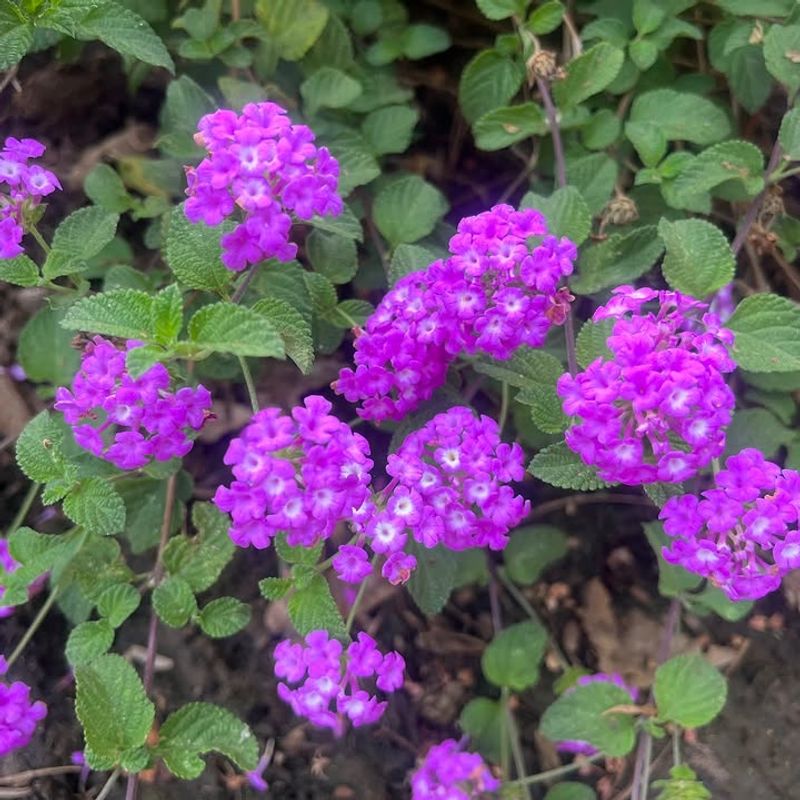
Lantana is one of the most colorful plants you can grow in a hot, dry yard. Butterflies love it, pollinators flock to it, and it handles heat without much complaint.
But let it go without pruning and things change fast.
An overgrown lantana becomes a tangled mass of woody stems and thick foliage near the ground. That lower section stays shaded, slightly cooler, and often holds a bit of moisture longer than the surrounding soil.
Scorpions are not after your flowers. They want shelter, and an unpruned lantana gives them a layered, protected space right at ground level.
Small insects also tend to gather under dense lantana, giving scorpions an easy food supply nearby.
Pruning lantana back hard in late winter keeps it from becoming a problem. Cutting it down to a manageable size removes the dense lower canopy that creates hiding spots.
Your Arizona Garden Changes Every Week. Your Plan Should Too.
Gardening in Arizona changes quickly throughout the season. Every Friday you’ll receive a simple weekly plan showing exactly what to plant, prune, fertilize, harvest, and protect so you never miss the right timing.
After pruning, the plant bounces back quickly and blooms just as well.
Clear out any woody debris at the base too. Old stems and leaf litter pile up under lantana and create even more layered hiding spots.
Removing that debris regularly makes a noticeable difference.
Lantana planted near your home’s foundation is the bigger concern. Keep those plants well-trimmed and pulled back slightly from the wall.
Foundation gaps combined with dense shrubs nearby create a direct path indoors for scorpions moving at night.
3. Untrimmed Texas Sage Creates Cool Retreats
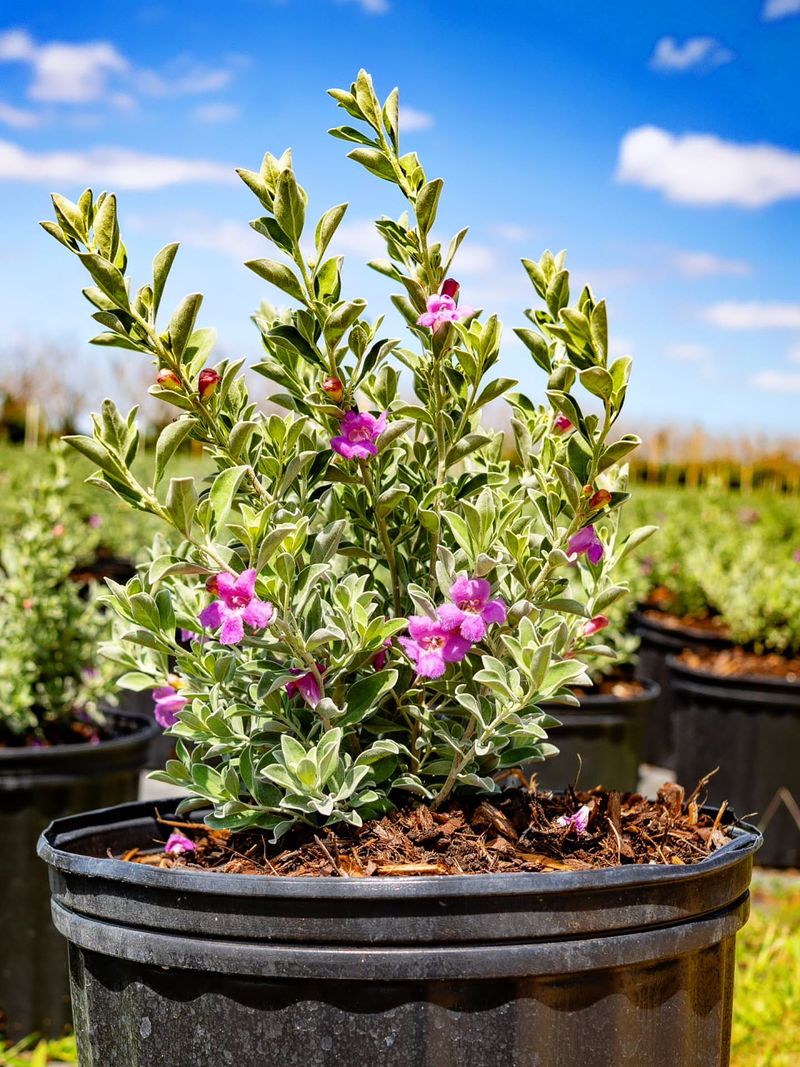
Texas sage is practically the unofficial shrub of Southwest front yards. It blooms purple after monsoon rains, handles drought well, and looks tidy when maintained.
The problem starts when it gets ignored for a season or two.
Without regular trimming, Texas sage grows into a rounded mound with a thick, shaded interior. That inner space stays noticeably cooler than the air outside the shrub.
Scorpions use that temperature difference to their advantage during hot days.
Bark scorpions, which are the most concerning species in the region, are skilled climbers. They can move up into a dense Texas sage shrub and hide among the branches well above ground level.
Thinking scorpions only hide on the ground is a common mistake.
Trim Texas sage into an open, airy shape rather than a solid globe. Removing interior branches improves airflow and lets sunlight reach the center of the plant.
Fewer dark, cool pockets means fewer places for scorpions to settle.
Avoid planting Texas sage directly against your home’s walls. A gap of at least two feet between the shrub and the structure reduces the risk of scorpions moving from the plant onto the wall and finding entry points.
Used correctly, Texas sage is still a low-maintenance and beautiful option for desert landscaping. Staying consistent with seasonal pruning keeps it looking sharp while reducing the conditions that attract scorpions to your yard.
4. Heavy Agave Plantings Hide Scorpions Well
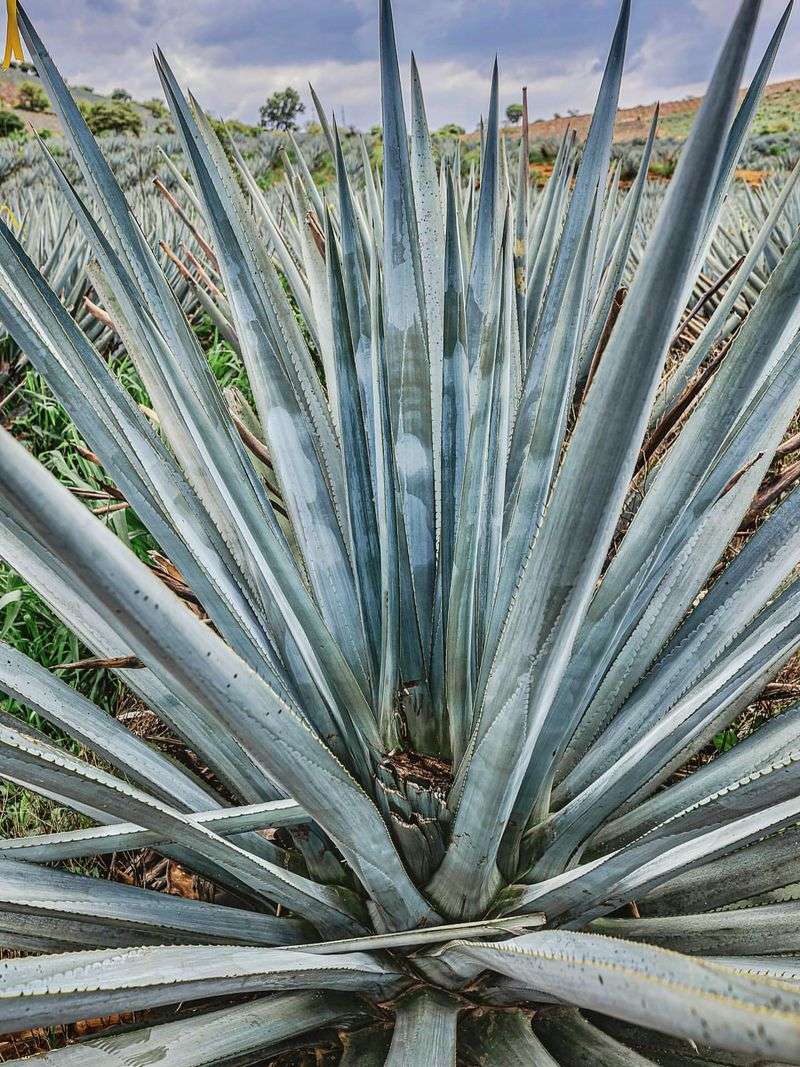
Agave looks bold, sculptural, and perfectly suited to the desert landscape. Plant a few together and you have a striking yard feature that practically takes care of itself.
But grouped agaves create a problem that most homeowners never think about.
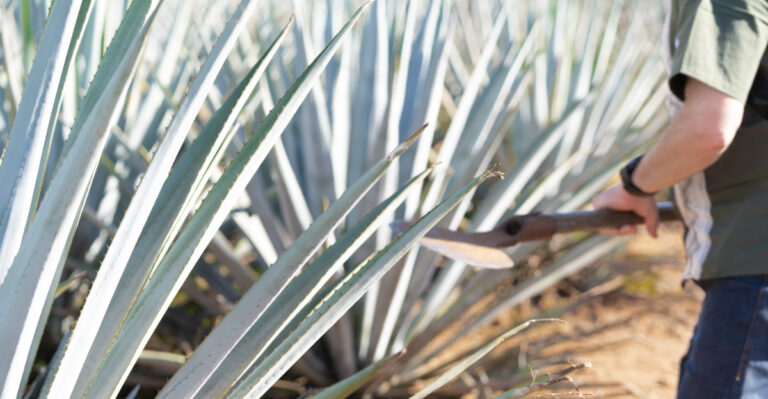
The base of an agave is a natural fortress. Thick, rigid leaves fan outward and overlap at the bottom, creating dark enclosed spaces right at ground level.
Those gaps between the leaf bases stay cool, shaded, and surprisingly sheltered from wind and sun.
Scorpions fit easily into those tight spaces. The rigid leaves also make it harder for predators to reach them, so agave bases become relatively safe daytime resting spots.
Finding a scorpion tucked inside an agave cluster is not unusual at all in desert yards.
Spacing agaves further apart reduces this issue. When plants are clustered so tightly that their leaf bases overlap, the combined shade and shelter multiply quickly.
More distance between plants keeps each base more exposed and less inviting.
Wearing thick gloves when working around agave is always smart. Reaching into or around the base of an agave without protection is risky.
Scorpions move fast when disturbed, and those spiny leaves make quick hand movements difficult.
Removing older outer leaves from agave plants regularly also helps. Dried leaves collect at the base and create layered debris that adds even more shelter.
Keeping the base clean and open reduces the number of protected spots available near the plant.
5. Large Prickly Pear Patches Provide Cover
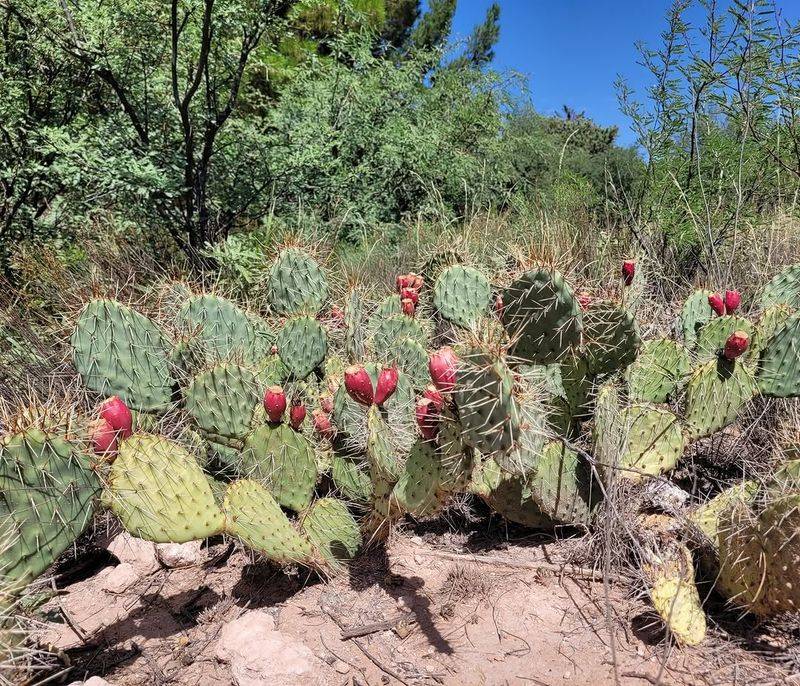
Prickly pear is iconic in Southwestern yards, and for good reason. It requires almost no water, produces edible fruit, and adds a natural desert feel to any landscape.
Larger patches, though, create conditions that benefit scorpions more than most people realize.
Wide prickly pear pads cast significant shade on the soil below. In a large patch, that shaded ground can stay noticeably cooler and slightly more moist than the surrounding open soil.
Scorpions actively seek those cooler zones during peak daytime heat.
Fallen pads, dried spines, and plant debris collect at the base of prickly pear patches over time.
That layer of debris on the ground creates an insulated space just above the soil surface. It is exactly the kind of layered, enclosed environment scorpions prefer for daytime shelter.
Cleaning out debris from under and around prickly pear regularly makes a real difference. Removing fallen pads and dried material eliminates much of the ground-level shelter.
Use thick gloves and long-handled tools to avoid contact with both the spines and any scorpions present.
Limiting the spread of prickly pear patches near your home also helps. Patches that extend close to the foundation create a connected path from open desert right to your walls.
Keeping a clear, open buffer zone between the patch and your home reduces that direct connection.
Prickly pear is still a great low-water plant for desert yards. Smart size management and regular debris removal keep the benefits without the added scorpion risk.
6. Dense Bougainvillea Creates Protected Hiding Spots
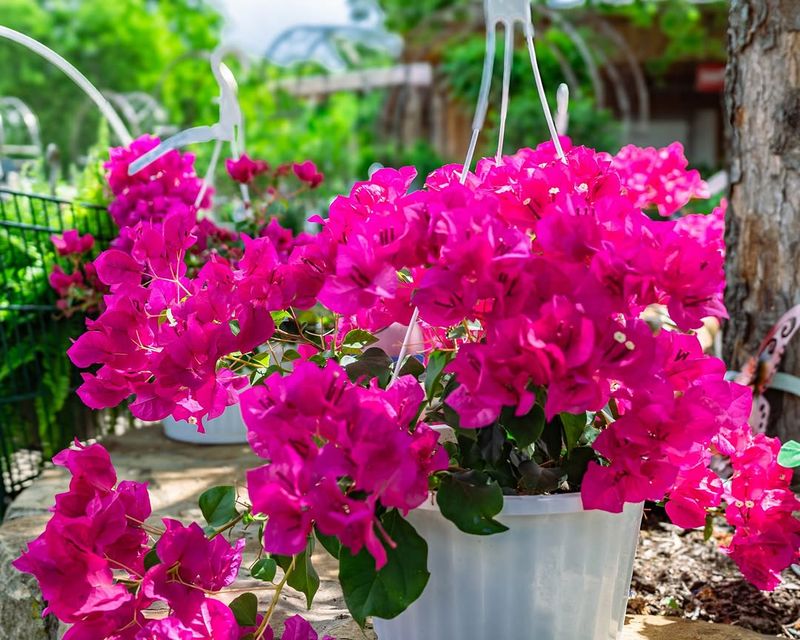
Few plants put on a show like bougainvillea. Bright pink, orange, and red blooms cascade over walls and fences across the Southwest, and homeowners love the dramatic color.
What happens underneath all that beauty, though, deserves attention.
Bougainvillea grows thick and fast. Older plants develop a dense tangle of woody, thorny stems that create a nearly impenetrable interior.
That interior stays dark, cool, and protected from the elements regardless of how hot it gets outside.
Scorpions appreciate the same features that make bougainvillea visually impressive. The thorny branches deter predators, the interior stays cool, and the dense canopy traps humidity near the stems.
Insects also shelter in bougainvillea, giving scorpions a convenient food source nearby.
Thinning bougainvillea periodically is the best approach. Removing older, unproductive wood and opening up the canopy reduces the dark, enclosed spaces within the plant.
It also improves the plant’s health and encourages better blooming.
Bougainvillea growing directly against your home’s exterior is worth watching closely. Woody stems in contact with stucco or block walls give scorpions a bridge from the plant to the wall and potentially to gaps around windows or utilities.
Pulling the plant slightly away from the wall and keeping the base cleared of debris reduces that connection.
Bougainvillea trained onto a freestanding trellis away from the house is a safer option that still delivers the colorful display most homeowners want in their yards.
7. Neglected Ornamental Grasses Increase Shelter
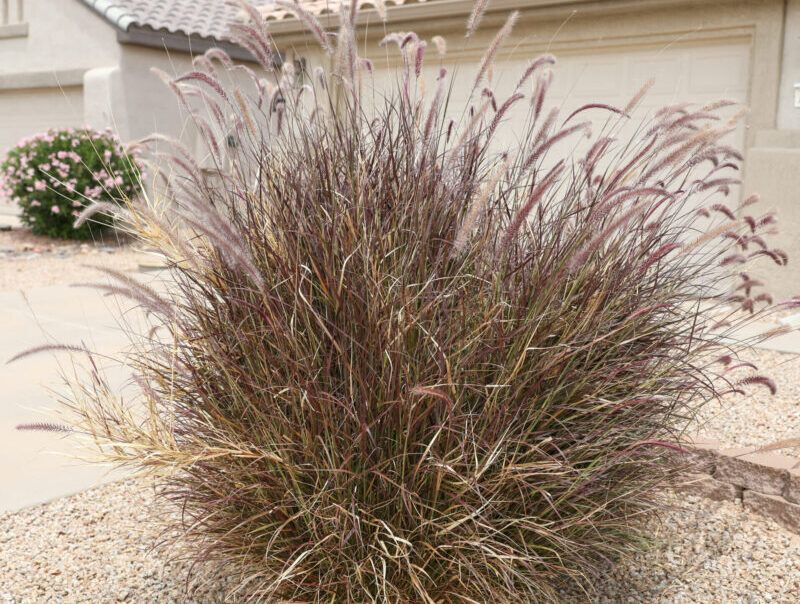
Ornamental grasses add movement and texture to desert yards, and they are genuinely low-maintenance plants. That low-maintenance reputation, however, leads many homeowners to ignore them for years at a time.
Neglect turns a fine grass clump into a scorpion magnet.
Over time, ornamental grasses accumulate a thick layer of dried leaves at their base. That material mats together and creates a dense, insulated layer just above the soil.
It stays cool, slightly moist, and completely hidden from sunlight.
Scorpions are well-suited to navigating that kind of tight, layered space. The matted base of an old grass clump offers shelter from heat, protection from predators, and proximity to insects that also hide in the debris.
It checks every box for a scorpion resting spot.
Cutting ornamental grasses back hard once a year prevents dried material from building up. Late winter is generally the right time to cut most clumping grasses down close to the ground.
Fresh growth comes in cleaner and the base stays far less cluttered.
Removing the cut debris promptly matters just as much as doing the pruning. Piles of cut grass left near the base or stacked nearby recreate the same sheltered conditions almost immediately.
Bag it and remove it from the yard entirely.
Grasses planted in clusters amplify the problem. Grouped clumps with overlapping bases create a large connected shelter zone.
Spreading them out with open soil between each plant keeps the ground exposed and reduces the overall amount of protected ground-level space.
8. Thick Ground Covers Create Easy Hiding Spots
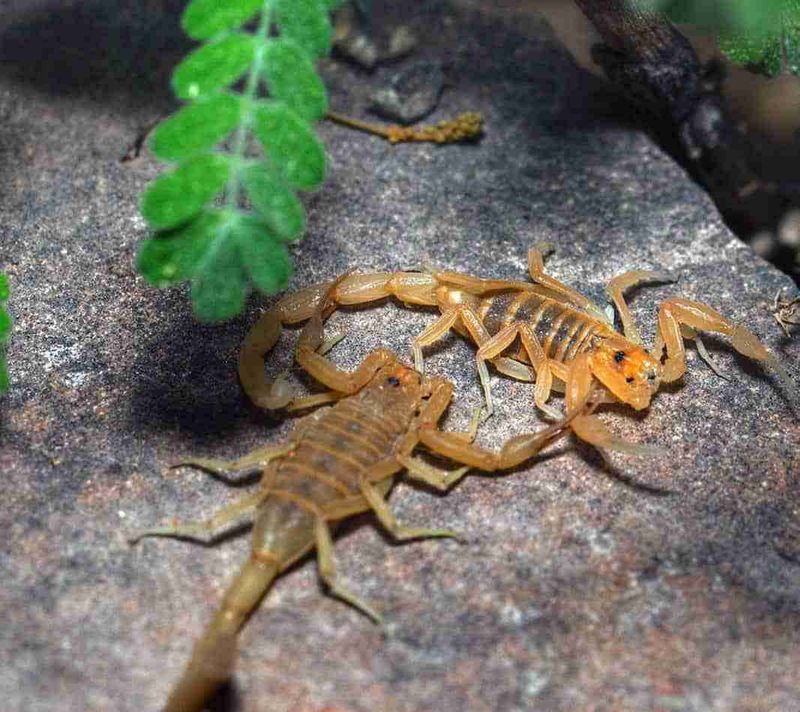
Ground covers seem like a harmless way to fill in bare spots and reduce weeding. Low-growing, spreading plants like verbena, trailing rosemary, and desert marigold are popular choices for desert yards.
But thick, mat-forming ground covers create conditions that make scorpion encounters more likely.
A dense ground cover keeps the soil beneath it consistently shaded and cooler than surrounding exposed soil. In warm months, that temperature difference matters a lot to scorpions looking for a place to rest during the day.
Moist, shaded soil under a thick mat is prime real estate for them.
Insects thrive in that same environment. Beetles, crickets, and other small invertebrates shelter under dense ground covers, especially near moisture.
A ground cover with active insect life underneath it essentially becomes a scorpion buffet near your home.
Choosing ground covers that stay lower and less dense helps reduce the problem. Plants that allow airflow and sunlight to reach the soil surface are less attractive to scorpions than thick mat-forming varieties.
Spacing plants further apart also keeps the ground cover from becoming a solid, uninterrupted shelter zone.
Avoid planting thick ground covers directly against your foundation. A clear, open border of several inches between any ground cover and your home’s base reduces the connection between the garden and your interior spaces.
Checking ground covers regularly for debris buildup and trimming back overgrown sections keeps conditions less favorable. A well-maintained ground cover can still look great while being noticeably less welcoming to scorpions in your yard.