Why Carolina Wrens Are Disappearing From Georgia Yards And What Brings Nesting Pairs Back
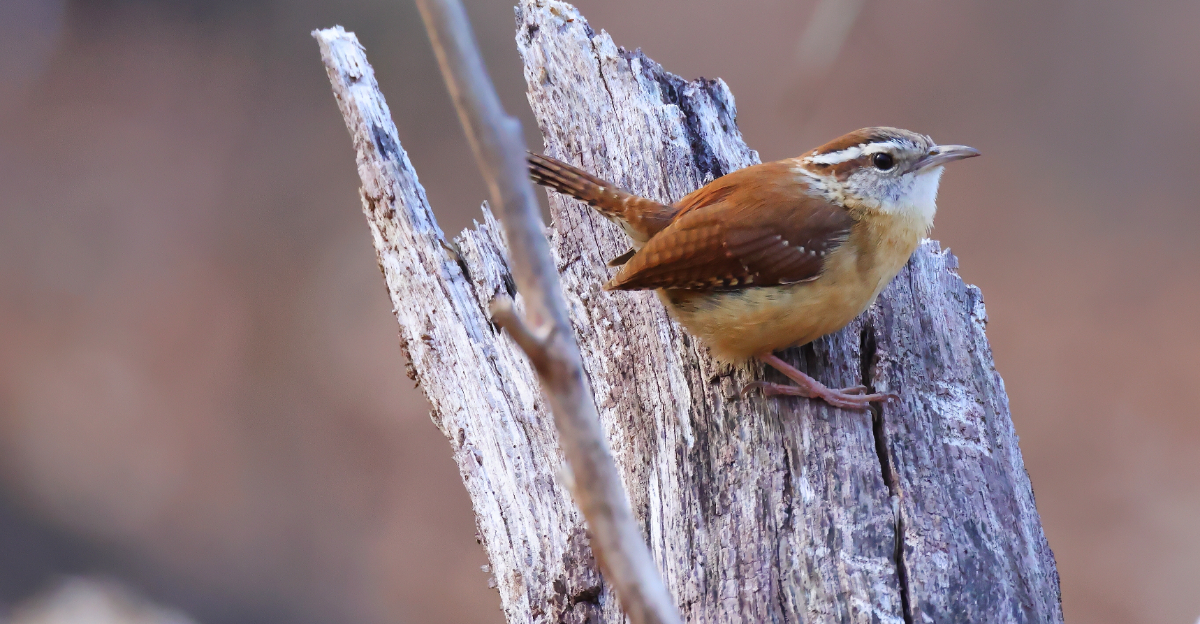
A surprising number of backyard traditions start without anyone planning them. A bird chooses a hanging basket, a flowerpot, or a shelf on the porch, and before long people start checking on it every day.
What began as an ordinary corner of the yard suddenly feels much more important.
Carolina Wrens have a habit of doing exactly that.
They often nest closer to people than many other birds, which makes it easy to become attached to seeing them around. A pair shows up one spring, returns the next, and eventually becomes part of what makes a yard feel familiar.
That is why their absence can catch people off guard. Not because they are rare, but because they seemed so dependable.
Across Georgia, some yards still attract nesting pairs year after year, while others are seeing fewer visits than they remember.
The difference is often connected to details most people never think twice about during everyday yard work.
1. Fewer Nesting Sites Are Limiting Local Populations
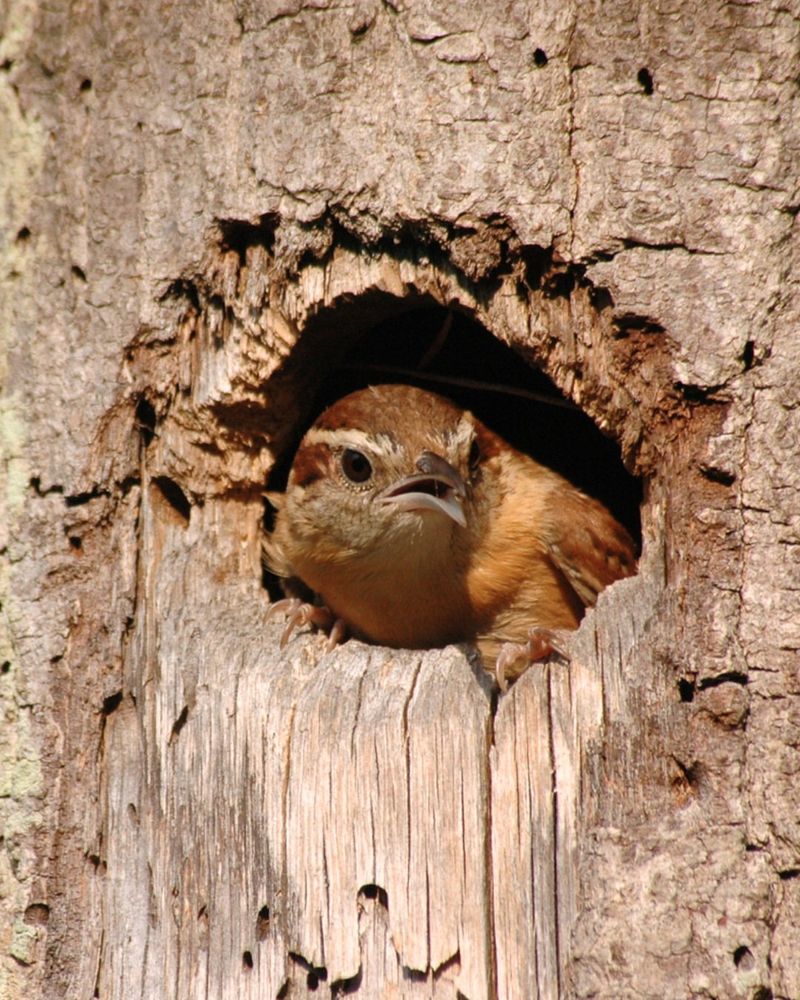
Carolina wrens don’t ask for much, but they do need options. Without enough natural cavities, low sheltered spots, or tucked-away corners, nesting pairs simply move on.
Across suburban Georgia yards, older trees get removed, brush gets cleared, and the small hidden spaces wrens depend on vanish fast. Nesting pairs scout locations weeks before breeding season starts.
When good spots aren’t available, they won’t wait around.
Unlike many cavity nesters, Carolina wrens prefer partially enclosed spaces at low heights. Hanging baskets, open-topped flowerpots, and loose stacks of garden materials all get used regularly.
Natural tree cavities work best, but wrens are flexible when other options exist nearby.
Adding a wren-specific nest box with a 1.5-inch entrance hole placed between four and ten feet off the ground can help fill the gap. Face it away from direct afternoon sun and position it near dense shrubs for cover.
Yards that offer three or more potential nesting spots tend to attract and hold pairs more reliably. Variety matters more than perfection.
Wrens want options, and giving them several increases the chance that at least one site feels safe enough to commit to.
2. Heavy Yard Cleanup Removes Valuable Cover
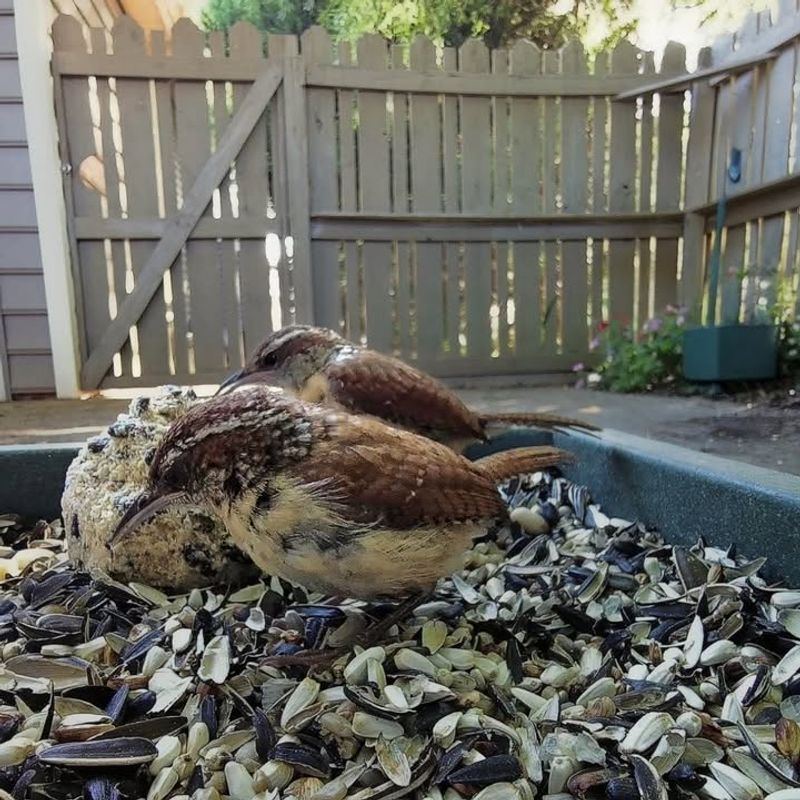
A spotless yard is one of the worst things for Carolina wrens. Bare mulch, trimmed edges, and raked-clean ground leave almost nothing for them to work with.
Wrens forage by flipping leaves and poking through low debris. Leaf litter holds insects, spiders, and small invertebrates that make up most of their diet.
When that layer gets removed, the food source goes with it.
Heavy fall and spring cleanups feel productive, but they strip away exactly what wrens need most. Leaving leaves under shrubs and along fence lines costs nothing and pays off quickly in bird activity.
Ground-level cover also matters for predator avoidance. Wrens spend most of their time close to the ground.
Without dense, low vegetation nearby, they feel exposed and avoid the area entirely.
Skipping the leaf blower in at least one section of your yard can make a noticeable difference. A messy corner near a fence or garden bed isn’t neglect.
Your Georgia Garden Changes Every Week. Your Plan Should Too.
Gardening in Georgia changes quickly throughout the season. Every Friday you’ll receive a simple weekly plan showing exactly what to plant, prune, fertilize, harvest, and protect so you never miss the right timing.
For wrens, it’s exactly what makes a yard worth staying in.
Start small by leaving one area unmaintained through winter. Watch how quickly wrens begin using it.
3. Dense Shrubs Provide Safer Nesting Locations
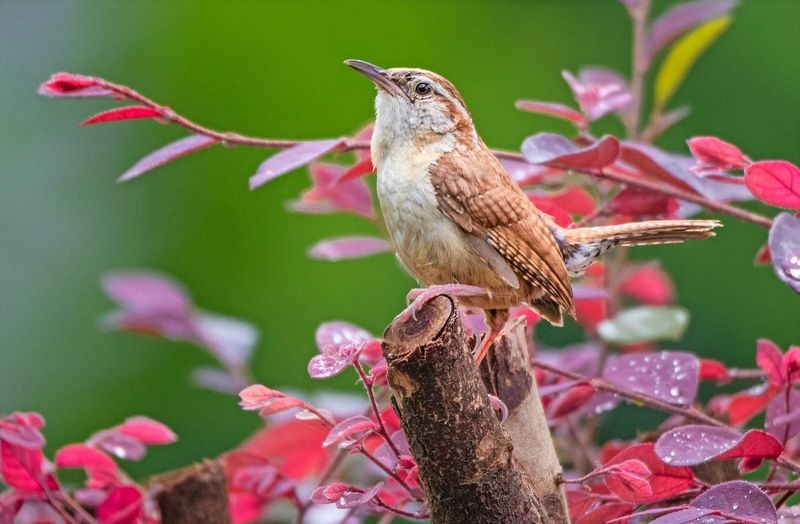
Wrens don’t nest in open spaces. Thick, tangled shrubs with overlapping branches give nesting pairs the visual cover and structural support they actively seek out.
Native shrubs like beautyberry, Virginia sweetspire, and spicebush work especially well. Their dense growth patterns create the kind of layered interior that wrens find hard to resist.
Planting them in clusters rather than isolated spots increases their value significantly.
A single shrub offers some cover, but a grouping of three or more creates a microhabitat. Wrens move through connected shrub masses with confidence, foraging, roosting, and eventually nesting within the same protected zone.
Placement matters too. Shrubs positioned near a fence, wall, or tree line give wrens a sense of enclosure on multiple sides.
Wrens are cautious birds. They prefer entering and exiting nesting zones through layered vegetation rather than crossing open ground.
Avoid heavy pruning during nesting season, which typically runs from March through August in warmer Southern regions. Cutting back shrubs mid-season can disturb active nests and cause pairs to abandon the site entirely.
Letting shrubs grow a bit fuller and wilder than usual isn’t a design flaw.
4. Native Evergreens Offer Year-Round Protection
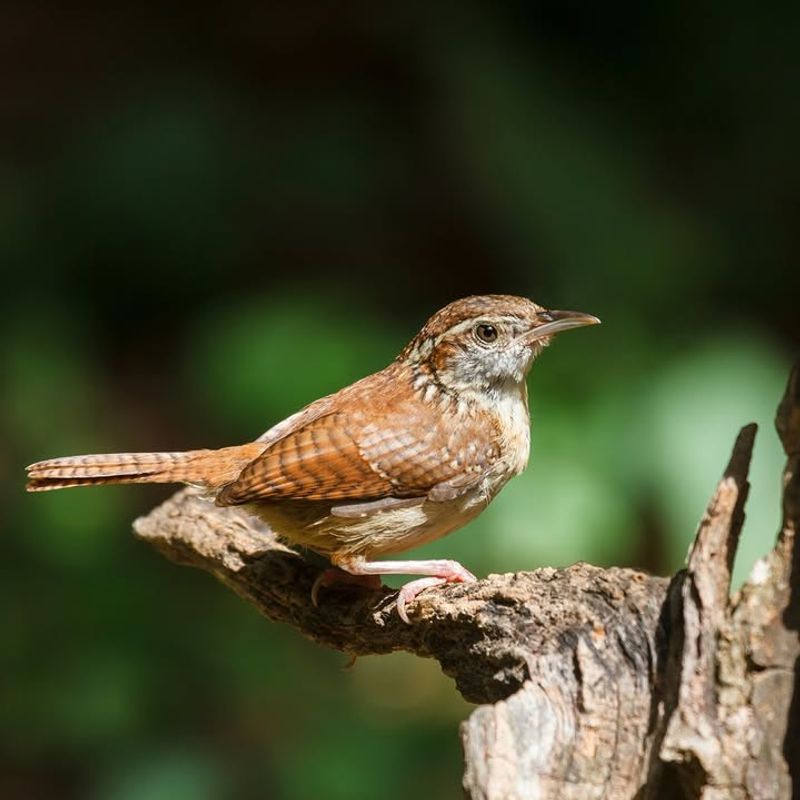
Winter is when Carolina wrens struggle most. Cold snaps hit hard, and without dense evergreen cover nearby, wrens lose critical roosting shelter overnight.
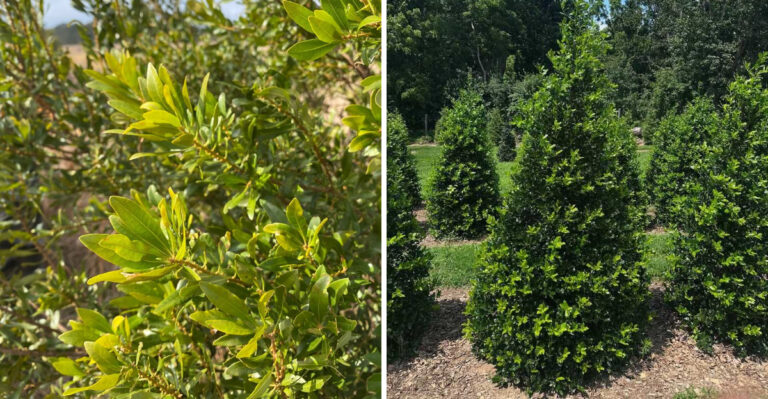
Native evergreens like wax myrtle, yaupon holly, and eastern red cedar hold their foliage all year. That consistent cover is what makes them so valuable.
Deciduous shrubs drop their leaves right when wrens need protection most.
Wax myrtle grows quickly and tolerates a wide range of soil conditions across the Southeast. It forms dense thickets that wrens use for both daytime cover and overnight roosting.
Planting it along a fence line or property edge creates a reliable year-round refuge.
Yaupon holly is another strong choice. Its small berries also provide supplemental food during lean winter months.
Wrens don’t eat berries as a primary food source, but having them nearby adds value to the habitat overall.
Eastern red cedar offers dense interior branching that blocks wind effectively. Wrens often roost deep inside cedar canopies during cold nights.
Even a single mature cedar near a nesting zone can improve winter survival rates for resident pairs.
Mixing two or three native evergreen species gives the best results.
5. Brush Piles Create Shelter Near Nesting Areas
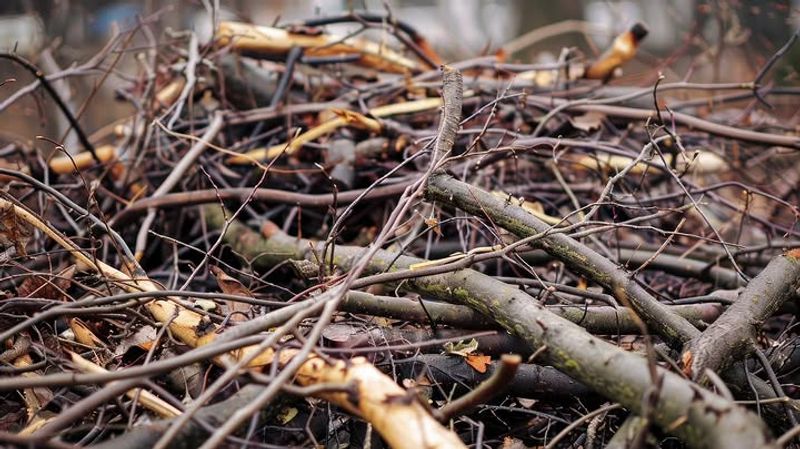
Brush piles look messy, but wrens treat them like five-star hotels. A well-placed pile of sticks, branches, and woody debris offers cover, foraging ground, and emergency shelter all in one spot.
Building one is straightforward. Stack larger branches on the bottom for structural stability, then layer smaller sticks and twigs on top.
Loose leaf material fills the gaps and creates the kind of interior wrens love to explore.
Position the pile near existing shrubs or a garden bed rather than out in the open. Wrens move between cover zones, so connecting a brush pile to nearby vegetation makes it far more useful than placing it in isolation.
A pile roughly four feet wide and two to three feet tall provides enough mass to hold warmth and block wind. Bigger isn’t always better.
Compact, dense piles with accessible entry points work better than sprawling loose stacks.
Wrens forage through brush piles constantly, hunting beetles, spiders, and other small invertebrates hiding in the debris. During nesting season, pairs sometimes build nests directly inside larger piles when the structure feels secure enough.
Leaving the pile in place year-round gives the most benefit.
6. Shallow Water Sources Support Daily Activity
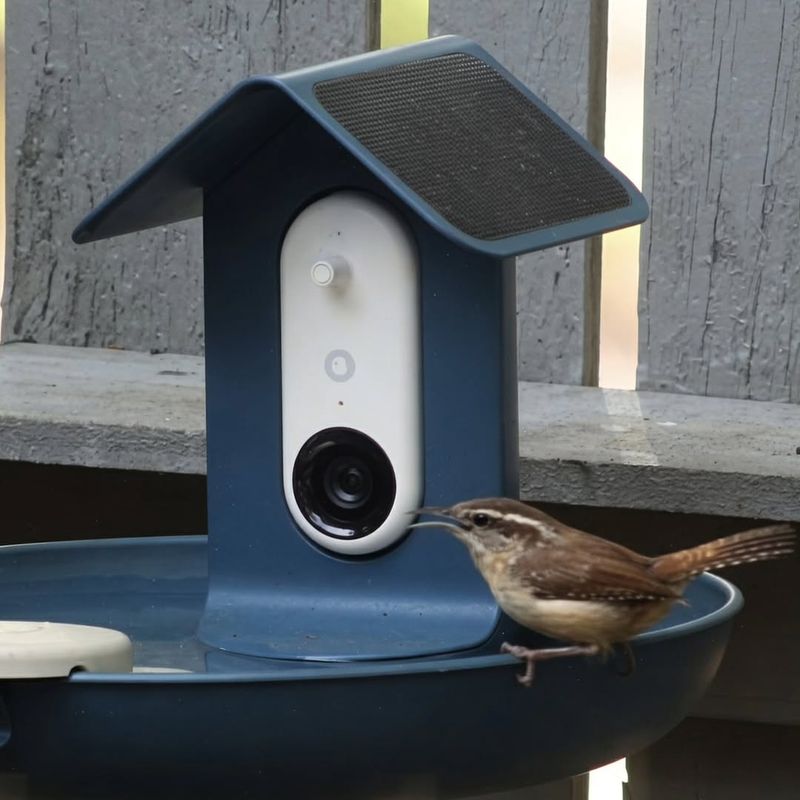
Water access matters more than most people realize. Carolina wrens bathe and drink daily, and yards without a reliable shallow water source often get skipped over entirely during territory selection.
Standard deep birdbaths don’t work well for wrens. Their short legs and small size make deep basins awkward and risky.
Shallow basins no deeper than one to two inches work best. Adding a few flat stones or pebbles gives them stable footing while drinking.
Placement is just as important as depth. Wrens prefer water sources positioned near shrubs or low cover rather than out in the open.
Being close to cover means a quick escape route if something startles them mid-bath.
Moving water attracts wrens faster than still water. A simple dripper or small recirculating pump creates sound that carries through the yard.
Wrens locate water sources partly by sound, especially during dry summer stretches when natural water is scarce.
Keeping the basin clean is essential. Stagnant or algae-covered water gets avoided quickly.
Rinsing it every two to three days and scrubbing it weekly keeps the water fresh and prevents buildup that deters birds.
7. Mealworms Can Supplement Natural Food Sources
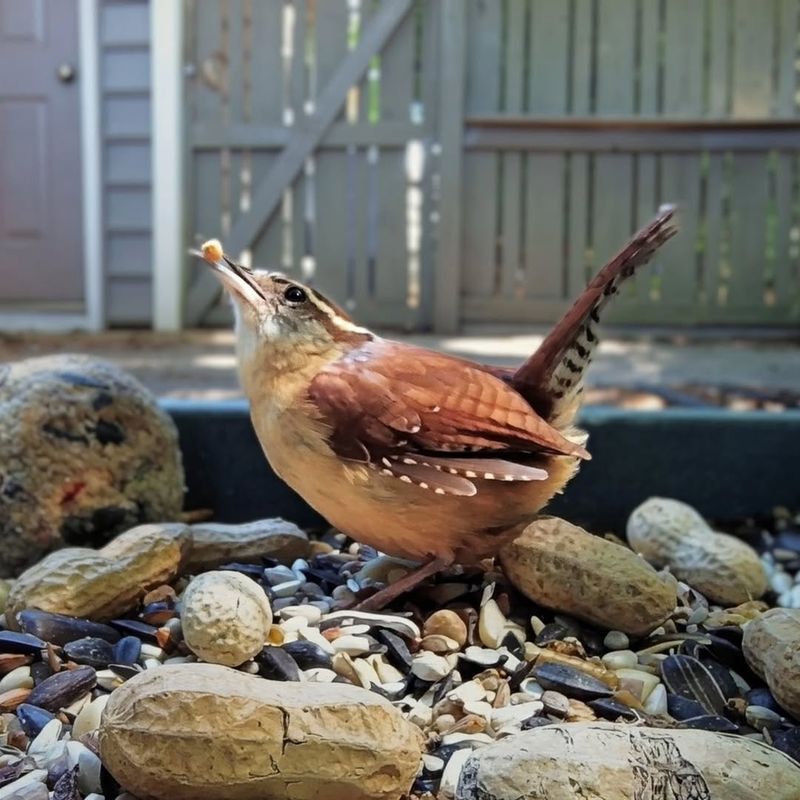
Live mealworms are one of the most effective tools for attracting Carolina wrens to a specific spot in the yard. Wrens are insectivores, and mealworms match their natural diet closely enough to trigger an immediate response.
Offer them in a shallow open dish rather than a tube feeder. Wrens don’t perch well on enclosed feeders.
A low, flat dish placed near shrubs or a brush pile works far better and gets discovered faster.
Start with small amounts, around twenty to thirty mealworms per day. Once wrens locate the source and begin visiting regularly, you can adjust the quantity based on how quickly the dish empties.
Overloading the dish with uneaten mealworms leads to spoilage and can attract unwanted pests.
Dried mealworms work in a pinch but live ones produce noticeably better results. The movement of live mealworms catches a wren’s eye from a distance.
Dried versions are more convenient and still get eaten, especially when wrens are already familiar with the feeding location.
Mealworms become especially valuable during nesting season. Parent wrens make dozens of food trips daily to feed nestlings.
8. Quiet Corners Help Nesting Pairs Settle In
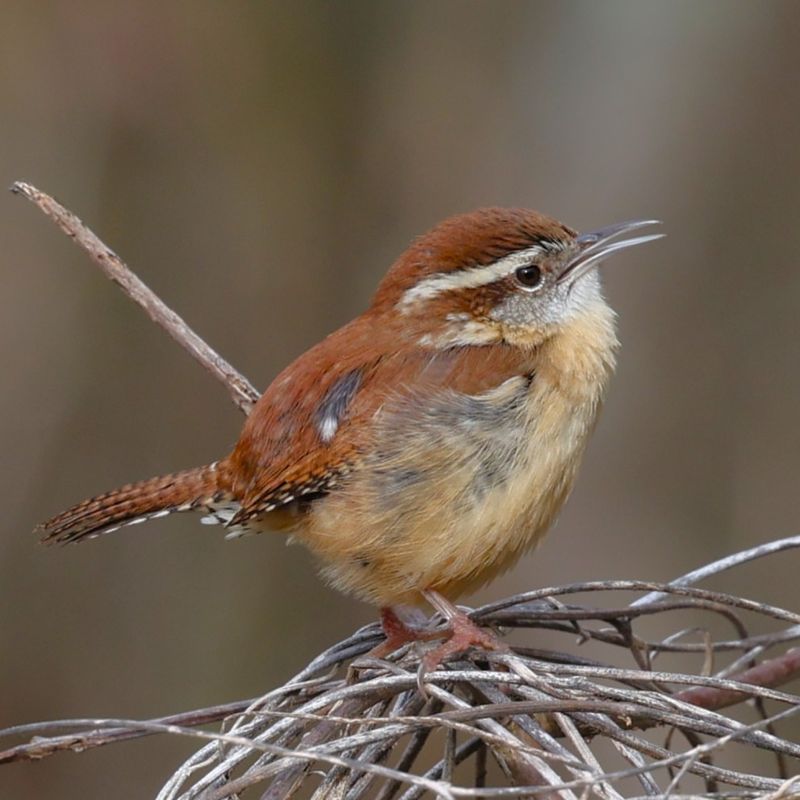
Noise and foot traffic push Carolina wrens away faster than almost anything else. Nesting pairs need low-disturbance zones where they can establish territory and raise young without constant interruption.
High-activity areas near patios, play equipment, or frequently used garden paths rarely hold nesting wrens for long. Even well-intentioned human presence near an active nest can cause pairs to abandon it within days of egg laying.
Identifying a low-traffic corner of the yard and intentionally leaving it undisturbed gives wrens the stability they need. It doesn’t have to be large.
A six-foot section along a back fence with dense shrubs and minimal human activity is enough to support a nesting pair.
Pets are a major factor too. Dogs and cats moving through nesting zones create stress that disrupts breeding behavior.
Blocking pet access to designated wren areas with simple fencing or dense plantings reduces disturbance significantly.
Once a pair begins nesting, avoid pruning, digging, or running loud equipment near the site. Nesting season in the Southeast typically runs from late March through July, sometimes with multiple broods.
Giving the area a wide berth during this window pays off with successful fledglings.