These Native Groundcovers Spread Fast Without Taking Over California Yards
If bare soil in a California yard had a motto, it would probably be something like “give me two weeks.”
Because that is honestly about how long it takes before something unwanted moves in and makes itself completely at home. Summer weeds are fast, opportunistic, and deeply unbothered by the heat.
The good news is that fast-spreading native groundcovers can beat them at their own game.
Low-growing, drought-tolerant, and genuinely good-looking once they get going, these plants can take over slopes, shaded edges, and sunny beds while using a fraction of the water that a traditional lawn needs.
The key, and this part actually matters, is matching the right plant to the right spot. Give a well-chosen groundcover enough space and reasonable boundaries and it will cover ground beautifully all summer long.
1. Turkey Tangle Fogfruit Forms A Low Living Carpet
Bare summer soil in a California yard can heat up fast, crack, and turn into prime weed territory before you even notice.
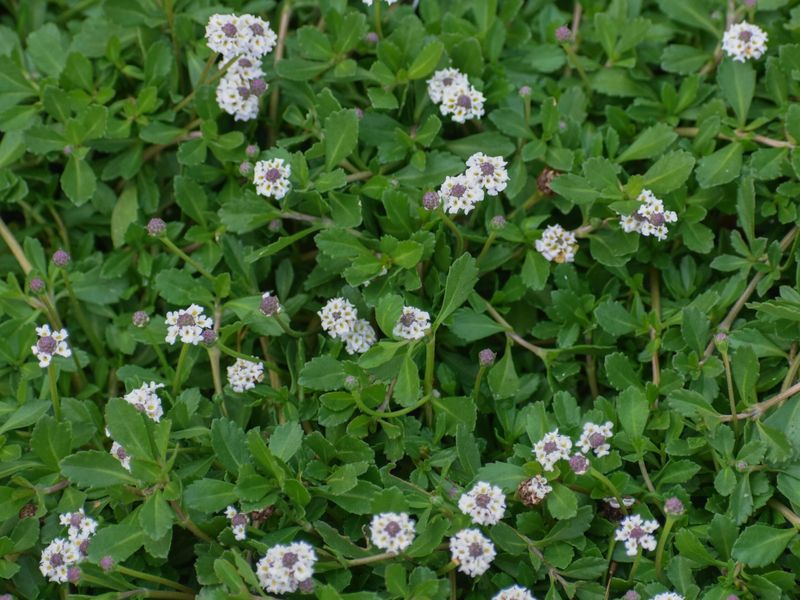
Turkey tangle fogfruit, known botanically as Phyla nodiflora, is one of the most effective low-growing natives for covering that open ground quickly.
It hugs the soil so tightly that it rarely grows taller than two inches, forming a dense living carpet that shades out weed seeds before they get a chance to sprout.
This plant spreads by sending out rooting stems called stolons that creep outward and anchor wherever they touch soil. In sunny, well-drained spots across California, it can fill in surprisingly fast during the warm season.
It handles light foot traffic reasonably well, which makes it a practical choice near pathways or between stepping stones where other groundcovers might struggle.
Fogfruit produces tiny white and lavender flowers that draw in native bees and butterflies, adding real habitat value to the yard. It needs regular water during establishment but becomes quite drought-tolerant once it has settled in.
Occasional mowing or edging keeps it from creeping into garden beds or lawn areas where it is not wanted.
2. Beach Strawberry Spreads Gently In Sunny Spots
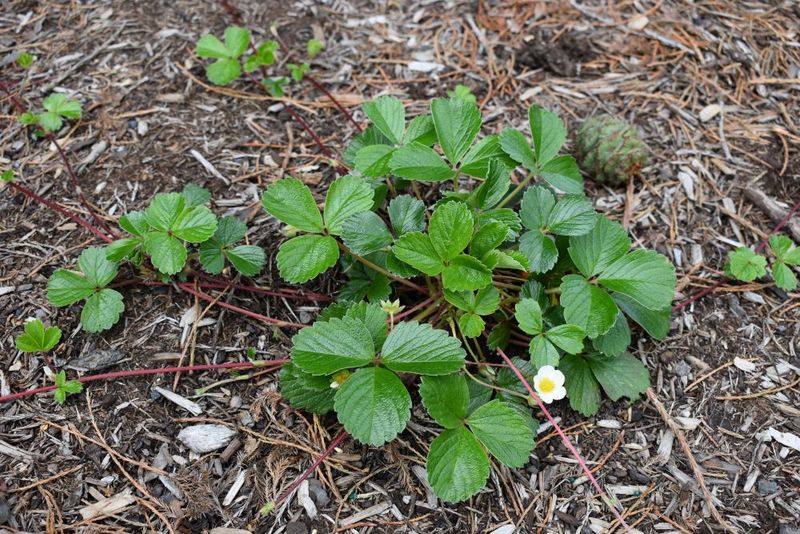
Along California’s coast and in sunny inland beds, beach strawberry brings a familiar look with genuine native credentials.
Fragaria chiloensis is one of the parent species of the modern garden strawberry, and it has been growing wild along California’s shoreline for thousands of years.
That coastal heritage means it handles sandy, well-drained soils and full sun with ease, though it also adapts well to garden beds further inland when drainage is good.
Beach strawberry spreads through runners, which are long horizontal stems that root at the tips to form new plants. The spreading is steady rather than aggressive, making it manageable in most home landscapes.
Runners can be redirected or trimmed back easily when they reach areas where you do not want them, and a simple border or edging strip helps keep the patch contained.
White flowers appear in spring and attract native pollinators, while the small fruits that follow draw birds and other wildlife.
During the first season, consistent watering helps the runners establish, but once the patch fills in, beach strawberry handles California’s dry summers with minimal irrigation.
Your California Garden Changes Every Week. Your Plan Should Too.
Gardening in California changes quickly throughout the season. Every Friday you’ll receive a simple weekly plan showing exactly what to plant, prune, fertilize, harvest, and protect so you never miss the right timing.
It works well on gentle slopes, along sunny garden edges, and in low-water beds where a soft, green texture is welcome.
3. Woodland Strawberry Fills Part-Shade Edges
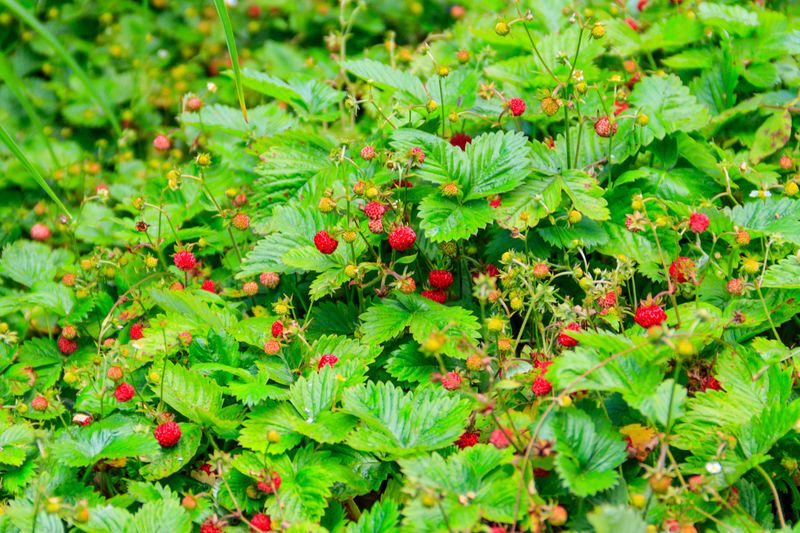
Shaded garden edges in California can be surprisingly tricky to plant. Too much sun for ferns, not enough light for most flowering groundcovers, and just dry enough in summer to make things complicated.
Woodland strawberry, Fragaria vesca, fits that awkward in-between zone better than most plants. It thrives in part shade, especially under the canopy of oaks, fruit trees, or along the north-facing edge of a fence or structure.
Like its coastal cousin, woodland strawberry spreads through runners that root as they travel across the soil surface. The pace is gentle enough that most gardeners find it easy to manage.
Trim back runners that wander too far, redirect them toward bare soil you want covered, or simply pull extras when the patch gets fuller than you need.
Small white flowers bloom in spring, and the tiny red fruits that follow are edible, though they are quite small. Birds tend to find them before most gardeners do, which adds a nice wildlife dimension to the planting.
Established patches hold up well through California’s dry season with occasional deep watering every week or two. Woodland strawberry works beautifully as a living mulch under shrubs or along part-shade paths where a low, soft texture is needed.
4. Bee’s Bliss Sage Covers Bare Soil Fast
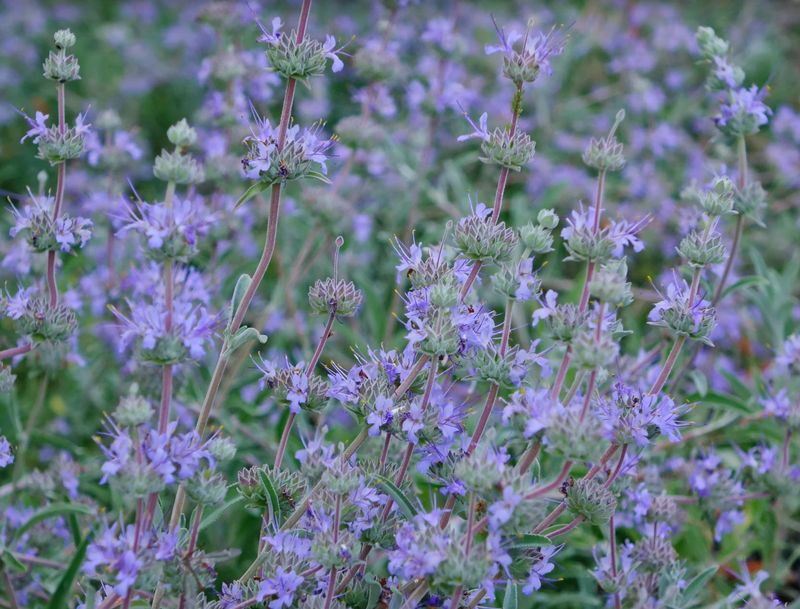
Open sunny slopes in California yards can go from bare to weedy in a single wet season if nothing is planted to hold the ground. Bee’s Bliss sage, a hybrid derived from native California sages, is one of the most reliable spreaders for exactly that kind of situation.
It grows low and wide, typically reaching about one to two feet tall while spreading six to eight feet or more across, filling open areas with soft gray-green foliage that smells wonderful when brushed.
Lavender-blue flower spikes appear in late winter and spring, and they are practically magnetic to hummingbirds and native bees. The bloom period is one of the longest among California sages, which makes this plant a standout in any habitat-focused yard.
After blooming, a light shearing encourages fresh growth and keeps the plant looking tidy rather than woody and overgrown.
Bee’s Bliss establishes fairly quickly with regular watering during the first dry season, then becomes very drought-tolerant once the roots are settled. It prefers well-drained soil and full sun, and it does not respond well to heavy clay or overwatering.
Used along berms, slopes, or the front edge of a dry garden bed, it covers ground efficiently without requiring much attention once it is established.
5. Creeping Sage Softens Dry Garden Beds
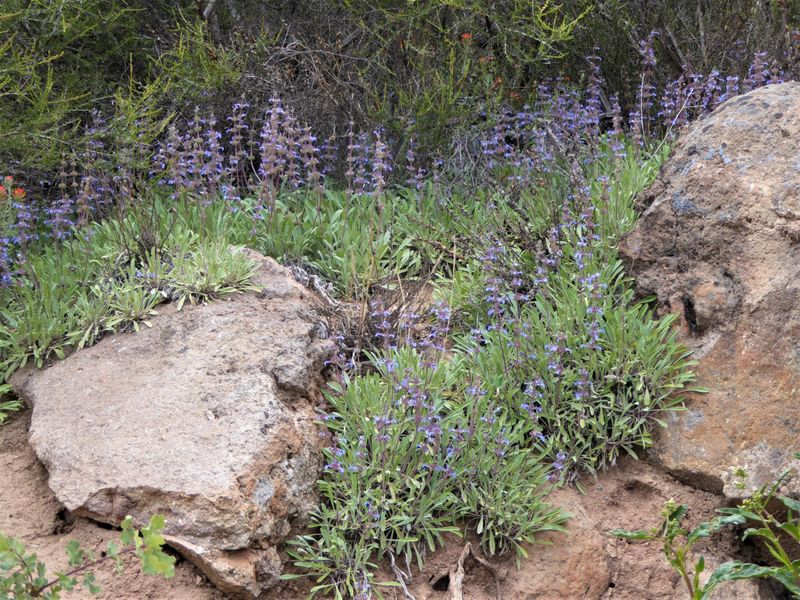
Sonoma sage, also called creeping sage or Salvia sonomensis, has a relaxed, sprawling quality that makes it feel right at home in a dry California garden bed.
It does not grow tall, usually staying under a foot in height, but it spreads outward in a loose, layered way that gives rocky slopes and sunny borders a soft, natural texture.
The foliage is gray-green and slightly textured, which pairs well with boulders, decomposed granite paths, and other drought-tolerant plants.
Lavender-purple flower spikes appear in spring and attract native bees with reliable consistency. The bloom is not as showy as some other sages, but the overall effect in a dry garden is quietly beautiful.
After flowering, the plant settles into a low, semi-dormant state through the hottest part of summer, which is completely normal behavior for this species in California’s Mediterranean climate.
Creeping sage spreads through layering, where stems that rest against the soil gradually root and extend the plant’s footprint. It is not a fast or aggressive spreader, but over two to three seasons it can cover a meaningful patch of open ground.
Excellent drainage is important, and occasional trimming after bloom keeps the plant from looking too untidy as it ages through the season.
6. Point Reyes Ceanothus Stays Low And Dense
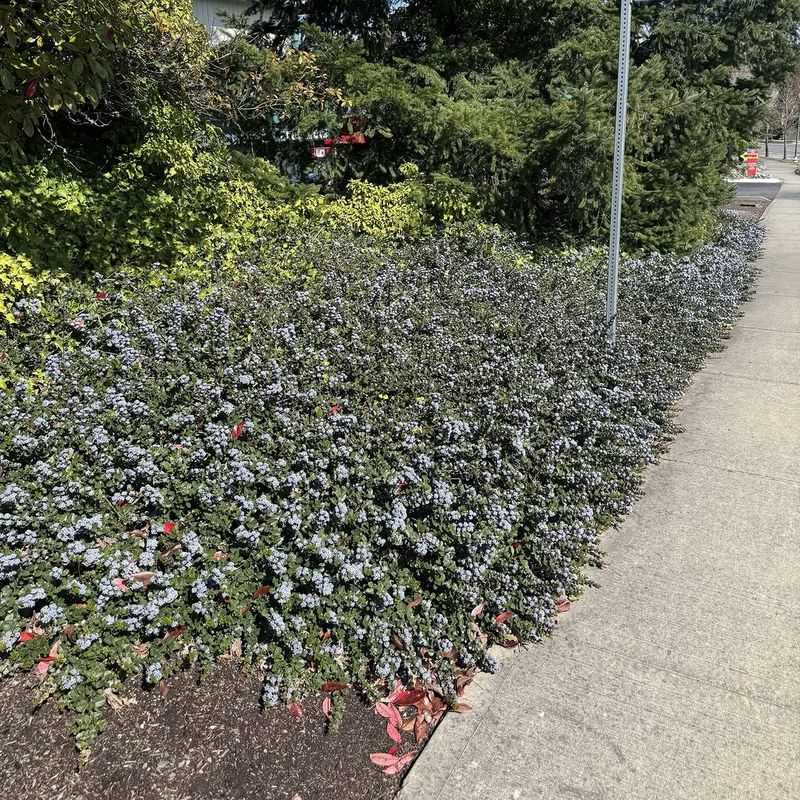
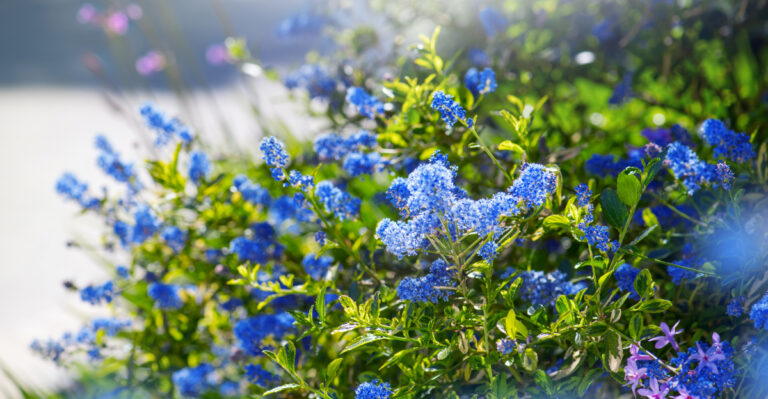
Few sights in a California native garden are as striking as Point Reyes ceanothus in full bloom. Ceanothus gloriosus produces dense clusters of deep blue-purple flowers in late winter and early spring, and the display can stop people in their tracks.
What makes this species especially useful in home landscapes is its naturally low, spreading habit. It typically stays under two feet tall while spreading four to eight feet wide, forming a dense evergreen mat that covers slopes and open areas without needing much help.
Named for the Point Reyes peninsula in Marin County, this ceanothus is adapted to coastal conditions but performs well across many parts of California where drainage is good and summer water is limited.
The glossy, slightly spiny leaves create a texture that discourages foot traffic and helps keep animals from wandering through planted areas.
Once established, Point Reyes ceanothus is highly drought-tolerant and rarely needs supplemental irrigation through a normal California dry season.
It does not respond well to summer watering, so placement away from lawn irrigation zones or sprinkler systems is important.
Occasional light shaping after bloom can keep the edges tidy, but heavy pruning is not recommended. Given the right spot, this plant can cover a slope or bank with minimal long-term maintenance.
7. Point Reyes Manzanita Makes A Tough Evergreen Mat
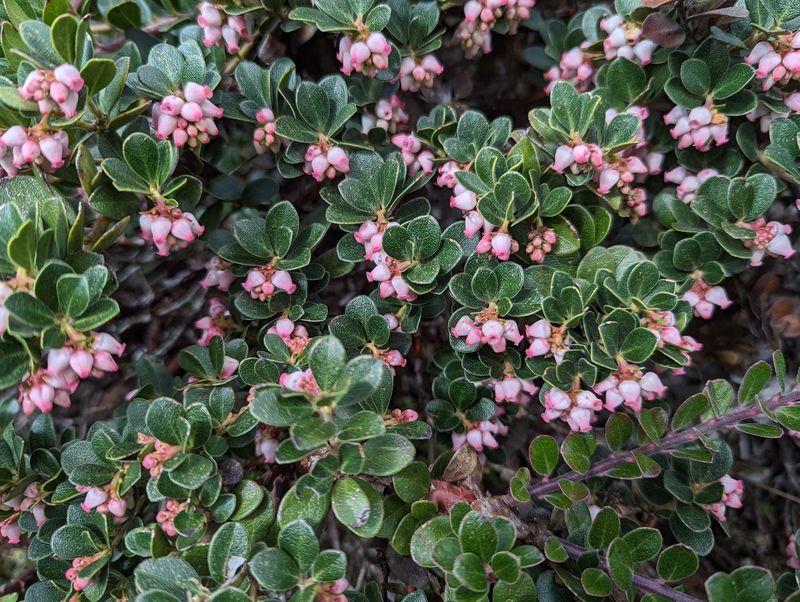
Manzanitas have a reputation for being tough, and Point Reyes manzanita lives up to that fully.
Arctostaphylos edmundsii is a low, mat-forming species that spreads gradually across the ground, rooting as it goes and building a dense evergreen layer that is hard to beat for year-round structure in a California native garden.
The foliage stays green through summer drought and winter rain alike, which gives the yard a consistent, cared-for look without much effort.
Small pink urn-shaped flowers appear in late winter, and they are an early nectar source for hummingbirds and native bees when few other plants are blooming.
The flowers are followed by small red-orange berries that birds and other wildlife find appealing, adding another layer of habitat value to the planting.
Point Reyes manzanita spreads by layering, where low stems root against the soil and gradually push the plant’s edge outward. Growth is steady rather than rapid, so patience is helpful during the first couple of seasons.
Once established, it is very drought-tolerant and actually prefers to go without summer irrigation. It fits well along sunny slopes, garden borders, and open areas where an evergreen, low-maintenance groundcover is needed.
Good drainage is essential, and heavy clay soils should be amended or avoided.
8. Hummingbird Sage Works Beautifully In Dry Shade
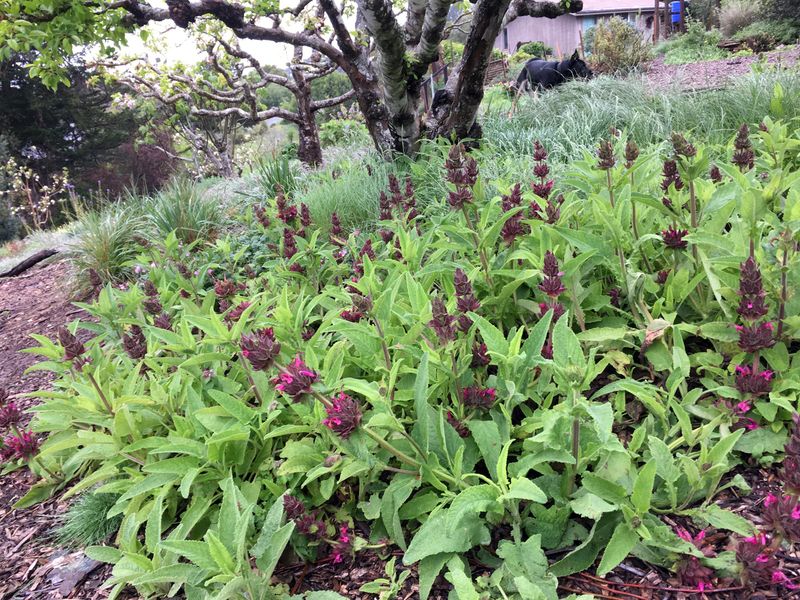
Dry shade under California oaks or along north-facing walls is one of the harder planting challenges in the state. Most groundcovers want either more water or more sun than those spots offer.
Hummingbird sage, Salvia spathacea, is one of the few natives that genuinely thrives there. Its large, crinkled leaves have a bold texture that stands out in shaded areas, and the whole plant has a pleasant, fruity fragrance that makes walking past it a sensory experience.
Tall magenta flower spikes emerge in spring and are irresistible to hummingbirds, which is exactly how the plant earned its name. The blooms are striking even in low-light conditions, bringing a vivid splash of color to spots that often feel dull and underplanted.
After blooming, the plant spreads through underground rhizomes, gradually filling in around other plants and covering bare soil in a natural, unforced way.
Hummingbird sage does not spread with the speed of some stoloniferous groundcovers, but over several seasons it can fill a shaded bed quite thoroughly.
It handles California’s dry summers well once established, needing only occasional deep watering in the hottest months.
Trimming back old stems after bloom keeps the planting looking fresh. For dry shade gardens in California, few plants offer this combination of texture, fragrance, wildlife value, and adaptability.
9. Pigeon Point Coyote Brush Covers Larger Open Areas
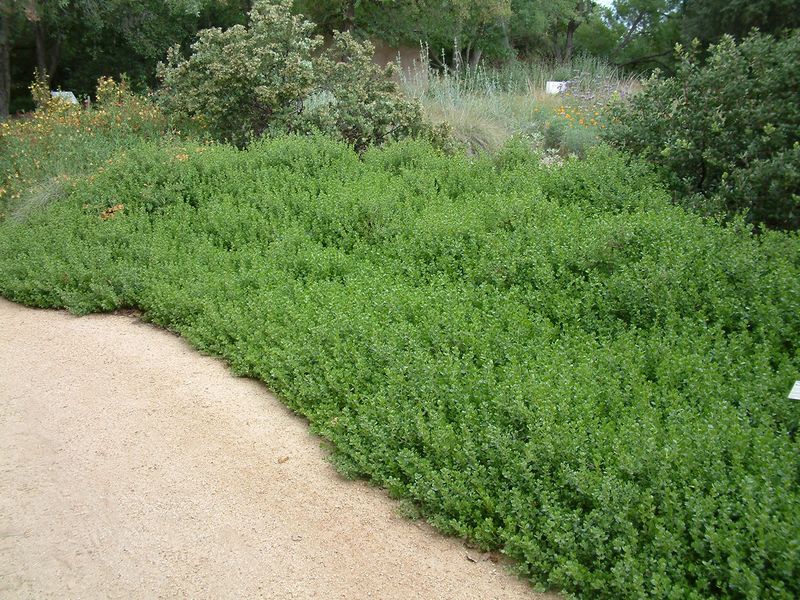
When a California yard has a large open slope or a wide sunny area that needs covering, most small groundcovers simply cannot keep up. Pigeon Point coyote brush, a selected form of Baccharis pilularis, is built for exactly that kind of job.
It spreads quickly and widely, eventually reaching six to ten feet across while staying under two feet tall, forming a dense, bright green mat that holds soil effectively and shades out weeds once it fills in.
Coyote brush is a California native that has been used in erosion control and habitat restoration for decades, but the Pigeon Point selection is compact enough to work well in home landscapes too.
It is tough, reliable, and unfazed by coastal winds, poor soils, or extended summer drought once established.
White fluffy seed heads appear in fall and attract native insects and birds.
The main thing to watch with Pigeon Point coyote brush is its spread rate. It moves faster than many other groundcovers on this list, so giving it adequate room from the start prevents it from crowding neighboring plants.
An occasional trim along the edges keeps it within its intended area. Regular deep watering during the first dry season helps roots establish, after which irrigation needs drop considerably.
For large, open, sunny California spaces, this plant is hard to match.
10. Yankee Point Ceanothus Spreads Across Sunny Slopes
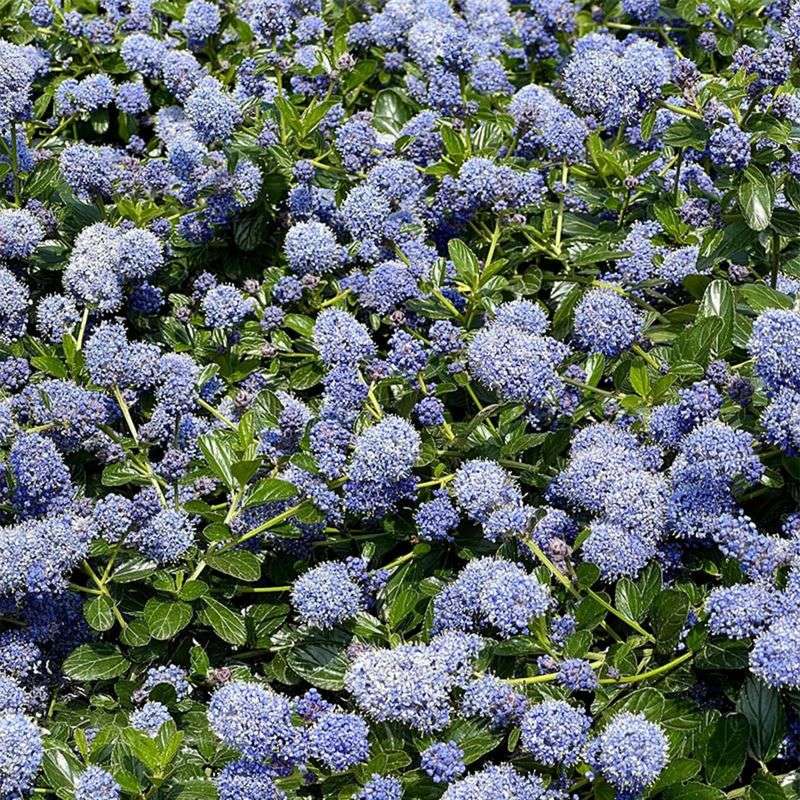
Sunny slopes in California can be beautiful or problematic depending on what is growing on them. When the soil is bare or weedy, a dry hillside erodes in winter rain and bakes in summer heat.
Yankee Point ceanothus, a selection of Ceanothus griseus horizontalis, is one of the most widely planted native groundcovers in California for good reason.
It spreads vigorously across open ground, rooting as it goes, and can cover a slope of considerable size within a few seasons.
Vivid blue flower clusters appear in late winter to early spring and create a spectacular display that draws native bees, butterflies, and other pollinators in large numbers.
The glossy dark green foliage stays attractive through the entire year, giving the slope a lush, cared-for appearance even through the dry summer months when other plants look stressed.
Yankee Point ceanothus can spread eight to ten feet wide or more, so spacing and placement matter. Giving it room to roam without crowding structures, pathways, or other plants helps it perform at its best.
Like other ceanothus species, it strongly dislikes summer irrigation once established, so keeping it away from sprinkler zones is important in California yards.
A light trim along the edges after bloom is usually all the maintenance it needs to stay tidy and within bounds.