Do This To Lantana In June For Nonstop Summer Color In California
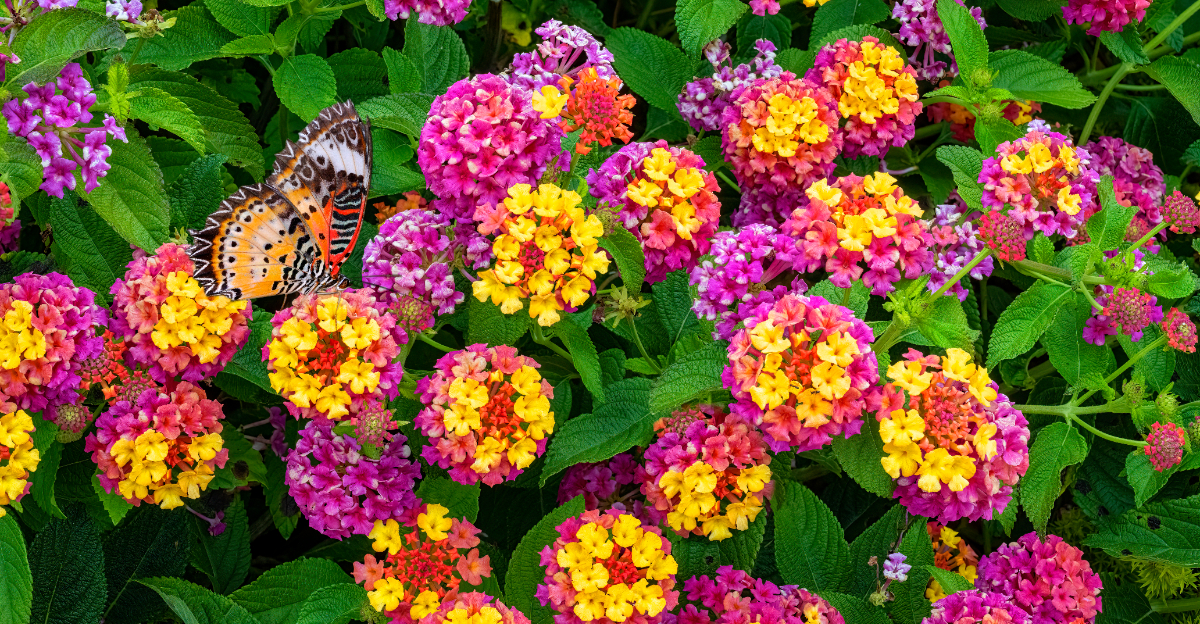
Lantana does not need much drama to look amazing, but June is when a little attention can really pay off.
By now, the plant may be pushing fresh growth, setting buds, or starting to look a bit stretched after its first burst of color.
California sun gives lantana the heat it loves, but strong blooms still depend on the right kind of care at the right time.
This is the month to notice what the plant is doing before summer gets more intense.
A simple trim, better watering habits, and a closer look at fading flower clusters can help keep the show going. The goal is not to fuss over it every day.
It is to give lantana the small push it needs so those bright blooms keep coming through the hottest weeks ahead.
1. Deadhead Spent Flower Clusters Before They Set Seed
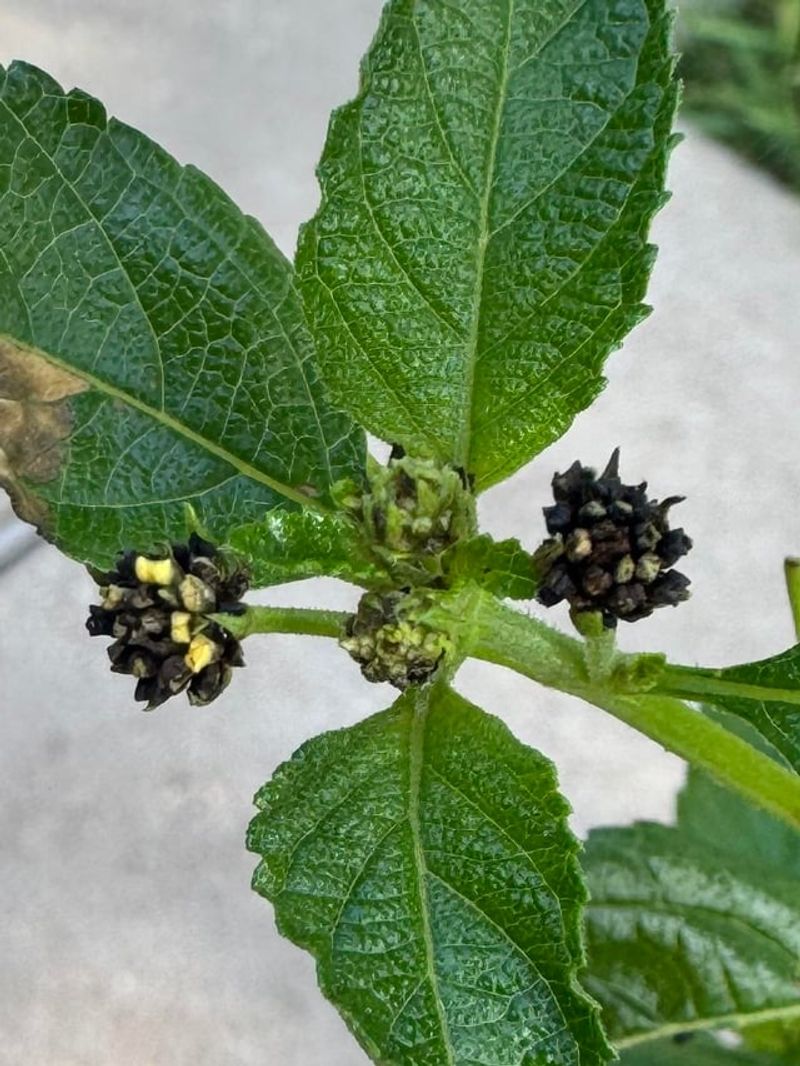
Those little dried-up flower heads might seem harmless, but they are quietly working against you. When lantana blooms are left on the plant too long, they form berries and set seed.
Once that happens, the plant thinks its job is done and slows down blooming.
Deadheading is the simple act of removing those old flower clusters before they turn into seeds. All you need is a pair of small garden snips or even your fingers.
Pinch or cut the spent bloom right where it meets the stem. It takes just a few minutes and makes a big difference.
In June, lantana is growing fast and has plenty of energy to push out new flowers. Removing the old ones tells the plant to keep going.
You are basically sending it a message: more blooms are needed.
Do this every week or every other week throughout the summer. You do not need to go over every single stem with a magnifying glass.
Just walk around the plant and snip off anything that looks dry, brown, or past its prime.
Gardeners who skip deadheading often wonder why their lantana looks tired by mid-July. The answer is almost always that spent blooms were left to set seed.
Stay on top of it in June and your plant will reward you with color all the way through September.
2. Snip Long Stems To Trigger Fresh Blooming Growth
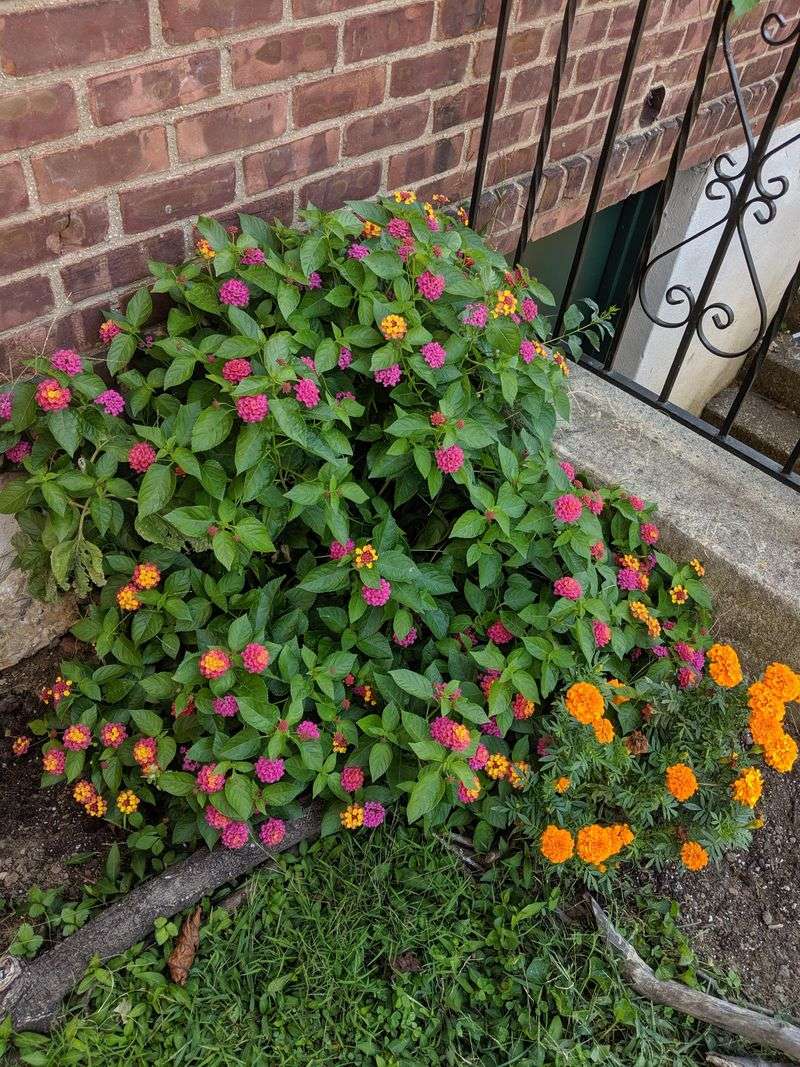
By June, some lantana stems can get surprisingly long. They stretch out looking for more sun, and before you know it, the plant looks more like a sprawling vine than a colorful shrub.
Long stems with few blooms are a sign the plant needs a nudge. Snipping those long stems back by about one-third is one of the best things you can do.
New growth sprouts just below where you cut, and that new growth is where the fresh flower buds form.
It is a simple cause-and-effect relationship that works every time.
Use clean, sharp bypass pruners for this job. A clean cut heals faster and reduces the chance of disease sneaking in.
Wipe your blades with rubbing alcohol before you start, especially if you are moving from plant to plant.
Your California Garden Changes Every Week. Your Plan Should Too.
Gardening in California changes quickly throughout the season. Every Friday you’ll receive a simple weekly plan showing exactly what to plant, prune, fertilize, harvest, and protect so you never miss the right timing.
Focus on the stems that have gotten the longest or that have already finished blooming. You do not need to cut every stem at once.
Work your way around the plant gradually so it always has some color showing while new buds are forming.
Many gardeners are surprised by how quickly lantana responds after a light trim. Within a week or two, you will see fresh green tips pushing out.
Those tips turn into flower clusters fast, especially in the warm June sun. Keep this habit going all summer for a plant that never looks dull.
3. Avoid Hard Summer Pruning In Extreme Heat
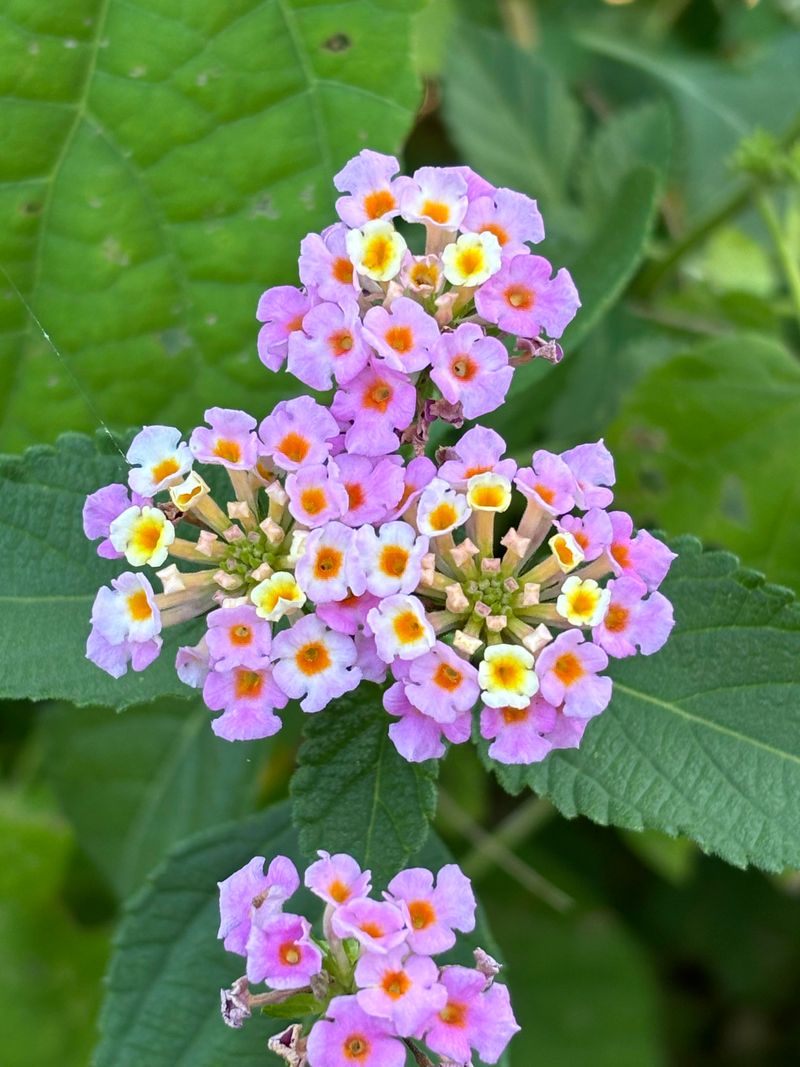
June can bring some seriously hot days, especially in inland areas and southern parts of our state.
On those scorching afternoons when temperatures push past 95 or 100 degrees, the last thing your lantana needs is a heavy pruning session.
Hard pruning means cutting the plant back severely, removing large amounts of growth all at once. While lantana is tough, doing this during a heat wave puts real stress on it.
The plant loses a lot of its leaf cover, which it uses to manage heat and moisture loss.
Think of leaves as the plant’s cooling system. Strip too many away during extreme heat and the plant struggles to stay stable.
You might see wilting, scorched stems, or a long slowdown in blooming that lasts weeks.
Save hard pruning for cooler days or for the fall season when temperatures drop. In June, keep your cuts light and targeted.
Remove only what is clearly spent, damaged, or overly long. That is enough to keep the plant tidy and blooming without pushing it into stress.
Early morning is the best time to prune on any summer day. The air is cooler, the plant is hydrated from the night, and it has the whole day to recover before temperatures climb again.
Being smart about timing protects your plant and keeps those blooms coming strong all season long.
4. Thin Out Woody Interior Stems For Better Airflow
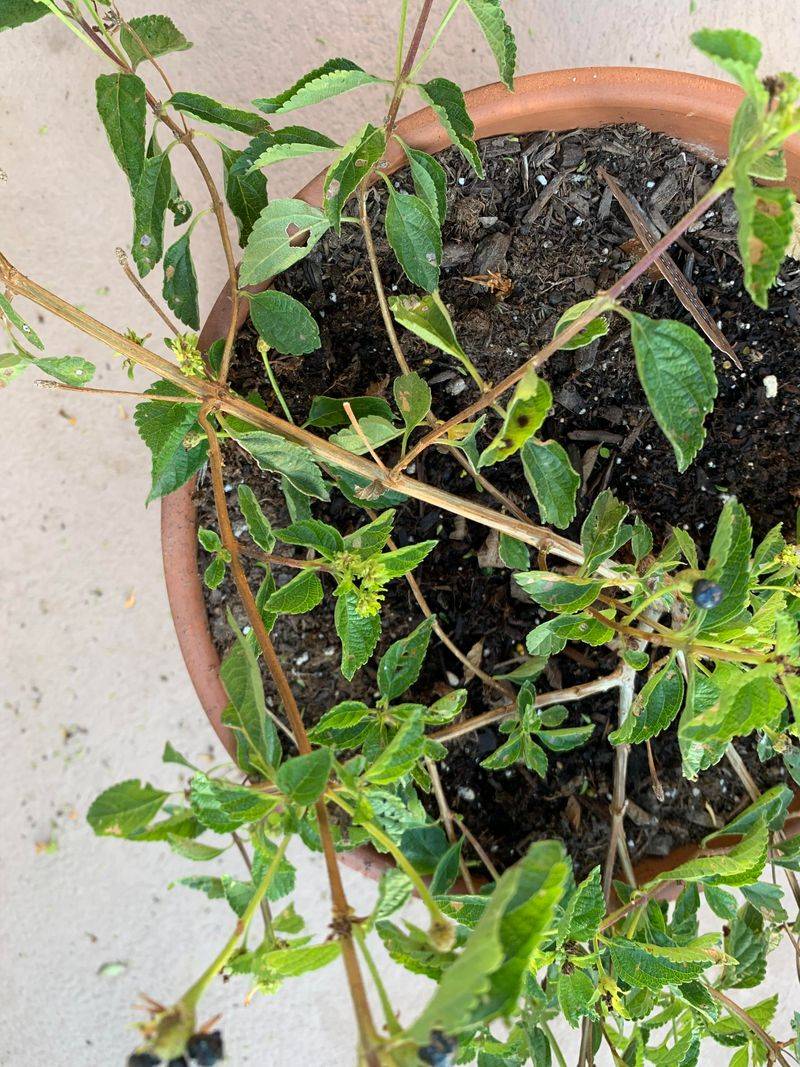
Mature lantana plants can develop a dense, woody center over time. All those old stems packed together create a dark, stuffy environment inside the plant.
That kind of environment is exactly where fungal problems and pest issues love to start.
Thinning out the interior means removing some of those older, woodier stems from the base of the plant. You are not cutting the whole plant back.
You are just opening it up a little so air can move through freely.
Good airflow keeps the foliage drier and reduces the risk of powdery mildew and other moisture-related problems.
It also lets sunlight reach the inner stems, which encourages new growth from the base of the plant rather than just the tips.
Look for stems that cross each other, rub together, or point inward toward the center of the plant. Those are the ones to remove first.
Cut them as close to the base or a main branch as possible so you are not leaving short stubs behind.
Do not go overboard. Removing about ten to twenty percent of the interior growth is usually plenty for June.
You want the plant to stay full and lush on the outside while being open and breathable on the inside.
A little thinning now prevents bigger problems later in the season when heat and humidity peak across the region.
5. Water Deeply After A June Trim
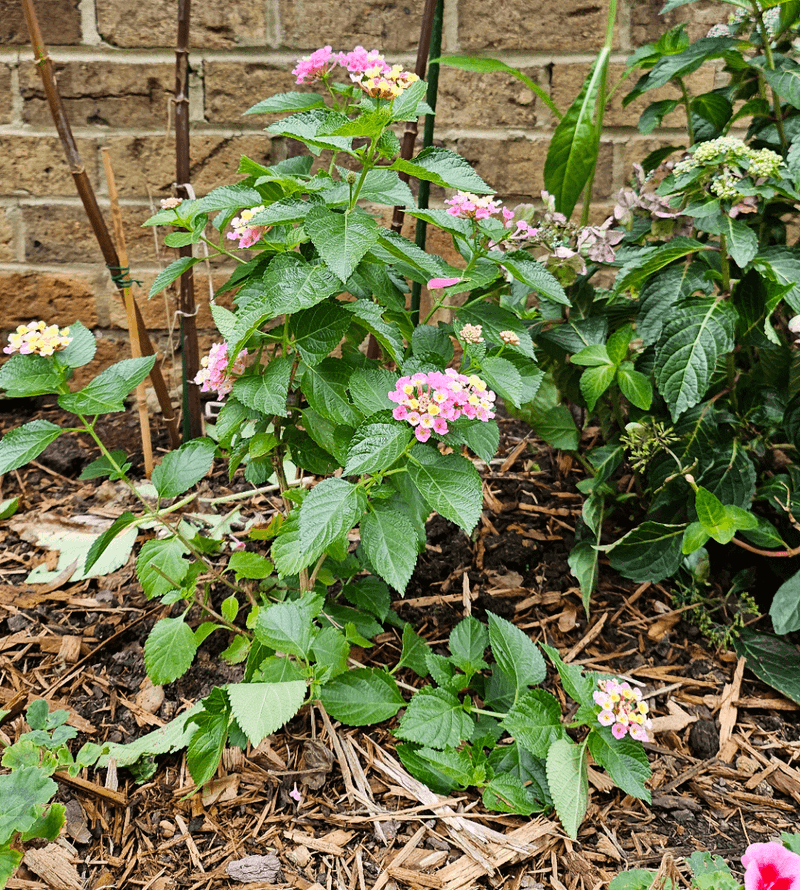
Pruning is a mild form of stress, even for a tough plant like lantana. After you trim, the plant shifts some of its energy toward healing the cuts and pushing out new growth.
That process requires water, and June in our state is rarely generous with rainfall.
Deep watering means letting the water soak slowly into the soil until it reaches the root zone, which can be twelve inches or more down. A quick splash from the hose is not enough.
The goal is to encourage roots to grow deeper, where soil stays cooler and holds moisture longer.
Water at the base of the plant, not overhead. Wetting the foliage in hot weather can lead to leaf scorch and fungal spots.
A soaker hose or drip line works great for lantana because it delivers water right where it is needed without wasting a drop.
After a trim, give the plant a good, slow soak and then check the soil again in a few days. Stick your finger two inches into the soil near the base of the plant.
If it feels dry at that depth, it is time to water again.
Once lantana is well established, it becomes quite drought tolerant. But right after pruning, it appreciates consistent moisture to bounce back quickly.
Keeping the soil evenly moist for the first week after a trim speeds up recovery and gets new blooms forming faster.
6. Feed Lightly If Growth Looks Tired Or Pale
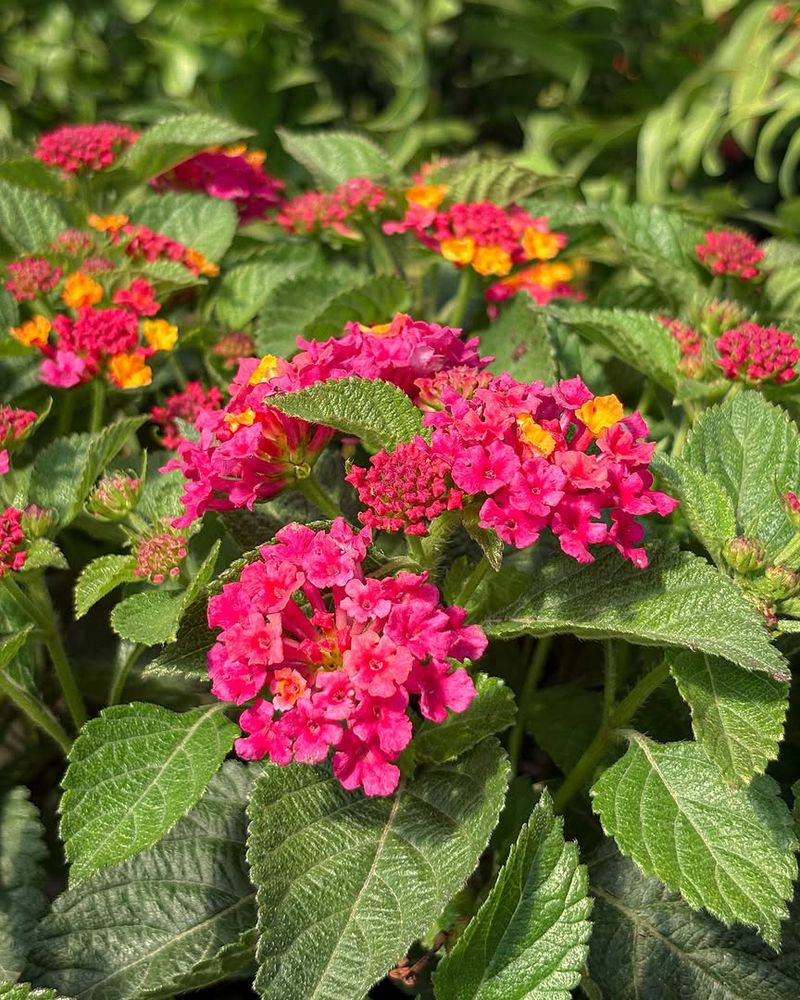
Sometimes lantana hits a midseason slump. The leaves look a little washed out, the new growth is slow, and the blooms are smaller than usual.
That is often a sign the plant could use a light feeding to get back on track. The key word here is light. Lantana is not a heavy feeder.
Too much fertilizer, especially nitrogen-rich products, pushes the plant to grow lots of leaves but very few flowers. You want blooms, not a leafy green bush.
A balanced, slow-release fertilizer with equal parts nitrogen, phosphorus, and potassium works well.
Something like a 10-10-10 formula applied at half the recommended rate is a safe starting point.
Sprinkle it around the drip line of the plant, not right up against the stem.
Water it in well right after applying. This helps the nutrients move down into the root zone where the plant can actually use them.
Applying fertilizer to dry soil can cause root burn, so always water first if the ground feels dry.
You do not need to feed lantana every month. One light application in early June, and maybe one more in August if the plant still looks sluggish, is usually all it needs.
Healthy, well-amended soil reduces the need for feeding altogether. Check your soil before reaching for the fertilizer bag, and only feed when the plant is clearly asking for it.
7. Remove Damaged Growth
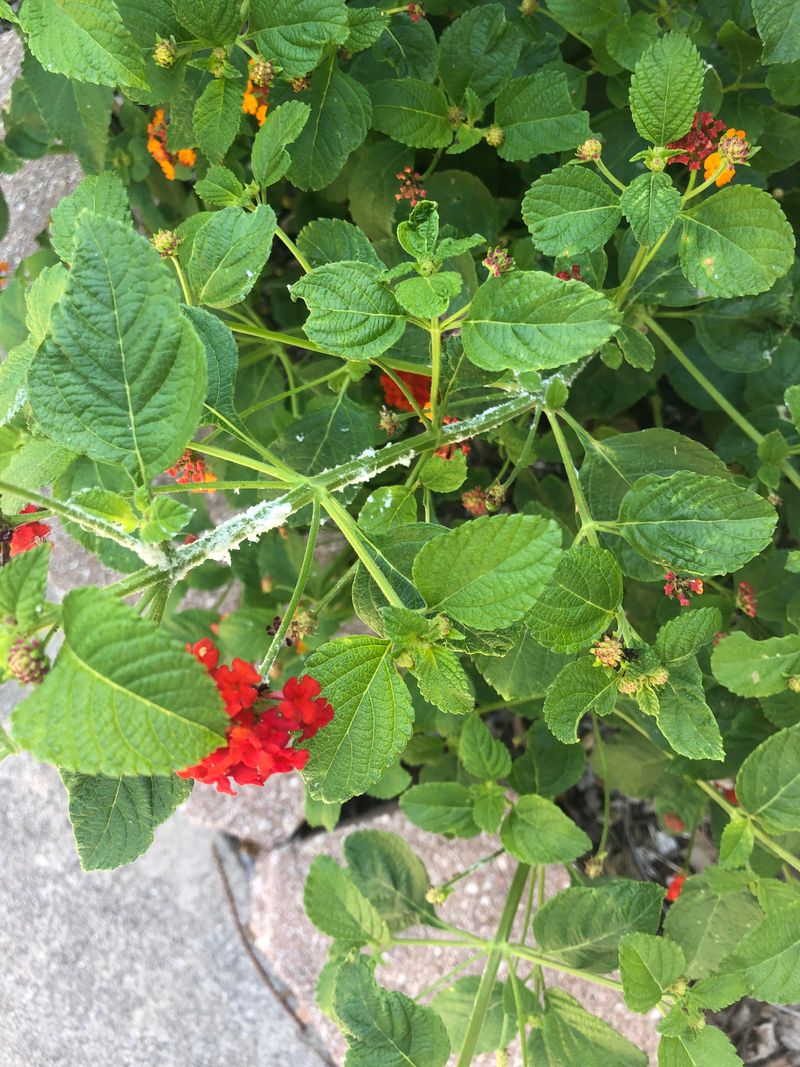
Storms, wind, hungry insects, and even careless foot traffic can leave lantana with broken or beat-up stems.
Leaving that damaged growth on the plant is like leaving a splinter in your finger. It becomes a starting point for bigger problems.
Damaged stems and leaves can attract pests looking for an easy entry point. They can also harbor fungal spores that spread to healthy parts of the plant.
Removing them early keeps the whole plant healthier through the long summer ahead.
Walk around your lantana every week or two and look for stems that are cracked, bent, or discolored in an unusual way.
Cut them off cleanly just above a healthy node or leaf joint. That way, new growth has a good place to start from.
Also look at the leaves. If you see patches of brown, black spots, or leaves that look chewed and ragged beyond normal wear, remove those too.
Bagging them up and tossing them in the trash is smarter than composting them, since diseased material can spread through compost piles.
June is a great month to do a thorough damage check because the plant is growing quickly and can recover fast.
Any gaps left by removing damaged stems will fill in with fresh, healthy growth within a few weeks.
Staying on top of this small task keeps your lantana looking its best when summer color matters most.
8. Keep Lantana Compact Without Shearing It Into A Ball
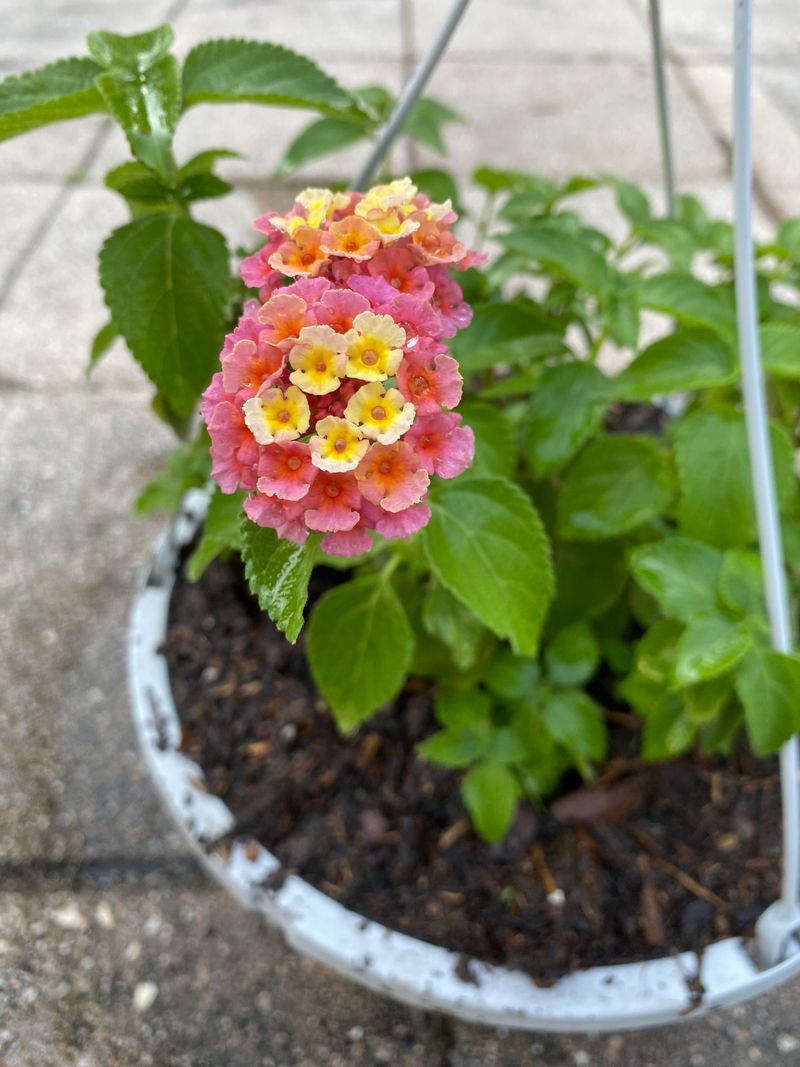
There is a big temptation when a plant starts getting bushy to grab the hedge trimmer and go to town. With lantana, that is a habit worth resisting.
Shearing it into a tight ball cuts off most of the branch tips, and those tips are exactly where the flowers form.
A heavily sheared lantana might look tidy for a week, but then it just sits there looking like a green meatball with no blooms.
The flowers need stem tips to grow from, and shearing removes them all at once in a way that takes weeks to recover from.
Selective hand pruning is a much better approach. Instead of cutting everything at the same height, reach into the plant and snip individual stems at different lengths.
This creates a natural, layered shape that still looks full and controlled but allows blooms to keep forming at multiple points.
Step back every few cuts and look at the overall shape of the plant. You are aiming for something that looks naturally rounded and full, not geometrically perfect.
Lantana has its own wild, cheerful character, and your pruning should work with that rather than against it.
Keeping the plant compact through selective pruning also improves its structure over time.
The stems become stronger, the branching becomes denser, and the plant gets better at supporting its own weight. A well-shaped lantana in full bloom is one of summer’s greatest backyard sights.