The One Thing North Carolina Zucchini Needs In June Or Vine Borers Will End Your Harvest
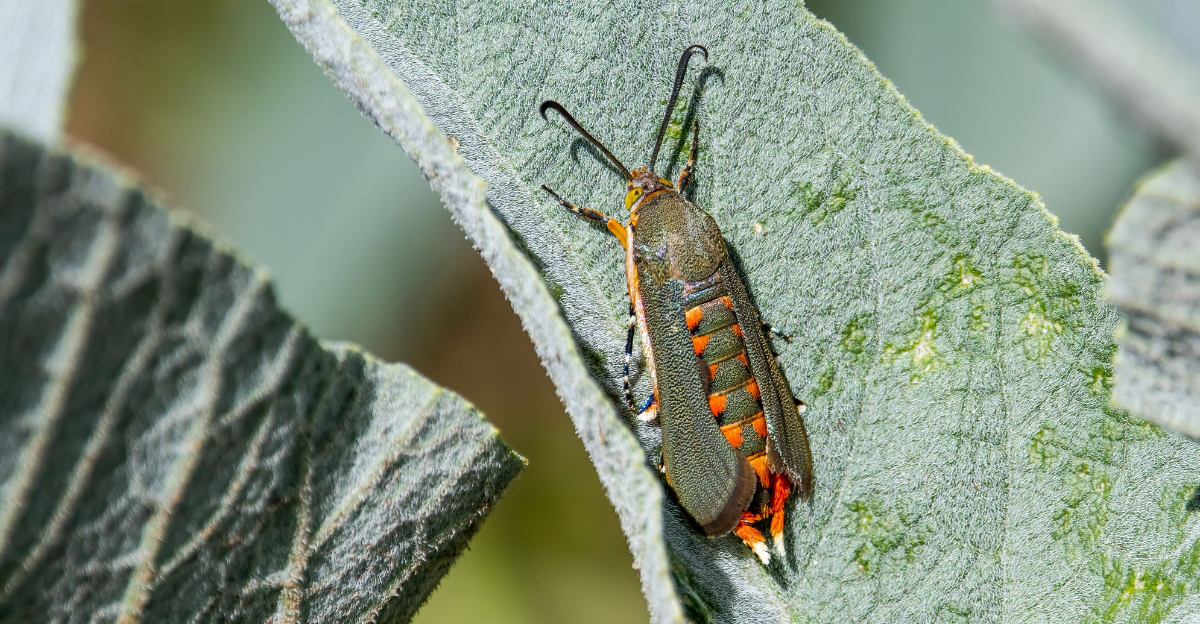
Zucchini starts the season as one of the most productive plants in a North Carolina garden and has a frustrating tendency to collapse right when it should be hitting peak production.
Vine borers are usually behind that collapse, and they operate on a timeline that catches gardeners off guard every summer.
By the time the damage is visible from the outside, the problem inside the stem has already progressed well beyond the point where most interventions do much good.
The entire dynamic of vine borer damage in North Carolina zucchini comes down to timing, specifically whether you get ahead of the egg-laying window or respond after it has already closed.
One targeted action in June, taken before the signs of trouble appear, dramatically changes the odds in your favor and keeps plants producing through a season that vine borers reliably cut short in gardens where nothing was done to prepare.
1. Inspect Stems Daily For Early Signs
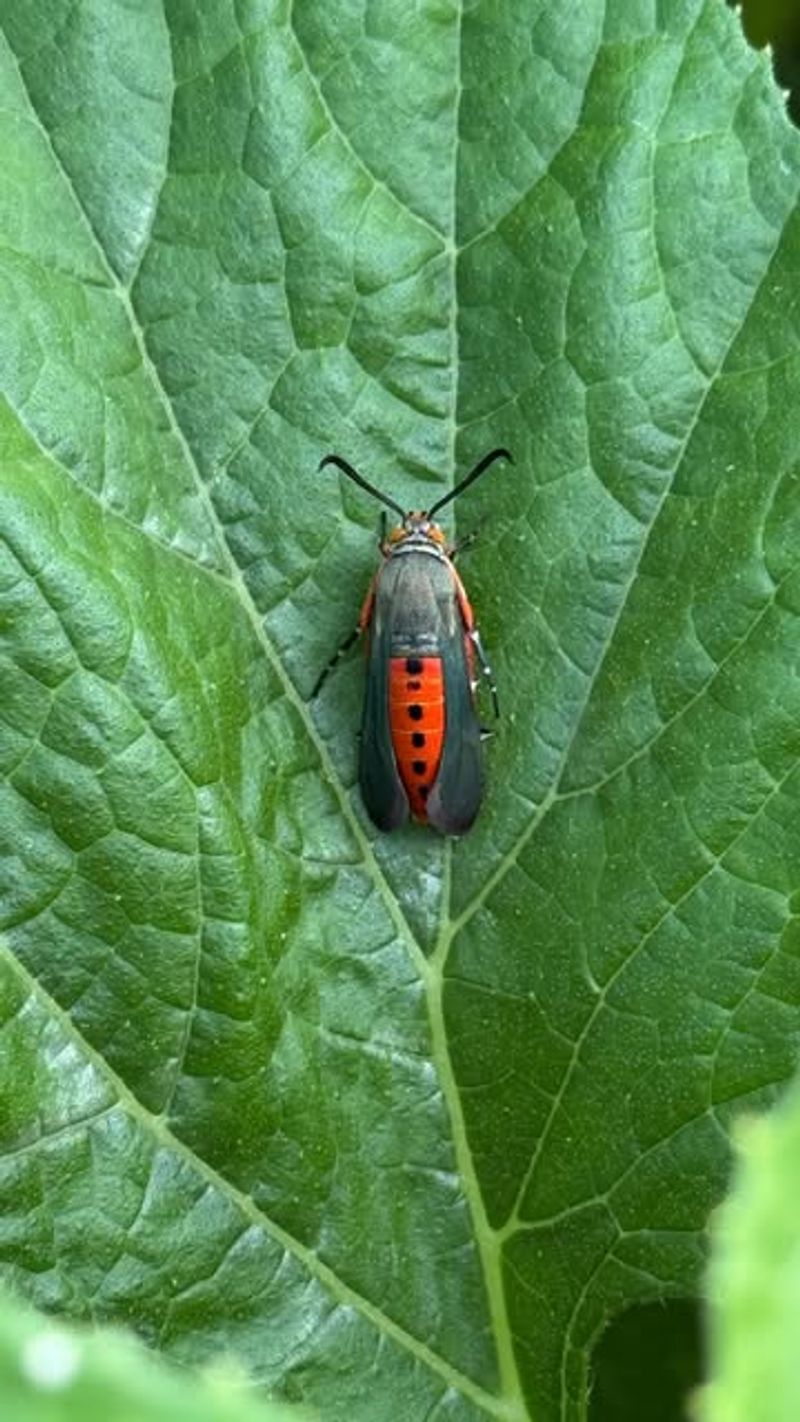
Catching a problem early is half the battle won. Squash vine borers are sneaky little pests that can move into your zucchini plant quietly, and by the time you notice wilting leaves, the damage is already deep inside the stem.
That is why checking your plants every single morning in June is one of the smartest habits you can build.
Look closely at the base of each zucchini stem right where it meets the soil. You are searching for tiny entry holes, which are about the size of a pinhole, along with a sawdust-like material called frass.
Frass is essentially the waste left behind by the larva tunneling through your plant. It looks like orange-brown crumbs pressed against the stem.
North Carolina summers heat up fast, and vine borer moths are most active during June and July in this region. The female moth lays flat, reddish-brown eggs directly on stems, usually close to the soil line.
Catching those eggs before they hatch gives you a real advantage. Simply scrape them off with your fingernail or a small tool.
Making daily stem inspections part of your morning garden routine takes only a few minutes but pays off enormously.
Healthy-looking plants can still have early borer activity hiding inside, so never skip this step just because your zucchini looks fine from above.
2. Remove Affected Tissue Immediately
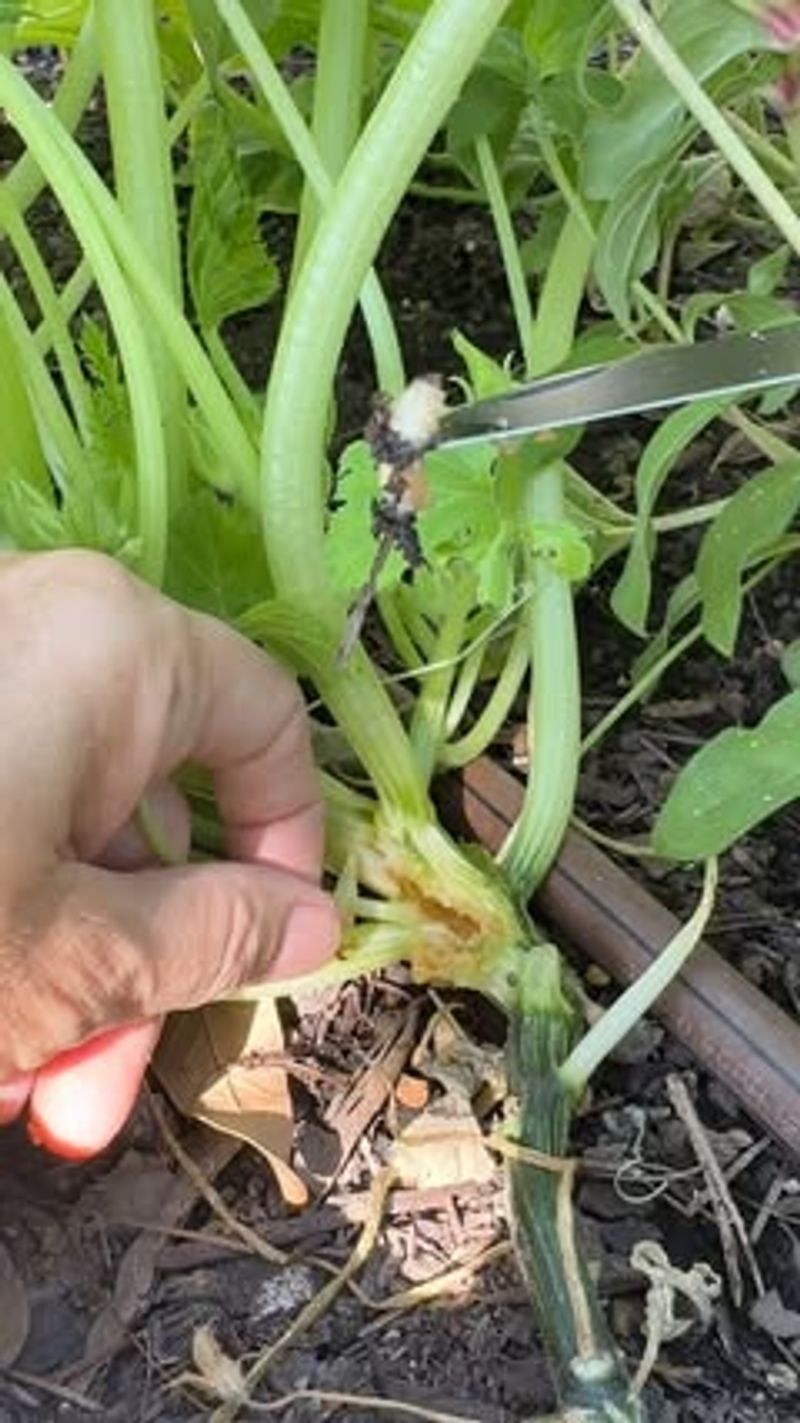
Speed matters more than almost anything when a vine borer larva gets inside your zucchini stem. The longer you wait, the deeper that larva tunnels, and the harder it becomes to save the plant.
Acting within hours of spotting damage can genuinely make a difference between losing a plant and keeping it alive and producing fruit.
Start by using a clean, sharp knife or razor blade to carefully slice open the stem right where you spotted the entry hole or frass. You will likely find a creamy white larva curled inside.
Remove it completely and drop it into a bucket of soapy water. Make sure you get the whole larva because leaving even part of it behind allows damage to continue.
Your North Carolina Garden Changes Every Week. Your Plan Should Too.
Gardening in North Carolina changes quickly throughout the season. Every Friday you’ll receive a simple weekly plan showing exactly what to plant, prune, fertilize, harvest, and protect so you never miss the right timing.
After removing the larva, do not panic about the cut stem. Zucchini plants have a remarkable ability to recover when you give them a little help.
Cover the wound with moist soil or wrap it loosely with a damp cloth to encourage the plant to grow new roots from the damaged section. Burying the wounded stem under a small mound of garden soil also helps it re-root quickly.
North Carolina humidity in June actually works in your favor here, since moist conditions help exposed stem tissue stay hydrated and begin healing faster.
Stay consistent with watering after the procedure to support recovery and keep your plant pushing forward.
3. Use Protective Barriers On Stems
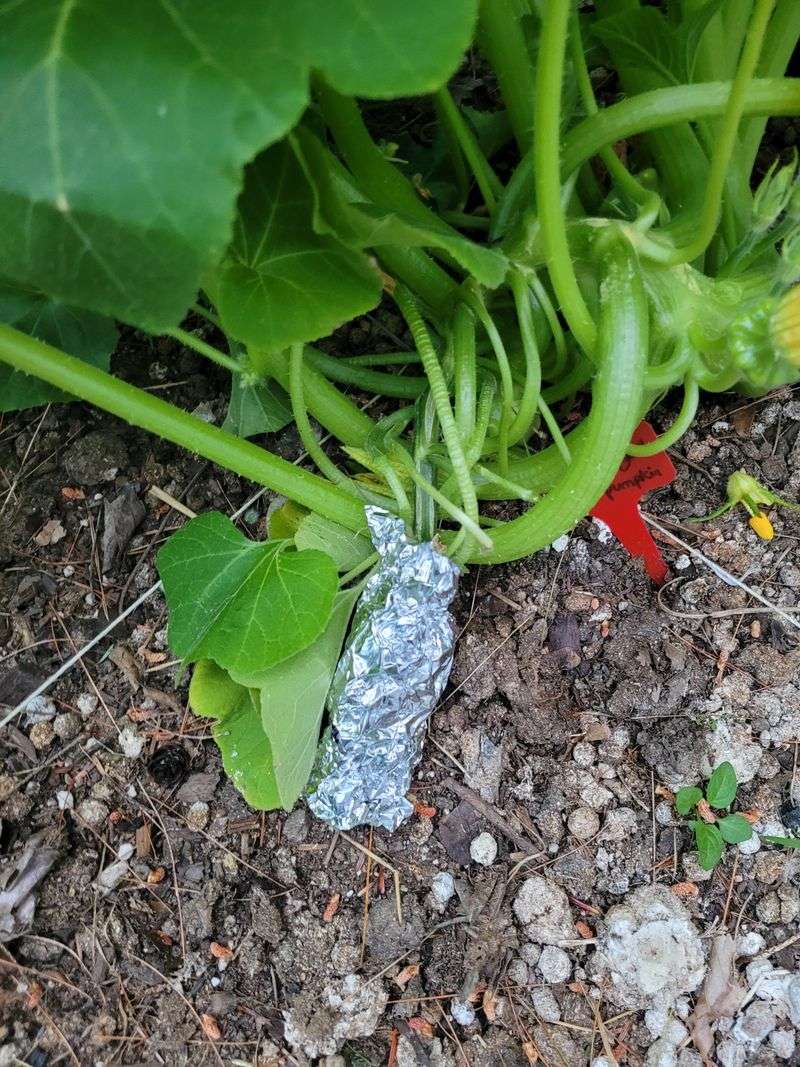
Wrapping your zucchini stems might sound a little unusual, but it is one of the most effective low-cost strategies gardeners use to block vine borer moths from ever laying their eggs.
The idea is simple: if the moth cannot reach the stem, she cannot start the cycle of infestation. Physical barriers are completely chemical-free and work beautifully in North Carolina home gardens.
Aluminum foil is a popular choice because it is easy to find, simple to apply, and reflects light in a way that seems to confuse adult moths.
Cut a strip about four to six inches wide, wrap it snugly around the lower few inches of each stem, and press it gently into the soil. Make sure it fits well enough that there are no gaps where a moth could sneak underneath.
Row covers are another excellent option, especially for younger plants just getting established. Floating row cover fabric lets sunlight and rain through while creating a physical shield over the entire plant.
The trade-off is that you will need to remove or open the covers when your zucchini starts flowering so pollinators can access the blooms.
Paper collars made from newspaper or cardstock also work well for gardeners who prefer an eco-friendly approach. Replace them every week or so since rain and humidity in North Carolina summers break down paper fairly quickly.
Consistency with barrier maintenance is what makes this strategy truly reliable throughout June.
4. Rotate Plant Locations Each Season
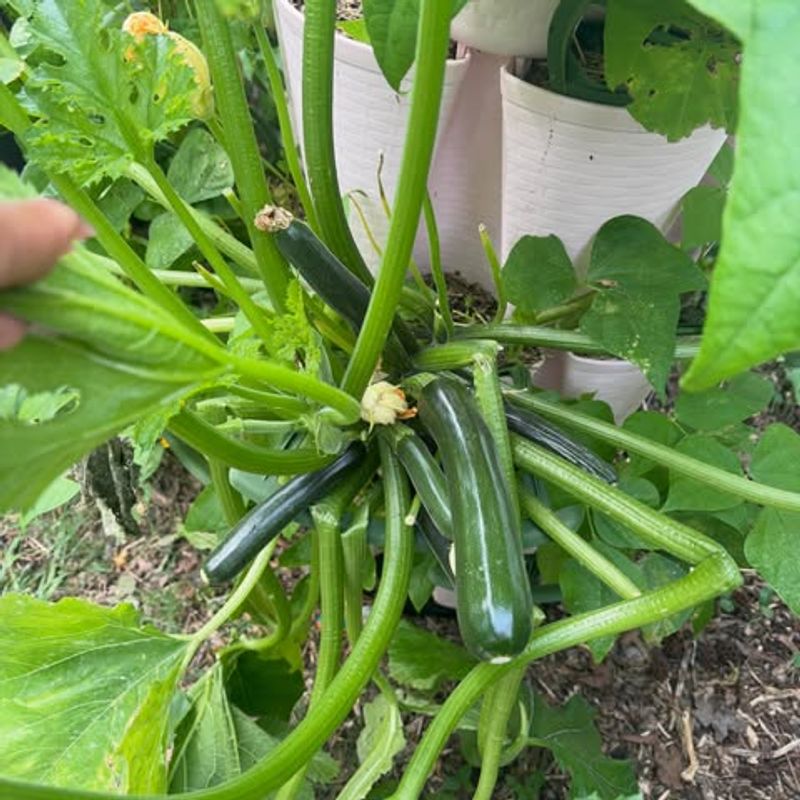
One of the oldest tricks in vegetable gardening is also one of the most effective: move your crops around each year.
Squash vine borers overwinter as pupae in the soil, and if you plant zucchini in the same spot season after season, you are essentially inviting last year’s population to attack your new plants the moment they emerge.
Rotation breaks that cycle. The general rule of thumb is to avoid planting any cucurbit family crop, which includes zucchini, squash, pumpkins, and cucumbers, in the same bed or garden section for at least two to three years in a row.
By the time you return to that spot, any pupae that survived in the soil will have long since moved on or perished without a host plant to complete their development.
In North Carolina, where vine borer pressure is particularly strong from late May through July, rotating even just a few feet within a raised bed setup can make a meaningful difference.
If you have a small garden, try alternating zucchini with tomatoes, peppers, or beans in each bed from one year to the next.
Keeping a simple garden journal or sketching a planting map makes rotation much easier to track. You do not need anything fancy, just a quick note of what grew where each year.
Over time, this small habit builds a smarter, more resilient garden that naturally resists recurring pest problems without relying on sprays or treatments.
5. Encourage Natural Predators In Your Garden
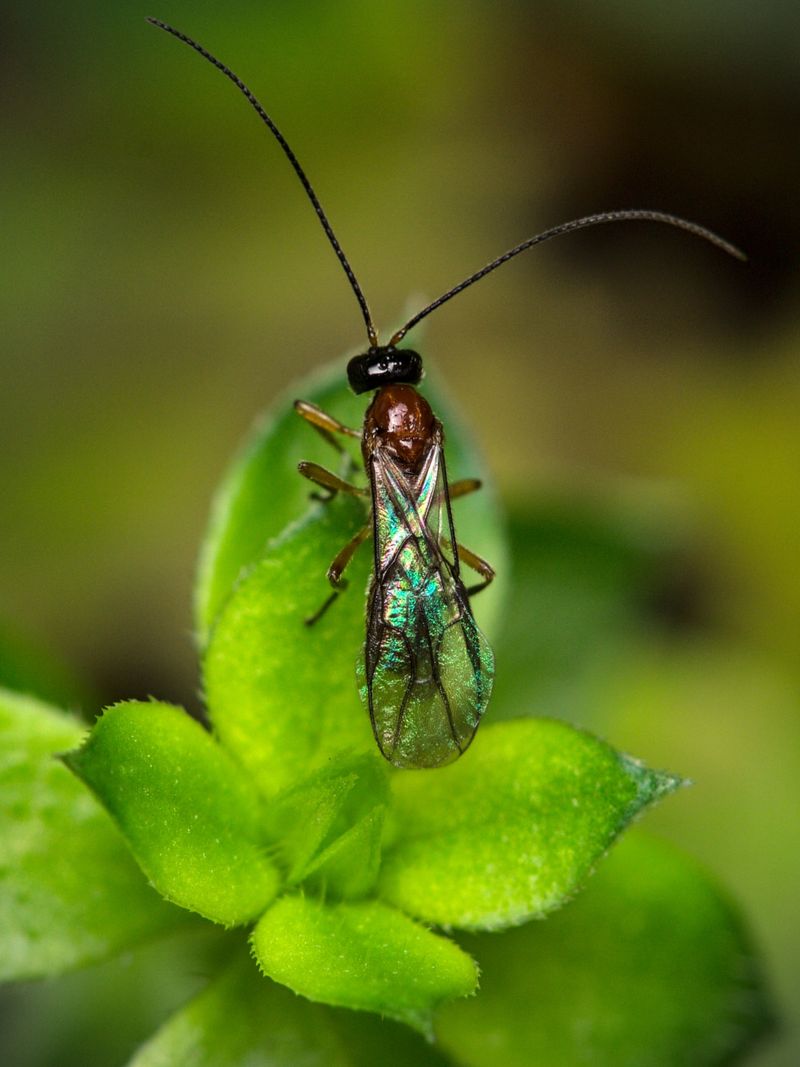
Nature has its own pest management system, and your job as a gardener is to invite the right helpers in. Parasitic wasps are among the most valuable allies you can attract to your North Carolina garden.
These tiny insects lay their eggs inside or on squash vine borer larvae, and when the wasp eggs hatch, they feed on the larva and stop it from causing further harm to your plants.
Unlike the large wasps most people think of, parasitic wasps are very small and completely non-aggressive toward humans. You probably would not even notice them hovering around your garden unless you looked carefully.
The best way to attract them is by growing flowering plants that provide nectar and pollen, which adult parasitic wasps rely on for their own energy.
Some of the best companion plants to grow near your zucchini include dill, fennel, yarrow, sweet alyssum, and cilantro allowed to bolt and flower. These plants have small, open blooms that are perfectly sized for tiny beneficial insects to feed from easily.
Planting them in clusters near your zucchini creates a welcoming habitat that keeps beneficial insects coming back throughout the season.
Avoid using broad-spectrum insecticides in your garden, since these products harm beneficial insects just as readily as pest species.
A garden rich in flowering companions and free from harsh chemical sprays becomes a balanced ecosystem where natural predators do much of the pest management work for you automatically.
6. Timing Planting To Avoid Peak Moth Activity
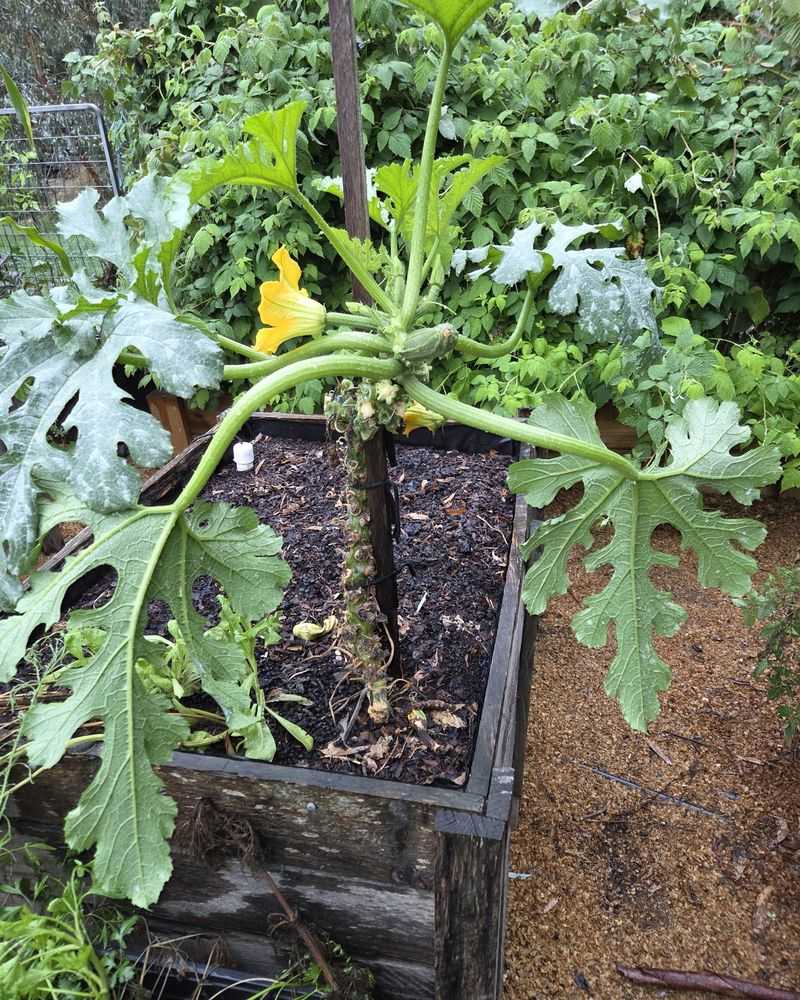
Timing is everything in the garden, and zucchini is no exception. Squash vine borer moths in North Carolina are most active from late June through mid-July, which is right when a standard Memorial Day planting hits its most vulnerable stage.
Shifting your planting schedule even a few weeks earlier or later can dramatically reduce the pressure your plants face.
Early planting is one strategy worth trying. If you start zucchini indoors in late March or transplant seedlings outdoors in mid-April after the last frost risk passes, your plants can reach maturity and begin heavy fruit production before vine borer moths peak in numbers.
Plants that are already strong and well-established tend to handle mild borer pressure far better than young, tender ones.
Succession planting is another clever approach. Instead of putting all your zucchini in the ground at once, plant a second round of seeds in late July after the main moth flight winds down.
These late-season plants often produce a solid harvest in August and September with much less vine borer interference, giving you a second wave of fresh zucchini just when you thought the season was over.
Keeping track of local moth activity in your county can sharpen your timing even further.
North Carolina Cooperative Extension offices often publish pest monitoring reports that help gardeners understand exactly when vine borer pressure peaks in their specific region.
Using that local knowledge gives your planting schedule a real strategic edge.
7. Maintain Healthy, Vigorous Zucchini Plants
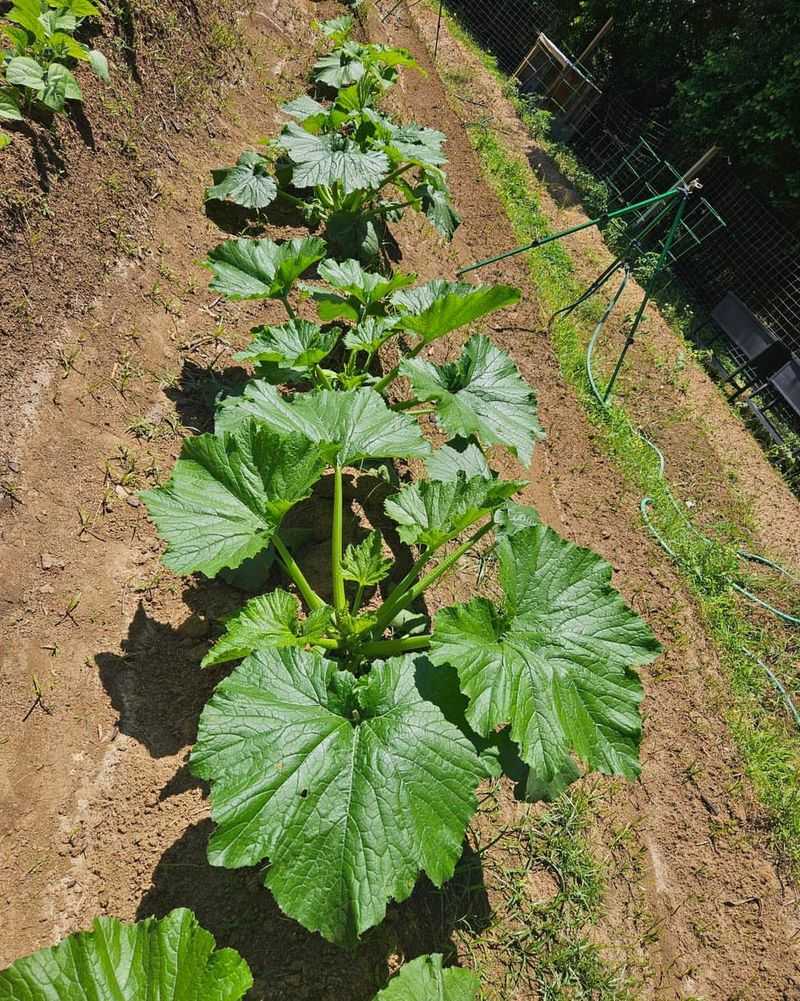
A strong plant is always harder to knock down than a struggling one.
Zucchini that grows in rich, well-balanced soil with consistent moisture and good nutrition can handle minor vine borer stress far better than plants that are already weakened by poor growing conditions.
Investing in plant health from the start is one of the best forms of pest prevention available.
Start with quality soil. In North Carolina, many garden soils benefit from the addition of compost, which improves both drainage and nutrient availability.
Work several inches of finished compost into your planting beds before transplanting, and consider a balanced fertilizer to give young plants a strong launch. Soil that drains well but holds enough moisture keeps roots happy through hot summer stretches.
Watering consistently and deeply encourages zucchini to develop strong root systems that support vigorous growth all season.
Drip irrigation or soaker hoses are ideal choices because they deliver water directly to the root zone without wetting the leaves, which reduces the risk of fungal problems.
In North Carolina’s humid summers, keeping foliage dry matters as much as keeping roots moist.
Mulching around the base of your plants with straw or wood chips helps regulate soil temperature, retain moisture, and even discourage moths from landing near the soil surface to lay eggs.
A three-inch layer of mulch applied in early June sets your zucchini up for a healthier, more productive season from start to finish.
8. Monitor Nearby Cucurbit Crops Too
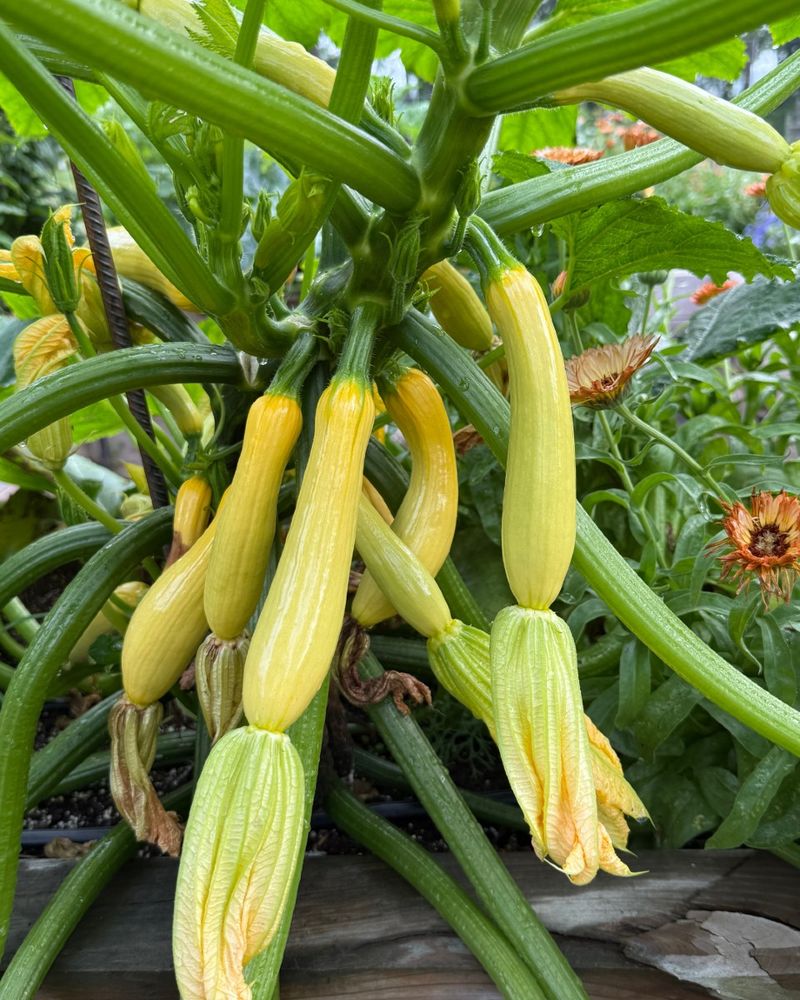
Zucchini does not exist in isolation in most gardens. If you also grow butternut squash, acorn squash, pumpkins, or gourds nearby, all of those plants are equally attractive to squash vine borer moths.
An infestation that starts in one cucurbit can spread quickly across your entire garden if you only focus your attention on a single crop. Squash vine borers strongly prefer certain cucurbit species over others.
Butternut squash, for example, has a harder stem that borers find slightly more difficult to penetrate, while summer squash and zucchini with their softer stems are often the first targets.
However, do not assume your butternut is safe just because it looks fine on the surface.
Walk your entire cucurbit planting area every morning and check the stem bases of every plant in the family. Note which plants show signs first, since these early hotspots tell you where moth activity is heaviest in your garden.
Acting quickly on the first affected plant gives you a chance to slow the spread before it reaches your other crops.
Keeping a simple log of where you spot borer damage each week also helps you see patterns over time.
If the same corner of your garden gets hit first every year, that area likely has higher pest pressure from overwintering pupae in the soil.
That information helps you prioritize where to rotate crops, apply barriers, or focus extra monitoring attention in future growing seasons.
9. Remove Debris And Old Vines After Harvest
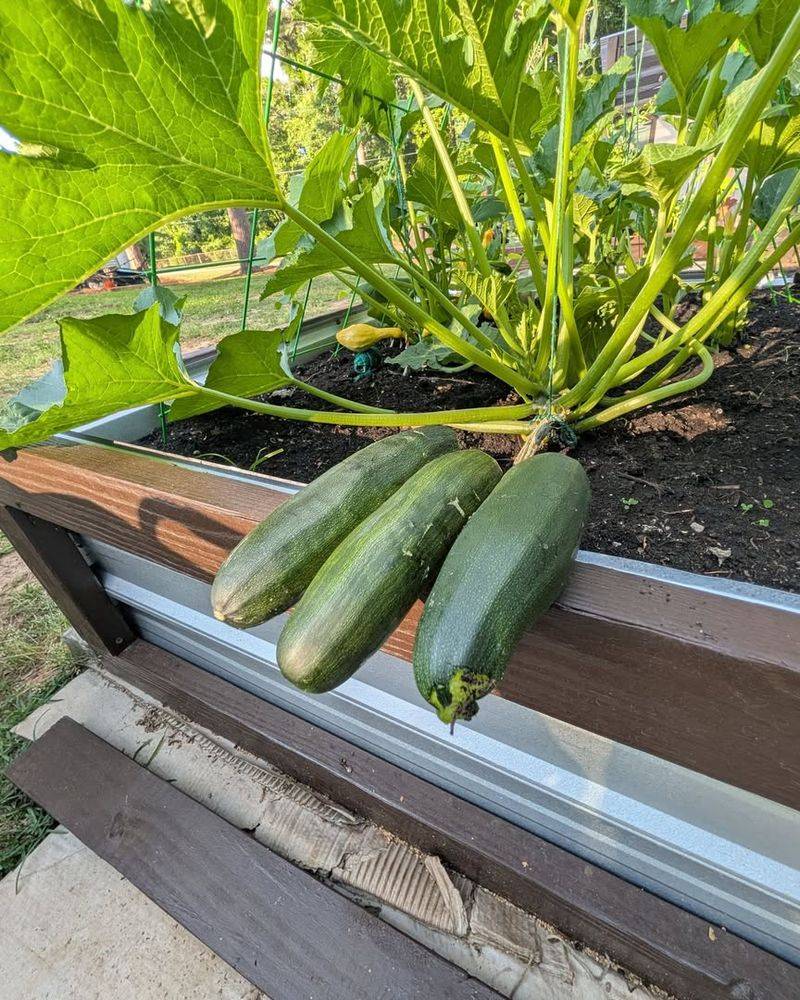
What you do after the harvest season ends matters just as much as what you do during it. Squash vine borers complete their life cycle by burrowing into the soil near plant roots, where they spend the winter as pupae protected inside a silky cocoon.
Leaving old vines and plant material in place gives them the perfect shelter to survive until next June rolls around.
As soon as your zucchini plants finish producing or show signs of serious decline, pull them out completely, roots and all. Do not leave cut stems or wilted vines lying on the soil surface.
Bag the material and send it out with your trash rather than adding it to a compost pile, since home compost piles rarely get hot enough to break down pest pupae reliably.
Turning over the soil in your old cucurbit beds after cleanup exposes any pupae hiding in the top few inches to birds, cold temperatures, and drying conditions.
A garden fork or tiller run through the bed once or twice after plant removal can significantly reduce the number of borers that successfully overwinter and emerge the following summer ready to attack your new plants.
Cleaning up the garden in fall feels like an extra chore, but it genuinely pays off when June arrives and your zucchini faces far less pest pressure than your neighbors’ gardens.
A tidy garden is a more productive garden, and this one cleanup habit builds a healthier growing environment year after year.