Skip Burning Bush For Fall Color In North Carolina And Plant This Native Shrub Instead
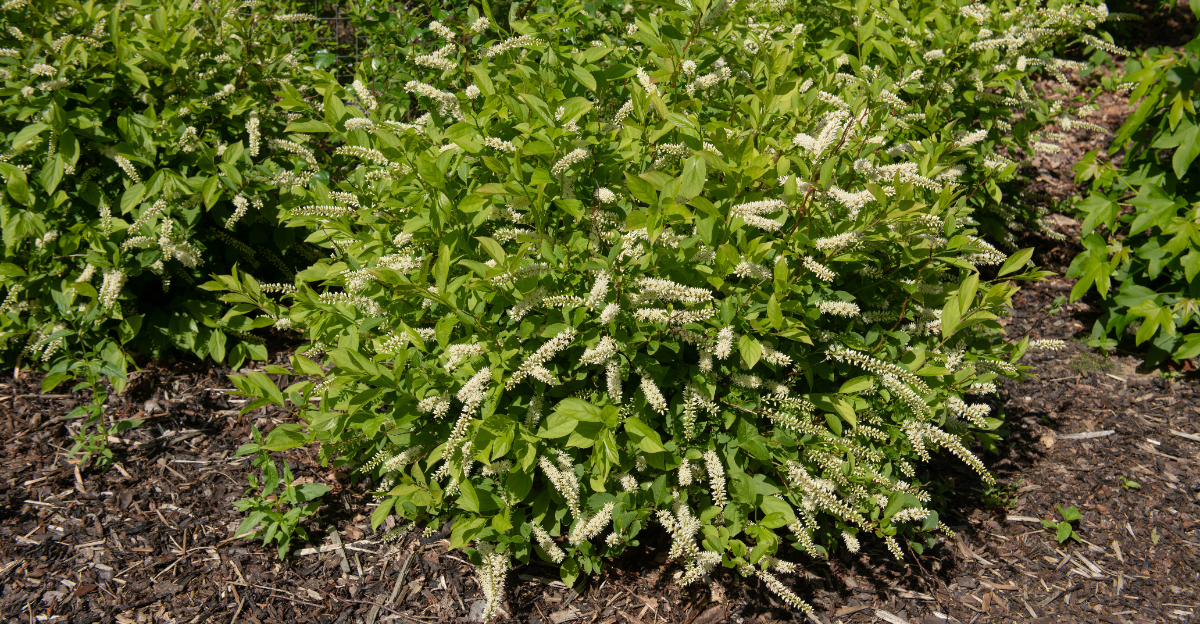
Burning bush delivers one genuinely impressive month and spends the rest of the year as an unremarkable green shrub that seeds itself into natural areas and displaces native vegetation with quiet consistency.
North Carolina has moved to restrict it in some areas, and the gardeners replacing it are discovering something more interesting on the other side of that decision.
One native shrub matches the brilliant fall color of burning bush while actually supporting wildlife and offering beauty year-round. Best of all, it stays right where you plant it instead of spreading across property lines and taking over nearby wild spaces.
The replacement is not a compromise. In almost every way that matters for a North Carolina yard, it is the better plant.
1. Virginia Sweetspire Is The Native Shrub To Plant Instead
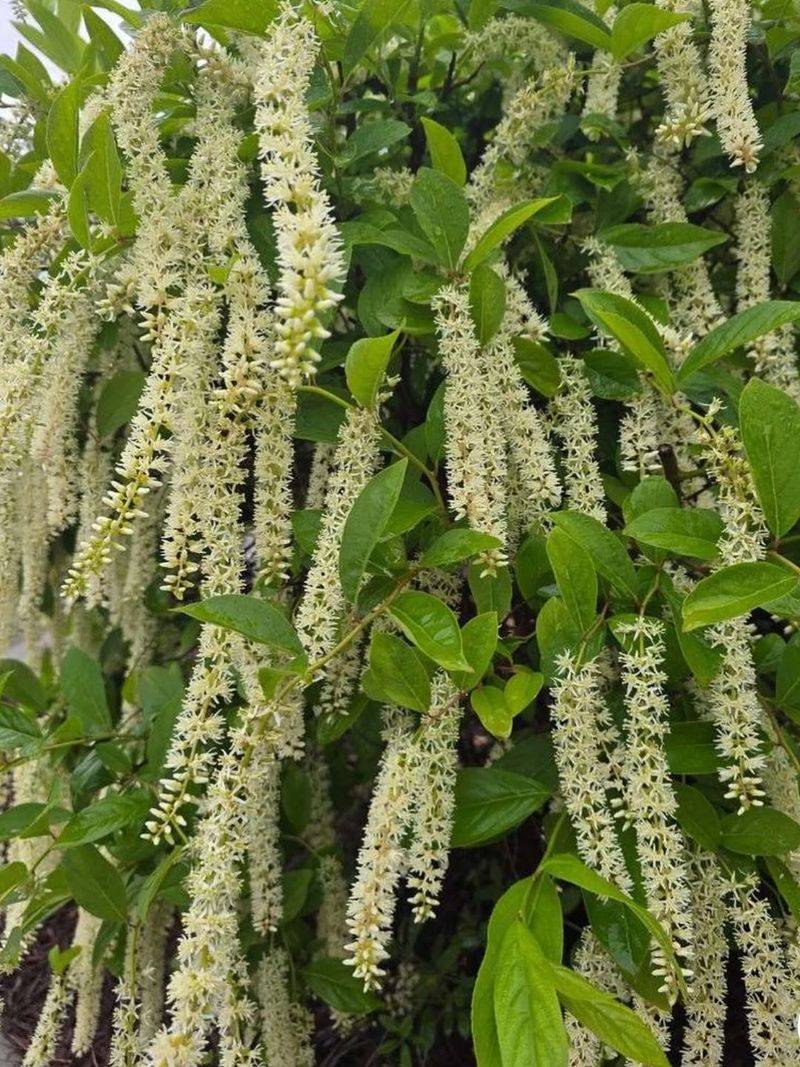
Picture a shrub that turns heads every fall, feeds pollinators every spring, and never causes problems for the wild areas near your home. That shrub is Virginia Sweetspire, and it is one of the best-kept secrets in North Carolina gardening.
Native to the eastern United States, it fits right into the natural landscape without causing any of the headaches that come with non-native ornamentals.
Burning Bush has been a popular choice for fall color for decades, mostly because of its intense red leaves. The problem is that it does not stay put.
NC State University lists it as an invasive plant in North Carolina, meaning it can spread beyond your yard and crowd out native plants in forests and natural areas nearby.
Virginia Sweetspire, on the other hand, belongs here and works with the local ecosystem instead of against it.
What makes Virginia Sweetspire really stand out is how much it offers across the seasons. You get fragrant white bottlebrush flowers in late spring, rich fall foliage in shades of red, orange, and copper, and seed capsules that attract songbirds in late summer.
It thrives in a wide range of conditions, from sunny borders to shaded woodland edges, and it handles moist soil without complaint.
Choosing a native shrub like Virginia Sweetspire means you are doing something good for your yard and for North Carolina’s natural spaces at the same time. That combination of beauty, function, and responsibility is hard to beat.
2. Burning Bush Has A Serious Invasive Problem
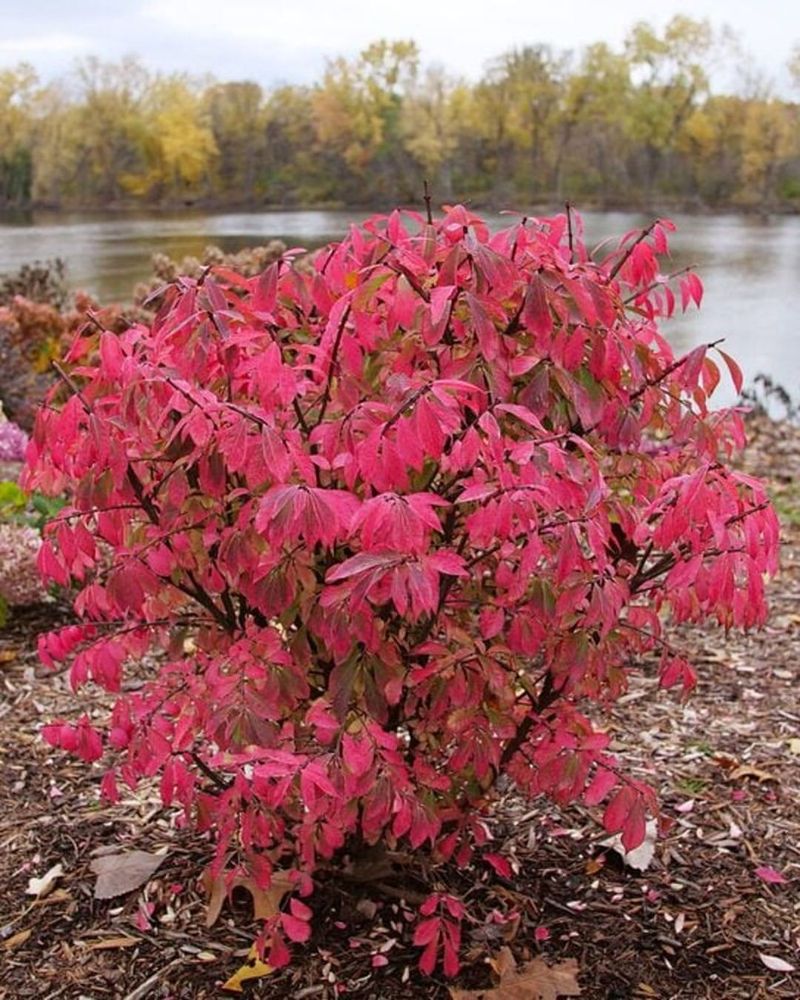
Burning Bush looks incredible in October. There is no denying that those blazing red leaves catch your eye from across the street, and for a long time, that visual appeal made it one of the most popular landscaping shrubs in the country.
But looks can be misleading, and Burning Bush has a problem that goes far beyond your property line.
NC State University identifies Burning Bush, known scientifically as Euonymus alatus, as an invasive plant in North Carolina.
That means it has the ability to spread beyond cultivated landscapes and establish itself in natural areas where it was never intended to grow.
Once it moves into forests, roadsides, or woodland edges, it can outcompete native plants that local wildlife depends on for food and shelter.
Your North Carolina Garden Changes Every Week. Your Plan Should Too.
Gardening in North Carolina changes quickly throughout the season. Every Friday you’ll receive a simple weekly plan showing exactly what to plant, prune, fertilize, harvest, and protect so you never miss the right timing.
The invasive label is not just a technicality. It reflects real observations of this shrub naturalizing in areas across the eastern United States, including parts of North Carolina.
Some states have already banned its sale, and conservation groups consistently recommend that gardeners consider alternatives. NC State specifically suggests looking for native options that provide similar fall color without the ecological risk.
Choosing Burning Bush for your yard might feel like a small, personal decision, but gardening choices add up across neighborhoods and communities. When a plant spreads into natural areas, it affects the whole local environment.
Skipping Burning Bush and choosing a native shrub like Virginia Sweetspire is one of the easiest ways to enjoy fall color while keeping North Carolina’s landscapes healthy and balanced.
3. Birds Can Spread Burning Bush Seeds
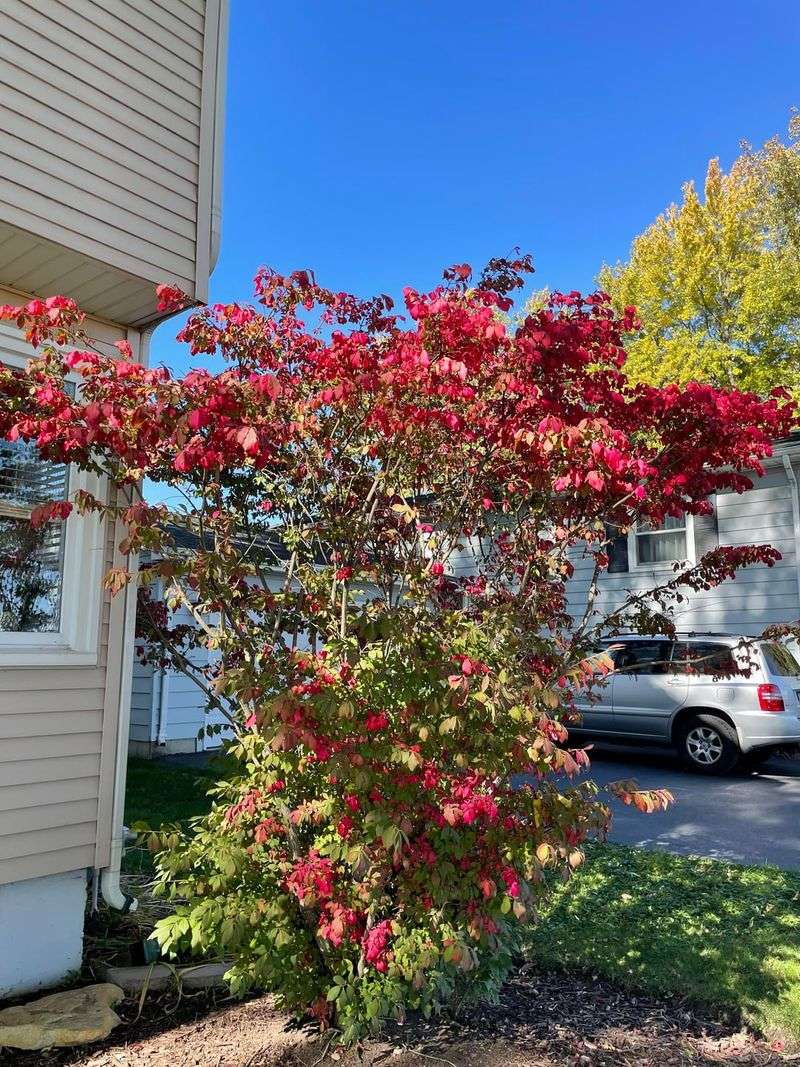
Here is something many gardeners never think about when they plant a Burning Bush: the shrub does not spread on its own through the wind or underground roots. It spreads with help from birds, and birds are remarkably good at covering ground.
When Burning Bush produces its small red fruit in fall, it becomes an attractive food source for many songbirds and other wildlife passing through the area.
Birds eat the berries, fly off to another location, and deposit the seeds somewhere new, often in natural areas, forest edges, or stream banks far from the original planting.
Those seeds can germinate and grow into new Burning Bush plants in places where they were never intended to be.
Over time, this creates populations of the shrub spreading through wild spaces without any human help at all.
This is exactly why invasive plant experts take bird-dispersed shrubs so seriously. A plant that only spreads a few feet from its roots is manageable.
A plant whose seeds travel miles inside a bird is a completely different situation. The more Burning Bush plants there are in a neighborhood, the more seeds birds have access to, and the wider the potential spread becomes across the region.
Understanding this cycle makes the choice to skip Burning Bush a lot more meaningful.
Planting Virginia Sweetspire instead still supports birds with its late-season seeds, but it does so without creating a chain reaction that pushes an invasive plant deeper into North Carolina’s natural landscapes. It is a simple swap with a real positive impact.
4. Virginia Sweetspire Brings Real Fall Color
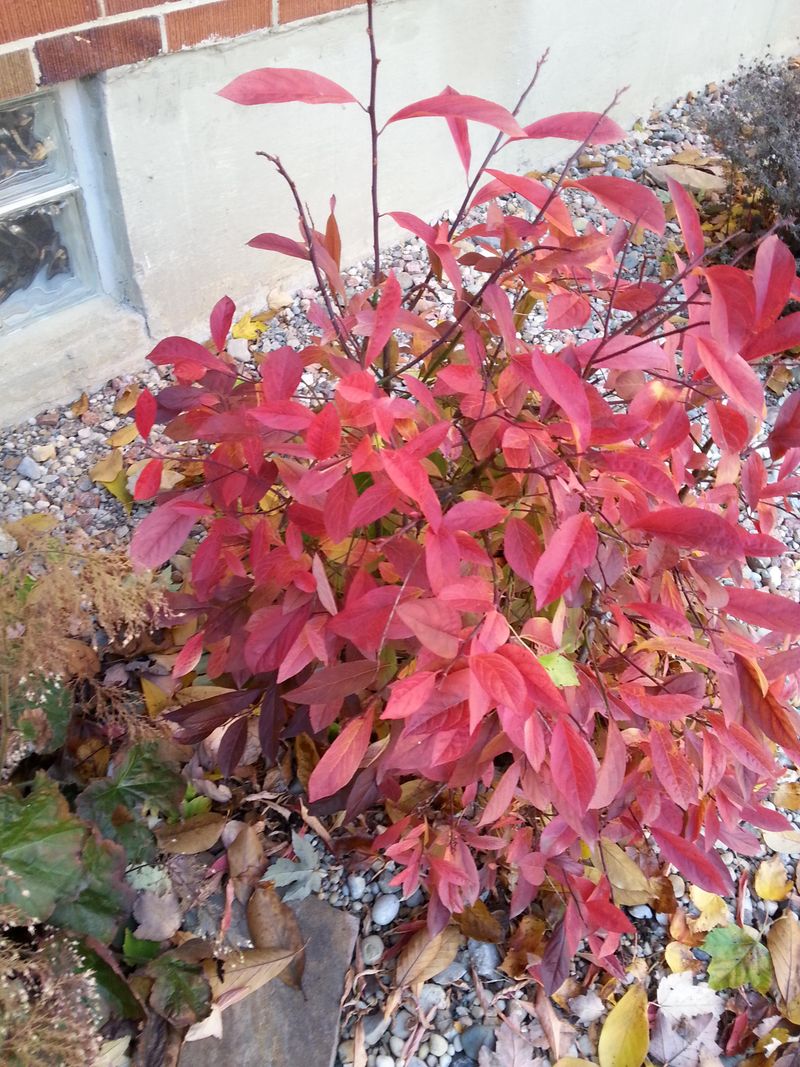
Some native plants get overlooked because people assume they cannot compete with showy ornamentals when it comes to fall color. Virginia Sweetspire completely destroys that assumption.
When autumn arrives, this shrub puts on one of the most varied and eye-catching color displays you will find in any North Carolina garden, and it does it entirely on its own terms.
The fall foliage on Virginia Sweetspire can shift through shades of copper brown, orange, gold, bright red, and even deep reddish purple, sometimes all on the same plant at the same time.
The exact colors depend on the specific cultivar, the amount of sunlight the plant receives, soil conditions, and the temperatures that particular autumn brings. That variability is part of what makes it so interesting to watch from year to year.
Popular cultivars like Henry’s Garnet are especially well known for producing rich reddish-purple tones in fall, making them a favorite among gardeners who want something a little more dramatic.
Other selections lean toward warmer orange and copper tones that feel right at home in a woodland-inspired planting.
No matter which cultivar you choose, the fall display is genuinely impressive and completely free of any invasive concerns.
North Carolina gardeners do not have to settle for an invasive shrub just to get bold autumn color in their yards.
Virginia Sweetspire proves that native plants can deliver the same visual impact, and often something even more interesting, without any of the environmental baggage that comes with planting Burning Bush.
5. It Adds Spring Flowers Before The Fall Show
Most shrubs chosen purely for fall color offer nothing else for the rest of the year. They sit in the landscape looking green and unremarkable from spring through summer, then burst into color for a few weeks before going dormant.
Virginia Sweetspire breaks that pattern in the best possible way, starting its seasonal performance months before the first leaf turns.
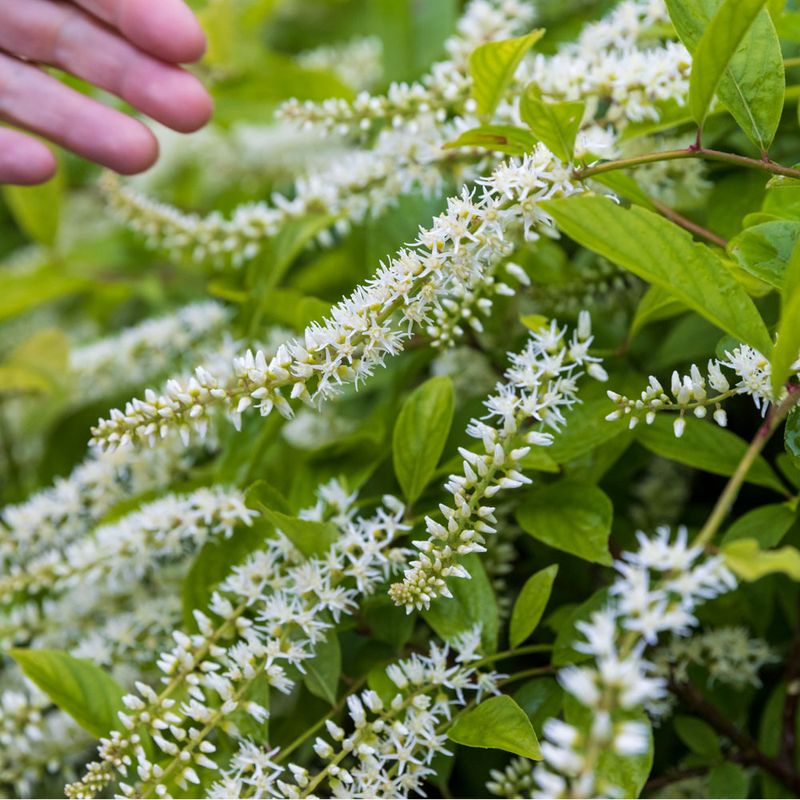
In late spring, Virginia Sweetspire produces clusters of small, fragrant white flowers arranged in elegant drooping spikes that look like soft bottlebrushes.
The blooms are genuinely beautiful up close, with a sweet scent that carries lightly through the garden on warm days.
They appear in late May through June in most North Carolina locations, depending on the weather and the specific spot where the shrub is planted.
Those flowers are not just pretty. They are a magnet for pollinators, drawing in bees, butterflies, and other beneficial insects that your garden depends on.
Native bees are especially active around Virginia Sweetspire blooms, and having a reliable nectar source during late spring is genuinely valuable for pollinator populations in your area.
Getting spring flowers and fall foliage from a single shrub is a great return on your investment of time, space, and money. Burning Bush offers only that single season of red leaves and nothing else of ecological value.
Virginia Sweetspire earns its place in the garden twice over before summer even ends, making it one of the most productive native shrubs you can add to a North Carolina yard.
6. It Helps Birds After The Flowers Fade
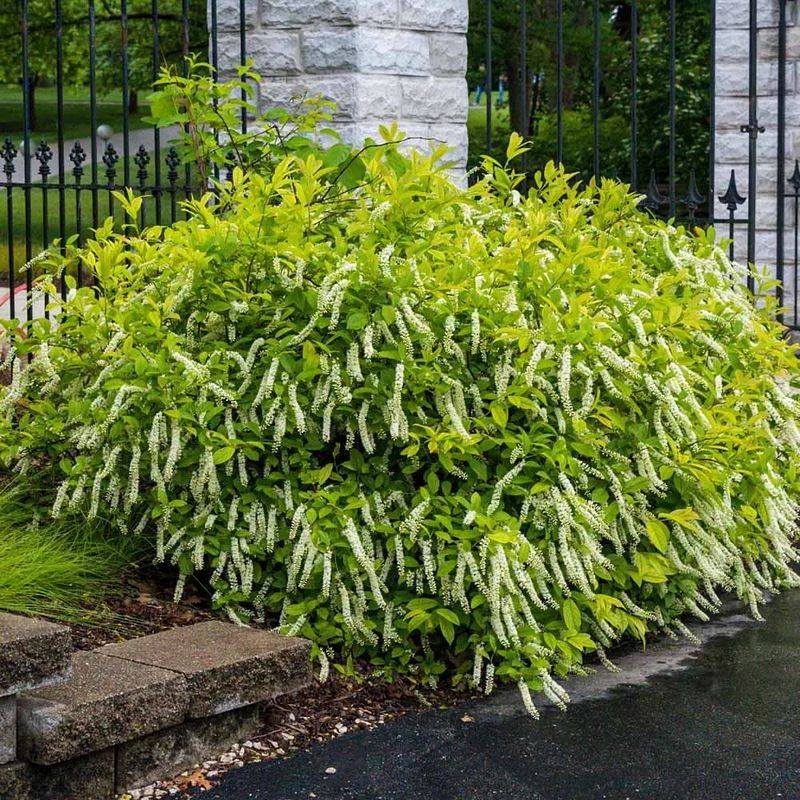
After the white flowers of Virginia Sweetspire fade in early summer, the show is far from over. The plant quietly shifts into its next role, producing small seed capsules that ripen through late summer and into early fall.
For the birds visiting your yard, this timing could not be more helpful.
Songbirds rely on a steady supply of natural food sources throughout the year, and the gap between summer berries and fall fruit can be a lean period for many species.
Virginia Sweetspire’s tiny seeds fill part of that gap, offering a food source right when birds are building up energy reserves before and during migration season.
Species like chickadees, warblers, and other small songbirds have been observed feeding on the seeds in late summer.
This kind of layered wildlife value is one of the things that makes native plants so much more useful than ornamental imports. Burning Bush does produce berries that birds eat, but those same berries are what fuel its spread as an invasive plant.
Virginia Sweetspire provides food for birds without creating a problem in the surrounding landscape, so you get the wildlife benefit without the ecological cost.
Planting Virginia Sweetspire means your yard becomes a more complete habitat. You are offering pollinators a nectar source in spring, songbirds a food source in late summer, and everyone a visual treat come fall.
That kind of multi-season contribution to local wildlife is exactly what thoughtful North Carolina gardeners are looking for when they choose new plants for their landscapes.
7. It Works In Rain Gardens Slopes And Woodland Edges
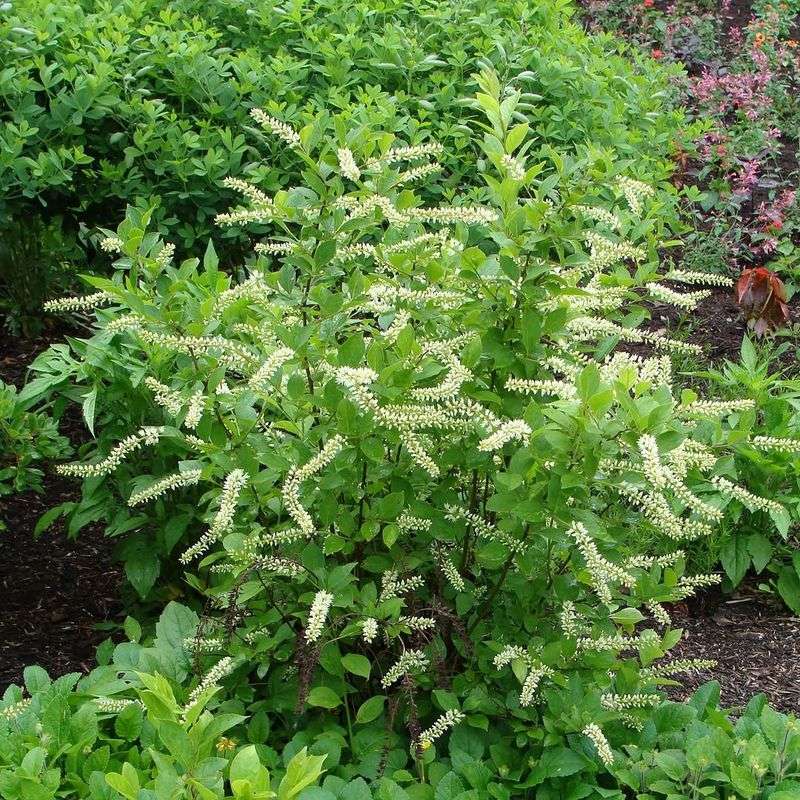
One of the most practical things about Virginia Sweetspire is its flexibility. Many beautiful native shrubs come with a long list of specific requirements that make them tricky to fit into real-world gardens.
Virginia Sweetspire is the opposite of that. It adapts to a surprisingly wide range of conditions, which makes it useful in spots where other shrubs might struggle. Moist soil is where this shrub truly shines.
It tolerates periodic flooding and soggy conditions that would stress most ornamental shrubs, making it an excellent choice for rain gardens, low-lying areas, creek banks, and spots near downspouts or drainage channels.
If you have a wet corner of your yard that has been hard to plant, Virginia Sweetspire is worth trying there first.
It also handles a range of light conditions, from full sun to partial shade. For best flowering, fall color, and overall density, full sun with consistently moist, slightly acidic, fertile soil produces the strongest results.
In shadier spots, the plant still performs well, though the fall color may lean toward the softer copper and gold tones rather than the deep reds.
Beyond rain gardens, Virginia Sweetspire works beautifully along woodland edges, slopes prone to erosion, mixed native shrub borders, and naturalistic plantings.
It blends seamlessly with other native plants like ferns, native grasses, and flowering shrubs, creating layered habitats that look intentional and support local wildlife.
For North Carolina gardeners dealing with challenging spots in the landscape, this shrub is one of the most reliable and rewarding solutions available.
8. Give It Room To Sucker And Form A Natural Planting
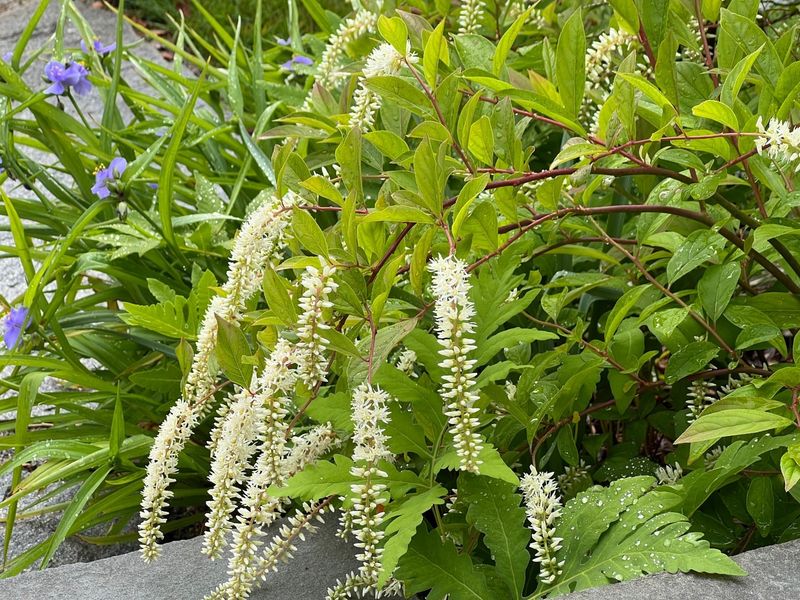
Virginia Sweetspire has one growth habit that surprises some gardeners the first time they notice it: it spreads by sending up new shoots from its roots, a process called suckering.
Over time, a single plant can expand outward and form a dense, flowing colony that fills in an area naturally. For the right situation, this is one of the shrub’s greatest strengths.
Erosion control is one of the best uses for this spreading habit. On slopes, creek banks, or areas where bare soil tends to wash away, a colony of Virginia Sweetspire creates a thick root network that holds the ground in place.
The more it spreads, the more effective it becomes at stabilizing the soil, and it does this without any extra work from you once it is established. Mass plantings of Virginia Sweetspire also create impressive visual impact.
A large grouping turns an ordinary slope or woodland edge into a living tapestry of texture and seasonal color, with white flowers in spring, green foliage through summer, and that brilliant fall display arriving right on schedule every year.
It looks intentional and designed even when it is simply growing the way nature intended.
The key is giving it the right amount of space from the start. Squeezing Virginia Sweetspire into a small, formal bed or a tight spot between other plants will lead to frustration as it pushes outward.
Plant it where it has room to roam, and it will reward you with one of the most low-maintenance, high-impact native plantings you can create in a North Carolina yard.