What’s Making Your Christmas Cactus Limp This Summer And What To Do About It
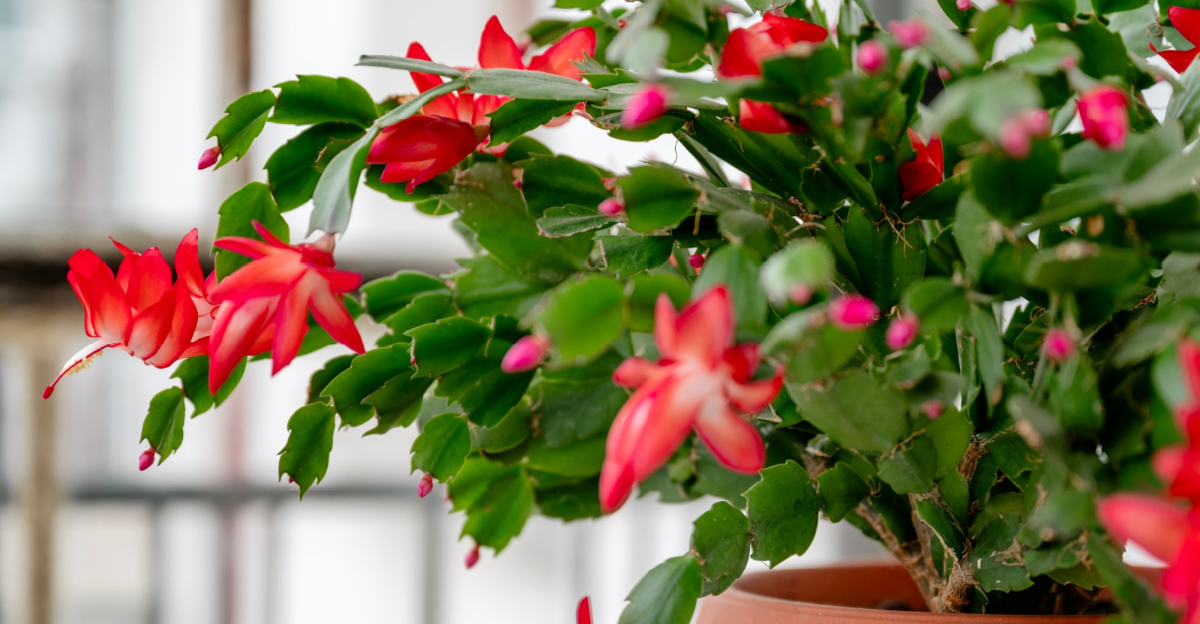
A Christmas cactus smothered in crimson blooms is one of those quiet household miracles that takes your breath away.
Yours claimed the brightest windowsill all winter. It put on a show so vivid. Even the neighbors took notice.
Then the summer heat arrived in full force, and that same thriving plant began to wilt in a way that felt almost intentional, like it was asking for something you hadn’t yet figured out.
No slammed doors, no forgotten waterings, no obvious cause. Just a slow, puzzling collapse that demanded answers.
Crouched beside a drooping plant with soil-dusted fingers, you start questioning everything you thought you knew about keeping it alive.
The fix turns out to be closer than expected. Sometimes the smallest adjustments carry the biggest results. Can something so beautiful really be saved?
1. You Are Watering It Too Much
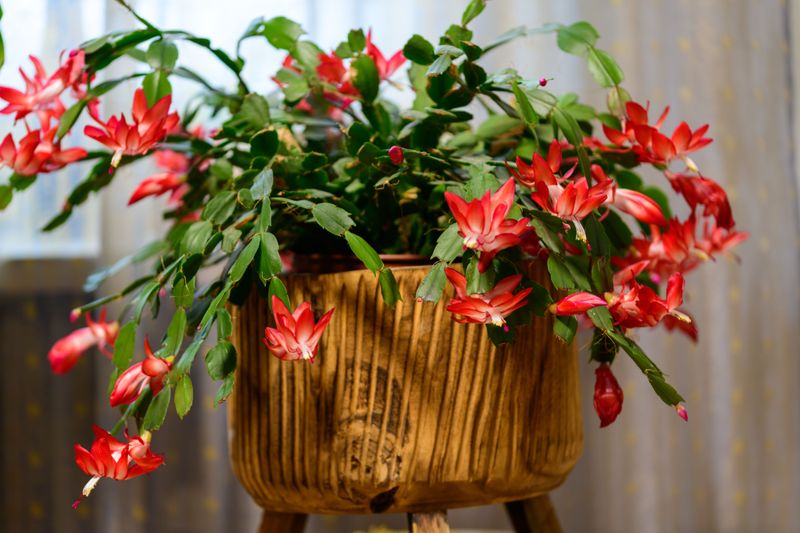
Overwatering is one of the top reasons a Christmas cactus goes limp in summer. People assume more water means more love, but this plant strongly disagrees.
When roots sit in soggy soil, they stop absorbing oxygen. Without oxygen, roots begin to rot and can no longer deliver water to the stems.
The cruel irony is that an overwatered plant looks exactly like a thirsty one. Limp, sad segments are the telltale sign of both problems, which makes diagnosing tricky.
Check the soil before watering every single time. If the top inch still feels damp, step away from the watering can.
Summer heat can make you feel like your plant needs more water, but this species stores moisture in its thick segments. Those plump, waxy pads are tiny water tanks built for dry spells.
Reduce your watering frequency immediately if you suspect overwatering. Let the soil dry out more between sessions, and make sure your pot has proper drainage holes.
Your Christmas cactus will thank you by perking back up within days of getting its roots out of standing water.
2. You Are Not Watering It Enough
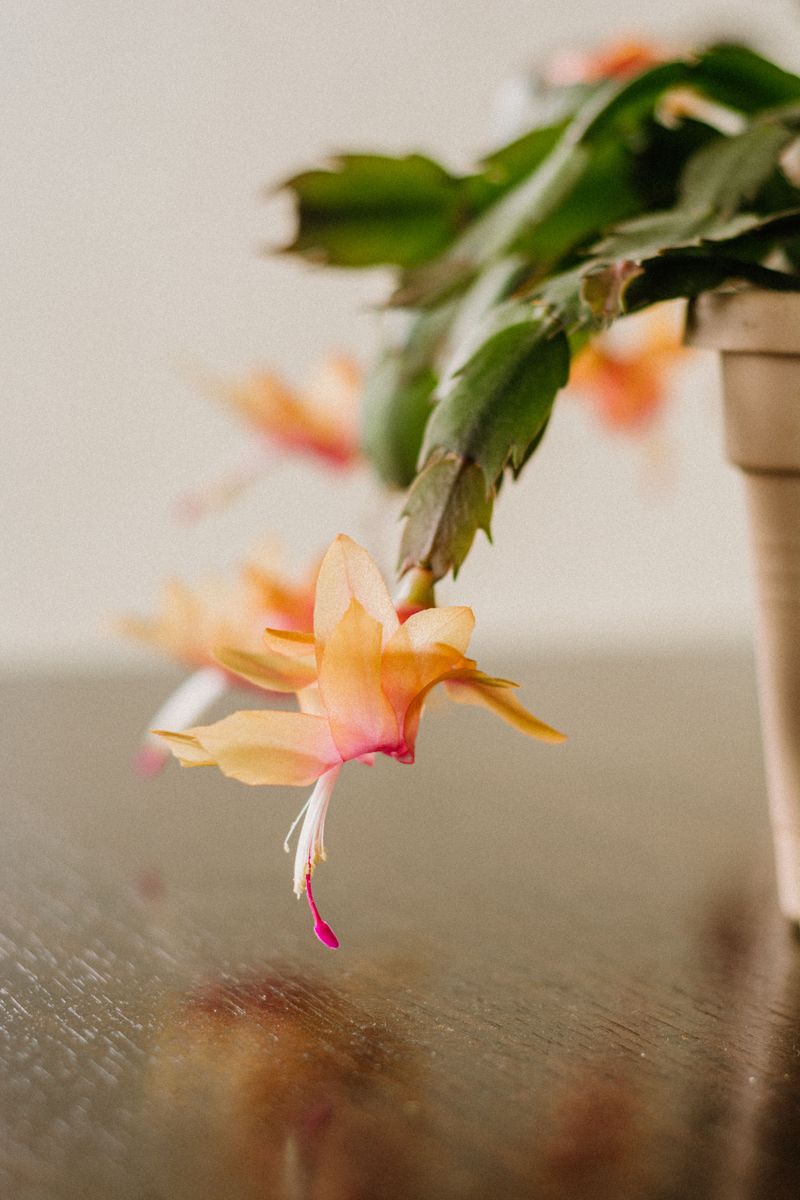
Underwatering creates its own kind of drama with a Christmas cactus. When the soil gets bone dry for too long, the segments shrivel and go limp fast.
Summer temperatures speed up soil drying significantly. What took a week to dry out in March might dry out in three days during a July heat wave.
Touch the soil to check moisture levels before assuming the plant is fine. If it feels completely dry two inches deep, it is past time to water thoroughly.
When you water, do it slowly and deeply until water drains from the bottom of the pot. A quick splash on top does almost nothing for the root system hiding below.
Shriveled segments that feel papery or thin are classic signs of dehydration. Plump, firm segments mean the plant is adequately hydrated and happy.
One good deep watering can sometimes revive a thirsty Christmas cactus within hours. Watch the segments firm back up as moisture reaches the roots and travels upward.
Keeping a consistent watering routine is the key to avoiding both extremes. A limp Christmas cactus often just needs a reliable schedule, not guesswork.
3. It Is Getting Too Much Direct Sunlight
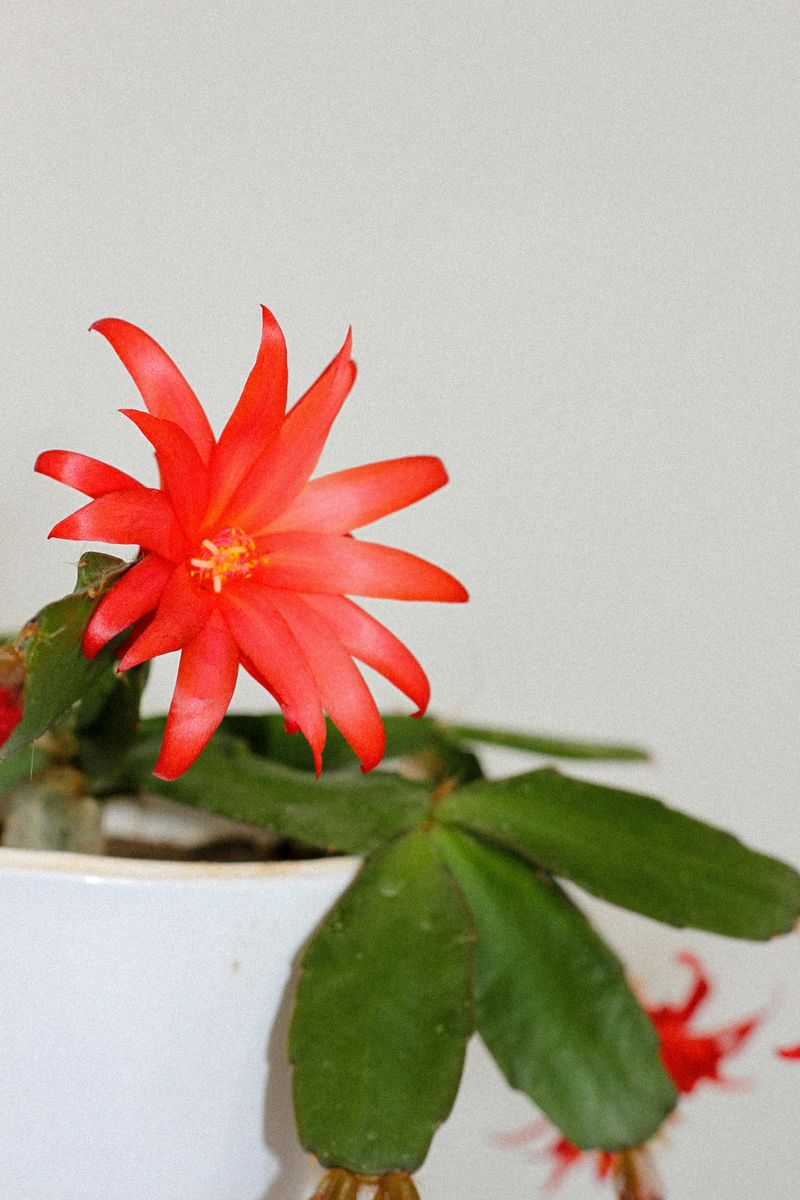
Blasting your Christmas cactus with direct summer sun is like leaving it under a heat lamp all afternoon. The segments bleach out, flatten, and go completely limp.
This plant is native to the shaded forest floors of Brazil, not open deserts. Bright, harsh sunlight scorches its thin segments gradually but with lasting damage.
South-facing windows in summer are particularly brutal for this plant. The intense afternoon rays can cause visible damage within just a few hours of exposure.
Pale or yellowish patches on the segments are a clear sign of sun stress. Those washed-out areas will not recover their color, but new growth can come in healthy.
Moving the plant even a few feet away from the window can make a dramatic difference. Distance from the glass reduces both light intensity and heat exposure significantly.
A sheer curtain works well as a light filter if moving the plant is not practical. Diffused light keeps the plant energized without burning its delicate tissue.
Your Christmas cactus craves bright indirect light, not a sunbath. Getting the light balance right is one of the fastest ways to stop the limpness and restore its vitality.
4. The Air Around It Is Too Dry
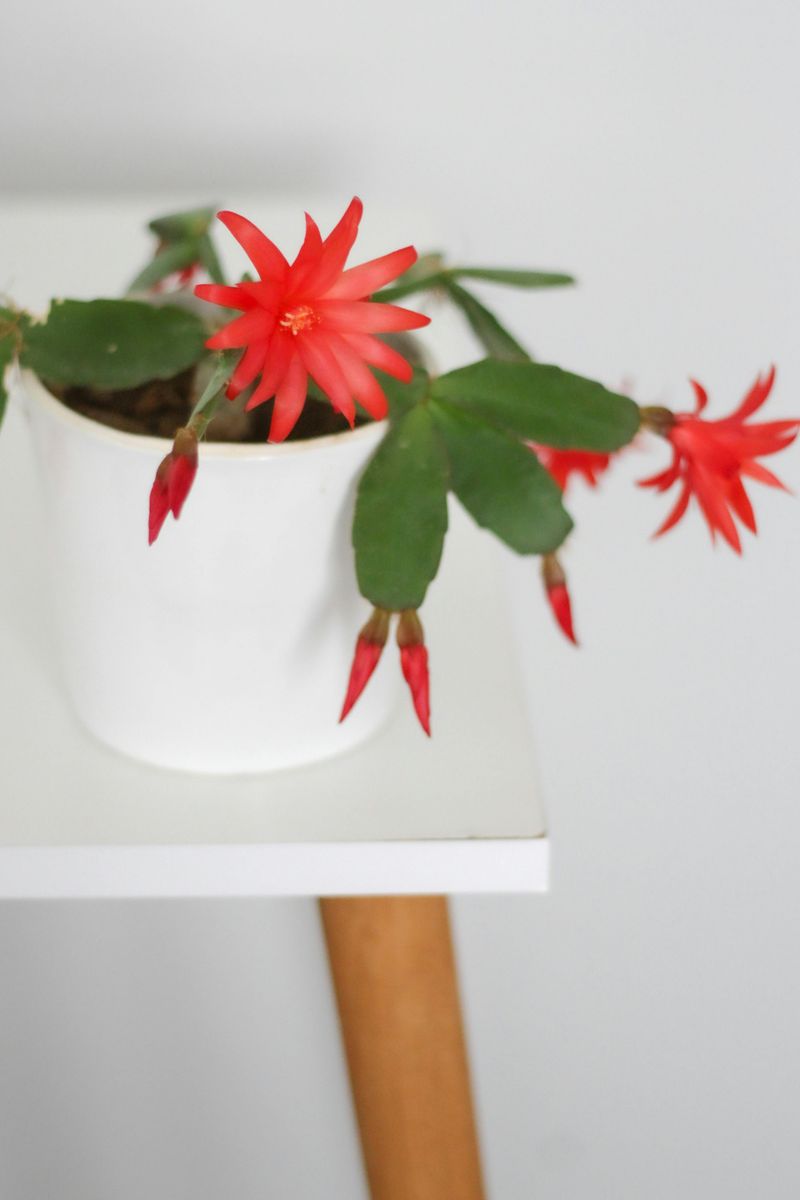
Air conditioning is amazing for humans but genuinely rough on tropical houseplants. Your Christmas cactus evolved in humid Brazilian rainforests, not dry American living rooms.
When indoor humidity drops below 40 percent, moisture evaporates from the plant’s segments faster than the roots can replace it. The result is a droopy, stressed-out cactus.
Heating and cooling systems both strip moisture from the air aggressively. Placing your plant near a vent makes the humidity problem significantly worse, almost instantly.
An affordable digital hygrometer tells you exactly how dry your home air is. Knowing your humidity level takes all the guesswork out of plant care.
Grouping plants together creates a small zone of shared humidity around them. As each plant releases moisture, the neighboring plants benefit from that invisible cloud.
A pebble tray filled with water placed beneath the pot adds gentle ambient moisture to the surrounding air. The water evaporates slowly and keeps the humidity slightly elevated around the plant.
Dry air is a sneaky culprit that many plant owners never suspect. Once you address it, your Christmas cactus often bounces back with surprising speed and renewed firmness.
5. It Is Experiencing Sudden Temperature Changes
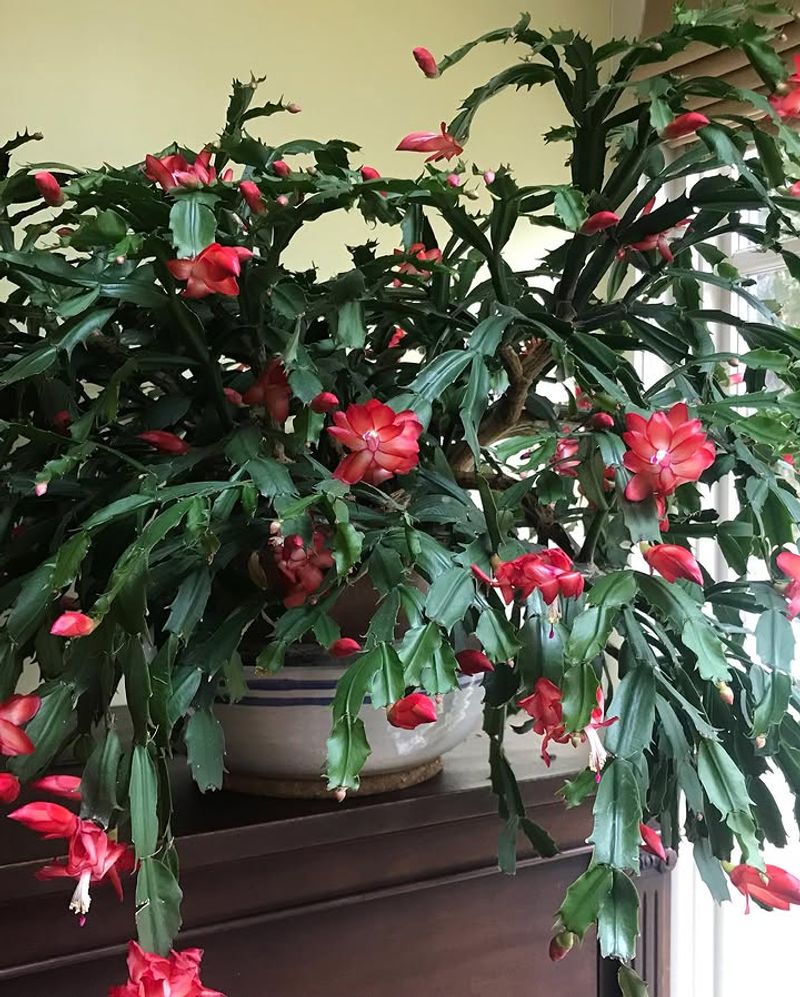
Temperature swings stress a Christmas cactus out fast. Going from a cool air-conditioned room to a hot patio and back again confuses the plant’s system completely.
Drafts from open windows, doors, or air vents create sudden cold blasts that shock the roots and stems. Even a few degrees of rapid change can trigger visible wilting.
This plant prefers steady, predictable temperatures between 60 and 75 degrees Fahrenheit. Anything outside that range, especially sudden spikes or drops, causes stress responses like limpness.
Placing the plant near an exterior door that gets opened frequently is a common mistake. Each time that door swings open, a burst of hot or cold air hits the plant directly.
Windowsills can also be problematic because the glass surface amplifies temperature extremes. On a hot day, the glass heats up dramatically and radiates that heat directly onto nearby leaves.
Finding a stable indoor spot away from drafts and direct heat sources is the smartest move. A consistent environment allows the plant to focus its energy on growing, not surviving.
Stability is the secret ingredient your Christmas cactus craves most. Give it a calm, steady home and it will reward you with lush, firm segments all season long.
6. It Has Outgrown Its Pot And Is Root-Bound
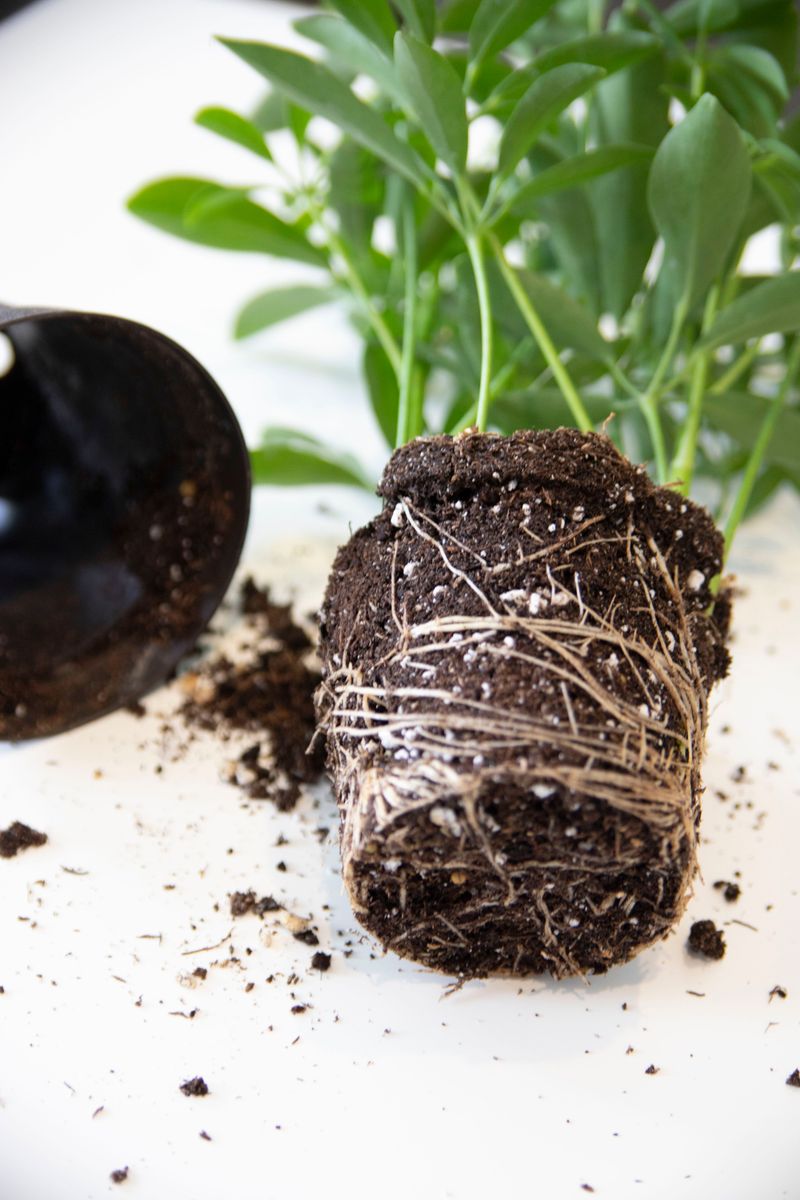
When roots have nowhere left to grow, the whole plant suffers. A severely root-bound Christmas cactus cannot absorb water or nutrients efficiently, no matter how well you care for it.
Roots circling tightly inside a pot create a compacted mass that repels water instead of absorbing it. You might water thoroughly and watch it drain straight through without helping the plant at all.
Signs of a root-bound plant include roots poking out of drainage holes and soil that dries out unusually fast. The plant may also look stunted despite receiving proper care and feeding.
Gently tipping the plant out of its pot lets you inspect the root ball directly. If the roots form a tight, dense spiral with little visible soil, it is time for a bigger home.
Choose a new pot that is only one to two inches larger in diameter than the current one. Going too big too fast creates excess soggy soil that can lead to root issues.
Fresh potting mix gives the roots new space to spread and access nutrients again. Use a well-draining cactus or succulent mix for best results.
Repotting a root-bound Christmas cactus often triggers a visible recovery within just a couple of weeks.
7. It Is Not Getting Enough Nutrients
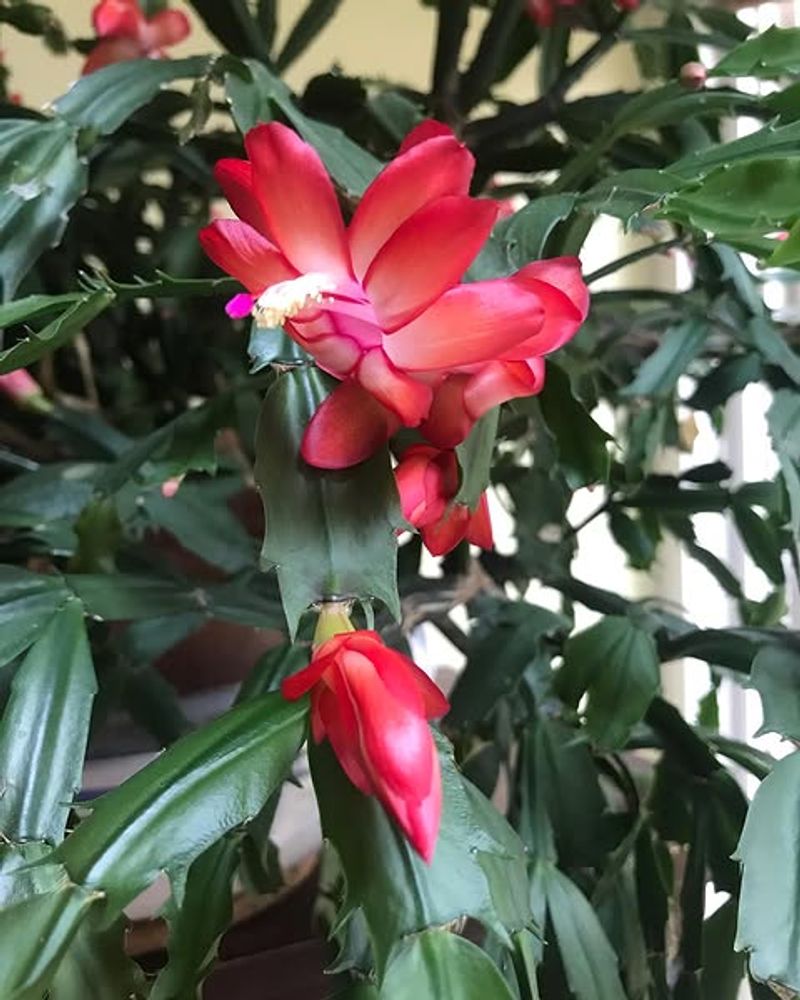
A nutrient-starved Christmas cactus looks tired, pale, and uninspired. Limp segments combined with a washed-out color are classic signs that the soil has run out of usable nutrients.
Potting soil loses its nutrient content over time as the plant feeds and water flushes minerals away. After a year or two in the same soil, the plant is essentially eating empty calories.
Summer is actually an active growth period for this plant, which means its nutritional needs go up. Feeding it only during blooming season leaves it hungry during months when it truly needs support.
A balanced liquid fertilizer diluted to half strength works well during the growing season. Apply it once a month from spring through early fall for steady, consistent nourishment.
Avoid over-fertilizing because too much nitrogen causes weak, floppy growth that looks worse than no fertilizer at all. More is not better when it comes to plant food.
Slow-release granular fertilizers are a convenient option if liquid feeding feels like too much maintenance. Just scratch a small amount into the top layer of soil every few months.
Feeding your Christmas cactus consistently is like giving it a reliable meal plan. Steady nutrition keeps it firm, vibrant, and ready to bloom when the season comes around again.
8. Correct Your Watering Schedule
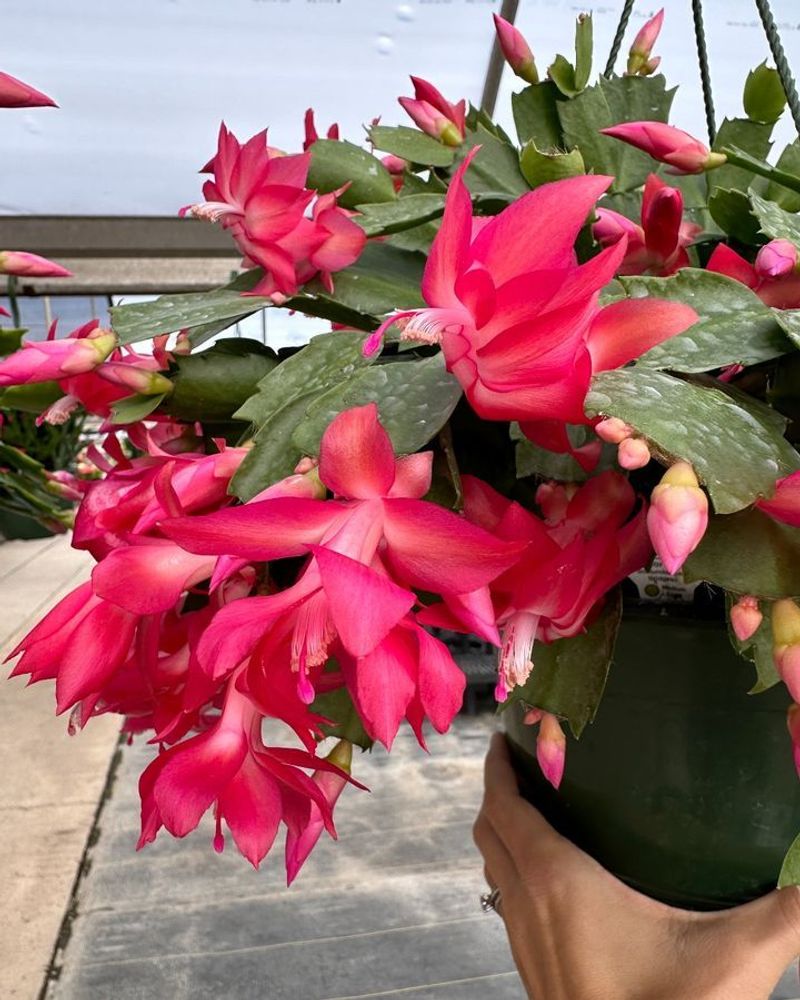
Getting your watering schedule right is genuinely the single most powerful fix for a limp Christmas cactus. Most problems trace back to too much or too little moisture reaching the roots.
The finger test is your best tool here: push your finger about an inch into the soil. If it feels moist, wait another day or two before watering again.
In summer, check the soil every two to three days rather than watering on a fixed calendar schedule. Humidity, pot size, and light levels all affect how fast soil dries out.
Bottom watering is a technique worth trying for this plant. Set the pot in a shallow tray of water for 20 minutes and let the roots soak up what they need from below.
This method prevents overwatering the surface while ensuring the deeper roots get fully hydrated. It also reduces the risk of water pooling around the base of the stem.
Terracotta pots dry out faster than plastic or ceramic ones, so factor that into your schedule. The pot material matters more than most people realize when building a watering routine.
A consistent, soil-based watering approach is one of the most empowering things you can do for your Christmas cactus this summer.
9. Move To Indirect Light (East Or West-Facing)
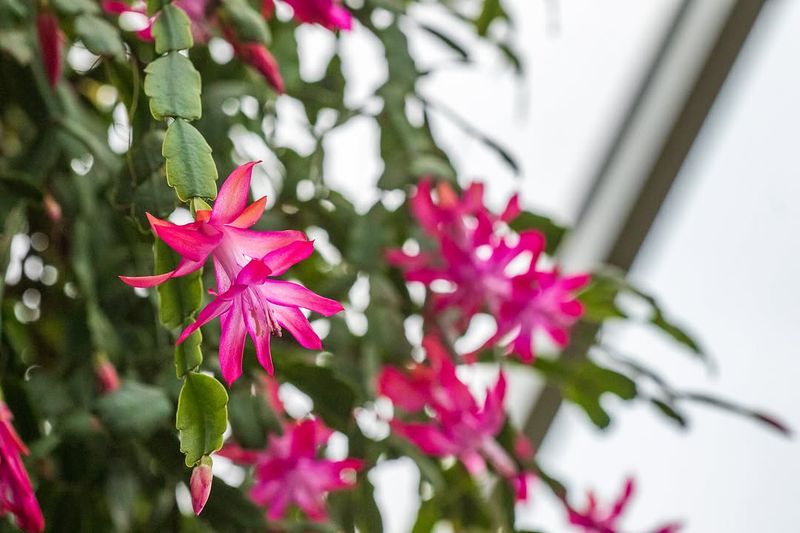
Relocating your Christmas cactus to an east or west-facing window is one of the easiest wins in plant care. Morning light from an east window is soft, gentle, and perfectly suited for this plant.
West-facing windows offer warm afternoon light that is bright but less intense than the harsh midday sun from a south exposure. Either direction gives the plant the energy it needs without the burn.
If your home only has south-facing windows, hang a sheer white curtain to soften the light. That thin layer of fabric filters out the most damaging rays while still letting brightness through.
The plant needs bright indirect light to stay firm and support healthy segment growth. Once you find the right spot, resist the urge to keep moving the plant around.
Consistency in light exposure helps the plant adjust and stabilize its water usage patterns. Watch the segments closely after relocating the plant.
Firm, slightly glossy segments within a week or two are a clear sign the new light situation is working well.
The right light spot transforms a struggling plant into a confident, upright one, and it costs absolutely nothing to make the switch.
10. Boost Humidity
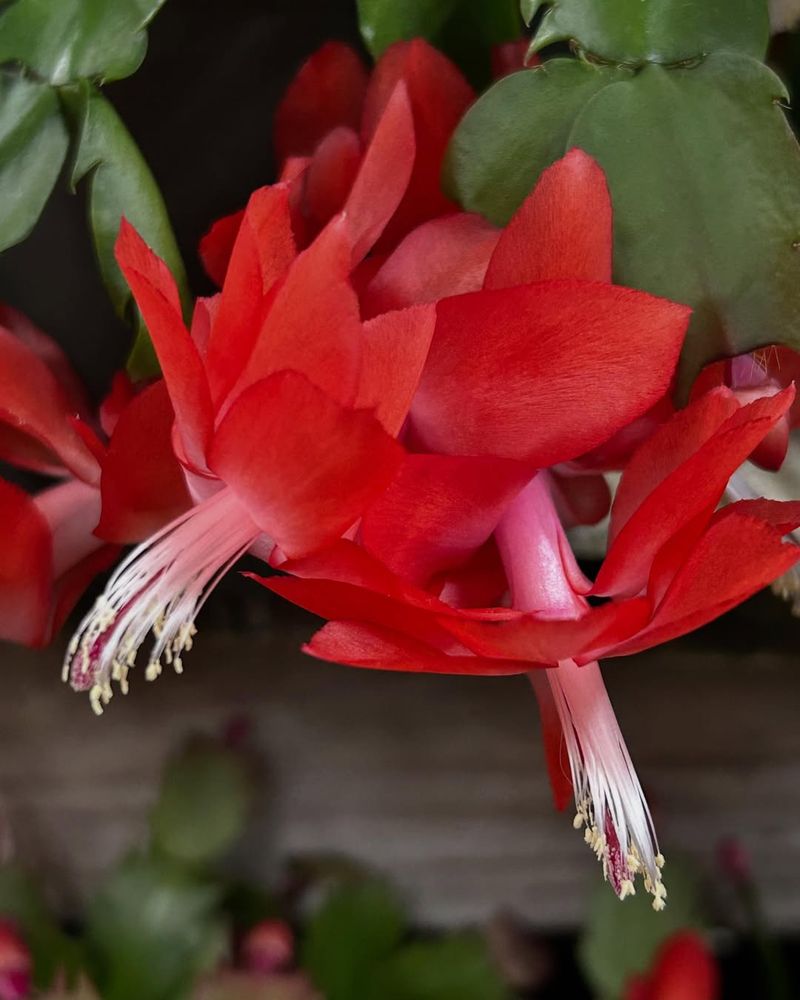
Raising the humidity around your Christmas cactus does not require expensive equipment or major home renovations. A few simple strategies can make a noticeable difference within days.
A small cool-mist humidifier placed nearby is the most effective solution for consistently dry indoor air. Running it for a few hours a day keeps the surrounding air comfortably moist.
Pebble trays are a budget-friendly alternative that many plant lovers swear by. Fill a shallow tray with small stones, add water just below the top of the stones, and set the pot on top.
As the water evaporates, it creates a gentle humidity zone right around the plant. Refill the tray every few days to keep the moisture cycling consistently.
Grouping your Christmas cactus with other tropical houseplants creates a microclimate of shared humidity. Plants release moisture through their leaves, and neighboring plants absorb that ambient moisture naturally.
Avoid placing the plant near heating or cooling vents, which actively strip moisture from the surrounding air. Even a foot or two of distance from a vent makes a real difference.
Boosting humidity is the underrated secret weapon of Christmas cactus care, and once you nail it, the plant rewards you with noticeably firmer, healthier segments.
11. Keep Temperatures Stable (60 To 75 Degrees Fahrenheit)
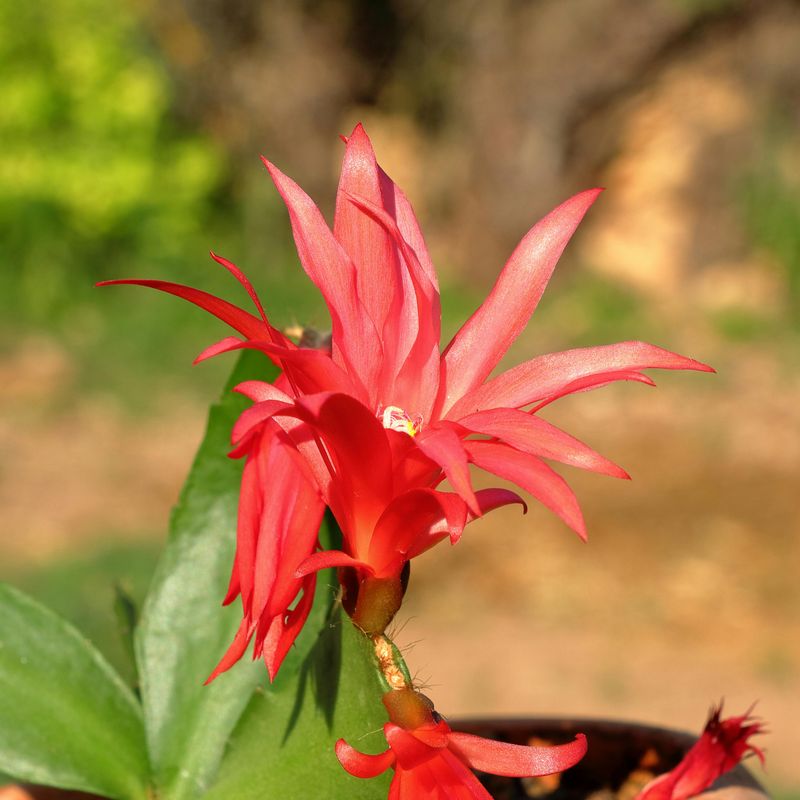
Finding a stable temperature zone for your Christmas cactus is like finding the perfect sleeping conditions for yourself. Too hot, too cold, or too unpredictable and nothing goes right.
The sweet spot for this plant sits between 60 and 75 degrees Fahrenheit during its non-blooming months. Staying within that range keeps the plant calm, hydrated, and structurally firm.
Avoid placing the plant near exterior walls in summer because those surfaces absorb outdoor heat and radiate it inward. The temperature near an exterior wall can be several degrees hotter than the room average.
Air conditioning set too low can also stress the plant, especially if it sits directly in the cold airflow. Move it at least three feet away from any vent blowing chilled air.
A simple indoor thermometer placed near the plant helps you monitor actual conditions rather than guessing. Knowing the real temperature removes the uncertainty from your care routine entirely.
Nighttime temperatures are equally important to monitor. A sudden drop to below 55 degrees can cause the plant to go limp even if daytime conditions are perfect.
Temperature stability is the quiet foundation that makes every other care strategy work better. Get the environment right, and your Christmas cactus will hold its shape all summer long.
12. Repot If Root-Bound
Repotting a root-bound Christmas cactus feels intimidating the first time, but the process is straightforward and the results are almost immediately rewarding. Your plant will visibly relax once it has room to breathe.
Choose a pot that is one to two inches wider than the current one. Going too large creates excess soil that holds moisture the roots cannot use, which creates new problems.
A well-draining mix designed for cacti or succulents is the best medium for repotting. Standard potting soil holds too much moisture and can suffocate the roots over time.
Gently loosen the root ball before placing it in the new pot. Untangle any tightly circled roots so they can spread outward into the fresh soil naturally.
Water the plant lightly after repotting and then leave it alone for about a week. Giving it time to settle reduces transplant shock and helps the roots establish without being overwhelmed.
Place the freshly repotted plant in a spot with bright indirect light and stable temperatures. Avoid fertilizing for at least a month after repotting to prevent stressing the recovering root system.
Repotting a root-bound Christmas cactus is one of the most satisfying acts of plant care, and watching it recover reminds you why you fell for this plant in the first place.