These Plants Make Dry California Front Yards Look Full Without A Lawn
A dry front yard does not have to look bare or forgotten. In many California neighborhoods, a lawn can feel more like a thirsty habit than a smart design choice.
The right plants can fill that space with shape and color while using far less water once they settle in. They can also make the yard feel more personal than a flat patch of grass.
Think of soft mounds and bold leaves that give the space life. The best choices do more than survive dry weather.
They make the whole yard look planned and welcoming. They can frame a walkway, soften curb edges, and create a warm first impression.
With a few smart picks, even a hot front strip can feel full, fresh, and easy to enjoy without bringing back the lawn.
1. Pittosporum Makes Dry Front Yards Look Full Fast
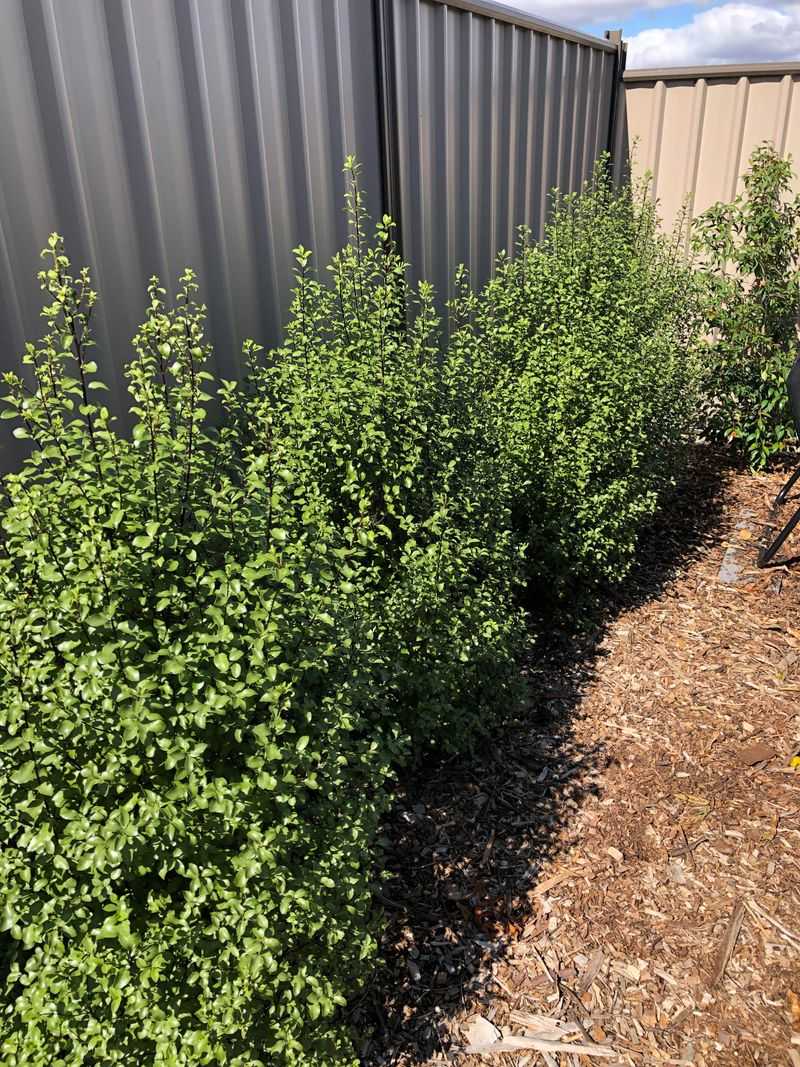
Few plants fill in a bare front yard as quickly and reliably as Pittosporum. Gardeners across our state love it because it grows fast, stays green all year, and does not need much water once it settles in.
That combination is hard to beat when you are trying to replace a thirsty lawn.
Pittosporum comes in several varieties, and each one has its own look. Some grow into large, rounded shrubs that work great as a backdrop for smaller plants.
Others stay compact and tidy, making them perfect for lining walkways or filling corners near the front door. The leaves are glossy and dense, so the plant always looks full, even in the driest months.
One thing homeowners really appreciate is how low-maintenance it is. You do not need to water it constantly, and it does not demand a lot of pruning to look neat.
A light trim once or twice a year keeps it in good shape. It also handles heat well, which matters a lot in our warmer inland regions.
Planting Pittosporum in well-draining soil gives it the best start. Adding a layer of mulch around the base helps lock in moisture and keeps the roots cool during hot spells.
Space each plant with its mature size in mind, since crowded shrubs can lose that clean, full shape.
Within one growing season, most varieties fill in enough to make a real visual difference in your yard.
2. Bottlebrush Adds Color And Evergreen Shape
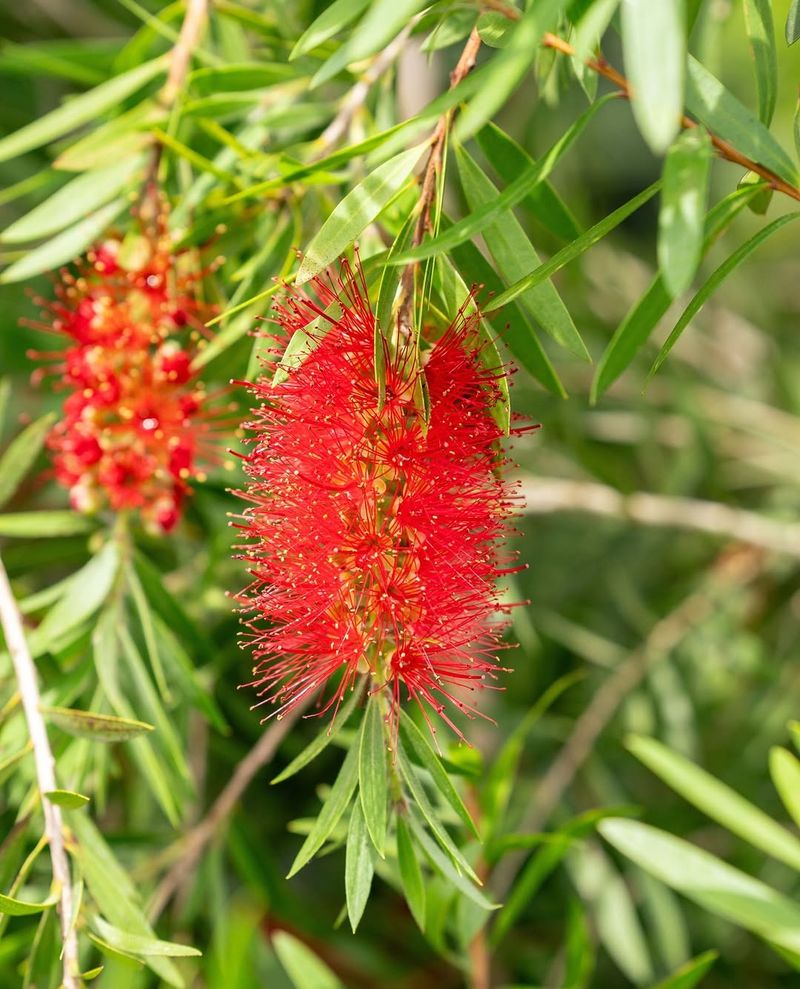
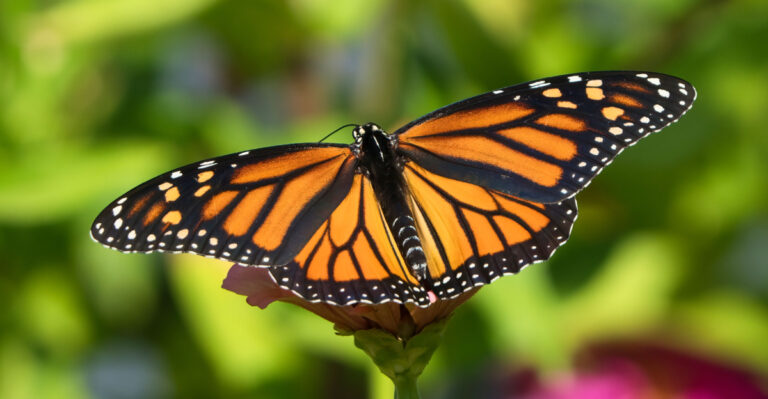
There is something almost cheerful about a Bottlebrush in full bloom. The bright red, brush-shaped flowers look like something out of a painting, and they attract hummingbirds like a magnet.
Planting one near your front walkway means you get a natural show every time the blooms come out.
Beyond the flowers, Bottlebrush is a tough, evergreen shrub that holds its shape beautifully through dry summers and mild winters.
It does not drop its leaves, so your yard stays looking full and green even when neighboring lawns turn brown.
That staying power is exactly what makes it such a smart choice for water-conscious homeowners.
Most varieties grow between six and fifteen feet tall, depending on how much you prune them. Some people let them grow into small trees by removing the lower branches over time.
Your California Garden Changes Every Week. Your Plan Should Too.
Gardening in California changes quickly throughout the season. Every Friday you’ll receive a simple weekly plan showing exactly what to plant, prune, fertilize, harvest, and protect so you never miss the right timing.
Others keep them bushy and compact by trimming them back after each bloom cycle. Either way, the plant adapts well to whatever shape you need.
Bottlebrush prefers full sun and well-draining soil. It handles drought conditions once established, though giving it a deep watering every couple of weeks during the first summer helps it get rooted properly.
Once it is settled in, it is one of the most reliable, colorful plants you can add to a dry front yard.
3. Dwarf Olive Gives Structure Without A Lawn
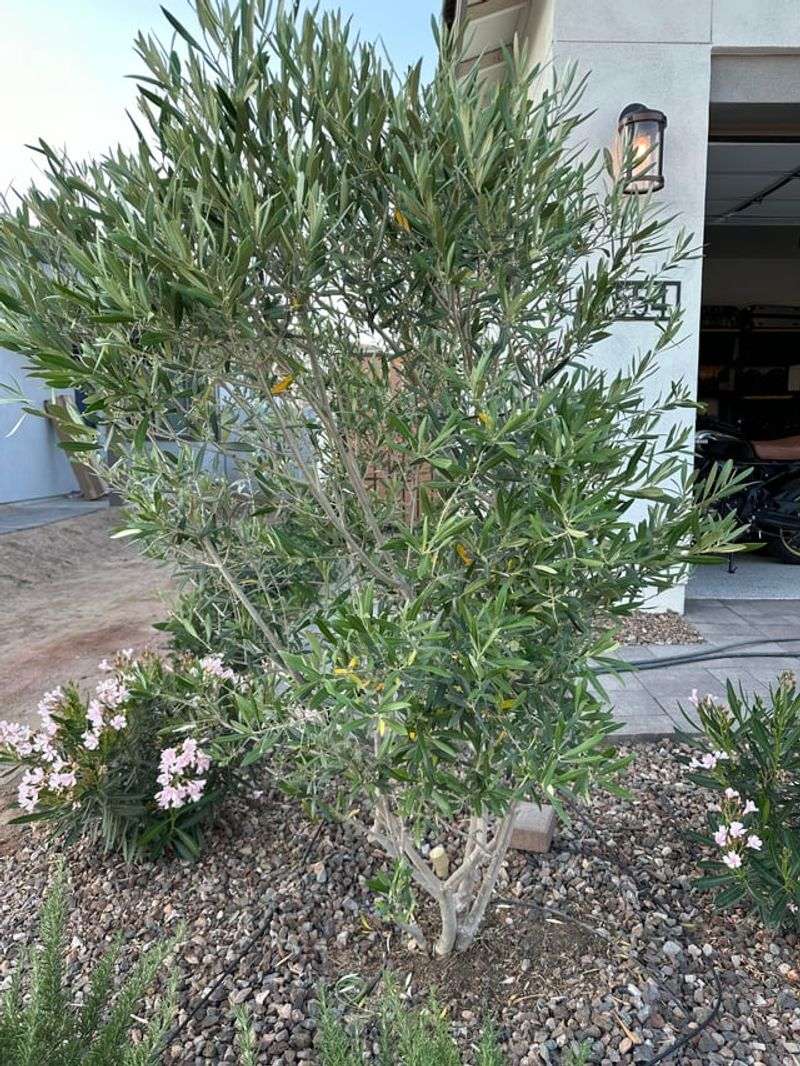
Not every yard needs big splashes of color. Sometimes what a front yard really needs is structure, and that is exactly what a Dwarf Olive delivers.
With its silver-green leaves, gnarled branches, and naturally artistic shape, it brings a calm, Mediterranean feel to any space without needing much water at all.
Dwarf Olive trees stay relatively small, usually topping out between eight and twelve feet. That makes them ideal for front yards where you want some vertical interest without blocking windows or overwhelming the space.
They grow slowly, which means they hold their shape well and do not require constant pruning to look tidy.
One of the best things about this tree is how it looks year-round. The leaves are narrow and silvery, catching light in a way that gives the yard a sophisticated, polished appearance.
Even without flowers or fruit, the tree adds real visual interest. Some varieties do produce small olives, but fruitless types are widely available and easier to manage near driveways or walkways.
Planting a Dwarf Olive in full sun with good drainage sets it up for long-term success. Once established, it handles long dry stretches without complaint.
Pairing it with ornamental grasses or low-growing ground covers creates a layered, intentional look that makes a front yard feel designed rather than neglected.
4. Pineapple Guava Fills Space With Clean Green Leaves
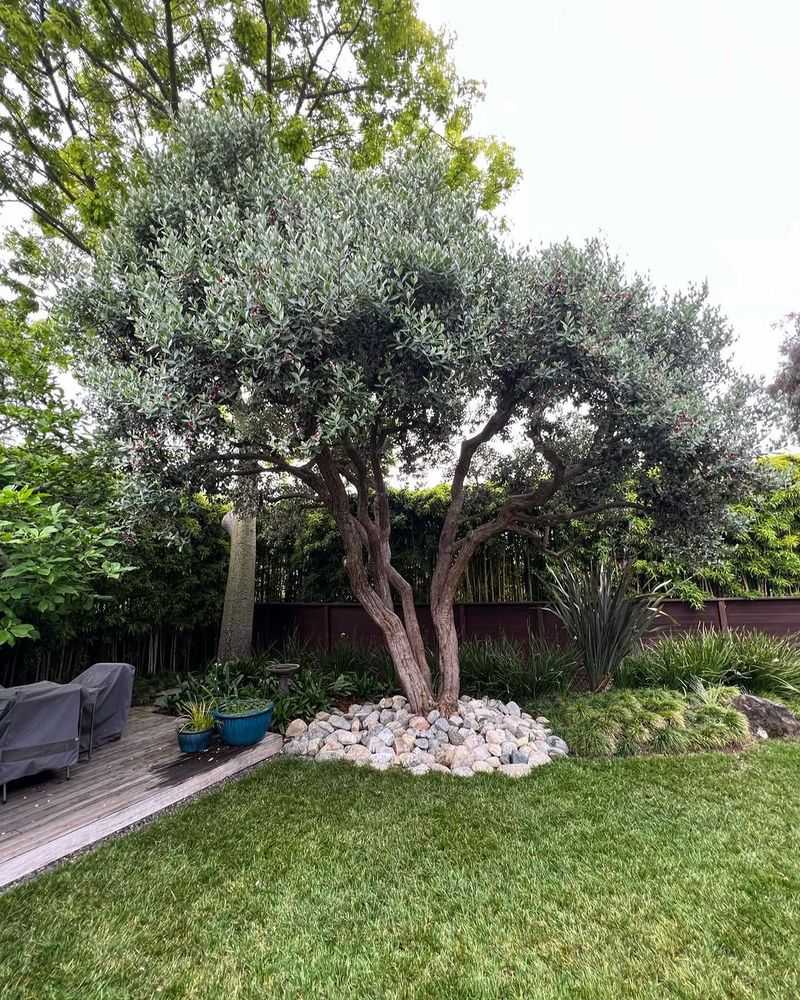
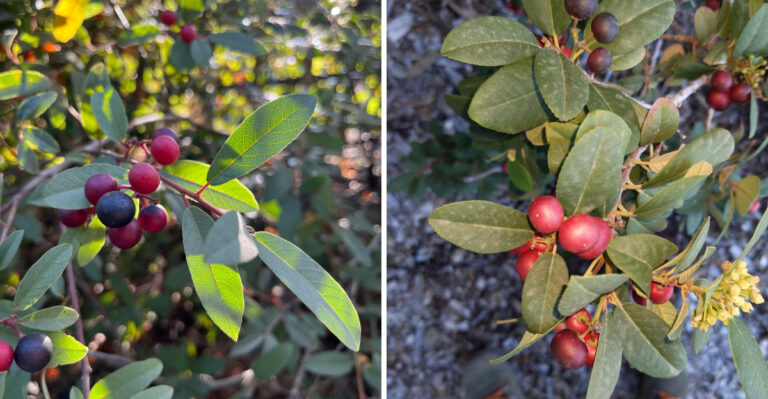
Pineapple Guava is one of those plants that surprises people once they get to know it. The leaves are thick and waxy on top, silvery underneath, and the contrast gives the plant a two-toned look that stands out in any yard.
It is also one of the toughest plants you can grow in a dry, sun-heavy environment. The shrub grows at a moderate pace and can reach eight to fifteen feet tall if left unpruned.
Most homeowners keep it trimmed into a rounded shape, which works beautifully as a focal point or as a screen along the front of the house.
The dense foliage fills in quickly and stays full even through summer heat.
Bonus points go to the flowers, which appear in late spring and are edible. They taste mildly sweet and fruity, and hummingbirds love them.
If conditions are right, the plant also produces small, egg-shaped fruits in fall that are perfectly safe to eat right off the shrub. Not many ornamental plants pull double duty like that.
Full sun is ideal, though it tolerates partial shade better than most drought-tolerant plants. Well-draining soil and occasional deep watering during the first year help it establish a strong root system.
After that, it largely takes care of itself, making it a very rewarding, low-effort addition to any water-smart front yard.
5. Indian Hawthorn Keeps Front Beds Looking Polished
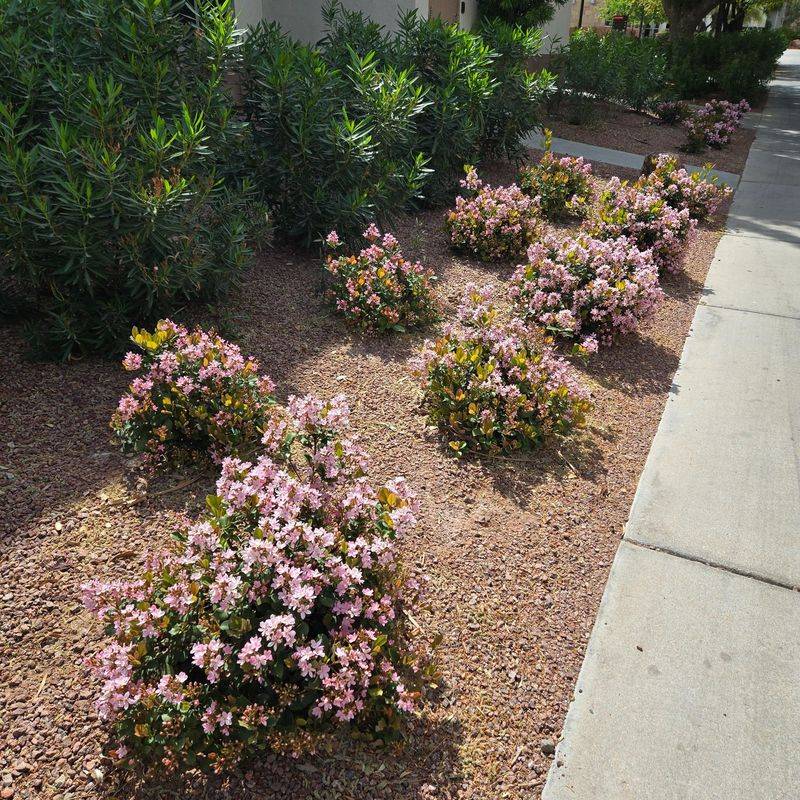
Keeping a front yard looking sharp without constant maintenance is the dream, and Indian Hawthorn makes that dream pretty easy to achieve. It is a compact, mounding shrub that naturally holds a neat, rounded shape.
You do not have to spend weekends trimming it into submission just to keep it looking good.
The dark green leaves are leathery and stay on the plant year-round, which means your beds always look full and tidy.
In late winter and spring, clusters of small pink or white flowers appear across the whole shrub.
The display lasts for weeks and gives your front yard a burst of softness right when everything else is still waking up from the cooler months.
Indian Hawthorn typically grows two to four feet tall and wide, depending on the variety. That compact size makes it great for edging along walkways, filling in low beds under windows, or planting in groups across a wider open area.
Spacing them about three feet apart lets them fill in naturally without crowding each other.
It handles heat, drought, and coastal winds without much fuss. Planting it in full sun to partial shade with well-draining soil gives it the best chance to thrive.
Once established, watering every two to three weeks during summer is usually enough. It is a dependable, polished-looking plant that earns its place in any front yard design.
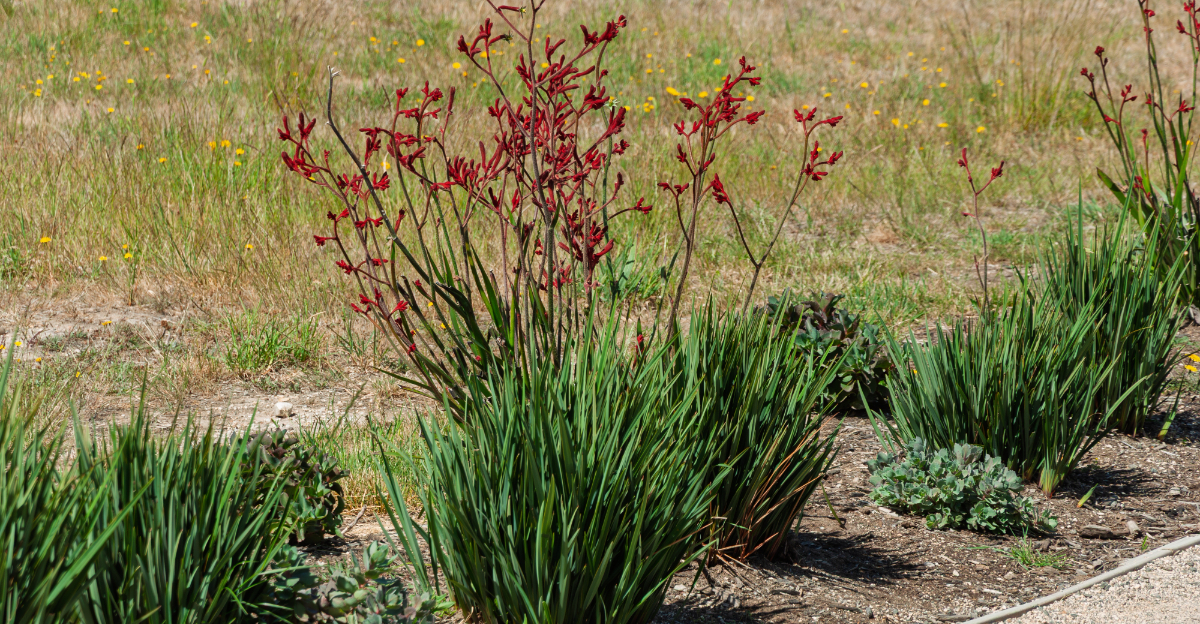
6. Kangaroo Paw Adds Height Without Much Bulk
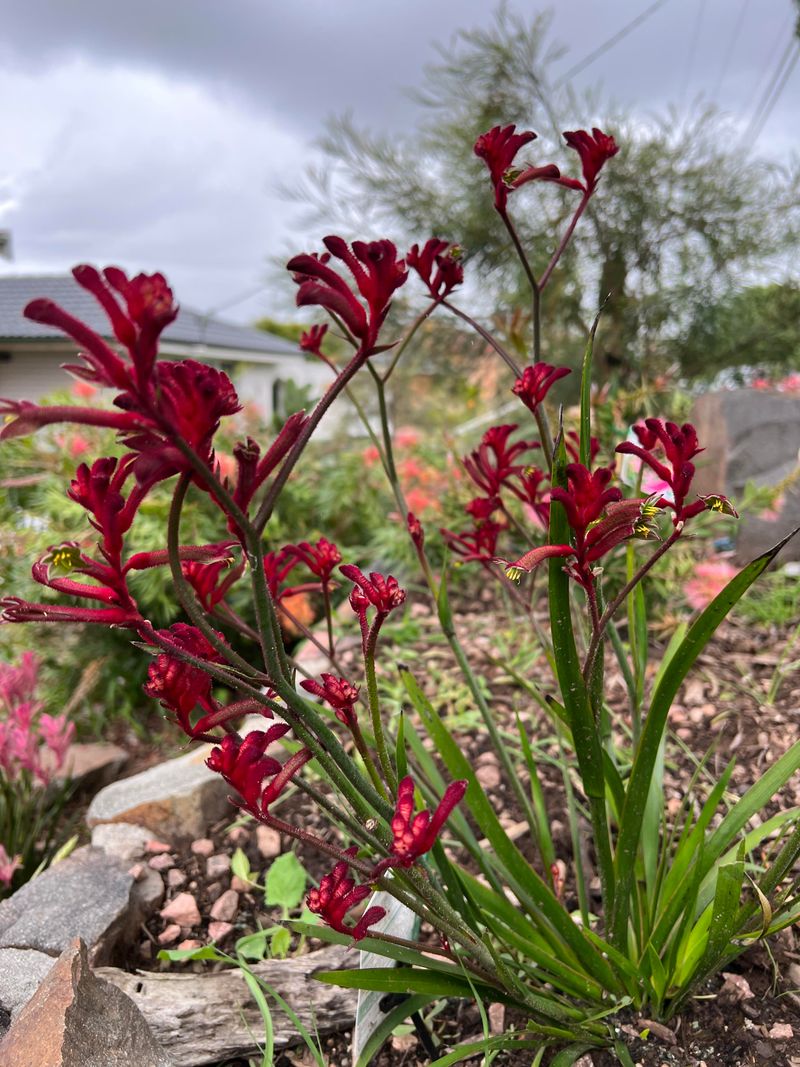
Long, strap-like leaves shoot up from the ground, and then the flower stalks rise even higher, ending in fuzzy, tubular blooms that look like tiny velvet paws.
That is Kangaroo Paw in a nutshell, and there is honestly nothing else quite like it in the plant world.
It brings serious personality to a dry front yard without taking up much horizontal space.
The plant is native to Australia but thrives beautifully in our warm, dry climate. It loves full sun, handles sandy or rocky soil, and barely blinks during a drought once it is established.
The flowers come in shades of red, orange, yellow, and even deep burgundy, giving you a lot of color options depending on the look you want.
Height varies by variety. Dwarf types stay around one to two feet, while standard varieties can reach four to five feet when in bloom.
That height makes them great for adding a vertical element to a yard without the bulk of a large shrub.
Grouping several plants together creates a bold, eye-catching display near the front of the house or along a fence line.
Cutting back the old flower stalks after blooming encourages fresh growth and keeps the plant looking tidy. Good drainage is a must, as soggy roots are its one real weakness.
Pair it with low-growing succulents or ornamental grasses for a layered, dynamic look that reads as intentional and creative.
7. Fortnight Lily Fills Bare Spots With Strappy Leaves
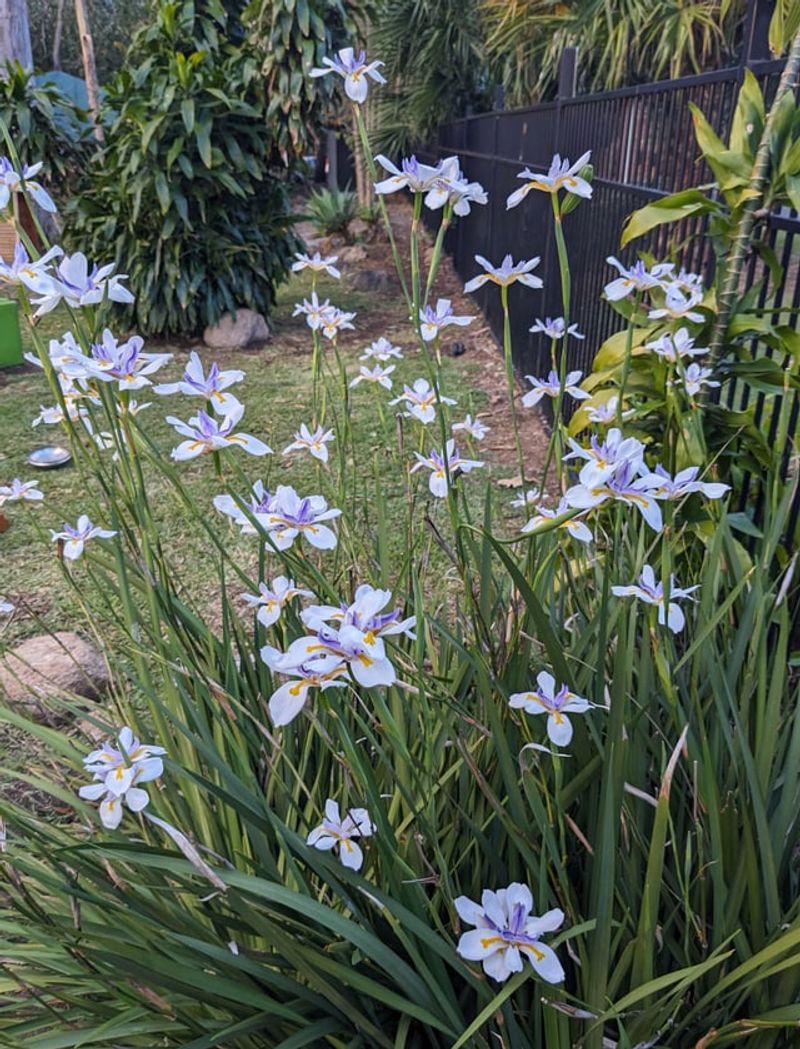
Every two weeks like clockwork, new flowers open up on the Fortnight Lily, and that is actually where it gets its name.
The blooms are white with purple and yellow markings, and they are delicate and elegant in a way that feels almost unexpected for such a tough, low-water plant.
The foliage alone is worth planting it for. The long, sword-like leaves grow in dense, fan-shaped clumps that look full and lush even when the plant is not blooming.
Bare spots in a front yard practically disappear once a few clumps of Fortnight Lily are planted. It spreads slowly over time, gradually filling in more space without becoming invasive or hard to manage.
It grows well in full sun to partial shade and handles reflected heat from driveways and sidewalks better than most plants.
Once established, it needs very little water to stay healthy and keep producing flowers. That makes it a go-to choice for hot, exposed spots where other plants struggle.
Clumps can be divided every few years to spread the plant to new areas or to share with neighbors. Simply dig up a section, split it apart, and replant in a new spot.
Each division takes hold quickly. Removing spent flower stalks keeps the plant looking clean and encourages new blooms to come in on schedule, right on that reliable two-week cycle.
8. Blue Fescue Makes Dry Edges Look Intentional
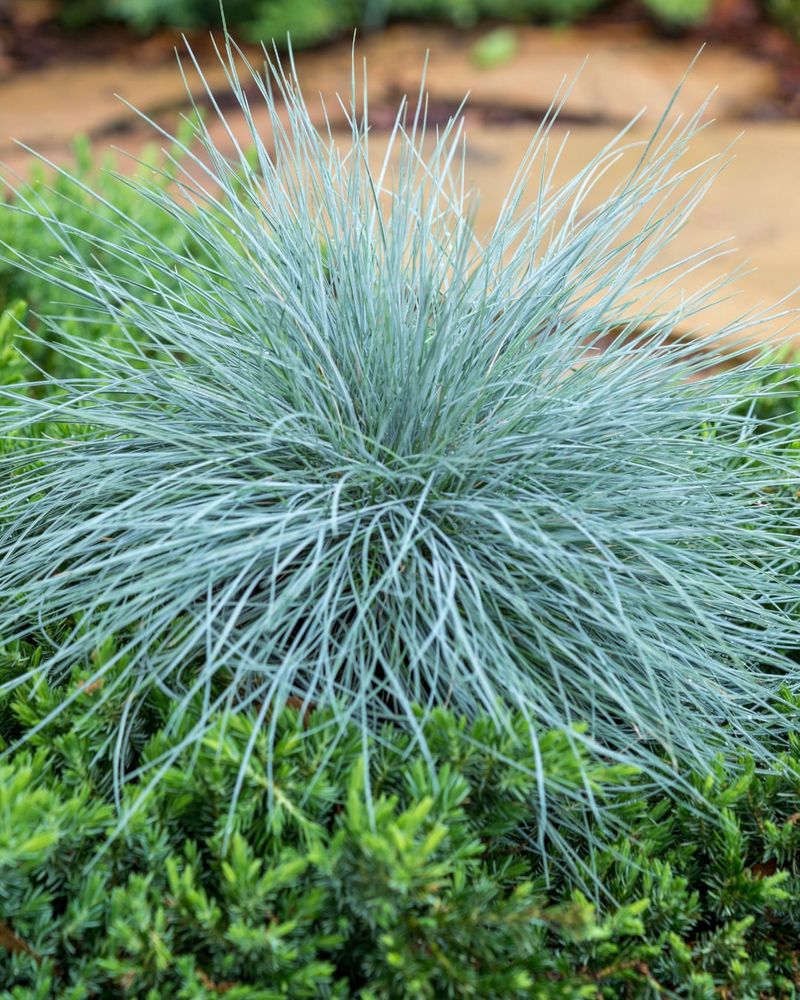
Sometimes the smallest plant in the yard makes the biggest design statement. Blue Fescue is a compact ornamental grass that grows in tight, rounded clumps about eight to twelve inches tall.
The blades are thin, stiff, and a striking shade of silver-blue that catches the eye from the street.
Planting it along the edges of beds, pathways, or driveways instantly makes those areas look finished and thought-out. Without it, bare soil edges can make a yard look unfinished or forgotten.
With it, the whole space looks like it was designed by someone who knew exactly what they were doing. That is a big payoff for a very small plant.
Blue Fescue loves full sun and thrives in dry, well-draining soil. It is one of the most drought-tolerant ornamental grasses available, making it a natural fit for yards across our state’s warmer inland and coastal regions.
Once established, it needs only occasional watering and almost no fertilizing to stay healthy.
The clumps tend to look their best when planted in groups of three, five, or more, spaced about a foot apart. Over time, the centers of older clumps can die out, leaving a ring shape.
Dividing and replanting every two to three years keeps them looking full and fresh. Pair Blue Fescue with boulders, gravel, or low succulents for a clean, modern look that holds up beautifully through long dry seasons.