This Is The Tiny Pest Destroying Pennsylvania Blueberry Bushes Before Harvest Season
Blueberry season in Pennsylvania is one of the more rewarding stretches of the summer garden calendar, and losing a significant portion of that harvest to a pest most gardeners have never heard of is one of the more quietly devastating experiences a home grower can have.
There is a tiny insect that has been working through Pennsylvania blueberry patches with increasing presence in recent years, causing damage that does not always announce itself until the fruit is already compromised or dropping prematurely.
The frustrating part is that by the time most gardeners notice something is wrong, the pest has been active for long enough that the current season’s harvest is difficult to recover.
Knowing what this pest is, what the early signs of its presence look like, and what the effective response window actually is gives Pennsylvania blueberry growers a real chance at protecting their crop before the damage becomes unavoidable.
Meet The Blueberry Maggot
Farmers in Pennsylvania have been dealing with one of the sneakiest fruit pests around for decades.
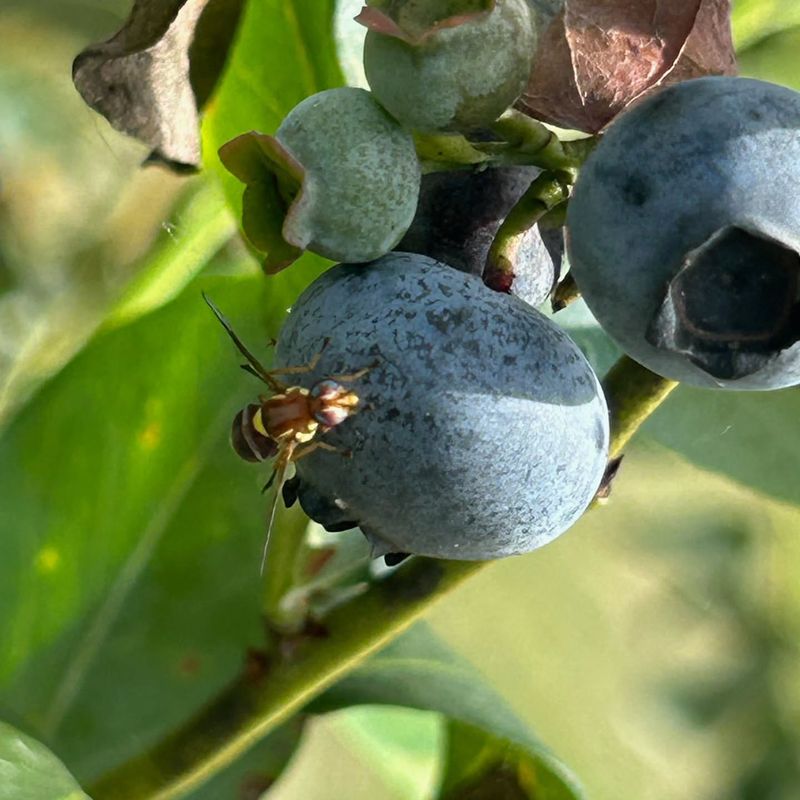
The blueberry maggot, known scientifically as Rhagoletis mendax, is a small fly that is barely a quarter of an inch long. It does not look dangerous at first glance, but the damage it causes is very serious.
The adult fly has distinctive black and white banded wings that make it slightly easier to spot when you know what to look for.
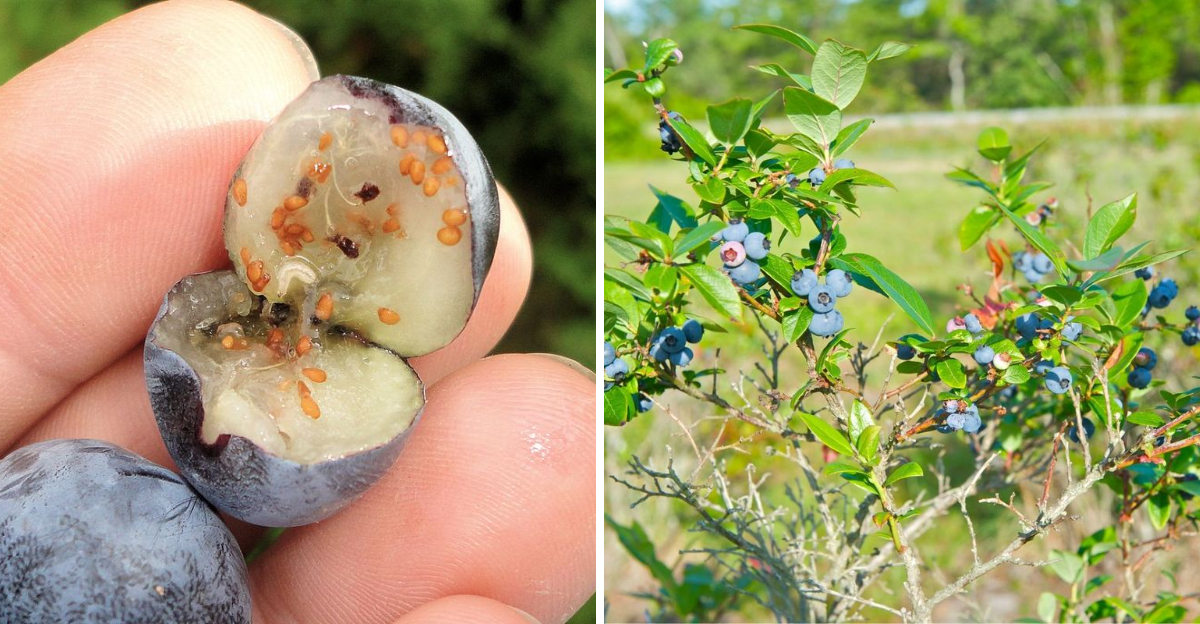
However, the real trouble comes from its larvae, which are tiny white worms that burrow inside developing blueberries. Once inside, they feed on the fruit flesh and make the berry completely unusable.
For Pennsylvania growers, this pest is especially concerning because the state has thousands of acres of commercial and pick-your-own blueberry farms.
A single infested field can lose a huge portion of its crop before harvest even begins. The pest spreads easily from farm to farm through infested fruit and soil movement.
What makes the blueberry maggot so frustrating is that the damage happens mostly out of sight. From the outside, a berry can look perfectly normal while a larva is already feeding inside.
By the time growers notice something is wrong, the infestation has often already spread widely across the field. Knowing this pest exists and staying alert early in the season gives growers the best chance of protecting their harvest.
Life Cycle Of The Pest
Understanding how the blueberry maggot lives and reproduces helps growers figure out the best time to take action. Adult flies typically begin emerging from the soil in mid to late summer, right when blueberries are starting to ripen.
The timing is not a coincidence because the pest has evolved to match the blueberry harvest window perfectly.
Once the adults emerge, females begin searching for ripe or nearly ripe berries to lay their eggs. A single female can lay dozens of eggs over her lifetime, inserting each one just beneath the skin of a berry.
The egg hatches within a few days, and the larva immediately starts feeding on the fruit from the inside.
Your Pennsylvania Garden Changes Every Week. Your Plan Should Too.
Gardening in Pennsylvania changes quickly throughout the season. Every Friday you’ll receive a simple weekly plan showing exactly what to plant, prune, fertilize, harvest, and protect so you never miss the right timing.
Larvae spend about one to two weeks feeding inside the berry before they are ready to move on. When they are fully grown, they drop out of the fruit and burrow into the soil beneath the blueberry bushes.
There, they form a protective shell called a puparium and spend the winter underground, waiting to emerge the following summer.
This underground stage is part of what makes the blueberry maggot so hard to manage. The pupae are protected from most sprays and treatments, so they survive easily through the cold months.
When warm weather returns, a whole new generation of adult flies hatches and the cycle starts over again.
Growers who do not break this cycle early often find themselves dealing with larger and larger populations each season, making the problem harder to control over time.
Signs Of Infestation
Spotting a blueberry maggot infestation early can make a big difference in how much of your crop you can save.
One of the first things to look for is tiny puncture marks or small dimples on the surface of the berries. These marks are left behind when female flies insert their eggs through the berry skin.
As the larvae start feeding inside, the berry begins to change in appearance. Infested fruit often softens faster than healthy berries and may start to shrivel or wrinkle before it is fully ripe.
A berry that looks slightly off or feels mushy when it should still be firm is a strong warning sign that something is wrong inside.
Another clue is the presence of adult flies hovering around the blueberry bushes during mid to late summer.
These small flies are easy to overlook, but if you watch closely, you may notice them landing on berries repeatedly. They are not just resting. They are checking berries for the right conditions to lay eggs.
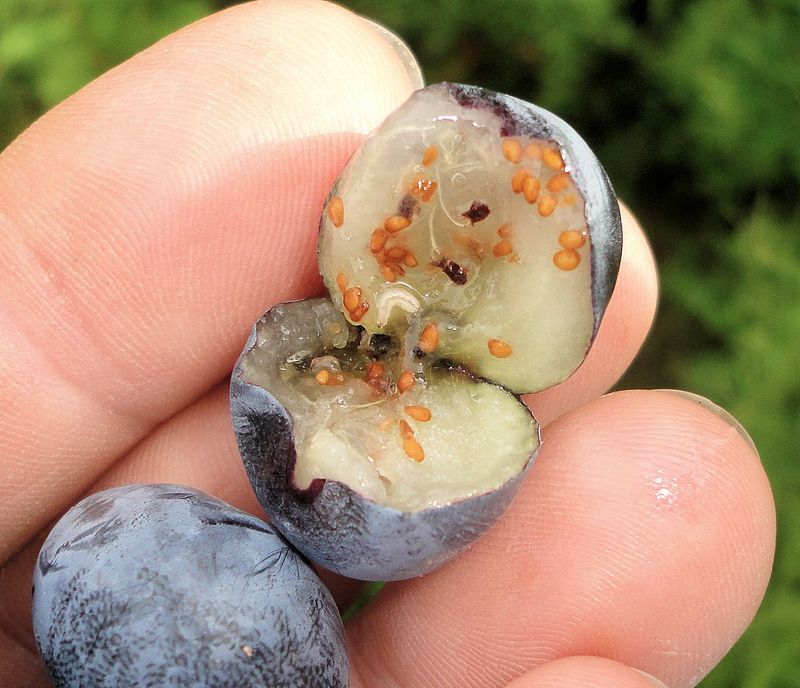
If you cut open a suspicious berry, you might find a small white worm tunneling through the flesh. This is a clear confirmation that the blueberry maggot is present in your field.
Some growers also notice an increase in dropped or rotting fruit on the ground beneath the bushes, which can be another sign that larvae have already finished feeding and fallen to the soil.
Catching these signs early gives you a much better chance of managing the infestation before it spreads too far across your entire planting.
How It Damages The Crop
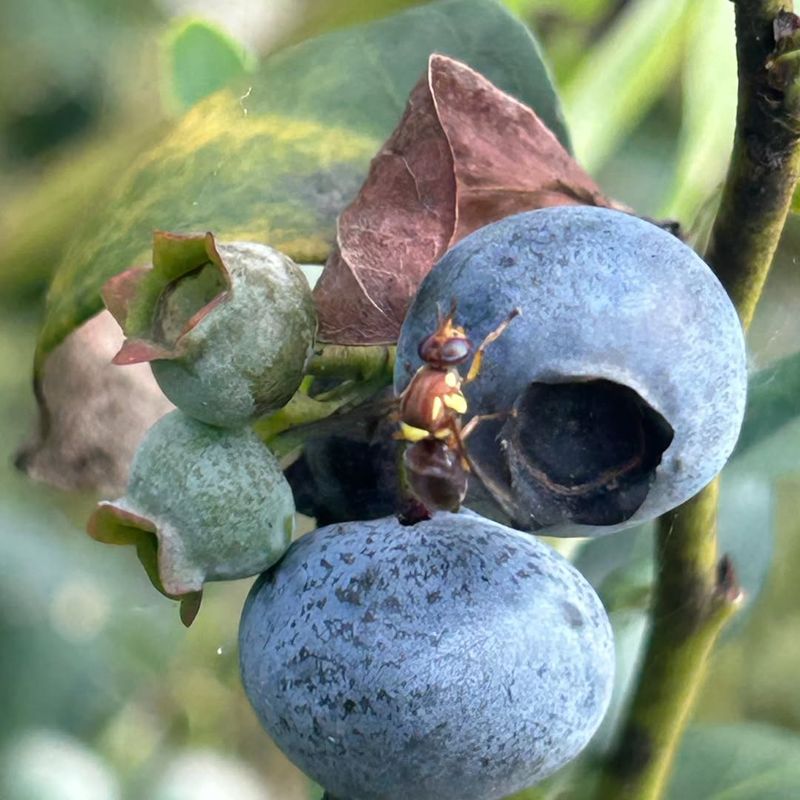
Few things are more disheartening for a blueberry grower than watching a promising crop turn into a loss right before harvest. The blueberry maggot causes damage that goes far beyond just a few bad berries.
When larvae feed inside the fruit, they break down the flesh completely, making the berry soft, discolored, and totally unfit for sale or eating.
For commercial growers, even a small percentage of infested berries can mean a rejected shipment or a failed inspection. Buyers and markets have strict standards, and blueberries with any signs of pest damage are usually turned away.
This kind of loss hits farmers hard, especially after months of careful growing and tending to their fields.
Heavy infestations are even more devastating. If the pest goes undetected for too long, it can spread through a large portion of the planting and ruin the majority of the crop in a single season.
Fields that suffer this level of damage may take more than one growing season to fully recover, especially if the soil holds a large population of overwintering pupae.
Beyond the direct damage to the fruit, the blueberry maggot also creates openings that allow other problems to move in.
Bacteria and fungi can enter through the puncture wounds left by egg-laying flies, causing secondary infections that spread to nearby healthy berries.
This double impact makes the pest even more destructive than it might seem at first. Growers who underestimate the blueberry maggot often end up facing a much bigger and more expensive problem than they expected at the start of the season.
Monitoring And Early Detection
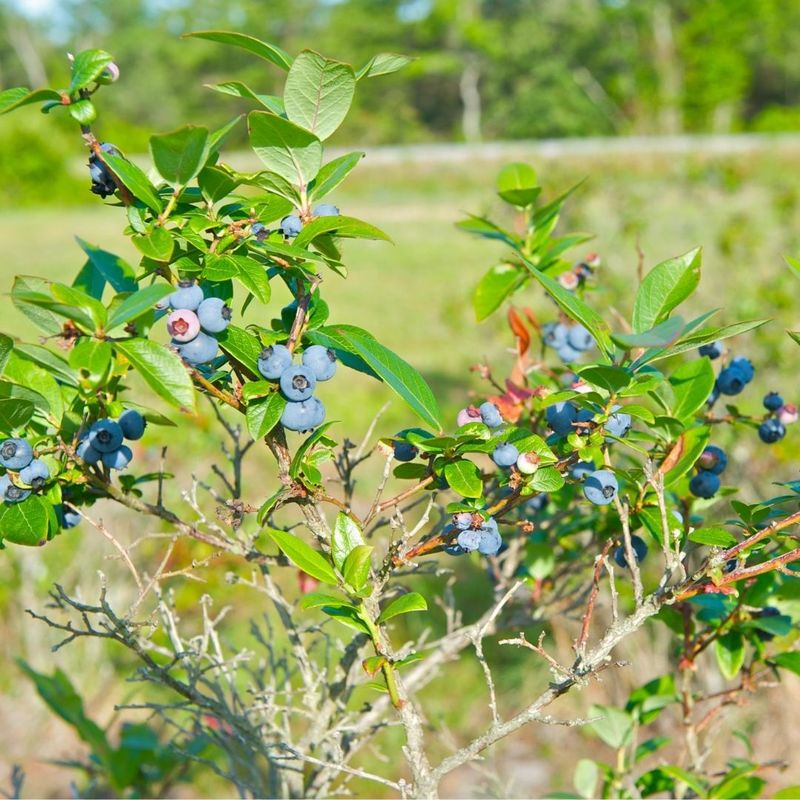
Catching the blueberry maggot early is one of the most powerful tools a grower has. The good news is that there are simple and affordable monitoring methods that can help you detect adult flies before they have a chance to lay too many eggs.
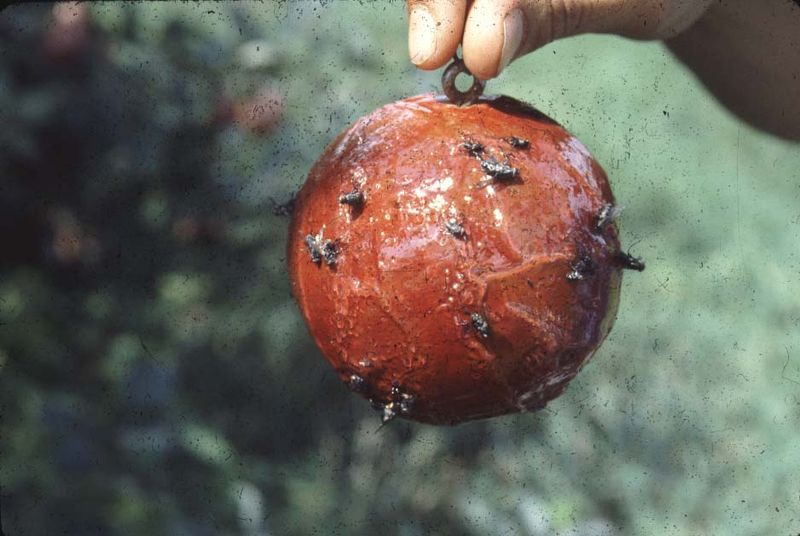
Starting your monitoring efforts at the right time is key to making them effective. Sticky traps are one of the most popular and reliable options. These are bright yellow cards coated with a sticky substance that traps adult flies when they land on them.
Many growers add a special bait, such as ammonium acetate or protein-based lures, to attract the flies more effectively. Hanging several traps throughout the field and checking them every few days gives you a clear picture of when and where adult flies are active.
Regular visual inspection of the bushes and berries is equally important. Walk through your field at least once a week during mid to late summer and look closely at the berries for any of the warning signs described earlier.
Pay special attention to areas near wooded edges or neighboring properties, since those spots tend to have higher pest pressure.
Early detection is valuable because it allows you to take action before the population grows too large. When you catch the problem in its early stages, you have more options available and more time to respond effectively.
Waiting until you see widespread damage means the infestation has already reached a level that is much harder to manage. A simple monitoring routine started early in the season can save a grower significant time, money, and heartache later on.
Control And Management Strategies
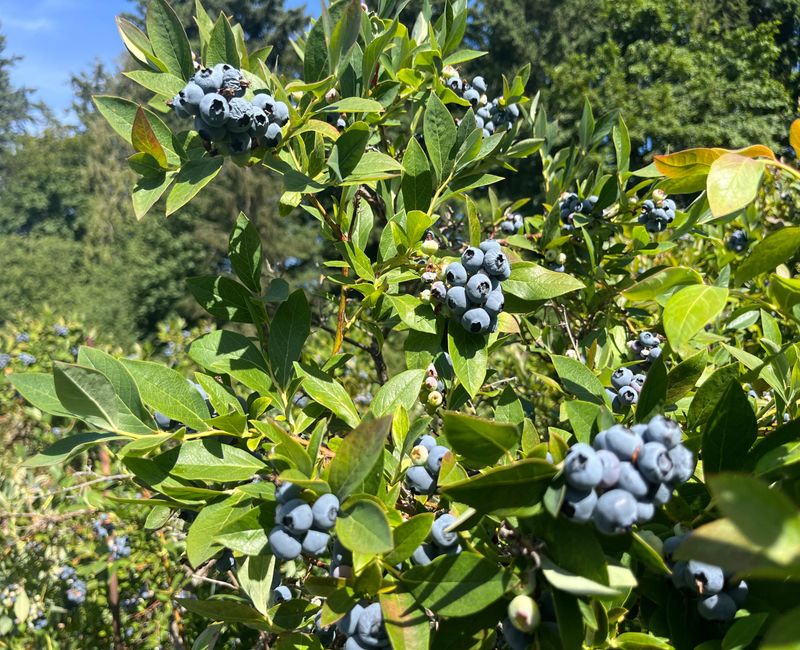
Once you know the blueberry maggot is present, taking the right steps quickly can make a real difference. One of the most effective and straightforward strategies is good sanitation.
Picking up and removing any fallen or damaged berries from the ground beneath your bushes is essential because those dropped fruits may contain larvae that are about to enter the soil and pupate.
Targeted insecticide treatments can also be very helpful when applied at the right time. Pennsylvania State University Extension and other agricultural resources provide specific recommendations for both conventional and organic spray options.
Kaolin clay is one organic approach that creates a physical barrier on the berry surface, making it harder for flies to lay eggs. Spinosad-based sprays are another organic option that has shown good results against adult flies when timed correctly with trap captures.
Natural predators and beneficial insects can also play a supporting role in keeping blueberry maggot populations in check.
Encouraging habitat diversity around your farm, such as planting flowering plants that attract parasitic wasps, can help build a natural buffer against pest outbreaks over time. Crop rotation and soil management are longer-term strategies worth considering as well.
Since pupae overwinter in the soil directly beneath the bushes, any practice that disturbs the soil or exposes it to cold temperatures and natural enemies can help reduce the number of flies that emerge the following year.
Combining sanitation, timely sprays, natural predator support, and good monitoring creates a well-rounded management plan that gives Pennsylvania blueberry growers the strongest possible defense against this persistent and damaging pest.