Yard Conditions Arizona Homeowners Create That Are Attracting Tarantulas Near The House
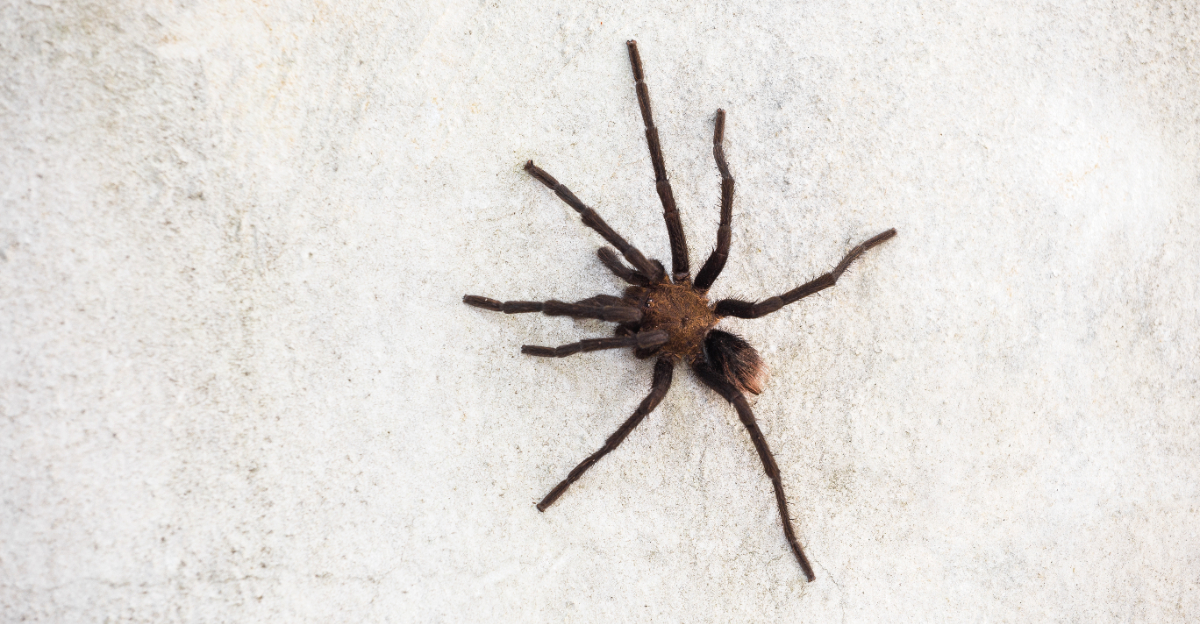
Finding something unexpected near the house can change your whole mood for the day. It could be a strange sound, an unfamiliar animal, or a movement out of the corner of your eye.
Suddenly, you start paying attention to things you normally would not even notice.
Tarantulas have a way of creating that reaction. Even people who know they are common in the desert often prefer seeing them somewhere other than the yard.
A single sighting is enough to make someone wonder whether it was just passing through or if there is a reason it showed up in the first place.
That question becomes even more interesting when the same area seems to attract them again and again. The answer is not always obvious.
Features that make a yard comfortable, attractive, or low-maintenance can sometimes create conditions that appeal to wildlife as well.
Certain yard conditions in Arizona can make properties more inviting to tarantulas than people realize. Knowing what those conditions are can help explain why these visitors keep appearing close to home.
1. Bright Porch Lights Turn Yards Into Insect Hotspots
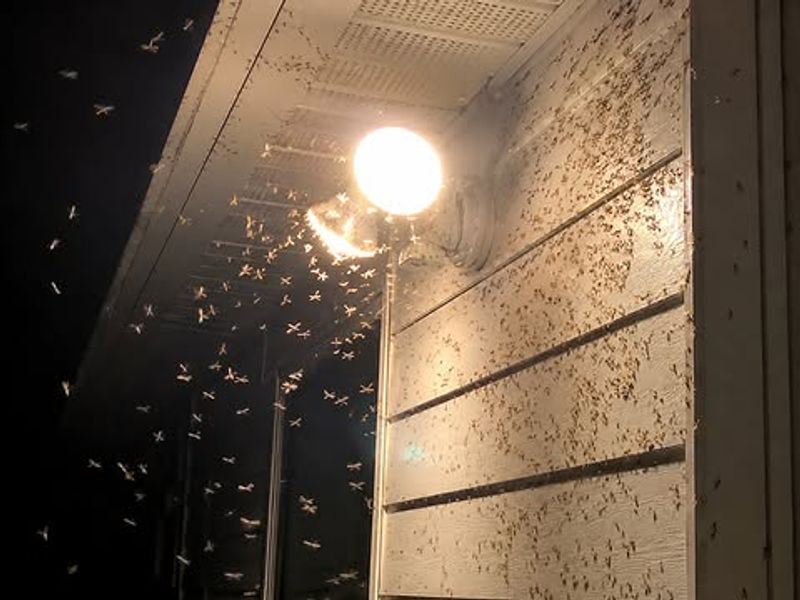
Flip on a bright porch light after dark, and you have basically opened a restaurant for every hungry spider in the neighborhood. Light draws insects fast, and insects draw tarantulas even faster.
Moths, beetles, and gnats swarm toward outdoor bulbs every single night. Tarantulas figure this out quickly.
A reliable cluster of insects near your foundation is all they need to start showing up regularly.
Switching to amber or yellow LED bulbs can make a noticeable difference. Those wavelengths attract far fewer flying insects than white or blue-toned lights.
Less insect traffic means less reason for a tarantula to hang around your entryway.
Motion-activated lights are another solid option. They only turn on when needed, which cuts down on the hours your yard spends lit up like an insect buffet.
Short bursts of light attract far fewer bugs than an all-night glow.
Positioning also matters more than most people think. Lights mounted directly above doors pull insects straight toward your entryway.
Moving light sources away from the house, or angling them outward, pushes that insect activity farther from your walls.
Tarantulas are patient hunters. They do not need to rush.
If insects consistently gather near your porch, a tarantula will simply wait nearby and feed night after night. Changing your lighting setup removes that steady food supply and encourages them to search elsewhere.
2. Frequent Watering Supports More Nighttime Activity
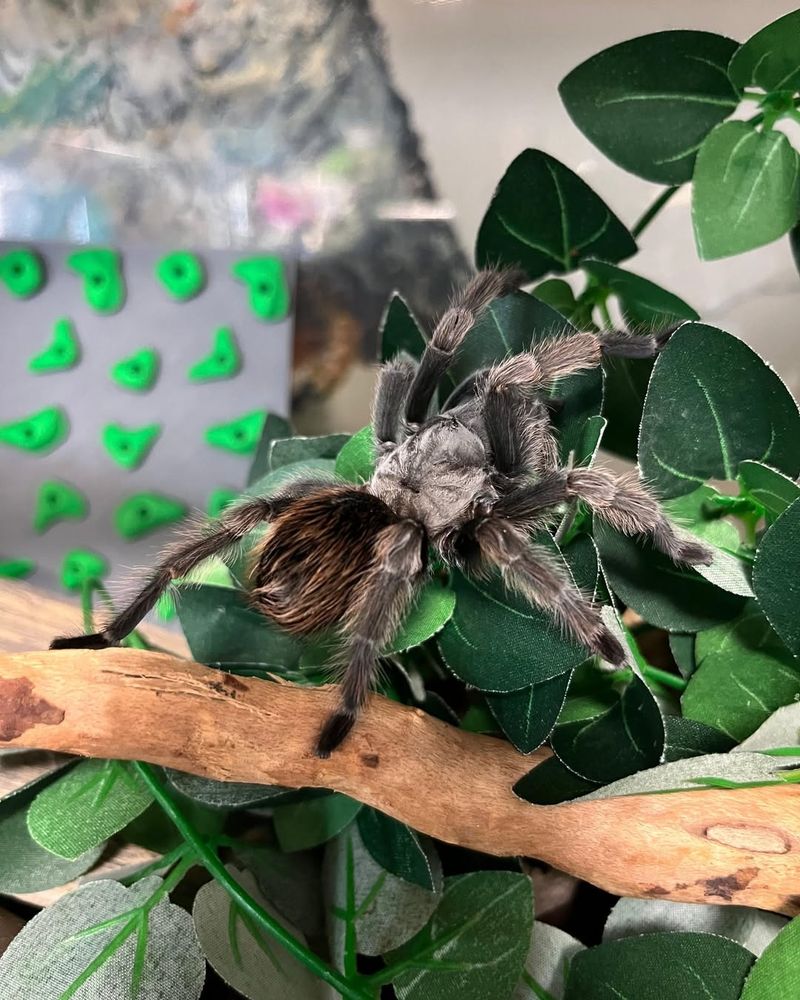
Watering your yard every evening feels responsible, but it creates conditions that quietly invite more wildlife than you might expect. Moist soil changes everything after dark in a dry desert climate.
Tarantulas prefer to move across damp ground. Dry, cracked soil slows them down and dries out their bodies faster.
A consistently moist yard gives them easier, more comfortable travel routes straight toward your house.
Frequent watering also boosts insect populations. Soil moisture encourages beetles, crickets, and other ground-level bugs to stay active longer into the night.
Your Arizona Garden Changes Every Week. Your Plan Should Too.
Gardening in Arizona changes quickly throughout the season. Every Friday you’ll receive a simple weekly plan showing exactly what to plant, prune, fertilize, harvest, and protect so you never miss the right timing.
More insects mean a steadier food supply, which keeps tarantulas coming back.
Cutting back to early morning watering is a simple fix. Soil absorbs moisture during the day, and the surface dries out before nightfall.
That single shift reduces the damp ground conditions tarantulas find most appealing.
Drip irrigation targeted directly at plant roots wastes less water overall. Broad sprinkler systems wet large areas of soil unnecessarily, creating wide damp zones that attract more ground-level activity than plants actually require.
Overwatering also weakens desert-adapted plants by encouraging shallow roots. Watering deeply but less often builds stronger root systems and keeps surface soil drier between sessions.
That approach benefits your plants and reduces the moist conditions that support heavy nighttime insect and spider movement near your home.
3. Backyard Water Features Attract Flying Insects
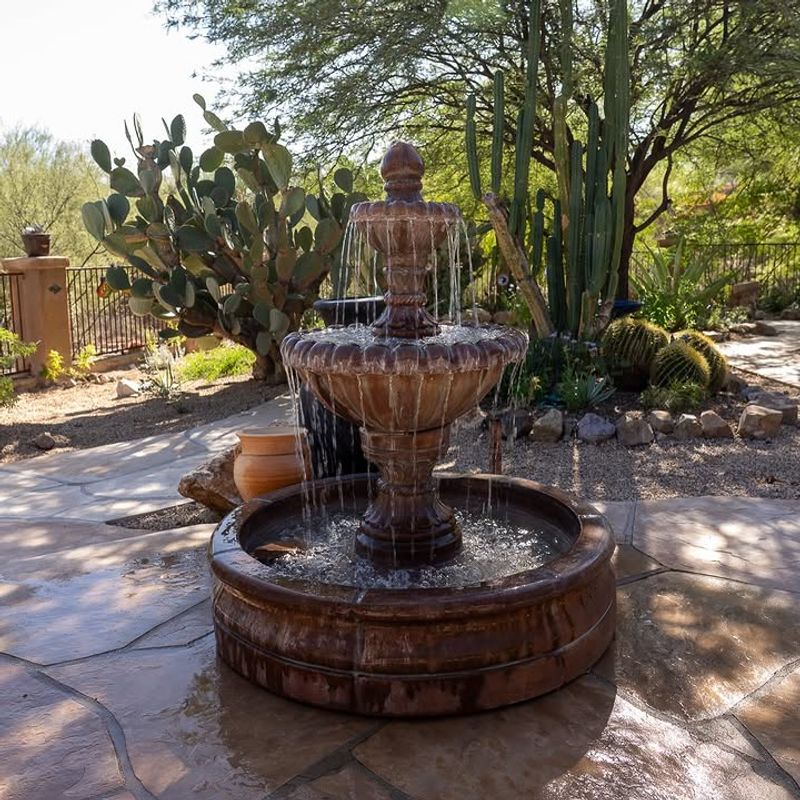
Standing water in a backyard fountain or decorative pond creates a magnet for flying insects, especially during dry stretches when natural water sources are scarce. Insects need water to survive, and they will find yours.
Mosquitoes breed in still water within days. Midges, gnats, and small flies gather around the surface to drink and lay eggs.
That steady insect presence is exactly what a hunting tarantula needs to justify sticking around.
Water features near the house are the highest-risk placement. The closer the water is to your walls and foundation, the shorter the distance a tarantula needs to travel between its hunting ground and potential shelter spots under your home.
Running fountains help reduce mosquito breeding since moving water discourages egg-laying. Even a small pump that keeps water circulating can cut down on the insect buildup that attracts larger predators like tarantulas.
Emptying and scrubbing birdbaths every few days also removes the algae and organic matter that insects feed on. A clean, frequently refreshed birdbath is less attractive to the insect populations that draw spiders close.
Relocating water features to the far edges of your yard puts more distance between the insect activity and your home.
4. Dense Plantings Create Protected Travel Routes
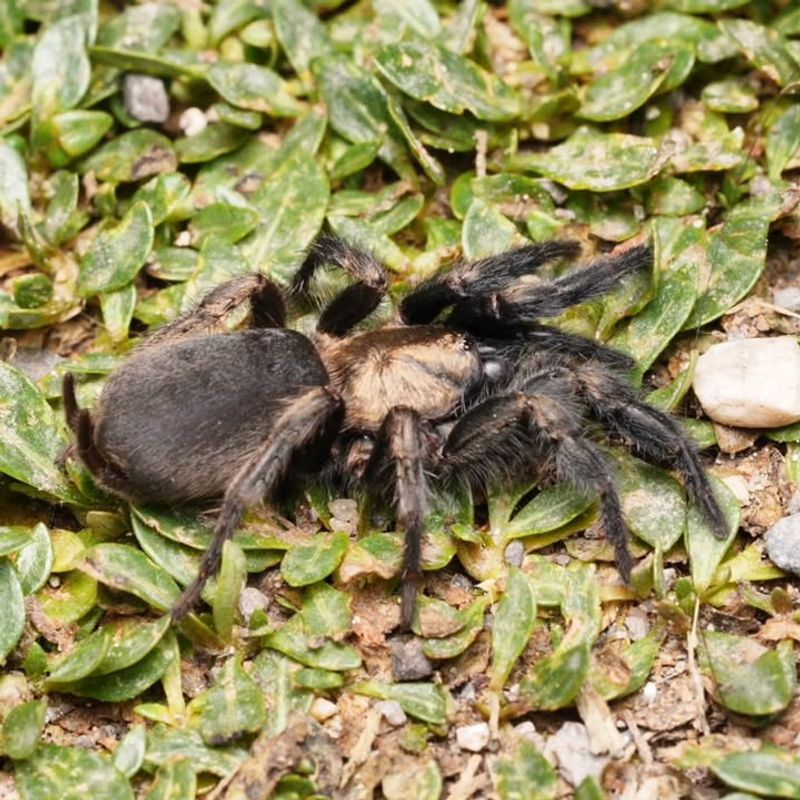
Thick ground-level plantings along your foundation look great in the daytime. At night, they become covered highways for ground-dwelling spiders moving toward your home.
Dense shrubs and low-growing plants create shade and humidity at ground level. That sheltered corridor stays cooler and more protected than open soil.
Tarantulas actively seek those kinds of routes when traveling after dark.
Planting beds pressed right against the house walls are the most problematic. They bridge the gap between open yard and your actual structure.
A tarantula can travel from the far edge of your yard to your doorstep while staying almost completely hidden.
Leaving a clear, open gap between your plants and your foundation removes that protected corridor. Even a foot or two of bare gravel or flagstone breaks up the sheltered path and exposes spiders to open ground they are less comfortable crossing.
Trimming low-hanging branches and removing ground-hugging foliage near the house also reduces cover. Plants that touch the soil and spread outward create layered hiding spots that are harder to monitor and easier for spiders to use without being noticed.
Native desert plants with open, airy growth habits are better choices near the foundation. Agaves, ocotillos, and similar species do not create the dense, low canopy that ground-level hunters prefer.
5. Shaded Areas Stay Comfortable During Extreme Heat
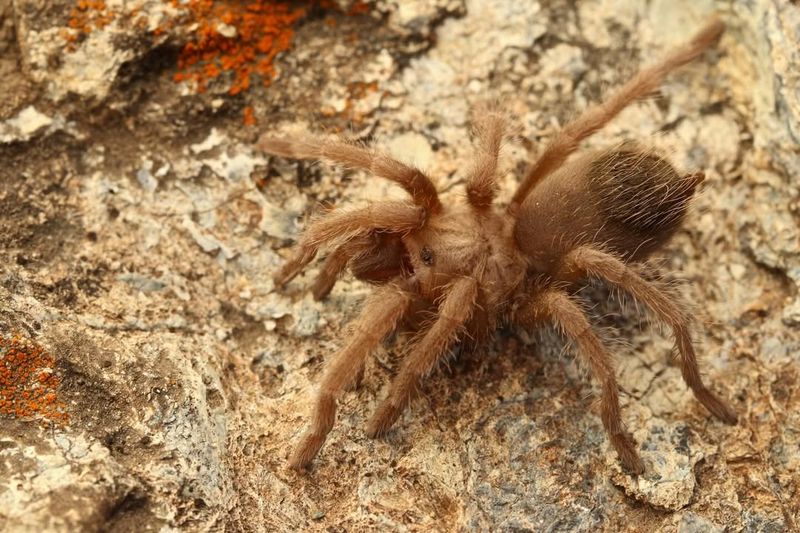
Peak summer temperatures in the desert Southwest push well past 110 degrees. Tarantulas cannot handle prolonged exposure to that kind of heat, so they seek shade aggressively during the day.
Any consistently shaded area in your yard becomes a resting spot. Under deck boards, behind large potted plants, beneath dense shrubs near the house, these spots hold lower temperatures for hours after the sun moves past them.
Shaded areas near your foundation are especially attractive. The combination of structural shade from your home and planted shade from nearby shrubs creates pockets that stay noticeably cooler than open ground.
Tarantulas will return to those spots day after day.
Clearing out unnecessary shade structures near the house helps. Old pallets, stacked garden pots, and unused furniture all cast shade while also creating physical hiding spots.
Removing them eliminates both the cool zone and the shelter in one step.
Gravel mulch in sun-exposed areas near the foundation retains heat differently than organic mulch. Rock and gravel stay warm and dry, which tarantulas find less comfortable than cool, shaded, moist soil.
Swapping organic mulch for gravel near your walls is a practical adjustment.
Shade itself is not the problem. Shade combined with moisture and insect activity is what creates a genuinely attractive zone.
Managing all three together is more effective than addressing only one condition at a time near your home.
6. Untouched Corners Remain Quiet And Protected
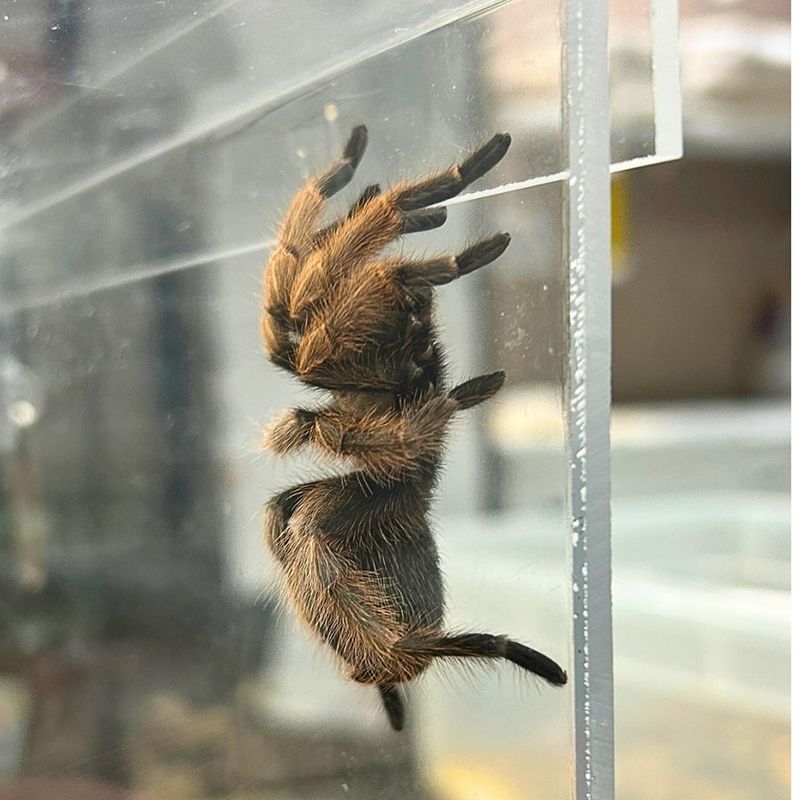
Quiet, undisturbed corners of a yard are some of the most overlooked problem spots homeowners have. Out of sight really does mean out of mind, and tarantulas count on that.
Corners where two walls or fences meet naturally collect debris, fallen leaves, and loose soil.
That buildup creates an insulated pocket that stays protected from wind, foot traffic, and direct sun. Tarantulas find those spots genuinely ideal for resting and waiting.
A corner that goes untouched for weeks gives a tarantula time to settle in, learn the local insect patterns, and establish a regular hunting area near your home. Disrupting those spots regularly removes that sense of safety they depend on.
Raking out corners every week or two keeps debris from building up. You do not need to sterilize the space.
Just disturbing it regularly is enough to prevent any spider from treating it as a permanent base.
Block wall corners are particularly common trouble spots in desert neighborhoods. The walls retain heat, and the corner pocket traps it even longer.
Tarantulas can sit comfortably in those warm, sheltered angles for hours without being exposed.
Checking corners near gates, AC units, and utility boxes is worth making part of your routine yard maintenance.
7. Heavy Insect Activity Provides Reliable Food Sources
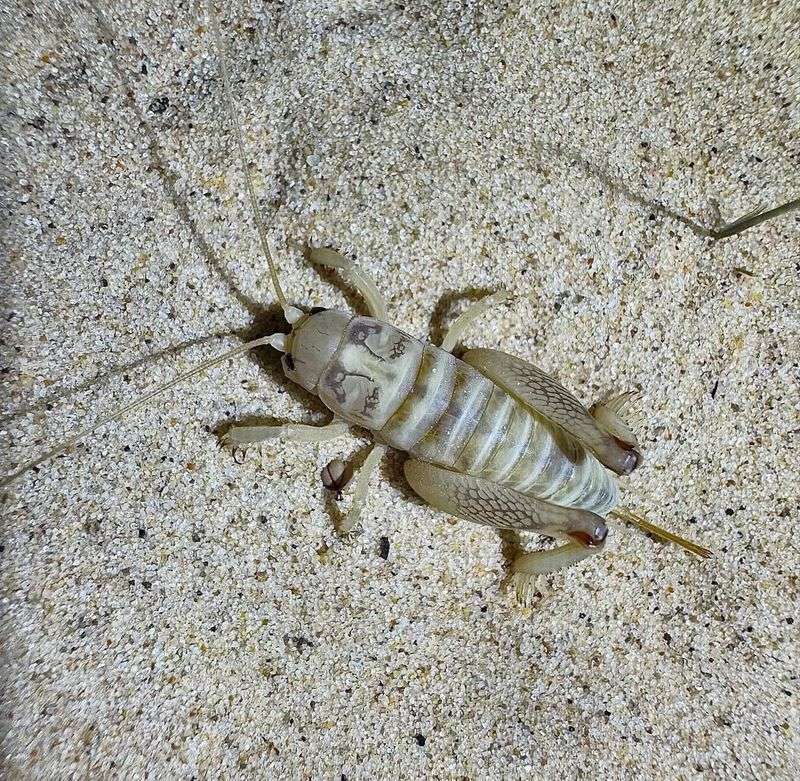
Tarantulas do not wander into yards randomly. They follow food, and a yard packed with crickets, beetles, and roaches is a yard worth visiting every single night.
High insect populations usually trace back to a few specific conditions: overwatering, organic mulch, outdoor lighting, and standing plant debris. Address those root causes and the insect numbers drop.
Lower insect numbers mean less incentive for tarantulas to stay close.
Crickets are one of the most common tarantula food sources in desert residential areas. They thrive in moist soil, under mulch, and around outdoor lights.
A yard that supports a large cricket population is essentially running a 24-hour food stand for nearby spiders.
Organic mulch breaks down into the kind of material that soil insects love. Beetles, pillbugs, and millipedes all flourish in deep organic mulch beds.
Switching to inorganic gravel or decomposed granite near the house cuts the habitat those insects depend on.
Compost bins placed close to the house generate enormous insect activity. Fruit flies, roaches, and beetles cluster around decomposing material constantly.
Moving compost bins to the far end of the yard pushes that insect hotspot well away from your foundation.
Reducing insect habitat is not about eliminating all yard life. Healthy desert yards support insects naturally.
The goal is simply reducing the concentrated, predictable insect clusters near your home that give tarantulas a reliable reason to keep returning night after night.
8. Cluttered Spaces Offer Shelter Near The House
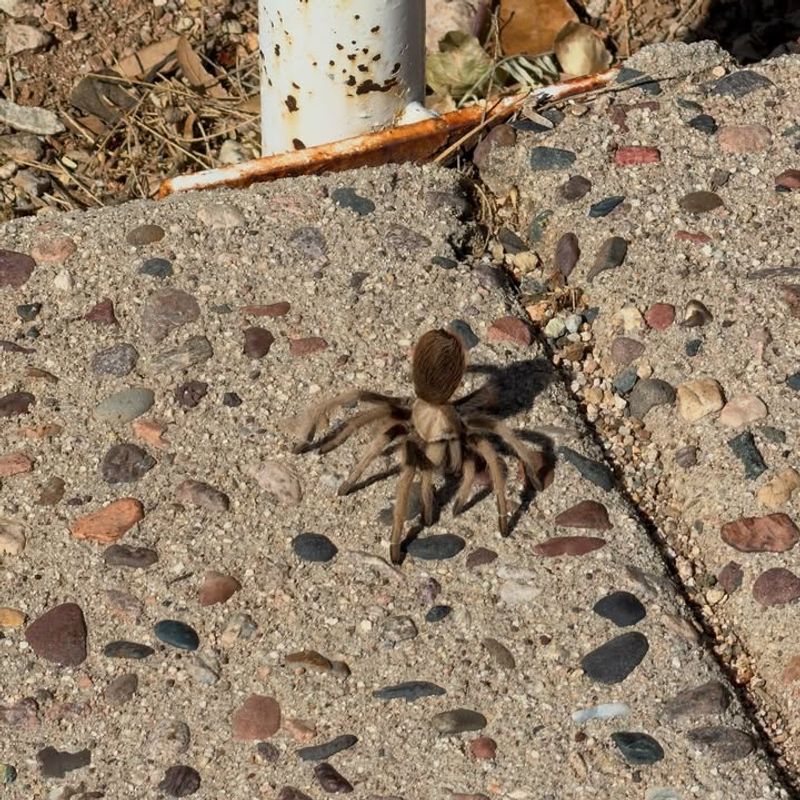
Clutter is one of the most underestimated tarantula attractants in any yard. Stacked pots, rolled hoses, old lumber, and forgotten equipment all create exactly the kind of layered hiding spots tarantulas prefer.
Ground-level clutter traps heat and moisture underneath it. That microclimate stays protected from wind and direct sun for much of the day.
A tarantula sitting under a stack of unused clay pots near your back door is genuinely comfortable there.
Wooden boards flat on the ground are especially problematic. They hold moisture underneath, attract insects, and provide perfect cover.
Lifting one up after a warm night in the Southwest can reveal surprising activity beneath it.
Keeping storage organized and elevated off the ground removes those sheltered zones. Wall-mounted tool holders, shelving units, and sealed storage bins all reduce the number of ground-level hiding spots near your structure.
Garden hoses coiled on the ground create spiral tunnels that are surprisingly attractive to tarantulas. Hanging hoses on wall-mounted reels keeps them off the soil and removes a common hiding spot that most homeowners never think to check.
A yard that stays consistently tidy near the house gives tarantulas fewer reasons to linger. Clutter accumulates gradually, which is why doing a quick sweep of items stored near the foundation every couple of weeks makes a real difference.
Less cover near your home means tarantulas spend more time in open desert areas where they genuinely belong.