7 Arizona Vegetables That Keep Producing Through Extreme Summer Heat
Many gardeners pack it in when summer turns brutal. Arizona gardeners have a different relationship with that idea.
When the thermometer climbs past 110 degrees and the rest of the country is declaring garden season officially over, something interesting happens in the desert Southwest.
The right vegetables are just hitting their stride.
Arizona summers are not a gardening obstacle. For a specific group of tough, heat-adapted crops, they are exactly the growing conditions needed to produce something seriously impressive.
The secret is not luck. It is not a special technique. It is simply knowing which vegetables were built for this kind of heat and giving them what they need to keep going.
Seven crops prove that triple-digit temperatures do not have to mean an empty garden. Some of them actually taste better because of the heat. One of them might surprise you completely.
Ready to find out which ones belong in your Arizona summer garden?
1. Okra
No other vegetable on this list earns its place quite like okra. Originally from Africa and the Middle East, this crop was practically built for scorching conditions.
When soil temperatures hit 75 degrees or higher, okra takes off completely, and Arizona summers deliver exactly that kind of warmth from May straight through September.
Plant seeds directly in the ground after the last frost, about half an inch deep.
The plants grow tall, sometimes reaching six feet, so give each one at least two feet of space. Once established, okra becomes surprisingly low maintenance.
It handles dry spells better than most crops, though consistent watering every two to three days keeps production strong and steady.
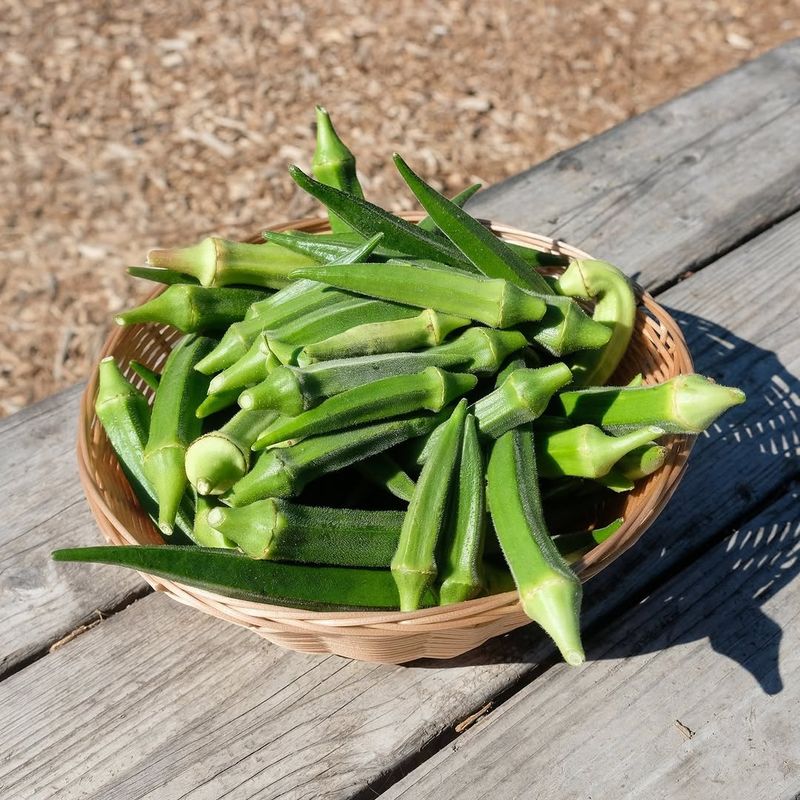
Harvest pods when they are two to four inches long. Pods left on the plant too long become tough and woody fast, so check plants every single day once production kicks in.
The more you pick, the more the plant produces. That is okra’s best trick in a hot garden, and it is a trick that never stops working.
Varieties like Clemson Spineless and Emerald perform well in low desert gardens.
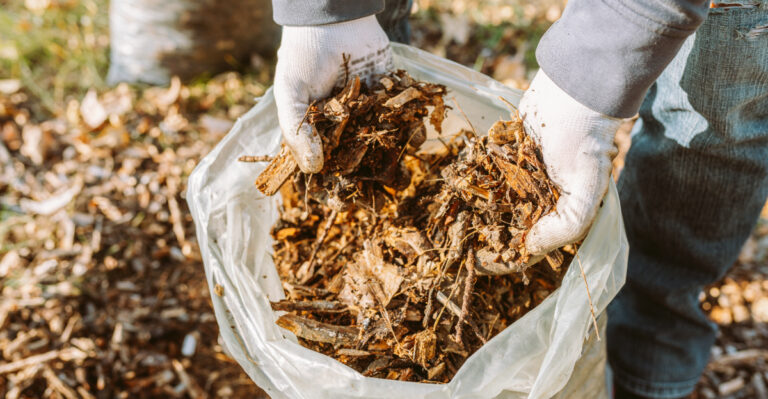
A thick layer of straw mulch around the base keeps soil moisture locked in and roots cool. Even when air temperatures are genuinely punishing, okra keeps flowering and setting pods without complaint.
For Arizona gardeners looking for a reliable summer workhorse, this crop shows up every single season and never asks for much in return.
2. Eggplant
Warm nights are actually a good thing for eggplant, and that puts it in a very small category of vegetables.
Unlike tomatoes, which stop setting fruit when overnight temperatures stay above 95 degrees, eggplant tolerates heat with impressive stubbornness. In Arizona’s low desert, that resilience translates into a long, productive growing season that stretches well into fall.
Start eggplant transplants in the ground by mid-March or early April in the Phoenix and Tucson areas.
Plants need time to establish before the most intense heat arrives. By the time July rolls around, a well-rooted eggplant is ready to produce steadily.
Water deeply two to three times per week and never let the soil dry out completely. Moisture stress causes bitter fruit and blossom drop, neither of which is a good outcome.
Your Arizona Garden Changes Every Week. Your Plan Should Too.
Gardening in Arizona changes quickly throughout the season. Every Friday you’ll receive a simple weekly plan showing exactly what to plant, prune, fertilize, harvest, and protect so you never miss the right timing.
Afternoon shade from a 30 to 40 percent shade cloth makes a real difference during peak summer weeks. It reduces heat stress on the leaves without blocking enough light to slow growth.
Varieties like Black Beauty, Ichiban, and Ping Tung Long perform well in desert heat.
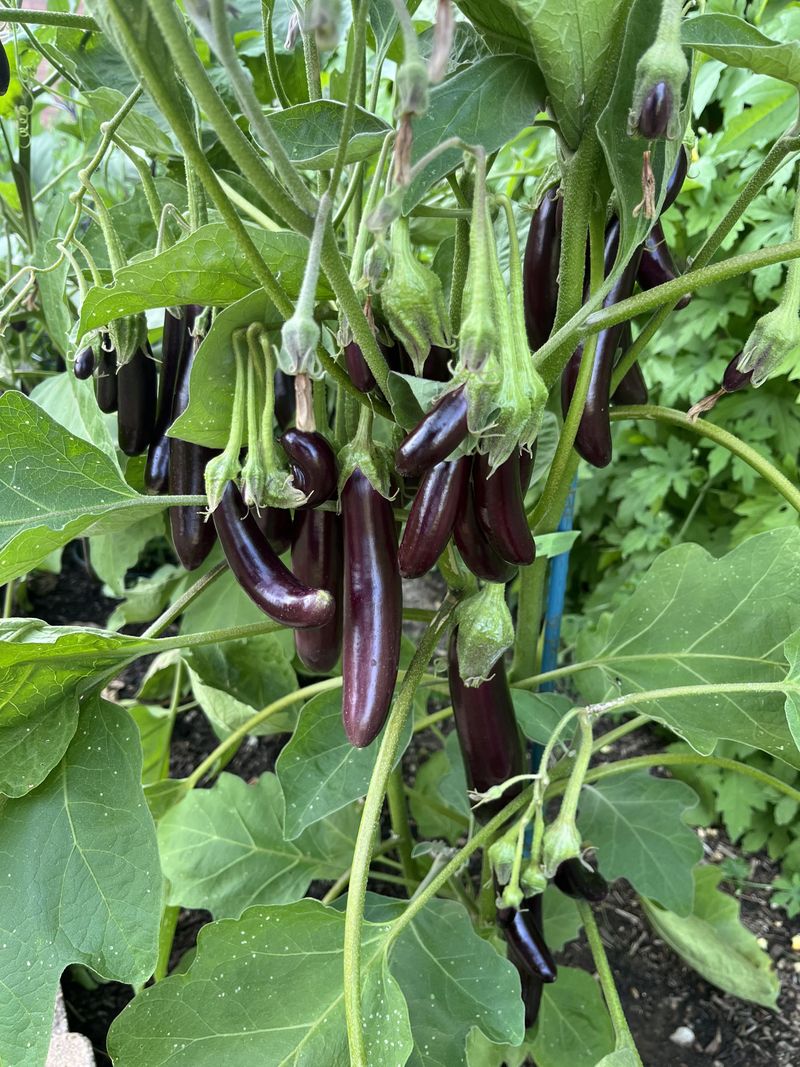
Harvest eggplant while the skin is still glossy and firm. Once the surface turns dull, the fruit has passed its prime and the seeds inside get tough.
A consistent harvest schedule, roughly every five to seven days, encourages the plant to keep setting new blossoms.
Eggplant rewards attentive gardeners with weeks of fresh produce during a season when most crops simply cannot compete.
3. Peppers
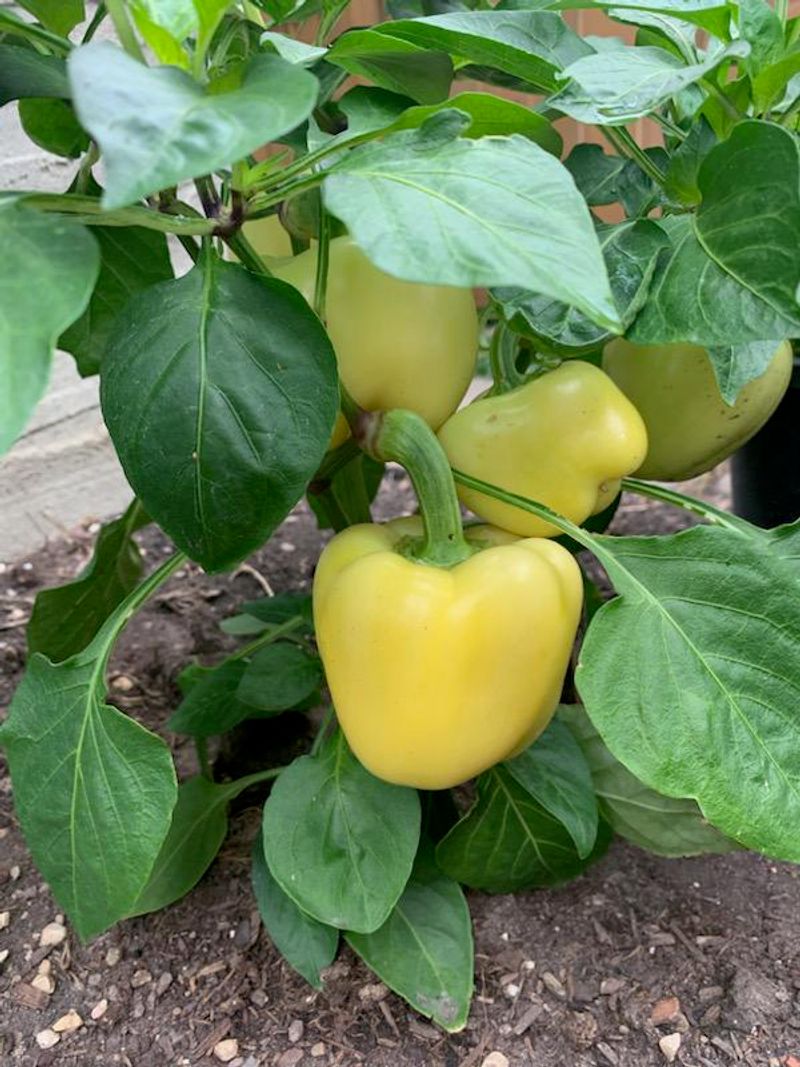
Peppers have a complicated relationship with extreme heat, and understanding that relationship is what separates a successful Arizona pepper grower from a frustrated one.
Above 95 degrees, blossoms tend to drop before they can set fruit. That sounds like bad news for Arizona summers.
Here is the thing though: the plants themselves stay perfectly healthy. When temperatures ease slightly during the monsoon season in July and August, peppers bounce right back and produce heavily.
The strategy is getting peppers in the ground early, around late February or March in the low desert.
Strong root systems established before summer arrives help plants survive the hottest weeks.
During peak heat, they may pause fruit production, but they hold on and wait. That patience pays off with a strong fall harvest that can last all the way to Thanksgiving.
Heat-tolerant varieties like Anaheim, Hatch, Jalapeno, and Serrano handle Arizona conditions well. Sweet banana peppers and poblanos also perform reliably.
Drip irrigation set to water deeply every other day keeps moisture consistent without waterlogging roots.
Mulch heavily around the base to hold soil moisture and moderate ground temperature.
Afternoon shade cloth helps reduce blossom drop during the worst heat. Even a simple shade structure on the west side cuts intense late-day sun exposure significantly.
With a little patience and steady care, peppers push through the tough days and deliver a harvest worth waiting for. They just needed a moment to think about it.
4. Yardlong Beans
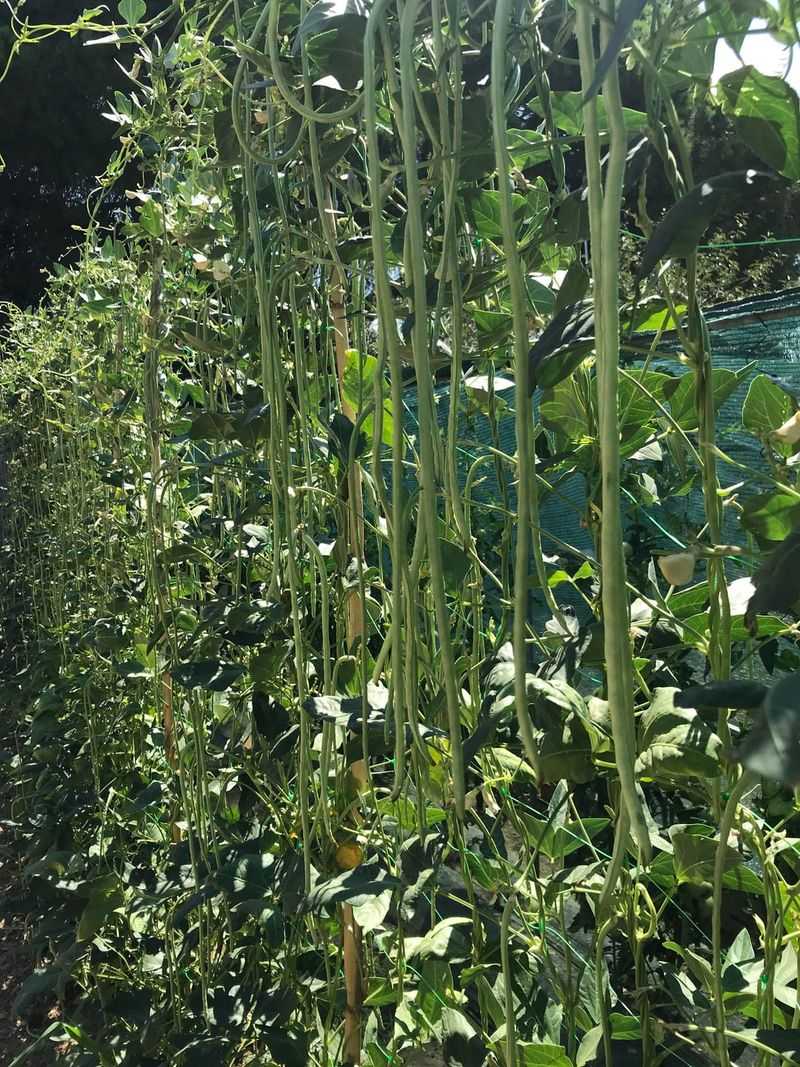
Regular green beans tap out fast in Arizona heat. Yardlong beans are a completely different story.
These heat-loving vines thrive in warm soil, climb aggressively, and keep producing pods through temperatures that would shut down most other legumes entirely.
They are one of the most underrated summer crops for desert gardeners, and most people have never tried them.
Plant yardlong bean seeds directly in the garden after soil temperatures reach at least 65 degrees, which happens reliably by late March or April in the Phoenix area.
Give them a sturdy trellis right away because these vines grow fast and tall, often reaching six to eight feet. A simple cattle panel or wood frame works perfectly. The vines grab on quickly and climb without much help.
Water consistently, about every two to three days with drip irrigation.
Yardlong beans are relatively drought-tolerant once established, but steady moisture keeps pods tender and production high.
Harvest pods when they reach 12 to 18 inches long. Waiting too long makes them tough and stringy, so check the trellis daily once flowering begins.
Yardlong beans are actually more closely related to black-eyed peas than to common green beans. That legume heritage gives them serious heat tolerance that most gardeners never expect.
Varieties like Red Noodle and Orient Wonder are popular choices for desert gardens and easy to find through seed suppliers.
With a good trellis and consistent water, yardlong beans climb their way to becoming one of summer’s most productive crops. The name is not an exaggeration, by the way.
5. Sweet Potatoes
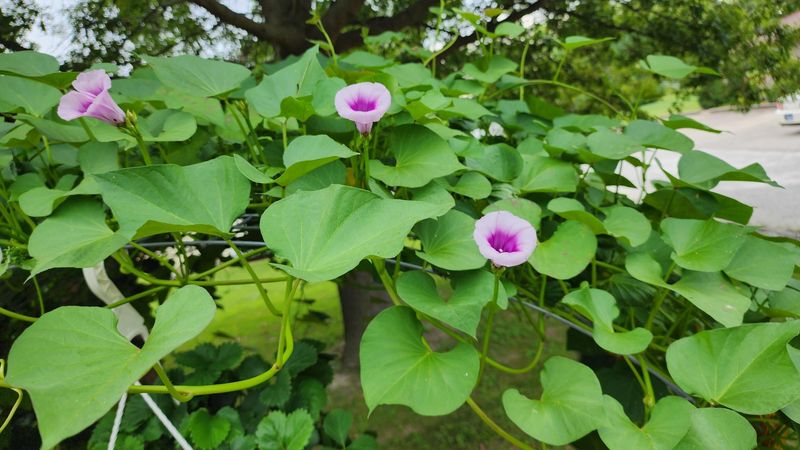
Sweet potatoes do not just tolerate warm soil. They demand it.
Soil temperatures below 60 degrees slow growth to a crawl, and anything under 50 degrees can damage the roots.
In Arizona’s low desert, summer soil temperatures often hit 80 to 90 degrees, which is basically a sweet potato paradise.
Plant slips in late April or May and let the season work in your favor.
Sweet potato slips are rooted cuttings taken from a mature tuber. You can buy them from a local nursery or start your own by placing a sweet potato in water until it sprouts.
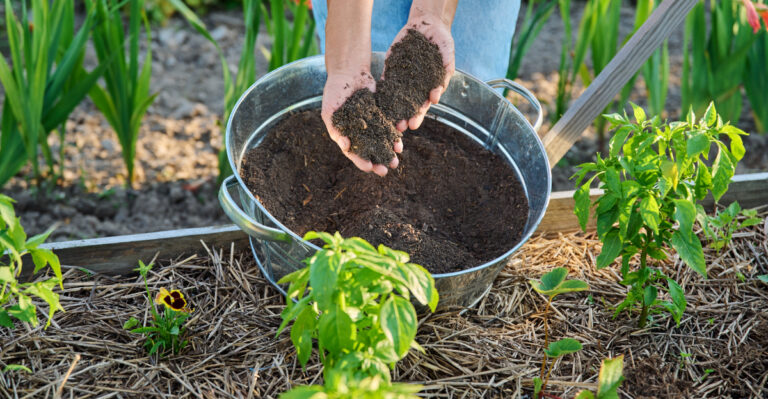
Once slips have roots about an inch long, plant them in loose, well-draining soil with plenty of organic matter mixed in.
Space them about 12 inches apart in rows about three feet wide to give the vines room to spread.
Water deeply once or twice a week. Sweet potatoes prefer consistent moisture but dislike sitting in soggy soil. Drip irrigation works well for keeping water at the root zone without wetting the leaves.
The vines spread quickly and act as a living ground cover that shades the soil and reduces water evaporation. That is a genuinely clever bonus in a desert summer garden.
Harvest time comes around 100 to 120 days after planting. Beauregard and Centennial varieties perform well in desert conditions.
Cure freshly dug sweet potatoes in a warm, humid space for one to two weeks before eating. That curing process converts starches to sugars and makes them noticeably sweeter. Worth the wait every single time.
6. Armenian Cucumbers
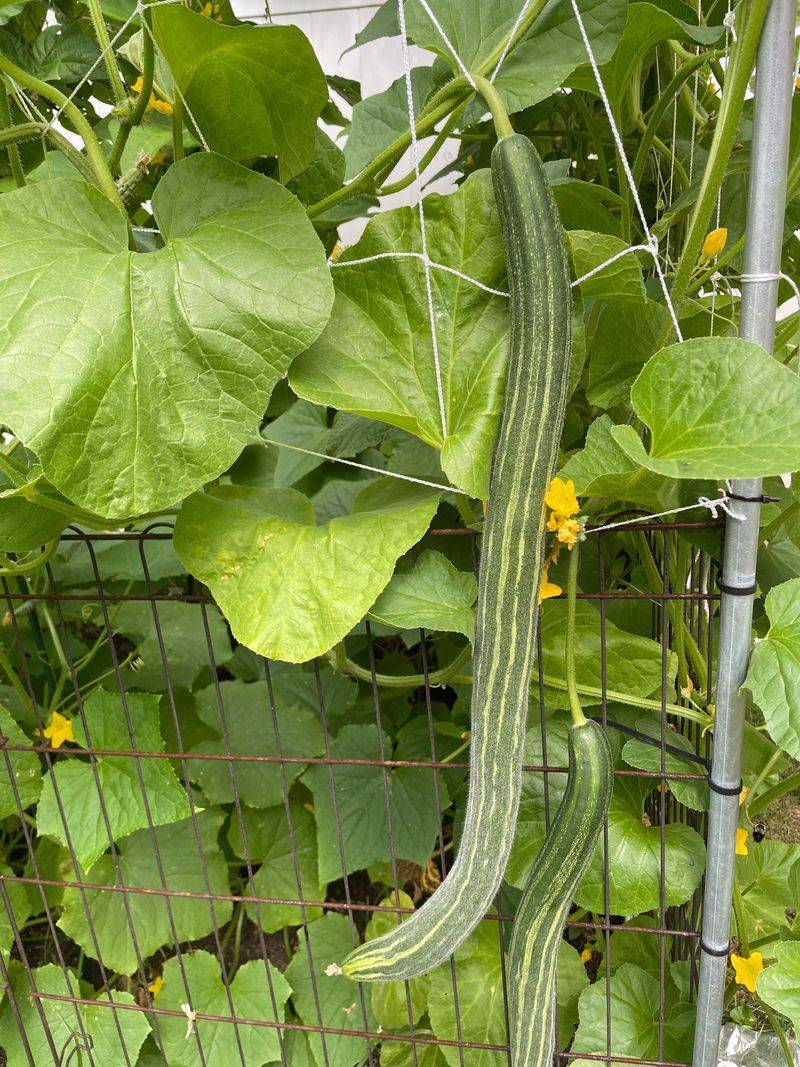
Regular cucumbers wave the white flag somewhere around 100 degrees. Armenian cucumbers seem to thrive on the challenge.
Technically a type of muskmelon rather than a true cucumber, Armenian cucumbers produce long, pale green, mildly flavored fruits that taste remarkably cucumber-like.
They are one of the smartest swaps any Arizona gardener can make for summer production, and most people discover them and never go back.
Plant seeds directly in the garden from late March through May. The vines grow quickly and need a sturdy trellis for vertical support.
Growing vertically improves air circulation around the fruit and makes harvesting considerably easier. It also takes up less horizontal garden space, which matters when every inch of shaded bed counts during summer.
Water consistently with drip irrigation every two to three days.
These vines are more drought-tolerant than standard cucumbers but still need reliable moisture to produce well. Mulch around the base keeps soil temperatures lower and reduces evaporation significantly.
A 30 percent shade cloth during the hottest afternoon hours can prevent fruit from sunscalding on especially intense days.
Harvest Armenian cucumbers when fruits are 12 to 18 inches long for the best flavor and texture. Leaving them on the vine too long results in a mealy, seedy interior.
Unlike regular cucumbers, Armenian types rarely taste bitter even in extreme heat. That alone makes them a standout summer performer in any Arizona garden.
7. Cherry Tomatoes
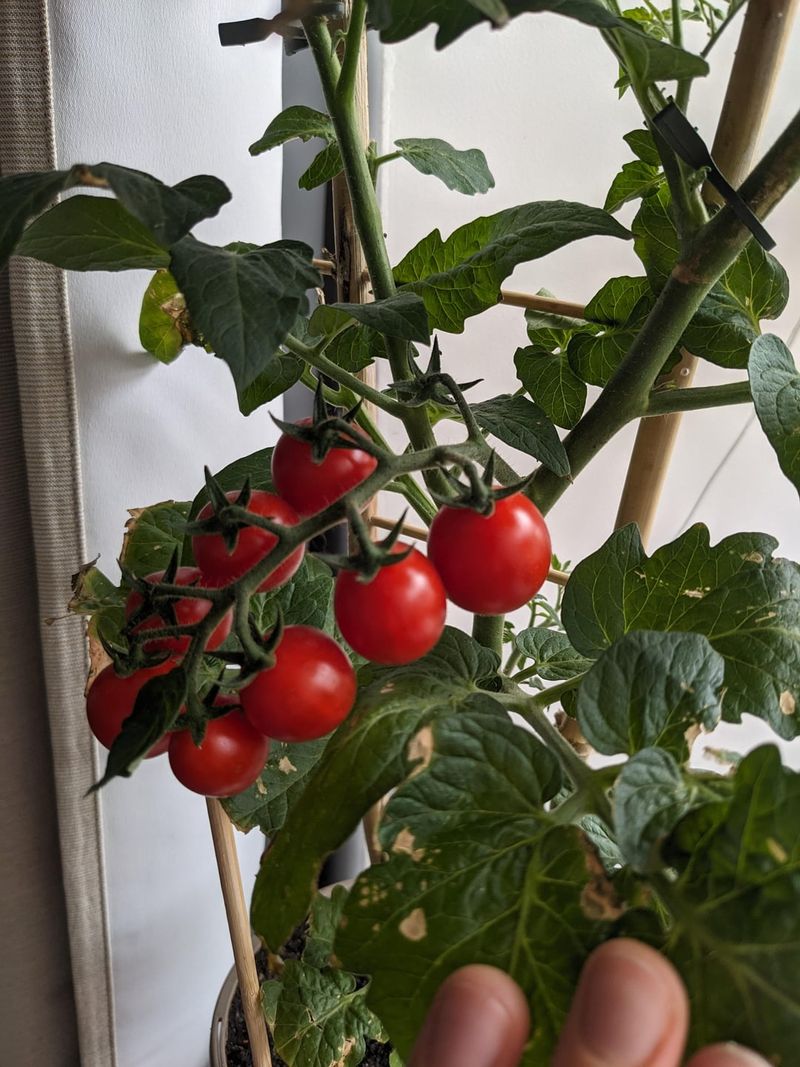
Full-size tomatoes in an Arizona summer are a battle most gardeners eventually stop fighting. Cherry tomatoes are a completely different conversation.
Small-fruited varieties handle heat stress significantly better than their larger cousins. The smaller fruit size means less time needed on the vine to reach maturity, which reduces the window where heat can interfere with the process.
Plant transplants in late January or February in the low desert to get established before the worst heat arrives.
By the time May and June push temperatures past 100 degrees, a well-rooted cherry tomato plant has enough structural strength to ride out the hottest weeks and rebound when monsoon moisture arrives in July.
During peak summer heat, production may slow or pause temporarily. The plant is not struggling. It is simply waiting for conditions to shift.
That shift happens reliably with the monsoons, and a strong plant comes back with a second flush of fruit that can carry through October.
Varieties like Sun Gold, Sweet 100, and Black Cherry perform consistently well in desert heat.
Sun Gold in particular develops exceptional sweetness when exposed to intense Arizona sun, producing a flavor that full-size tomatoes in the same conditions simply cannot match.
Water deeply every two to three days with drip irrigation. Consistent moisture prevents blossom end rot and fruit cracking, both of which become more common during temperature swings.
A 30 to 40 percent shade cloth on the west side reduces afternoon sun intensity without limiting the morning light that keeps production going.
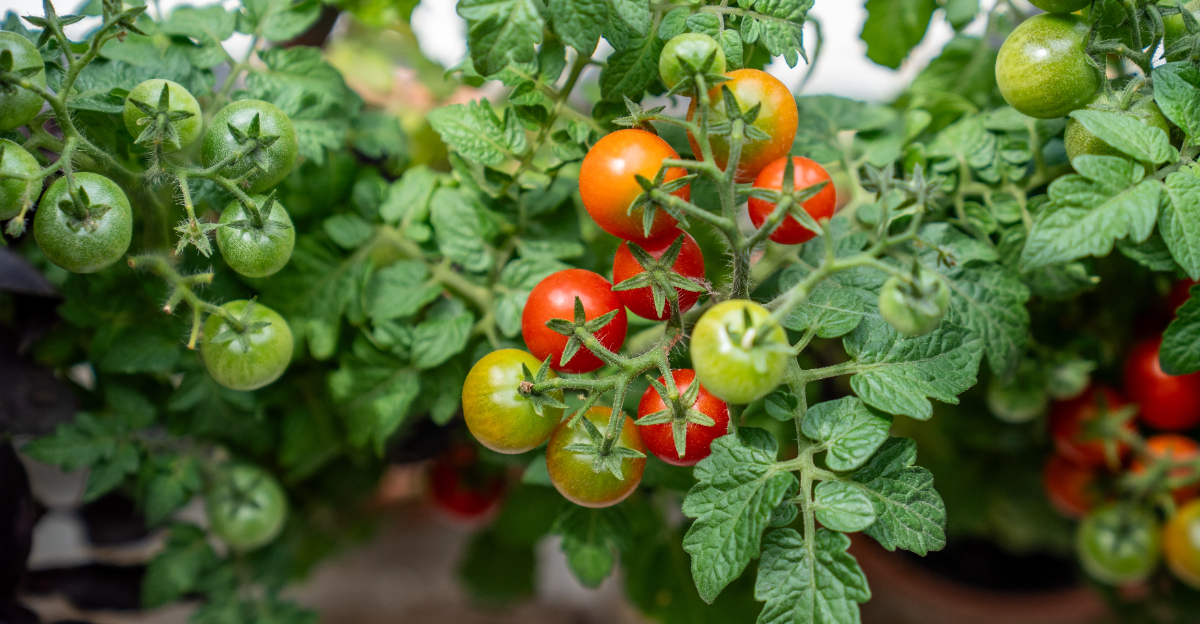
Cherry tomatoes are not a compromise in an Arizona summer garden. They are genuinely the smarter choice, and the flavor proves it.