The Reasons Why You Should Plant Witch Hazel In Your Pennsylvania Garden
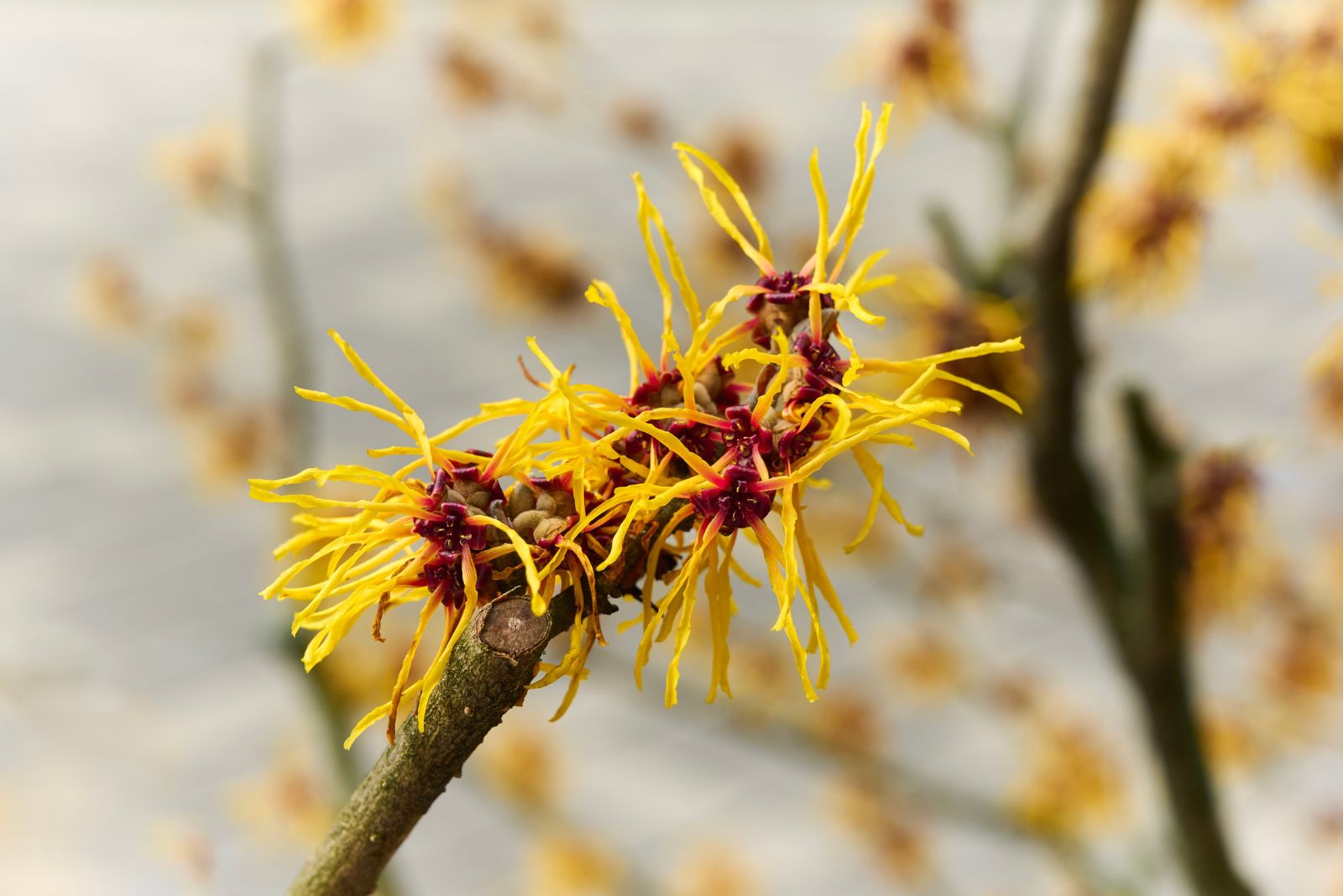
Witch hazel is the kind of Pennsylvania garden plant that earns real appreciation the longer you grow it, and the reasons stack up in ways that most gardening books undersell.
It blooms in late fall or winter, which alone makes it remarkable in a state where the garden goes quiet for months, and the spidery yellow or orange flowers it produces during that period are unlike anything else blooming in a Pennsylvania landscape at the same time.
Beyond the flowers, it is a genuinely tough and long-lived shrub that handles Pennsylvania winters without any protection, grows in partial shade where a lot of flowering shrubs struggle, and supports native pollinators through a season when almost no other plants are offering them anything.
It also has a documented history of medicinal and practical use that adds a layer of interest to growing it that ornamental-only plants simply do not carry.
Witch hazel rewards patience in a way that makes every subsequent season better than the last.
1. Late-Season Blooms
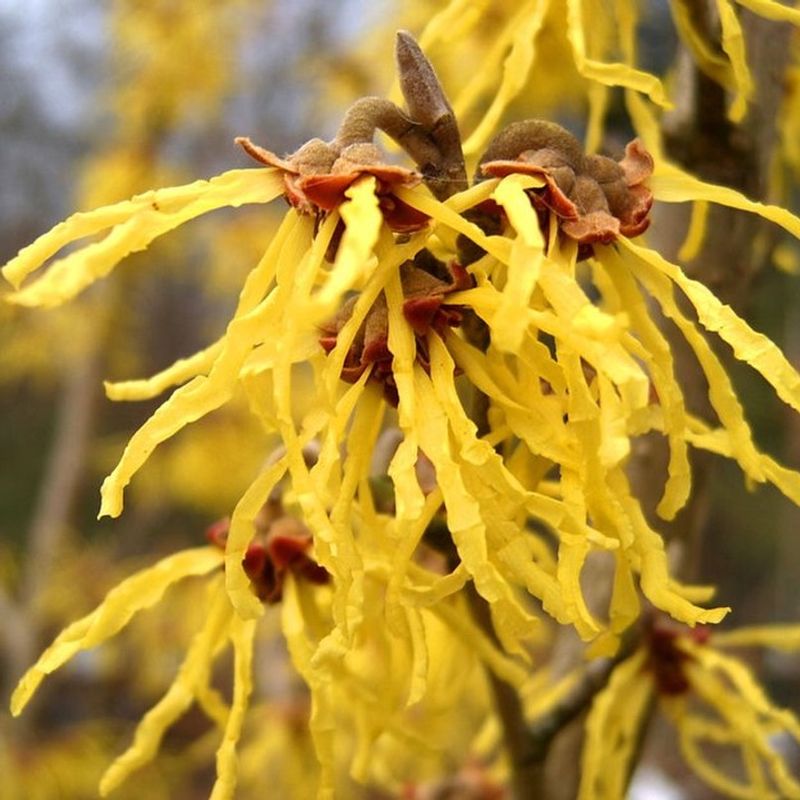
Most plants wrap up their show long before November arrives, but witch hazel is just getting started. While the rest of your garden settles into its quiet winter rest, witch hazel bursts open with cheerful, spidery flowers in shades of yellow, orange, and sometimes red.
The blooms are fragrant too, releasing a sweet, spicy scent that drifts through cool autumn air. It feels almost magical to walk outside on a chilly day and find flowers waiting for you.
In Pennsylvania, the fall and winter months can feel long and a little gray. Having something blooming during that stretch makes a real difference in how your garden feels.
Witch hazel typically flowers between October and February, depending on the variety you choose. Some types bloom in early fall, while others wait until mid-winter, giving you options for timing your garden color.
The flowers are tough too. They can handle frost without a problem, which makes them perfectly suited for Pennsylvania winters.
After a cold night, the petals may curl up slightly, but once temperatures rise a little, they bounce right back open. That kind of resilience is rare in the plant world.
No other common landscape shrub offers reliable, fragrant blooms during this quiet season. Planting witch hazel means you never have to stare at a completely bare garden during those colder months.
It gives your yard life, color, and a pleasant fragrance at a time when you need it most. For gardeners who love having something interesting to look at year-round, witch hazel is an easy and rewarding choice that keeps on giving well into winter.
2. Native To Pennsylvania
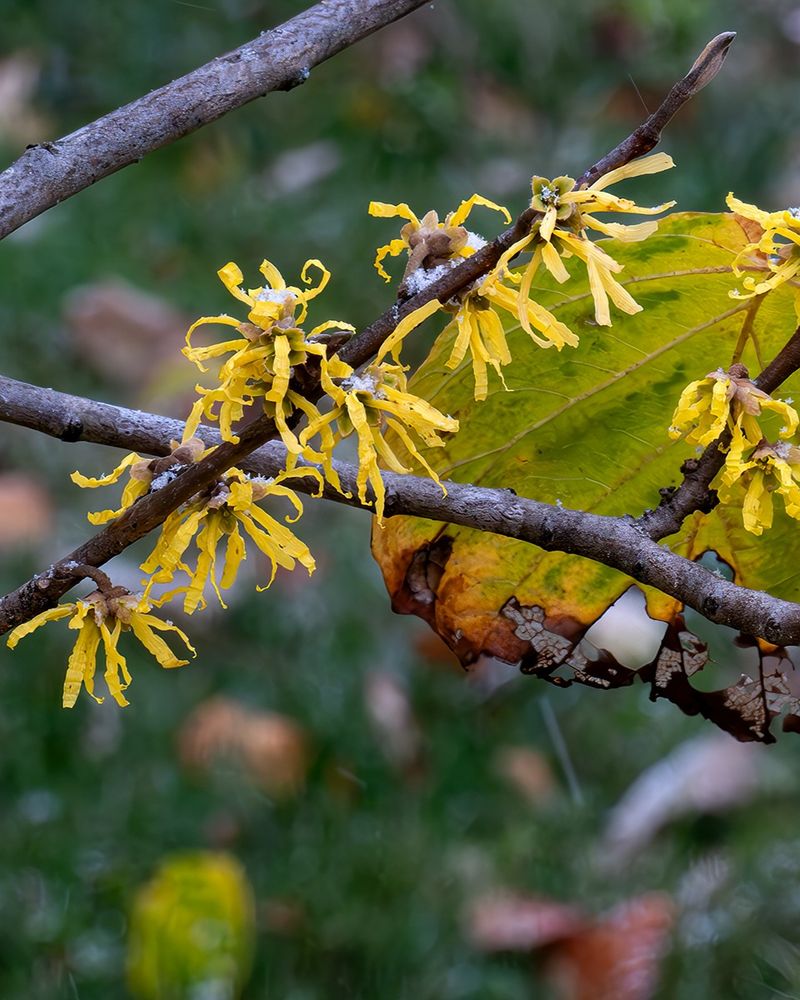
There is something deeply satisfying about planting a shrub that truly belongs where you live. Witch hazel, specifically Hamamelis virginiana, is native to Pennsylvania and has been growing here long before any garden was ever planted.
It evolved alongside local soils, seasonal temperature swings, summer humidity, and winter cold. That long history of adaptation means it knows exactly how to survive and thrive in your backyard without much help from you.
Your Pennsylvania Garden Changes Every Week. Your Plan Should Too.
Gardening in Pennsylvania changes quickly throughout the season. Every Friday you’ll receive a simple weekly plan showing exactly what to plant, prune, fertilize, harvest, and protect so you never miss the right timing.
Native plants have a built-in advantage over non-native species. They do not need extra fertilizers, special soil amendments, or intensive watering schedules to look good.
Witch hazel roots establish quickly in Pennsylvania’s varied soil types, whether your yard leans sandy, clay-heavy, or somewhere in between. Once it settles in after the first season or two, it essentially takes care of itself through normal rainfall and seasonal changes.
Choosing native plants is also a smart environmental decision. When you plant witch hazel, you are contributing to the local ecosystem rather than working against it.
Native shrubs connect directly with local insects, birds, and other wildlife in ways that non-native plants simply cannot. They support the food web that keeps Pennsylvania’s natural landscape healthy and functioning properly.
Plus, native plants tend to look natural and fitting in a Pennsylvania yard because they genuinely belong there. They blend seamlessly with other native trees and wildflowers.
For gardeners who want a low-effort, environmentally responsible choice that still looks beautiful and performs reliably through every season, planting a native witch hazel is one of the best decisions you can make for your yard and your community.
3. Supports Pollinators
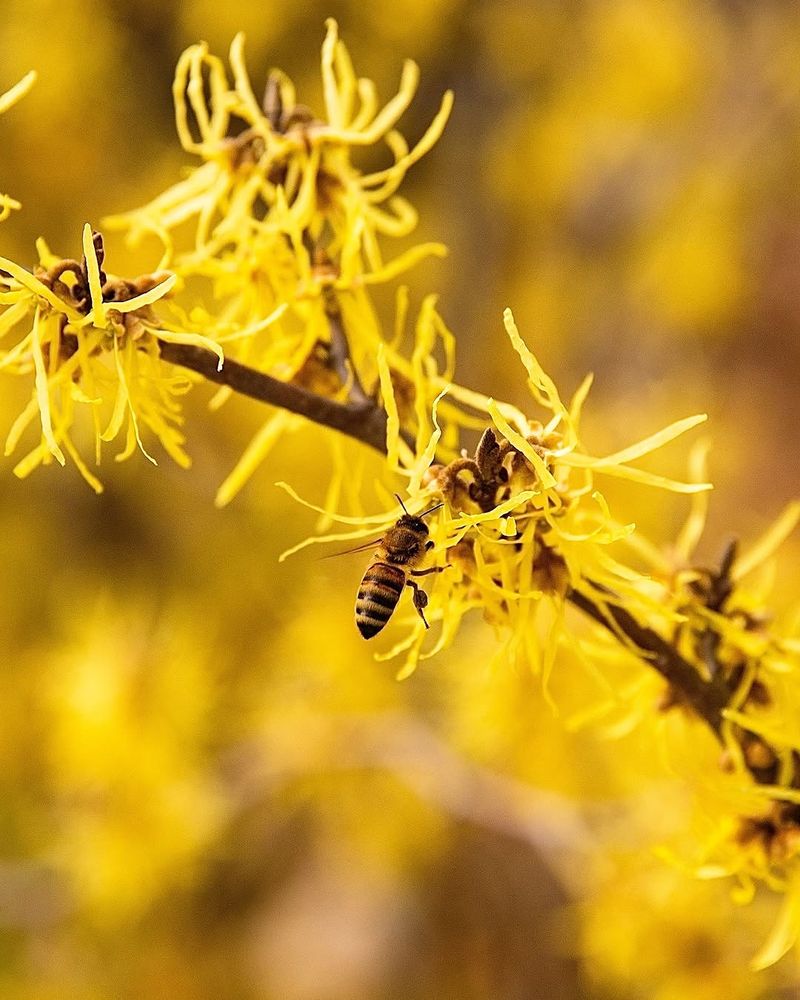
Bees have a tough time finding food in late fall and winter. Most flowers have already faded, and nectar sources become very scarce during those cooler months.
Witch hazel steps in at exactly the right moment. Its flowers open during a window when almost nothing else is blooming, offering a rare and valuable food source for bees and other pollinators that are still active during mild winter days.
That timing makes it genuinely important for local pollinator health. Pennsylvania is home to over 400 native bee species, and many of them struggle to find enough food as the seasons change.
Queen bumblebees, for example, are sometimes active on warmer winter days and need nectar to survive.
When witch hazel is in bloom, it gives these bees a lifeline. Even some late-season flies and small native insects visit the flowers for food.
Every bloom on your witch hazel shrub is a tiny act of support for the creatures that help keep your garden and local ecosystem going.
Think about what your garden gives back to the world around it. Most ornamental shrubs look pretty but do little to support wildlife.
Witch hazel is different. It fills a critical gap in the pollinator calendar that very few plants can fill.
By planting it, you are creating a resource that benefits your neighborhood ecosystem during its most vulnerable season. You do not need a large property to make a difference either.
Even a single witch hazel shrub in a small yard provides meaningful support. It is one of the most impactful pollinator-friendly plants you can add to a Pennsylvania garden, especially for late-season and winter months.
4. Unique Ornamental Foliage
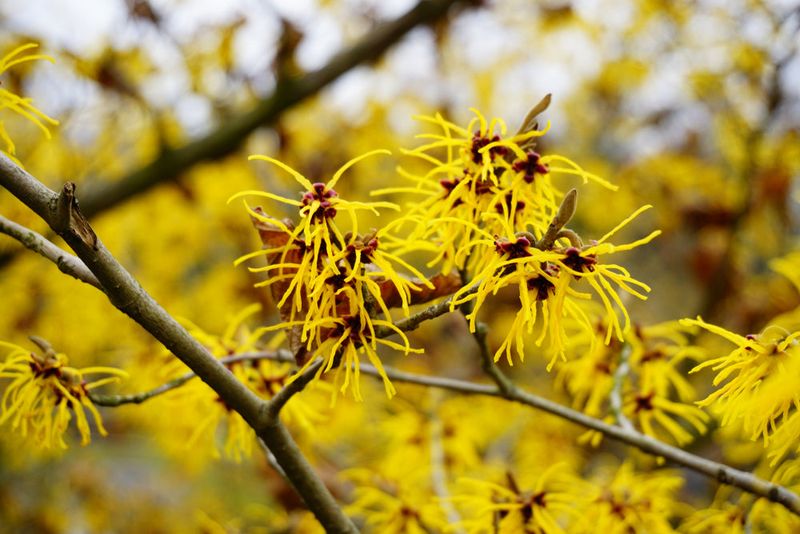
Walk past a witch hazel in October and you will stop in your tracks. The leaves put on a stunning fall color show, cycling through shades of golden yellow, burnt orange, and deep red before they drop.
Few shrubs offer that kind of warm, rich autumn palette. Even among fall-color plants, witch hazel holds its own beautifully.
It is the kind of shrub that makes visitors ask, what is that plant, because it looks so striking and different from anything else in the yard.
What makes witch hazel even more interesting is what happens after the leaves fall. The branching structure itself becomes a feature.
Witch hazel has a naturally irregular, somewhat zigzag branch pattern that looks architectural and artistic against a winter sky.
When paired with its late-season flowers, the bare branches create a sculptural effect that adds real visual interest to your garden during the quietest months of the year. Many gardeners actually appreciate it most in winter for exactly this reason.
Texture and structure matter in garden design, especially during seasons when color is limited. Witch hazel delivers both in a way that feels effortless and natural.
You do not need to prune it into a formal shape or fuss over its appearance. It develops its character on its own over the years, growing into a graceful, multi-stemmed shrub with real personality.
Whether you plant it as a focal point, a backdrop for other plants, or a naturalized shrub along a woodland edge, its foliage and form provide year-round visual interest that keeps your garden looking alive and dynamic through every season of the year.
5. Low-Maintenance
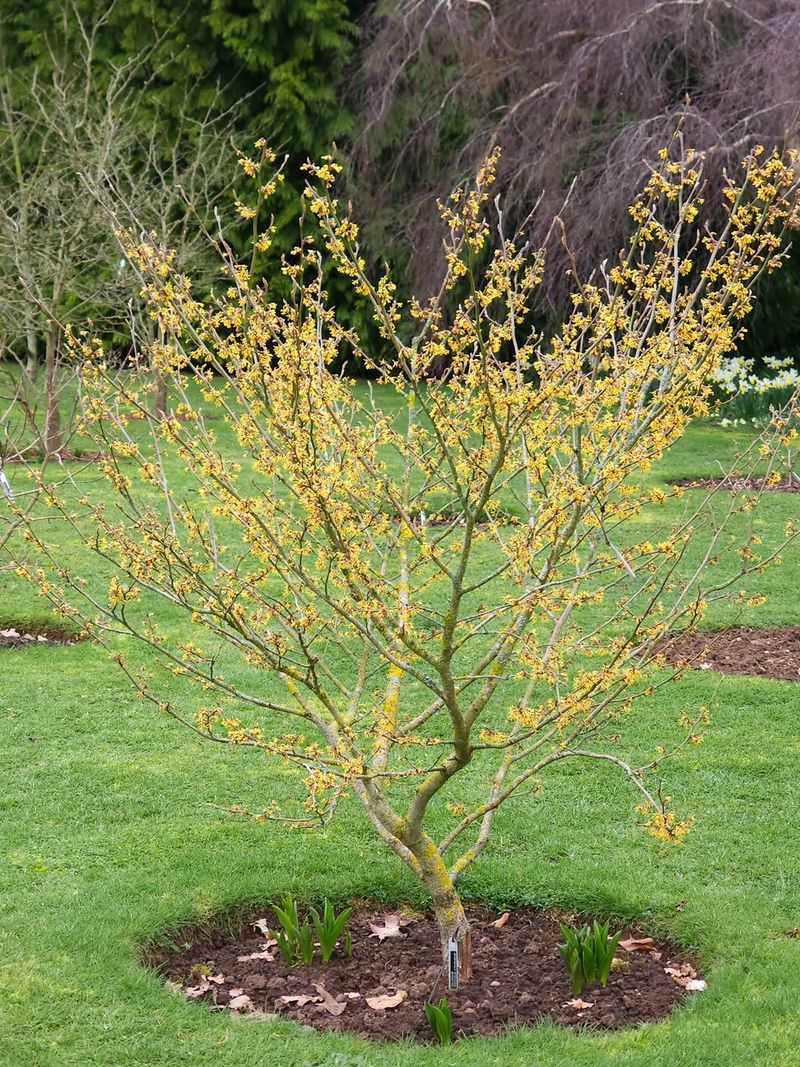
Not every gardener has hours to spend weeding, pruning, watering, and treating plants for pests. Life gets busy, and the last thing you want is a high-maintenance shrub that demands constant attention.
Witch hazel is the opposite of that. Once it gets established in your yard, it is remarkably self-sufficient.
It handles Pennsylvania’s summer heat, fall chill, and winter cold without needing much from you at all. For busy gardeners, that kind of reliability is genuinely refreshing.
Witch hazel is flexible about where it grows too. It performs well in full sun, but it also does just fine in partial shade, which is great news if your yard has a lot of tree cover.
It tolerates a range of soil types, including clay-heavy soils that many other shrubs struggle with. You do not need to amend your soil heavily or set up an irrigation system to keep it happy.
A good planting spot, some initial watering while it gets established, and a layer of mulch is really all it needs to get going.
Pest and disease problems are also minimal with witch hazel. It rarely attracts the kinds of insects or fungal issues that plague roses or other popular landscape shrubs.
You will not find yourself reaching for sprays or treatments on a regular basis. That means less time troubleshooting and more time simply enjoying your garden.
For new gardeners who want something that looks impressive without a steep learning curve, witch hazel is an ideal starting point.
It rewards patience and basic care with consistent beauty, season after season, year after year, with very little drama along the way.
6. Wildlife Benefits
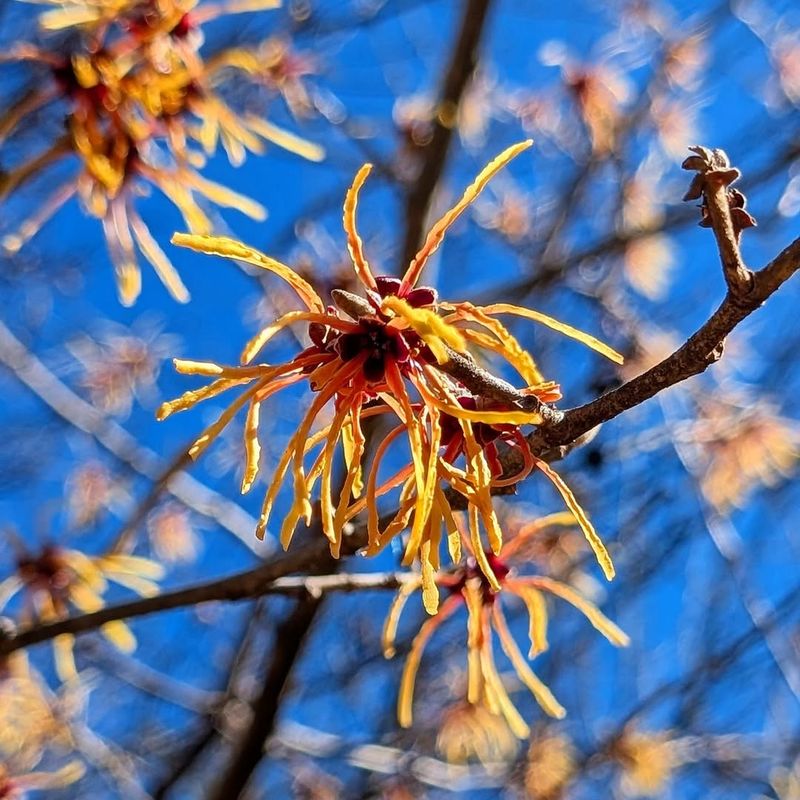
A garden that supports wildlife is a garden that feels truly alive. Witch hazel is one of those plants that quietly becomes a hub of activity for birds and small animals, especially during the colder months when shelter and food are harder to find.
Its dense, multi-stemmed branching structure creates natural hiding spots and roosting areas for songbirds. Cardinals, sparrows, and other small birds often tuck themselves into witch hazel branches on cold winter nights, using the shrub as a windbreak and refuge.
Beyond shelter, witch hazel also plays a role in the food web. Its seeds are a food source for certain birds and small mammals.
Ruffed grouse, white-tailed deer, and wild turkeys are among the Pennsylvania wildlife known to feed on witch hazel plant parts at different times of year. That connection to local wildlife makes it more than just a pretty shrub.
It becomes a functioning part of your garden’s ecosystem, supporting creatures that depend on native plants to survive through tough seasons.
Adding witch hazel to your yard is like rolling out a welcome mat for local wildlife. You do not need a large property or a formal wildlife habitat certification to make a meaningful difference.
Even one or two witch hazel shrubs can increase the biodiversity of your garden noticeably. Over time, you may find more birds visiting regularly, more insects moving through your yard, and a greater sense of natural balance in your outdoor space.
For anyone who loves watching wildlife from their window or patio, planting witch hazel is one of the simplest and most rewarding steps you can take to bring more life to your Pennsylvania garden.