These Garden Flowers Are Perfect For Busy Pennsylvania Gardeners
Pennsylvania gardening comes with a built-in conflict that most people don’t fully anticipate when they’re planning their spring beds. The growing season is genuinely beautiful, the plant options are impressive, and the enthusiasm in April feels completely unlimited.
Then May turns into June, summer commitments pile up, and the garden that seemed totally manageable a few months ago starts competing for time that just isn’t there anymore. It doesn’t have to go that way.
The secret is starting with flowers that are genuinely low demand from the beginning, not plants that need constant deadheading, weekly fertilizing, and careful monitoring just to stay presentable through a Pennsylvania summer. The flowers on this list are built for real life.
They establish well, handle the humidity and heat of a Pennsylvania summer without constant intervention, and keep producing color and interest even when you haven’t been out there giving them much attention. Beautiful gardens don’t always require a packed schedule.
1. Black-Eyed Susan
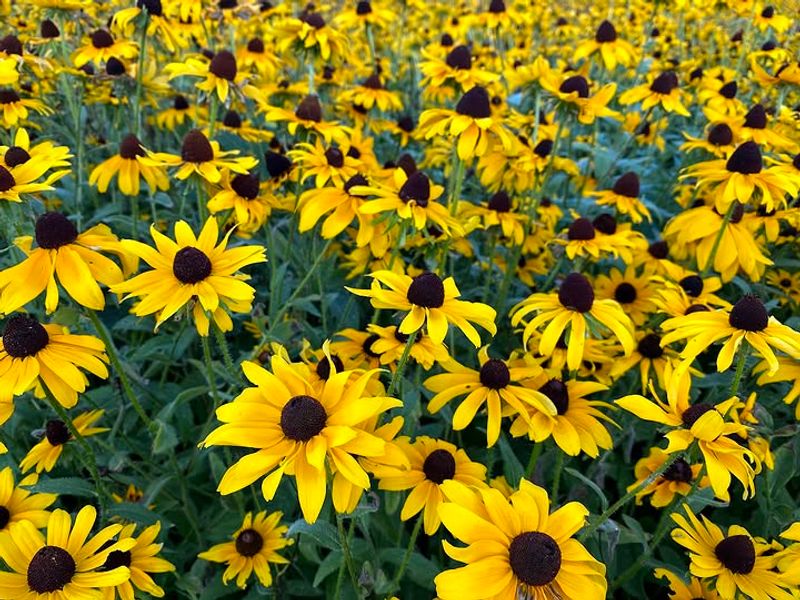
Few flowers scream “Pennsylvania summer” quite like the Black-Eyed Susan. With its bold yellow petals and deep chocolate-brown centers, this wildflower has been lighting up roadsides and gardens across the state for generations.
It is tough, cheerful, and almost impossible to mess up. Once established, Black-Eyed Susans are remarkably drought-tolerant. You do not need to water them constantly or fuss over fertilizer.
They thrive in full sun and are perfectly comfortable in Pennsylvania’s unpredictable weather, from scorching July afternoons to sudden August rainstorms.
These flowers bloom from mid-summer all the way into fall, giving you months of color. They also attract bees, butterflies, and goldfinches, which love the seed heads left behind after blooming.
That means your garden stays lively even after the peak season passes. Planting them is simple. You can start from seed or pick up transplants at any local nursery.
Space them about 18 inches apart in a sunny spot with well-drained soil. After the first year, they spread on their own through self-seeding, meaning you get more plants without doing any extra work.
Black-Eyed Susans also work beautifully in cut flower arrangements. Snip a few stems and bring the garden indoors.
For Pennsylvania gardeners who want maximum impact with minimal effort, this flower is an absolute must-have in any yard.
2. Purple Coneflower
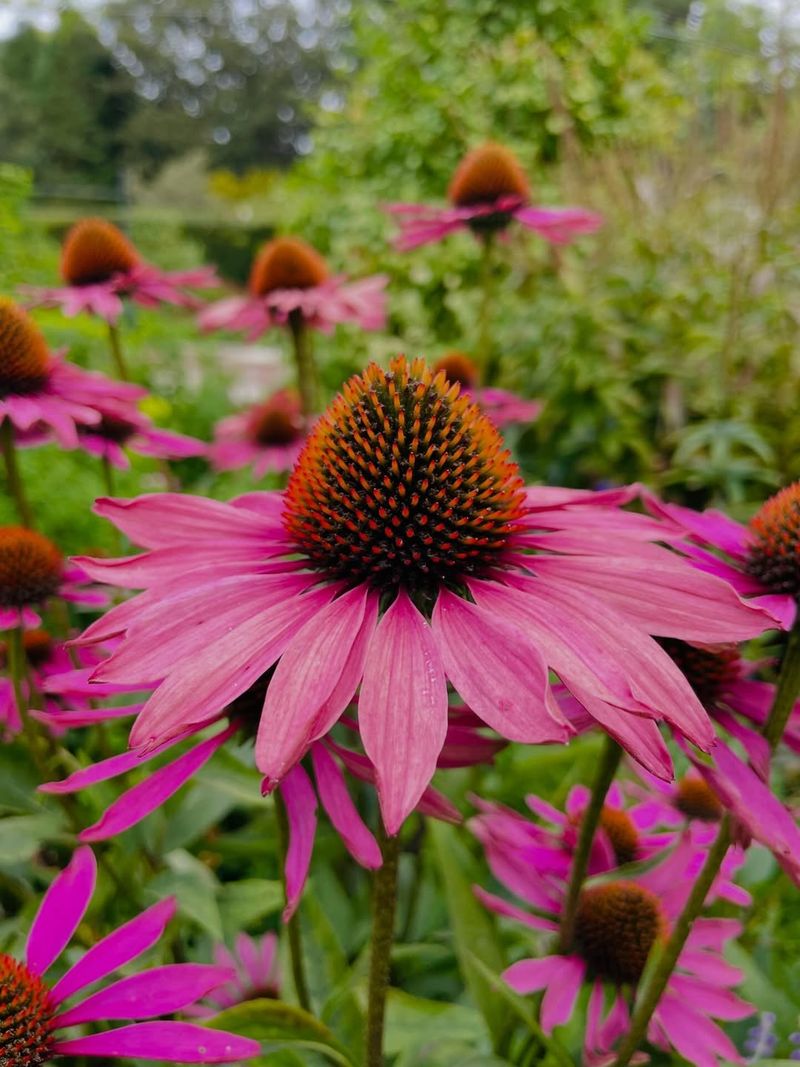
Purple Coneflower, also known as Echinacea, is one of the hardest-working plants you can grow in Pennsylvania.
It is a true native wildflower, which means it evolved right here in conditions similar to what your backyard experiences every year. That makes it naturally tough and completely at home in the local climate.
Busy gardeners love this plant because it asks for very little. Once it is in the ground and settled in, it handles drought well, shrugs off most pests, and comes back reliably every spring without needing to be replanted.
It grows in full sun to light shade, making it flexible for different yard layouts. The blooms are stunning. Large, daisy-like flowers with swept-back petals in shades of pink and purple sit on tall, sturdy stems from summer through early fall.
Your Pennsylvania Garden Changes Every Week. Your Plan Should Too.
Gardening in Pennsylvania changes quickly throughout the season. Every Friday you’ll receive a simple weekly plan showing exactly what to plant, prune, fertilize, harvest, and protect so you never miss the right timing.
Butterflies, bees, and even hummingbirds are drawn to them regularly, turning your garden into a buzzing, fluttering paradise. Did you know? Echinacea has also been used for centuries in herbal medicine.
While you might not be brewing it into tea, it is a fun fact that adds a little extra personality to this already impressive plant.
Pennsylvania gardeners should plant Purple Coneflower in well-drained soil with good sun exposure. It spreads slowly over time, creating fuller clumps year after year.
Minimal deadheading keeps it tidy, but even if you skip that step, the seed heads feed birds through the winter months.
3. Daylily
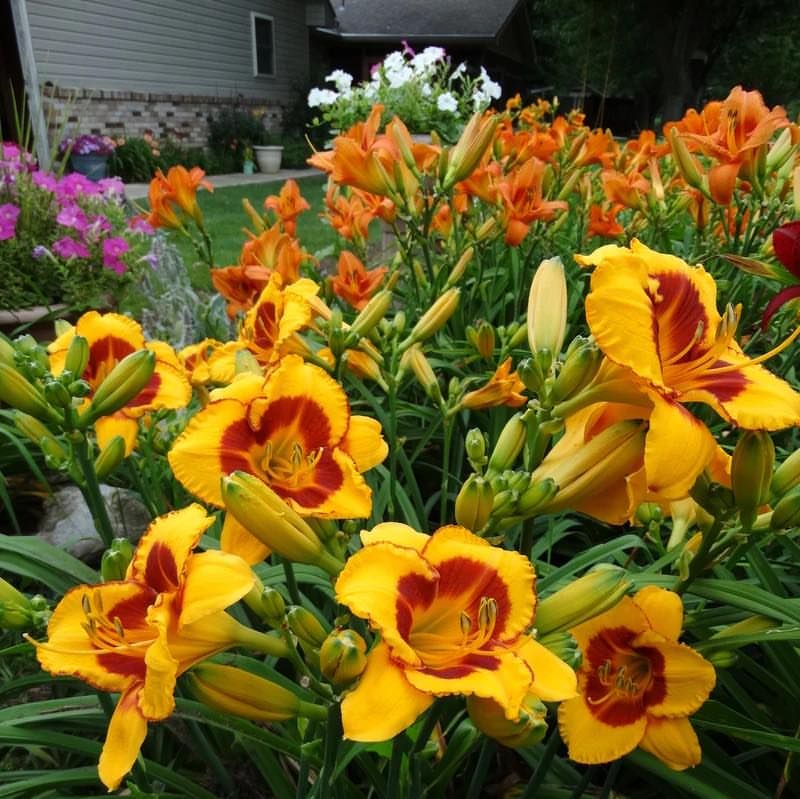
If there were a hall of fame for low-maintenance flowers, the Daylily would have its own wing. Gardeners across Pennsylvania have relied on this plant for decades, and it is easy to see why.
It grows in almost any soil, tolerates both sun and partial shade, and spreads on its own to fill in bare spots over time.
Each individual flower lasts only one day, but do not let that fool you. A single Daylily plant produces dozens of blooms throughout the season, so there is always something new opening up each morning.
The color range is incredible too, from classic orange and yellow to deep red, lavender, and even near-white varieties.
Watering needs are minimal once the plant is established. Pennsylvania’s natural rainfall usually provides enough moisture to keep Daylilies happy.
They are also resistant to most common garden pests and diseases, which saves you time you would otherwise spend troubleshooting problems.
Dividing clumps every three to four years keeps them blooming at their best. This is actually a fun task because you end up with extra plants to share with neighbors or spread around your own yard.
Many Pennsylvania gardeners have passed down Daylily divisions through multiple generations, making them a sentimental favorite as well.
Plant them along borders, driveways, or slopes where other plants struggle. Daylilies are incredibly adaptable and will reward even the most neglectful gardener with a cheerful, colorful display every single summer.
4. Coreopsis
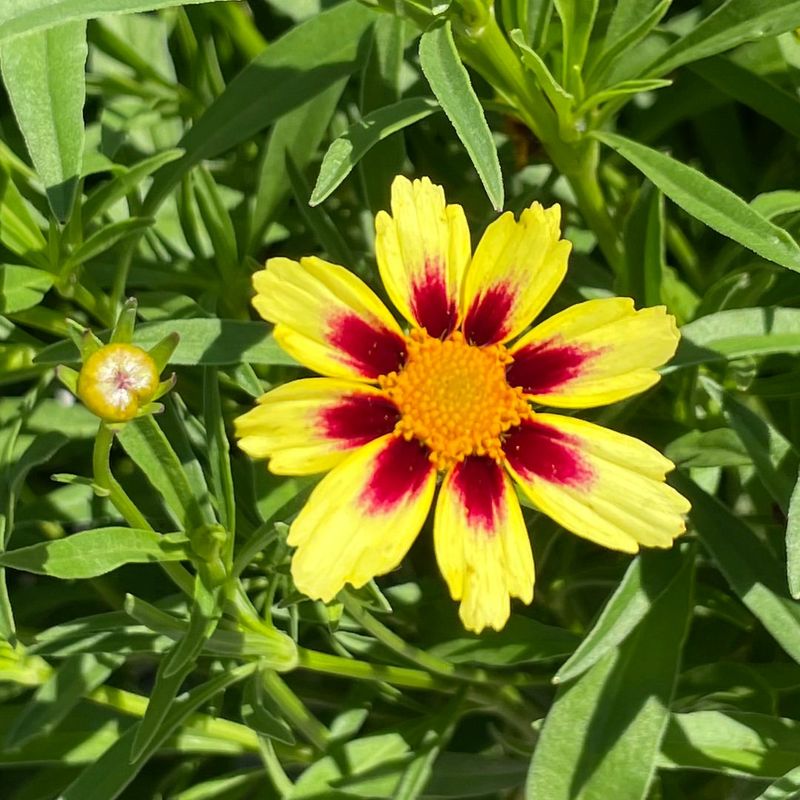
Coreopsis is the kind of flower that makes you look like a gardening expert without requiring expert effort. Also called Tickseed, this bright and cheerful plant produces waves of golden-yellow blooms from late spring all the way through fall.
It is one of the longest-blooming perennials you can grow in Pennsylvania. One of its best qualities is its tolerance for poor soil. Many Pennsylvania yards have clay-heavy or rocky soil that makes growing some plants tricky.
Coreopsis handles those conditions without complaint. It actually prefers lean, well-drained soil over rich, heavily amended beds, so you can skip the expensive soil treatments.
Full sun is where this plant truly shines. Give it a sunny spot and step back, because it will reward you with nonstop color for months.
Deadheading spent blooms encourages even more flowers, but if you forget, the plant keeps blooming anyway. That kind of forgiving nature is exactly what busy gardeners need.
Coreopsis also attracts butterflies and beneficial insects, making it a great addition to any pollinator-friendly Pennsylvania garden. The feathery foliage stays attractive even when the plant is not in bloom, so it earns its garden space all season long.
Several varieties are worth exploring. Thread-leaf Coreopsis has delicate, wispy foliage and a softer texture, while Lanceleaf Coreopsis offers bolder blooms on sturdier stems.
Both are excellent performers in Pennsylvania’s climate and can handle summer heat without missing a beat.
5. Bee Balm
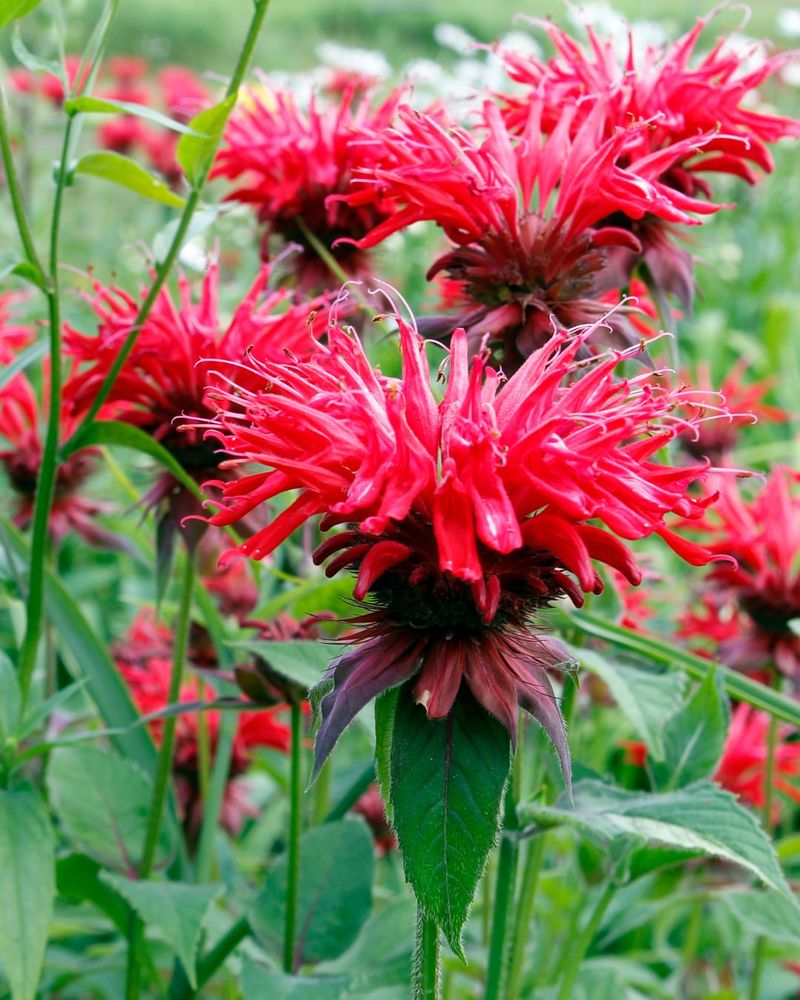
Walk past a patch of Bee Balm in full bloom and you will immediately understand why gardeners love it.
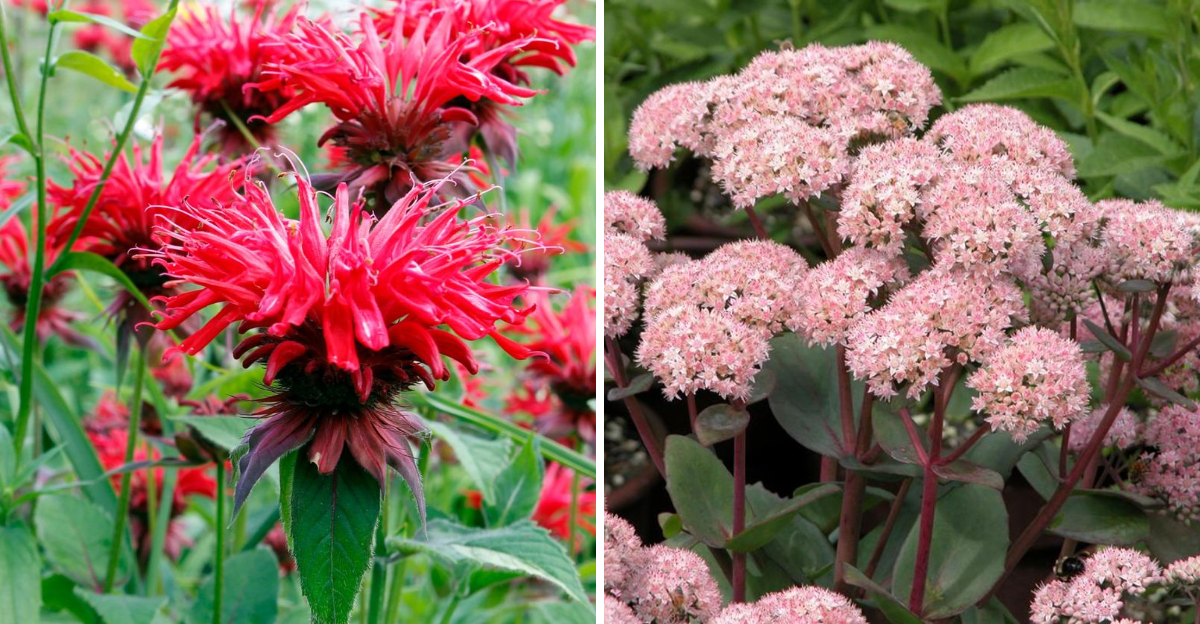
The flowers look almost wild and exotic, with shaggy, firework-like blooms in shades of red, pink, purple, and white. They bring an energy and vibrancy to the garden that is hard to match with any other plant.
Beyond its looks, Bee Balm is an absolute magnet for hummingbirds. If you have ever wanted to watch a hummingbird hover just a few feet away, planting Bee Balm in your Pennsylvania garden is one of the best ways to make that happen.
Bees and butterflies crowd around it too, making it a lively hub of activity all summer long. This plant is a native perennial, which means it is perfectly adapted to Pennsylvania’s four-season climate. It grows best in moist, well-drained soil with full sun to partial shade.
Once established, it spreads enthusiastically, filling in larger areas over a few seasons without any help from you.
Powdery mildew can sometimes appear on the leaves in humid summers. Choosing mildew-resistant varieties like ‘Jacob Cline’ or ‘Raspberry Wine’ solves that problem easily. Good air circulation between plants also helps keep foliage looking fresh all season.
Bee Balm also has a pleasant, minty fragrance. The leaves can even be brewed into an herbal tea.
For Pennsylvania gardeners who want color, wildlife activity, and a little sensory bonus all in one plant, Bee Balm is a brilliant choice.
6. Sedum
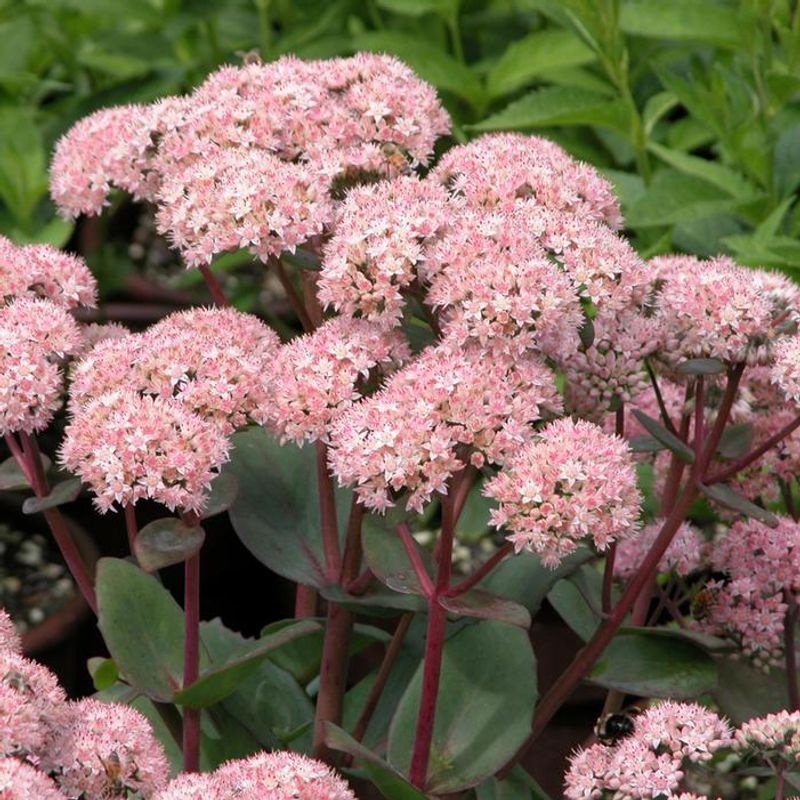
Sedum is the plant for gardeners who forget to water. Seriously. This tough succulent perennial stores moisture in its thick, fleshy leaves, which means it can go long stretches without rain and still look perfectly healthy.
For busy Pennsylvania gardeners, that kind of resilience is genuinely priceless. The most popular variety for gardens is Sedum ‘Autumn Joy,’ and the name says it all. While most summer flowers are winding down in September and October, Autumn Joy is hitting its stride.
The flower heads start out a soft pink in late summer, then deepen to a rich, rusty red as fall arrives, giving your Pennsylvania garden color well into the cooler months.
Sedum thrives in full sun and poor, well-drained soil. It actually struggles in overly rich or wet conditions, so skip the heavy fertilizing and let it grow lean.
Rock gardens, slopes, and dry borders are where this plant feels most at home. It is also deer-resistant, which is a significant bonus in many Pennsylvania neighborhoods and rural areas.
Pollinators adore the flat-topped flower clusters, especially late-season bees and butterflies stocking up before winter. The dried seed heads also add structure and visual interest to the garden through the winter months, so there is no rush to cut them back right away.
Dividing Sedum every three years or so keeps it compact and vigorous. It is one of the easiest divisions to do, as the roots separate cleanly and transplants settle in quickly. For a no-fuss, four-season performer, Sedum belongs in every Pennsylvania garden.
7. Zinnia
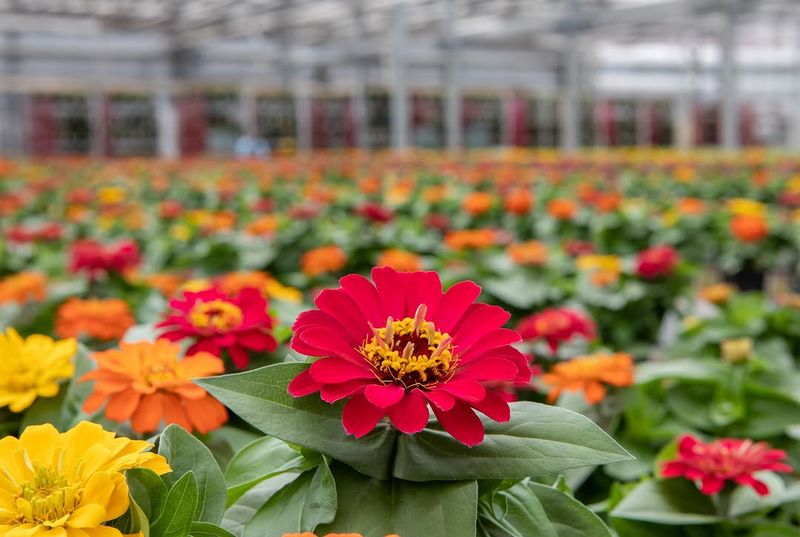
Zinnias are pure joy in flower form. Their colors are so bold and saturated that a single bed of them can completely transform a yard from ordinary to eye-catching.
Best of all, they grow fast. From seed to full bloom, Zinnias can be up and showing off in as little as eight weeks, making them one of the most rewarding flowers a Pennsylvania gardener can plant.
As annuals, Zinnias complete their entire life cycle in one season. But what a season it is. They bloom continuously from early summer all the way until the first frost, filling your garden with nonstop color for months.
The more you cut them, the more they bloom, so keeping a vase full of fresh Zinnias indoors is easy and practically free.
These flowers love heat, which makes them a perfect fit for Pennsylvania’s warm, humid summers. Plant them in full sun after the last frost date, usually mid-May in most parts of the state.
They prefer well-drained soil and do not need much fertilizer to perform beautifully. Zinnias are also butterfly favorites. Monarchs, swallowtails, and painted ladies all flock to them throughout the summer.
Planting a mix of colors and sizes creates a lively, layered effect that looks professionally designed but requires almost no planning.
Starting Zinnias from seed is incredibly affordable. A single seed packet can fill an entire garden bed.
For busy Pennsylvania gardeners who want maximum color with minimum cost and effort, Zinnias are the ultimate summer annual.
8. Shasta Daisy
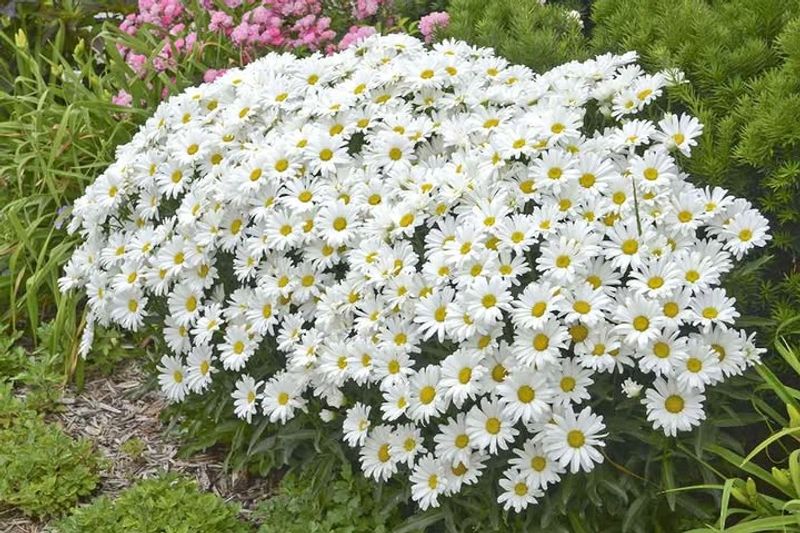
There is something timeless about a Shasta Daisy. The crisp white petals surrounding a cheerful yellow center have been a staple of American gardens for over a hundred years, and Pennsylvania yards are no exception.
They have a classic, cottage-garden charm that never goes out of style. Shasta Daisies are hardy perennials that come back reliably every year in Pennsylvania’s climate. They handle cold winters without any special protection and bounce back strong in spring.
Plant them once and enjoy them for years, which is exactly the kind of low-effort reward that busy gardeners appreciate most.
These plants prefer full sun and well-drained soil. They bloom heavily in early to midsummer, and deadheading the spent flowers encourages a second flush of blooms later in the season.
Even without deadheading, they remain attractive and tidy throughout the growing season.
Shasta Daisies grow to about two to three feet tall, making them a great mid-border plant. Pair them with purple Coneflowers or Black-Eyed Susans for a classic Pennsylvania wildflower look that feels both natural and intentional.
The white blooms also brighten up shadier spots in the garden where color can feel harder to achieve.
They are excellent cut flowers too. A handful of Shasta Daisies in a simple mason jar makes a beautiful centerpiece that brings the garden inside.
For Pennsylvania gardeners who want a reliable, elegant, and effortless flower that delivers season after season, the Shasta Daisy is a perfect finishing touch to any garden plan.