This Is The Invasive Insect Targeting Pennsylvania Oak Trees At An Alarming Rate
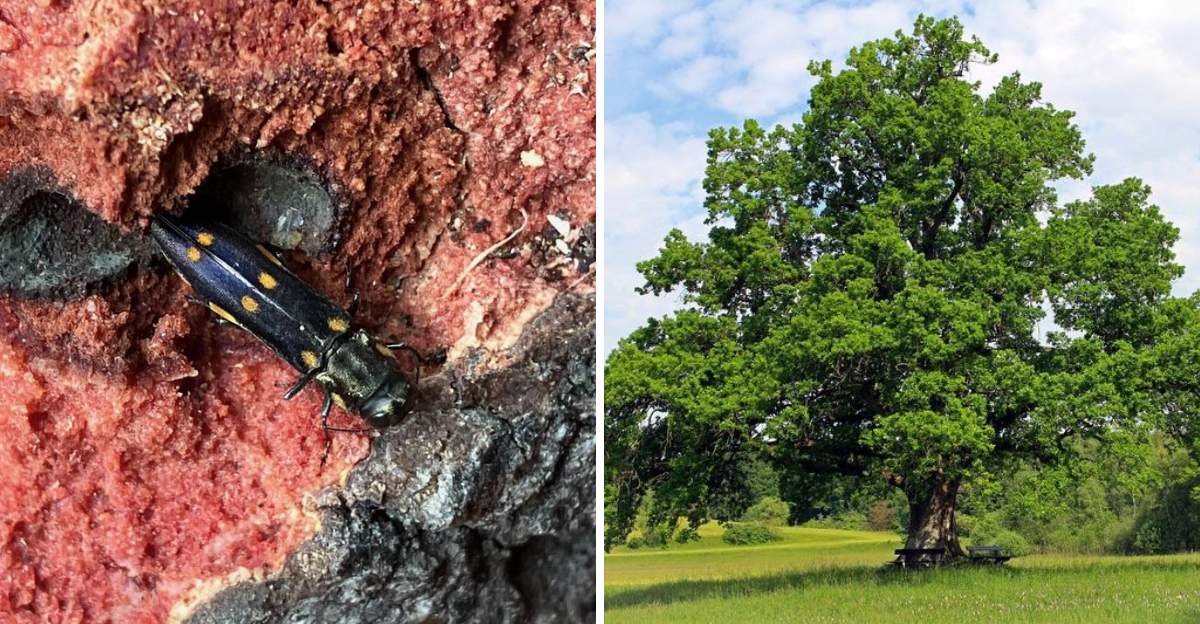
Pennsylvania oak trees have weathered a lot over the centuries, but an invasive insect working its way through the state’s oak population is presenting a threat that forest managers and homeowners are taking seriously in ways that reflect genuine concern.
This pest does not just cause cosmetic damage. It targets oaks specifically and with a persistence that weakens trees over time, making them more vulnerable to disease, drought stress, and secondary pests that finish the job the original infestation started.
The spread across Pennsylvania has been faster than many experts anticipated, and the trees showing up in residential yards and neighborhood streets are just as vulnerable as those in forested areas.
Knowing what this insect looks like, how to identify the signs of its presence early, and what options are available for protecting established oaks gives Pennsylvania homeowners a much better chance of keeping their trees healthy through what is shaping up to be a significant regional challenge.
Meet The Two-Spotted Oak Borer
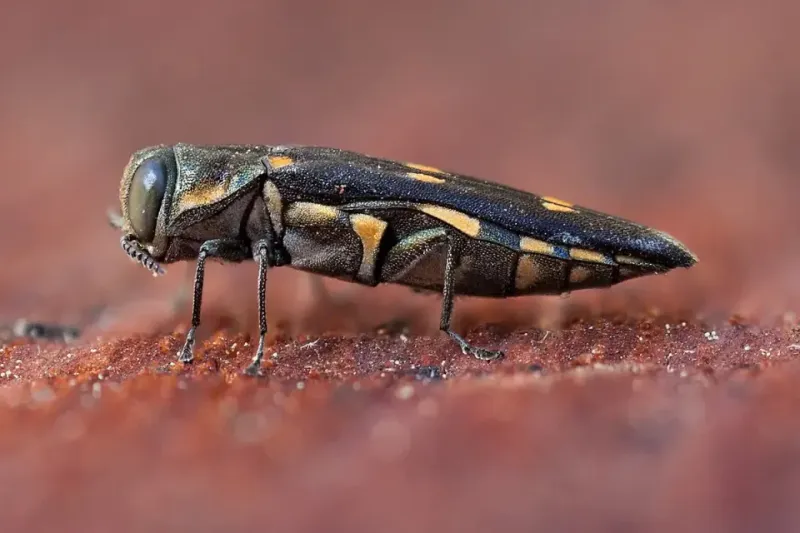
Small but mighty in the worst possible way, the Two-Spotted Oak Borer is making headlines across Pennsylvania for all the wrong reasons. Scientifically known as Agrilus bilineatus, this beetle is part of the jewel beetle family, named for its shiny, metallic green appearance.
At just about 5 millimeters long, it is roughly the size of a watermelon seed, yet it packs a serious punch when it comes to damaging oak trees.
Originally present in North America, this beetle has recently exploded in population, particularly following widespread oak stress caused by drought, disease, and forest disturbances.
Pennsylvania has become a hotspot for infestations, especially in areas dominated by red oak species like the scarlet oak, black oak, and pin oak.
These trees are the beetle’s preferred targets, and dense urban forests and parks have made it easier for populations to grow unchecked.
What makes this beetle especially alarming is how quickly it can move through a landscape. A single stressed oak can attract dozens of beetles at once.
Researchers and forestry officials are watching the spread closely, and early reports suggest infestations are increasing year over year.
Many homeowners have no idea their trees are at risk until visible damage becomes obvious, which is often too late to reverse major harm.
Knowing what this insect looks like and where it thrives is truly the first line of defense for anyone who cares about their local oak trees.
Life Cycle And Behavior
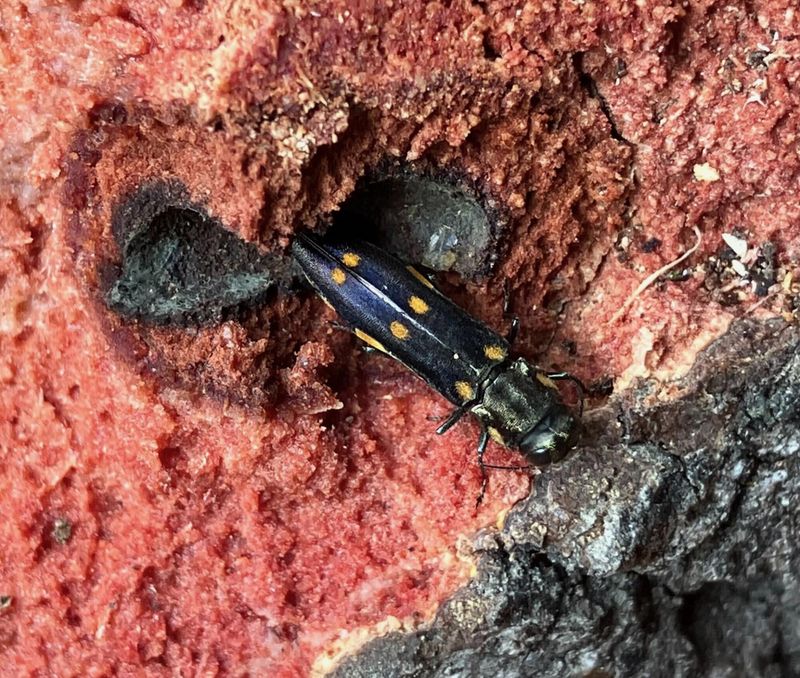
Knowing how this beetle lives and reproduces helps explain why it spreads so fast. Adult Two-Spotted Oak Borers typically emerge in late spring, usually around May or June, and remain active through the summer months.
During this time, they feed on oak leaves, mate, and seek out trees to lay their eggs. Female beetles prefer to deposit their eggs in the crevices of bark on trees that are already stressed or weakened.
Once the eggs hatch, the real trouble begins. The larvae, which look like small, pale, worm-like grubs, tunnel their way beneath the bark and into the inner layer of the tree known as the phloem.
Your Pennsylvania Garden Changes Every Week. Your Plan Should Too.
Gardening in Pennsylvania changes quickly throughout the season. Every Friday you’ll receive a simple weekly plan showing exactly what to plant, prune, fertilize, harvest, and protect so you never miss the right timing.
The phloem is basically the tree’s transportation system, moving sugars and nutrients from the leaves down to the roots. When larvae create winding tunnels through this layer, they disrupt that flow in a serious way.
A single tree can harbor dozens or even hundreds of larvae at the same time. Over one to two years, larvae continue feeding and growing before eventually pupating and emerging as new adults through characteristic exit holes in the bark.
Each new generation is capable of spreading to nearby trees, which is why an infestation can escalate quickly across a yard, park, or forest stand.
The beetle completes roughly one generation per year, though some individuals may take two years to fully develop depending on environmental conditions.
Understanding this cycle makes it easier to time inspections and management efforts for maximum effectiveness before populations spiral out of control.
Signs Of Infestation
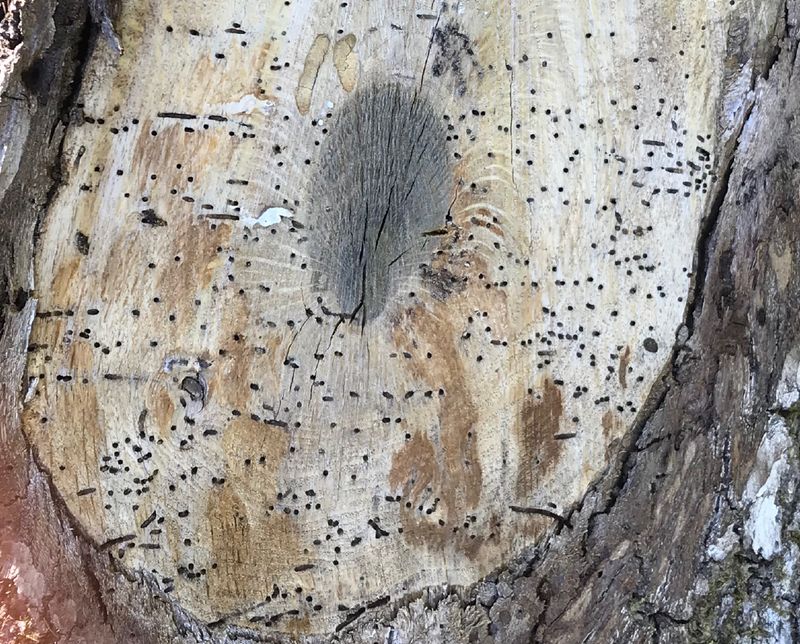
Catching an infestation early can make a real difference in saving a tree, so knowing exactly what to look for is essential. One of the most telltale signs of Two-Spotted Oak Borer activity is the presence of small, D-shaped exit holes in the bark of the tree.
These holes are left behind when adult beetles chew their way out after completing their development inside the tree. They are small but distinctive, and once you know what they look like, they are hard to miss.
Above the ground, infested trees often show signs of stress that can be confused with other problems. Yellowing or browning leaves, thinning canopy coverage, and dieback of individual branches are all red flags.
Sometimes entire sections of the crown will lose their leaves while the rest of the tree still looks healthy. If you notice these patterns, especially on red oak species, it is worth taking a closer look at the bark.
Peeling back a small section of loose bark on a suspected tree can reveal the winding, S-shaped galleries carved by feeding larvae just beneath the surface. These galleries are packed with fine, sawdust-like frass, which is the waste material the larvae produce as they feed.
Finding these tunnels is a strong confirmation that borers are present and active. Some homeowners also notice woodpeckers pecking aggressively at the bark of their oaks, since birds are naturally drawn to the larvae hiding inside.
If your oak is getting extra attention from woodpeckers, that alone can be an early warning worth investigating further.
Why Oak Trees Are At Risk
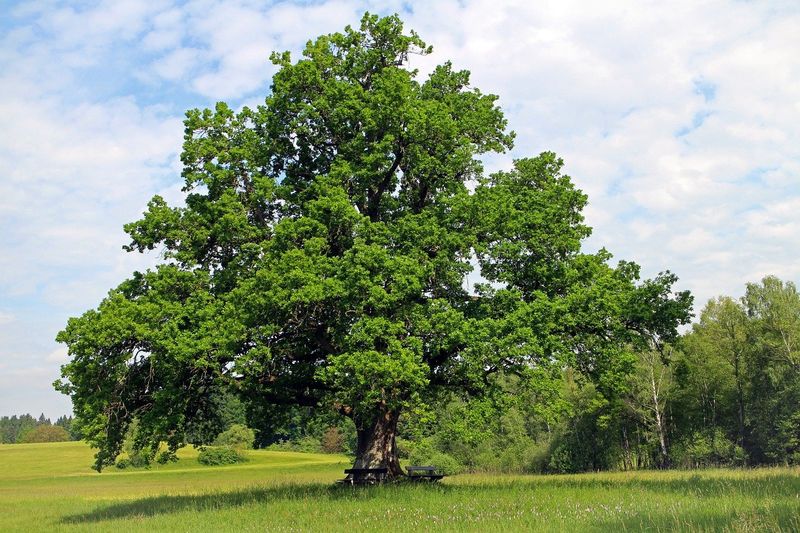
Red oaks have long been one of Pennsylvania’s most abundant and valued tree species, lining streets, filling state forests, and providing food and shelter for countless wildlife species. Sadly, that abundance may actually work against them right now.
The Two-Spotted Oak Borer has a strong preference for red oak species, including black oak, scarlet oak, and pin oak, making Pennsylvania’s forests particularly vulnerable to widespread damage.
Stressed trees are far more susceptible to beetle attacks than healthy ones. Trees weakened by drought, soil compaction, root damage, construction activity, or disease send out chemical signals that attract beetles looking for a place to lay their eggs.
Urban and suburban trees are especially at risk because they frequently face multiple stressors at once, from compacted soils and limited water to pollution and physical damage from lawn equipment.
Forests are not immune either. Large stretches of Pennsylvania woodland have experienced repeated stress events in recent years, including drought cycles and outbreaks of other pests like the spongy moth.
Trees already weakened by these pressures become easy targets for the Two-Spotted Oak Borer, allowing beetle populations to build rapidly across large areas.
Once a population becomes established in a forest stand, it can spread to neighboring healthy trees as well, since large infestations can overwhelm even vigorous oaks over time.
Ecologists and foresters are particularly concerned because oaks support more wildlife species than almost any other native tree in the eastern United States.
Losing them in significant numbers would reshape entire ecosystems in ways that would take generations to recover from.
Management Strategies

Good tree care is honestly one of the best tools available when it comes to managing the Two-Spotted Oak Borer. Healthy, well-maintained trees are far better at resisting and recovering from beetle attacks than stressed ones.
Start with the basics: make sure your oak trees receive adequate water during dry spells, especially younger trees that have not yet developed deep root systems. A slow, deep soak once a week during drought conditions can make a real difference.
Mulching around the base of oak trees helps retain soil moisture, regulate soil temperature, and reduce competition from grass and weeds.
Apply a layer of wood chip mulch two to four inches deep in a wide circle around the tree, keeping it a few inches away from the trunk itself to prevent moisture buildup against the bark.
Avoid wounding the tree with lawn mowers or string trimmers, since even small injuries to the bark can invite beetles and other pests to move in.
For trees that are already infested, removing and properly disposing of heavily affected branches can help slow the spread to other parts of the tree or to neighboring oaks.
Cut infested material should be chipped, burned where permitted, or buried rather than left on the ground where beetles can still emerge.
Setting up monitoring traps during peak adult activity in late spring and early summer can also help gauge how heavy a local population is.
Some situations may call for professional consultation with a certified arborist who can assess the tree and recommend targeted treatment options based on the level of infestation and overall tree health.
Prevention And Long-Term Solutions
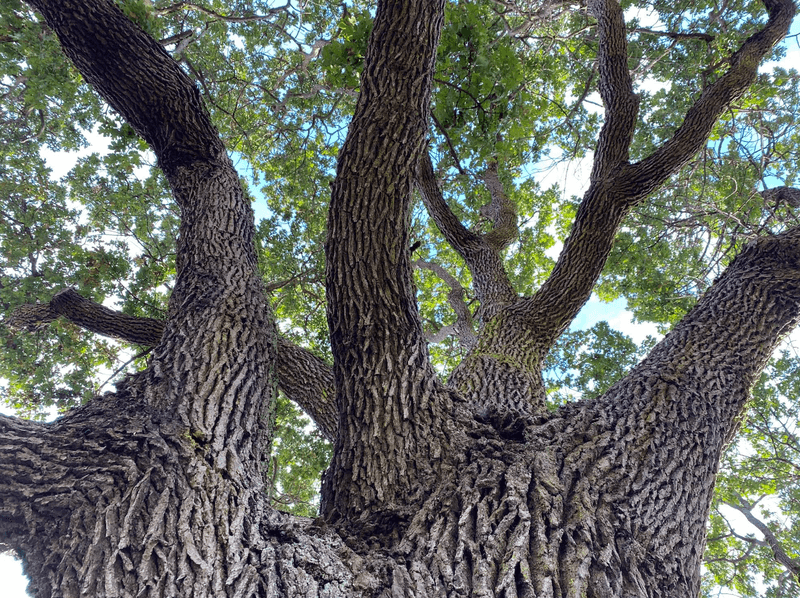
Preventing the Two-Spotted Oak Borer from spreading further starts with one simple rule that many people overlook: do not move firewood.
Beetle larvae and eggs can hide inside logs and branches without any visible signs, and transporting firewood from an infested area to a new location is one of the fastest ways to spread this pest across the state.
Always buy or collect firewood locally and burn it where you get it, rather than hauling it to a campsite or another property.
Nursery stock is another potential pathway for spread. Before purchasing oak trees or other plants from a nursery, ask about where the stock originated and whether it has been inspected for pests.
Reputable nurseries follow strict protocols, but it never hurts to take a close look at bark and branches before bringing a new tree home.
Planting a diverse mix of tree species rather than relying heavily on oaks also helps reduce the risk of widespread damage if beetle populations do increase in your area.
Community education plays a massive role in long-term protection. Homeowners, gardeners, park visitors, and school groups all benefit from learning how to spot early signs of infestation and who to contact when something looks wrong.
Pennsylvania’s Department of Agriculture and Penn State Extension both offer resources and reporting tools for invasive species. Reporting a suspected infestation quickly allows professionals to respond before populations grow too large.
Encouraging neighbors to participate in monitoring efforts creates a community-wide safety net that individual action alone cannot achieve.
Together, early awareness and consistent prevention habits give Pennsylvania’s oak trees a real fighting chance for the future.