This Underrated Pennsylvania Native Shrub Feeds Wildlife All Season Long
Most shrubs in a Pennsylvania garden deliver one good moment. A spring bloom, a flush of fall color, a brief window of berries before the birds strip them bare.
Then the shrub settles into the background for the rest of the year, looking fine but contributing relatively little to the wildlife that shares your outdoor space.
Most homeowners accept this as simply how shrubs work. But there’s a native Pennsylvania shrub that operates on a completely different timeline.
This plant feeds wildlife all season long. Not just during one peak window, but from spring through winter, offering a continuous and changing menu that birds, pollinators, and beneficial insects return to at every stage of the growing season.
The ecological value it delivers across twelve months is simply not replicated by most shrubs available at a typical garden center.
It’s also genuinely beautiful, well suited to Pennsylvania’s climate, and remarkably low maintenance once established.
Here’s the underrated native shrub that belongs in every Pennsylvania yard and why the wildlife in your neighborhood will thank you for planting it.
The Native Shrub That Feeds Wildlife All Season Long
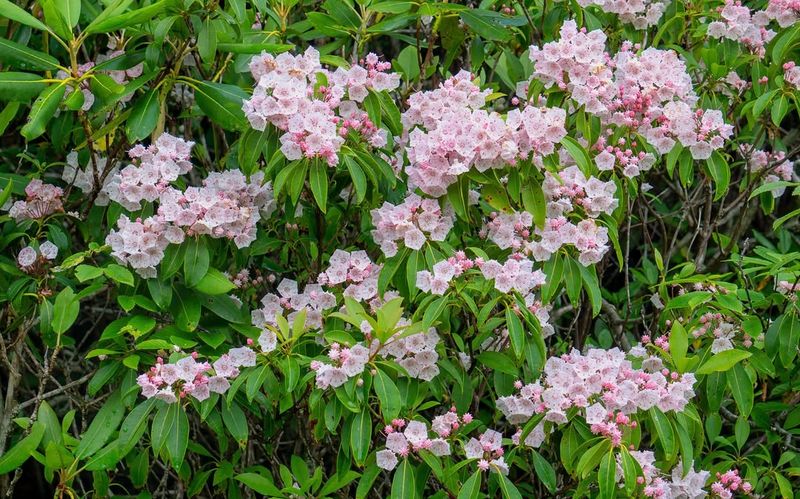
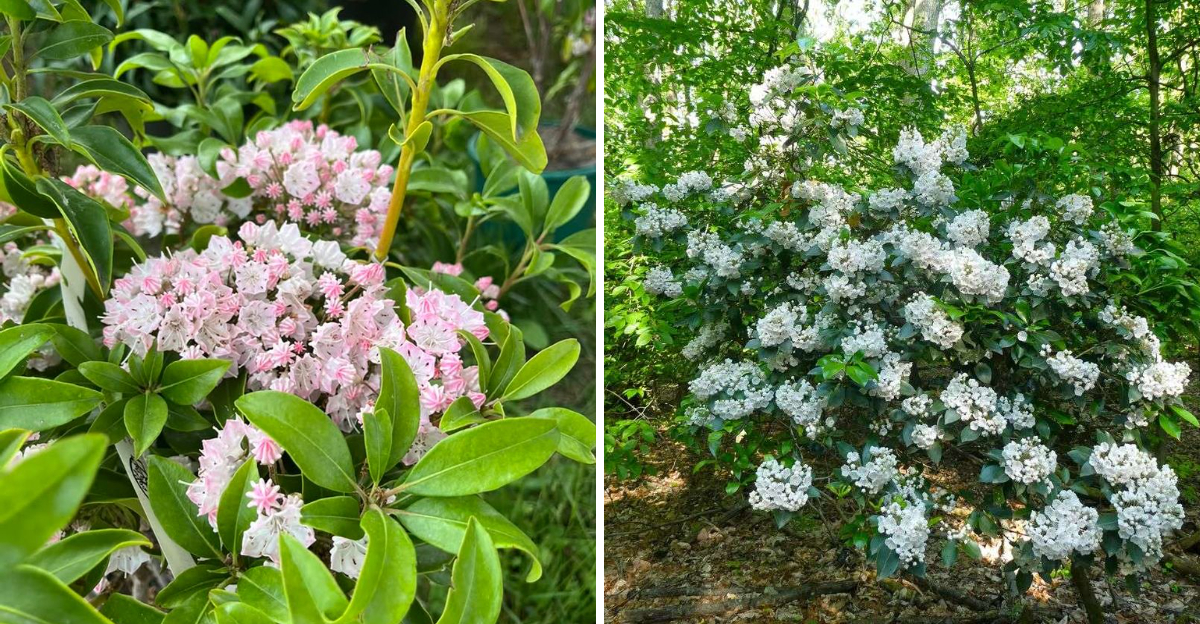
Pennsylvania officially named mountain laurel its state flower back in 1933, and honestly, it deserved the title. Kalmia latifolia has been growing wild across the state’s hillsides and forest edges for centuries.
You can spot it tucked under oak canopies, along rocky ridgelines, and beside cool woodland streams where few other shrubs dare to grow.
What makes mountain laurel so special is that it does not behave like most shrubs. It stays green all year long, even when everything else around it has gone bare and brown.
That means birds, insects, and small mammals have a reliable place to shelter no matter what the season brings.
The flowers are something else entirely. Each blossom looks almost engineered, with tiny pockets that hold pollen-loaded stamens under tension.
When a bee lands and triggers them, the stamens snap forward and dust the bee with pollen. It is one of nature’s most clever pollination tricks, and it happens right here in your backyard.
Mountain laurel also grows slowly and steadily, reaching anywhere from five to fifteen feet tall over many years.
That slow growth means less maintenance for you and more stability for the wildlife that depends on it. Once established, it becomes a permanent fixture in the landscape, season after season.
If you have never paid much attention to this plant before, now is a great time to start. Pennsylvania gardeners who add mountain laurel to their yards often say it becomes the centerpiece that ties the whole space together.
It is beautiful, tough, and genuinely useful for the local ecosystem.
Why Birds And Pollinators Depend On It All Year
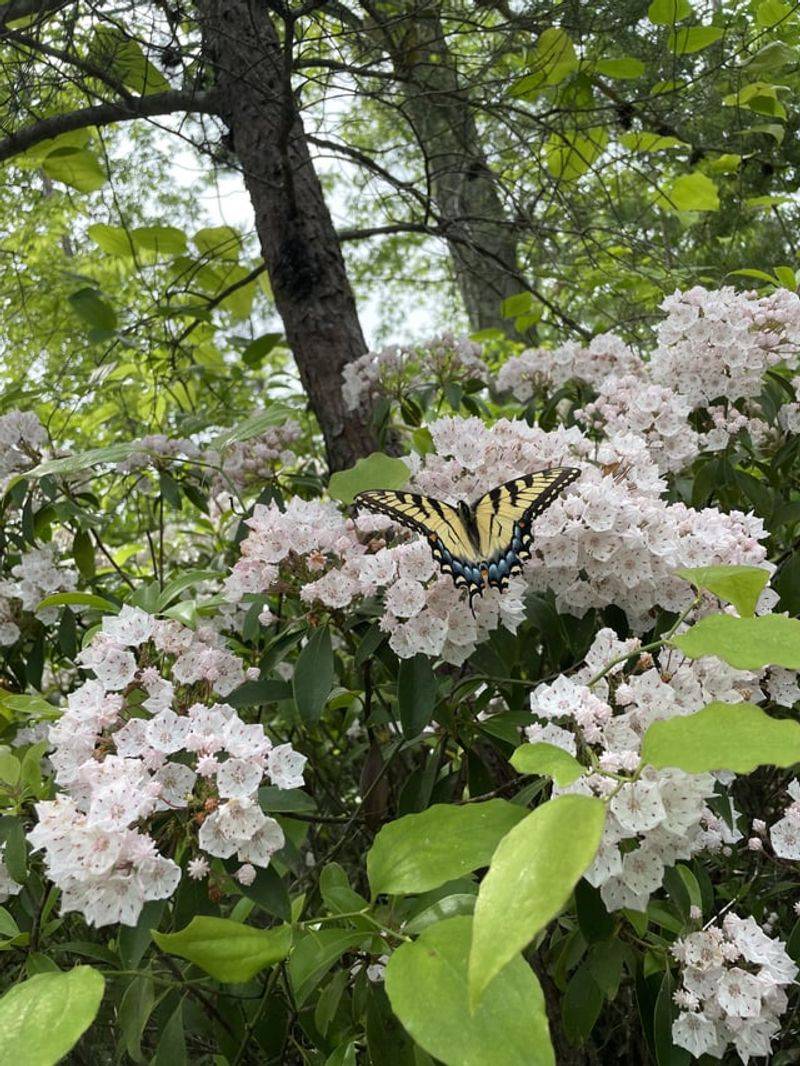
Walk outside on a warm spring morning when mountain laurel is in full bloom and you will hear it before you see it. The buzzing of bees, the flutter of wings, and the soft chatter of birds all converge around this one shrub.
Your Pennsylvania Garden Changes Every Week. Your Plan Should Too.
Gardening in Pennsylvania changes quickly throughout the season. Every Friday you’ll receive a simple weekly plan showing exactly what to plant, prune, fertilize, harvest, and protect so you never miss the right timing.
Few ornamental plants from a garden center can come close to matching that kind of energy.
Bumblebees are especially drawn to mountain laurel blooms. They are strong enough to trigger the snap-action stamens and collect large amounts of pollen in a single visit.
Native bees, butterflies, and even hummingbirds visit the flowers regularly throughout the blooming season, which typically runs from May into early July depending on elevation.
Once the blooms fade, the work does not stop. The dense, layered branches provide year-round shelter for birds like Carolina wrens, sparrows, and dark-eyed juncos.
These small birds roost inside the shrub’s interior branches on cold winter nights, using it almost like a natural insulated cabin.
Non-native ornamental shrubs often offer a single season of interest and then become essentially useless to wildlife. Mountain laurel flips that script entirely.
It is contributing to the local food web and providing shelter even in the middle of February when the ground is frozen solid.
Research from native plant advocates like those at the Xerces Society shows that native plants support significantly more insect species than non-native alternatives. More insects mean more food for birds, which means a healthier, more active yard ecosystem.
Planting mountain laurel is one of the simplest ways to make that happen without a lot of extra effort on your part.
Thriving In Soil That Defeats Other Shrubs
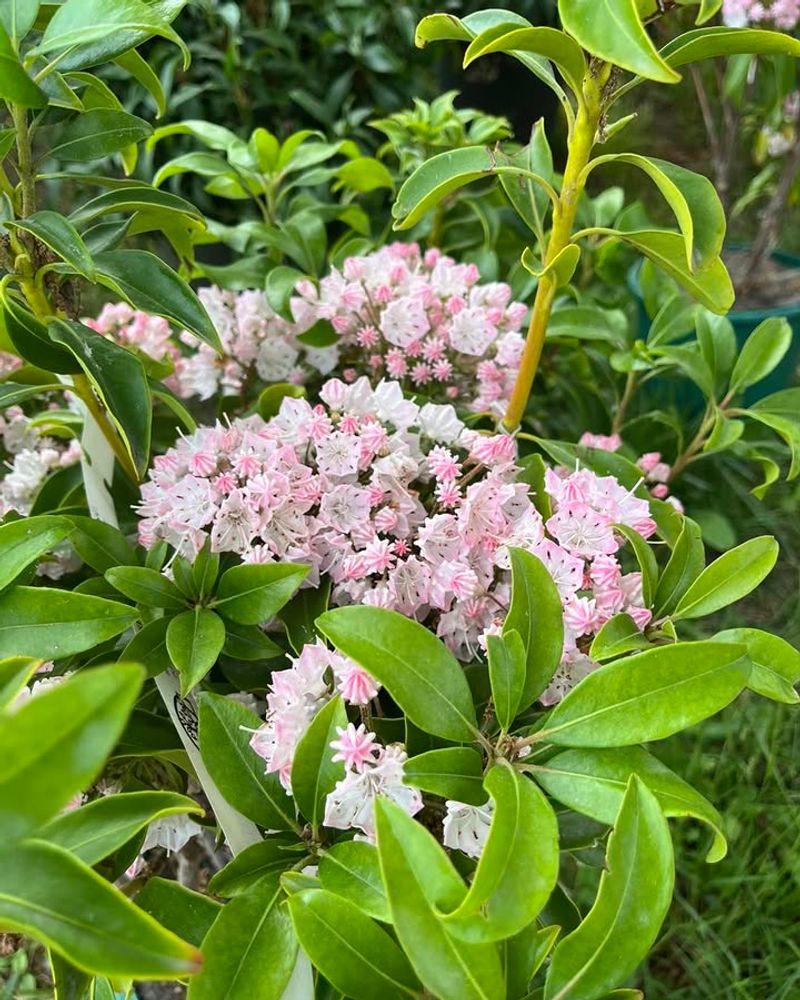
Gardeners in Pennsylvania often run into the same frustrating problem: soil that is too acidic, too rocky, or too clay-heavy for most ornamental shrubs to handle. Roses sulk.
Hydrangeas struggle. Boxwoods barely hang on. But mountain laurel? It practically thrives on those exact conditions.
Kalmia latifolia naturally grows in soils with a pH between 4.5 and 6.0, which is quite acidic. Pennsylvania’s native geology, especially in areas with shale and sandstone bedrock, produces exactly that kind of soil.
So instead of fighting your yard’s natural chemistry, mountain laurel works with it. Rocky slopes and hillsides that drain quickly are another place where this shrub excels.
Its root system is shallow but wide-spreading, allowing it to anchor into thin, rocky ground where deeper-rooted plants cannot get a good foothold. That makes it a smart choice for erosion-prone banks or slopes that are difficult to mow and maintain.
Clay soils can be trickier, but mountain laurel handles moderate clay better than many people expect, especially when the planting hole is amended with compost or pine bark to improve drainage.
Raised planting, where the root ball sits slightly above the surrounding soil grade, also helps in heavier soils.
One thing to keep in mind is that mountain laurel does not love standing water. Good drainage is the one condition it genuinely needs to stay healthy.
Beyond that, it is remarkably forgiving about what it grows in. Many Pennsylvania gardeners discover that the spots in their yard where nothing else will grow become the best spots for mountain laurel to put on a show.
A Surprising Bonus – It Helps Discourage Ticks Naturally
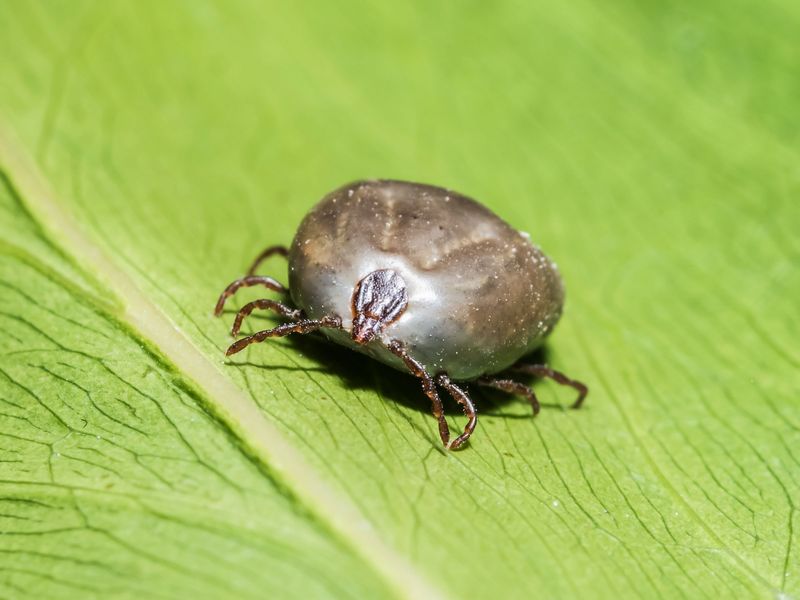
Nobody wants ticks in their yard. They are a real concern in Pennsylvania, where deer ticks and dog ticks are common throughout much of the state.
Here is something most people do not realize: the way mountain laurel grows can actually make your yard a less welcoming place for ticks to hang around.
Ticks prefer moist, shaded environments with tall grasses and leaf litter at ground level. They like to climb vegetation and wait for a passing host.
Mountain laurel changes that equation in a couple of interesting ways. Its dense canopy shades the ground beneath it heavily, which reduces the growth of the weedy grasses and low vegetation ticks love to hide in.
The shrub also creates a drier microenvironment underneath its branches because the canopy intercepts rainfall and the evergreen leaves reduce air circulation close to the ground. That drier, shadier understory is not ideal tick habitat.
Fewer hiding spots means fewer ticks hanging around that particular area of your yard. Pairing mountain laurel with other deer-resistant native plants can add another layer of protection.
Deer are major carriers of ticks, and reducing deer traffic through your yard naturally reduces tick exposure.
Mountain laurel is not a favorite food of deer, which makes it a practical part of a broader yard management strategy.
Of course, mountain laurel alone is not a complete solution for tick prevention. You still want to keep the areas around it well-maintained and check yourself after spending time outdoors.
But having a shrub that actively works against tick-friendly conditions while also being beautiful and wildlife-friendly is a genuinely useful bonus that not many plants can offer.
Low-Maintenance Magic – Why It Barely Needs Any Care
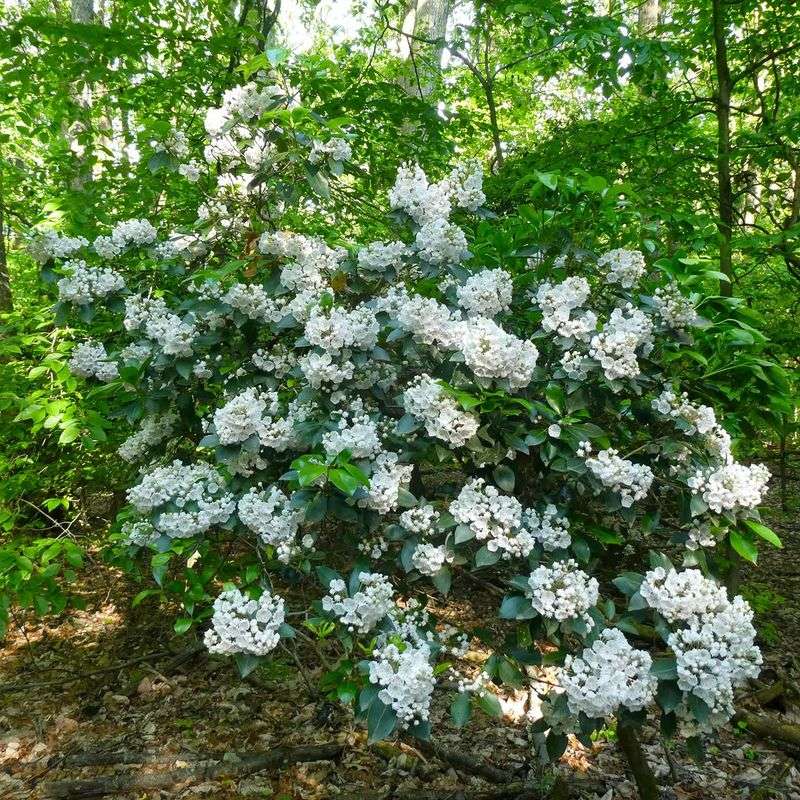
Some plants feel like a second job. Constant watering, fertilizing, pest spraying, and pruning can turn a garden into a chore.
Mountain laurel is the opposite of that. Once it settles into your yard, it mostly takes care of itself, and that is one of the biggest reasons Pennsylvania gardeners are warming up to it.
Fertilizing is almost never necessary, especially if you mulch around the base of the plant with wood chips or shredded leaves. That layer of organic mulch mimics the natural forest floor conditions the plant evolved in.
As it breaks down, it slowly releases nutrients and keeps the soil slightly acidic, which is exactly what mountain laurel prefers.
Watering needs are modest after the first year or two of establishment. During that initial period, regular watering helps the roots spread and anchor properly.
After that, the plant is largely drought-tolerant, relying on natural rainfall for most of its moisture needs. In very dry summers, a deep watering every couple of weeks is plenty.
Pests are rarely a serious problem with mountain laurel when it is planted in the right conditions.
Lace bugs can occasionally appear on stressed plants, but healthy, well-mulched shrubs in appropriate soil tend to fend off most pest pressure on their own without any chemical intervention needed.
The time you save not fussing over mountain laurel can be spent actually enjoying your yard. Watching bees work the flowers in May or spotting a Carolina wren dart into the branches on a January afternoon is far more rewarding than mixing fertilizer.
This shrub gives back far more than it asks for, which is a rare and wonderful quality in any garden plant.
The One Timing Rule That Protects Next Year’s Blooms
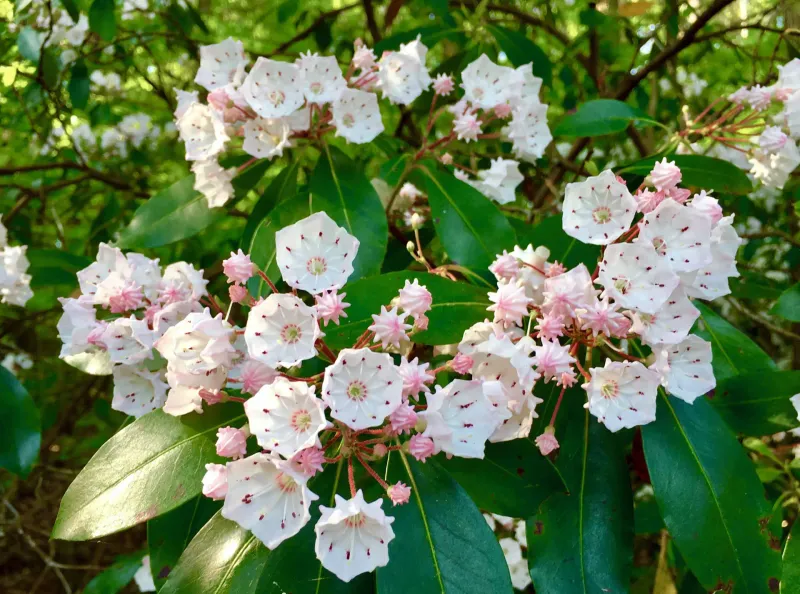
Mountain laurel is easygoing about almost everything, but there is one rule worth knowing if you ever decide to prune it.
Get the timing wrong, and you might accidentally remove all the flower buds for next year without even realizing it. Get it right, and the plant rewards you with an even fuller bloom the following season.
Mountain laurel sets its flower buds for the next year in late summer and early fall. Those buds sit quietly on the branch tips through the winter and then open in spring.
If you prune in late summer, fall, or winter, you are cutting off those buds before they ever get a chance to open. The plant will survive just fine, but you will be looking at a bloomless shrub the following May.
The correct window for pruning is right after the flowers finish, usually in late June or very early July in Pennsylvania. At that point, the old flower clusters have faded and fallen, but the new buds have not yet started forming.
Pruning during this short window gives the plant the rest of the growing season to produce fresh growth and set new flower buds for next spring.
Most of the time, mountain laurel does not need much pruning at all. You might want to remove a few older, woody stems every few years to encourage fresh growth from the base, or shape a branch that is growing awkwardly. But heavy shearing is not something this shrub needs or benefits from.
Think of pruning mountain laurel less like a regular maintenance task and more like an occasional conversation with the plant. A light touch, done at the right moment, keeps it looking its best without disrupting the natural rhythm it has already settled into.