8 Reasons Lemon Balm Belongs Near Any Washington Patio
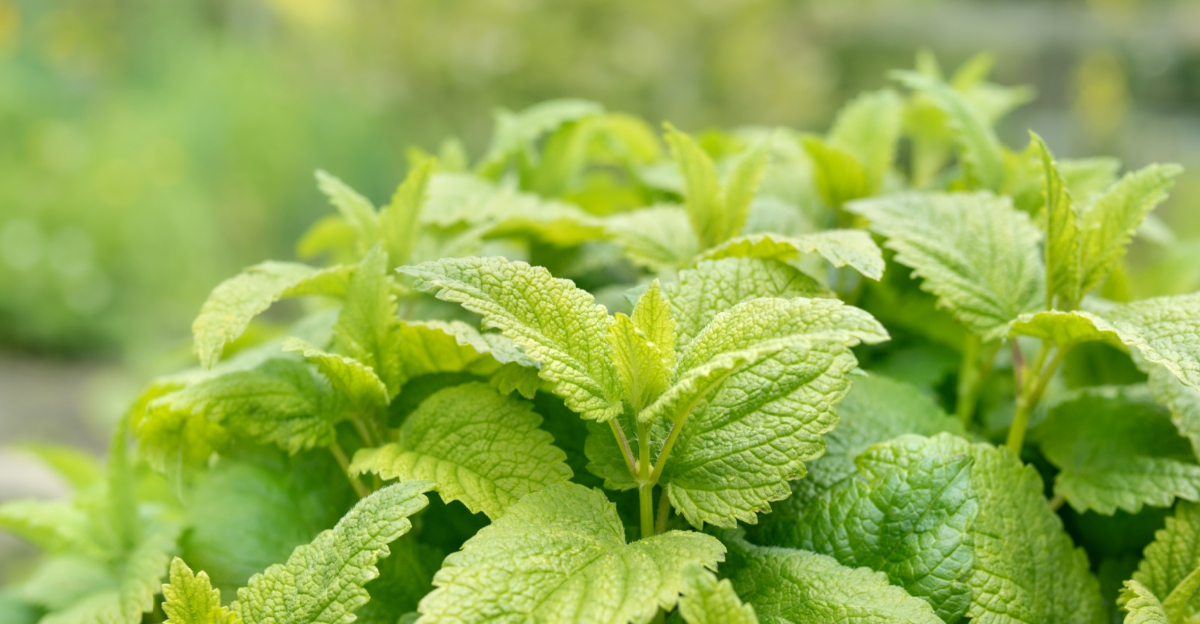
You know that moment. You’re walking through your yard, not really looking for anything, maybe checking on the tomatoes or just getting some air, when something stops you cold.
You reach down, crush a leaf between your fingers without even thinking, and suddenly your whole afternoon shifts. That bright, citrusy rush with something sweet humming underneath it?
That’s lemon balm, and it found you before you ever thought to find it. Most of us didn’t plant it.
It simply showed up, a cheerful volunteer wedged between a drainpipe and cracked concrete, tucked along a forgotten fence line, or spilling quietly out of a neighbor’s bed into yours.
And here’s what surprises people every single time: it looks completely at home. No struggling, no wilting, no drama.
Just lemon balm doing exactly what lemon balm does. It grows freely, smells wonderful, and asks absolutely nothing from you in return.
1. Produces A Pleasant Citrus Fragrance Near Your Seating Area
Imagine sitting outside with your morning coffee and catching a wave of fresh citrus scent every time the breeze moves. That is exactly what lemon balm delivers, without any effort from you.
The fragrance comes from tiny oil glands tucked inside each leaf. Brush the plant lightly with your hand, and the scent blooms instantly into the air around you.
Unlike synthetic air fresheners, this smell is clean and natural. It never feels overwhelming or artificial, just a soft, bright lemon note floating through your outdoor space.
Placing the plant near a chair or bench means you catch the scent every time you shift position. Even a small pot positioned close to your seating area creates a noticeable difference in the atmosphere.
Guests often notice the smell before they even spot the plant. It becomes a quiet conversation starter that makes your patio feel more intentional and inviting.
The fragrance also seems to shift slightly depending on the time of day. Morning air carries it more sharply, while evening warmth softens it into something almost floral.
Some gardeners crush a leaf and rub it on their wrists before sitting outside. The scent lingers on skin for a surprisingly long time, acting almost like a natural perfume.
A fragrant patio does not happen by accident, and lemon balm makes achieving that atmosphere genuinely simple. Your outdoor space deserves to smell as good as it looks.
2. Attracts Bees, Butterflies, And Other Pollinators
Ancient beekeepers rubbed lemon balm inside their hives to attract new swarms, and the trick worked beautifully. The plant has been drawing pollinators for thousands of years, and it has not lost its touch.
When lemon balm blooms in summer, it produces clusters of tiny white flowers along its stems. Those blooms are rich in nectar, making them attractive to bees.
Bumblebees especially love this plant. You will often see several working the same patch at once, moving from flower to flower with cheerful determination.
Butterflies treat it like a rest stop on a long journey. They land, feed, and linger, giving you a front-row seat to a pleasant close-up of pollinators at work right from your patio chair.
Your Washington Garden Changes Every Week. Your Plan Should Too.
Gardening in Washington changes quickly throughout the season. Every Friday you’ll receive a simple weekly plan showing exactly what to plant, prune, fertilize, harvest, and protect so you never miss the right timing.
Supporting pollinators is not just good for the environment. A healthy pollinator population benefits many flowering plants and vegetable gardens nearby.
Washington gardens can struggle to attract enough pollinators during cooler stretches. Lemon balm blooms reliably even when temperatures are not ideal, filling a gap that other plants sometimes leave open.
You do not need a large garden to make a difference. Even one container of lemon balm on a balcony can serve as a small but welcome stop for passing bees.
Watching pollinators work is genuinely relaxing, almost meditative. Adding lemon balm to your patio means inviting that small, buzzing world a little closer to your daily life.
3. Tolerates Drought, Frost, Heat, And Poor Soil
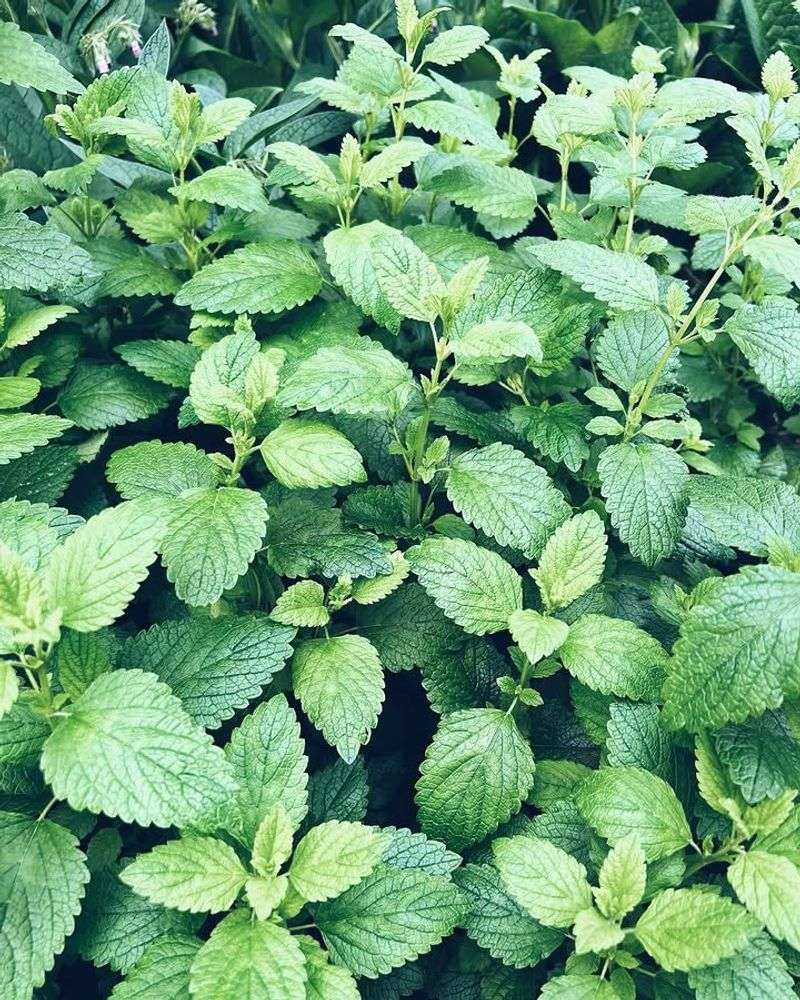
Not every plant can handle Washington weather, which swings from soggy winters to dry, baking summers without much warning. Lemon balm handles every extreme with an almost stubborn cheerfulness.
During drought conditions, the plant slows its growth slightly but does not wilt dramatically. It conserves moisture efficiently, bouncing back quickly after even a good soaking rain.
Frost is not the threat you might expect. Lemon balm can survive temperatures well below freezing, often staying green longer into autumn than most herbs in your garden.
Heat waves that flatten other plants barely slow lemon balm down. As long as it gets occasional water during the hottest stretches, it keeps producing healthy, fragrant foliage without complaint.
Poor soil is where this plant genuinely shines. It does not demand rich, amended earth the way tomatoes or roses do. Average or even rocky soil suits it just fine.
That resilience makes it perfect for spots in your yard where nothing else seems to thrive. A neglected corner near the patio, a dry strip along a fence, even a forgotten container all become candidates.
You will spend less time worrying about this plant than almost anything else you grow. It rewards low maintenance with consistent, lush performance season after season.
Gardening should feel like joy, not anxiety. Lemon balm removes the stress of babysitting a fragile plant and replaces it with simple, reliable abundance you can count on.
4. Grows Well In Pots And Containers
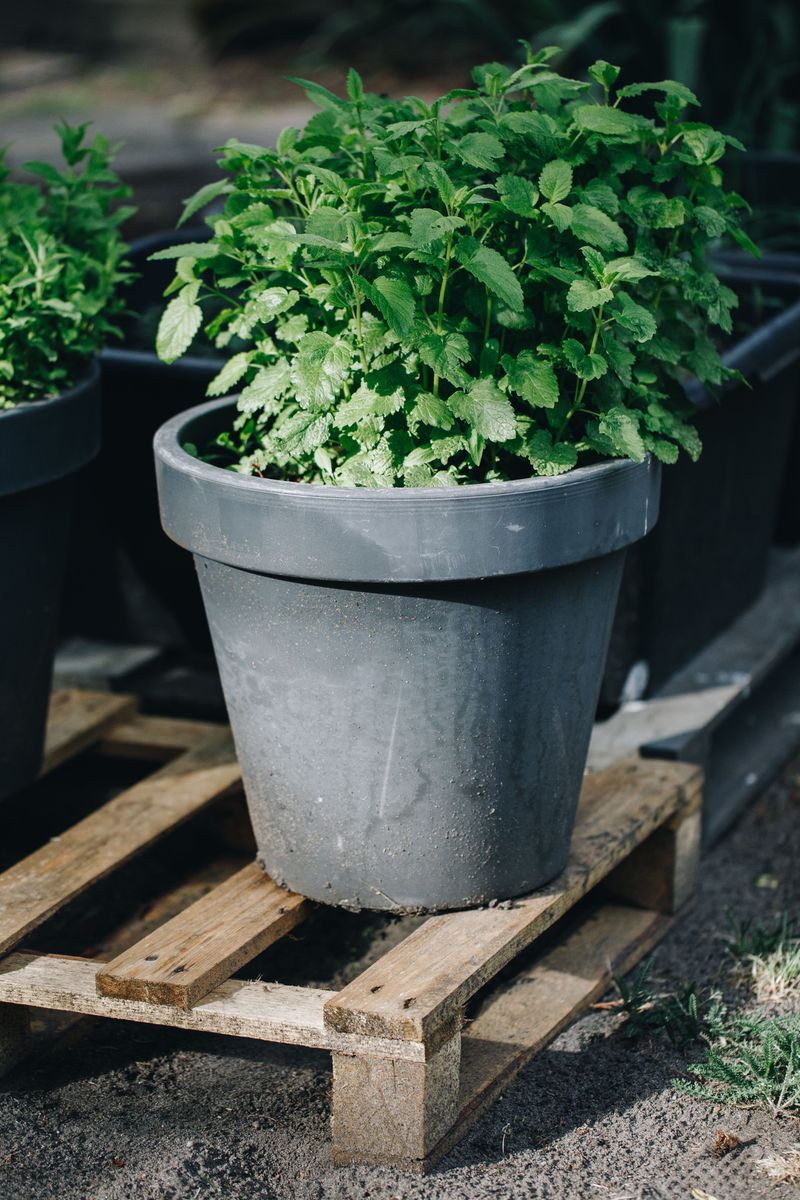
Container gardening opens up possibilities that in-ground planting simply cannot offer. You can move plants around, rearrange your space, and bring tender herbs indoors when the weather turns ugly.
Lemon balm thrives in containers, which makes it one of the most flexible plants you can add to a patio setup. A pot as small as twelve inches wide gives it enough room to grow lush and full.
One practical bonus of growing it in containers is controlling its spread. Left in the ground, lemon balm can spread widely across a bed. A pot keeps it politely contained.
Choose a container with good drainage holes and fill it with quality potting mix. Lemon balm does not like sitting in waterlogged soil, so drainage matters more than soil richness here.
You can cluster several pots together near your seating area to create a fragrant, layered herb garden. Mix lemon balm with lavender or mint for a sensory combination that is hard to beat.
During Washington winters, simply move the container to a sheltered spot, like a covered porch or garage. The plant goes semi-dormant and comes back strong when warmer days return.
Renters who cannot dig up a yard love this flexibility. A few well-chosen containers can transform a bare concrete balcony into a green, fragrant retreat.
Containers also make harvesting easier since the plant stays right at arm’s reach. Snipping fresh leaves for tea or cooking becomes a two-second task you will actually do regularly.
5. Makes Every Bite And Sip Taste Like Summer
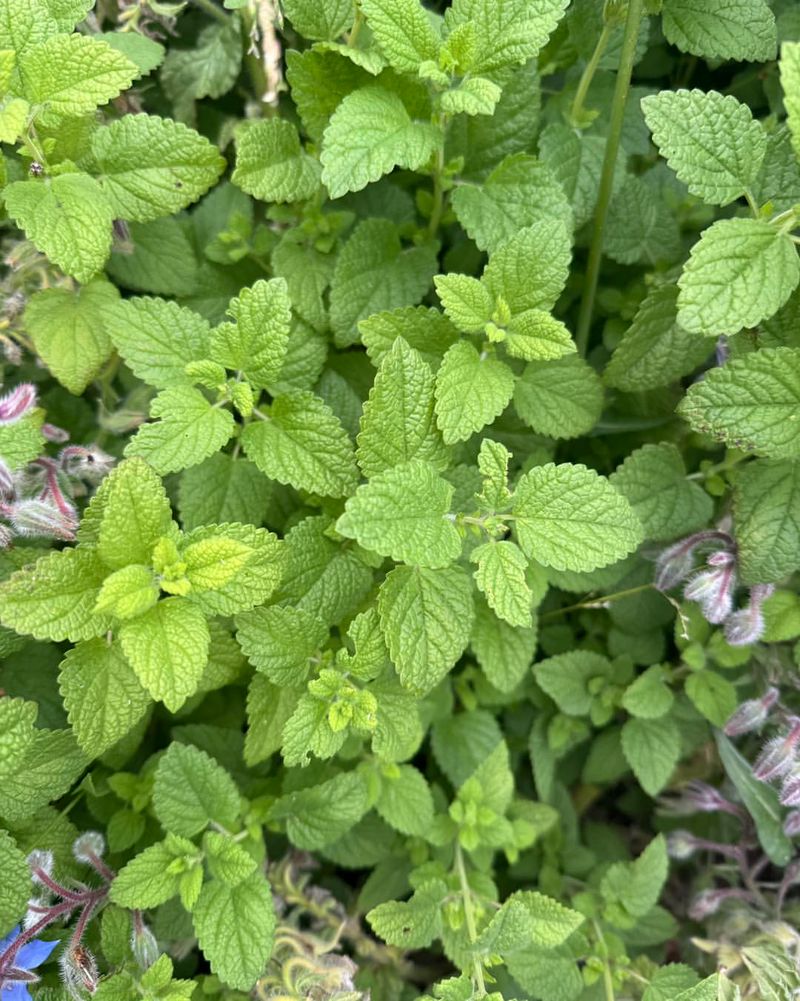
Step outside, pinch a few leaves, and drop them into hot water. Within minutes you have a cup of herbal tea with a clean, lemony flavor that tastes nothing like a tea bag from a grocery shelf.
Lemon balm tea has been enjoyed for centuries, partly for its taste and partly for the calming effect many people notice after drinking it. It is a simple pleasure that feels genuinely luxurious.
In salads, fresh leaves add a bright, citrusy note without the sharpness of actual lemon juice. Tear them over mixed greens, cucumber, or grain salads for a layer of flavor that surprises people.
Salad dressings benefit from the herb too. Blend a handful of leaves into a simple vinaigrette and the result is something that tastes far more complex than the short ingredient list suggests.
Fruit salads pair especially well with lemon balm. The herb amplifies the natural sweetness of strawberries, peaches, and melon in a way that feels both fresh and sophisticated.
Desserts are another territory worth exploring. Steep the leaves in cream before making ice cream or panna cotta, and you get a subtle citrus flavor that elevates the whole dish.
Having a culinary herb steps away from your kitchen means you actually use it. Convenience is the difference between a plant that inspires cooking and one that just sits there looking pretty.
Your patio can be both a relaxing retreat and a working kitchen garden. Lemon balm makes that dual purpose effortless and genuinely delicious.
6. Comes Back Most Seasons Without Replanting
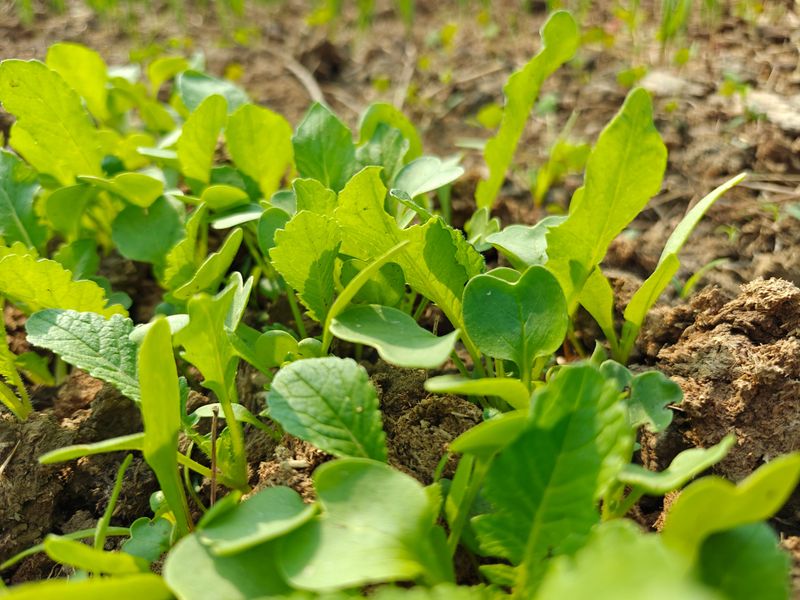
Perennial plants are the gift that keeps giving, and lemon balm is one of the most reliable perennials you can grow in a Pacific Northwest garden. Plant it once, and it tends to find its way back when the weather warms.
After the first hard frost, the above-ground foliage dies back and the plant looks like it is finished. But the roots are very much alive underground, quietly waiting for warmer days to return.
Come spring, new shoots push up through the soil with surprising speed. Within a few weeks, the plant fills back out into a full, lush mound of fragrant green leaves.
This cycle saves you both money and effort every single year. No searching for transplants, no starting seeds indoors, no wondering if it will survive. It simply comes back.
Over time, an established lemon balm plant actually gets bigger and more vigorous. The root system expands each season, producing a denser, more productive plant than the year before.
You can divide the plant every few years to keep it from spreading too far. Those divisions become new plants you can pot up, share with neighbors, or move to other spots in your yard.
There is something deeply satisfying about a plant that rewards patience. The longer lemon balm is in your garden, the more generous it becomes with its foliage and fragrance.
Low-effort, high-reward plants are the backbone of any great garden. Lemon balm earns permanent status on every Washington patio it calls home.
7. Adds Lush Greenery And Soft Texture To Patio Spaces
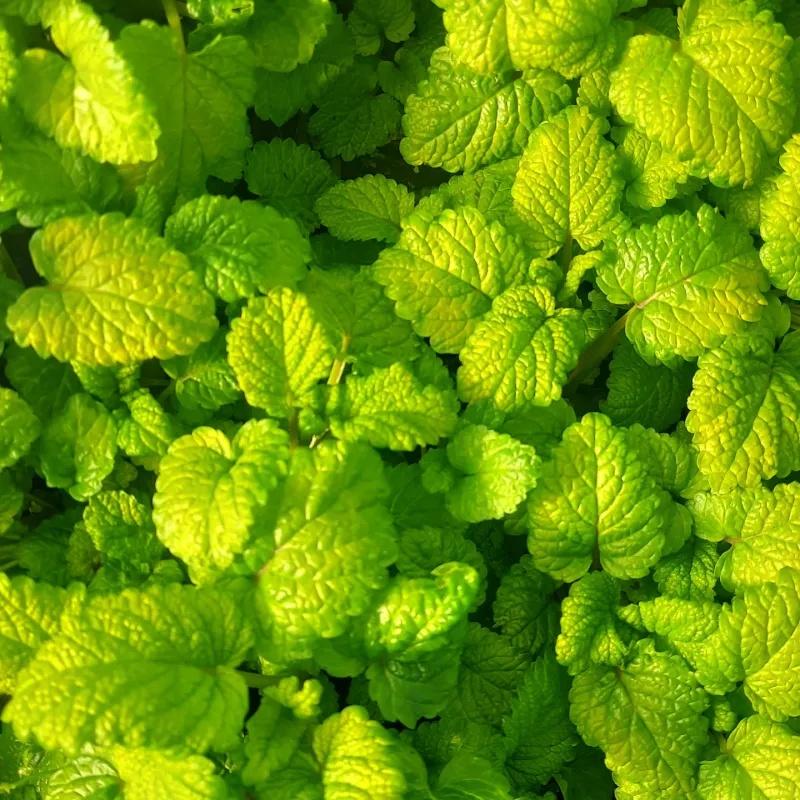
Not every plant earns its place through flavor or function alone. Sometimes a plant belongs in a space simply because it looks beautiful, and lemon balm delivers that visual appeal in abundance.
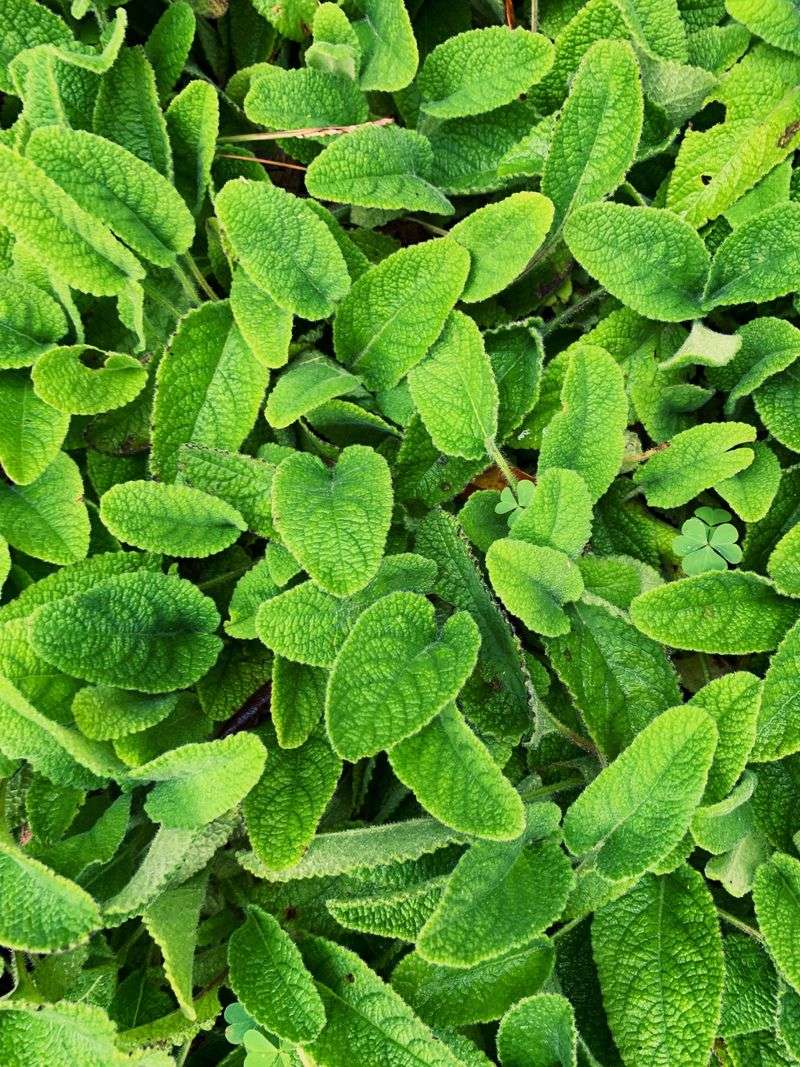
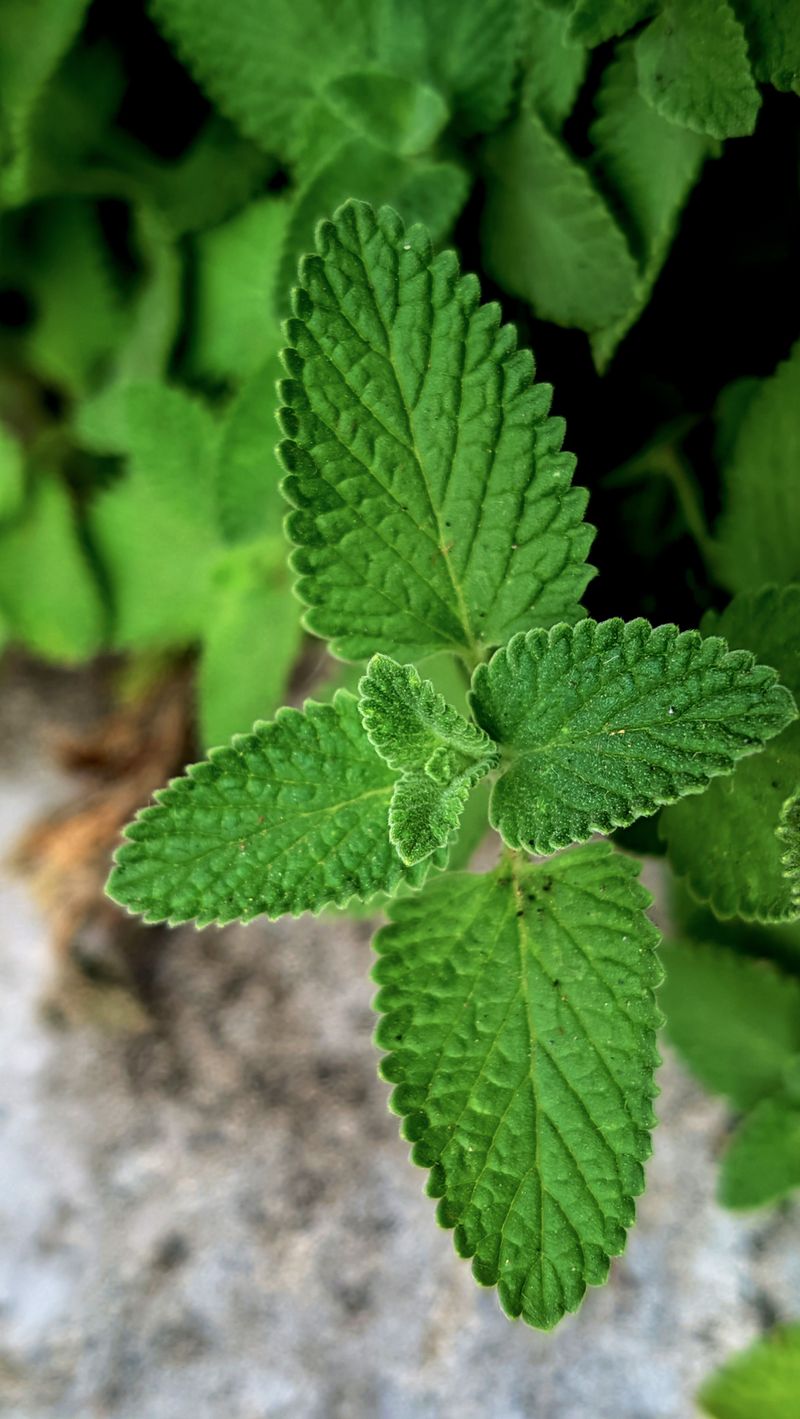
The leaves are a rich, bright green with a crinkled, almost quilted texture that catches light in interesting ways. Up close, they look like tiny works of art with their deeply veined surfaces.
That soft texture contrasts beautifully with harder patio materials like stone, concrete, or wood decking. The plant softens the overall look of an outdoor space in a way that feels natural and effortless.
Mass plantings of lemon balm create a lush, cottage-garden feel that is a look many gardeners are drawn to. A cluster of three or five plants together looks deliberately designed rather than accidental.
The plant grows in a rounded, mounding shape that fills containers and garden beds attractively. It does not flop or sprawl in an untidy way, which keeps your patio looking well-kept.
Pairing lemon balm with flowering plants adds depth to your planting scheme. The green foliage acts as a calm backdrop that makes colorful blooms pop even more dramatically.
Seasonal interest extends from spring through late autumn since the plant stays green and full for most of the year. You get months of visual impact from a single, affordable plant.
A beautiful patio invites you to spend more time outdoors. Lemon balm earns that invitation with foliage that genuinely improves every space it touches.
8. Crushed Leaves Help Deter Mosquitoes
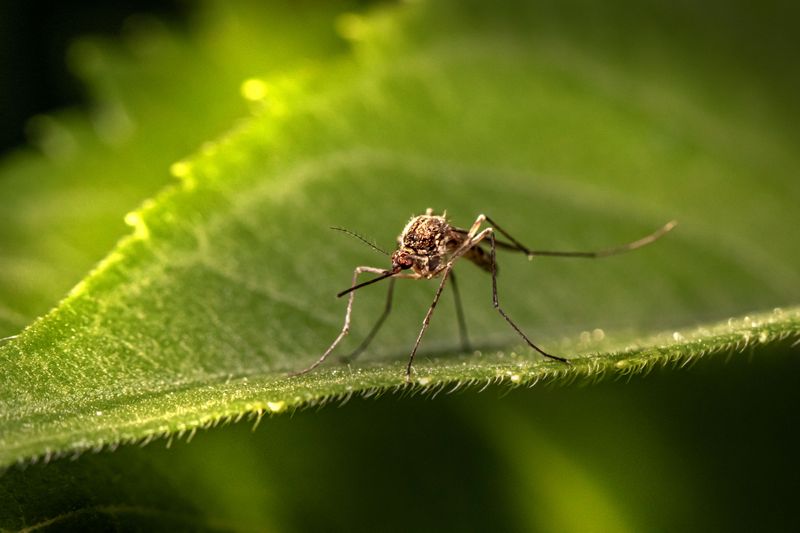
Nobody wants to share their patio with mosquitoes, especially during warm Washington evenings when the bugs are at their most active. Lemon balm offers a natural, pleasant-smelling alternative.
The secret is citronellal, a compound found in the plant’s essential oils that mosquitoes tend to avoid. Crushing the leaves releases this compound directly into the air around you.
Rubbing a few crushed leaves on your arms and legs before sitting outside is a quick, free alternative to commercial repellents. The scent is pleasant to humans, which is a significant bonus.
Placing pots of lemon balm near seating areas creates a passive barrier that discourages mosquitoes from hanging around. They prefer to avoid the scent entirely, steering clear of wherever it lingers.
Research suggests lemon balm essential oil may repel mosquitoes for short periods, though duration varies.
Combining lemon balm with other natural repellent plants like lavender or basil strengthens the effect. A thoughtfully arranged container garden can make your patio noticeably more comfortable on summer nights.
For families with young children, avoiding heavy chemical sprays whenever possible is a priority.
Lemon balm offers a gentler option that still provides a reasonable natural deterrent, particularly for short outdoor stays.
Sitting outside without swatting every few seconds changes the entire outdoor experience. Lemon balm helps make that peaceful evening on your patio a reality, not just a wish.