The Wisconsin Plants Repelling Fireflies And The Ones Bringing Them Back
When did your backyard stop feeling like magic after dark? You step outside on a warm Wisconsin night, barefoot in the grass, and wait.
No blinks, no soft gold pulse drifting across the yard. Just stillness where dozens of tiny lanterns used to float.
Something shifted, and your garden shifted with it. The plants you chose are either rolling out a welcome mat or quietly signaling fireflies to move on.
A few overlooked choices and the whole light show fades. You have more power here than you think.
The right plants draw fireflies in, while the wrong ones let them slip away season after season.
The difference between a dim yard and one full of living sparks comes down to what you decide to grow. Choose wisely, because your Wisconsin nights depend on it.
Burning Bush
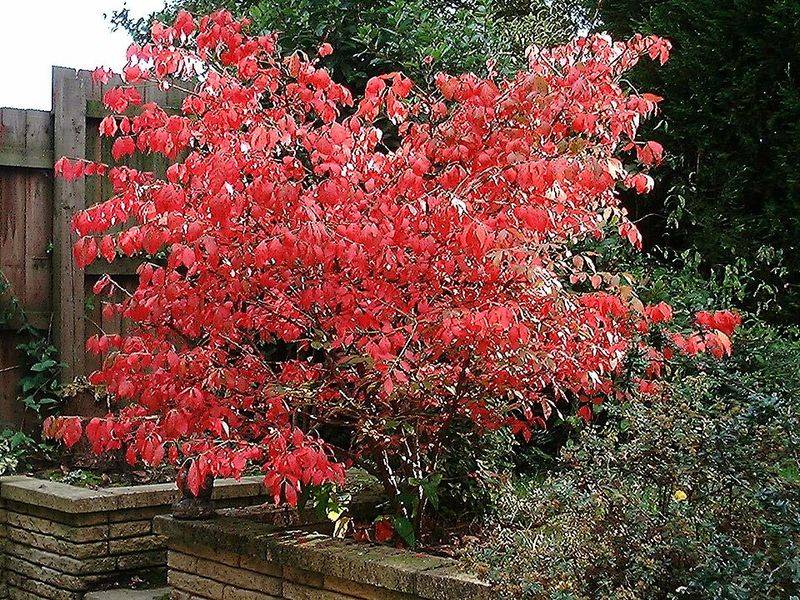
That fiery red shrub in your neighbor’s yard looks stunning in autumn. But burning bush is one of the most damaging plants for firefly habitat in your yard.
Burning bush is an invasive shrub originally from Asia. It crowds out native plants that fireflies depend on for food and shelter.
Fireflies need moist, leaf-littered ground to lay their eggs. Burning bush creates dense shade that dries out the soil and smothers ground cover.
The shrub also spreads aggressively through bird-dropped seeds. Once it takes hold, it can take over large sections of your yard within a few seasons.
Native ground beetles and soft-bodied insects are key food sources for firefly larvae. Burning bush disrupts the soil ecosystem those prey species need to survive.
Wisconsin has seen burning bush spread into natural areas, pushing out native understory plants. Those native plants once supported the insects that make up the firefly food web.
Removing burning bush from your yard is one of the most impactful things you can do. Replacing it with a native alternative sends a clear signal that your yard is open for firefly business.
Think of your garden as a tiny ecosystem with rules. Burning bush breaks almost every rule that fireflies need to feel at home in your outdoor space.
Common Buckthorn
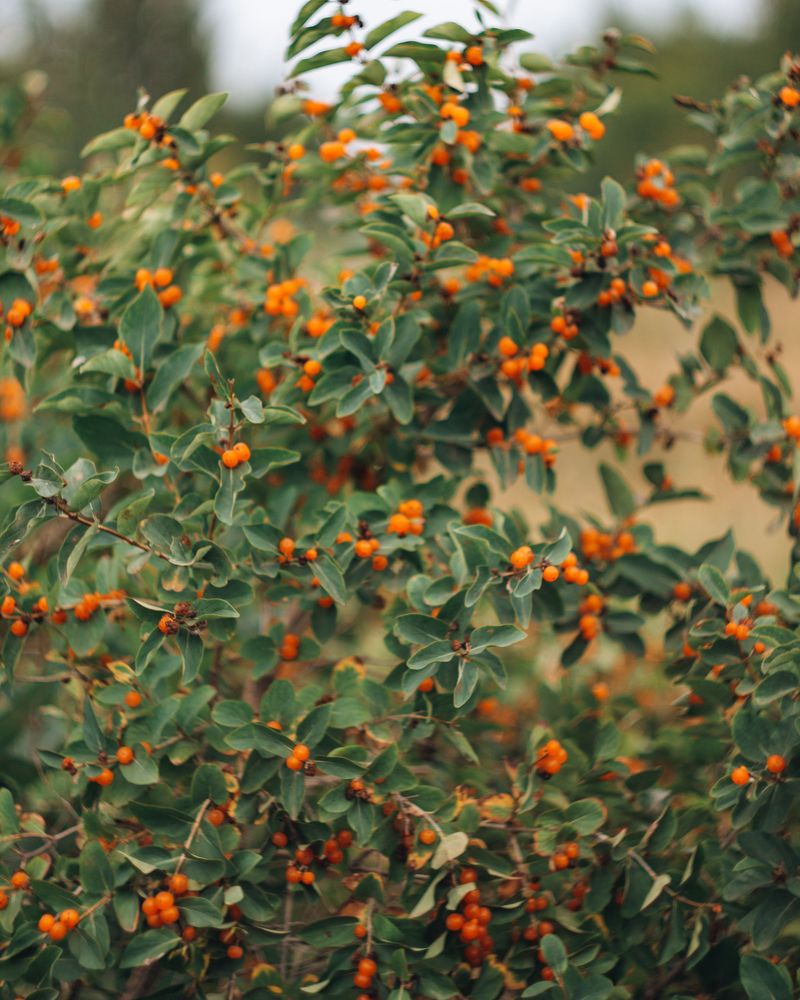
Common buckthorn is sneaky. It looks harmless at first, but this invasive shrub is one of the biggest threats to firefly habitat in the Midwest.
Buckthorn leafs out earlier than native plants in spring. It also holds its leaves later in fall, blocking sunlight from reaching the forest floor.
That extended shade prevents native wildflowers and ground cover from growing. Those low-lying plants are exactly what fireflies need for egg-laying and larval development.
The berries buckthorn produces act as a laxative for birds, spreading seeds rapidly across wide areas. A single plant can become a massive thicket within just a few years.
Buckthorn also contains a chemical called emodin. Some research suggests this compound may contribute to suppressing competing native vegetation, though findings across studies vary.
Firefly larvae live in the soil and feed on earthworms and small invertebrates. Buckthorn-dominated soil tends to be compacted and chemically altered, making it a poor nursery.
Your Wisconsin Garden Changes Every Week. Your Plan Should Too.
Gardening in Wisconsin changes quickly throughout the season. Every Friday you’ll receive a simple weekly plan showing exactly what to plant, prune, fertilize, harvest, and protect so you never miss the right timing.
Getting rid of buckthorn takes persistence because it resproutes aggressively after cutting. Consistent removal over multiple seasons is often needed before you see real results.
Once buckthorn is gone, native plants tend to bounce back surprisingly fast. And when native plants return, the firefly-friendly insects they support tend to follow closely behind.
Bush Honeysuckle
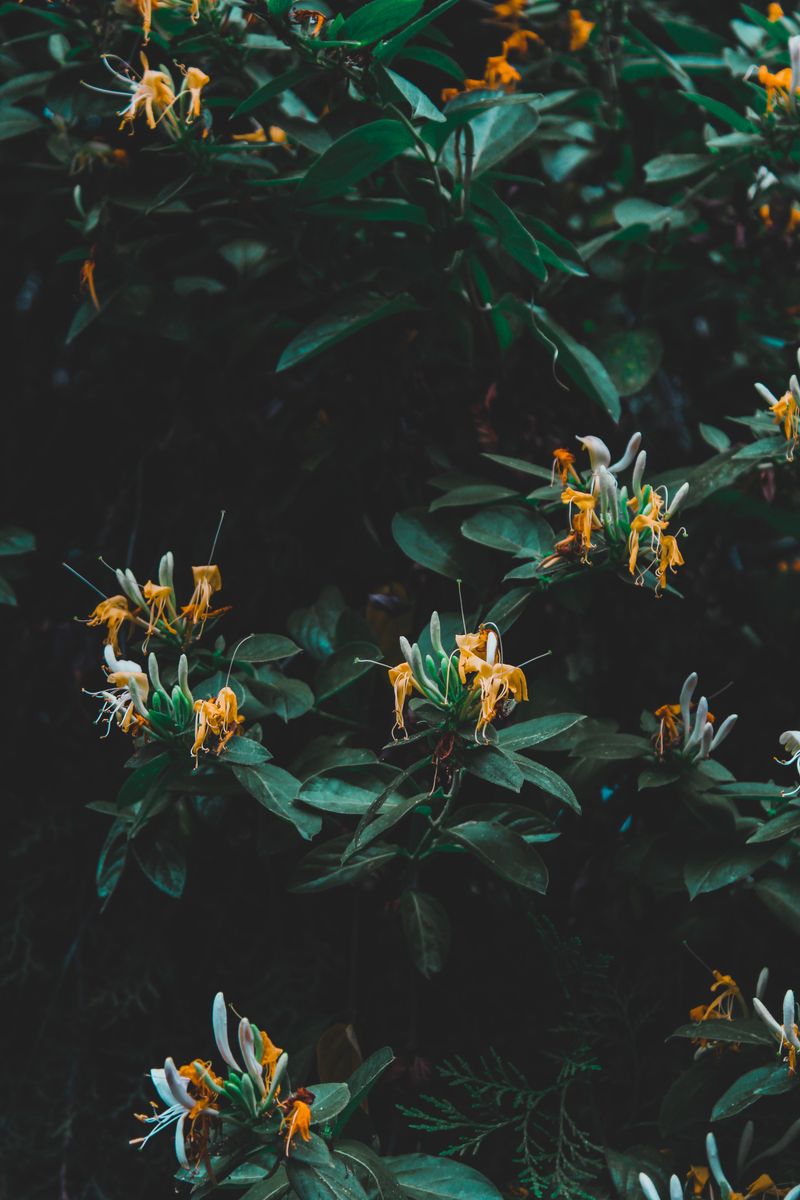
Bush honeysuckle smells incredible, and that is part of what makes it so deceptive. This invasive shrub lures gardeners with charm while steadily eroding firefly habitat.
Native to Asia, bush honeysuckle was once promoted as a landscaping plant. It escaped cultivation decades ago and now dominates forest edges across the Upper Midwest.
The shrub forms such dense thickets that almost nothing else can grow beneath it. That lack of native ground cover eliminates the moist, sheltered zones fireflies use for breeding.
Firefly larvae are ground dwellers. They need loose, organic-rich soil packed with leaf litter and small prey insects, none of which thrive under bush honeysuckle.
The plant also alters soil chemistry over time, reducing the diversity of native invertebrates. Fewer invertebrates means less food for firefly larvae trying to grow through their early stages.
Birds spread the berries widely, which is why bush honeysuckle keeps showing up in new spots every year. Once established, it takes serious effort to remove from a yard.
Cutting it back without treating the roots just makes it grow back thicker.
The cut-and-treat method is widely recommended. For best results, time your stump treatment to late summer through early fall, or wait for the dormant season.
Replacing bush honeysuckle with native shrubs like serviceberry or elderberry transforms your yard. Those swaps create real habitat where fireflies can actually complete their life cycle.
Japanese Barberry
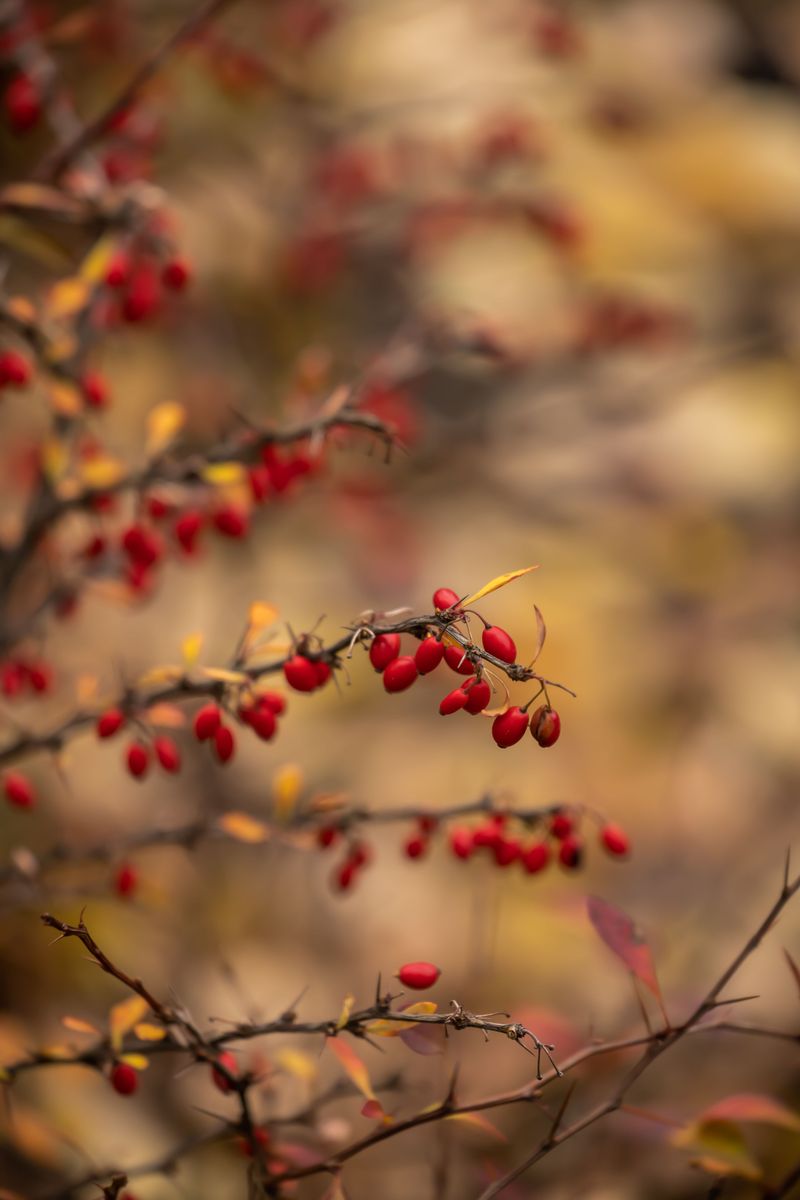
Japanese barberry is everywhere in Wisconsin nurseries, and that is worth a closer look. This spiny shrub might look tidy in a border bed, but it is a poor fit for a firefly-friendly yard.
The plant creates a microclimate beneath its branches that is warmer and more humid than surrounding areas. That sounds cozy, but it actually encourages tick populations, not firefly populations.
Barberry thickets crowd out native low-growing plants that firefly larvae depend on for cover. Without that native understory, the moist soil conditions fireflies need simply cannot develop.
The shrub also acidifies the soil in ways that native ground beetles and earthworms dislike. Since firefly larvae feed on both, a barberry-heavy yard becomes a food desert for them.
Japanese barberry spreads through bird-dispersed seeds and can establish in shaded woodland edges fast.
Once it moves into a natural area, it is very hard to push back out. Wisconsin lists Japanese barberry as a restricted invasive under NR40.
Not all varieties are regulated; the restriction targets specific parent types and named cultivars only. Its ecological damage, however, is well documented regardless.
Pulling it out by the roots while wearing thick gloves is the most effective removal method. The thorns are brutal, so long sleeves and eye protection are strongly recommended.
Swapping barberry for native alternatives like black chokeberry gives your yard structure without the ecological cost. Your fireflies will thank you with a better light show all summer long.
Black Chokeberry
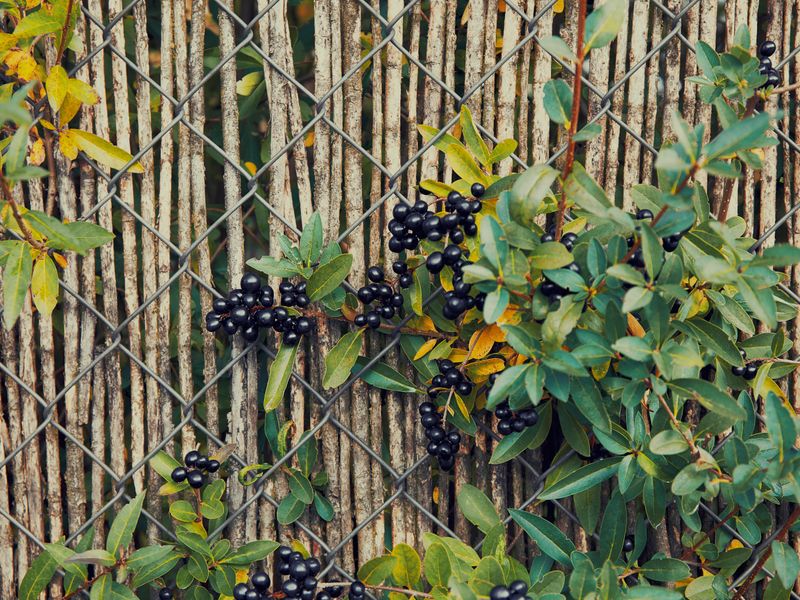
Black chokeberry does not get nearly enough credit. This native shrub is one of the best plants you can add to a Wisconsin yard to support firefly populations.
The plant thrives in moist, low-lying areas, which happen to be exactly where fireflies prefer to breed. Planting it near a rain garden or drainage swale is a smart move.
Black chokeberry provides dense, low canopy cover that keeps the ground beneath it cool and moist. That moist leaf litter is prime real estate for firefly egg-laying and larval development.
The shrub blooms in spring with clusters of small white flowers that attract native pollinators. Those pollinators support the broader insect food web that firefly larvae tap into underground.
By late summer, the plant is loaded with dark, glossy berries that birds absolutely love. A yard full of birds and berries tends to have a healthy, active soil ecosystem too.
Black chokeberry also turns a brilliant red in autumn, giving you serious fall color without any invasive drawbacks. Beauty and ecological function rarely come in the same package this neatly.
It grows well in both full sun and partial shade, making it flexible for most yard layouts. You can use it as a hedge, a border plant, or a naturalized thicket.
Adding black chokeberry to your landscape is one of the easiest ways to invite fireflies back. Think of it as rolling out a welcome mat that glows in the dark.
Serviceberry
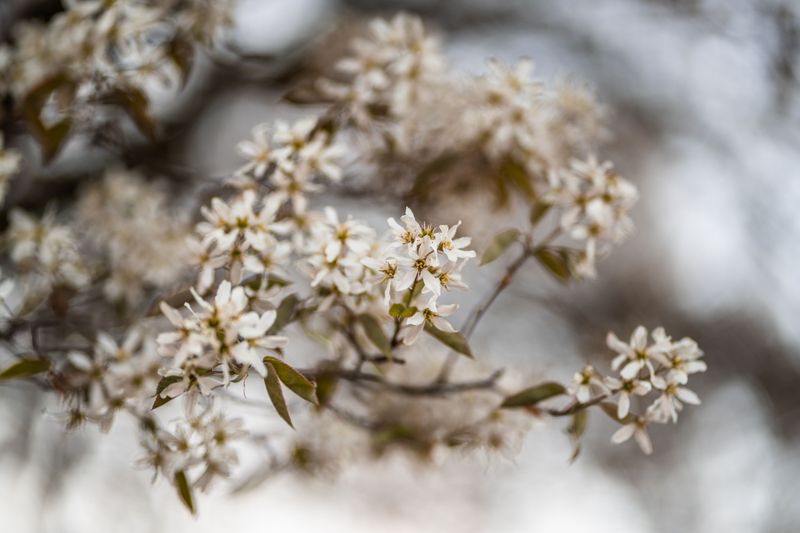
Serviceberry is one of those plants that earns its keep in every single season. Spring blooms, summer berries, fall color, and winter structure make it a complete package.
For fireflies, serviceberry offers something even more valuable than good looks. Its canopy creates dappled shade that keeps soil moist, which is exactly the ground condition firefly larvae need.
The shrub is native to Wisconsin and grows naturally along stream banks and woodland edges. Those are the same wet, shaded areas where firefly populations tend to be the strongest.
Serviceberry flowers are among the earliest to bloom each spring, feeding native bees and other insects before most plants wake up. That early insect activity helps build the food chain firefly larvae rely on.
The berries ripen in early summer and are edible for both birds and humans. A shrub that feeds wildlife and your family is about as useful as a plant can get.
Fireflies also use the leaf litter that falls beneath serviceberry as egg-laying habitat. Leaving that litter in place rather than raking it up makes a big difference for breeding success.
Serviceberry grows in a range of sizes, from compact multi-stem shrubs to small trees reaching 20 feet. That flexibility makes it easy to fit into almost any yard design or size.
Plant serviceberry near a water feature or low spot and watch your yard transform. The fireflies will find it, and so will every other beneficial creature in your neighborhood.
Elderberry
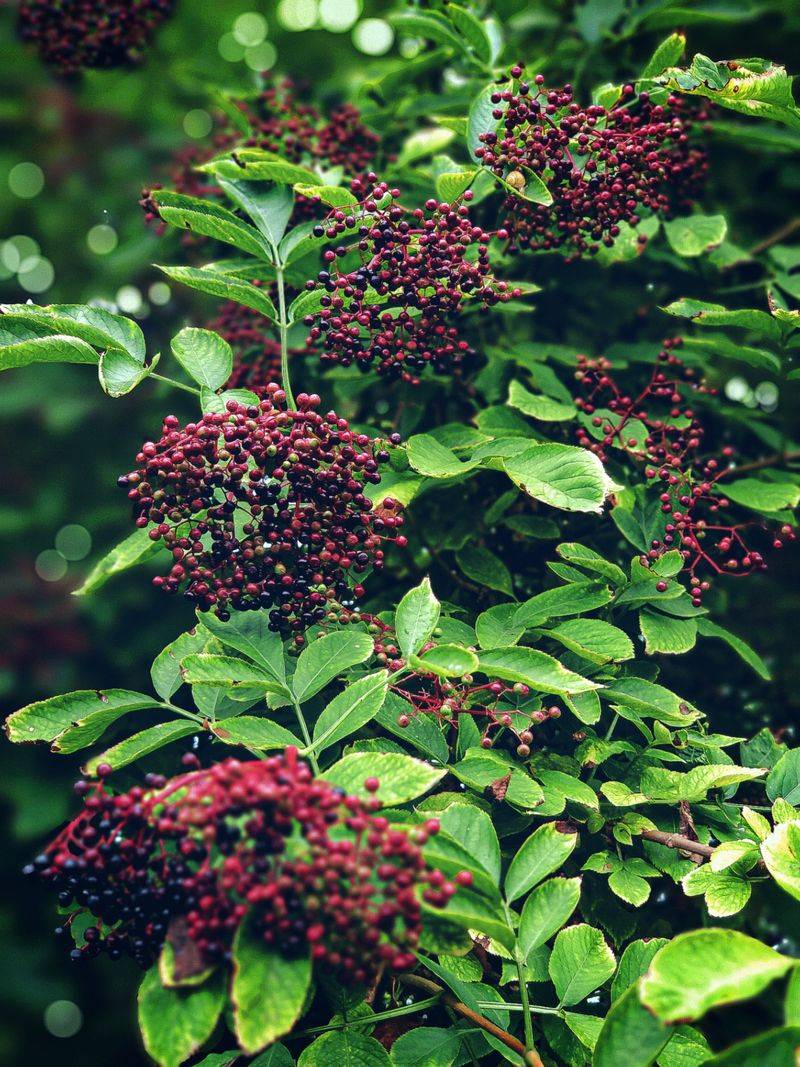
If you want fireflies back in your yard, elderberry might be your single best investment. This fast-growing native shrub checks nearly every box on the firefly habitat checklist.
Elderberry loves wet feet and thrives in low, moist areas that other shrubs avoid. Those soggy spots near downspouts or rain gardens are perfect planting locations for this species.
Fireflies lay their eggs in moist, organic soil beneath low vegetation. Elderberry creates exactly that kind of sheltered, damp ground environment around its base throughout the growing season.
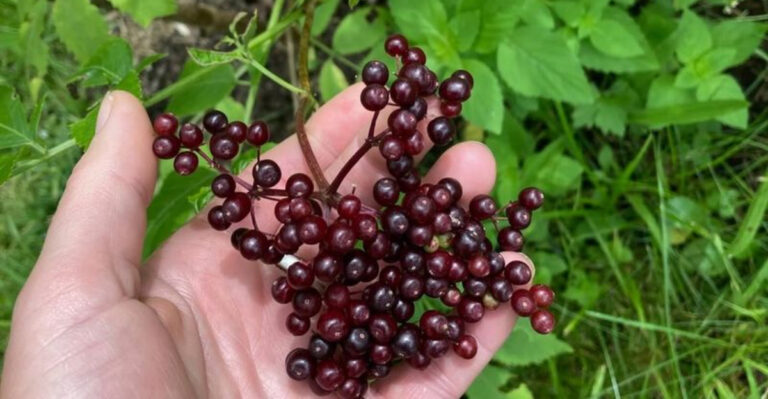
The large, flat-topped flower clusters bloom in early summer and attract an enormous variety of insects. More insect diversity at ground level means more food available for developing firefly larvae below.
By late summer, elderberry produces heavy clusters of dark purple berries. Birds flock to them, and that bird activity helps cycle nutrients back into the soil in helpful ways.
Elderberry also grows quickly, often reaching 8 to 10 feet in a single season under good conditions. That fast establishment means you do not have to wait years to see habitat benefits.
The plant spreads by root suckers, forming loose thickets over time if left unmanaged. Those thickets create the kind of layered, sheltered habitat that firefly populations historically called home.
Growing elderberry near the edge of your yard or along a fence line is a low-effort, high-reward strategy. Your backyard light show could be back in full force sooner than you think.
Common Ninebark
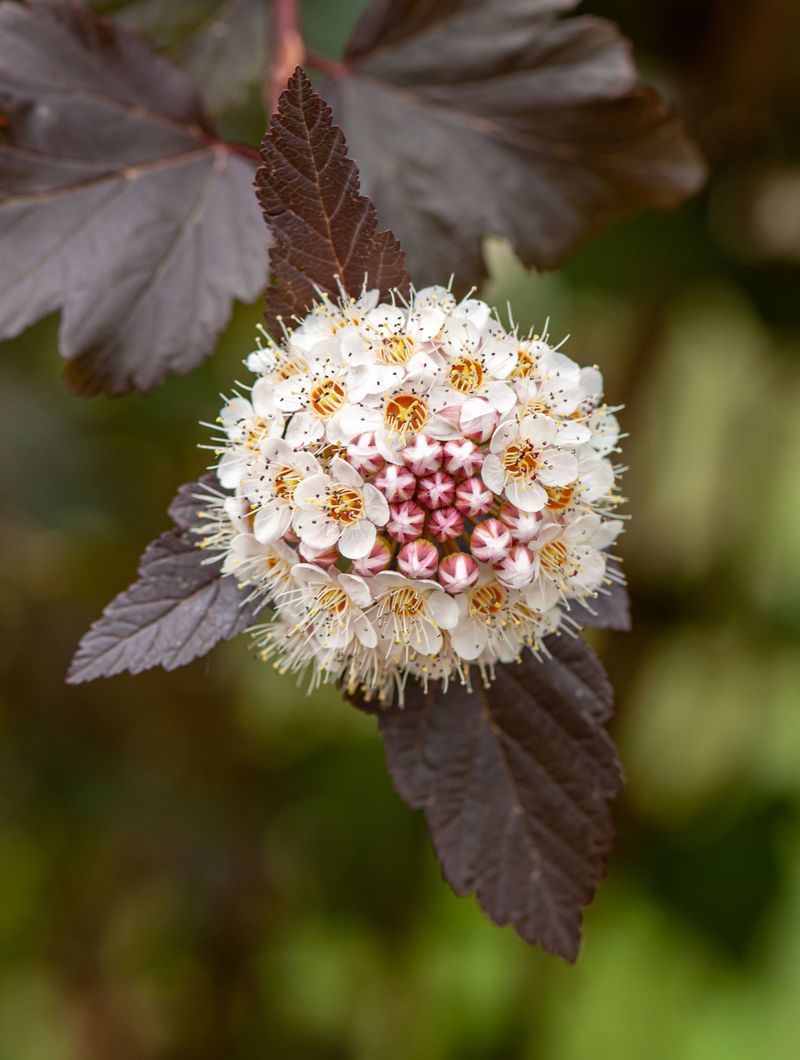
Common ninebark is one of Wisconsin’s most underrated native shrubs. Tough, beautiful, and deeply useful to fireflies, it deserves a spot in far more yards than it currently occupies.
The shrub gets its name from its distinctive peeling, layered bark that reveals multiple colors underneath. That textured bark also provides overwintering habitat for small insects that firefly larvae later feed on.
Ninebark thrives along stream banks and in moist woodland edges, which mirrors ideal firefly breeding zones. Planting it in a low or shaded corner of your yard mimics that natural setting well.
In late spring, ninebark covers itself in clusters of small white or pink flowers. Those blooms attract native bees, beetles, and flies that contribute to the insect diversity fireflies depend on.
The dense branching structure of ninebark creates sheltered microclimates at ground level. That shelter keeps soil temperatures stable and moisture levels high, both critical for firefly egg survival.
Ninebark is also extremely cold-hardy and drought-tolerant once established. For Wisconsin gardeners dealing with temperature swings, that resilience makes it a very practical landscaping choice year-round.
The plant works well as a hedge, a naturalized border, or a standalone specimen shrub. You can trim it to stay compact or let it grow freely into a sprawling, wildlife-friendly thicket.
Common ninebark is proof that supporting Wisconsin fireflies does not require sacrifice or compromise.
The right native plants can be gorgeous, practical, and genuinely good for the glowing creatures we all love.