Michigan Gardeners Can Be Fined On The Spot For Collecting These Native Plants From State Land
It seems like a harmless thing to do. You spot a beautiful native plant growing along a trail or in a state forest, and the idea of transplanting it to your own garden feels more like conservation than anything else.
In Michigan, however, collecting certain native plants from public land without the proper authorization is a violation that carries real financial penalties, and enforcement does happen.
The plants involved are not obscure species that only botanists would recognize. Several of them are popular, well-known natives that gardeners actively seek out for their yards.
Knowing which plants are protected and why the rules around them exist is important information for anyone who spends time in Michigan’s natural areas with a gardener’s eye.
1. Lady’s Slipper Orchids
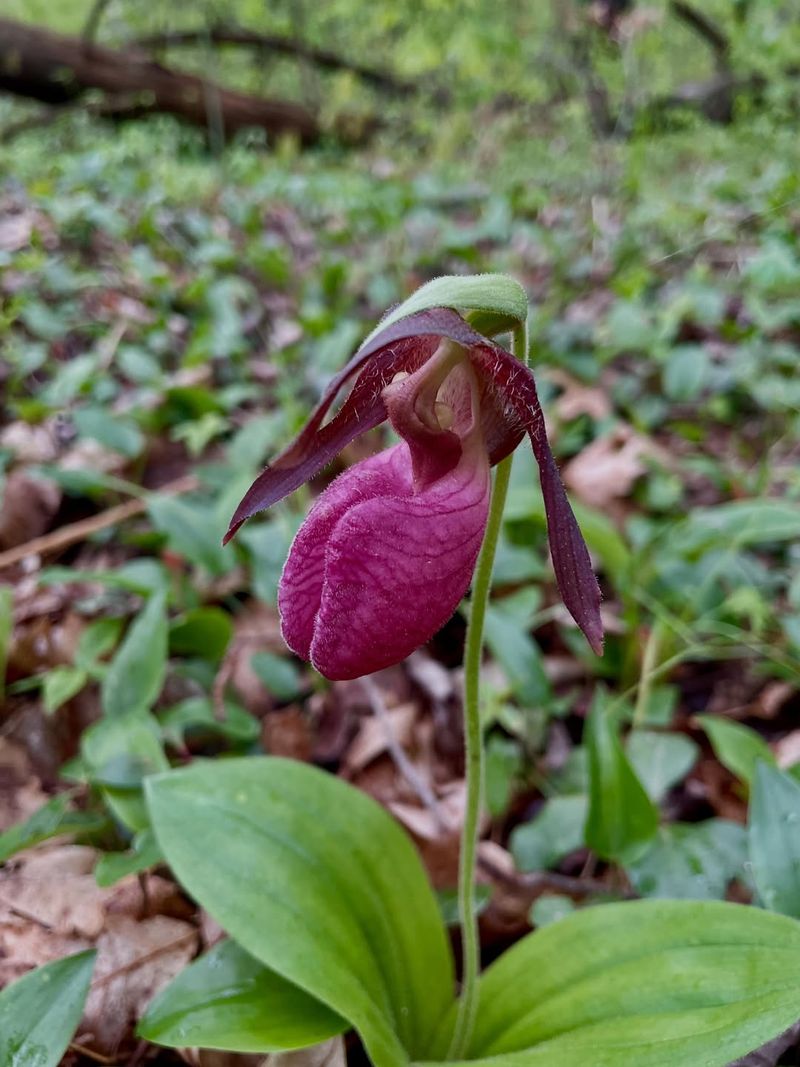
Few plants in Michigan stop hikers in their tracks quite like Lady’s Slipper Orchids. With their puffy, pouch-shaped blooms in shades of pink, yellow, and white, these wildflowers look almost too perfect to be real.
Spotting one in the wild feels like finding a hidden treasure tucked among the ferns and fallen leaves.
What makes Lady’s Slippers so special also makes them incredibly fragile. These orchids can take up to 16 years to bloom for the first time, relying on a specific soil fungus to survive.
Removing one from the ground almost always results in the plant not surviving the transplant, no matter how carefully it is done.
Michigan law protects Lady’s Slipper Orchids under state conservation regulations, and anyone caught collecting them from public or state land can face an on-the-spot fine.
Conservation officers actively patrol known orchid habitats during blooming season. The fines are meant to deter poaching, which has become a real problem in popular natural areas.
If you love these orchids and want them in your garden, reputable native plant nurseries do sell lab-propagated specimens. Buying ethically grown plants supports conservation efforts and gives you a much better chance of success.
Admiring wild Lady’s Slippers from a respectful distance is truly the best way to enjoy their magic.
2. Pitcher Plants
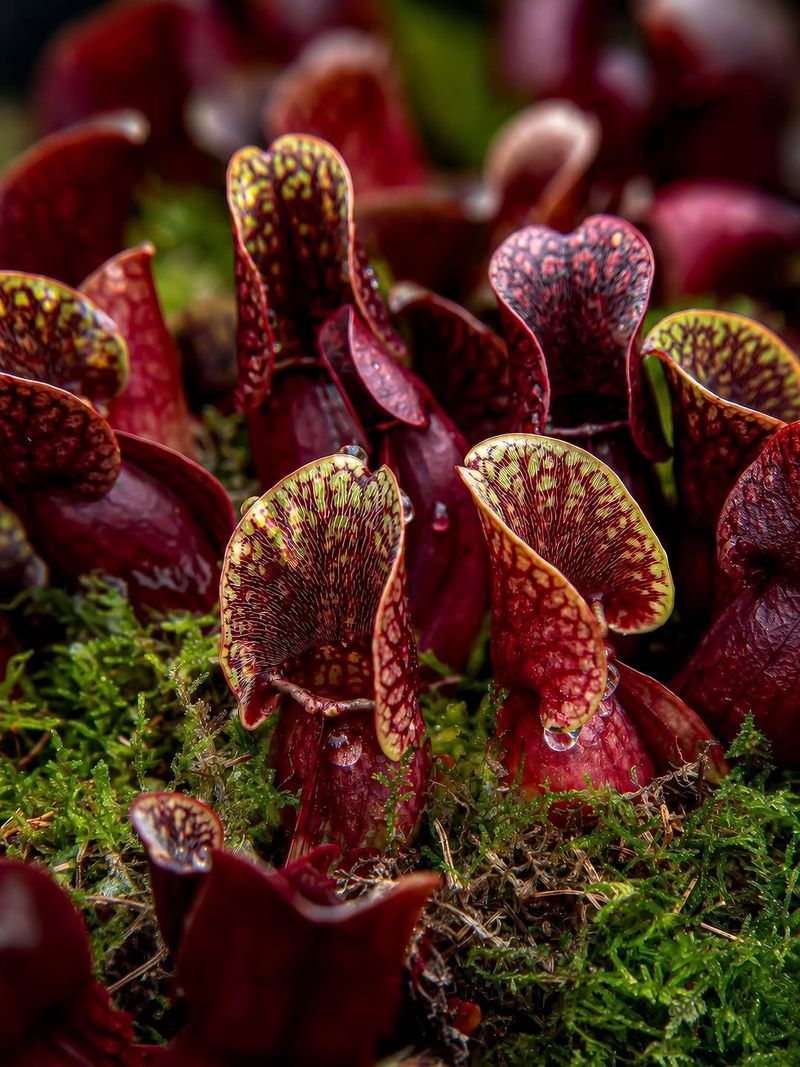
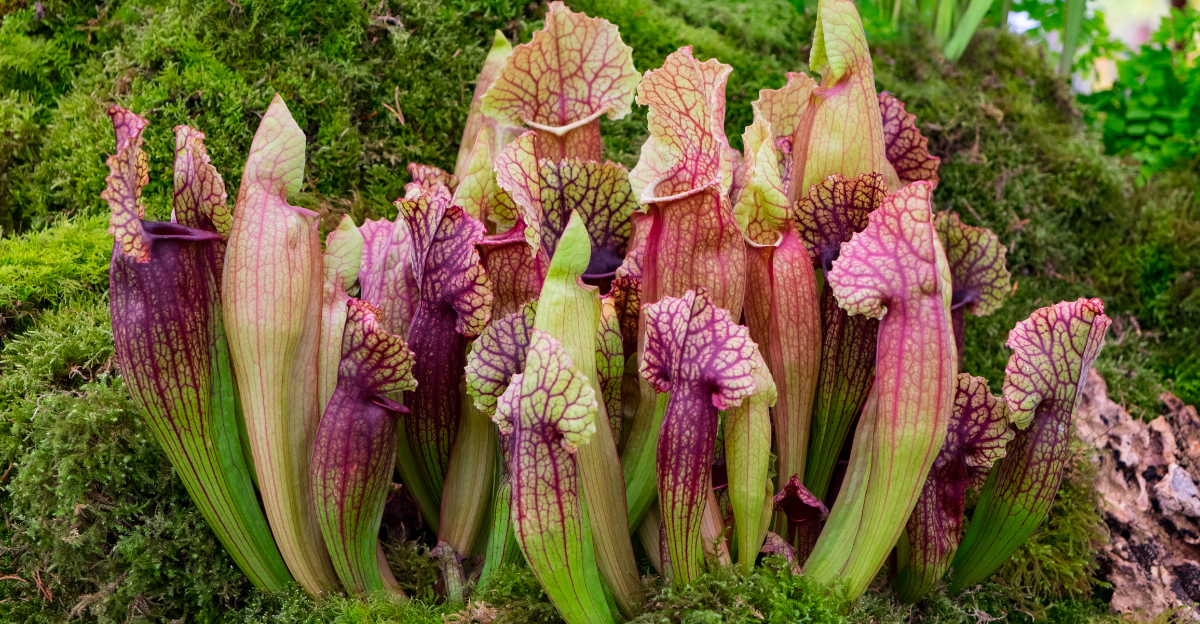
Pitcher Plants are one of nature’s most fascinating inventions. These carnivorous bog dwellers trap insects inside their tube-shaped leaves, using a combination of slippery walls and digestive fluid to break down their prey.
Growing in the nutrient-poor soils of Michigan’s wetlands, they have evolved a brilliantly clever way to feed themselves.
Sarracenia purpurea is the only native pitcher plant found wild in Michigan, and it is strictly tied to boggy, acidic wetland habitats. These environments are already under pressure from development and climate shifts, making every wild plant count.
Trampling through a bog to collect one plant can damage hundreds of others and disturb the delicate sphagnum moss layer that holds the entire ecosystem together.
Michigan prohibits the harvesting of Pitcher Plants from public and state lands, and violators can be fined immediately upon discovery.
Conservation officers take bog poaching seriously because these habitats are extremely slow to recover from disturbance.
Your Michigan Garden Changes Every Week. Your Plan Should Too.
Gardening in Michigan changes quickly throughout the season. Every Friday you’ll receive a simple weekly plan showing exactly what to plant, prune, fertilize, harvest, and protect so you never miss the right timing.
A single collecting trip by an enthusiastic but uninformed gardener can set back a bog community by years.
Pitcher Plants can be purchased from specialist carnivorous plant nurseries that grow them ethically. They thrive in containers with rainwater and peat moss, making them surprisingly manageable as a garden novelty.
Protecting their wild populations ensures future generations get to witness these remarkable plants doing what they do best, right in the heart of Michigan’s wild bogs.
3. Trilliums
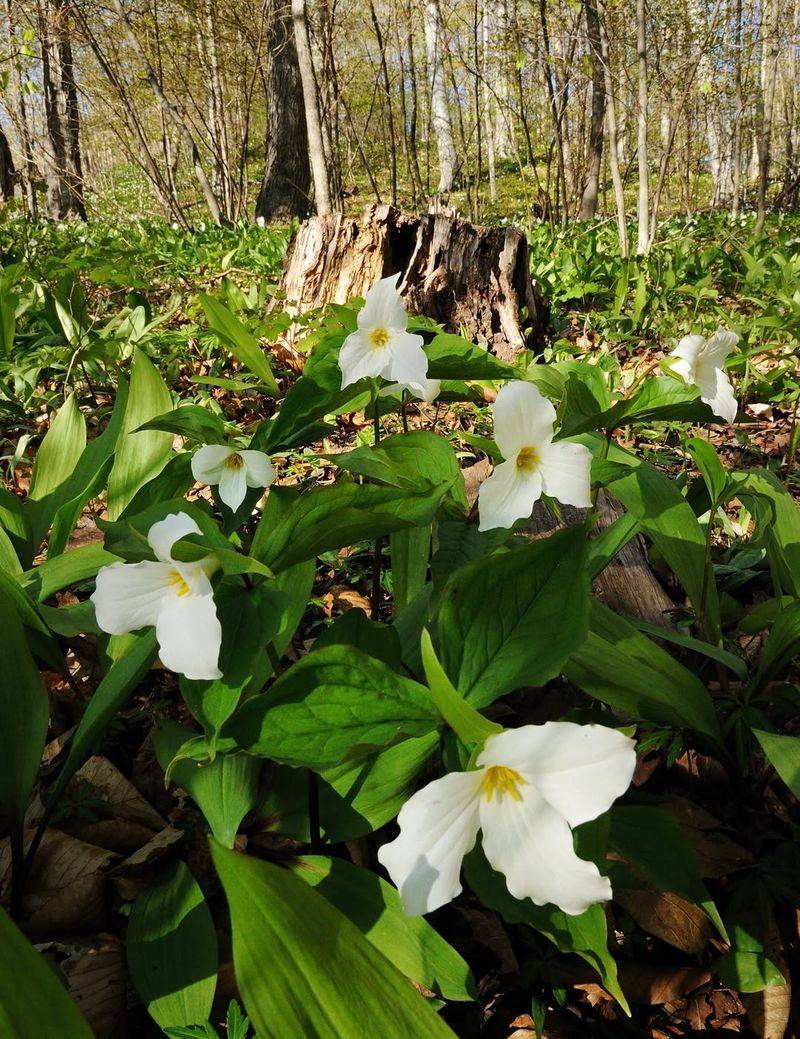
Every spring, Michigan’s woodlands put on one of the most beautiful shows in nature, and Trilliums are the stars of that performance.
Their three-petaled blooms in white, red, and pink carpet the forest floor in April and May, drawing nature lovers and photographers from across the state.
There is something deeply satisfying about walking through a stand of blooming Trilliums.
Here is the problem with digging them up: Trilliums are slow growers. A seed can take seven years or more to produce a flowering plant, and once a plant is uprooted, it rarely survives the move.
Even more damaging, removing plants before they set seed means fewer new plants will sprout the following years, gradually thinning out entire woodland populations.
Michigan classifies several Trillium species as protected plants, and collecting them from state land carries real financial consequences.
Fines can be issued on the spot by conservation officers who patrol popular woodland areas during peak bloom. The goal is to preserve wild colonies that have taken generations to establish naturally.
For gardeners who want Trilliums at home, nursery-grown plants are available from native plant specialists. They do best in shaded garden beds with rich, moist, well-drained soil similar to their woodland home.
Once established, they reward patient gardeners with reliable spring blooms year after year, without any harm to our precious wild forests.
4. Bloodroot
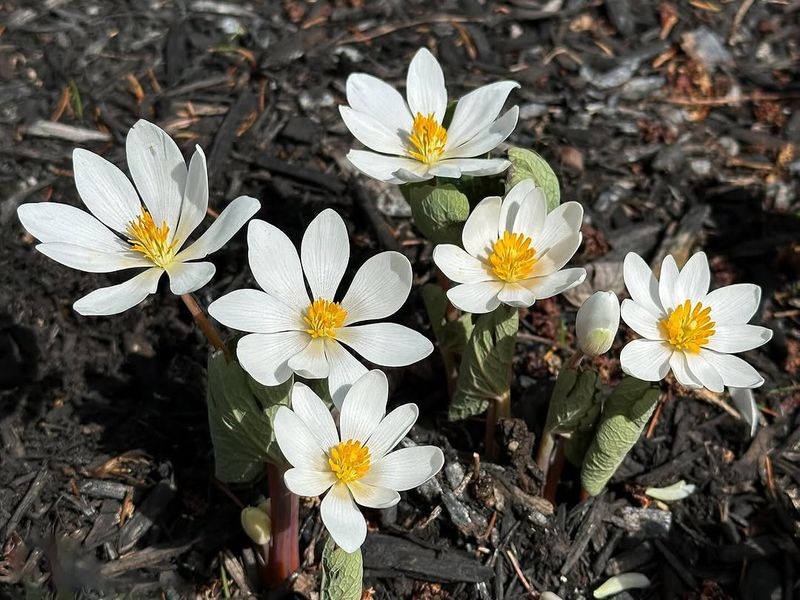
Bloodroot has one of the most dramatic entrances in the plant world. Each spring, a single white flower pushes up through the leaf litter, cradled by a curled green leaf like a tiny, precious gift.
The blooms last only a day or two before the petals fall, making each sighting feel fleeting and special. Gardeners who have seen it in the wild understand the temptation to bring it home.
The plant gets its name from the bright orange-red sap inside its roots and stems, which Native Americans used for dye and ceremonial purposes for centuries. Bloodroot spreads slowly through underground rhizomes, creeping outward just a few inches per year.
Digging it up from a wild colony disrupts not only the individual plant but the entire root network that connects the surrounding group.
Collecting Bloodroot from Michigan state land is illegal, and enforcement officers can issue fines without warning.
The law exists because wild populations are slow to recover from even minor disturbance, and habitat loss has already reduced many colonies. Protecting what remains is a priority for Michigan’s Department of Natural Resources.
Nursery-propagated Bloodroot is available from native plant growers and performs beautifully in shaded garden beds. It pairs wonderfully with ferns, Wild Ginger, and other woodland natives to create a natural-looking understory garden.
Plant it where it can spread undisturbed, and it will reward you with those fleeting white blooms every single spring.
5. Cardinal Flower
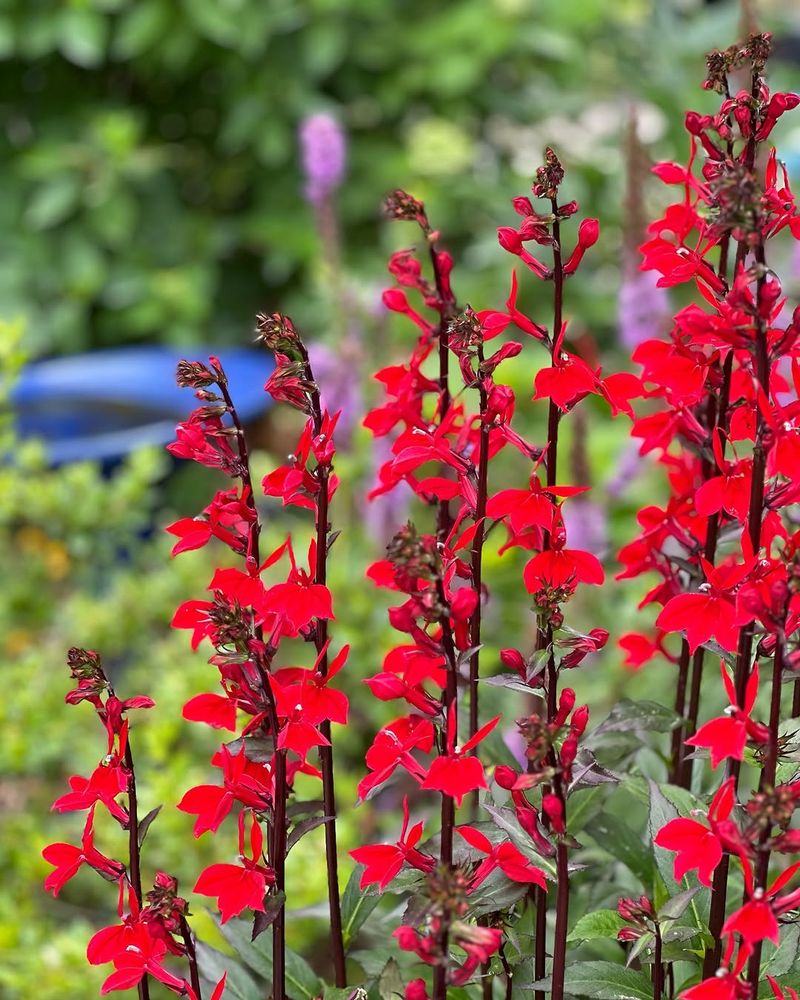
There is no missing a Cardinal Flower in bloom. Those towering spikes of blazing red flowers practically glow against the green of Michigan’s streambanks and wet meadows in midsummer.
Hummingbirds absolutely cannot resist them, and watching a ruby-throated hummingbird hover at a Cardinal Flower is one of the great summer pleasures in any garden or natural area.
Cardinal Flower is a short-lived perennial, meaning individual plants may only survive a few years before they need to reseed to maintain the colony.
When someone removes a plant from the wild before it sets seed, that colony loses a critical opportunity to regenerate.
Over time, repeated collecting can wipe out entire streambank populations that took years to establish naturally.
Michigan protects Cardinal Flower on state and public lands, and conservation officers can issue fines immediately to anyone caught removing plants.
The law targets not just large-scale poaching but casual collectors who may not realize the cumulative damage their actions cause.
One plant taken here and another taken there adds up quickly across popular natural areas.
The good news for gardeners is that Cardinal Flower is widely available at native plant nurseries and easy to grow at home. It thrives in moist, sunny to partly shaded spots near water features or rain gardens.
Plant it where hummingbirds can find it easily, and you will have one of the most rewarding and wildlife-friendly additions your garden has ever seen.
6. Blue Cohosh
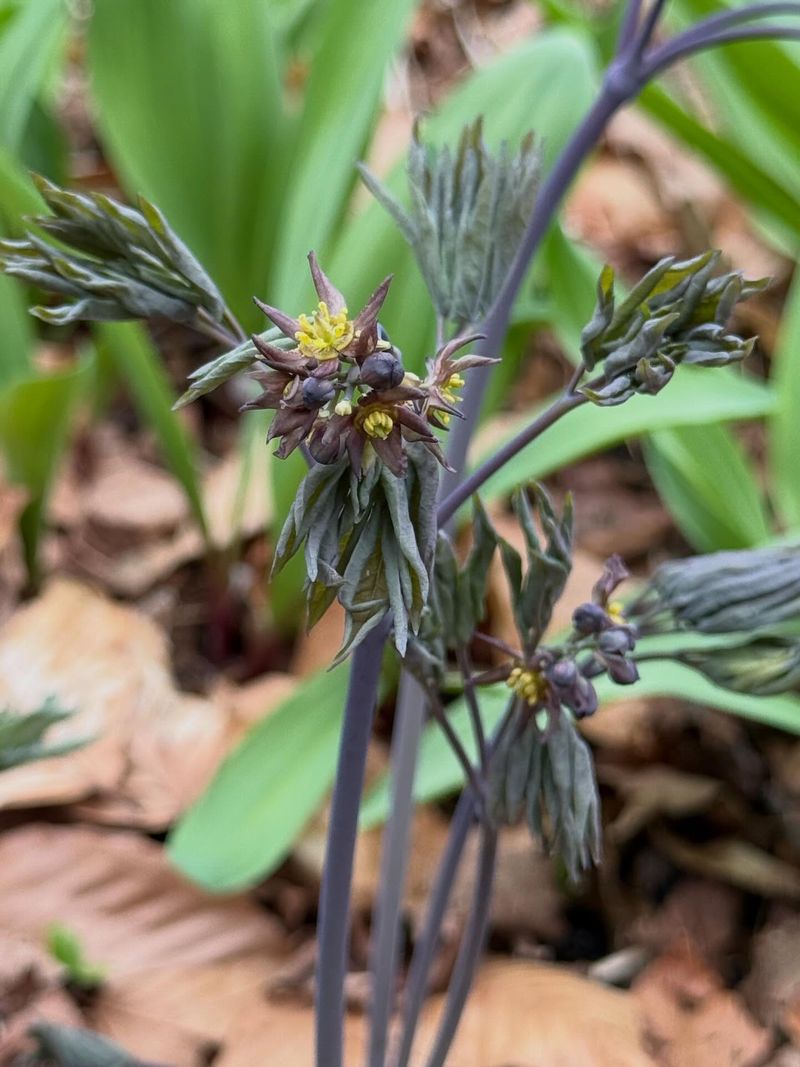
Blue Cohosh is one of those woodland plants that rewards the truly observant. Its blue-green, finely divided leaves blend seamlessly into the forest understory, and its small yellowish-green flowers are easy to overlook unless you are specifically looking for them.
By late summer, clusters of striking blue berries appear, giving the plant its common name and adding a pop of color to the shaded forest floor.
Historically, Blue Cohosh was widely used in Native American herbal traditions, which unfortunately made it a target for overharvesting long before modern conservation laws existed.
Wild populations in Michigan have declined significantly over the past century due to habitat loss and repeated collection for medicinal purposes.
What remains in protected areas represents a fraction of what once grew across the state’s hardwood forests.
Michigan law prohibits collecting Blue Cohosh from state lands, and fines can be issued on the spot to anyone caught digging up plants or harvesting roots.
The root system is particularly slow to regenerate, meaning even partial harvesting can permanently damage a plant that took decades to mature.
Conservation officers monitor known populations in protected woodland areas.
Gardeners interested in Blue Cohosh can source ethically propagated plants from native plant nurseries. It grows best in deep shade with rich, moist soil, making it ideal for challenging shady corners of a woodland garden.
Given time and the right conditions, it becomes a quietly beautiful and ecologically valuable addition to any native plant landscape.
7. Wild Ginger
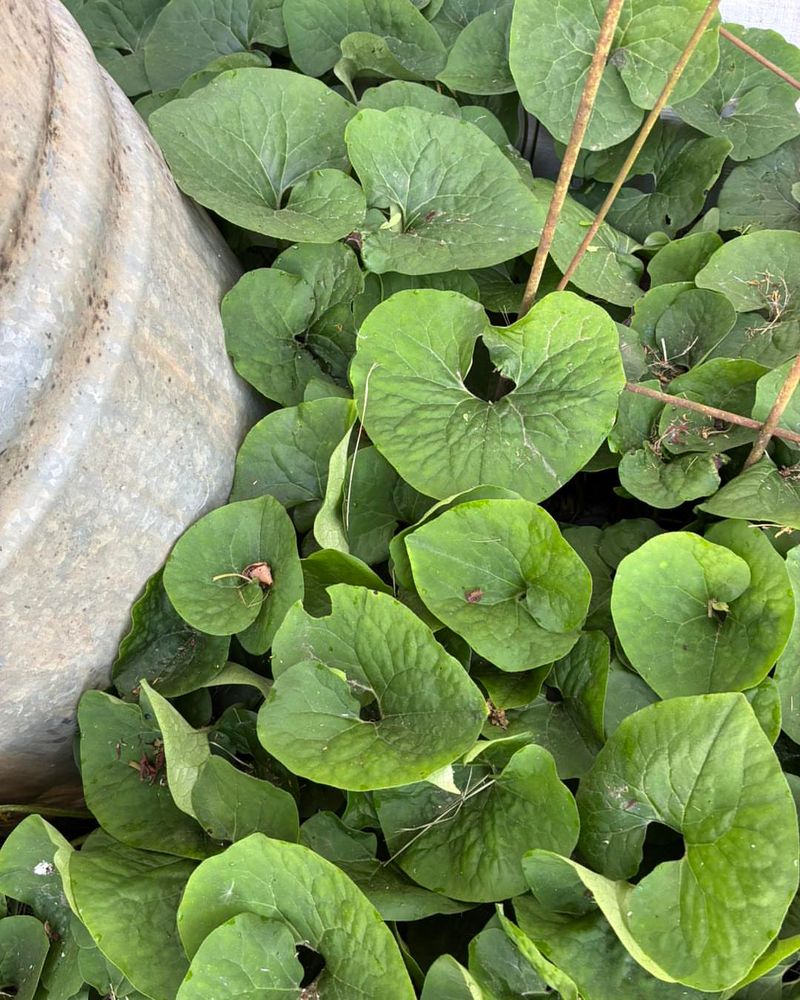
Wild Ginger is the unsung hero of the Michigan forest floor. Its broad, heart-shaped leaves form a dense, velvety carpet under the shade of hardwood trees, crowding out weeds and protecting soil moisture all summer long.
Most people walk right over it without knowing it is there, but gardeners who discover it quickly understand why it is so beloved in native landscaping.
Despite its name, Wild Ginger is not related to the culinary ginger you find at the grocery store, though its roots do carry a faint gingery scent.
It spreads slowly through underground rhizomes, expanding its territory just a few inches each year.
Because of this slow pace, wild colonies represent years or even decades of steady, undisturbed growth, and removing even a small patch sets the whole community back significantly.
Michigan prohibits collecting Wild Ginger from state and public lands, with fines issued on the spot for violations.
The plant plays an important ecological role as a ground cover in forest understories, protecting soil from erosion and providing habitat for small insects and invertebrates.
Conservation officers treat its protection seriously as part of broader woodland ecosystem management.
Wild Ginger is widely available from native plant nurseries and is one of the easiest native plants to establish in a home garden. It thrives under deciduous trees in moist, shaded conditions, spreading steadily once settled in.
For a low-maintenance, deer-resistant ground cover that looks naturally beautiful all season, few native plants can compete with it.
8. Swamp Milkweed
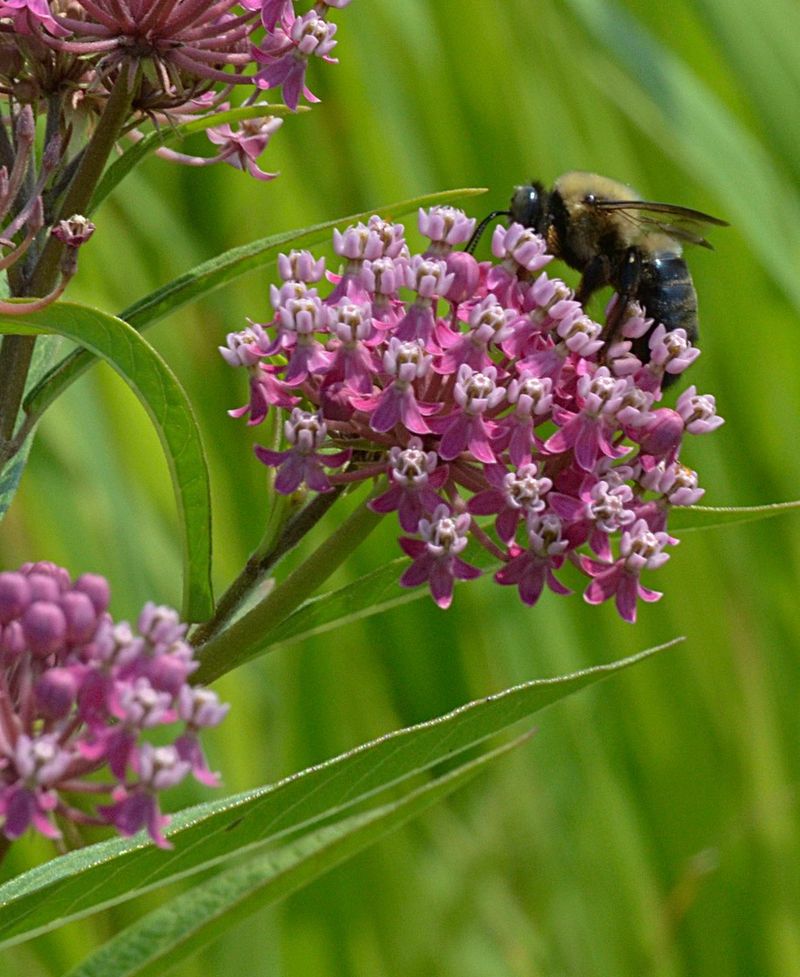
Swamp Milkweed is basically a monarch butterfly magnet.
Those clusters of bright pink flowers rising above Michigan’s wetland edges attract not just monarchs but a whole parade of native bees, skippers, and other pollinators that depend on late-season nectar sources.
Few native plants deliver as much ecological value per square foot as this one, which is exactly why protecting it matters so much.
Unlike common milkweed, Swamp Milkweed is specifically adapted to wet, poorly drained soils along stream edges, pond margins, and roadside ditches.
It forms multi-stemmed clumps that grow larger each year, and each plant can support multiple generations of monarch caterpillars throughout the summer.
Removing plants from wild wetland communities disrupts not just the plant itself but the entire web of insects and animals that depend on it.
Michigan prohibits harvesting Swamp Milkweed from state lands, and conservation officers can issue fines immediately to violators.
The law reflects growing concern about monarch butterfly population declines and the importance of protecting every native milkweed plant in the landscape.
Wetland habitats are already among the most threatened ecosystems in the state, and removing plants only accelerates their decline.
Swamp Milkweed is easy to find at native plant nurseries and garden centers, and it performs beautifully in rain gardens, pond edges, and moist garden beds. Plant it in a sunny spot with consistent moisture, and monarchs will find it within days.
Supporting wild populations by buying nursery-grown plants is one of the simplest things a gardener can do for local wildlife.
9. Showy Orchids
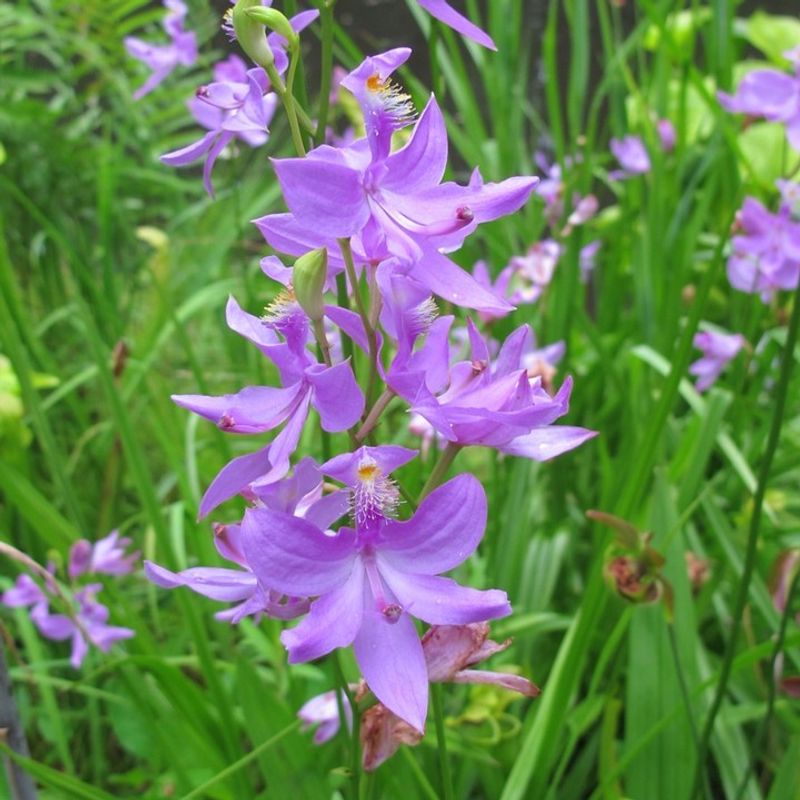
Michigan is home to several spectacular native orchid species beyond Lady’s Slippers, and the Showy Orchids of the Arethusa and Calopogon genera are among the most breathtaking.
Arethusa bulbosa, known as the Dragon’s Mouth Orchid, produces a single vivid pink bloom that seems almost too exotic for a Michigan bog.
Calopogon tuberosus, the Grass Pink Orchid, stands out with its delicate magenta flowers dancing above sedge meadows in early summer.
Both genera are highly specialized in their habitat requirements. They rely on specific mycorrhizal fungi in the soil to germinate and grow, which means transplanting them almost never works.
Even if a plant survives being dug up, it will struggle without the exact fungal partners it needs, making wild collection essentially pointless from a gardening perspective as well as harmful to the ecosystem.
State authorities treat the collection of these orchids as a serious offense, issuing on-the-spot fines to anyone caught removing plants from public or state land.
Conservation patrols increase during peak blooming periods when these orchids are most visible and most vulnerable to poaching.
Their populations are small, fragmented, and extremely sensitive to any habitat disturbance.
The best way to appreciate these stunning orchids is to visit Michigan’s designated natural areas and state parks where they grow wild.
Organizations like the Michigan Native Plant Producers Association can point you toward ethical sources if you are determined to grow native orchids at home.
Protecting these rare gems in the wild ensures they continue to inspire wonder for generations to come.