The Fertilizing Mistake That Can Make Arizona Lawn Problems Worse In June
Getting a lawn through June can feel like a balancing act. One day the grass looks healthy and full of color, and a few days later something seems off.
Areas that looked fine before may start showing signs of stress, leaving people wondering what changed in such a short amount of time. When that happens, the urge to step in and fix the problem right away is hard to ignore.
A lot of lawn care decisions are made with good intentions. Most people simply want greener grass, stronger growth, and a yard that looks its best during the summer.
The challenge is that some common lawn care habits do not always work the way people expect once temperatures start climbing.
June brings a different set of conditions in Arizona. A fertilizing mistake that seems minor at first can end up making existing lawn problems much harder to manage through the weeks ahead.
1. Applying Too Much Fertilizer Can Stress Summer Lawns
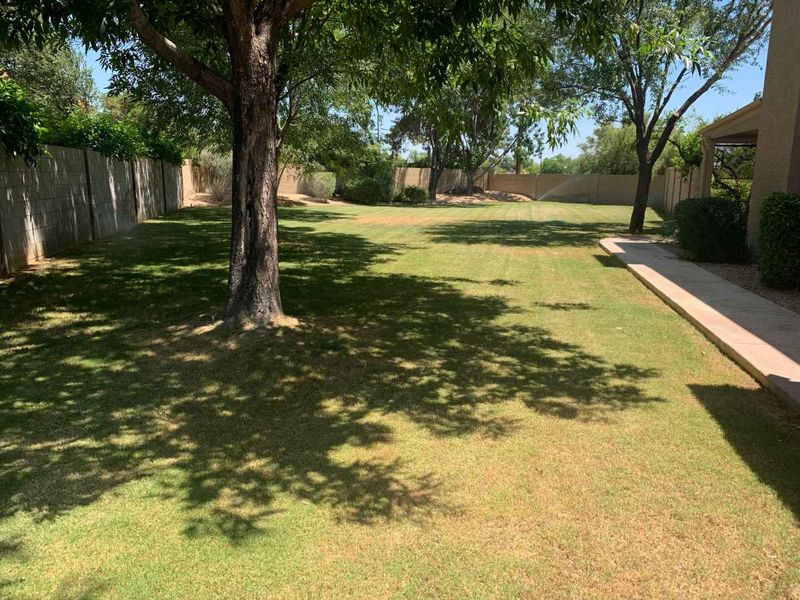
Too much of a good thing can go sideways fast, especially when temperatures are already brutal. Fertilizer contains salts.
When you apply too much, those salts pull moisture away from grass roots. Your lawn ends up more dehydrated, not better fed.
Bermuda and other warm-season grasses common in the Phoenix and Tucson areas can tolerate summer heat, but they have limits. Adding excess fertilizer during peak heat months raises the soil temperature even further.
Roots sitting in hot, salt-heavy soil struggle to absorb water properly.
Fertilizer burn shows up as streaky yellow or tan patches. People often mistake it for drought stress or disease.
Watering more does not fix the problem once the damage is done.
A soil test before applying anything is always worth doing. It tells you what your lawn actually needs instead of what you guess it needs.
Guessing in June often leads to expensive repairs.
If your lawn looked healthy heading into summer, hold off on feeding it. Grass that is actively growing does not need an aggressive push.
Less fertilizer in extreme heat is almost always the smarter call.
2. Avoid Heavy Nitrogen Applications During Extreme Heat
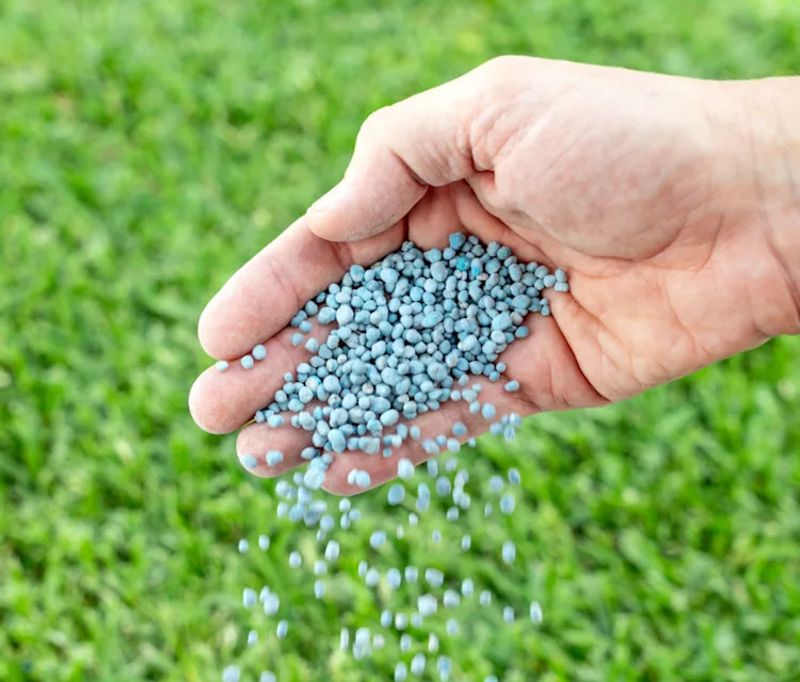
Nitrogen is the ingredient that makes grass green and push new growth. Sounds great, right?
Not when daytime highs are flirting with 112 degrees. Heavy nitrogen applications during extreme heat force your grass to grow fast when it should be conserving energy.
Rapid growth demands more water and more nutrients. In summer, that demand often outpaces what roots can actually deliver.
Grass blades grow but roots weaken. A weakened root system is far more vulnerable to heat damage.
Slow-release nitrogen products are a safer option if you feel feeding is necessary. They release nutrients gradually over several weeks instead of flooding the soil all at once.
That slower pace reduces the risk of burning or shocking the lawn.
Even with slow-release products, timing matters. Early morning applications on a cooler day are better than midday applications during a heat wave.
Soil that is already scorching hot reacts more aggressively to added nitrogen.
Your Arizona Garden Changes Every Week. Your Plan Should Too.
Gardening in Arizona changes quickly throughout the season. Every Friday you’ll receive a simple weekly plan showing exactly what to plant, prune, fertilize, harvest, and protect so you never miss the right timing.
Lawns in the Valley of the Sun need a different approach than lawns in cooler climates. What works in spring does not always translate to June.
Adjusting your fertilizer strategy based on current temperatures is a practical habit that protects your investment all summer long.
3. Skip Extra Feedings When Grass Is Already Growing Well
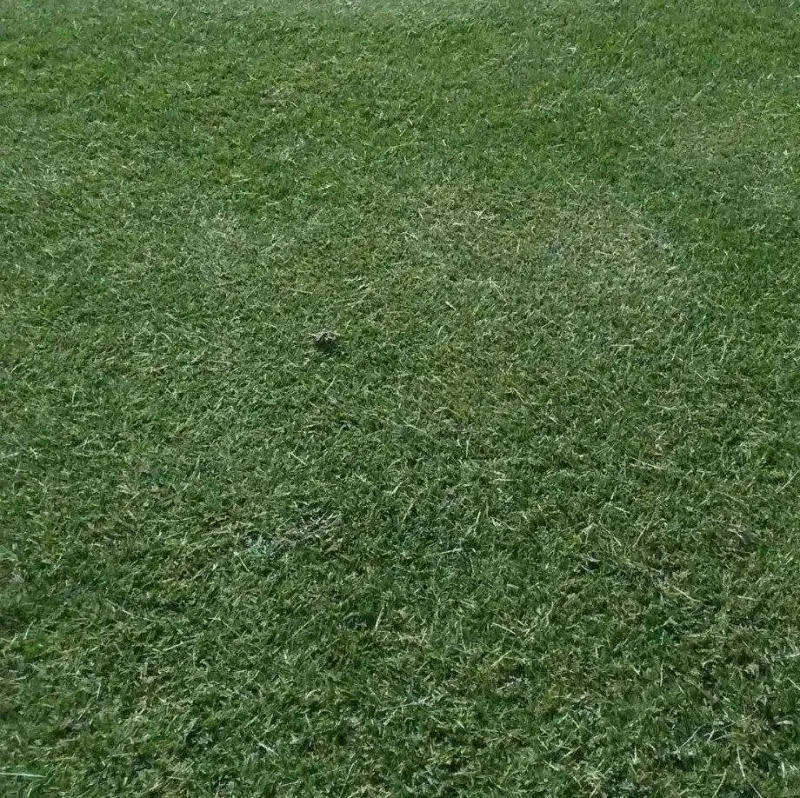
Healthy grass does not send a thank-you note when you add more fertilizer. It just gets overwhelmed.
If your lawn is already thick, green, and growing steadily, extra feeding in June is unnecessary and potentially harmful.
Grass that is actively thriving has found a rhythm with your soil, your watering schedule, and the heat. Interrupting that balance with extra nutrients can trigger a sudden flush of growth.
New growth in extreme heat is soft and tender. It scorches faster than established blades.
Check your mowing frequency as a simple gauge. If you are mowing more than once a week to keep up, your lawn is already well-fed.
Adding more fertilizer to an already fast-growing lawn just creates more work and more stress on the grass itself.
Skipping a feeding cycle is not neglect. It is smart management.
Grass has natural growth cycles, and June in the desert Southwest is a time for endurance, not acceleration.
Fertilizer schedules designed for other regions often do not account for extreme summer conditions. Follow a local lawn care calendar if possible.
Your county extension office often publishes free, region-specific guides that are far more reliable than generic product labels from national brands.
4. Lush Growth Can Make Lawn Problems Harder To Spot
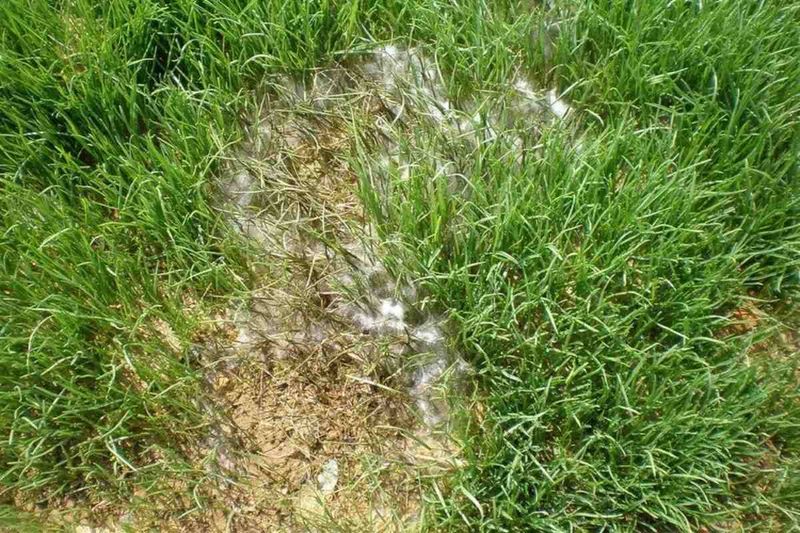
A thick, lush lawn looks like a win. But dense grass growth can actually hide serious problems brewing underneath.
Fungal patches, grub damage, and root rot are much easier to catch early when the lawn is not overly thick.
Over-fertilizing in June can push excessive top growth. Blades grow tall and dense while the soil beneath stays hot and stressed.
Problems developing at the root level go unnoticed until they spread wide enough to be obvious.
Fungal diseases love warm, humid conditions near the soil. Heavy fertilization adds fuel to that fire by encouraging dense growth that traps moisture.
What looks green from a distance can be hiding a spreading fungal infection just below the surface.
Walking your yard weekly with a close eye on color, texture, and thickness helps catch issues before they expand. Pull back a few handfuls of grass near suspicious areas.
Look at the soil and root zone directly.
Pest damage often starts small. A grub infestation might affect a patch the size of a dinner plate before it spreads.
Dense over-fertilized turf makes those early warning zones nearly invisible until the damage is significant.
Keeping grass at a healthy, manageable thickness in summer makes monitoring far easier. Moderation in feeding supports both visible health and the hidden health below the surface.
5. Watch For Brown Patches That Signal Root Problems
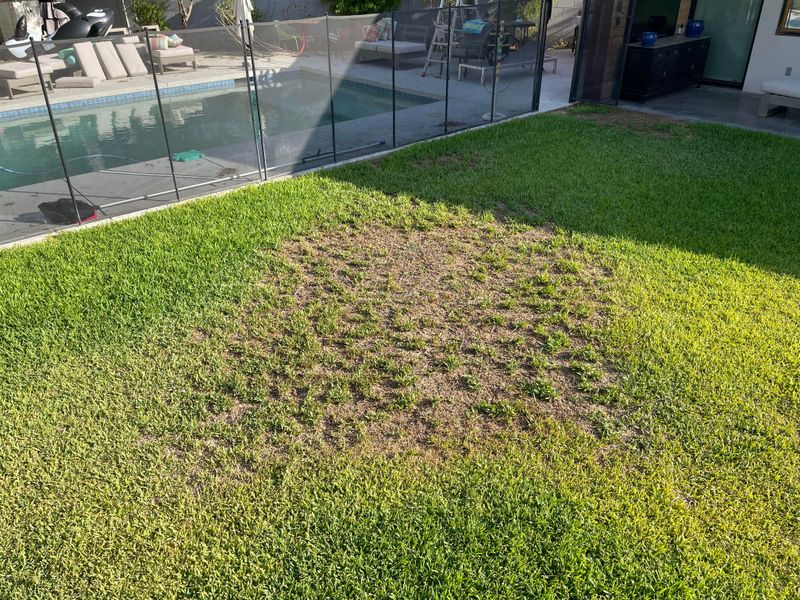
Brown patches in June are not always about water. That is one of the most common mistakes homeowners make when troubleshooting summer lawn issues.
Assuming drought stress and cranking up the irrigation can actually make root problems much worse.
Roots damaged by over-fertilization, fungal disease, or pest activity cannot absorb water efficiently. You water more, the soil stays saturated, and root rot spreads faster.
More water on a root problem is like putting a bandage on the wrong wound.
Look at the shape of the brown area. Irregular, spreading patches with a slightly darker or grayish border often point to fungal activity.
Perfectly round patches that feel spongy underfoot can suggest root or soil-level damage rather than surface drought.
Pull up a small section of affected turf. Healthy roots are white or cream-colored and firm.
Roots damaged by heat, salt burn, or fungal disease look brown, mushy, or sparse. Visual inspection takes about two minutes and tells you far more than guessing.
Fertilizing over a root problem does not help the lawn recover. It adds more stress to a system that is already struggling.
Identifying the actual cause before reaching for any product is the practical first step every time.
6. Check For Grubs Before Adding More Fertilizer
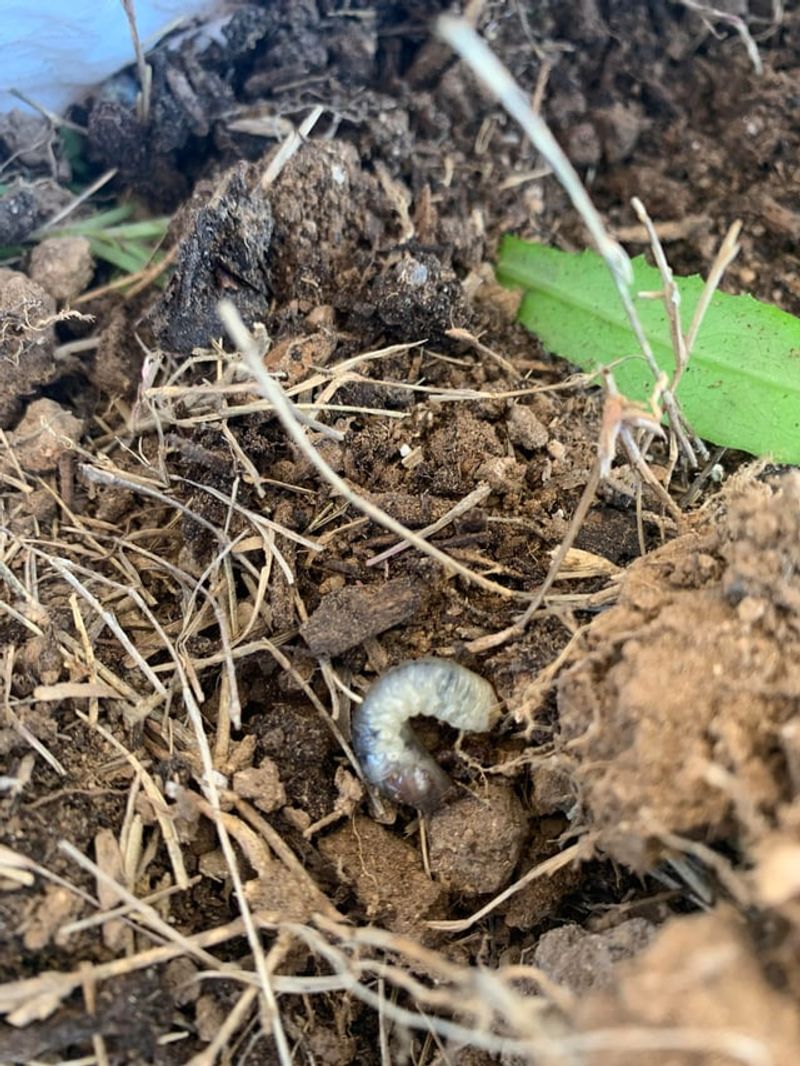
Grubs are sneaky. They work underground, chewing through grass roots while the surface still looks mostly normal.
By the time visible brown patches appear, the damage underneath is often already significant.
June is an active period for certain beetle larvae in warm desert regions. Soil temperatures are high enough to push grubs into feeding mode.
Roots near the surface are especially vulnerable because heat and dry conditions already weaken them.
Adding fertilizer to a grub-damaged lawn does nothing useful. Nutrients enter the soil but have no healthy root system to absorb them.
The grass cannot recover through feeding alone when its root structure is compromised.
Checking for grubs is simple. Cut a one-foot square section of turf about three inches deep near a suspicious brown patch.
Count what you find. More than five grubs per square foot in that sample suggests a population large enough to cause real damage.
Treating a confirmed grub problem requires targeted products designed for soil-level pest control. Fertilizing first and treating second wastes time and money.
Address the pest issue, allow the lawn to begin recovering, then reassess whether feeding is even necessary afterward.
Grub pressure varies by yard, soil type, and location. Checking before assuming a nutrient deficiency saves a lot of frustration and avoids making an already stressed lawn worse.
7. Treat The Underlying Problem Before Feeding Again
Fertilizer is not a fix-all. Reaching for it when your lawn looks rough is a natural instinct, but feeding a lawn that has an active problem usually makes things worse.
Stress compounds stress.
Fungal disease, grub damage, compacted soil, and root burn all need targeted treatment before any feeding plan makes sense. Applying fertilizer over an untreated problem adds nutrients that weaker or damaged grass cannot use.
Those unused nutrients sit in the soil and create additional salt buildup.
Start with a proper diagnosis. Identify whether the problem is biological, environmental, or cultural.
A fungal issue needs a fungicide. A pest problem needs pest control.
Compacted soil benefits from aeration. Each issue has a specific solution that fertilizer simply cannot replace.
After treating the root cause, give the lawn time to stabilize before reintroducing any feeding program. Grass recovering from damage needs energy directed toward healing, not rapid new growth.
Rushing back into fertilization too soon can set recovery back significantly.
A light, balanced fertilizer applied after recovery is far more effective than a heavy application on a stressed lawn. Patience in June pays off in a healthier, more resilient yard by late summer.
Treating first and feeding second is a simple rule that makes a real difference in desert climates.