8 Vegetables You Can Still Plant In May In Arizona Before It Gets Too Hot
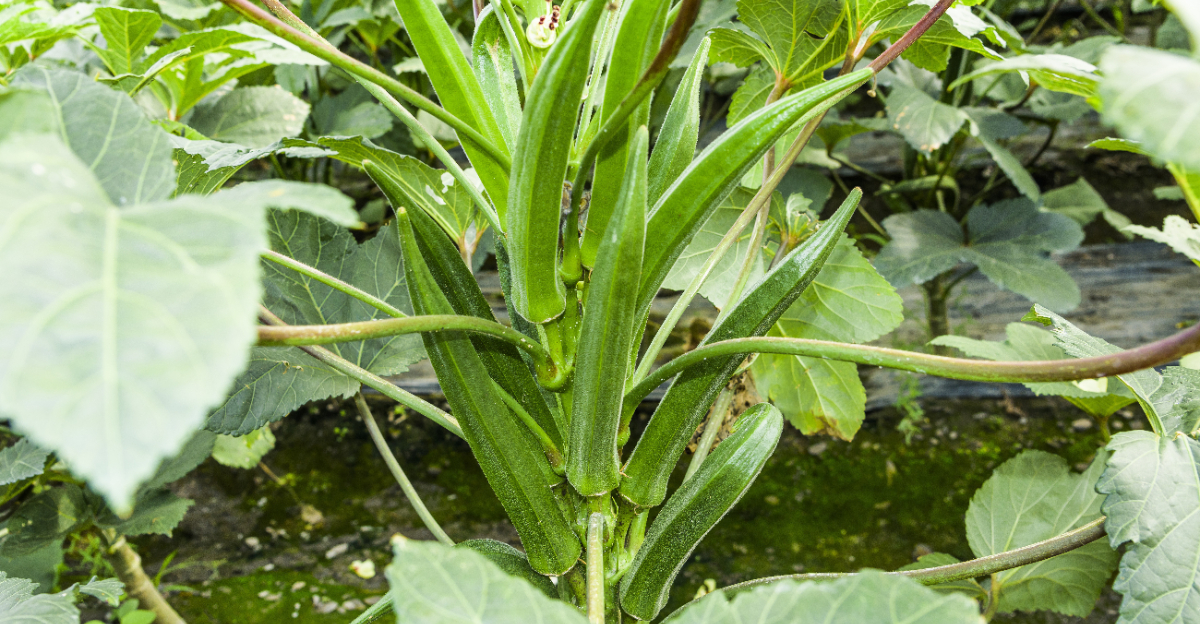
Arizona heat does not wait for perfect timing, and May can feel like a race against the sun for anyone trying to get veggies in the ground. Soil still holds just enough warmth to help seeds push through, yet that window starts to close faster than most expect.
Miss it, and growth slows before plants even get established.
Garden beds across Arizona often look ready, yet the difference between early May and late May can decide how well crops handle the months ahead.
Strong starts matter more here than almost anywhere else, especially with rising temperatures right around the corner.
Fresh planting now can still pay off, but only if the right choices go in at the right moment. Some vegetables handle this transition far better than others, and knowing which ones make that cut can save time, effort, and frustration later.
1. Sweet Potato Thrives In Warm Soil And Grows Fast
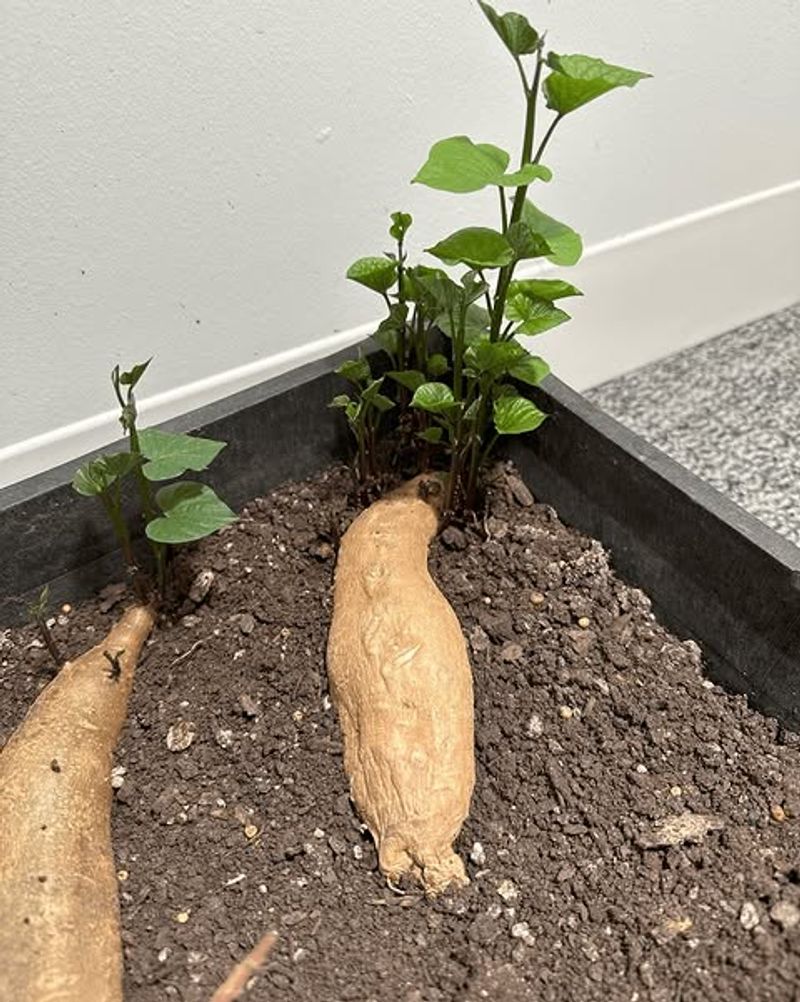
Sweet potatoes were practically designed for places like Arizona. Warm soil, long sunny days, and minimal frost risk create near-perfect conditions for this crop to do what it does best, which is spread out and fill in fast.
May is actually an ideal month to get slips in the ground across most of Arizona because soil temperatures are already warm enough for strong root development right from the start.
Plant slips about twelve inches apart in loose, well-amended soil. Sandy loam works well here because it drains quickly and lets roots expand without resistance.
Water deeply but let the top inch or two of soil dry out between sessions since sweet potatoes do not like sitting in soggy ground, even in the Arizona heat.
Vines will spread across your garden bed quickly, which actually helps shade the soil and reduce moisture loss during hot afternoons.
Harvest typically happens around ninety to one hundred ten days after planting, which puts your window somewhere in August or early September.
Curing the roots after harvest by storing them in a warm, humid spot for a week or so improves both sweetness and shelf life. Few crops deliver as much food per square foot in the Arizona summer garden as sweet potatoes reliably do.
Raised beds or mounded rows help improve drainage and make harvesting easier later in the season.
2. Armenian Cucumber Handles Heat And Keeps Producing
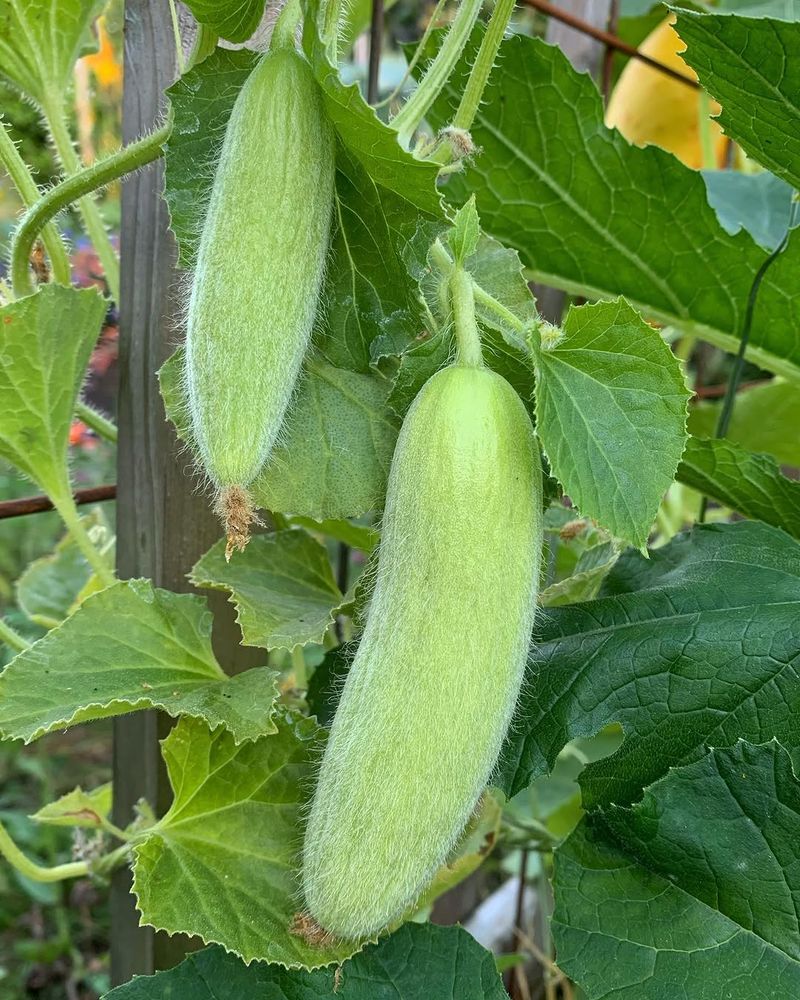
Most cucumbers tap out when Arizona temperatures push past 100 degrees, but Armenian cucumber barely flinches. Technically a type of muskmelon, it behaves like a cucumber in the kitchen and grows like a champion in hot desert conditions.
Plant seeds or transplants in early May and you can expect vines to take off within days thanks to warm soil temperatures that speed up germination.
Armenian cucumber needs full sun, well-draining soil, and consistent watering. In Arizona, that usually means deep watering every two to three days depending on your soil type.
A thick layer of mulch around the base of the plant helps hold moisture and keeps the root zone from getting scorched during peak afternoon heat.
Your Arizona Garden Changes Every Week. Your Plan Should Too.
Gardening in Arizona changes quickly throughout the season. Every Friday you’ll receive a simple weekly plan showing exactly what to plant, prune, fertilize, harvest, and protect so you never miss the right timing.
Vines spread aggressively, so give them room or set up a trellis to keep things manageable. Fruits can grow up to three feet long if left on the vine, but harvesting at twelve to eighteen inches gives you the best flavor and texture.
One or two plants can produce more than most families can eat through an entire Arizona summer, making this one of the most rewarding crops you can grow in the low desert during the warm season.
Pick them early in the morning while they are still cool and firm from the night. Keep harvesting often so the plant keeps putting out more instead of slowing down.
3. Okra Loves Heat And Produces Through Summer
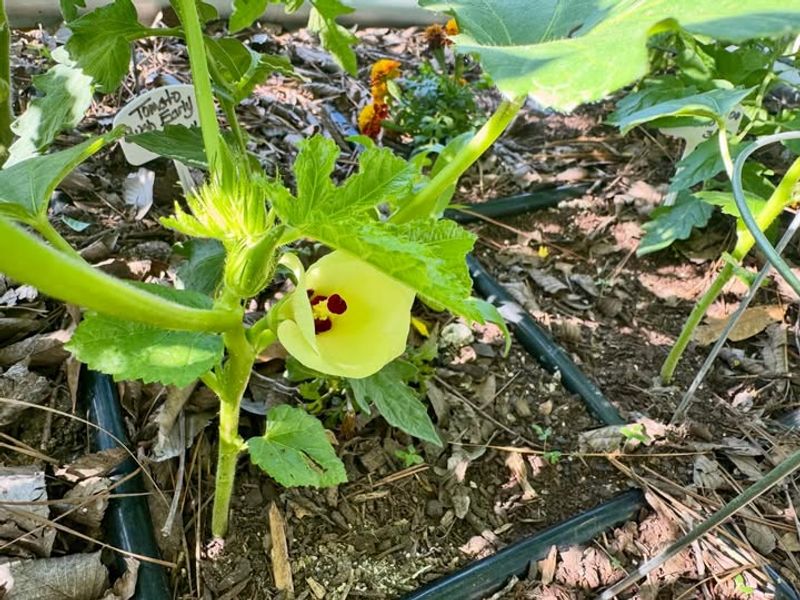
Okra does not just tolerate Arizona summers, it genuinely performs better as temperatures climb. Few vegetables can claim that.
Once established, okra plants keep flowering and producing pods through some of the hottest weeks of the year, making them one of the most reliable crops for low desert gardeners who want a harvest that does not stop in July.
Plant seeds directly in the ground in early May. Okra prefers to be direct seeded rather than transplanted because it does not like having its roots disturbed.
Soak seeds overnight before planting to soften the hard outer shell and speed up germination. Space plants about eighteen inches apart and give them full sun with regular deep watering, especially during the hottest stretches.
Plants can reach five to six feet tall in Arizona conditions, so keep that in mind when placing them in your garden. Pods are ready to pick when they reach about three to four inches long.
Once you start harvesting, check plants every day or two because pods grow fast in the heat and become tough and fibrous if left on too long.
Okra is also a beautiful plant with large tropical-looking leaves and flowers that resemble hibiscus, so it adds visual interest to any Arizona summer garden while feeding you at the same time.
Frequent picking keeps pods tender and helps the plant continue producing through the peak of summer.
4. Southern Peas Grow Well In Hot Conditions
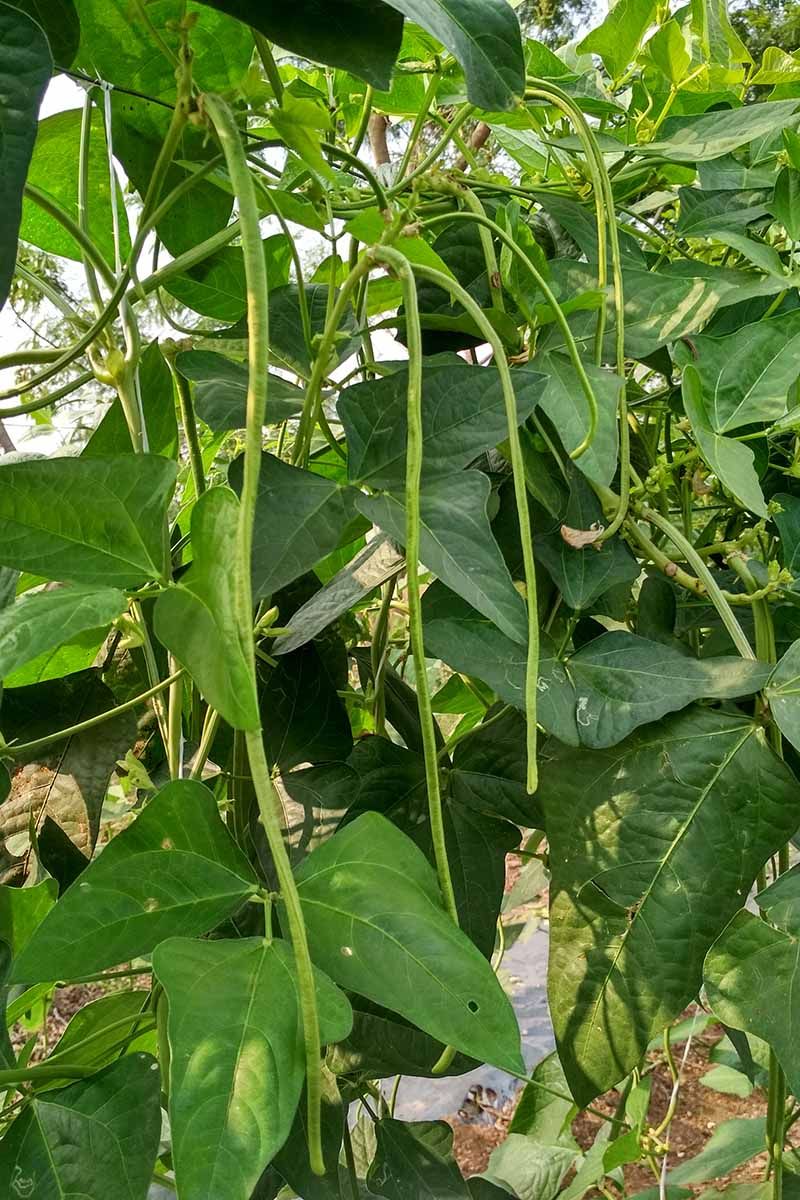
Black-eyed peas, crowder peas, cream peas, they all fall under the Southern pea umbrella, and every one of them handles heat far better than common garden peas ever could. While traditional peas shut down when temperatures rise, Southern peas shift into high gear.
Arizona gardeners across the Phoenix metro area and surrounding communities have been growing these successfully for years.
Direct seed Southern peas in early May about an inch deep and six inches apart. Soil should be warm, which it almost certainly will be in Arizona by May.
Germination happens quickly under these conditions, often within five to seven days. Plants are also notably drought-tolerant once established, which is a real advantage in a state where water conservation matters.
Southern peas fix nitrogen in the soil, which means they actually improve your garden bed while growing in it. That is a bonus for anyone planning future plantings in the same spot.
Pods are ready to harvest around sixty to seventy days after planting, and you can pick them fresh for shelling or let them dry on the vine for later use. Compared to many summer crops in Arizona, Southern peas ask for very little while giving back quite a lot.
They are low-maintenance, productive, and surprisingly versatile in the kitchen once harvest time arrives.
5. Yardlong Beans Handle Heat Better Than Common Beans
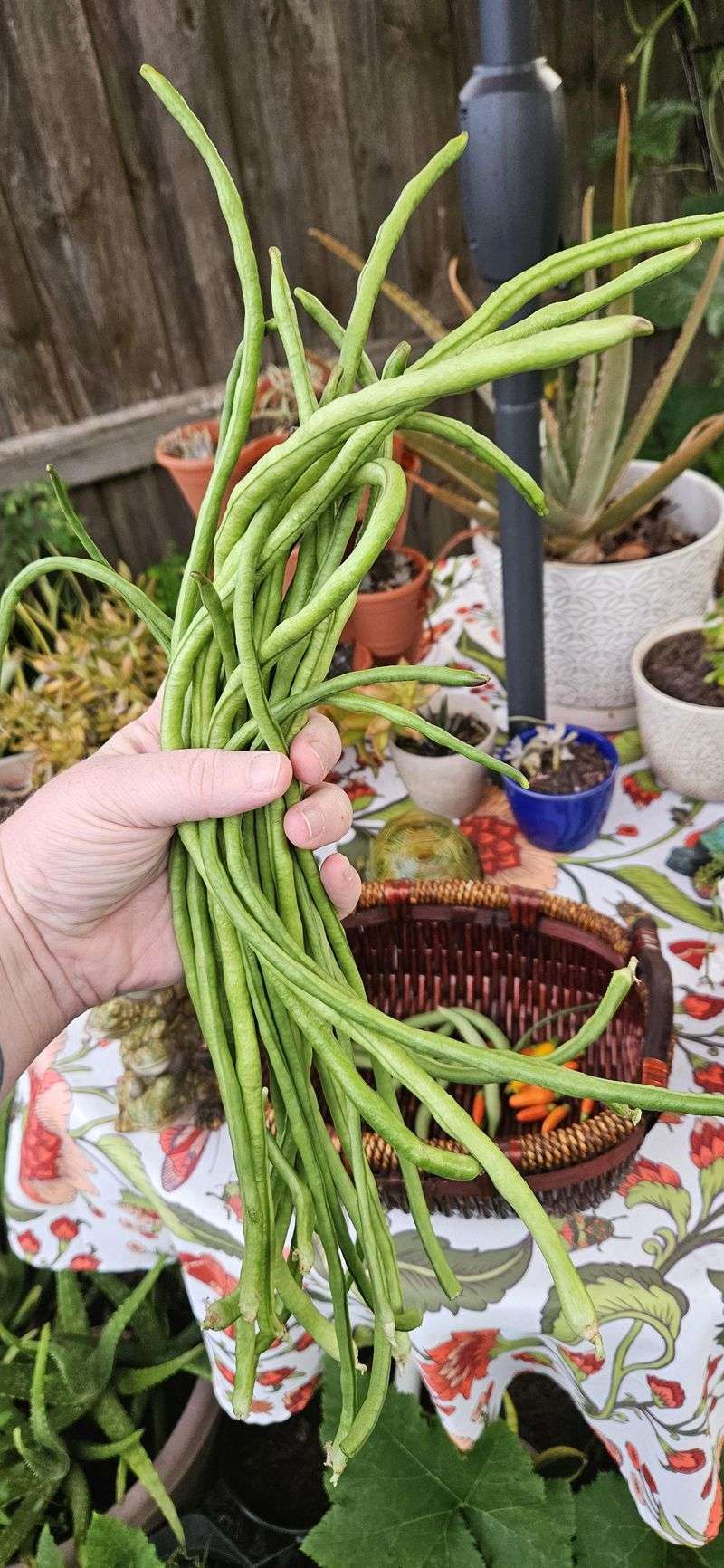
Common snap beans give up quickly once Arizona heat sets in, but yardlong beans, also called asparagus beans or Chinese long beans, keep right on producing.
Originating from Southeast Asia where heat and humidity are the norm, these beans adapted over centuries to thrive in conditions that would stress most other legumes.
May planting in Arizona sets them up perfectly for a productive summer run.
Direct seed yardlong beans at the base of a sturdy trellis since vines can reach eight to ten feet tall. Seeds germinate fast in warm Arizona soil, often within a week.
Space seeds about four to six inches apart and water regularly, aiming for consistent moisture without waterlogging the roots. Once vines take off, they grow quickly and cover a trellis in a matter of weeks.
Pods are ready to harvest when they reach about eighteen inches long, though some gardeners prefer picking them a bit earlier for a more tender texture. Check plants frequently because pods develop fast in the heat.
Flavor is similar to snap beans but slightly earthier, and they work well stir-fried, roasted, or eaten raw.
Yardlong beans are also quite drought-resilient once established, which makes them a smart choice for Arizona gardeners trying to balance productivity with responsible water use during a long, hot summer season.
Strong vertical growth helps improve airflow, which can reduce stress during extreme heat.
6. Malabar Spinach Thrives As Temperatures Rise
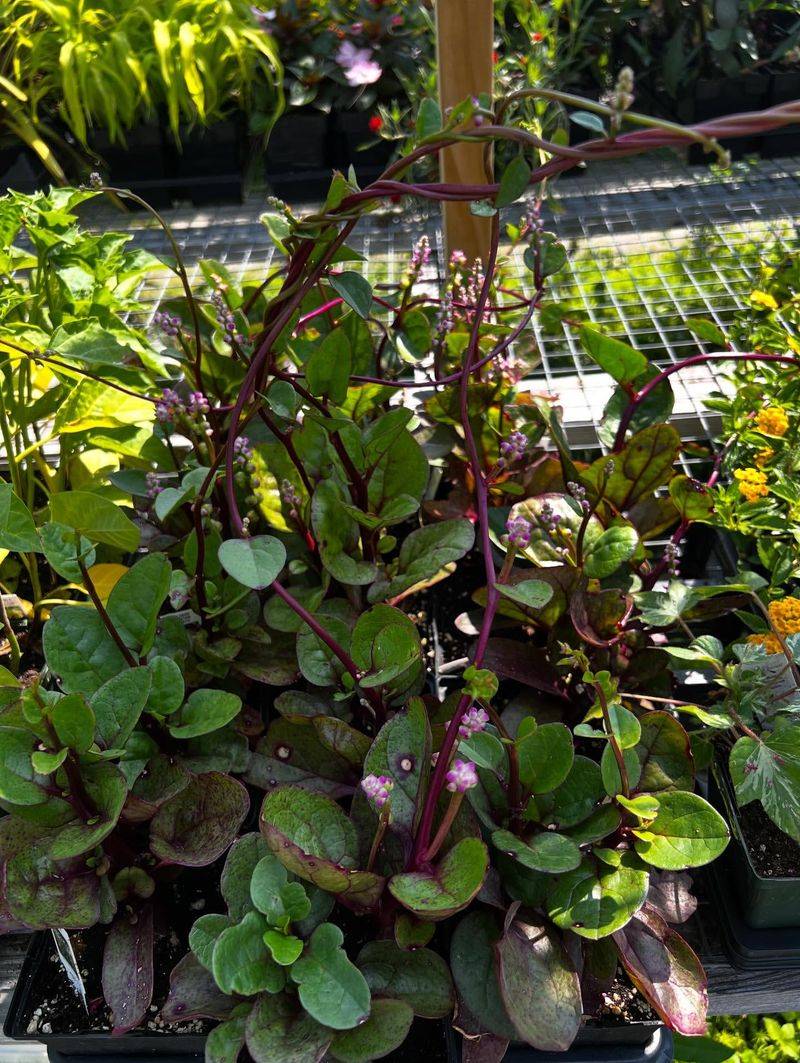
Regular spinach bolts and turns bitter the moment Arizona temperatures start climbing, but Malabar spinach does the opposite. Warm weather is exactly what this tropical vine needs to put out its best growth.
Not a true spinach at all but used the same way in the kitchen, Malabar spinach produces thick, glossy leaves that hold up well in heat and keep coming as long as you keep harvesting them.
Plant seeds or cuttings in May in a spot that gets full sun or partial afternoon shade. In Arizona, afternoon shade can actually help extend productivity during the peak of summer since even heat-tolerant crops appreciate a break from intense late-day sun.
Set up a trellis because vines can climb six feet or more and get quite heavy with leaves over the season.
Water consistently and apply a balanced fertilizer every few weeks to support the fast-growing vines. Leaves can be eaten raw in salads when young and tender or cooked like spinach in soups, stir-fries, and sautees.
Malabar spinach is one of the few greens Arizona gardeners can harvest reliably through July and August when almost nothing else is producing leafy material.
For anyone craving fresh greens during the hottest months of the year, this vine is a genuinely practical and underappreciated solution in the low desert garden.
7. Summer Squash Can Still Produce With Consistent Water
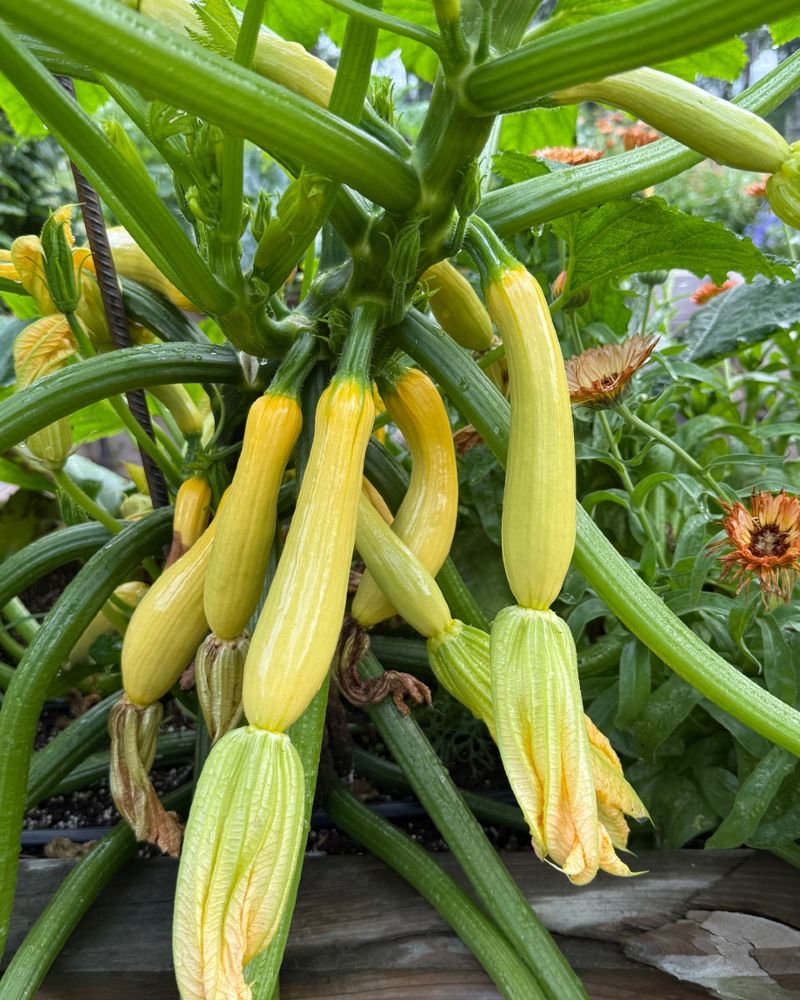
Planting summer squash in May in Arizona is a bit of a sprint, but it is absolutely worth attempting if you stay on top of watering.
Squash grows fast, and with warm soil already in place, seeds can germinate and plants can reach producing size in as little as fifty days.
Getting seeds in the ground in the first two weeks of May gives you the best shot at harvesting before the peak heat of late June and July pushes plants to their limit.
Choose compact or bush-type varieties over sprawling ones to make water management easier.
Drip irrigation works especially well for squash in Arizona because it delivers moisture directly to the root zone without wetting the foliage, which reduces the risk of fungal problems that can flare up even in dry desert climates.
Mulch heavily around the base of each plant to help hold soil moisture between watering sessions.
Harvest fruits frequently and while they are still small. Leaving squash on the plant too long causes it to swell into oversized, seedy fruits and signals the plant to slow down production.
Hot afternoons can cause blossoms to drop before pollination happens, so hand pollinating in the early morning using a small brush or cotton swab can improve fruit set. With consistent care, summer squash can produce a solid harvest even in the Arizona heat.
8. Eggplant Handles Heat And Continues Producing
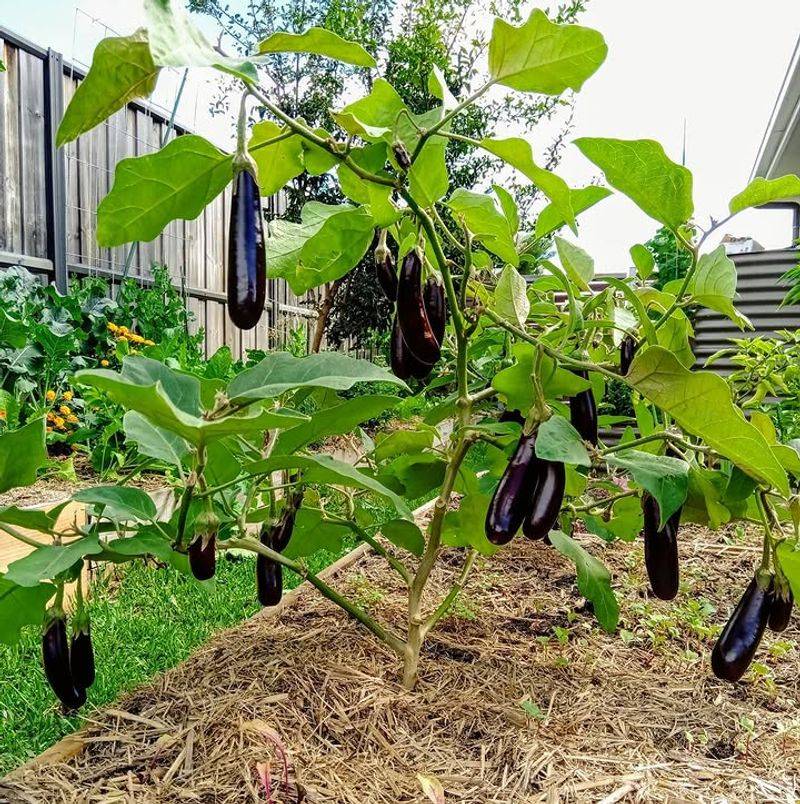
Eggplant is one of those vegetables that actually seems to enjoy what Arizona summers deliver. Originally from South Asia, it evolved in hot, sunny conditions and brings that background into every season it grows.
While tomatoes and peppers can struggle once temperatures stay consistently above 95 degrees, eggplant keeps flowering and setting fruit with far less complaint, making it one of the most dependable warm-season crops for low desert gardeners.
Set out transplants in early May rather than starting from seed at this point in the season. Transplants give you a head start and get plants into production faster.
Space them about two feet apart in full sun with rich, well-draining soil. Water deeply two to three times per week depending on conditions, and add a layer of organic mulch to protect roots from extreme soil temperatures during the hottest afternoons.
Varieties like Black Beauty, Ichiban, and Millionaire all perform well in Arizona conditions. Fruits are ready to pick when the skin looks glossy and feels slightly firm under gentle pressure.
Leaving eggplant on the plant too long causes the skin to dull and the seeds inside to harden, which affects flavor noticeably. Regular harvesting encourages the plant to keep producing through the summer.
Eggplant is genuinely one of the best bets for an Arizona gardener heading into the heat of June and beyond.