The Mowing Height Mistake That Turns Georgia Lawns Brown By Midsummer
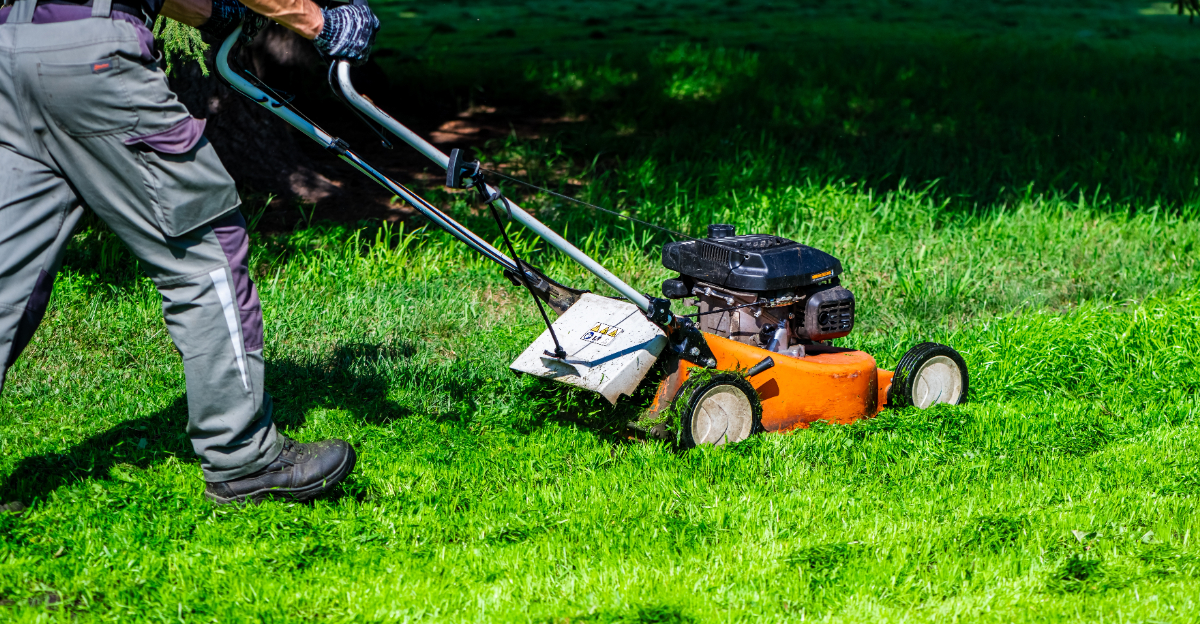
Few yard problems are more frustrating than watching healthy green grass slowly lose its color. The lawn looked great a few weeks ago, everything seemed on track, and there was no obvious reason to expect trouble.
Then midsummer arrives and certain areas begin looking tired, thin, or discolored. It can leave people wondering what changed when their lawn care routine stayed exactly the same.
The confusing part is that lawn problems do not always start when the symptoms appear. A choice made earlier in the season can have consequences that show up much later.
By the time brown patches become noticeable, the real cause may have been affecting the lawn for weeks.
Summer conditions can be especially challenging in Georgia. Heat, sunshine, and regular mowing all place stress on grass in different ways.
One common mowing habit seems harmless at first, but it can make lawns much more vulnerable as the hottest part of the season settles in.
1. Cutting Grass Too Short Causes The Biggest Problems
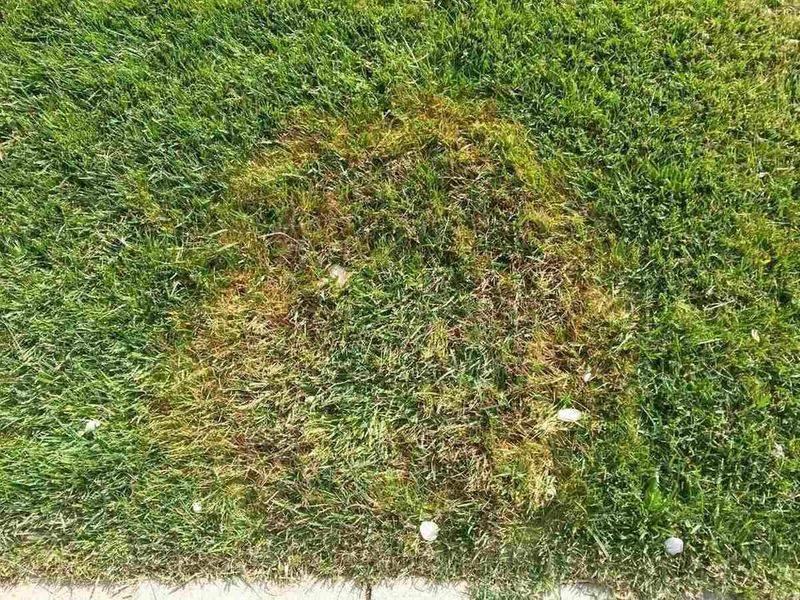
Scalping your lawn is the single fastest way to invite brown patches before summer even peaks. When grass blades get cut too short, the plant loses its ability to make food through photosynthesis.
Less leaf surface means less energy, and that leads to weak, stressed turf.
Short grass also exposes the soil directly to sunlight. Bare soil heats up fast in summer, and that heat transfers straight to the root zone.
Roots under constant heat stress stop absorbing water and nutrients properly.
Warm-season grasses like Bermuda and Zoysia can handle lower cuts, but even they have limits. Cutting below their recommended height during a heat wave causes visible damage within days.
You will notice the lawn turning tan or straw-colored quickly.
Scalped lawns also dry out much faster between watering sessions. Without enough blade length to slow evaporation, moisture escapes from the soil rapidly.
That means more watering and still worse results.
Grass that is cut too short also becomes vulnerable to weeds. Crabgrass and other summer weeds love bare, hot soil.
Once weeds move in, they compete with already-stressed grass for water and nutrients.
2. Raise The Mower Deck Before Heat Stress Begins
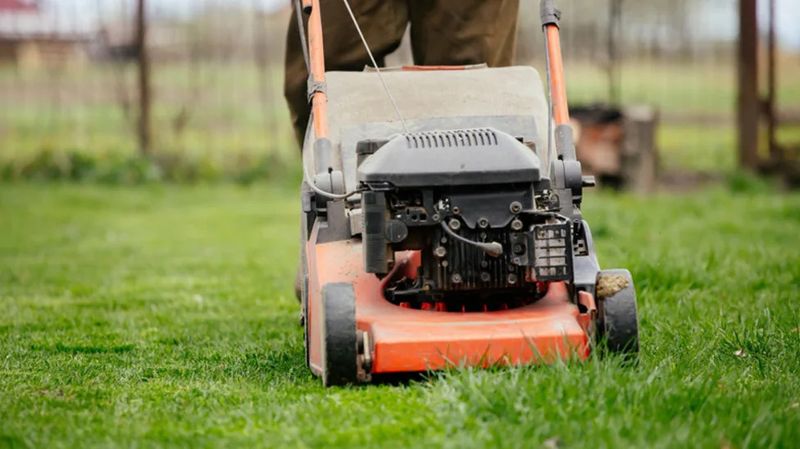
Most people wait until the lawn looks terrible before making changes. Raising the mower deck before temperatures climb is the smarter move.
Grass needs time to adjust and grow into a healthier, taller profile before stress hits.
Late spring is the best window to make this adjustment in the Southeast. Temperatures are still mild, and grass is actively growing.
A higher cut during this period gives the turf a head start on building stronger roots and thicker blades.
Raising the deck by half an inch to one full inch can change how your lawn handles July and August. Taller grass shades the root zone, keeping soil cooler and moisture locked in longer.
That directly reduces how often you need to water.
Check your mower manual to understand the deck height settings. Many homeowners never look at this and just mow at whatever setting the mower came with.
Your Georgia Garden Changes Every Week. Your Plan Should Too.
Gardening in Georgia changes quickly throughout the season. Every Friday you’ll receive a simple weekly plan showing exactly what to plant, prune, fertilize, harvest, and protect so you never miss the right timing.
Factory settings are not always ideal for Southern summer conditions.
Walk the lawn before mowing and look at the current grass height. If it already looks short and thin, hold off on mowing for a few days and let it recover some height first.
Mowing stressed turf makes the problem worse.
3. Leave More Leaf Blade To Shade The Soil
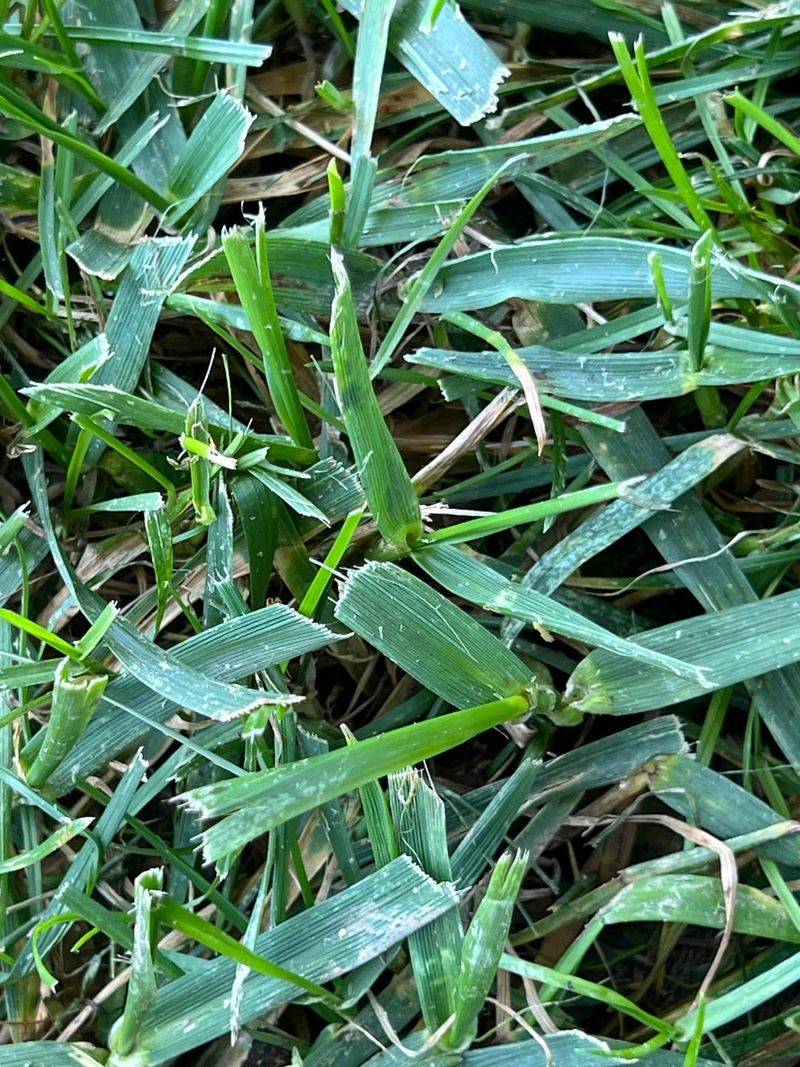
Grass blades do more than just look green. They act as a natural sunscreen for the soil beneath them.
When blades are kept at the right height, they cast shade over the ground and keep root temperatures manageable even on the hottest days.
Shaded soil retains moisture much longer than exposed soil. In areas with scorching summers, that moisture difference can be the gap between a lawn that stays green and one that turns brown by mid-July.
Blade length is free insulation.
Roots grow deeper when the soil stays cooler. Deeper roots can access water stored lower in the soil profile, which helps the lawn survive dry stretches without constant irrigation.
Short grass cannot create this effect because the soil surface stays too hot.
Taller grass also slows down weed germination. Weed seeds need sunlight and warm soil to sprout.
A thick canopy of grass blades blocks that sunlight and keeps the soil temperature lower. Fewer weeds means less competition for water during summer.
Organic matter in the soil also breaks down more slowly when shaded. That means soil structure stays better over time, which supports root health throughout the season.
4. Follow The One Third Rule At Every Mowing
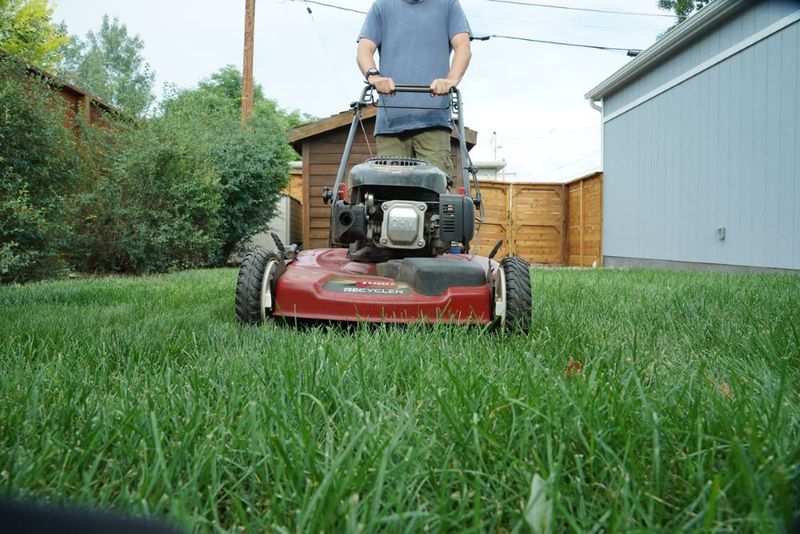
Remove too much at once and the grass goes into shock. Never cut more than one third of the total blade length in a single mowing session.
Break that rule and the plant redirects all its energy into recovering instead of growing strong roots.
For example, if your grass is three inches tall, cut no more than one inch off. Cutting it down to one inch in one pass is a common mistake that sends lawns into visible decline within a week.
Especially during summer heat, that kind of stress is hard to bounce back from.
Many homeowners skip mowing for two weeks and then cut the grass way down to make up for it. That approach causes more damage than skipping mowing entirely.
Frequent, light cuts are far better for lawn health than infrequent heavy cuts.
When grass grows faster in spring, you may need to mow twice a week to stay within the one third rule. That feels like a lot, but the lawn will look noticeably better and stay greener into summer as a result.
Hot, dry spells naturally slow grass growth. During those periods, you can stretch mowing intervals without breaking the rule because the grass simply is not growing as fast.
5. Keep Mower Blades Sharp To Prevent Browning
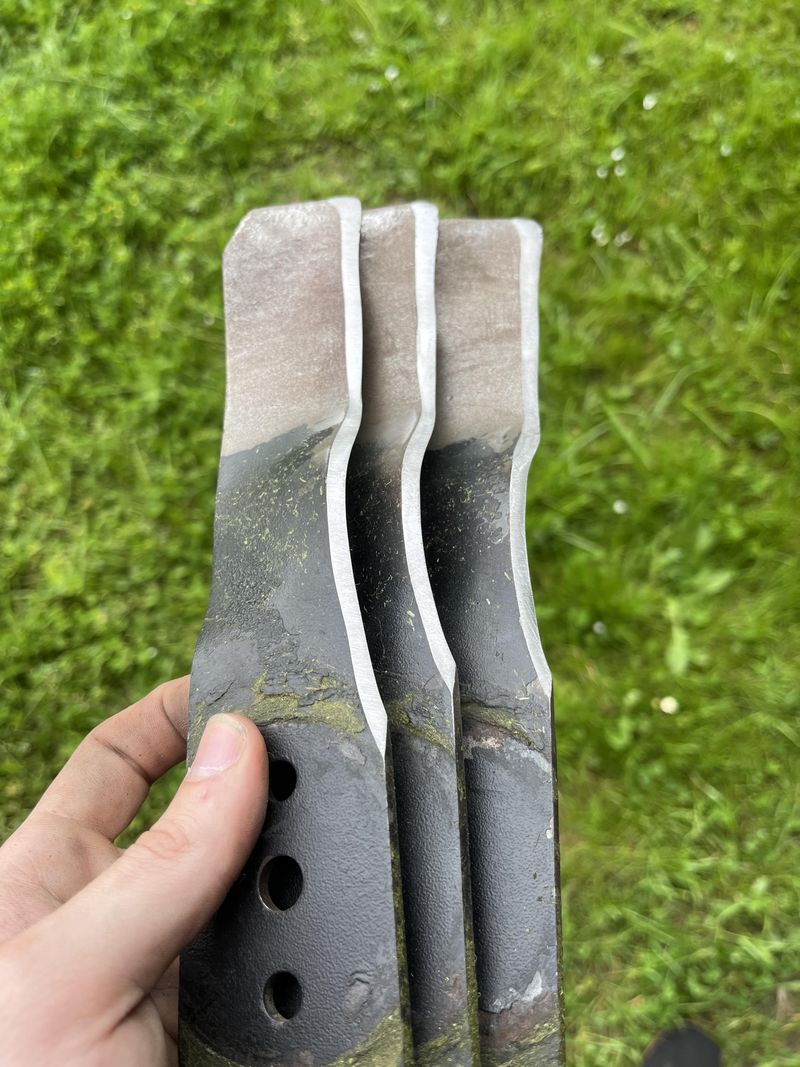
Dull blades do not cut grass. They tear it.
That difference matters more than most people realize. Torn grass tips turn brown within a day or two, giving the entire lawn a tan, dried-out look even when it is well-watered.
Ragged cuts also leave the grass plant more vulnerable to stress. A clean slice heals quickly and seals the blade tip.
A torn edge stays open longer, allowing moisture to escape from the cut end. During summer, that moisture loss adds up fast across millions of grass blades.
Sharpening mower blades at least twice per season is a reasonable minimum. If you are mowing frequently or dealing with sandy soil, sharpen more often.
Sandy soils dull blades faster than regular topsoil does.
Checking blade sharpness takes less than five minutes. Remove the blade and run your finger carefully along the edge.
It should feel smooth and slightly sharp, not rounded or nicked. Visible chips or bends mean the blade needs attention right away.
A sharp blade also reduces mowing time and fuel use. The mower does not have to work as hard to cut through the grass.
That means less engine strain and a more even cut across the whole lawn surface.
6. Water Deeply Instead Of Watering More Often
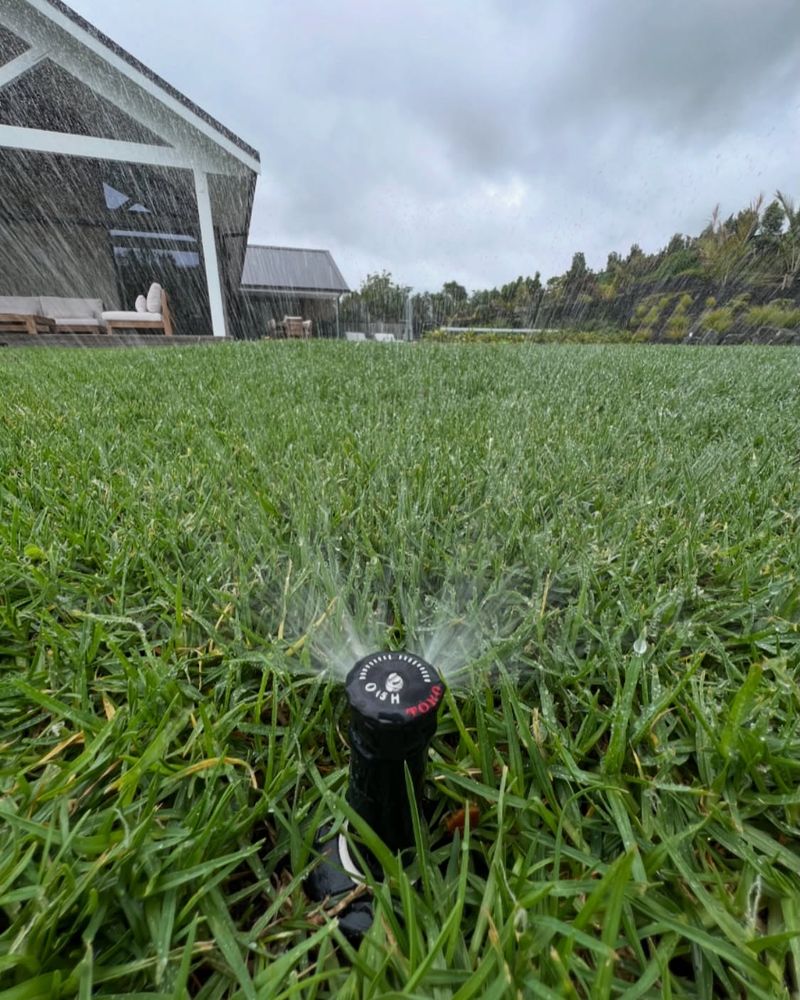
Frequent shallow watering trains roots to stay near the surface. Surface roots are the first to suffer when summer heat arrives.
Once the top inch of soil dries out, shallow-rooted grass wilts fast and browns quickly.
Deep, infrequent watering pushes roots to grow downward in search of moisture. Roots that reach three to six inches deep stay cooler and have access to water stored well below the surface.
That kind of root system handles dry spells much better.
Aim for about one inch of water per week during summer. Apply it in one or two sessions rather than daily light sprinkles.
Use a rain gauge or a shallow container placed in the yard to measure actual water delivery from sprinklers.
Early morning is the best time to water. Watering in the evening leaves moisture sitting on the grass overnight, which can encourage fungal growth.
Morning watering allows blades to dry out during the day while still giving roots time to absorb moisture.
Sandy soils common in parts of the South drain faster and may need slightly more frequent watering than clay-heavy soils. Clay holds moisture longer but can become compacted, which limits root penetration.
Know your soil type before setting a watering schedule.
7. Match The Cutting Height To Your Grass Type
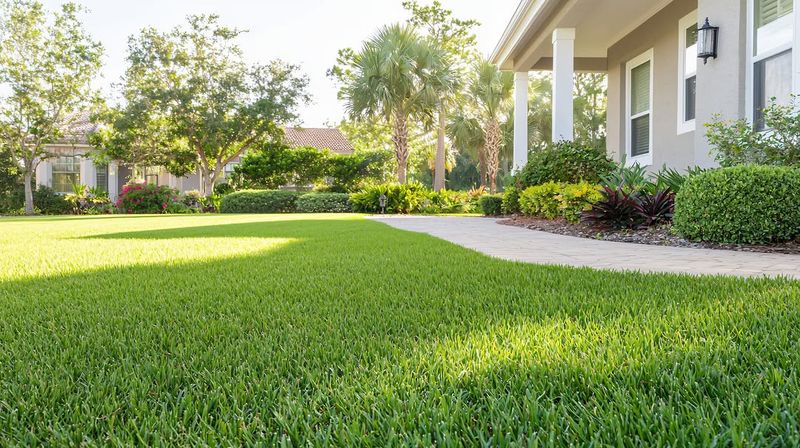
Not every lawn grass is the same, and cutting them all at the same height is a mistake that catches up with homeowners fast. Each warm-season grass type has a recommended height range, and staying within it makes a real difference in summer performance.
Bermuda grass is one of the most common choices in the South. It handles heat well and stays fairly green through summer when mowed between one and a half and two and a half inches.
Cut it below one inch and it struggles in the heat. Let it grow past three inches and it gets thick and thatchy.
St. Augustine is a popular choice for shaded yards and coastal areas. It performs best between three and four inches.
Cutting it shorter weakens the plant and opens the door to chinch bugs and other pests that thrive in stressed turf.
Zoysia is a slower-growing option that many homeowners in the region prefer for its dense texture. Keep it between one and a half and two and a half inches for best results.
It tolerates drought well but still needs the right mowing height to maintain that tolerance.
Centipede grass is low-maintenance and common across the Southeast. Mow it between one and a half and two inches.