Florida Yard Mistakes That Are Making Your Rat Problem Worse (And What To Do Instead)
Most Florida homeowners dealing with rats are focused on the wrong end of the problem. Traps get set, and poison gets placed.
A few weeks later, the situation is exactly the same because nothing changed about why rats found the yard appealing in the first place. Rats are not random.
They show up where conditions work in their favor, and Florida yards hand them those conditions more often than most people realize.
Certain habits, layouts, and plant choices that seem completely harmless are quietly making a rat problem worse every single season.
The frustrating part is that most of these mistakes are easy to fix once you know what you are looking at. Not every solution costs money.
Several come down to changing a routine or rethinking where something is placed in the yard. Rats are opportunists.
Take away the opportunity and the yard becomes a much less interesting destination.
1. Leaving Pet Food Outside Turns The Patio Into A Buffet
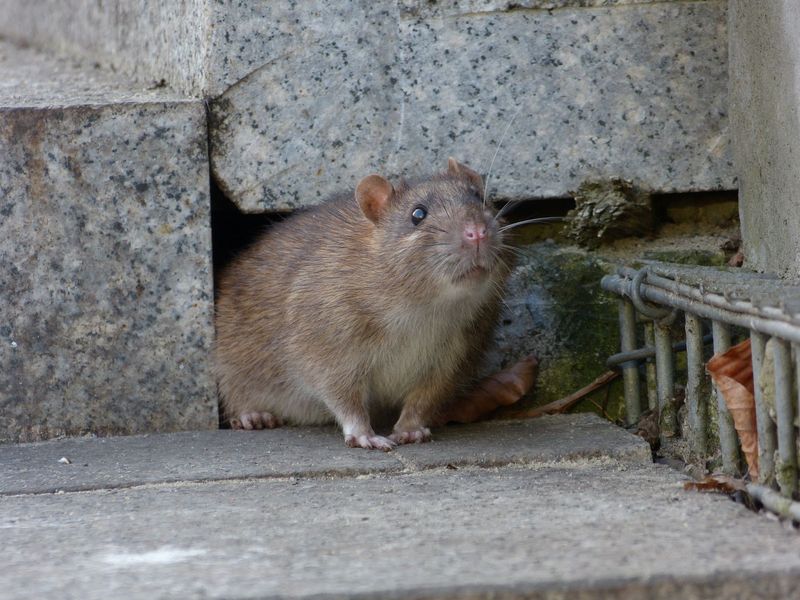
That bowl of kibble sitting on the back porch after dinner might seem harmless. To a rat, it looks like a reliable meal waiting every single night.
Rats are creatures of habit, and once they find a consistent food source near a porch, garage, or shed, they will return to check it regularly.
Pet food, birdseed, and livestock feed left outside overnight are among the most common attractants around home landscapes in this state. Water bowls are just as much of a draw.
Rats need water daily, and a full dish sitting near the back door can be enough to bring them close to your home on a regular basis.
The fix is straightforward. Feed pets indoors whenever possible, and bring bowls inside after each feeding.
If outdoor feeding is necessary, pick up any uneaten food before dark. Store pet food, birdseed, and livestock feed in sealed hard-sided containers, not paper bags or soft plastic bins that rats can chew through easily.
Spilled seed under bird feeders deserves attention too. Rake up fallen seed regularly or switch to feeders designed to reduce spillage.
According to UF/IFAS, removing food sources is one of the most effective steps in reducing rodent pressure around homes. Keeping the patio clean and bowl-free after meals is a simple habit with a real payoff.
2. Messy Compost Gives Rats An Easy Dinner Spot

Composting is a great habit for any home garden, but an open or poorly managed bin can quietly become a food source for rats. Food scraps sitting on top of an uncovered pile are easy to access, especially at night when rats are most active.
Warm, humid conditions in this state speed up decomposition, which also means stronger odors that can travel further than you might expect.
Meat, dairy, greasy leftovers, and cooked foods are especially risky. These items break down slowly and release strong smells that attract rats and other wildlife.
Even plant-based scraps left exposed on top of a pile can be enough to draw attention.
Your Florida Garden Changes Every Week. Your Plan Should Too.
Gardening in Florida changes quickly throughout the season. Every Friday you’ll receive a simple weekly plan showing exactly what to plant, prune, fertilize, harvest, and protect so you never miss the right timing.
Managing compost well does not require giving it up entirely. Bury fresh food scraps several inches into the pile rather than leaving them on the surface.
Cover each new addition with a layer of dry browns like leaves, cardboard, or wood chips. Use a bin with a secure lid or a fully enclosed tumbler-style composter to reduce access and odor.
Keep the compost area tidy by clearing weeds and debris around the bin. Avoid adding animal products or anything greasy.
UF/IFAS recommends enclosed composting systems for homeowners who want to reduce pest pressure while still recycling organic material. A little structure around your compost routine goes a long way toward keeping the yard less appealing to rodents.
3. Overgrown Shrubs Create Shelter Near The House
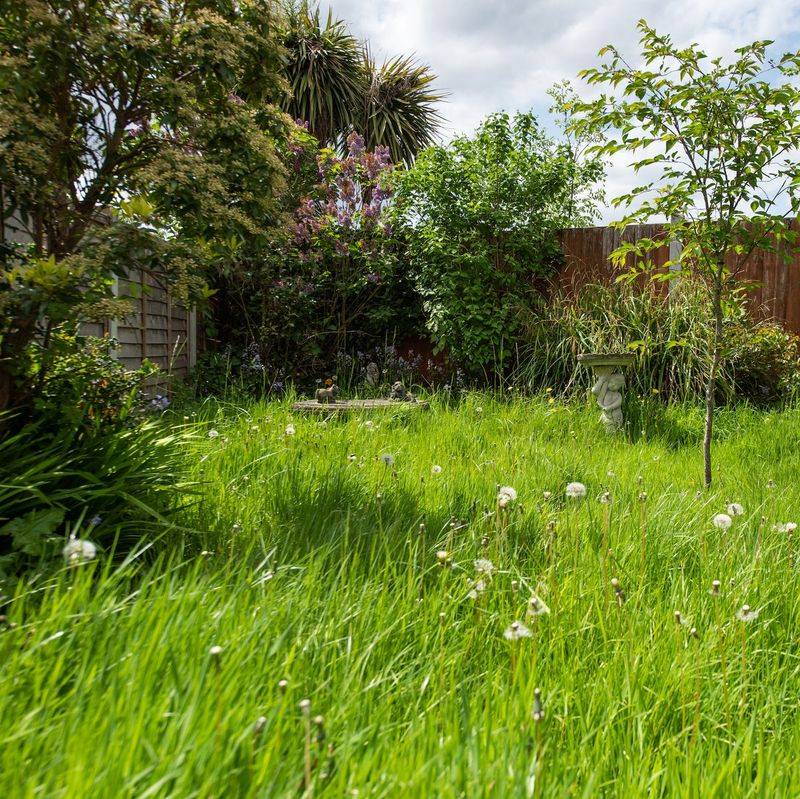
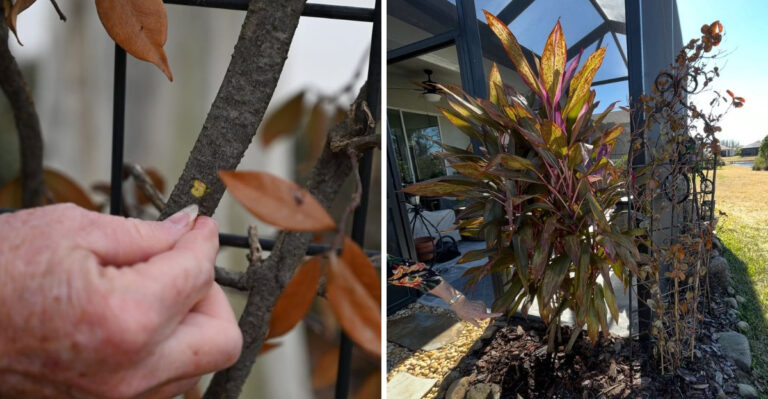
Dense Florida foundation plantings can look lush and tropical. But when shrubs and vines press against the walls of your home, they create covered travel routes and hidden resting spots close to potential entry points.
Rats prefer to move along walls and through cover rather than crossing open ground. Thick plantings right against the house make that easier.
Vines that climb walls or reach rooflines are especially worth watching. They can provide a path from the ground to the attic, soffits, or roof edges.
Shrubs with dense canopies that touch the ground also hide gaps in the foundation and make it harder to spot signs of activity.
Pruning does not mean removing all your plants. It means keeping a clear gap between vegetation and the wall, usually at least a foot or two.
Raise the lower canopy of larger shrubs so the base is visible and open. Trim back any vines that connect fences, sheds, or trees to the roofline.
Keeping visibility at ground level around the foundation makes it easier to spot burrows, droppings, or damage early.
UF/IFAS Extension guidance on rodent management consistently points to vegetation management as a key part of reducing shelter near structures.
A well-pruned yard does not have to look sparse. It just needs clear, open space at the base of walls and around entry points.
4. Fallen Fruit Keeps Rats Coming Back After Dark

Fruit trees are one of the great pleasures of gardening in a warm Florida climate. Citrus, avocado, mango, loquat, and even ornamental palms with edible fruit can produce more than a household uses.
What falls to the ground does not disappear on its own. Dropped fruit sitting on warm soil can ferment quickly and produce strong odors, making it a reliable night-time attractant.
Rats are skilled climbers and will access fruit directly from branches when they can. But fallen fruit on the ground is an even easier target.
Once a rat learns that a yard offers steady fruit drops, especially during peak season, it tends to return nightly.
Harvesting promptly is the most effective habit change. Walk the yard a few times a week during fruiting season and collect anything that has dropped.
Compost fallen fruit carefully in a secure bin, or bag it for trash pickup rather than leaving it in an open pile.
Thinning heavy-producing branches can reduce drop volume. Avoid planting new fruiting trees or berry shrubs directly next to the house, patio, or compost area if rat activity is already a concern.
UF/IFAS notes that fruit cleanup is a key sanitation step in managing rodents around home landscapes in this state. Keeping the ground under trees clean is one of the most direct ways to reduce an outdoor food source that rats count on.
5. Open Trash Cans Make The Yard Too Easy To Visit
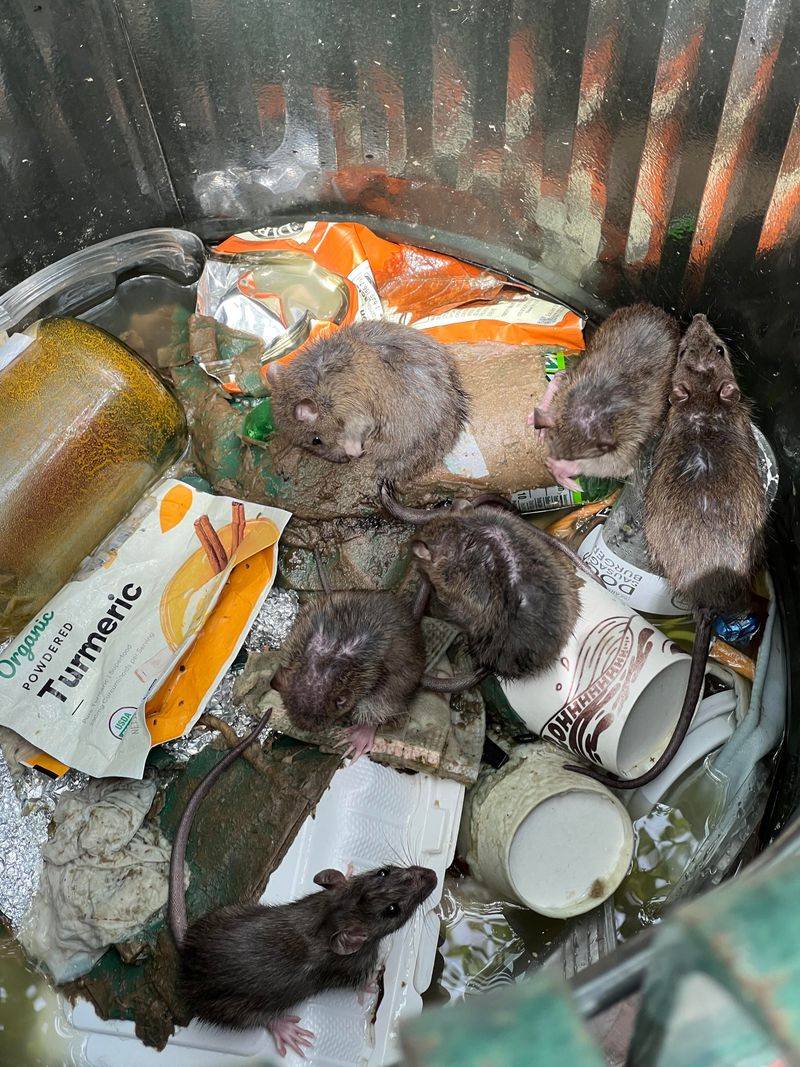
Trash night is a weekly routine that most households do not think twice about. But the way trash is stored and set out can quietly make the yard more attractive to rats and other wildlife.
Loose lids, overflowing bins, and bags left on the ground all release odors that travel easily in warm, humid air.
Rats do not need a wide-open bin to get what they want. A slightly loose lid or a bag left outside the can overnight is often enough.
Once a rat finds food in or near a trash area, it will return to check the same spot on a regular schedule.
Using bins with tight-fitting, locking lids is a practical first step. Avoid overfilling cans so the lid still closes securely.
Bag all waste before placing it in the bin, and rinse bins occasionally to reduce built-up odors. Avoid leaving bags outside the can, even briefly.
Where you place bins matters too. Storing trash cans away from doors, walls, and fence lines when possible reduces the chance of rats using the bin as a regular stop on a nightly route.
Many county sanitation guidelines in this state recommend secure lidded containers for outdoor waste storage to reduce pest and wildlife activity.
A clean, well-sealed trash area is one of the simplest ways to make the yard less rewarding for rats looking for an easy meal.
6. Stacked Clutter Gives Rats A Place To Hide
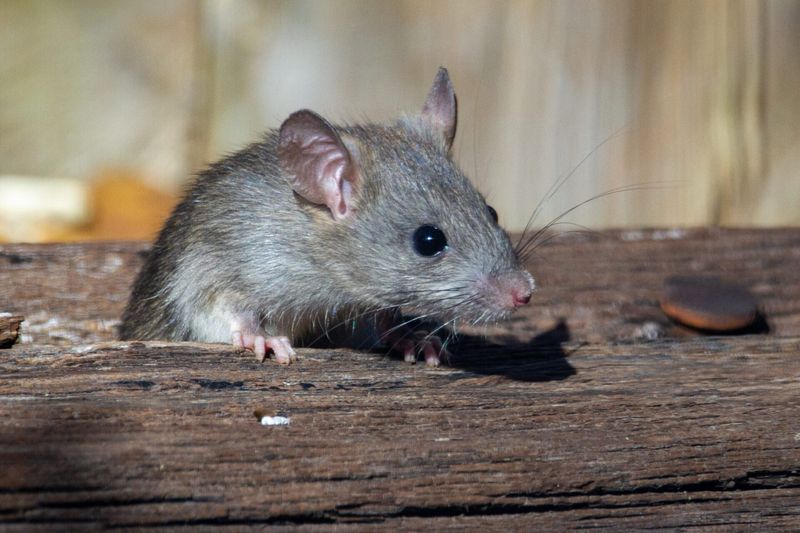
That corner behind the shed where old pots, lumber scraps, tarps, and cardboard have been piling up since last spring? It may look like harmless storage, but to a rat, it looks like prime real estate.
Rats look for dark, undisturbed spots with nearby food and easy escape routes. Clutter piles check every box.
Brush piles, stacked firewood left on the ground, unused furniture, and old buckets are common nesting spots around suburban and rural yards in this state.
The problem gets worse when clutter is pushed against a shed wall or fence, because it creates covered pathways that rats can use without crossing open ground.
Clearing clutter does not mean a completely bare yard. It means being intentional about what is stored and how.
Lift stored materials off the ground using pallets or shelving. Reduce pile sizes and organize what needs to stay.
Remove brush piles, bagged leaves, and cardboard that has been sitting outside for more than a few weeks.
Keep a clear inspection path around the perimeter of the home, shed, and garage so you can actually see what is happening at ground level.
UF/IFAS Extension pest management resources note that reducing harborage, which means shelter and hiding spots, is a core strategy in rodent management.
A tidier yard perimeter makes it easier to spot activity early and gives rats fewer reasons to settle in.
7. Unsealed Gaps Let Outdoor Problems Move Indoors
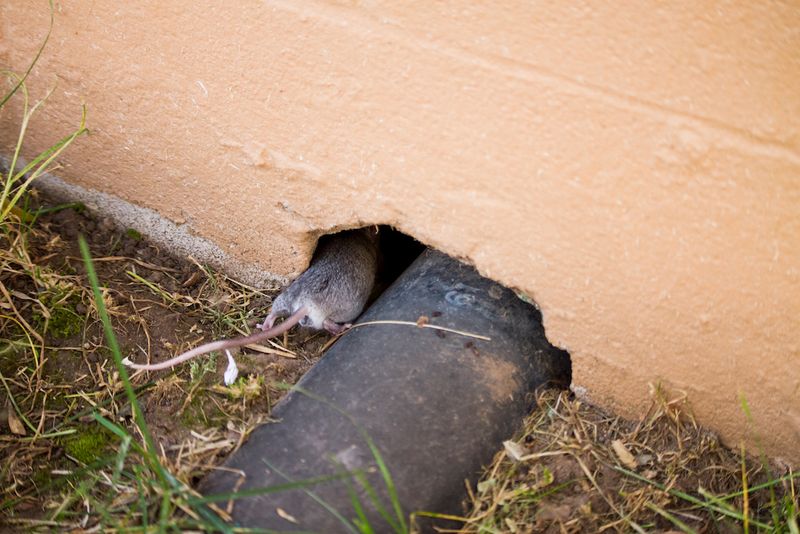
A yard that has been cleaned up and de-cluttered is a great start. But if the exterior of the home has gaps, loose vents, or damaged screens, rats can move from the yard into the structure without much effort.
Rats can squeeze through openings roughly the size of a quarter. Roof rats, which are common in this state, are agile climbers that can reach rooflines, soffits, and attic vents.
Common entry points include gaps around pipe penetrations, loose or damaged soffit panels, and torn screens on crawlspace vents. Missing door sweeps and spaces where utility lines enter the wall can also be enough.
Even small cracks in the foundation or gaps around garage doors can be enough.
A careful exterior inspection once or twice a year is a useful habit. Walk the full perimeter of the home and look at the foundation, walls, roofline, and any place where something passes through the wall.
Check vent screens for tears or gaps. Look at door sweeps and garage door seals.
Gaps can be sealed using materials that rats cannot chew through easily, such as hardware cloth or copper mesh. Appropriate caulk and foam can also help when combined with physical barriers.
UF/IFAS and county Extension pest management resources recommend consulting a licensed pest control professional or local Extension office. They can provide guidance on exclusion materials and methods suited to your specific structure.
Sealing the home’s exterior is the step that keeps yard improvements from being undone.
8. Dense Groundcover Can Turn Quiet Corners Into Cover

Not all groundcovers are a problem, and plenty of low-growing plants work beautifully in a home landscape. But when groundcover gets very thick and tall near the house, it can give rats a sense of safety.
That is especially true in corners, along fences, or at the base of walls as they move around the yard. Cover at ground level makes rats feel less exposed, which encourages them to spend more time in those areas.
Unmowed edges, tall weeds along fence lines, and dense low vines that creep along the foundation are the most common concerns.
These spots are easy to ignore because they sit in corners or along edges that do not get much attention during regular yard maintenance.
Keeping groundcovers trimmed near walls and entry points is a practical habit. Aim for a few inches of clearance between dense plantings and the foundation.
Remove weeds and debris from corners regularly, especially after the rainy season when growth speeds up. Choose open, low-maintenance groundcovers for areas closest to the house rather than dense spreading varieties.
Keeping corners visible from a normal walking path makes it easier to notice changes over time. UF/IFAS rodent management resources note that reducing ground-level cover near structures is a helpful part of a broader sanitation and exclusion approach.
A yard does not need to be bare to be less welcoming to rats. It just needs clear, manageable edges near the home.