These Oregon Natives Can Outperform Barberry Without Creating The Same Tick-Friendly Thickets
Barberry has had a pretty good run in gardens across the Pacific Northwest. Colorful foliage, spiny texture, low maintenance reputation.
It checks a lot of boxes on paper. But a growing number of gardeners are taking a second look at this shrub, and for good reason.
Research from other parts of the country has raised genuine questions about Japanese barberry’s dense, low thickets creating habitat that ticks find very comfortable.
The tick situation here differs from the eastern United States, but the conversation has gained real momentum in Oregon gardens specifically.
Add in the pruning aggravation and the sharp spines that make routine maintenance genuinely unpleasant, and barberry starts looking a lot less essential than it once did.
The Pacific Northwest has an outstanding lineup of native shrubs waiting in the wings that deserve a serious look.
1. Tall Oregon Grape Adds Structure Without The Baggage
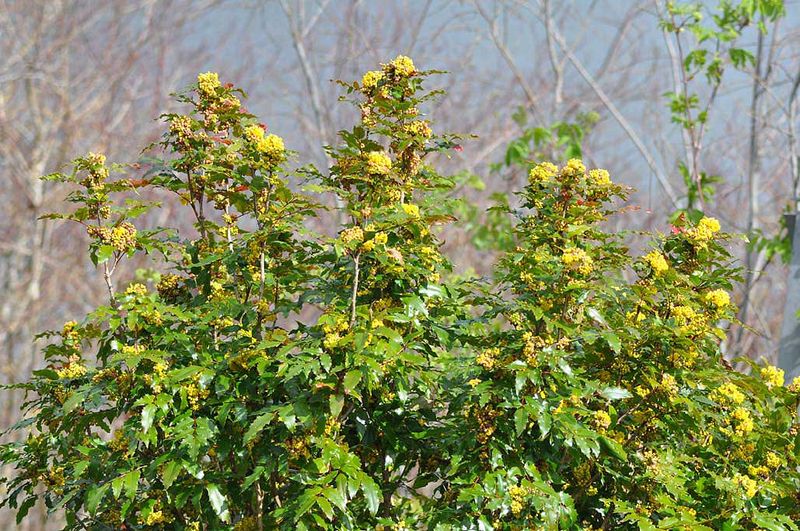
Few native shrubs come as close to matching barberry’s visual personality as tall Oregon grape. The spiny, compound leaves give it that same bold, architectural presence in a border, but this plant belongs here.
It grows naturally across forests and rocky slopes, making it genuinely adapted to western Oregon’s wet winters and dry summers without much help from you.
Tall Oregon grape typically reaches six to ten feet at maturity, so it works best in foundation beds with room to breathe or along the back edge of a shrub border.
Bright yellow flower clusters appear in late winter to early spring, drawing native pollinators before most other shrubs have even leafed out.
By summer, those flowers give way to clusters of dusty blue-purple berries that birds find extremely useful.
Because it holds its foliage year-round and has naturally spiny leaves, it provides the same deterrent effect barberry is often chosen for near windows or property edges.
Unlike barberry, though, tall Oregon grape tends to grow in a more upright, open form rather than a dense, tangled mass close to the ground.
Keeping it lightly pruned after flowering helps maintain a tidy structure without encouraging the kind of dense low growth that creates hiding spots for ticks or other pests. It is genuinely one of Oregon’s most dependable native alternatives.
2. Dwarf Oregon Grape Fits Small Shady Spots
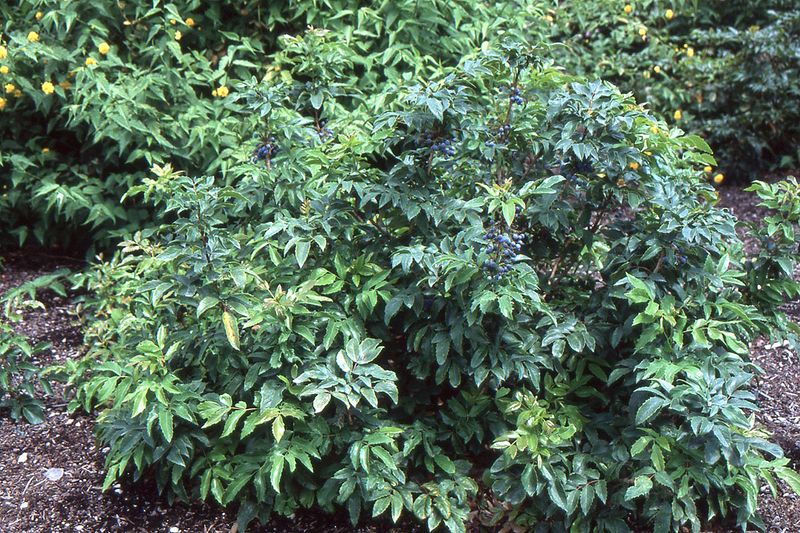
Shady corners and narrow borders along foundations are often the trickiest spots to plant well, and barberry rarely thrives in deep shade anyway. Dwarf Oregon grape, on the other hand, was practically made for those conditions.
Growing naturally on the shaded forest floors of western Oregon, this low-growing native handles dappled to moderate shade with ease and stays evergreen through mild winters.
At roughly one to two feet tall, dwarf Oregon grape spreads gradually by rhizomes to form a tidy, weed-suppressing carpet.
The leaves are similar to its taller relative, with a glossy texture and slightly spiny edges that give it visual interest throughout the year.
Yellow flowers appear in spring, followed by small blue berries that native birds and other wildlife will appreciate.
Your Oregon Garden Changes Every Week. Your Plan Should Too.
Gardening in Oregon changes quickly throughout the season. Every Friday you’ll receive a simple weekly plan showing exactly what to plant, prune, fertilize, harvest, and protect so you never miss the right timing.
Because it stays low and spreads at a moderate pace rather than forming an impenetrable tangle, it is easier to manage along paths and foundations than barberry.
Periodic thinning keeps it from becoming overly dense in one spot, which also helps with air circulation and reduces the kind of dark, humid microhabitat that any dense low shrub can create over time.
Dwarf Oregon grape pairs well with sword fern, native bleeding heart, and other shade-tolerant Oregon natives, creating a layered woodland look that feels at home in Oregon gardens without demanding much ongoing attention from you.
3. Red-Flowering Currant Brightens Early Spring
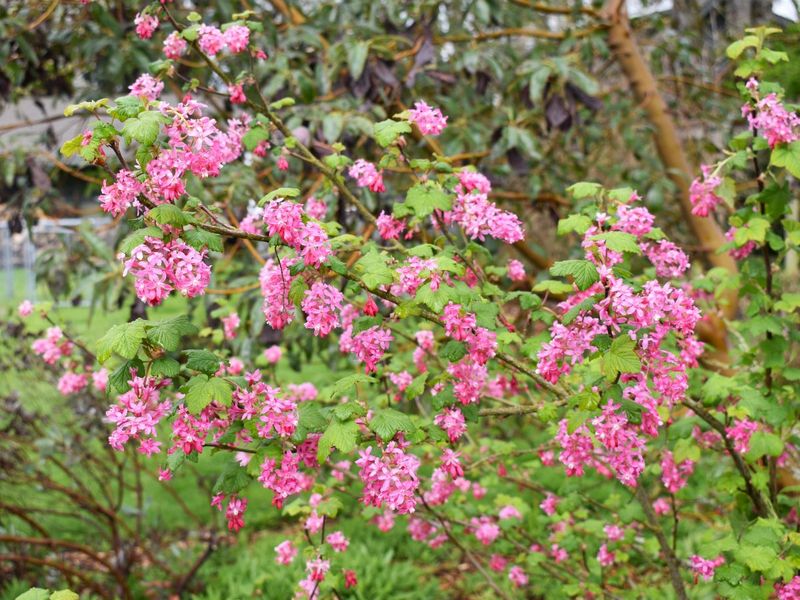
Walk past a red-flowering currant in March and it is hard not to stop. The cascading clusters of deep pink to red tubular flowers appear before the leaves fully open, creating one of the most striking early-spring displays of any shrub native to Oregon.
Hummingbirds know this plant well and often show up right on schedule when the blooms open each year.
Unlike barberry’s stiff, thorny form, red-flowering currant has a softer, more relaxed shrub structure that fits naturally into mixed borders, woodland edges, and sunny foundation beds.
It typically grows six to twelve feet tall depending on the site and can be lightly shaped after flowering to keep it proportional to its space.
It handles dry summers reasonably well once established, especially in well-drained soils with some afternoon shade in hotter inland areas.
The small blue-black berries that follow the flowers are not particularly showy for people, but native birds find them useful through summer.
The foliage has a pleasant, slightly aromatic quality and holds its medium-green color through the season before dropping in fall.
Because red-flowering currant grows in a more open, airy form rather than a dense low thicket, it does not create the same ground-level hiding environment that concerns gardeners thinking about tick habitat.
For early-season color and wildlife value, few Oregon natives match what this shrub can offer a garden border.
4. Evergreen Huckleberry Looks Good In Every Season
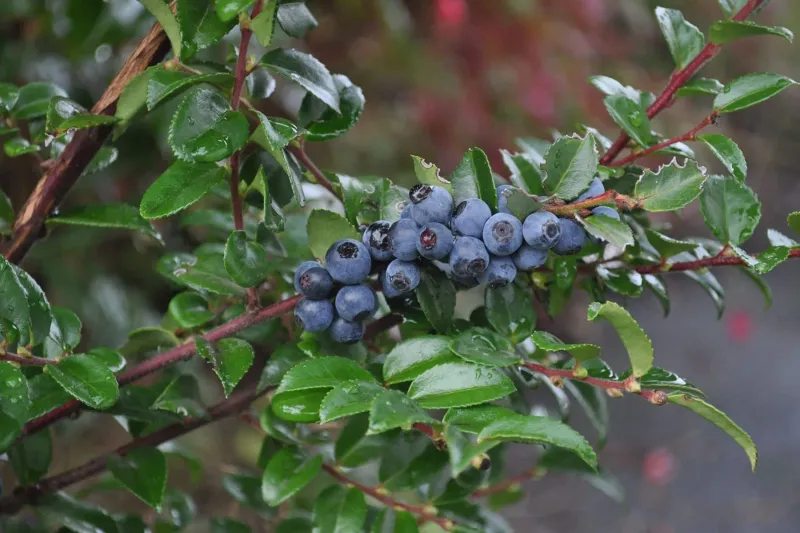
Some shrubs earn their place in a garden by being reliable every single month of the year, and evergreen huckleberry is exactly that kind of plant.
The small, glossy, dark green leaves hold their color through Oregon’s winters, giving borders a polished, finished look even in January when most other shrubs look bare or tired.
It is a quiet workhorse that rarely demands attention but always delivers.
Small pinkish-white bell-shaped flowers appear in spring, followed by dark blue-black berries in late summer and fall that are genuinely delicious and also highly attractive to birds and other wildlife.
The plant grows slowly, reaching four to eight feet over time depending on light and moisture, and it tends to maintain a naturally tidy, rounded form without aggressive pruning.
It performs best in partial to full shade with moist, well-drained, acidic soil, making it a strong candidate for shaded Oregon foundation beds under conifers or broad-leaved trees.
Because evergreen huckleberry grows in a more upright, branching form rather than spreading into a dense ground-level mass, it does not create the same low, tangled microhabitat that dense barberry thickets can produce.
Occasional light thinning helps keep the interior open and well-aired.
For gardeners who want year-round foliage, seasonal flowers, edible fruit, and strong wildlife value in one shrub, evergreen huckleberry is a genuinely satisfying choice that fits many site conditions across western Oregon.
5. Salal Grows Well In Tough Shade
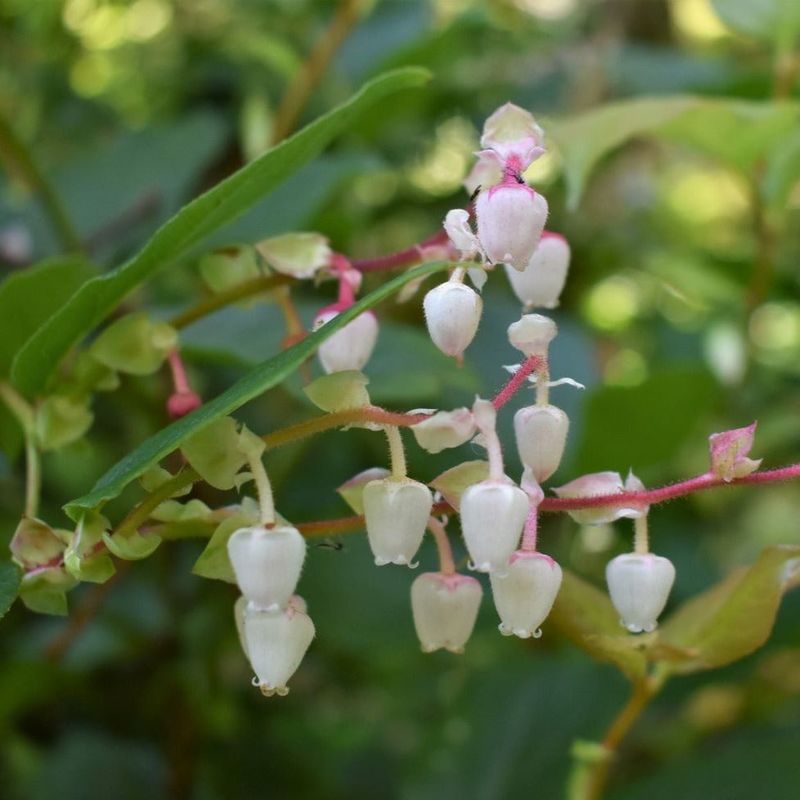
Salal has a reputation as one of Oregon’s most rugged native shrubs, and that reputation is well earned.
It thrives in the deep, root-filled shade under Douglas fir and western red cedar where most other shrubs simply give up, making it one of the few options that can genuinely stabilize difficult shaded areas without complaint.
Florists have long valued its leathery, dark green leaves, which hold up beautifully in arrangements.
In garden settings, salal typically grows two to five feet tall and spreads gradually by rhizomes, forming a layered, informal ground cover that suppresses weeds effectively.
Small white to pinkish urn-shaped flowers appear in spring, followed by dark blue-purple berries that wildlife, including birds and small mammals, find quite useful through summer and fall.
The foliage is evergreen and holds its deep color year-round, giving shaded borders a lush, textured look throughout Oregon’s seasons.
One honest note worth keeping in mind: salal can spread fairly vigorously in moist, shaded sites, and if left unmanaged near paths or foundations, it can build up into a dense, layered mass over time.
Any thick, low shrub cover in damp conditions can potentially create habitat that ticks and other small creatures find useful, so keeping salal from growing too dense near high-traffic areas is a smart practice.
With some occasional thinning and boundary management, though, salal is an outstanding native for challenging shaded spots.
6. Pacific Ninebark Adds Year-Round Interest
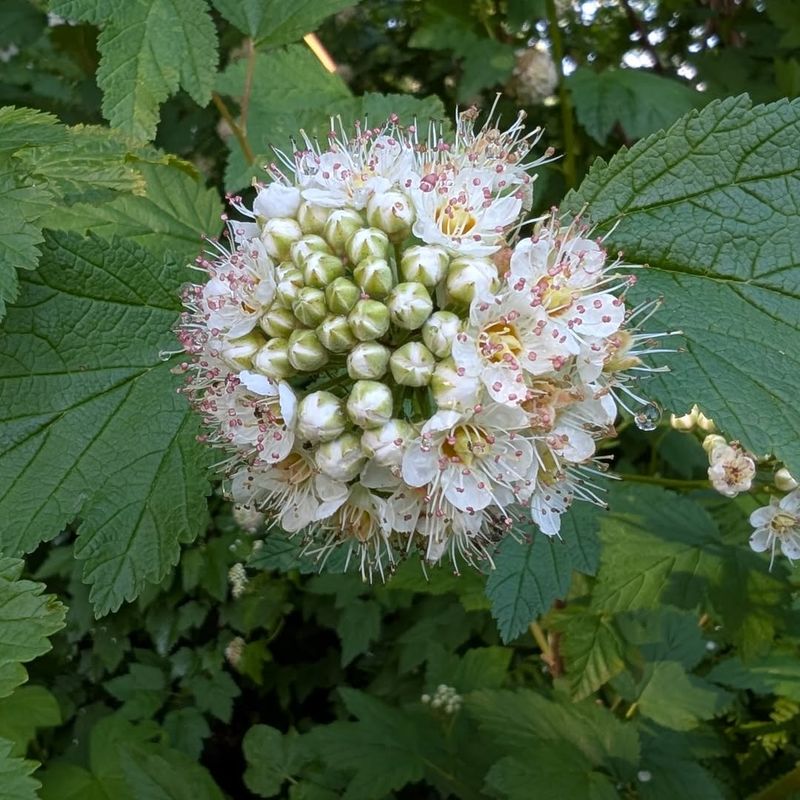
There is something satisfying about a shrub that delivers something interesting in every season, and Pacific ninebark does exactly that.
In late spring and early summer, it covers itself in rounded clusters of small white flowers that attract native bees and other pollinators in noticeable numbers.
By late summer, reddish seed capsules add color and texture, and the peeling, layered bark on mature stems gives the plant a sculptural quality that holds interest through winter.
Pacific ninebark is a larger shrub, typically reaching six to twelve feet tall and wide at maturity, so it needs space to perform well.
It suits the back of a shrub border, a naturalistic screen planting, or a rain garden edge where its preference for moist to moderately moist soils can be met.
It can handle full sun to partial shade and tolerates wet winters without issue, making it a practical choice for many western Oregon garden situations.
Because it grows in an upright, arching form with an open interior rather than a dense, ground-hugging mass, it does not create the same kind of low thicket environment that worries gardeners thinking about tick-friendly habitat.
Pruning out older stems every few years keeps the plant vigorous and the interior open and airy.
For gardeners who want a native shrub with real structural presence, seasonal flowers, and wildlife value, Pacific ninebark is a strong and reliable option for Oregon borders and natural-style landscapes.
7. Oceanspray Handles Dry Slopes Well
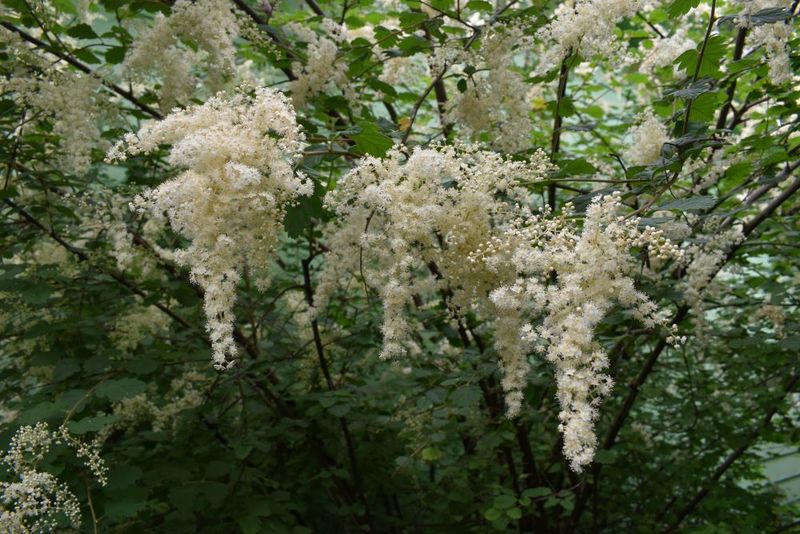
Dry sunny slopes are one of the harder spots to plant, especially where summer heat and rocky or sandy soils make life difficult for most shrubs. Oceanspray was built for exactly those conditions.
It grows natively on rocky hillsides, forest edges, and dry open slopes, and once established, it gets by on Oregon’s natural rainfall without supplemental irrigation in most western Oregon sites.
The showiest moment for oceanspray comes in early to midsummer, when large, drooping plumes of creamy white flowers cascade from the branch tips in a display that genuinely earns the plant its name.
The flowers are attractive to native insects, and the dried seed clusters that follow persist through fall and into winter, providing food and cover for small birds.
Foliage is a soft, medium green with a slightly serrated edge, giving the plant a lighter, more relaxed texture than barberry’s stiff, spiny leaves.
Oceanspray typically reaches six to fifteen feet tall in garden settings, so it works best where there is room for a larger, arching shrub rather than a tight foundation planting.
Its naturally open, vase-shaped form means the interior stays reasonably airy, and it does not produce the kind of dense, low, tangled growth that creates problematic ground-level hiding spots.
For dry slopes, sunny wildlife gardens, and naturalistic Oregon landscapes, oceanspray is a dependable and visually rewarding native that rarely gets the attention it deserves.
8. Western Serviceberry Shines From Spring To Fall
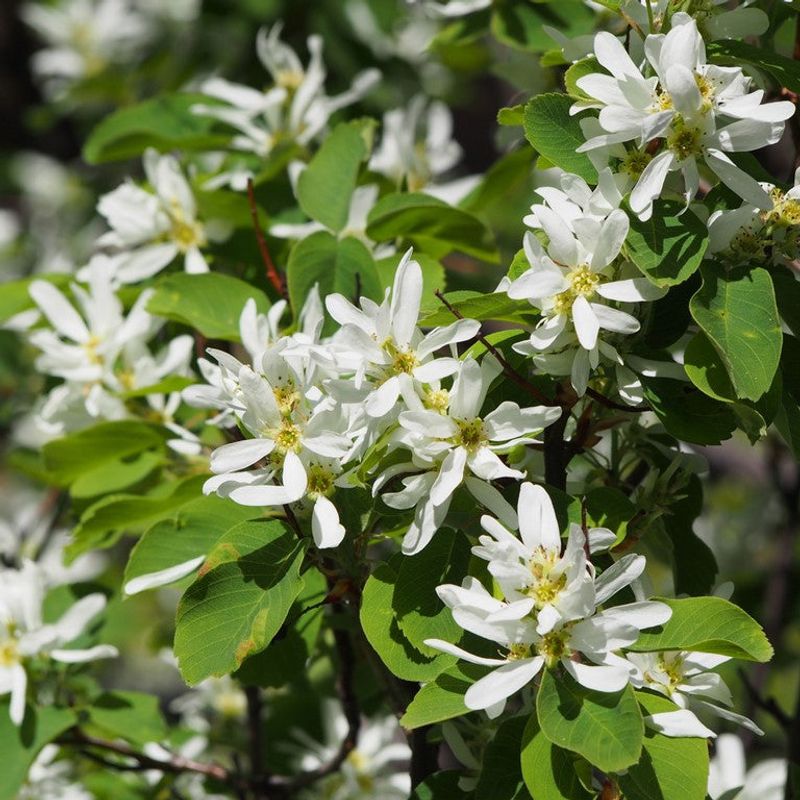
Early spring in an Oregon garden can feel quiet and a little gray, but western serviceberry has a way of changing that almost overnight.
Clusters of delicate white flowers open in March or April, often before the leaves have fully emerged, creating a soft, airy display that signals the season has turned.
It is one of the earliest-blooming native shrubs in Oregon, which makes it especially valuable for pollinators emerging after winter.
As a larger shrub or small tree reaching eight to twenty feet depending on conditions, western serviceberry brings genuine seasonal layering to a garden.
The spring flowers give way to sweet, blueberry-like fruits by early summer that birds absolutely love, sometimes stripping the plant before you have a chance to taste many yourself.
Fall color ranges from soft yellow to warm orange, giving the plant one more moment of visual interest before winter.
Because western serviceberry grows in an upright, multi-stemmed form with an open canopy rather than a dense, ground-hugging thicket, it does not create the same low, tangled microhabitat that dense barberry can produce.
It suits woodland edges, shrub borders, wildlife gardens, and naturalistic plantings where there is room for a larger specimen.
Well-drained to moderately moist soils and full sun to partial shade suit it best across Oregon’s varied landscapes. For a native plant that earns its space through three seasons, western serviceberry is genuinely hard to beat.