These Are The Best Small Palms For Texas Front Yards
Looking to add a touch of tropical flair to your Texas front yard without taking over the space? Small palms are the perfect solution.
They bring a sense of elegance and charm while staying manageable in size, making them ideal for walkways, patios, or garden beds.
Texas weather can be intense, with hot summers and occasional cold snaps, so choosing palms that are hardy and adaptable is key.
Some small palm varieties handle heat and drought exceptionally well, while others tolerate occasional frost, allowing you to enjoy greenery year-round.
Their textured fronds and compact growth add movement and visual interest without overwhelming other plants in your yard.
Planting the right small palms can instantly enhance curb appeal and create a welcoming, tropical vibe. With the proper selection and care, your front yard can stand out with low-maintenance palms that thrive in Texas conditions.
1. Mediterranean Fan Palm
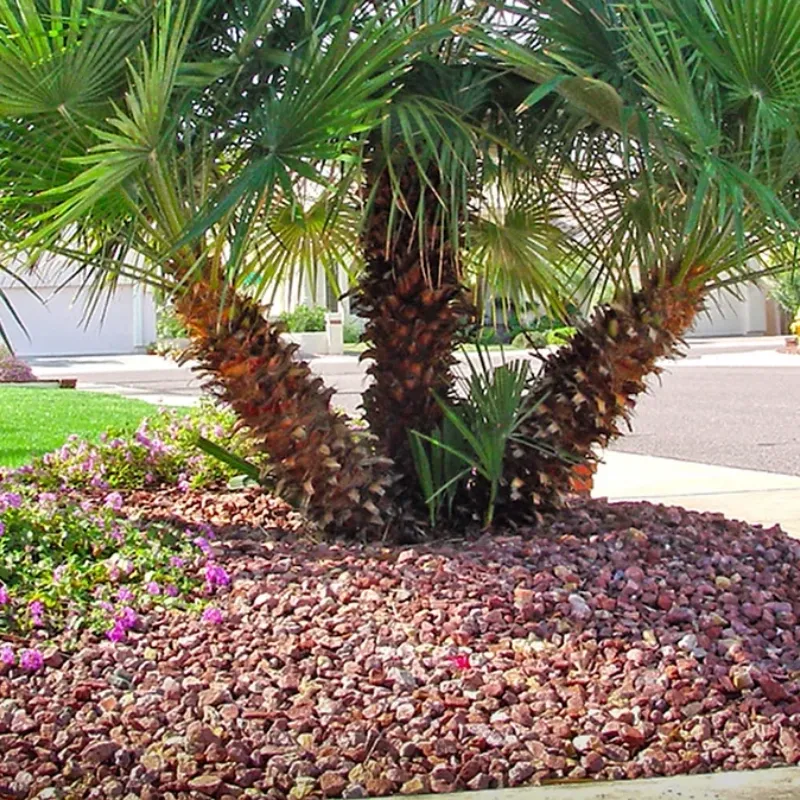
Tough as nails and beautiful to look at, the Mediterranean Fan Palm earns its spot in Texas front yards without much fuss. This multi-trunked palm naturally forms a clump of stems over time, giving it a full, lush appearance that looks great as a focal point or border plant.
It typically stays under 15 feet tall, which keeps it manageable for most residential yards. Texas heat does not scare this palm one bit. It thrives in full sun and handles drought conditions like a champ once it gets established.
In fact, it is one of the most heat and drought-tolerant palms you can find, which is exactly what Texas homeowners need during those long, dry summers.
Cold hardiness is another major advantage. The Mediterranean Fan Palm can handle temperatures that drop into the low teens, meaning it survives winter in most parts of Texas without any extra protection.
That kind of resilience makes it a reliable long-term investment for your front yard. Maintenance is refreshingly simple. Prune away old or brown fronds occasionally to keep it looking neat, and that is about all it needs.
It grows slowly, so you will not be constantly managing its size. Sandy or loamy soils with good drainage work best, but this palm adapts to a range of soil types found across Texas.
For homeowners who want beauty without the hassle, this palm checks every box on the list.
2. Pygmy Date Palm
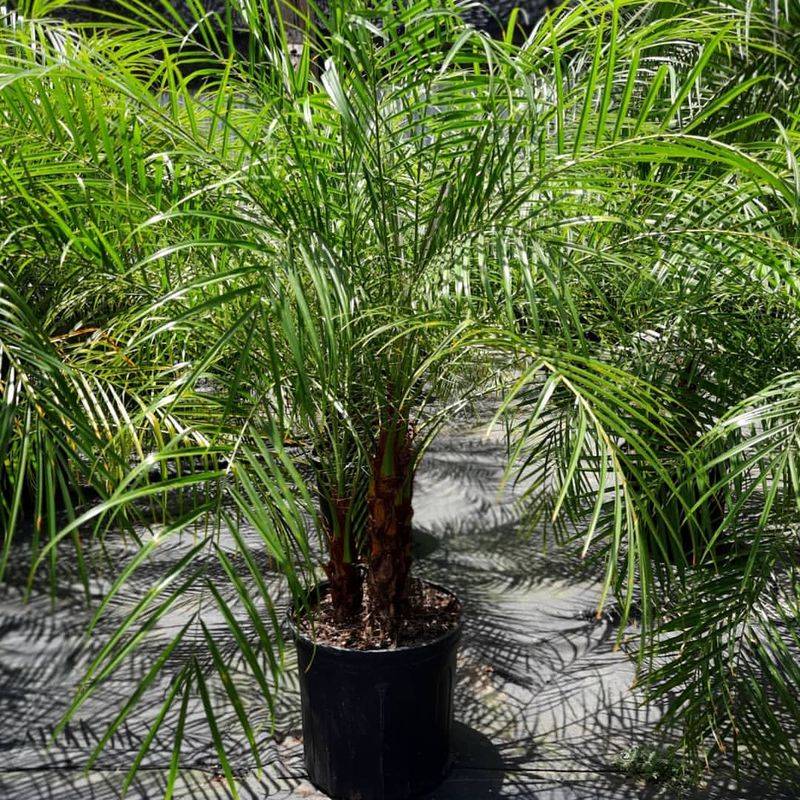
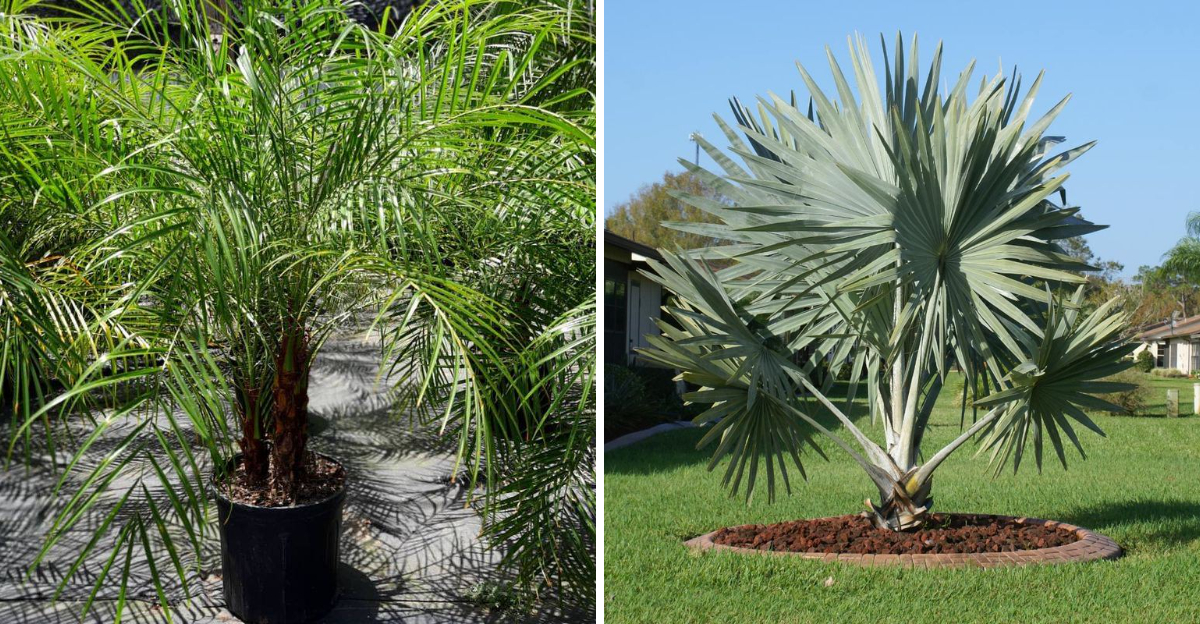
Feathery, graceful, and surprisingly tough, the Pygmy Date Palm is one of the most popular small palms you can plant in a Texas front yard. Growing only 6 to 10 feet tall, it fits perfectly in compact spaces without overwhelming your home’s curb appeal.
Its slender trunk and arching fronds give it an elegant, tropical look that stands out in any neighborhood.
One of the best things about this palm is its flexibility with sunlight. It grows well in full sun and partial shade, which makes it a great fit for different yard layouts across Texas.
Whether your front yard gets blasted by the afternoon sun or stays shaded for part of the day, this palm handles it well.
Your Texas Garden Changes Every Week. Your Plan Should Too.
Gardening in Texas changes quickly throughout the season. Every Friday you’ll receive a simple weekly plan showing exactly what to plant, prune, fertilize, harvest, and protect so you never miss the right timing.
Planting is straightforward. Use well-draining soil and water regularly during the first growing season to help it settle in.
Once established, it becomes much more drought-tolerant and needs less attention. A little mulch around the base helps keep moisture in and roots cool during hot Texas summers.
The Pygmy Date Palm also works beautifully in containers, which is a big bonus if you want flexibility in your front yard design. You can move potted palms around to refresh the look of your space whenever you feel like it.
Many Texas homeowners plant them in pairs on either side of a front door for a classic, resort-style entrance that never goes out of style.
3. Needle Palm
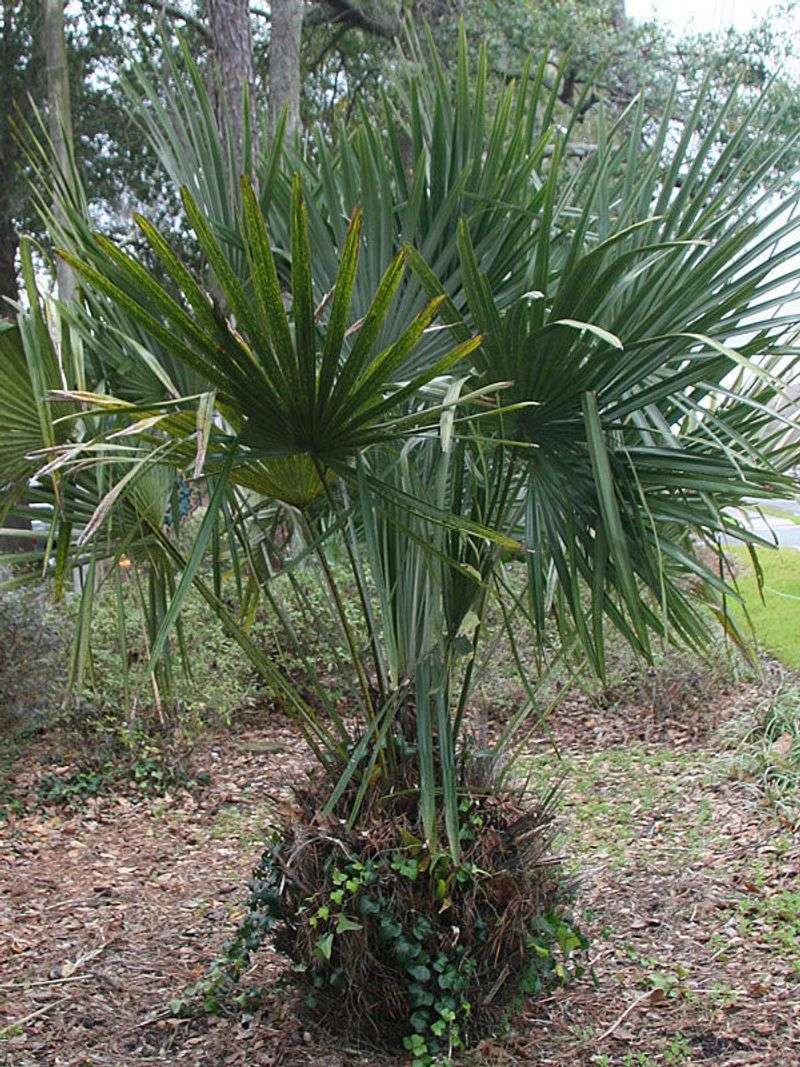
If you live in North Texas or any region that sees cold snaps in winter, the Needle Palm might just become your favorite plant.
Known as one of the hardiest palms in the world, it can survive temperatures well below freezing, making it a reliable choice even in the cooler parts of the Lone Star State. Few palms can match its cold tolerance.
Growing 4 to 6 feet tall, the Needle Palm has a compact, clumping growth habit that works perfectly in foundation plantings and smaller front yards. Its dark green, fan-shaped fronds are dense and full, giving your yard a lush, tropical look without taking up too much space.
The sharp needle-like spines along the base are a natural deterrent for foot traffic, which makes it a clever choice near walkways or property edges.
Drought tolerance is another strong suit. Once established in your Texas yard, this palm requires very little supplemental watering.
It also adapts well to partial shade, which is helpful if your front yard has areas blocked from direct sunlight by trees or your home.
Growth is slow and steady. Do not expect rapid changes, but do expect a reliable, long-lived plant that keeps performing year after year.
Many Texas gardeners appreciate that it looks great with minimal grooming. Remove old fronds as needed to keep the plant tidy.
For a low-effort, high-reward palm that handles Texas weather without complaint, the Needle Palm is a standout option worth considering.
4. European Fan Palm
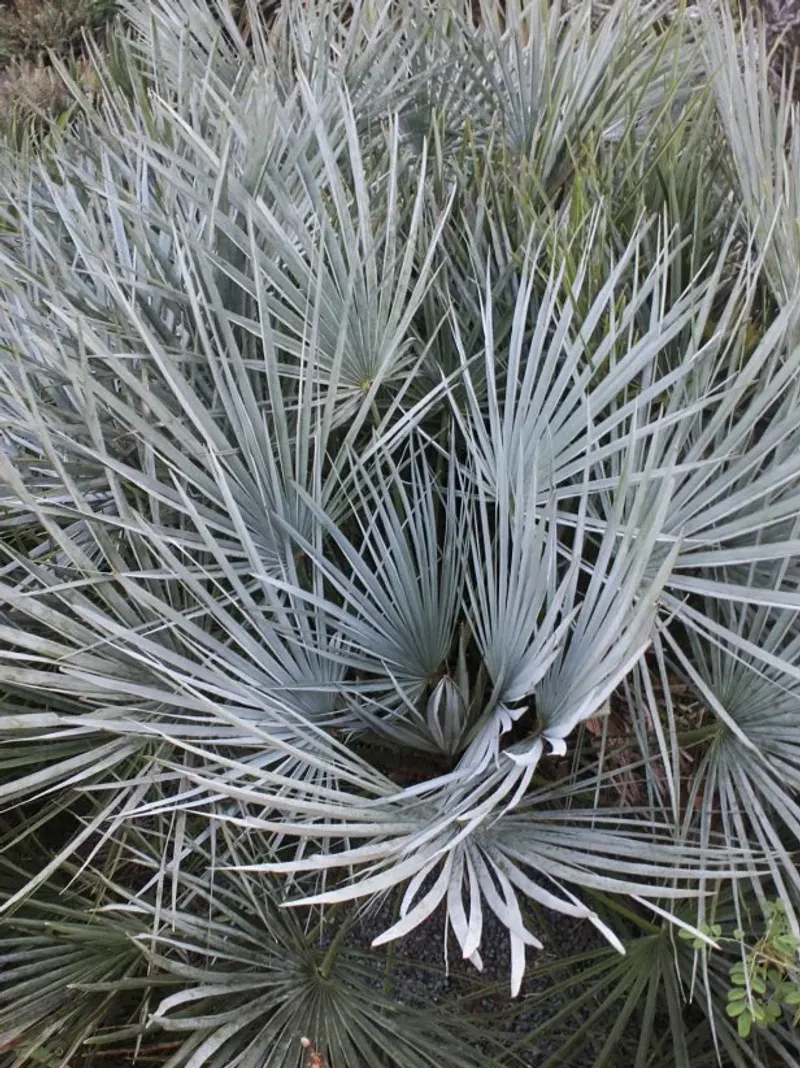
Picture a palm with silvery-blue, fan-shaped fronds that shimmer in the Texas sun. That is exactly what the European Fan Palm variety, Chamaerops humilis var. cerifera, brings to your front yard.
This compact variation of the Mediterranean Fan Palm has a cooler, more silvery leaf tone that adds a unique color pop to your landscape, setting it apart from the typical green palms you see around the neighborhood.
Size-wise, it stays quite small, often reaching only 4 to 6 feet in height over many years. That slow, compact growth makes it a perfect fit for smaller Texas front yards or even container planting on a front porch or entryway.
Planted in a decorative pot, it becomes an eye-catching statement piece that you can reposition as your design needs change.
Heat and drought tolerance are built into this palm’s DNA. Texas summers are no problem at all.
It thrives in full sun and asks for very little once it gets established in well-draining soil. Overwatering is actually a bigger concern than underwatering with this variety, so less is more when it comes to irrigation.
The fan-shaped fronds have a natural waxy coating that gives them that distinctive silver look and also helps the plant conserve water in dry conditions. Minimal pruning keeps it looking sharp.
If you want a palm that doubles as a living sculpture and requires almost no babysitting, this European Fan Palm variety is a fantastic pick for any Texas front yard design.
5. Windmill Palm
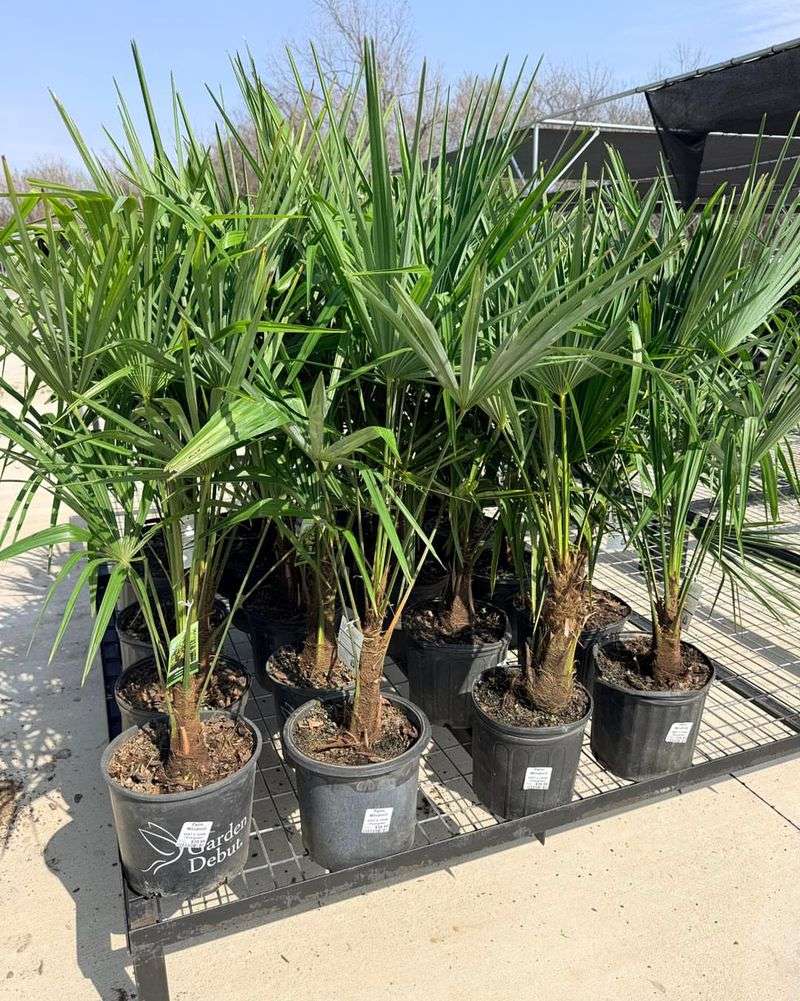
There is something undeniably charming about a Windmill Palm standing tall in a Texas front yard. With its slender, fiber-covered trunk and wide fan-shaped leaves, it looks like it belongs on a tropical resort.
Yet this palm is surprisingly cold-hardy, tolerating temperatures well below freezing, which makes it a smart choice for homeowners across a wide range of Texas regions.
Growing up to 20 to 25 feet over many years, the Windmill Palm stays manageable for most front yard settings. Its narrow trunk takes up very little ground space, so it works well even in yards where room is limited.
You can plant it near a walkway, driveway, or front entrance without worrying about it crowding other plants or structures.
Adapting to Texas sun is something this palm handles with ease. It grows well in both full sun and partial shade, giving you flexibility in placement.
Younger plants benefit from some afternoon shade protection while they get established, but mature Windmill Palms handle direct Texas sun without any issues.
Soil drainage is key to keeping this palm healthy. It performs best in loamy, well-draining soil and does not like sitting in waterlogged ground for extended periods.
Water regularly during the first year, then cut back as the plant matures. The tropical aesthetic it adds to a front yard is hard to match.
Many Texas homeowners use Windmill Palms as anchor plants in their landscape designs, pairing them with colorful flowering plants for a vibrant, resort-inspired look.
6. Dwarf Palmetto
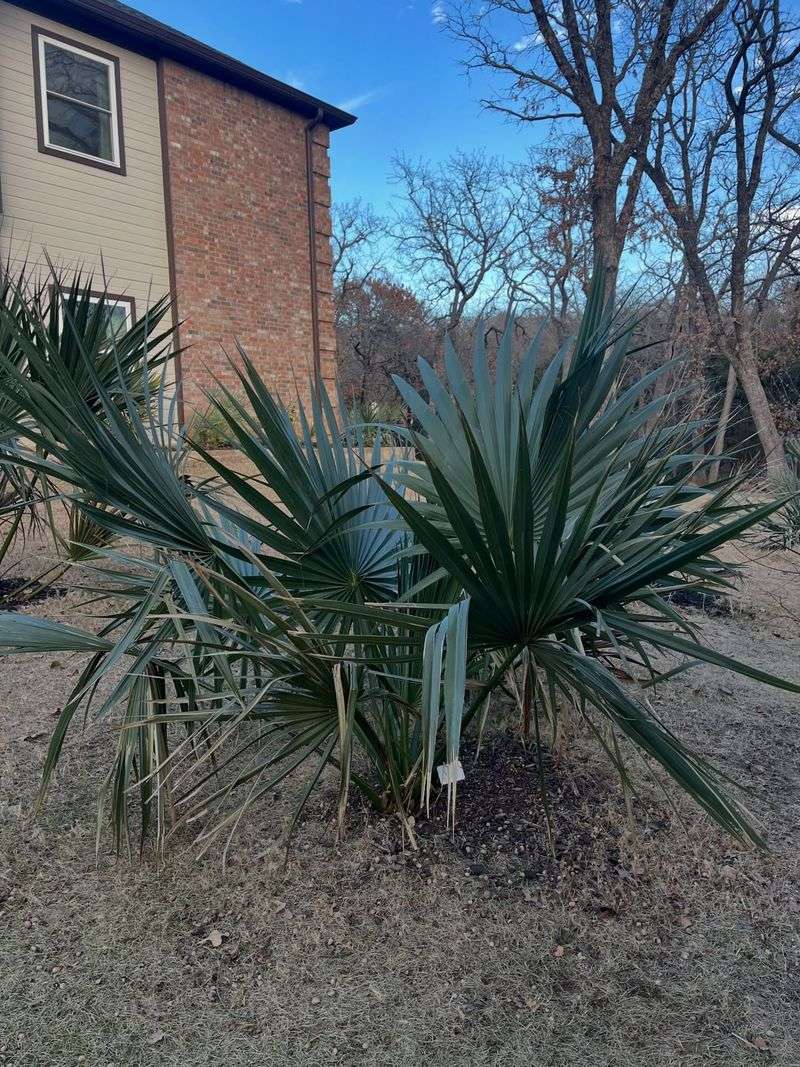
Born and raised in Texas, the Dwarf Palmetto is a true native palm that feels right at home in the Lone Star State. Found naturally across East Texas and along the Gulf Coast, this palm has spent thousands of years adapting to the local climate.
That deep-rooted resilience shows up in how well it handles heat, humidity, and even occasional flooding that other palms simply cannot tolerate.
One of its most impressive qualities is its low-growing habit. The Dwarf Palmetto rarely exceeds 3 to 6 feet in height, with most of its trunk staying underground or at ground level.
That compact size makes it ideal for foundation plantings along the front of your home, where taller plants might block windows or feel out of scale with the architecture.
Shade tolerance sets this native palm apart from many others on this list. While it can handle full sun, it actually prefers partial shade, making it a perfect solution for front yards with large trees or areas that do not get direct sunlight all day.
Few palms thrive under those conditions, so the Dwarf Palmetto fills a real gap in Texas landscaping.
Maintenance needs are minimal once it gets going. It handles drought well after the first year and rarely needs fertilizing in native soil.
The large, fan-shaped fronds have a beautiful blue-green tone that stays attractive through all four seasons. For Texas homeowners who want a native, no-fuss palm with real character, the Dwarf Palmetto is an excellent front yard choice.
7. Bismarck Palm – Dwarf Variety
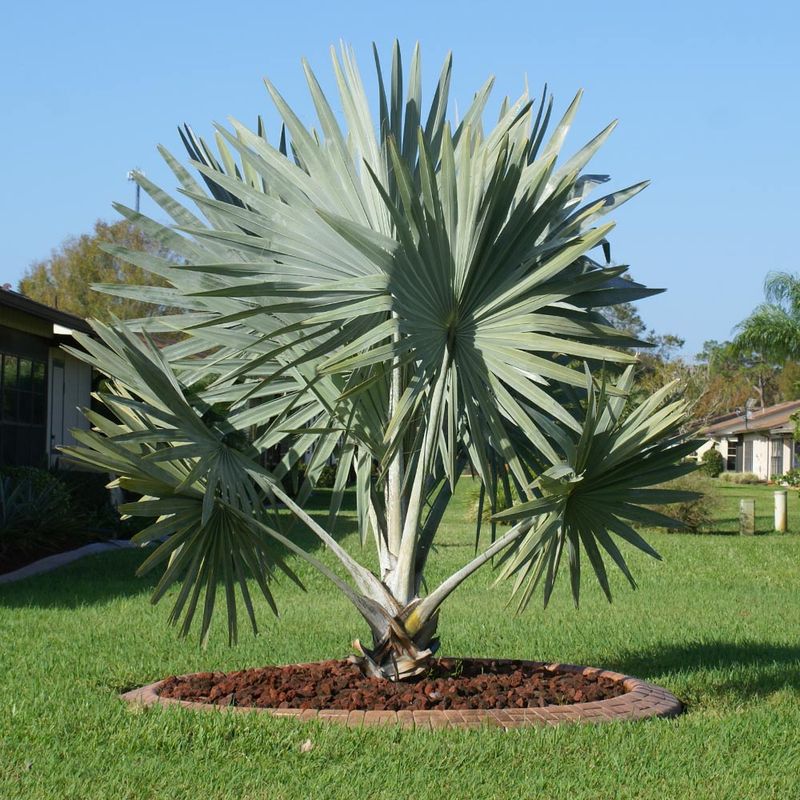
Few palms command attention quite like the Bismarck Palm, and the dwarf variety brings that same jaw-dropping visual impact to front yards that cannot accommodate a full-sized specimen.
The silver-blue fronds are absolutely stunning, catching the light in a way that makes the entire plant look like it belongs in a high-end landscape design. In Texas, where bold, sun-loving plants thrive, this palm feels right at home.
The dwarf variety stays more compact than the standard Bismarck, making it a realistic option for residential front yards across Texas.
While it still grows slowly into a sizeable plant over time, its manageable size during the first several years gives homeowners plenty of time to plan their landscape around it. Think of it as a long-term investment in your curb appeal.
Full sun is where this palm truly shines. Texas heat and intense sunlight are not problems for the Bismarck Palm.
It soaks up every bit of sun and rewards you with vibrant, silver-toned fronds that stay eye-catching year-round. Drought tolerance is solid once established, making it well-suited for the dry spells that regularly hit Texas during summer months.
Planting in well-draining soil is essential. Sandy or loamy soil works best, and raised beds are a great option if your yard has heavy clay.
Water consistently during the establishment phase, then gradually reduce frequency. Pair this palm with low-growing succulents or ornamental grasses for a striking, desert-meets-tropical front yard look that will turn heads throughout your entire Texas neighborhood.