The White Powder On Minnesota Rose Leaves That Most Gardeners Get Wrong
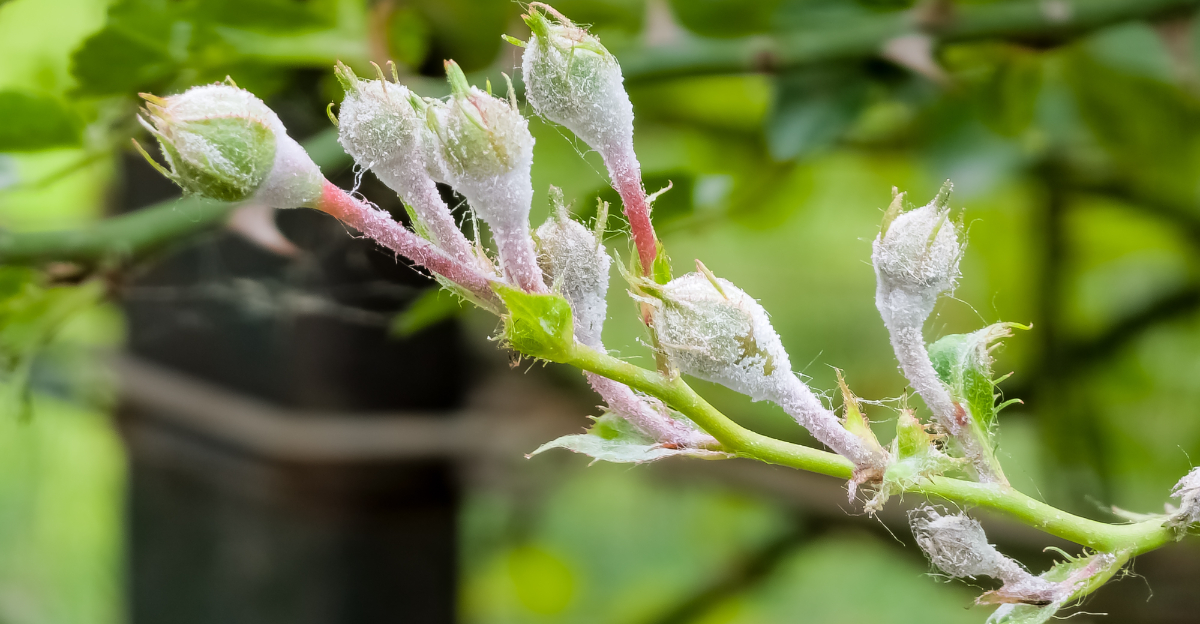
Roses in Minnesota can look perfect one day and unrecognizable the next. That chalky white coating is powdery mildew, and it loves it here.
It spreads faster than most gardeners expect, and the real damage is not always visible right away. The bigger problem is what happens when you treat it the wrong way.
Grabbing the wrong product or waiting too long turns a manageable situation into a season-long battle your roses may not fully recover from.
Minnesota’s humid mornings and warm afternoons create exactly the conditions this fungus needs to thrive, and your roses are sitting right in the middle of it.
Understanding what you are actually dealing with changes everything about how you respond.
The White Powder On Your Roses Has A Name
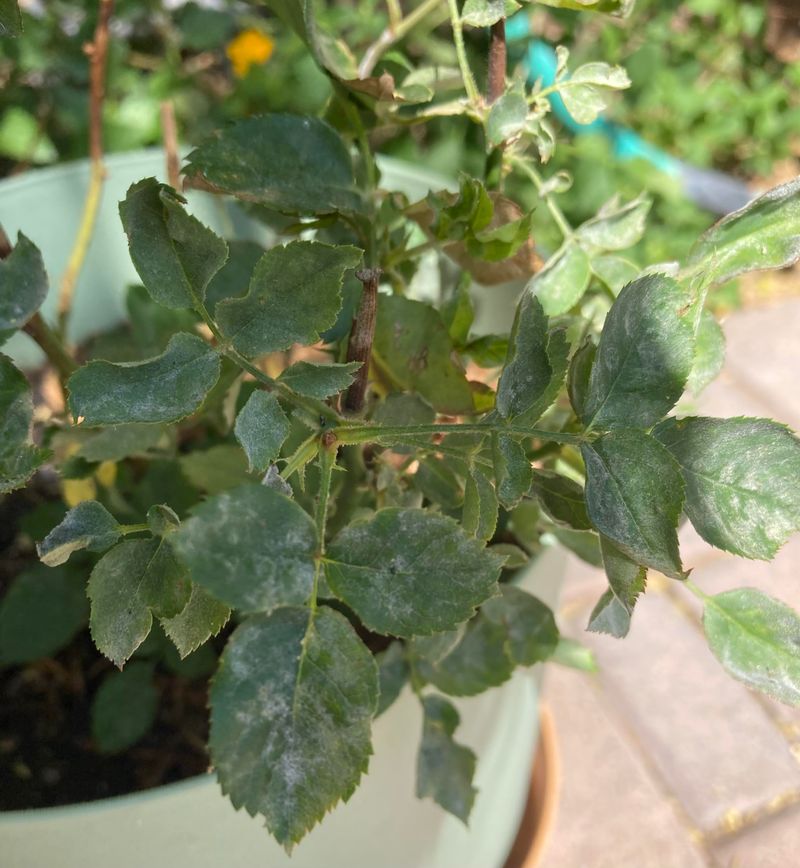
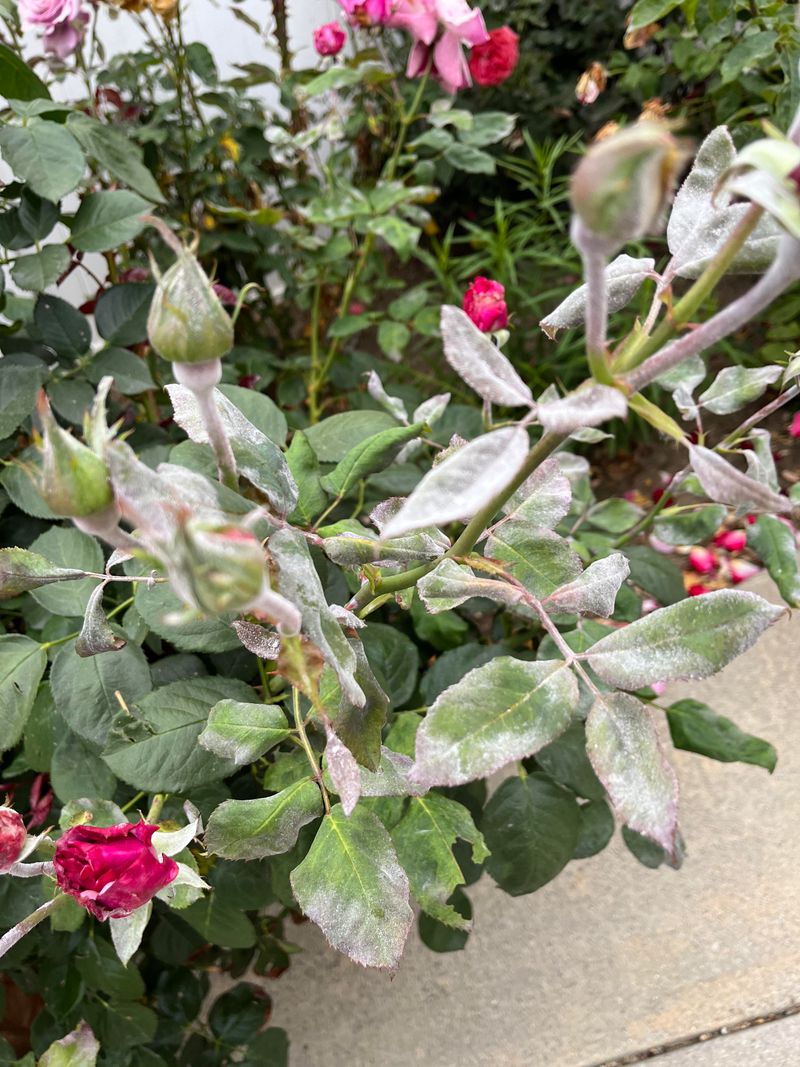
That dusty coating is not something you tracked in from the garage. Powdery mildew is a fungal disease caused by the pathogen Podosphaera pannosa, and it lives right on the surface of your rose leaves.
Unlike most fungi, it does not need wet soil or standing water to spread. It actually thrives in warm, dry air with just a little humidity, which makes it sneaky and hard to predict.
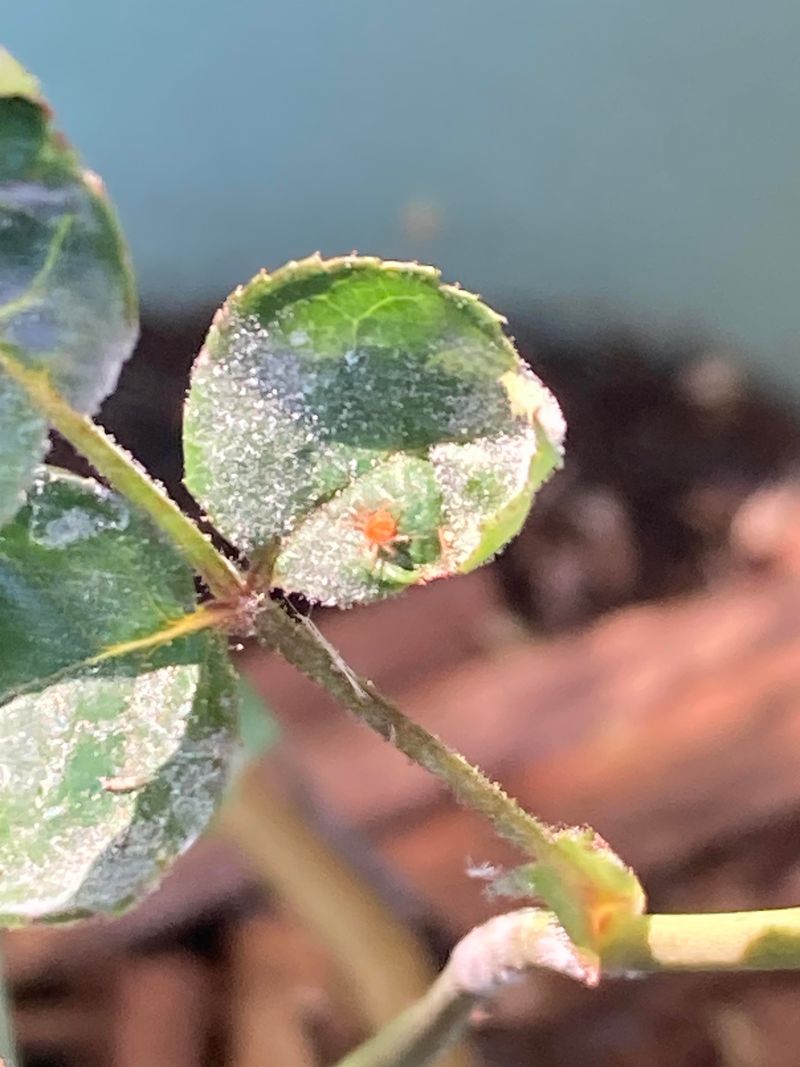
The white powder you see is made up of thousands of tiny fungal spores. Each one can break free in a breeze and reach a nearby plant within minutes.
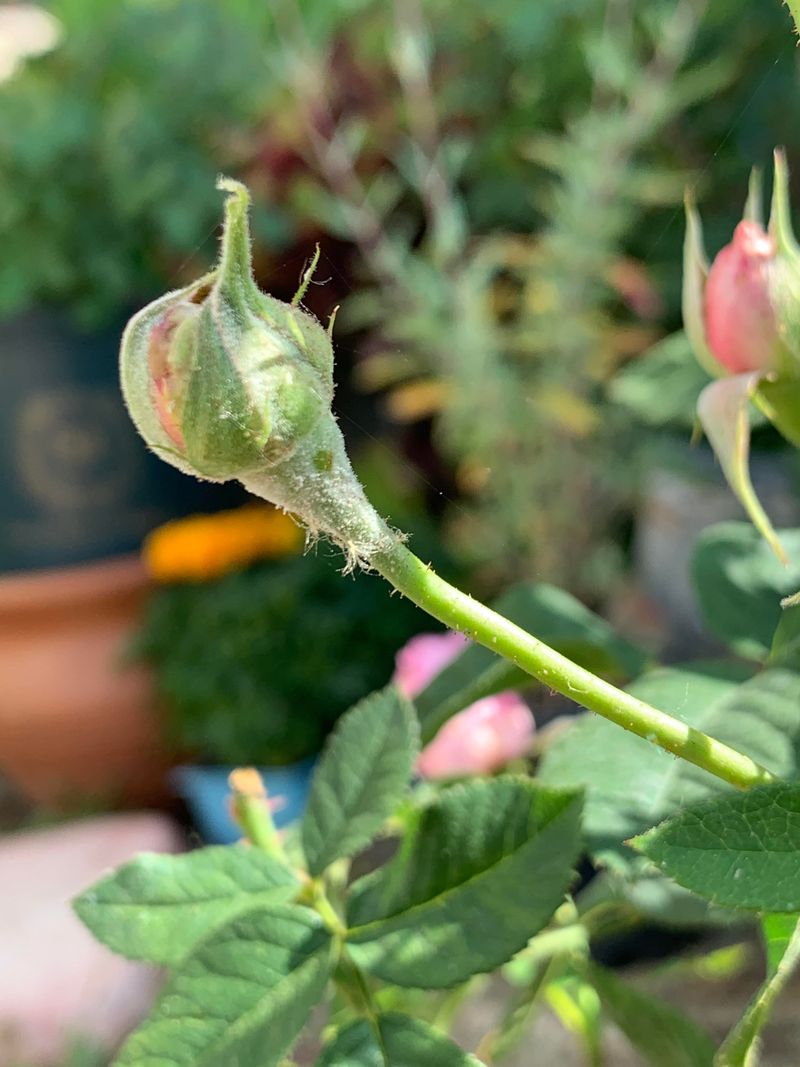
Infected leaves often curl slightly at the edges and look almost fuzzy up close. New growth tends to be hit hardest because young tissue is softer and easier for the fungus to penetrate.
Many gardeners mistake it for dust, mineral deposits from hard water, or even pesticide residue. Rubbing the coating off with your finger confirms it quickly because it smears and leaves a faint green streak behind.
Catching it early makes a huge difference in how well your roses recover. Ignoring it even for two weeks allows the spores to multiply and spread to nearby plants.
Why Minnesota Roses Are Especially Vulnerable
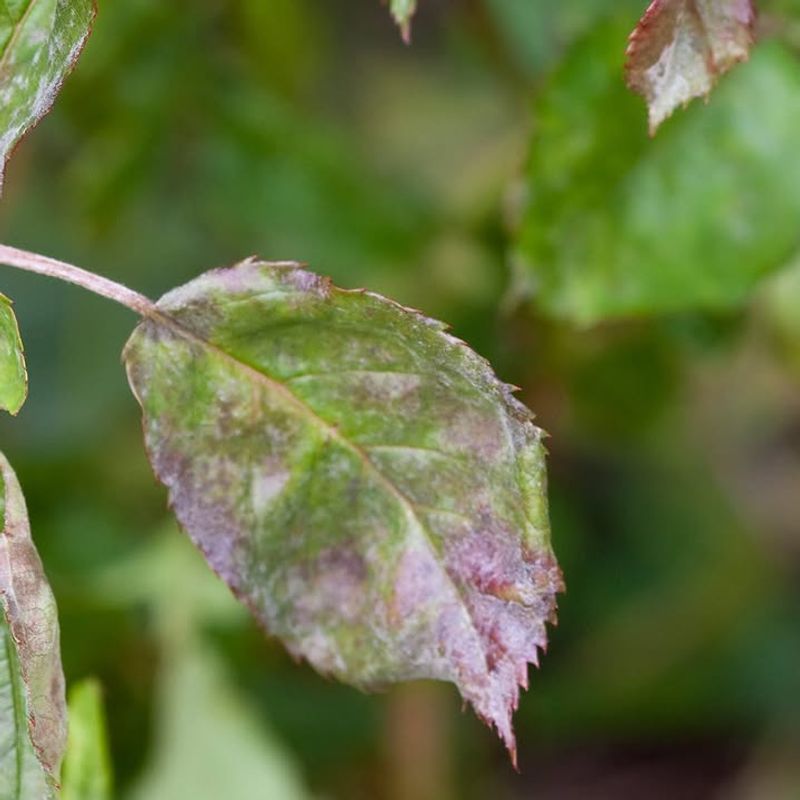
Gardeners in warmer states sometimes shrug off powdery mildew as a minor nuisance. Here in the upper Midwest, the seasonal swings create a perfect storm for fungal problems.
Late summer in Minnesota brings warm days and noticeably cooler nights. That temperature gap, often 20 degrees or more, creates the exact humidity conditions powdery mildew needs to explode.
Roses grown in this region also face a shorter growing window. They push out new growth rapidly to make the most of the warm months, and that fast, tender growth is the fungus’s favorite target.
Wind patterns across the open landscape carry spores from yard to yard with ease. A neighbor’s infected rose bush can seed your garden without either of you ever touching the same plant.
Clay-heavy soils common across the Twin Cities area also play a role. Poor drainage stresses roots, and stressed plants have weaker immune responses to fungal attacks.
Many popular rose varieties sold at local garden centers were not bred with Minnesota’s climate in mind. They look gorgeous in the pot but struggle to defend themselves once summer humidity kicks in.
Your Minnesota Garden Changes Every Week. Your Plan Should Too.
Gardening in Minnesota changes quickly throughout the season. Every Friday you’ll receive a simple weekly plan showing exactly what to plant, prune, fertilize, harvest, and protect so you never miss the right timing.
Understanding why this region creates such a tough environment helps you stop blaming yourself and start solving the actual problem. Your roses are not weak; the conditions are just stacked against them.
The Conditions That Make Powdery Mildew Thrive
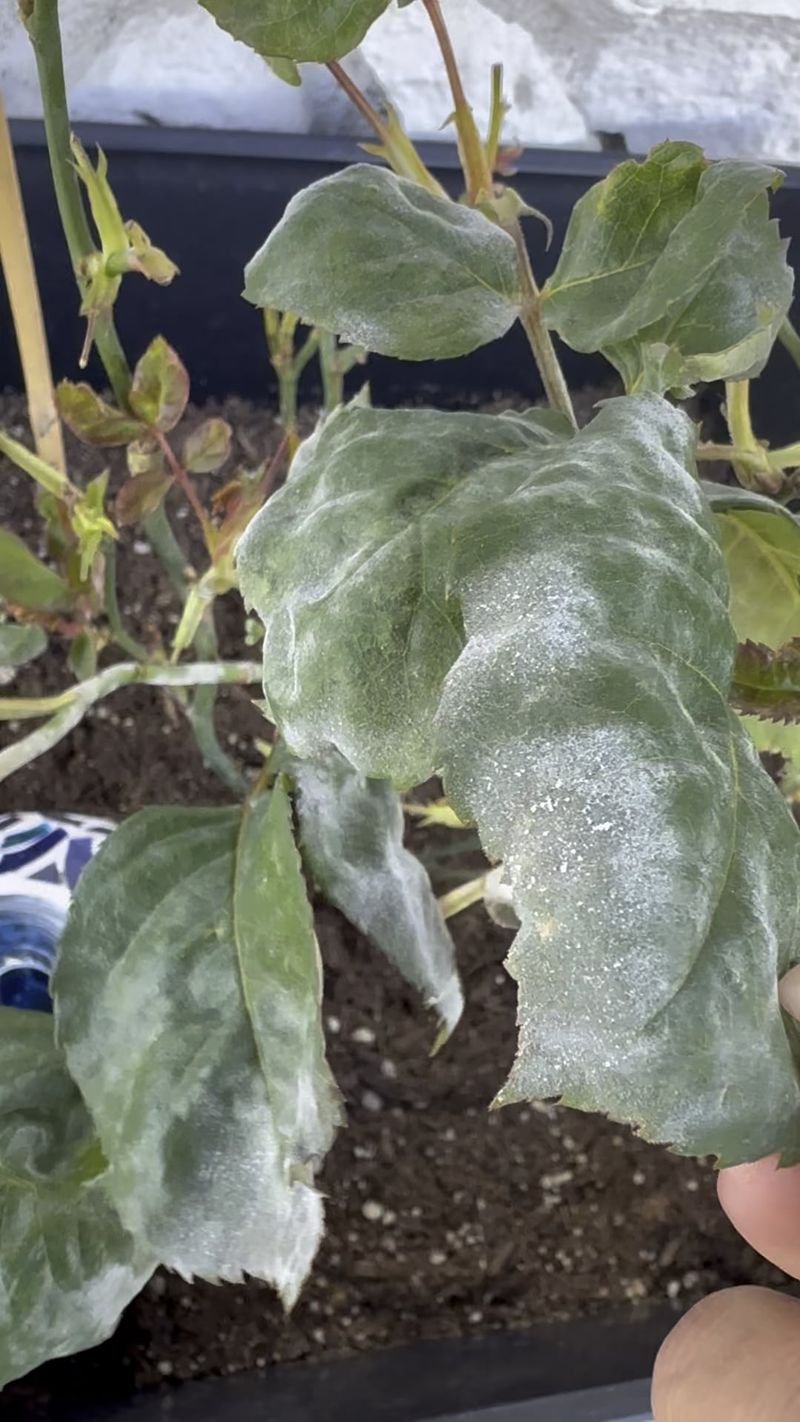
Powdery mildew does not follow the same rules as other garden fungi. Most fungal problems need rain or wet leaves to take hold, but this one actually prefers dry leaf surfaces.
What it craves is high humidity in the air combined with warm temperatures between 60 and 80 degrees Fahrenheit. That range lines up with much of Minnesota’s summer growing season.
Shady spots in your yard are higher risk zones than you might expect. Reduced airflow and lower light levels in those areas keep humidity trapped close to the foliage all day long.
Overcrowded rose beds are another invitation for trouble. When leaves overlap and stems press together, spores have nowhere to go but deeper into your planting.
Overfertilizing with nitrogen makes things worse in a way that surprises a lot of gardeners. Nitrogen pushes out lush, soft new growth, and that tender tissue is exactly what the fungus targets first.
Watering at night also raises risk by keeping moisture levels elevated through the cooler overnight hours. Morning watering gives leaves time to dry before temperatures drop in the evening.
Once you map out these conditions in your own yard, the pattern becomes obvious fast. Changing just one or two of these factors can dramatically reduce how often your roses get hit.
Common Mistakes Gardeners Make When Treating It
Grabbing the hose and blasting the leaves is the first instinct most people have. It feels satisfying in the moment, but wet foliage at the wrong time of day actually encourages more fungal growth overnight.
Cutting off every infected leaf and throwing it in the compost pile is the next common error. Spores survive the composting process and can spread right back into your garden the following season.
Many gardeners wait too long before acting, hoping the problem will clear up on its own. Powdery mildew is unlikely to clear up on its own without intervention.
Over-applying chemical fungicides is another trap that backfires badly. Saturating leaves with repeated heavy doses stresses the plant and can cause leaf scorch that looks worse than the original infection.
Treating only the visible white spots while ignoring surrounding leaves misses the point entirely. Spores are already present on nearby tissue long before you can see them with the naked eye.
Skipping treatment after the first sign of improvement is a mistake that almost guarantees a second outbreak. Fungal spores do not disappear just because the visible coating fades temporarily.
Swapping out these habits for smarter ones is where real results begin. The white powder on your rose leaves responds well to the right approach, and knowing what not to do is half the battle.
How To Treat Powdery Mildew The Right Way
Start with a simple homemade spray that actually works before reaching for anything from a store shelf. Mix one tablespoon of baking soda with a teaspoon of dish soap in a quart of water and apply it in the morning.
Neem oil is another highly effective option that disrupts the fungus’s ability to reproduce. Spray it on the tops and undersides of leaves every seven to ten days for the best results.
Potassium bicarbonate, available at most garden centers, outperforms baking soda in several independent tests. It raises the pH on the leaf surface and creates an environment where the fungus simply cannot survive.
Remove heavily infected leaves carefully and seal them in a plastic bag before putting them in the trash. Keeping those spores out of your yard prevents reinfection during the same season.
Improve airflow around your plants by thinning out crossing stems and giving each bush more breathing room. Better circulation is one of the most underrated defenses any gardener has.
Apply a fresh layer of mulch around the base of each plant to reduce soil splash and stabilize moisture levels. Consistent moisture in the roots reduces plant stress and strengthens natural defenses.
Treating powdery mildew the right way is less about one magic product and more about stacking smart habits together. Your roses can often show improvement within two weeks of consistent care.
The Best Rose Varieties For Minnesota Gardens
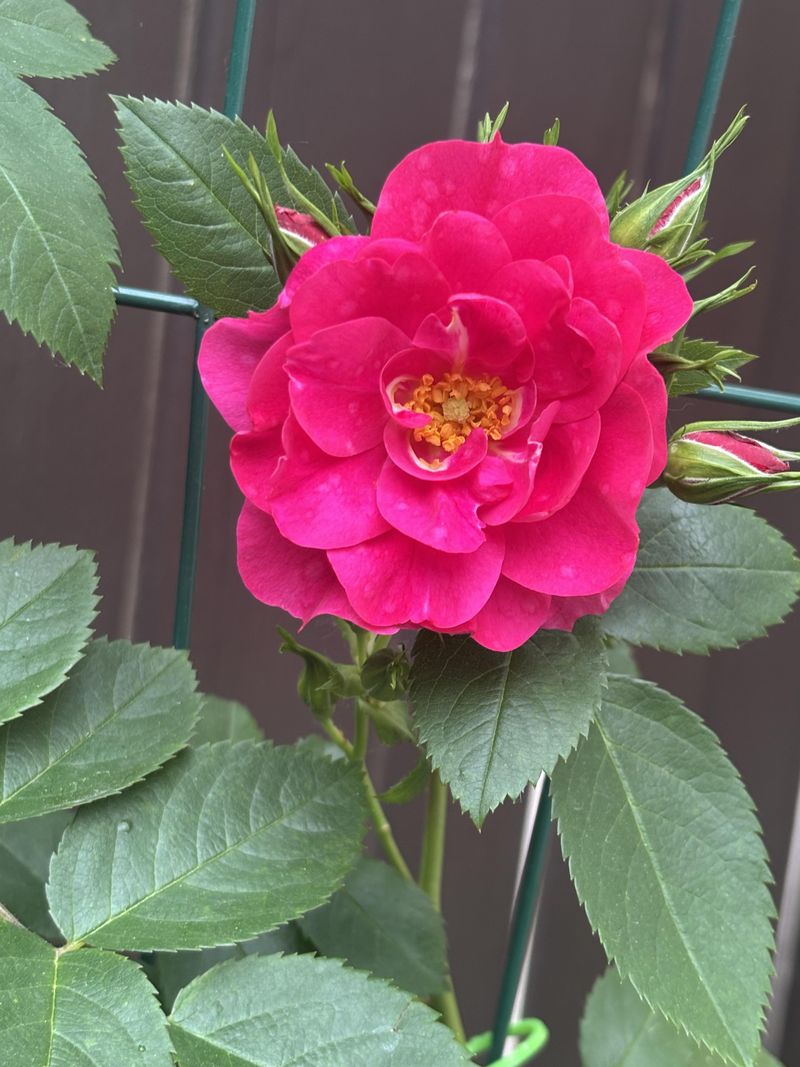
Choosing the right rose from the start saves you more frustration than any spray ever could. Some varieties carry built-in resistance to powdery mildew, and they are worth every penny in this climate.
Knock Out roses have become a staple in upper Midwest gardens for good reason. They resist most common fungal problems, bloom repeatedly, and shrug off temperature swings that would stress other varieties.
Canadian Explorer series roses were specifically bred for cold climates and harsh conditions. Varieties like John Cabot and William Baffin hold up beautifully through long winters and humid summers alike.
Carefree Beauty is another outstanding choice that deserves more attention in local gardens. Its semi-double blooms are stunning, and its disease resistance is among the best in its class.
Prairie Joy produces soft pink flowers with a toughness that belies its delicate appearance. Gardeners who have struggled with mildew-prone hybrid teas often switch to this variety and never look back.
Meidiland shrub roses offer excellent ground coverage and strong resistance to most leaf diseases. They require almost no special care once established, making them ideal for busy homeowners.
Selecting resistant varieties does not mean giving up on beauty or fragrance at all. The white powder on Minnesota rose leaves becomes a far smaller problem when your plants are built to fight back from day one.
Preventing Powdery Mildew Before It Starts Next Season
Prevention is where most gardeners finally stop chasing problems and start staying ahead of them. A few smart moves in early spring can protect your roses through the entire growing season.
Prune your roses with clean, sharp tools to open up the center of each plant. Better light penetration and airflow from the start reduce the humid pockets where spores love to settle.
Sanitize your pruning shears between plants with a simple rubbing alcohol wipe. Transferring spores from one bush to another on a dirty blade is easier than most people realize.
Feed your roses with a balanced fertilizer rather than a high-nitrogen formula. Slow, steady growth produces tougher leaves that resist fungal penetration far better than fast, soft new shoots.
Plant roses with enough space between them so air can circulate freely on all sides. Crowding looks lush in spring but creates serious problems by midsummer when humidity peaks.
Scout your plants every single week starting in late June. Catching even a few white spots early gives you a two-week head start on treatment before the problem spreads.
Keeping a garden journal with notes on when outbreaks started helps you spot patterns over time. The white powder on Minnesota rose leaves is largely preventable once you know your own yard’s tendencies and triggers.