What Those White Ovals Under Your Minnesota Planter Actually Are
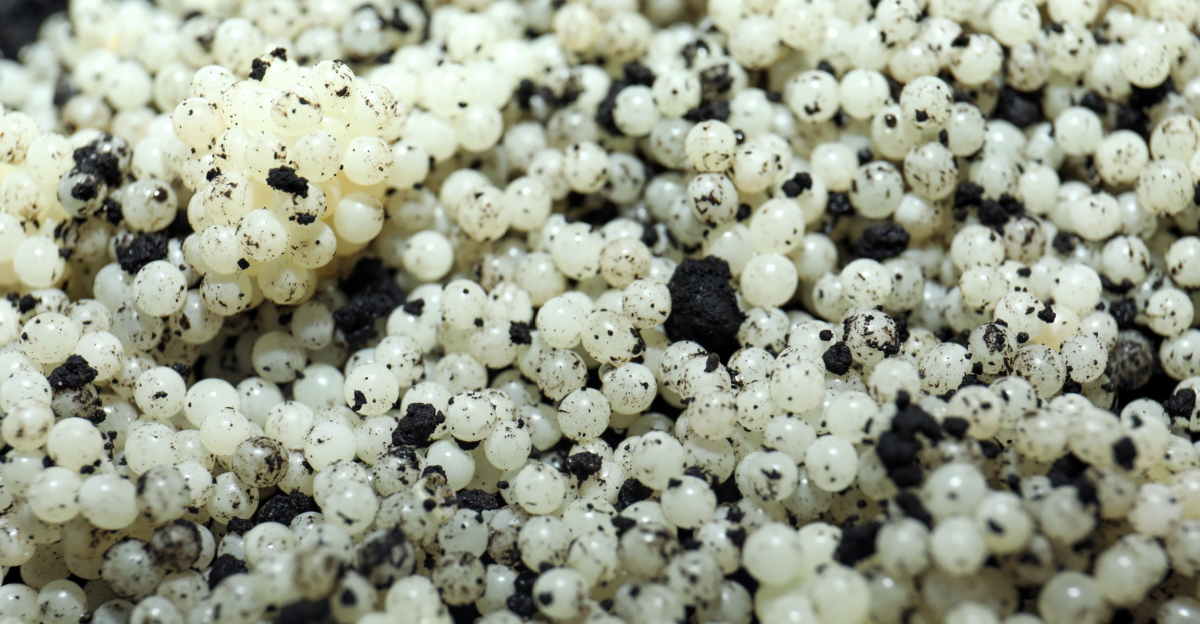
Those white ovals under your pot are not decoration. Something out there placed them for you. You live in Minnesota, so this exact scene feels familiar. Soil hides secrets you may never fully notice.
Look closer, because texture tells you everything. Your fingers pause the moment you spot them. Round, pale, and clustered, they capture your attention instantly. Nothing about that cluster happened by accident.
Insects chose your damp soil for calculated reasons. Backyards across the state mirror your own. Each species leaves you a different signature. That planter quietly became your unwanted nursery.
Ignoring these eggs invites you into surprises. Winters fade fast, but pests still find you. Warm mornings wake activity hiding near you. Every Minnesota gardener like you faces this moment.
Curiosity pulls you closer before answers arrive. Knowledge separates you from a difficult season. Act now, because what emerges next will not wait for you.
What Those White Ovals Under Your Planter Really Are
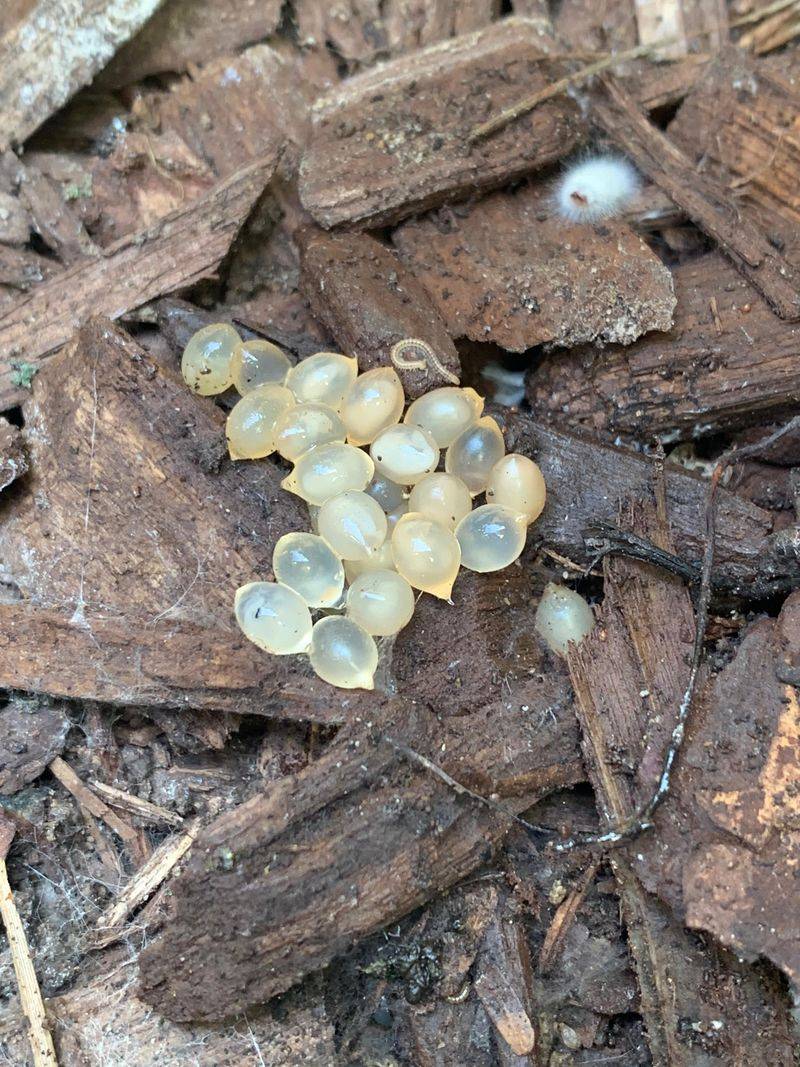
Pearlescent, tiny, and oddly beautiful, slug eggs have a way of surprising even seasoned gardeners.
Those white ovals under your planter are almost certainly slug eggs, laid in clusters of ten to fifty at a time. They look like miniature fish eggs or tapioca pearls, sitting snugly in the cool, moist soil.
Slugs are soft-bodied mollusks, close relatives of snails but without the shell. They lay their eggs in protected, dark, damp spots, and the underside of a planter pot is basically an ideal shelter for them.
The moisture from watering seeps through, the soil stays cool, and predators rarely disturb the area.
Each egg measures roughly two to four millimeters across. They start out clear or translucent, then turn a milky white as the embryo develops.
By the time you spot them, hatching may already be approaching, depending on temperature and species.
These eggs are not randomly scattered. Slugs deposit them in tight groupings, often nestled just beneath the soil surface or tucked against the pot’s rim.
The cluster shape helps retain moisture around the developing embryos. Spotting slug eggs early gives you a real advantage.
Catching them before they hatch means fewer hungry hatchlings chewing through your hostas, lettuce, and seedlings. Those mysterious white ovals under your planter are a warning sign, and a manageable one.
Why Slugs Choose This Exact Hiding Spot
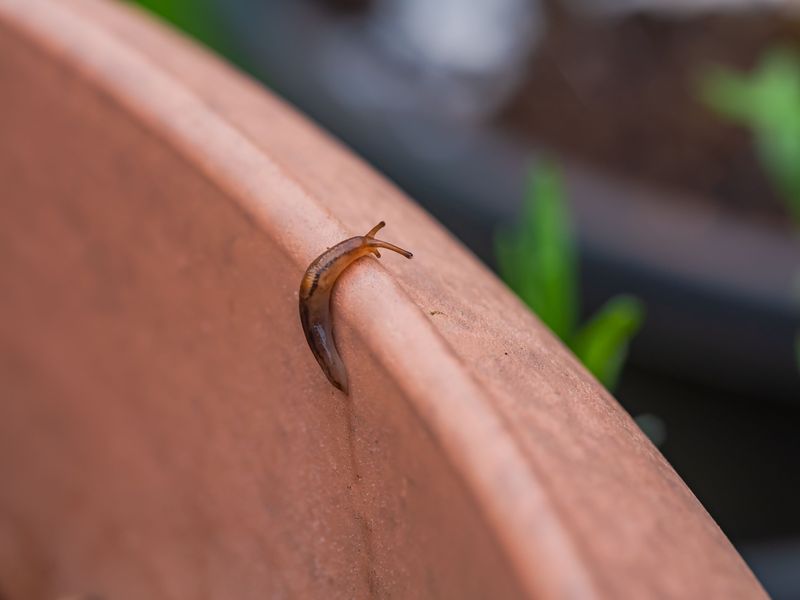
Slugs are not random. They are picky, strategic, and surprisingly good at finding the safest spots in your yard.
A planter pot sitting on moist ground offers exactly what a slug needs: shade, warmth, and protection from wind and sun.
During daylight hours, slugs hide because sunlight dries them out fast. A planter creates a perfect microclimate, dark underneath, cool, and consistently humid from irrigation runoff.
That combination is irresistible to a creature that loses moisture through its skin. Minnesota summers bring warm days and cool nights, which slugs absolutely love. The temperature swings keep the soil beneath planters at a stable, comfortable range.
Add frequent watering to the mix, and you have created a slug nursery without even trying. The physical structure of a pot also matters. The raised rim creates a gap between the pot and the ground, forming a sheltered cave-like pocket.
Your Minnesota Garden Changes Every Week. Your Plan Should Too.
Gardening in Minnesota changes quickly throughout the season. Every Friday you’ll receive a simple weekly plan showing exactly what to plant, prune, fertilize, harvest, and protect so you never miss the right timing.
Slugs can slip inside easily but predators like birds cannot reach them without effort. Organic matter in potting soil is another draw. Decomposing bark, peat, and compost give slugs both food and nesting material.
They feed at night, then retreat to lay eggs in this perfect hideout before sunrise. Understanding why slugs pick this spot helps you disrupt their cycle.
Changing one element, reducing moisture, moving the pot, or clearing debris, can make your planter far less appealing. The goal is making your garden less hospitable to slugs.
Telling Slug Eggs Apart From Look-Alikes

Not everything small and white in your garden soil is a slug egg. Fertilizer pellets, beneficial insect cocoons, and even certain fungal bodies can look surprisingly similar at first glance.
Knowing the difference saves you from accidentally destroying something helpful. Slug eggs are smooth, round to slightly oval, and have a soft, gel-like coating when fresh.
They measure about two to four millimeters and sit in loose clusters without any webbing or casing around them. Press one gently between your fingers. It should feel slightly firm but yielding.
Fertilizer granules are the most common mix-up. They are perfectly round, uniformly sized, and hard.
Unlike slug eggs, they do not have any translucency or internal structure when held up to light. Crush one and it crumbles into powder, not fluid.
Beneficial nematode eggs or springtail eggs are much smaller, almost microscopic, and rarely visible without magnification. Earthworm egg cases are lemon-shaped and golden-brown, not white.
Those distinctions make them easier to separate from slug eggs once you know what to look for.
Spider egg sacs can appear near planters too, but they are wrapped in silk webbing and feel papery. Slug eggs have no wrapping and feel slightly tacky to the touch from their protective moisture coating.
When in doubt, place a few suspect eggs in a small container with moist soil. Within two weeks, tiny slugs will emerge if your identification is correct. Accurate identification is the first step toward smart action.
Signs Of A Slug Problem Beyond The Eggs
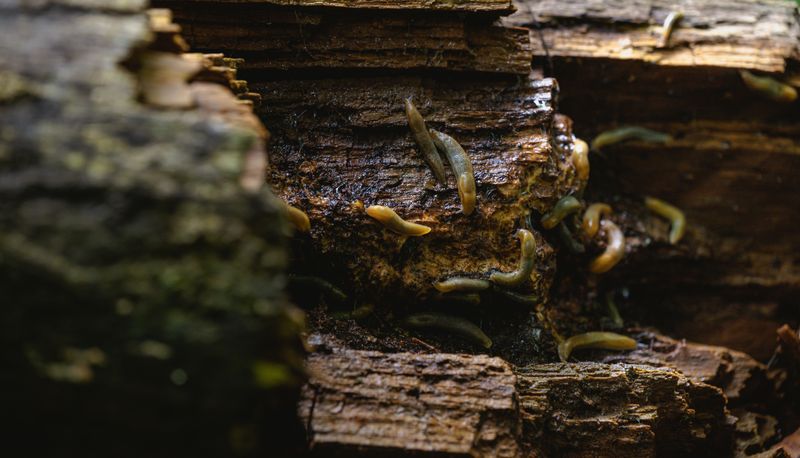
Finding eggs is one clue, but slugs leave other calling cards throughout your garden. The most obvious sign is irregular, ragged holes in leaves, not clean cuts, but rough-edged damage that looks almost torn.
Hostas, lettuce, basil, and young seedlings are favorite targets. Silvery slime trails are the slug’s unmistakable signature. These dried mucus tracks shimmer in morning light and can appear on leaves, soil, pot surfaces, and even garden paths.
Spotting trails tells you slugs were active the night before. Check your plants at night with a flashlight. Slugs feed between dusk and dawn, and you can often catch them mid-meal on plant stems and leaf undersides.
A single slug can consume a surprising amount of plant tissue in one night. Collapsed seedlings with no obvious insect damage are another warning sign. Young plants near soil level are especially vulnerable.
A slug can sever a seedling stem cleanly enough to mimic cutworm damage, so always check for slime trails nearby.
Soil disturbance around the base of planters can also signal slug activity. They push through loose soil to reach roots and bulbs, leaving small tunnels or compressed pathways.
Garlic and tulip bulbs are especially at risk. Paying attention to these combined signals gives you a fuller picture of the problem. Eggs under the planter plus leaf damage plus slime trails equals a confirmed slug population.
Catching this pattern early makes managing the situation far more straightforward and far less frustrating.
What Happens If The Eggs Are Left Alone
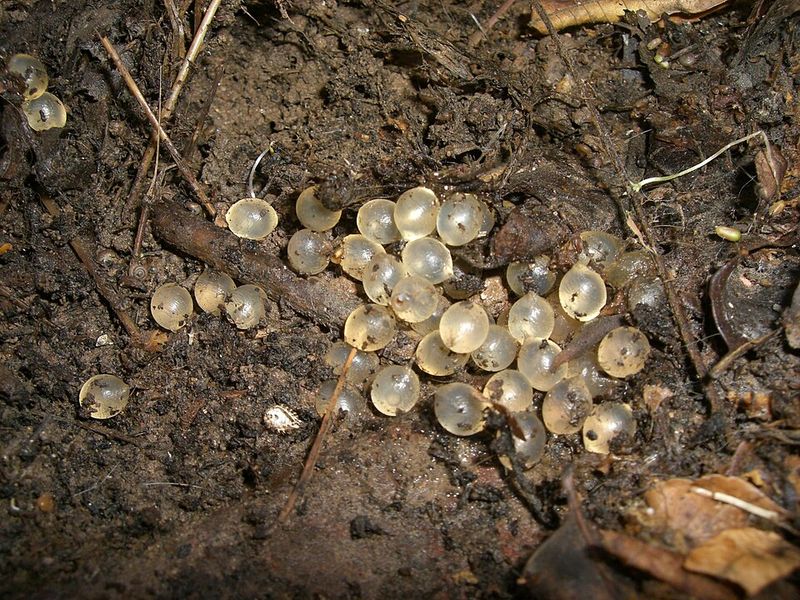
Leaving slug eggs undisturbed often leads to larger populations. A single cluster can contain up to fifty eggs, and slugs can lay multiple clusters per season.
One overlooked batch can contribute to a larger population over time. Slug eggs hatch in roughly ten to forty days depending on soil temperature and moisture levels.
In Minnesota, the warmth of late spring and early summer accelerates hatching considerably, and by June, conditions often favor a rapid population increase. By June, conditions are nearly perfect for a rapid population surge.
Newly hatched slugs are tiny but immediately hungry. They begin feeding on tender plant tissue right away, targeting the same seedlings and leafy greens you spent weeks nurturing.
Their small size makes them hard to spot before damage is already done. As they grow, their appetite scales up dramatically.
A mature slug can consume a substantial amount of plant material over a season, in some cases several times its own body weight. Hostas can be reduced to significantly damaged leaves.
Slugs also reproduce fast. Many species in North America are hermaphrodites, meaning each individual can lay eggs after mating.
A thriving population can grow substantially within a single growing season if left unchecked.
By June, conditions often favor a rapid population increase. Those mysterious white ovals under your planter may look harmless, but the timeline from egg to significant garden damage is shorter than most people expect.
Simple Steps To Handle Them Safely
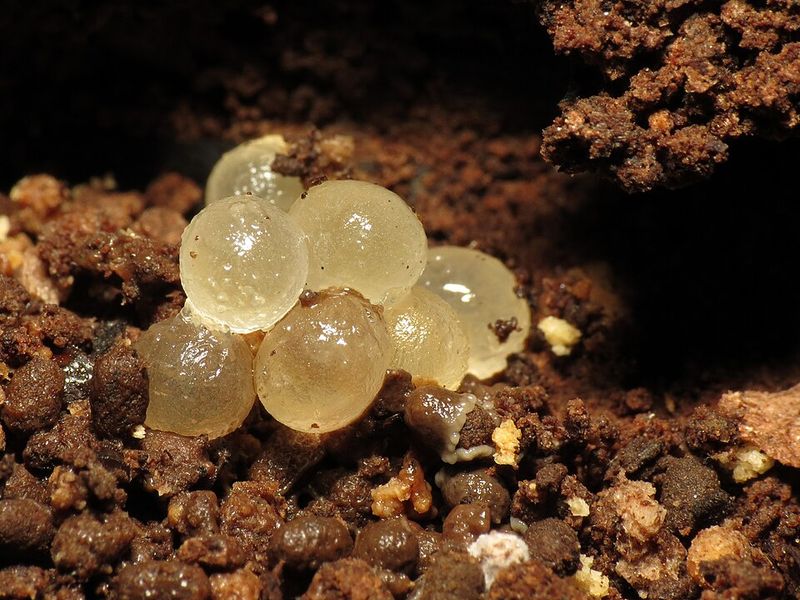
Handling slug eggs does not require chemicals, special equipment, or a degree in entomology. A pair of gloves and a few minutes of your time can make a real difference.
Start by lifting your planters every week or two during spring and early summer. When you find egg clusters, scoop them out with a trowel or gloved hand.
Drop them into a bucket of soapy water, which breaks down the protective coating and prevents hatching. Seal the bucket and dispose of it in your trash, not your compost pile.
Reducing moisture under planters helps prevent future egg-laying. Elevate pots on pot feet or small bricks to improve airflow and reduce the damp microclimate slugs prefer. Even a small gap changes the environment enough to discourage nesting.
Diatomaceous earth sprinkled around the base of planters creates a gritty barrier slugs dislike crossing.
Reapply after rain since moisture neutralizes its effectiveness. Cedar mulch and crushed eggshells work similarly and are easy to source locally.
Copper tape applied around the rim of planters creates a mild electrical reaction when slugs touch it.
Many gardeners swear by this method as a low-effort, long-lasting deterrent. It works best on contained pots rather than open garden beds.
For large populations, iron phosphate-based slug bait is often marketed as a pet- and wildlife-safer option than other baits. Scatter it around affected areas according to package directions.
Staying consistent with these simple steps keeps those mysterious white ovals under your planter from ever becoming a bigger problem.