These Are The Lemongrass Mistakes That Slow Growth In Arizona Summer Heat
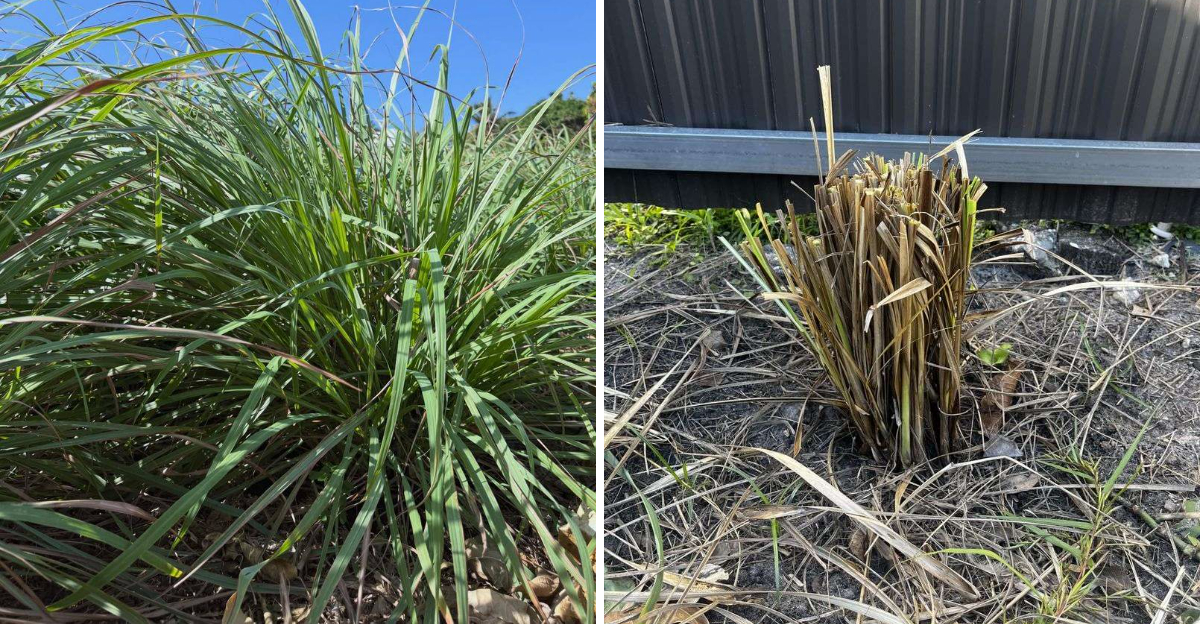
Lemongrass should be thriving in Arizona. The heat suits it. The long sunny days suit it. The whole plant is essentially built for conditions that would exhaust most herbs into early retirement.
And yet Arizona gardeners end up with thin, struggling clumps every summer. Stalks that barely grow. Clumps that look stalled from June through September no matter how often the hose runs.
The plant is not the problem.
Lemongrass in Arizona fails in specific, predictable ways that trace back to decisions made before the worst heat arrived.
Timing decisions. Soil decisions. Spacing decisions. Small habits that compound through the season until August arrives and the clump is half the size it should be.
So, that stall has a cause. Several of them, actually.
Eight mistakes slow lemongrass growth in Arizona summer heat. Most of them happen before the thermometer hits one hundred degrees.
1. Planting Too Late In The Heat
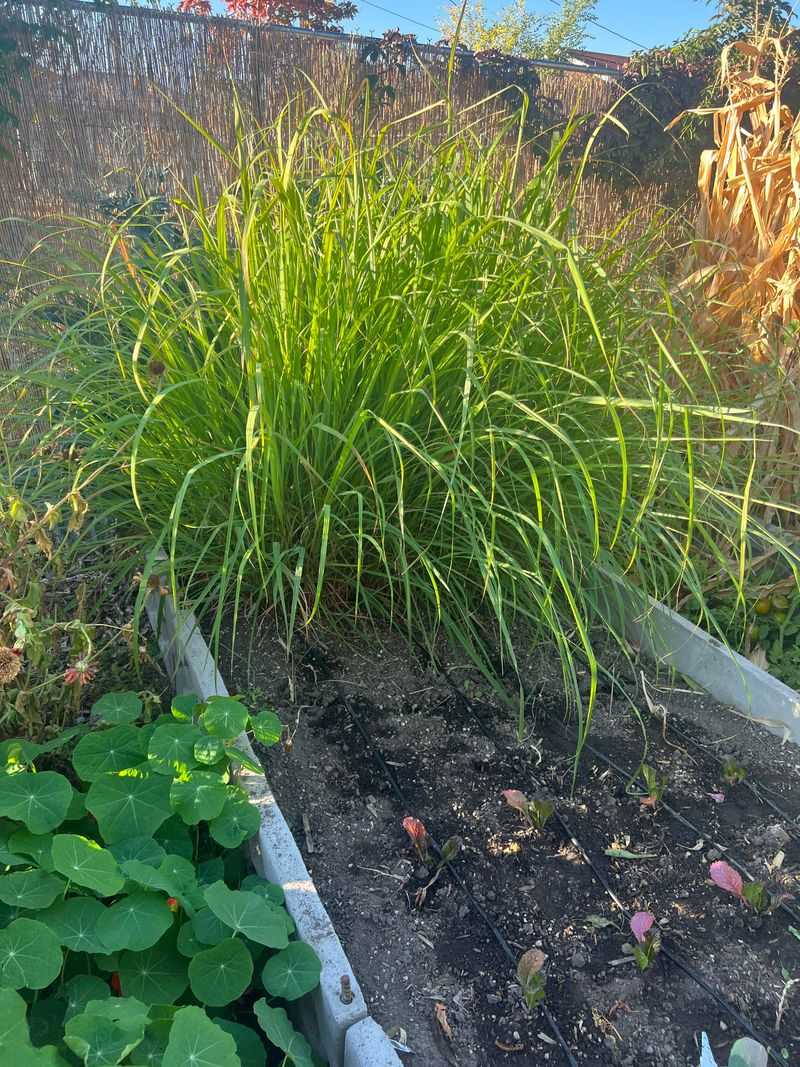
Spring is the most underused advantage in Arizona lemongrass growing.
March and April offer warm, manageable temperatures that give a new plant weeks to settle roots before the serious heat arrives. That head start changes everything about how the plant performs through summer.
A lemongrass clump with an established root system handles one hundred ten degree days with considerably more composure than a freshly transplanted one.
The roots already have depth. The plant already has momentum. Summer heat becomes something it manages rather than something it survives.
Planting in June or July removes that advantage entirely. Soil surface temperatures in Arizona can exceed one hundred fifty degrees Fahrenheit on bare ground during peak summer.
A young plant dropped into that environment redirects all available energy toward basic survival rather than new growth. The result is a stressed, stalled clump that barely moves through the season.
For most low desert zones around Phoenix and Tucson, getting lemongrass in the ground no later than early May produces dramatically better results than late-season planting.
Missed the spring window? The next productive planting opportunity opens in late August or early September when temperatures begin easing back toward manageable.
The lemongrass does not care about your calendar. It cares about soil temperature. Plan around the soil and the calendar takes care of itself.
2. Using Soil That Drains Poorly
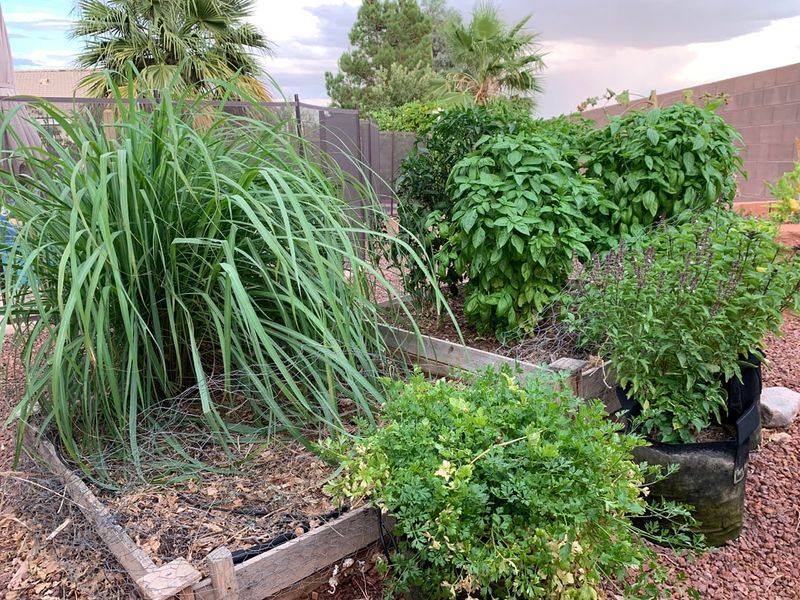
Arizona soil looks dry. It often behaves very differently underground.
Many low desert yards have heavy clay layers or compacted caliche beneath a thin surface layer of native soil. Water pools in those layers rather than draining through.
Lemongrass roots sitting in wet, poorly oxygenated soil stop growing. The plant above ground looks confused because nothing below is functioning properly.
Lemongrass evolved in loose, fast-draining tropical soils where water moves through quickly after rain. The soil environment in an Arizona yard rarely matches those conditions without some preparation.
Mixing native soil with coarse sand and finished compost before planting improves drainage significantly in most desert garden beds. A ratio of roughly one part compost to two parts existing soil changes how water moves through the root zone.
Your Arizona Garden Changes Every Week. Your Plan Should Too.
Gardening in Arizona changes quickly throughout the season. Every Friday you’ll receive a simple weekly plan showing exactly what to plant, prune, fertilize, harvest, and protect so you never miss the right timing.
Are you dealing with persistent drainage problems that amendments alone cannot fully resolve? Raised beds and large containers bypass the native soil issue entirely.
A raised bed filled with quality sandy loam gives lemongrass an ideal root environment from the first day. Containers work equally well in fifteen-gallon or larger sizes with multiple drainage holes.
Containers dry out faster in Arizona heat, which means more frequent watering. That is a manageable trade-off compared to roots sitting in water that cannot escape.
Fix the drainage before planting and every other part of growing lemongrass gets considerably easier.
3. Letting Young Clumps Dry Out
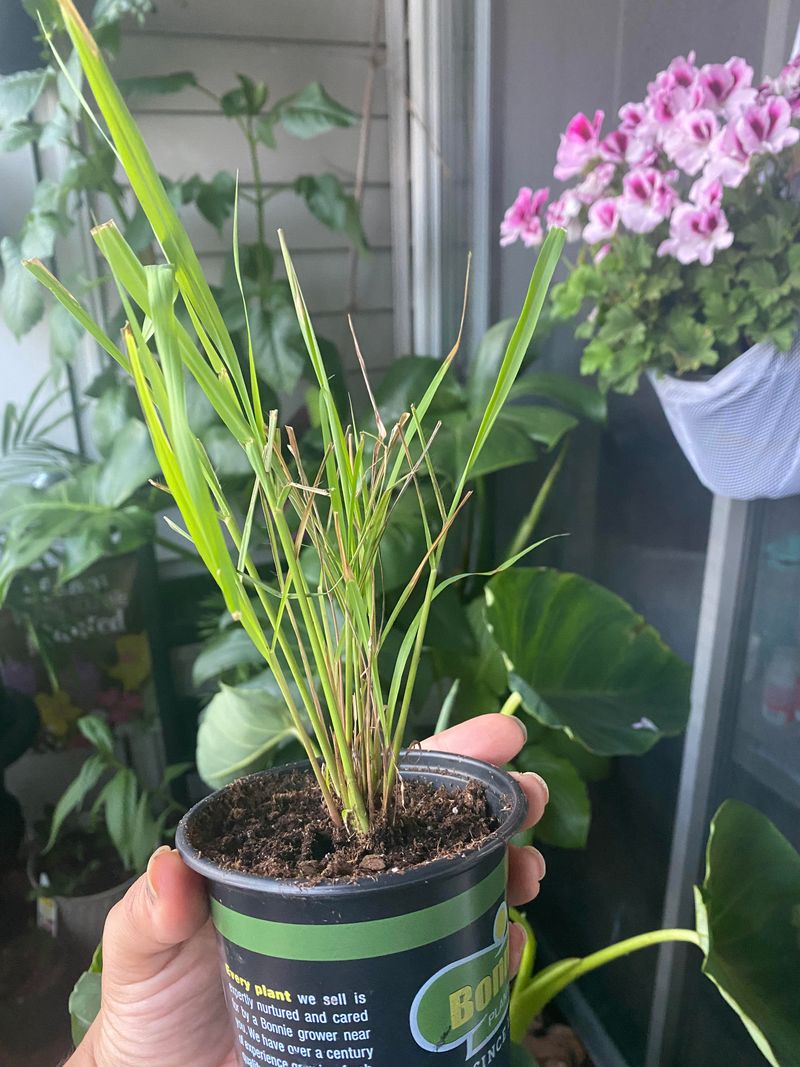
Young lemongrass is thirsty in a way that established clumps are not. Arizona does not forgive inconsistent watering when temperatures push past one hundred degrees.
During the first four to six weeks after planting, consistent moisture is what turns a transplant into a thriving clump.
The mistake most gardeners make is treating new lemongrass the same way they treat an established desert plant.
Mature clumps with deep root systems can handle dry stretches. A freshly planted clump has none of that depth. When the top few inches of soil dry out completely in Arizona summer heat, those shallow roots have nothing to draw from.
The plant responds exactly as expected. New leaf production stops. Energy conservation takes over. Growth stalls at precisely the moment it should be accelerating.
Watering deeply every two to three days during the establishment window is a reasonable starting point for most low desert gardens in summer.
A slow drip or soaker hose pushes moisture down into the root zone rather than just wetting the surface layer that evaporates within hours.
Checking soil moisture about three inches deep before each watering cycle prevents both drought stress and overwatering.
Push a finger or a narrow tool into the soil near the base of the plant. Dry at three inches means water now. Still moist means wait.
Once the clump starts producing fresh new stalks consistently, the roots have settled in. The plant earned a more relaxed watering schedule at that point.
4. Skipping Mulch Around Roots
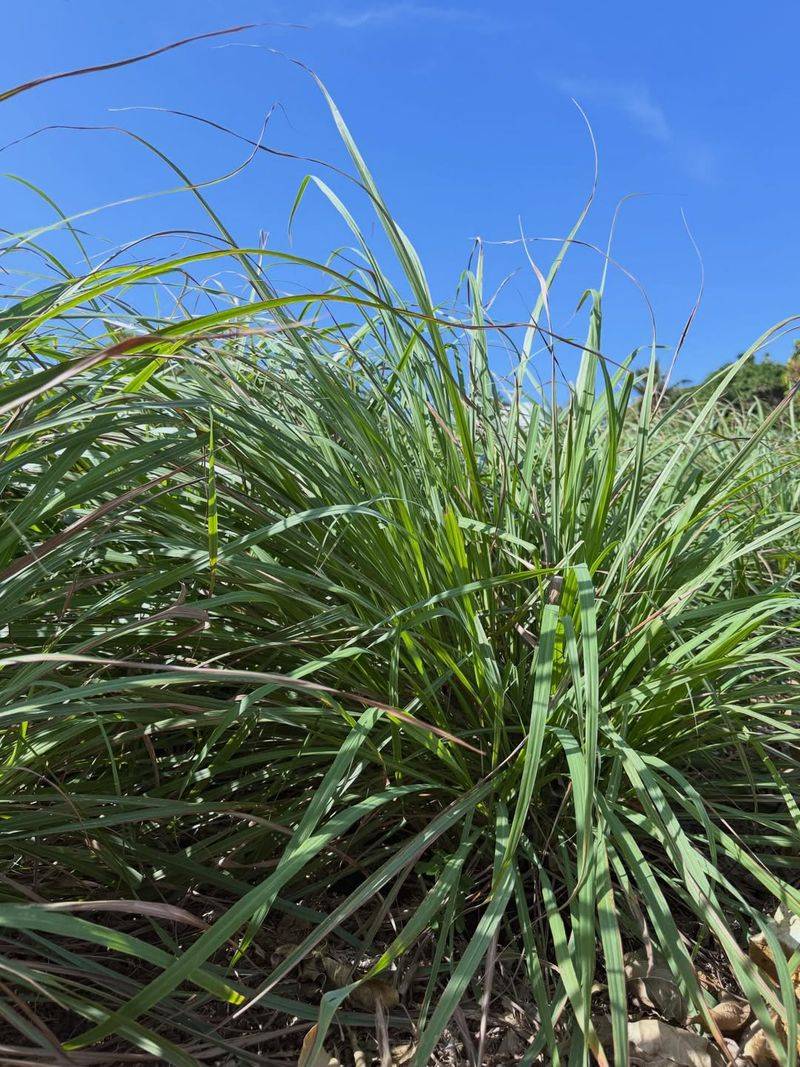
Bare soil in Arizona summer is not just dry. It is actively hostile to the root system just beneath it.
Soil surface temperatures on unprotected ground in Arizona can reach levels that impair root function and evaporate moisture within hours of watering. A lemongrass plant sitting in bare soil works against itself no matter how consistently it gets watered.
A three to four inch layer of organic mulch changes that environment substantially. Straw, shredded wood chips, and dried grass clippings all reduce soil temperature by twenty degrees or more compared to bare ground.
The moisture retention benefit matters just as much. Arizona’s dry air pulls moisture from unprotected soil quickly on a hot afternoon.
Mulch slows that process significantly, which means irrigation actually reaches the roots instead of evaporating before it accomplishes anything.
Pull the mulch layer slightly away from the very base of the stalks. Direct contact between mulch and stems can trap excess moisture against them, which creates a different problem.
Refresh the mulch layer every few months as it breaks down. Decomposed organic mulch contributes a slow return of organic matter back into the soil as it goes, which improves the root environment gradually over multiple seasons.
The mulch is doing more work than it looks like. Bare soil in Arizona summer is a choice. It is not usually a good one.
5. Crowding Stalks In Tight Spaces
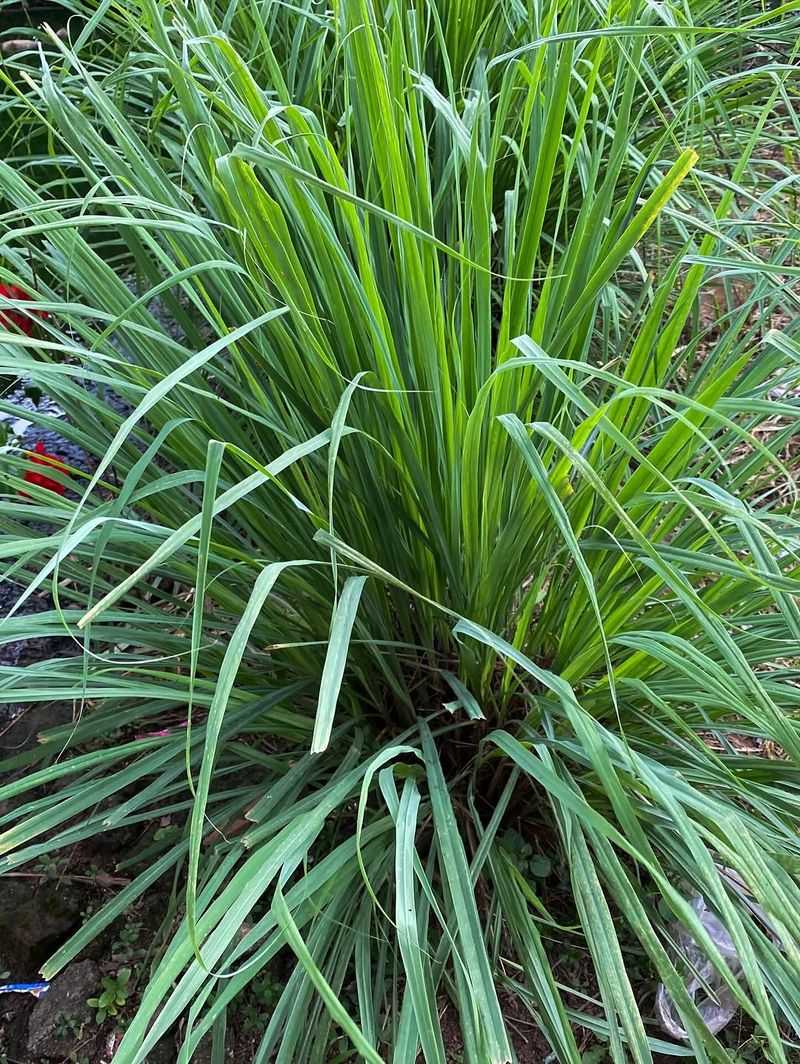
A healthy lemongrass clump in Arizona grows large. Three to four feet wide within a single season is realistic for a well-fed, well-watered plant in the right conditions. That spread needs space to happen, and crowded plantings prevent it.
Competition for water and nutrients is the obvious concern with tight spacing. The less obvious problem is what happens to the interior of a dense clump when stalks pack together without adequate airflow.
Outer stalks shade inner ones. The center stays moist longer after watering. Light cannot reach younger growth pushing up from the base.
Overall vigor across the entire plant drops as the clump becomes more of a tangle than a productive growing structure.
Spacing clumps at least three feet apart from each other and from neighboring plants gives each one room to develop naturally.
A single clump in a garden bed benefits from open space on all sides rather than being wedged into a corner where spread is limited in at least one direction.
Thinning the interior of an established clump once or twice a season makes a noticeable difference.
Removing older, woody center stalks allows light and air to reach younger growth at the base. That one task alone can reinvigorate a clump that started looking tired mid-summer.
Dense lemongrass looks impressive. Dense lemongrass that has stopped producing at its potential is less impressive.
The fix is usually right at the center of the clump.
6. Harvesting Too Much Too Soon
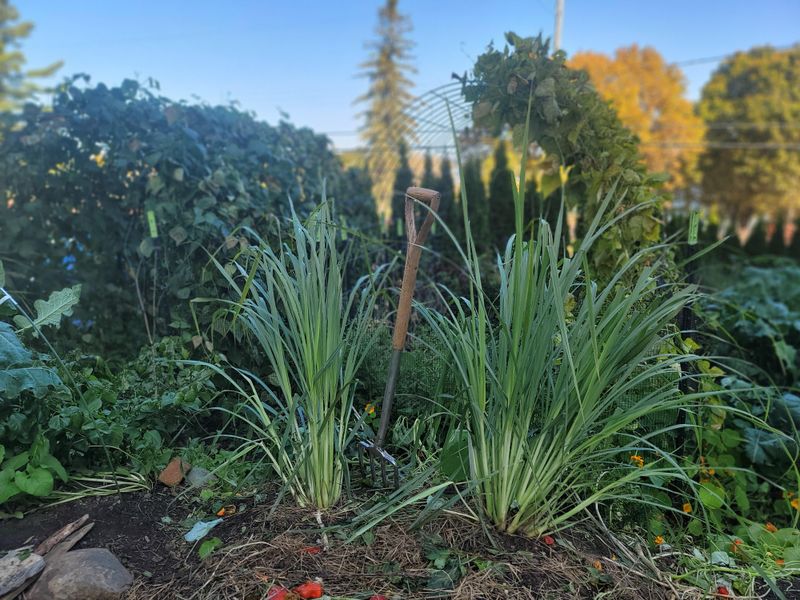
Fresh lemongrass in the backyard creates a very specific kind of impatience. The stalks look ready. The fragrance is obvious. The kitchen is waiting.
The plant, however, has an opinion about timing that does not always align with that enthusiasm.
Lemongrass needs a sufficient amount of leaf mass to photosynthesize efficiently and sustain new growth. Removing too many stalks from a young or small clump strips away the energy-producing capacity the plant depends on.
The clump then spends its resources rebuilding that leaf area before it can resume producing new stalks at a healthy rate.
In Arizona summer heat, that recovery process costs time and energy the plant could be directing toward root development and expansion.
Waiting until a clump carries at least twelve to fifteen healthy stalks before harvesting anything is the practical threshold. Below that number, the plant needs everything it has.
Once the clump is well established and actively growing, limiting each harvest to no more than one-third of available stalks at a time keeps production sustainable.
Cut from the outer edges. Leave the younger inner stalks untouched. Those inner stalks are where next season’s production originates.
Allowing two to three weeks of recovery between harvests maintains steady output without pushing the plant into a cycle of harvest and recovery that adds up to less total lemongrass than a more patient approach would have produced.
The lemongrass will be ready before you run out of things to cook with it.
7. Feeding Too Light Early On
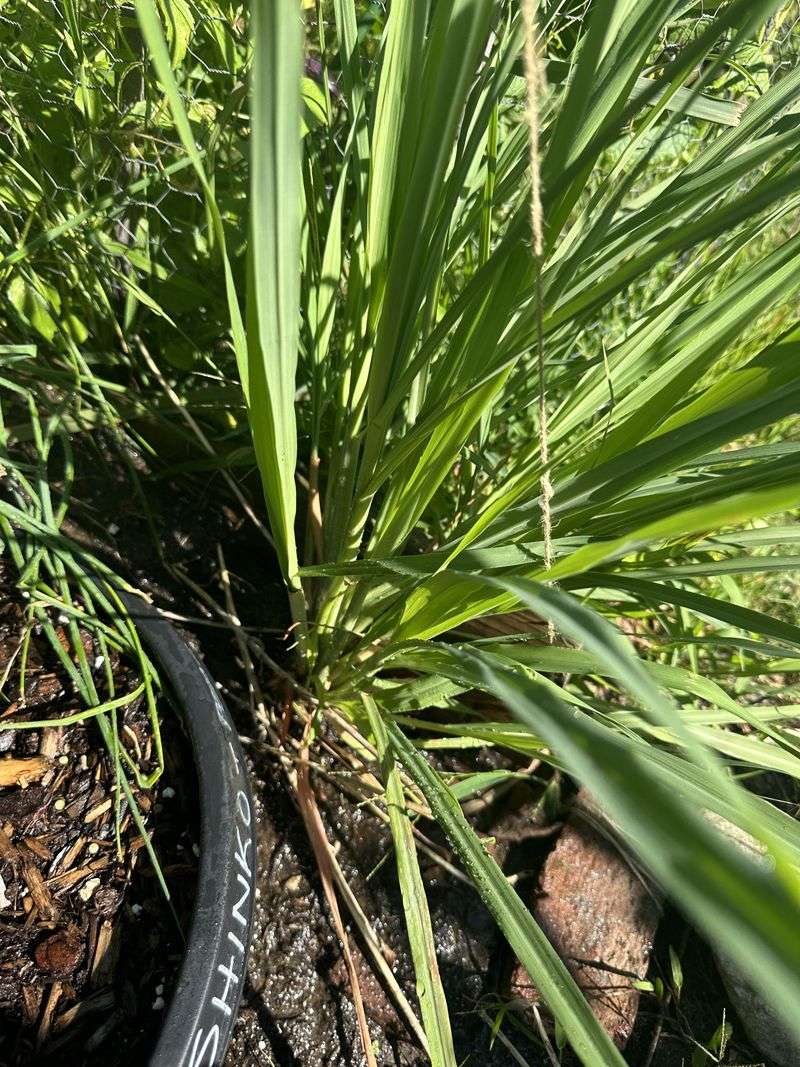
Lemongrass is not a plant that performs well on minimal nutrition. The growth it attempts in Arizona conditions, tall thick aromatic stalks through intense heat and dry air, demands a steady and reliable nutrient supply.
Arizona’s sandy or native desert soils often lack the nitrogen levels that support that kind of vigorous growth without supplemental feeding.
Starting the season without a consistent fertilization plan means the plant falls behind early and never quite catches up through the summer months.
Nitrogen drives the leafy, vigorous growth that lemongrass is capable of. A balanced fertilizer with a slightly elevated nitrogen number applied every four to six weeks from spring through midsummer gives the plant the fuel it needs to grow full and fragrant.
Organic options like fish emulsion or compost tea work equally well and contribute to long-term soil biology rather than just delivering a nutrient spike.
Wait about two weeks after planting before the first application. Freshly transplanted roots benefit from settling in before fertilizer enters the equation.
Applying too early on a new transplant stresses roots that have not yet established themselves in the surrounding soil.
Always water thoroughly after applying granular fertilizer. Nutrients sitting on the soil surface without moisture to carry them downward do not reach the root zone efficiently and can irritate foliage on contact.
Consistent early-season feeding builds the kind of robust clump that handles Arizona summer conditions at full capacity rather than half strength.
8. Ignoring Afternoon Heat Stress Lets Growth Stall
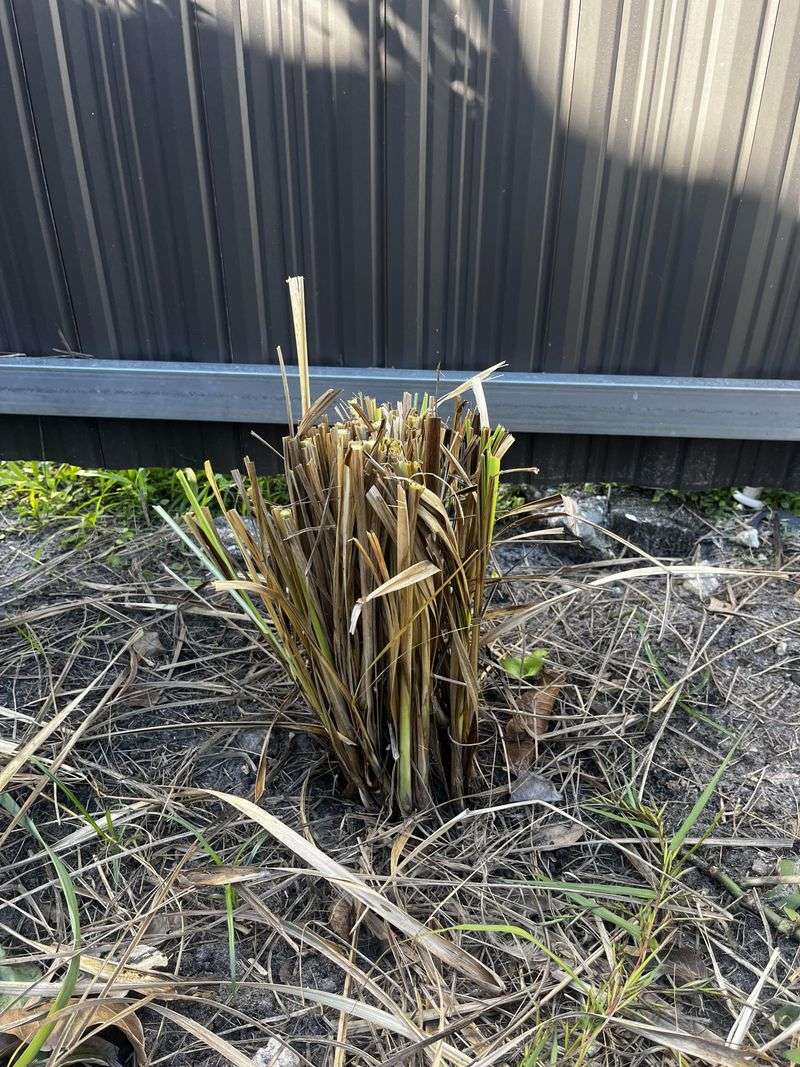
Lemongrass handles full sun well. Arizona’s afternoon sun between two and five in the afternoon is a different situation than full sun elsewhere.
Intense reflected heat from walls, concrete, and gravel pushes temperatures at plant level well beyond what even tropical grasses prefer.
A clump positioned against a south-facing block wall in an Arizona backyard faces conditions that standard full-sun recommendations do not account for.
Leaf tips turning brown and crispy, blades curling inward along their length, and a visible loss of vibrant green color are all signs that a plant is managing heat stress rather than growing through it.
The positioning fix is straightforward. Full morning sun is genuinely beneficial.
Some relief during the harshest afternoon hours, from a wall positioned to the west, a taller plant providing partial screening, or a fence casting late afternoon shade, keeps the plant in active growth rather than stress management mode.
Shade cloth rated at thirty to forty percent can be draped temporarily during extreme heat events without meaningfully reducing overall light levels.
Deep watering in the early morning rather than the evening gives roots access to moisture right before the hottest part of the day rather than through the coolest hours when uptake is minimal.
Small adjustments in positioning and timing keep lemongrass actively producing through summer rather than waiting for September to feel like growing again.
Arizona summer is long. The lemongrass should be working the whole time.