Why You Should Plant Lemongrass Around Your Patio In Arizona
Afternoons in an Arizona yard can still feel intense even as the sun starts to drop. The patio looks usable, but the heat lingers in the ground and around seating areas, making it hard to stay outside for long.
What should feel like a break from the day ends up feeling just as draining.
The layout usually stays the same, and nothing looks out of place. Still, the space holds heat longer than expected, and the air around it does not feel as easy to sit in.
That pattern becomes noticeable over time, especially when the patio is used less than planned. The plants placed nearby can influence how that area handles heat and airflow.
Lemongrass fits well in these conditions and can shift how the space feels without adding extra upkeep.
1. The Strong Citrus Oils Naturally Help Reduce Mosquito Activity
Mosquitoes in Arizona can turn a relaxed evening outside into something you want to escape from fast. Lemongrass contains citronella oil, the same compound used in many commercial repellent products.
Having the plant nearby means that oil is present in the air around your seating area, especially when leaves brush against furniture or get touched by foot traffic.
Citronella does not create a bug-free zone by itself, and results can vary depending on wind, standing water nearby, and how many plants you have. A single pot tucked in the corner will do far less than a row of full clumps planted along the patio edge.
Spacing matters, and so does plant size.
In Arizona, where mosquito season stretches from late spring through early fall, having something working passively in your yard is genuinely helpful. You are not replacing bug spray entirely, but you are adding a layer that costs nothing extra once the plants are in the ground.
That is a reasonable trade for a plant that also looks good and handles the heat well.
Planting several clumps along the south or west edge of your patio gives the most consistent coverage since those sides tend to catch the most foot traffic and afternoon breeze.
2. Dense Clumps Grow Fast And Hold Up In Extreme Heat
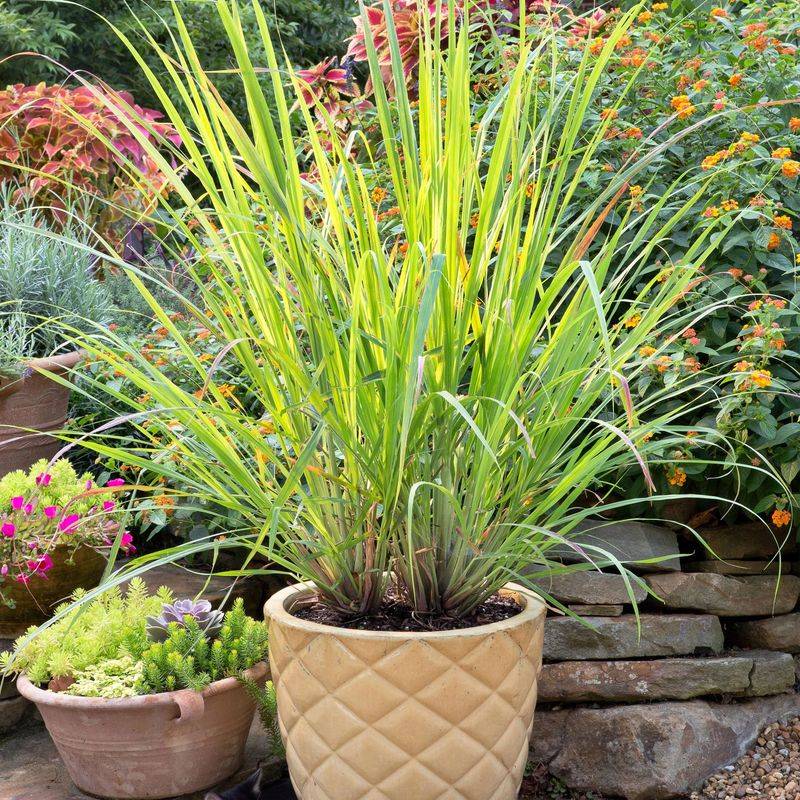
Summers in Arizona are not kind to most plants. Temperatures regularly push past 110 degrees in the low desert, and a lot of ornamental grasses just burn out or go limp by July.
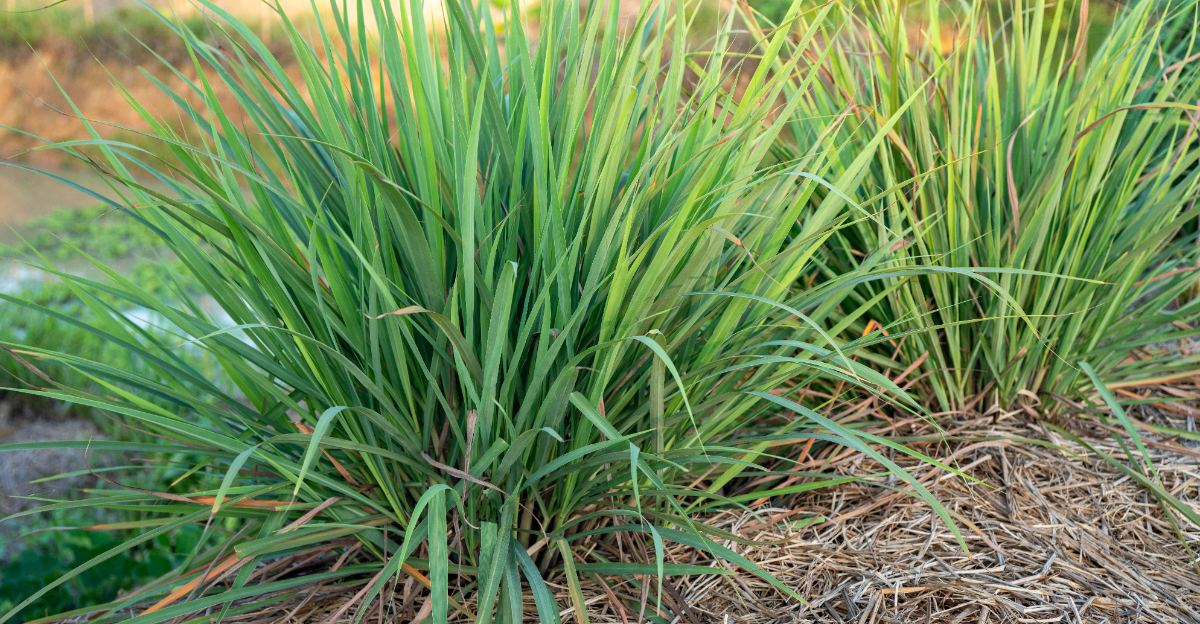
Lemongrass is built differently. It handles full sun without much complaint and keeps pushing new growth through the hottest months of the year.
Growth speed is one of the first things people notice. A small plant from a nursery can fill out into a dense clump within a single growing season when given regular water and decent soil.
In the Phoenix metro area, plants started in spring often reach three to four feet by late summer, sometimes taller in well-amended beds.
The density of a mature clump is part of what makes it useful around a patio. Thick growth at the base means fewer weeds pushing through, less bare soil exposed to the sun, and a cleaner edge along walkways or furniture.
Your Arizona Garden Changes Every Week. Your Plan Should Too.
Gardening in Arizona changes quickly throughout the season. Every Friday you’ll receive a simple weekly plan showing exactly what to plant, prune, fertilize, harvest, and protect so you never miss the right timing.
It also holds its shape without staking or constant trimming.
One thing worth knowing is that lemongrass does slow down in Arizona winters, especially in higher elevation areas like Prescott or Flagstaff where frost is a real factor.
3. Tall Growth Softens Open Patio Edges Without Blocking Airflow
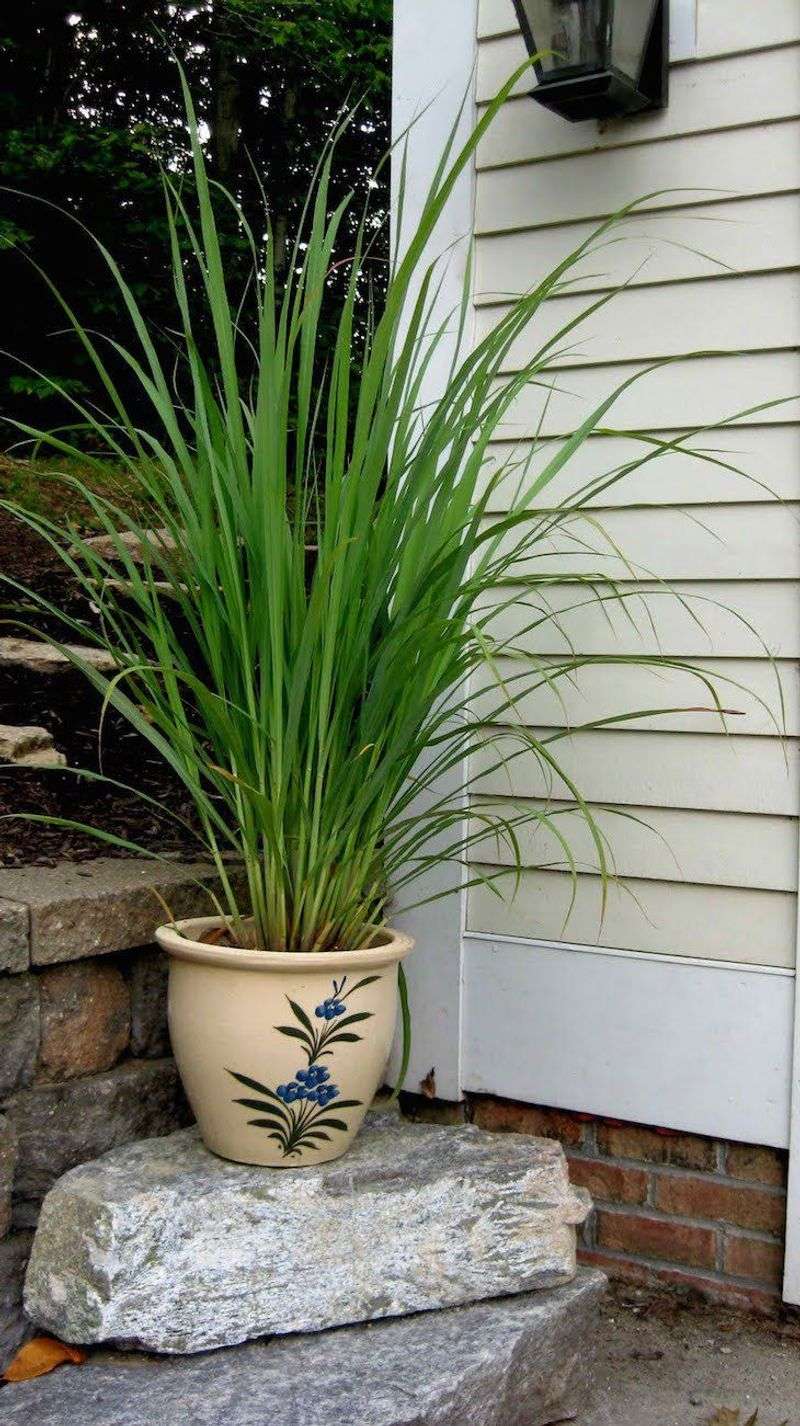
Open patios in Arizona often feel exposed. Hard edges, bare concrete, and wide-open sightlines make a space feel more like a parking lot than a relaxing outdoor room.
Lemongrass fills that gap without creating a wall. The blades arch outward naturally, softening sharp corners and adding movement without blocking the breeze you actually need on a hot afternoon.
Most ornamental solutions in this situation involve shrubs or fencing.
Fencing works for privacy but adds nothing visually soft or natural. Lemongrass sits between those two options in a way that is genuinely useful for desert patios.
At full height, a healthy clump can reach four to five feet in Arizona growing conditions, depending on water and soil quality. Planted in a row along a patio border, the plants create a layered, natural edge that reads as intentional landscaping rather than something that just grew there on its own.
Airflow stays open because the blades are narrow and the base is not solid. Wind moves through rather than around, which keeps the patio cooler and prevents that trapped-heat feeling you get with dense hedges.
4. Fragrance Releases Easily With Light Contact Or Watering
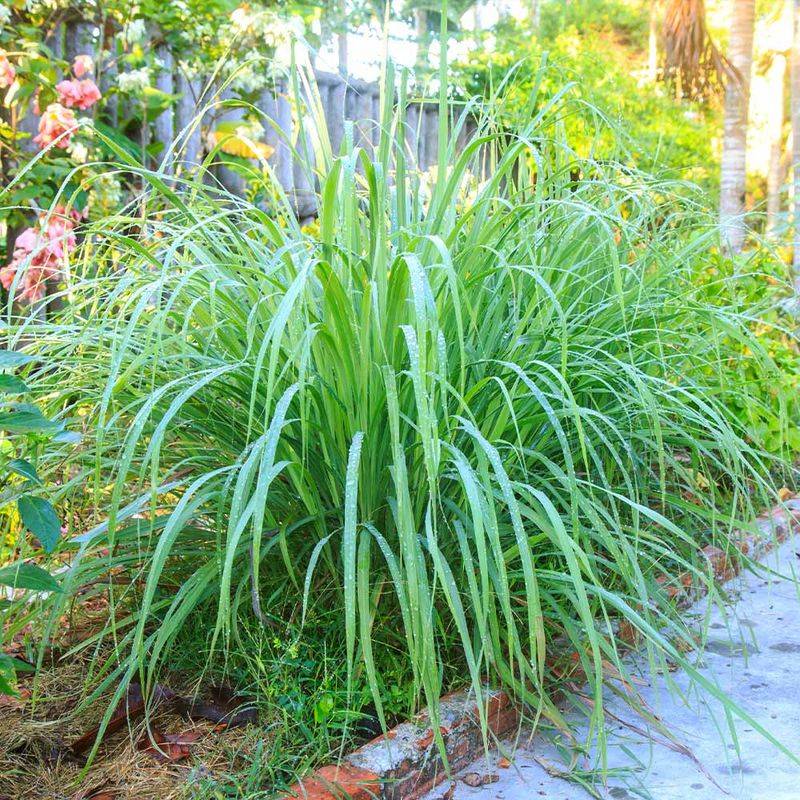
Brush your hand against a lemongrass leaf and you get an immediate hit of clean, citrusy scent. It is not overwhelming or perfumey.
It smells more like fresh lemon zest than anything artificial, and it fades quickly, which means it never feels like too much even on a warm day.
Watering triggers the same effect. When water hits the leaves and soil, the oils in the plant release into the surrounding air.
In Arizona, where evening watering is common to reduce evaporation loss, this means the strongest fragrance hits right around sunset, exactly when most people are heading outside to use the patio.
Placement matters for getting the most out of this. Putting lemongrass near a gate, walkway, or chair where people regularly brush past it means the scent gets released naturally throughout the day without you doing anything extra.
Along a path leading to the patio door is a particularly good spot because every person walking through triggers it.
Scent has a real effect on how comfortable an outdoor space feels. Patios that smell like hot concrete and dry dust are less inviting than ones with a clean, natural fragrance in the air.
In a state where outdoor living is a big part of daily life, that sensory detail actually matters.
5. Container Growth Keeps It Close To Seating Areas
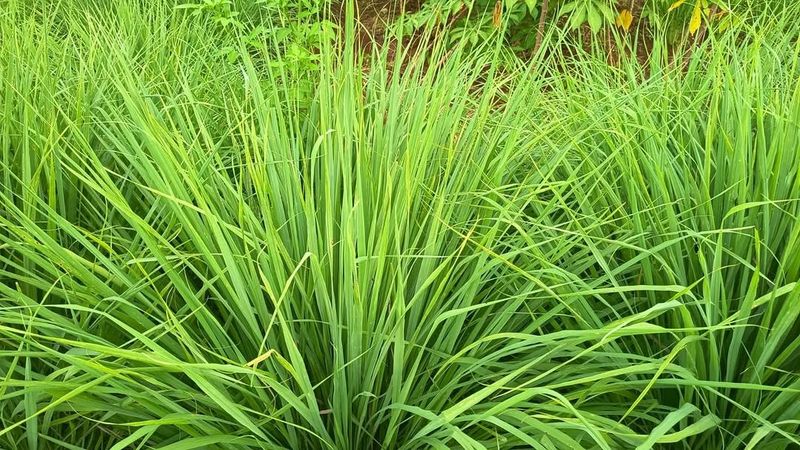
Not every Arizona patio has planting beds, and not every homeowner wants to dig up their yard. Containers solve both of those problems cleanly.
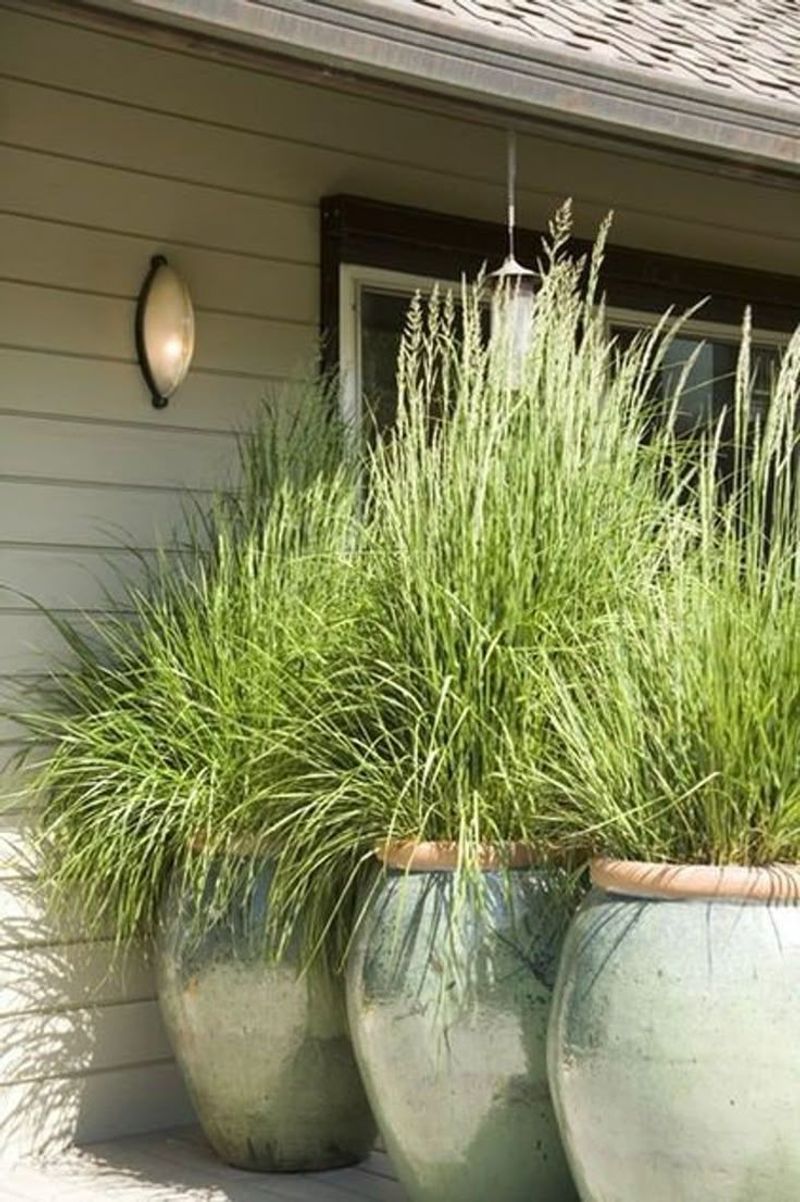
Lemongrass grows well in pots and large planters, and the root system adapts without much fuss as long as the container is big enough to support the clump as it fills out.
A five-gallon pot is a starting point, but a ten-gallon or larger container gives the plant more room to spread and reduces how often you need to water. In Arizona summers, smaller pots dry out fast.
Bigger containers hold moisture longer, which means less daily intervention on your part during the hottest months.
The real advantage of container growing is flexibility. Pots can move.
If you want lemongrass right next to the seating area for maximum fragrance and mosquito-deterring effect, you can put it exactly there. If you need to rearrange furniture or clear space for a gathering, the plant moves with you.
That kind of adaptability does not exist with in-ground planting.
In areas of Arizona where winter temperatures occasionally drop below freezing, like parts of the East Valley or higher elevation suburbs, containers make seasonal management easier. Moving a pot to a covered area or against a south-facing wall during a cold snap takes minutes.
6. Low Upkeep After Getting Established In Warm Conditions
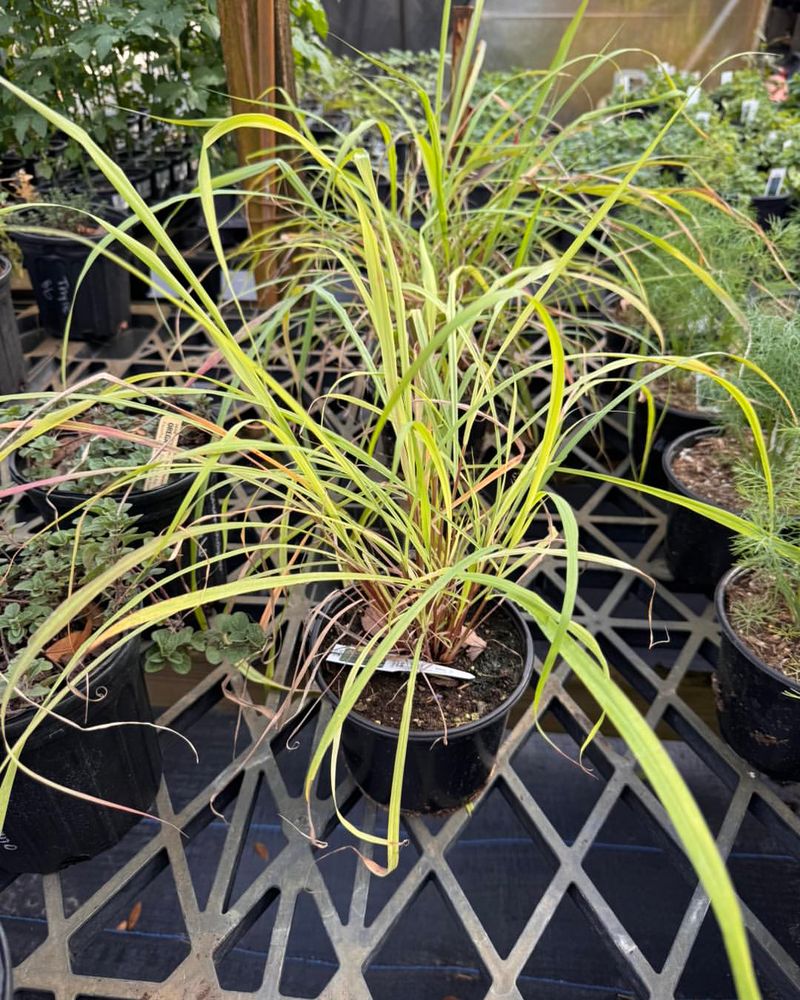
Getting lemongrass through its first few weeks in Arizona soil is the part that requires the most attention. Water it consistently while roots are settling in, make sure it has full sun, and give it decent drainage.
After that initial phase, the plant asks for much less from you.
Watering needs drop significantly once the root system is developed. In the low desert, deep watering two to three times per week during summer is usually enough for in-ground plants.
Container plants need more frequent checking since pots heat up faster than soil, but the overall routine is still manageable compared to most patio plants that struggle through Arizona summers.
Fertilizing is optional rather than required. A light application of balanced fertilizer in spring can encourage faster growth, but lemongrass in warm Arizona conditions tends to push new growth on its own without much help.
Overfeeding can actually cause weak, floppy growth, so less is often better here.
Trimming is really the main regular task.
Cutting back brown or dry blades keeps the clump looking clean, and doing a hard cutback in late winter before new growth starts helps the plant come back full and fresh. That is a once a year task that takes maybe twenty minutes per clump.
7. Edible Stalks Add Extra Use Beyond Landscaping
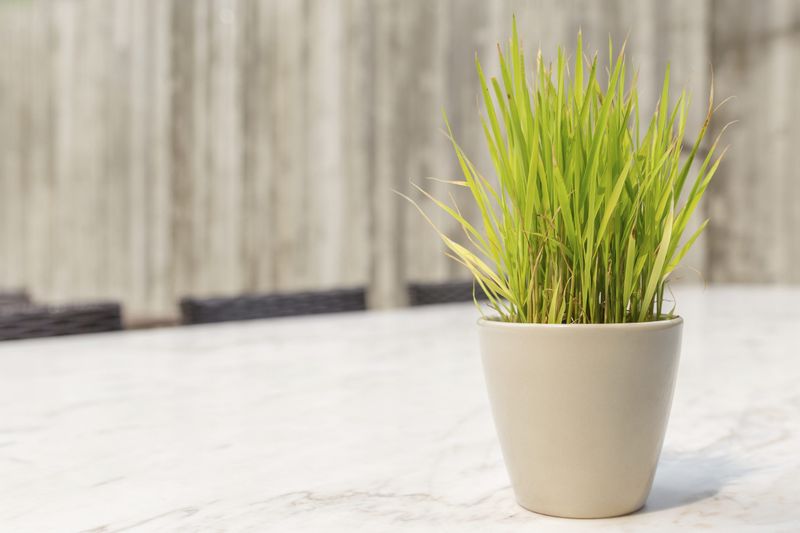
Pulling a fresh stalk from a plant growing ten feet from your back door is a different experience than buying dried lemongrass from a grocery store. The flavor is brighter, the stalks are more tender, and you use exactly as much as you need without waste.
Arizona gardeners who cook Thai, Vietnamese, or other Southeast Asian dishes especially appreciate having it this close.
Harvesting is simple. Grab a stalk near the base and twist or cut it free.
The white and pale green portion at the bottom is the edible part, used in soups, curries, marinades, and teas. The upper green blades are tougher and fibrous, better suited for infusing into liquids and then removing before eating.
A healthy clump produces enough stalks that regular harvesting does not set the plant back. Cutting a few stalks here and there actually encourages the clump to push new growth, which keeps the plant looking fuller rather than sparse.
It is one of those situations where using the plant regularly is actually good for it.
Beyond cooking, lemongrass stalks can be bruised and added to a pitcher of water for a light citrus flavor, or simmered into simple syrups for cocktails and mocktails.