Why Early Summer Matters So Much For Fireflies In Georgia
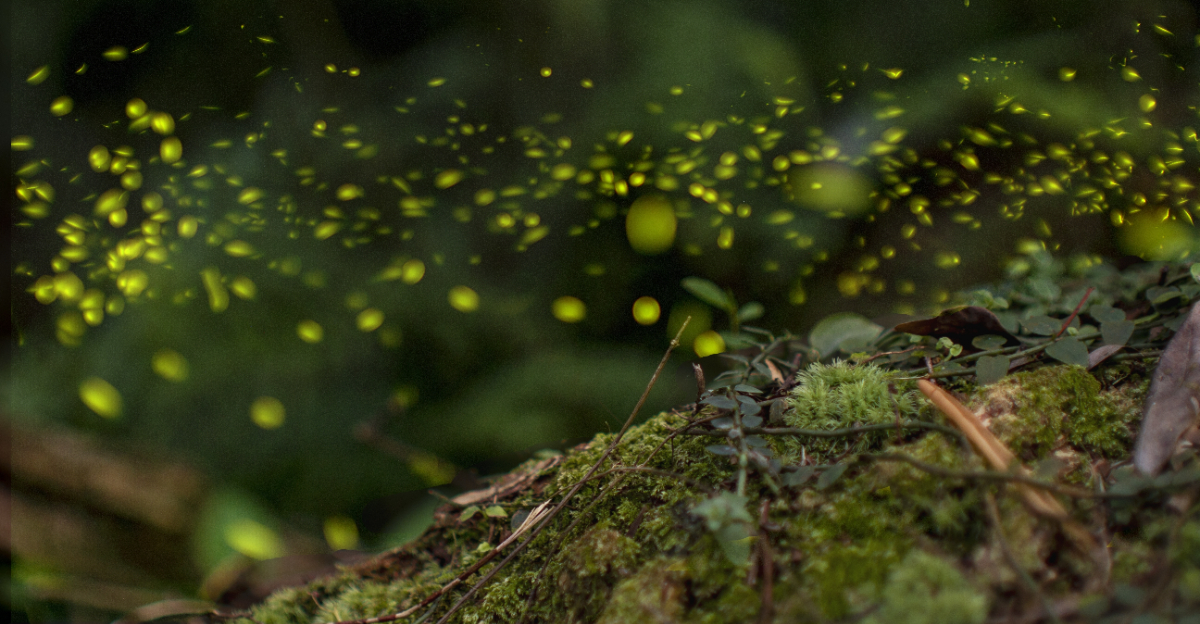
There are certain sights that instantly feel like summer. Hearing crickets after sunset is one of them.
Watching lightning bugs drift through the yard on a warm evening is another. For many people, those tiny flashes of light bring back memories of staying outside later than usual and enjoying the simple things that made summer feel special.
Lately, though, plenty of people have noticed that fireflies do not always seem as common as they once were. A yard that used to sparkle with activity can feel much quieter than expected.
That has led many homeowners to pay closer attention to what helps these insects thrive and what may be working against them.
Early summer plays a bigger role than most people realize.
Conditions during this part of the season can influence where fireflies gather, how active they become, and whether they continue returning to the same areas.
In Georgia, those weeks are especially important for these familiar summer visitors.
1. Early Summer Kicks Off Firefly Mating Season
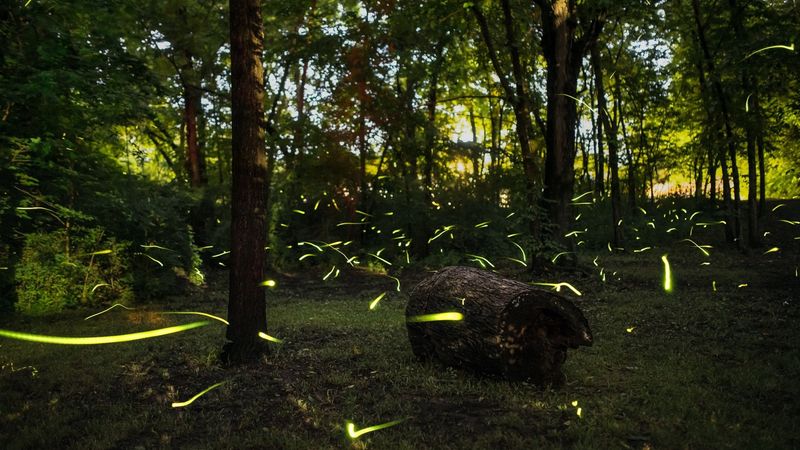
Fireflies do not flash just to put on a show. Every blink is a direct message aimed at finding a mate.
Early summer is when adult fireflies emerge and begin their short but intense mating season.
Males fly through the air and flash in species-specific patterns. Females wait in low vegetation and flash back when they spot the right signal.
Without this back-and-forth, reproduction cannot happen.
Timing is everything for fireflies. Most species have only a few weeks as adults to find a mate.
Missing that window means missing the season entirely.
In Georgia, early summer temperatures between 70 and 80 degrees Fahrenheit are ideal for firefly activity. Cooler springs delay emergence, while sudden heat waves can shorten the season.
A steady, warm early summer gives fireflies the best shot at successful mating.
Some species begin flashing as early as late May. Others peak in June.
Watching for the first flashes of the season is one of the easiest ways to track how the season is progressing in your area.
2. Warm Nights Bring Out More Flashing Displays
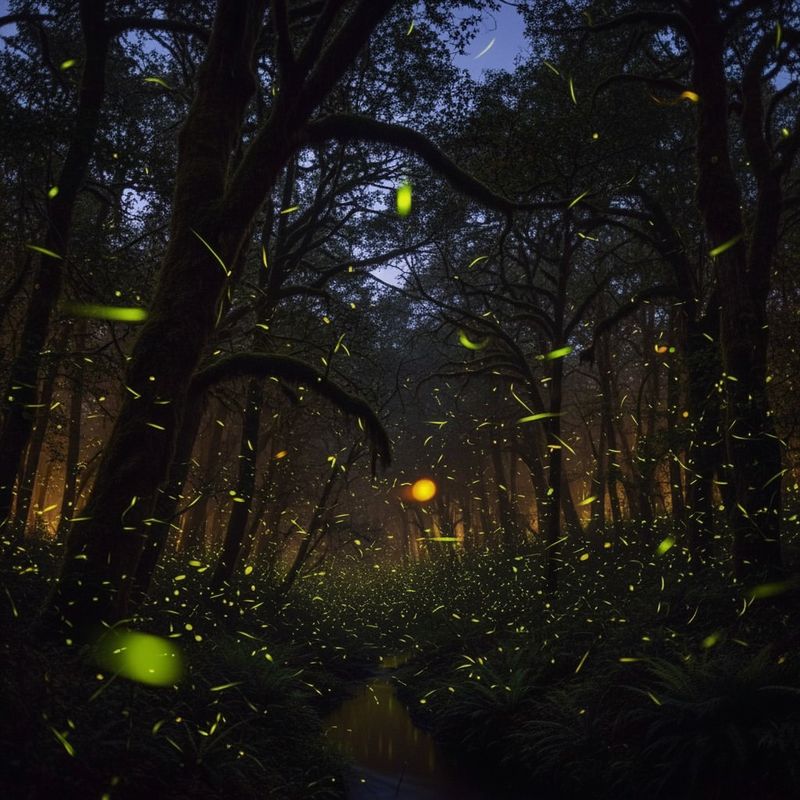
Cold nights shut firefly activity down almost completely. Warmth is the switch that turns it back on.
Once nighttime temperatures stay consistently above 65 degrees Fahrenheit, firefly flashing picks up dramatically.
Fireflies are cold-blooded insects. Their body temperature matches the air around them.
Warmer air speeds up their metabolism and makes flying, flashing, and signaling much easier.
Early summer in the Southeast tends to bring reliable warm nights. That consistency is a big reason why firefly displays are so reliable and impressive during this time of year.
Humidity also plays a role. Fireflies prefer moist air over dry conditions.
Georgia’s humid early summer nights create a comfortable environment that keeps fireflies active longer each evening.
Peak flashing usually happens in the first two hours after sunset. On warm, calm nights with little wind, displays can be especially dense and easy to observe.
Windy or stormy nights tend to reduce activity significantly.
If you want to watch fireflies at their best, pick a night when the temperature is above 70 degrees and the air feels still and humid. Step outside about 30 minutes after sunset.
Your Georgia Garden Changes Every Week. Your Plan Should Too.
Gardening in Georgia changes quickly throughout the season. Every Friday you’ll receive a simple weekly plan showing exactly what to plant, prune, fertilize, harvest, and protect so you never miss the right timing.
Give your eyes time to adjust to the dark, and you will likely see a display worth remembering.
3. Rainy Weather Creates Better Firefly Conditions
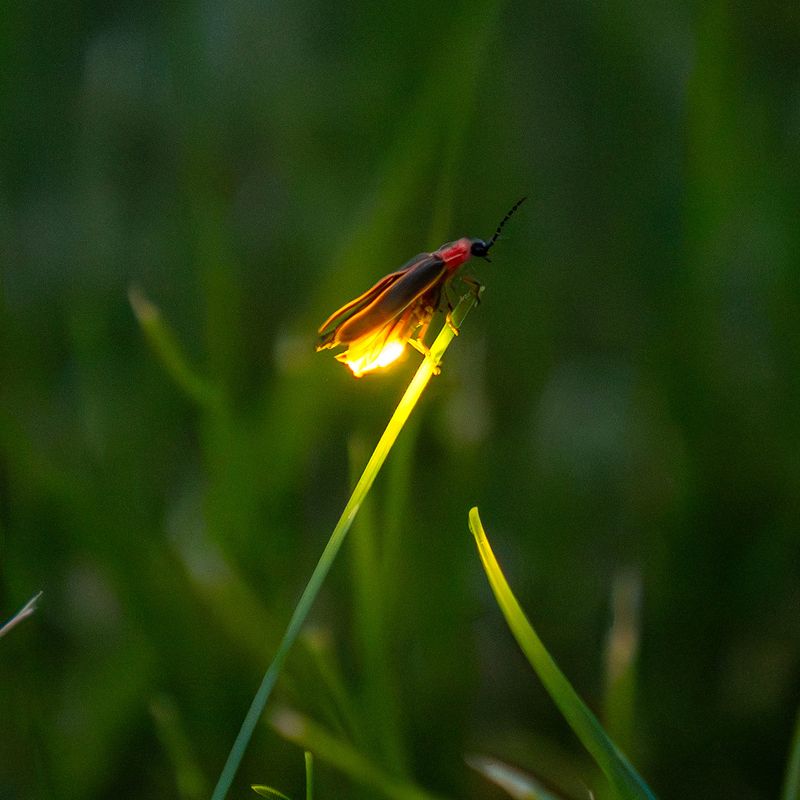
Rain gets a bad reputation during summer, but fireflies actually benefit from it. Wet conditions support the moist soil and vegetation that fireflies need throughout their life cycle.
Firefly larvae live underground for one to two years before becoming adults. They feed on small prey in damp soil.
Dry summers reduce larval survival and lead to fewer adult fireflies the following year.
Early summer rain also keeps grass, shrubs, and leaf litter moist. Adult fireflies rest in vegetation during the day and need humidity to stay active and healthy overnight.
A rainy spring followed by a warm, humid early summer often produces some of the most spectacular firefly seasons. The moisture primes the environment just as adults begin to emerge.
Standing water is not required and can actually attract mosquitoes, which is a separate problem. What matters most is consistent soil moisture and dense, healthy plant cover across your yard or garden.
After a good rain, fireflies tend to be noticeably more active. Watching them the evening after a summer shower is one of the best ways to catch peak activity.
Keeping your yard naturally landscaped with native plants helps retain moisture and supports a healthy firefly population season after season.
4. Tall Grass Gives Fireflies Daytime Shelter
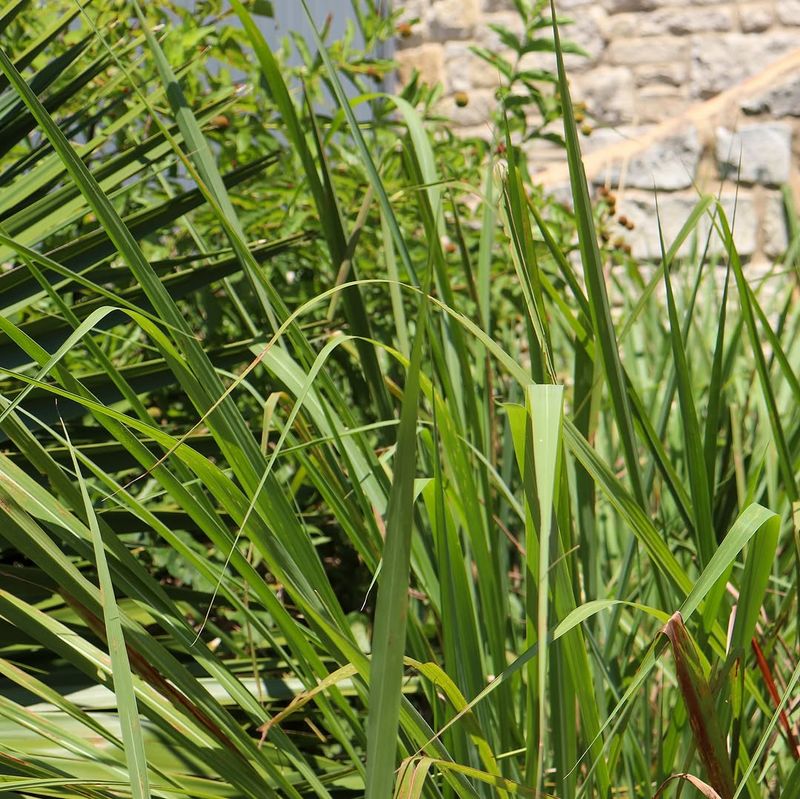
Most people never think about where fireflies go during the day. Adults hide in tall grass, shrubs, and low-growing plants to rest and avoid heat.
Without that shelter, they become exposed and vulnerable.
Mowing your lawn short removes this daytime cover almost entirely. A closely cut yard offers fireflies almost nowhere to hide between their nightly flights.
Letting sections of your lawn grow taller makes a measurable difference.
Tall grass also holds moisture longer than short grass. Fireflies prefer humid microclimates near the ground.
Longer blades create shade and trap dew, which helps maintain the conditions fireflies rely on.
Native grasses and wildflowers are especially useful. Plants like broomsedge, switchgrass, and black-eyed Susans provide both shelter and a more natural habitat.
Planting a small meadow section in your yard can support fireflies without much maintenance.
You do not need to stop mowing entirely. Setting aside even one corner of your yard where grass grows freely can provide meaningful habitat.
Fireflies will use whatever shelter is available.
Early summer is the worst time to do a full lawn scalp. Cutting everything down just as adults emerge removes cover at the most critical moment.
Delaying aggressive mowing until mid to late summer gives fireflies time to complete their mating cycle before habitat is disrupted.
5. Bright Yard Lights Can Disrupt Courtship Signals
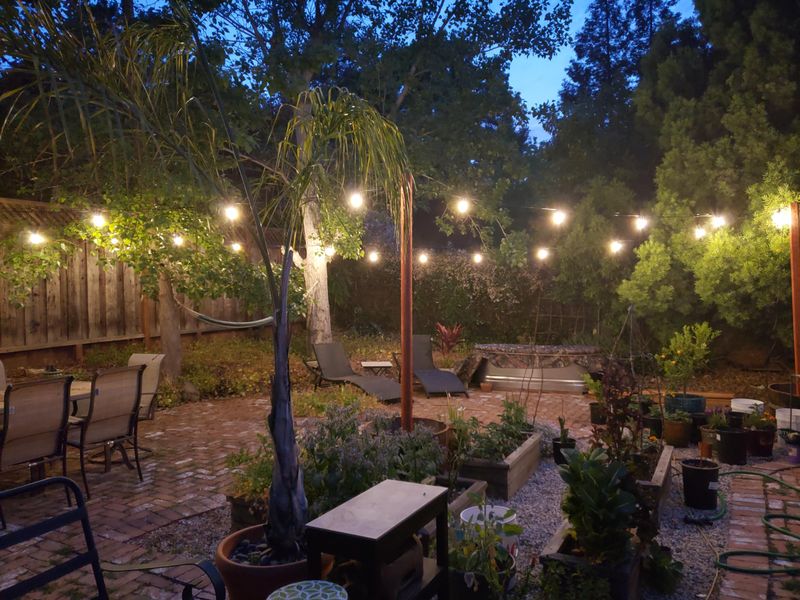
Fireflies rely entirely on darkness to communicate. Their flashing patterns are only visible against a dark background.
Bright outdoor lighting washes out those signals and makes it nearly impossible for males and females to find each other.
Light pollution is one of the biggest threats to firefly populations in suburban and urban areas. Porch lights, floodlights, and landscape lighting all contribute.
Even nearby streetlights can reduce firefly activity in your yard.
Fireflies rely on flashing signals to find mates, and bright outdoor lighting can make those signals harder to see. Females are especially affected because they need to spot male flashes clearly from their resting spots in nearby vegetation.
Switching to motion-activated lights instead of lights that stay on all night is one of the easiest fixes. Red or amber bulbs also cause less disruption than white or blue-toned LEDs.
Small changes in your lighting setup can make a noticeable difference.
Turning off unnecessary lights between 9 p.m. and midnight during early summer helps the most. Firefly activity peaks during those hours, and reducing light during that window gives courtship the best chance of succeeding.
Encouraging neighbors to do the same amplifies the benefit. Fireflies move across properties, so a single dark yard surrounded by bright ones still limits their ability to find mates effectively.
6. Leaf Litter Protects Young Fireflies Below Ground
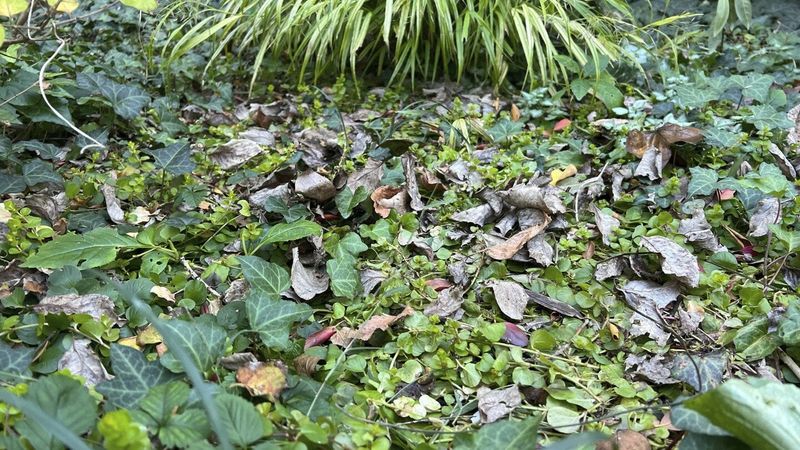
Leaf litter is not just yard waste. For fireflies, it is essential habitat.
Larvae spend most of their lives in the soil beneath fallen leaves, hunting small prey and developing slowly over one to two years.
A thick layer of leaves keeps the soil beneath it cool and moist. Firefly larvae are sensitive to temperature extremes and dry conditions.
Leaf litter acts as a natural insulating layer that buffers against both heat and drought.
Raking and bagging every leaf from your yard removes that protection entirely. Bare soil dries out faster and heats up more during summer.
Larvae close to the surface have a much harder time surviving without that cover above them.
Leaving leaves in garden beds, under shrubs, and along fence lines costs nothing and requires no effort. Piling them in low-traffic areas of the yard creates concentrated habitat zones where firefly populations can build over time.
Composting leaves on-site is another option. As leaves break down, they feed soil organisms that firefly larvae also feed on.
A healthy decomposer community in your soil supports the entire food chain that fireflies depend on.
7. Common Yard Tasks Can Disturb Firefly Habitat
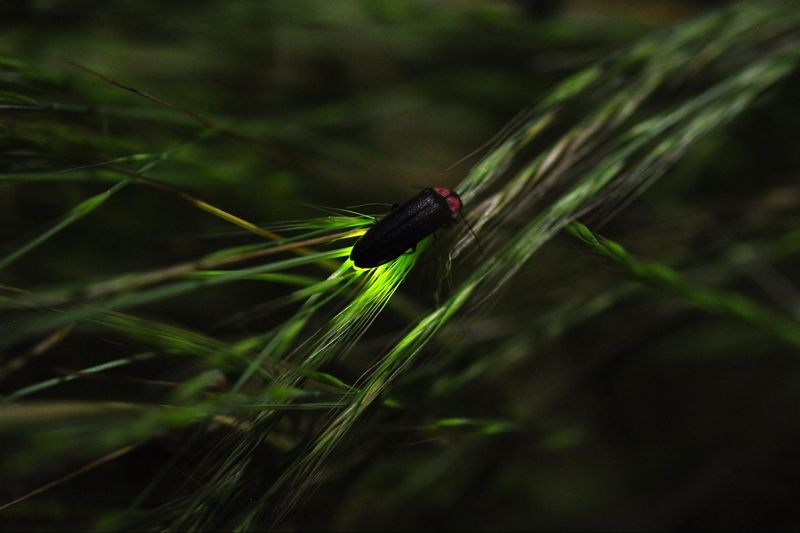
Yard work feels productive, but some of the most common tasks can quietly disrupt firefly habitat right when it matters most. Early summer is a sensitive period, and a few routine chores can set back local populations significantly.
Pesticide applications are among the most harmful. Broad-spectrum insecticides do not distinguish between pests and beneficial insects.
Firefly larvae and adults are both vulnerable to chemical exposure, and even products marketed as safe for gardens can reduce firefly numbers.
Tilling garden beds is another problem. Firefly pupae are located just below the soil surface in late spring and early summer.
Turning over the soil at that time can interrupt the pupal stage before adults have a chance to emerge.
Blowing leaves, trimming borders, and removing groundcover all reduce available shelter. Each task by itself may seem minor.
Combined, they can strip a yard of the natural features that fireflies depend on during their most active season.
Timing matters more than frequency. Pushing heavy yard work to mid or late summer gives fireflies time to complete mating before their habitat gets disturbed.
Skipping one or two mowing cycles in early June can have a surprisingly positive effect.