8 Cut Flowers Worth Growing In Connecticut For Summer Bouquets
Dirt under your nails. Shears in your hand. A stem of zinnias so heavy it bends toward the ground.
You walk thirty feet from your back door in Connecticut and already have a better bouquet than anything wrapped in cellophane at the store. No markup.
No mystery water. No wilted stems that quit by Thursday. The colors stop you cold. The smell follows you inside. You set the vase down and just stare at it.
Here is what nobody warns you about. Not every stunning garden flower holds up once you cut it. Some fade within hours.
Others drop petals before you find the right spot for them. So why are you still planting for the bed instead of the bouquet? Gardeners across Connecticut have already figured this out.
They plant with purpose. Eight blooms are doing double duty in gardens and vases alike this season. Your grocery store’s floral department is about to become a distant memory.
1. Zinnia
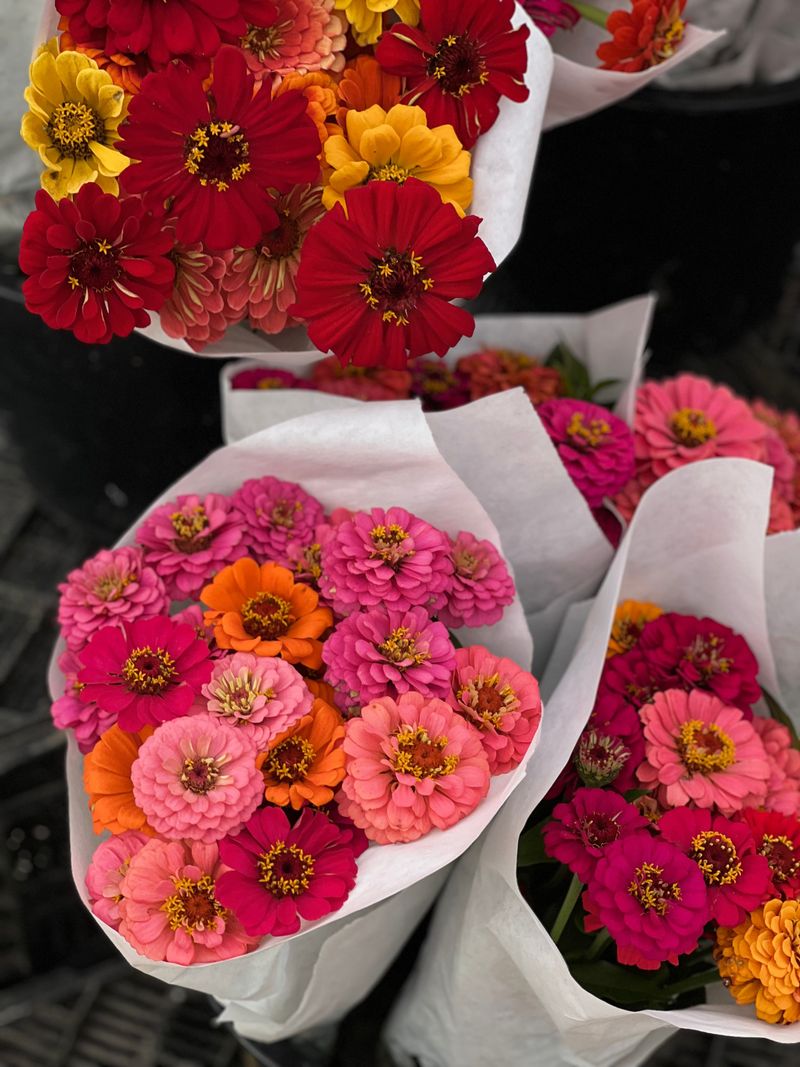
Zinnias are the workhorses of the summer cutting garden, and it is easy to see why they are a go-to choice for Connecticut growers. Few flowers deliver this much color with this little effort.
They bloom in almost every shade imaginable, from hot coral to creamy white to deep burgundy. That range makes them a go-to for mixed bouquets that look professionally arranged.
Plant zinnia seeds directly in the ground after the last frost, which in most of Connecticut falls around mid-May. They sprout fast and start blooming in about eight weeks.
The more you cut them, the more they produce. Snipping stems regularly actually signals the plant to push out new buds, so your harvest keeps growing all season long.
Choose tall varieties like ‘Benary’s Giant’ or ‘Oklahoma’ for the longest vase-worthy stems. Short compact types are gorgeous in the garden but tend to be harder to arrange.
These are also remarkably heat-tolerant, which matters during those sweltering July and August weeks Connecticut gets. They shrug off the humidity and keep going strong.
Zinnias are an excellent starting point for anyone new to growing cut flowers. Success comes quickly, and that early win makes the whole garden feel rewarding.
2. Cosmos
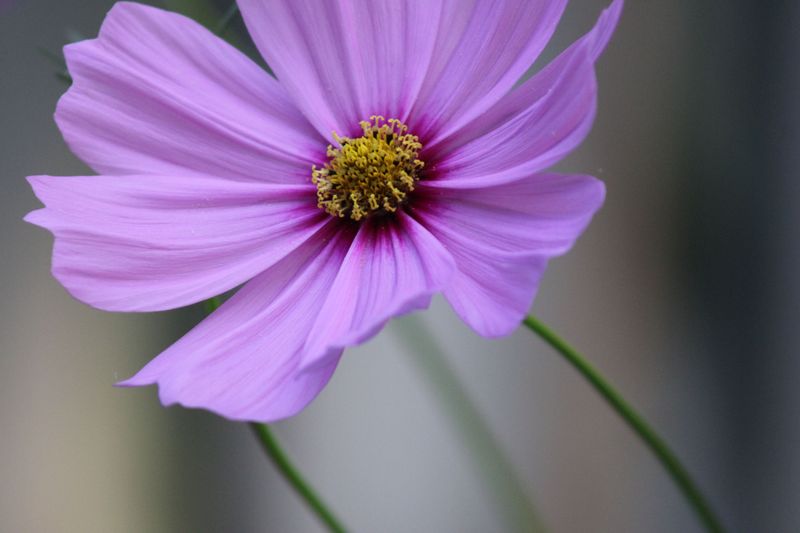
Cosmos have a floaty, wildflower charm that no other summer bloom quite matches. Their feathery foliage and papery petals make every bouquet feel effortlessly elegant.
Cosmos tolerate poor soil well and can become floppy in overly rich conditions, so there is no need to amend beds heavily before planting.
Connecticut summers suit them perfectly, especially once temperatures climb past 70 degrees. They take off fast and reward patient gardeners with wave after wave of blooms.
Sow seeds directly outdoors after frost danger passes, or start them indoors four weeks early for a head start. Transplant carefully since cosmos roots do not love being disturbed.
For the best vase life, cut stems when the buds are just barely open. Fully open blooms tend to drop petals quickly once they hit the heat indoors.
Your Connecticut Garden Changes Every Week. Your Plan Should Too.
Gardening in Connecticut changes quickly throughout the season. Every Friday you’ll receive a simple weekly plan showing exactly what to plant, prune, fertilize, harvest, and protect so you never miss the right timing.
Varieties like ‘Sensation Mix’ and ‘Fizzy Pink’ produce long stems perfect for cutting. Heights can reach four feet, giving you serious length to work with in tall arrangements.
Cosmos are particularly attractive to pollinators, so your whole garden benefits from having them around. They pull in bees and butterflies while feeding your vase obsession at the same time.
Cutting cosmos is genuinely one of the more meditative garden tasks a person can do on a quiet summer morning.
3. Dahlia
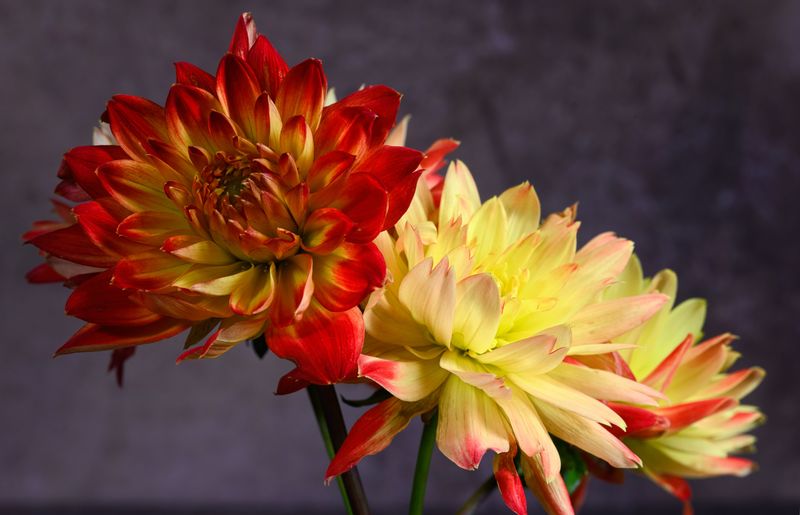
Dahlia season feels like the grand finale of summer, and Connecticut gardeners treat it that way. These blooms are bold, dramatic, and absolutely stunning in a vase.
From baseball-sized pompons to dinner plate varieties as wide as your face, dahlias come in hundreds of forms. Picking a favorite is genuinely difficult when the options are this good.
Plant dahlia tubers after your last frost date, around mid-May in most Connecticut zones. They need full sun and well-drained soil to perform their best.
Staking is important for taller varieties since Connecticut summer storms can topple stems overnight. Set your stakes at planting time so you do not disturb the growing tubers later.
Dahlias bloom from midsummer right through the first fall frost, giving you months of cutting material. That long season makes them one of the most valuable flowers in any cutting garden.
For the longest vase life, cut stems early in the morning and immediately place them in cool water. Some growers condition stems by placing the cut ends briefly in hot water, while others prefer the flame-searing method.
Both aim to extend vase life. Top varieties for cutting include ‘Cafe au Lait,’ ‘Bishop of Llandaff,’ and ‘Labyrinth.’ Each one photographs beautifully and holds up well in arrangements for seven to ten days.
Once dahlias get their hooks in you, expanding the collection every spring becomes an annual tradition.
4. Coneflower
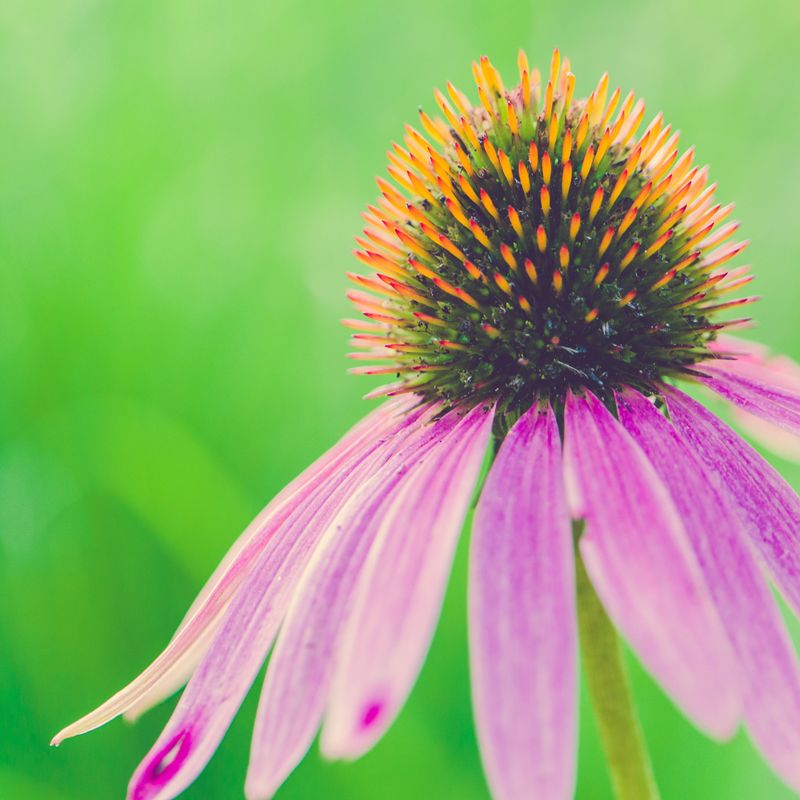
Coneflowers bring a wildflower spirit to summer bouquets that feels grounded and authentic. Their raised orange centers and swept-back petals give arrangements a relaxed, garden-fresh look.
Most people know them as echinacea, the herbal supplement that fills pharmacy shelves. But as a cut flower, they are just as impressive as they are in the medicine cabinet.
Connecticut gardeners rely on coneflowers because they are remarkably resilient. They handle drought, humidity, and poor soil without much complaint, which makes them incredibly low-maintenance.
Plant them in full sun for the strongest stems and most prolific blooming. Partial shade works but tends to produce weaker, floppier growth that is harder to cut cleanly.
Classic purple is always beautiful, but newer varieties like ‘Magnus,’ ‘Cheyenne Spirit,’ and ‘Hot Papaya’ push the color range into orange, red, and gold. Those warm tones mix brilliantly with dahlias and black-eyed Susans.
Cut coneflowers just as the petals begin to open for the best vase life. Stems last about a week in fresh water, especially when you recut them every couple of days.
Leaving some flowers on the plant at the end of the season feeds goldfinches through fall and winter.
That bonus wildlife value makes coneflowers a genuine gift that keeps on giving. Few flowers earn their garden space as completely as this one does.
5. Black-Eyed Susan
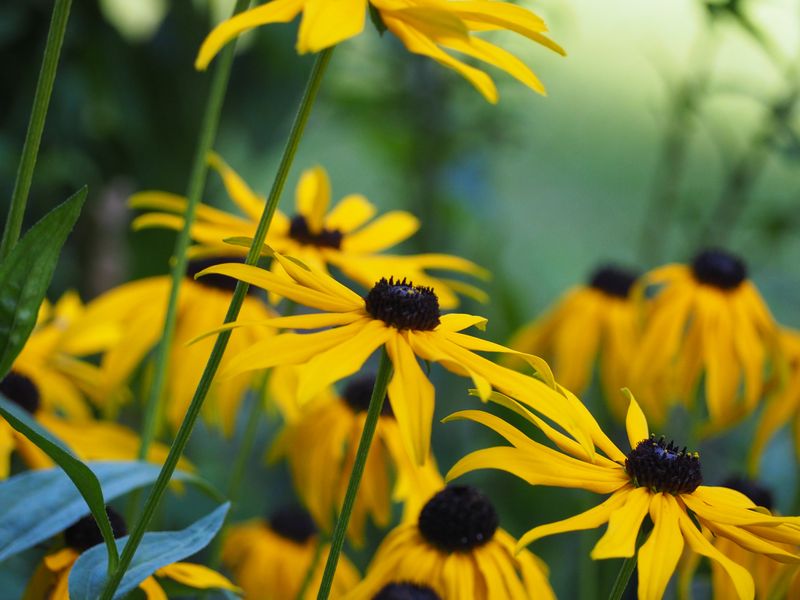
There is something undeniably cheerful about a black-eyed Susan that just makes people smile. That golden yellow with the dark chocolate center is one of summer’s most recognizable color combinations.
Black-eyed Susans, or Rudbeckia, are native wildflowers that happen to be exceptional cut flowers. Connecticut gardeners prize them for their reliability and their long, strong stems.
They bloom prolifically from midsummer well into September, bridging the gap between early-season flowers and fall bloomers. That extended window is a huge advantage for anyone who wants fresh bouquets all season.
Plant them in full sun and average soil for the best results. They actually perform worse in overly rich beds, producing lots of leaves but fewer blooms.
Rudbeckia ‘Goldsturm’ is the most popular cutting variety, known for its uniform height and abundant flowers. ‘Indian Summer’ produces extra-large blooms that become statement pieces in any arrangement.
Cut stems when the petals are fully open and the center cone is still firm. Flowers cut too early tend to close up and never reopen properly once they are indoors.
They pair beautifully with cosmos, zinnias, and grasses for that loose, meadow-style bouquet aesthetic. That loose, meadow-style look consistently draws attention at farmers markets all season long.
Growing black-eyed Susans means you will always have something golden and warm to bring inside, no matter what else is blooming that week.
6. Shasta Daisy
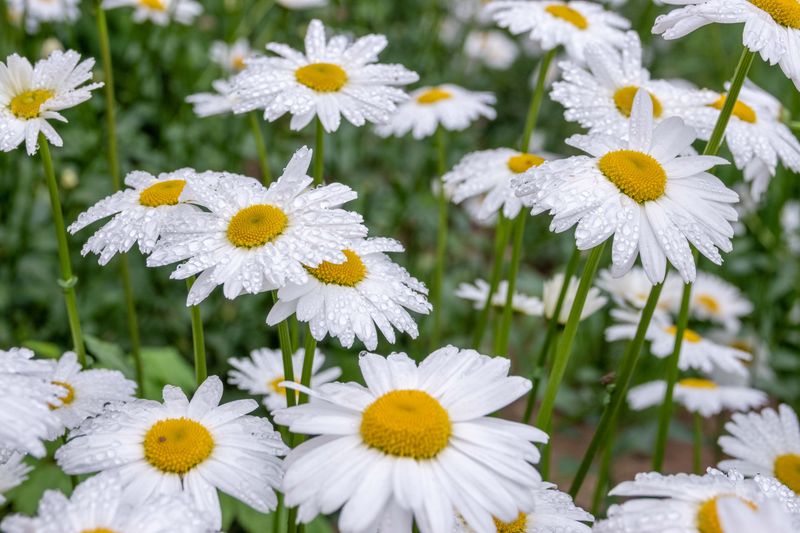
Shasta daisies are the classic white flower that makes every other bloom in the vase look better. They are the ultimate team player in a mixed summer bouquet.
Developed by horticulturist Luther Burbank through years of crossbreeding in the 1890s and introduced around 1901, Shastas were bred specifically to be bigger and bolder than wild daisies.
That history gives them a certain old-fashioned credibility that gardeners appreciate. Connecticut summers suit Shasta daisies well, especially in full-sun beds with decent drainage.
They are perennials, which means once you plant them, they come back year after year with minimal fuss.
Varieties like ‘Becky’ are especially popular in the Northeast because of their tall stems and heat tolerance. ‘Becky’ can reach three to four feet high, giving you long cutting stems perfect for tall vases.
Cut them in the morning when temperatures are cooler for the best vase life. Strip the lower leaves before placing them in water to prevent bacterial buildup that shortens their freshness.
Shasta daisies last about a week in a vase, sometimes longer with clean water and a cool room. Replacing the water every two days makes a noticeable difference in how long they stay crisp.
Their clean white petals contrast beautifully against bold colors like deep purple coneflowers or bright orange zinnias.
That contrast is exactly what elevates a homegrown bouquet from pretty to genuinely stunning. Planting Shastas is one of the best decisions a Connecticut gardener can make.
7. Phlox
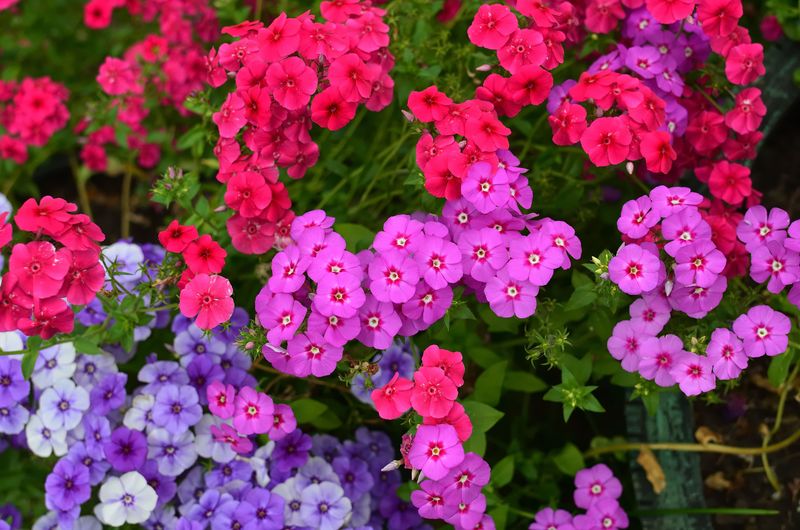
Garden phlox is one of those flowers that stops people mid-conversation when they walk past it. The fragrance alone is worth growing it for, even before you consider how gorgeous it looks in a vase.
Tall garden phlox, or Phlox paniculata, blooms in mid to late summer and fills a critical timing gap in the cutting garden. When some earlier flowers start to fade, phlox steps in and saves the season.
Phlox is a natural fit for Connecticut gardens because it thrives in the region’s humid summers.
Choose mildew-resistant varieties like ‘David,’ ‘Laura,’ or ‘Robert Poore’ to avoid the powdery white coating that plagues older types.
Plant in full sun with good air circulation between plants to keep foliage healthy. Crowded phlox is far more prone to fungal issues, so spacing generously pays off in the long run.
Flower clusters come in white, pink, coral, lavender, and deep magenta. That color range slots phlox into almost any bouquet palette without clashing.
Cut stems when about half the florets on each cluster have opened. The remaining buds will continue opening in the vase, extending the display for up to ten days.
The sweet, spicy fragrance of fresh phlox transforms a room in a way that most flowers simply cannot. Guests always ask what that amazing smell is the moment they walk through your front door.
8. Celosia
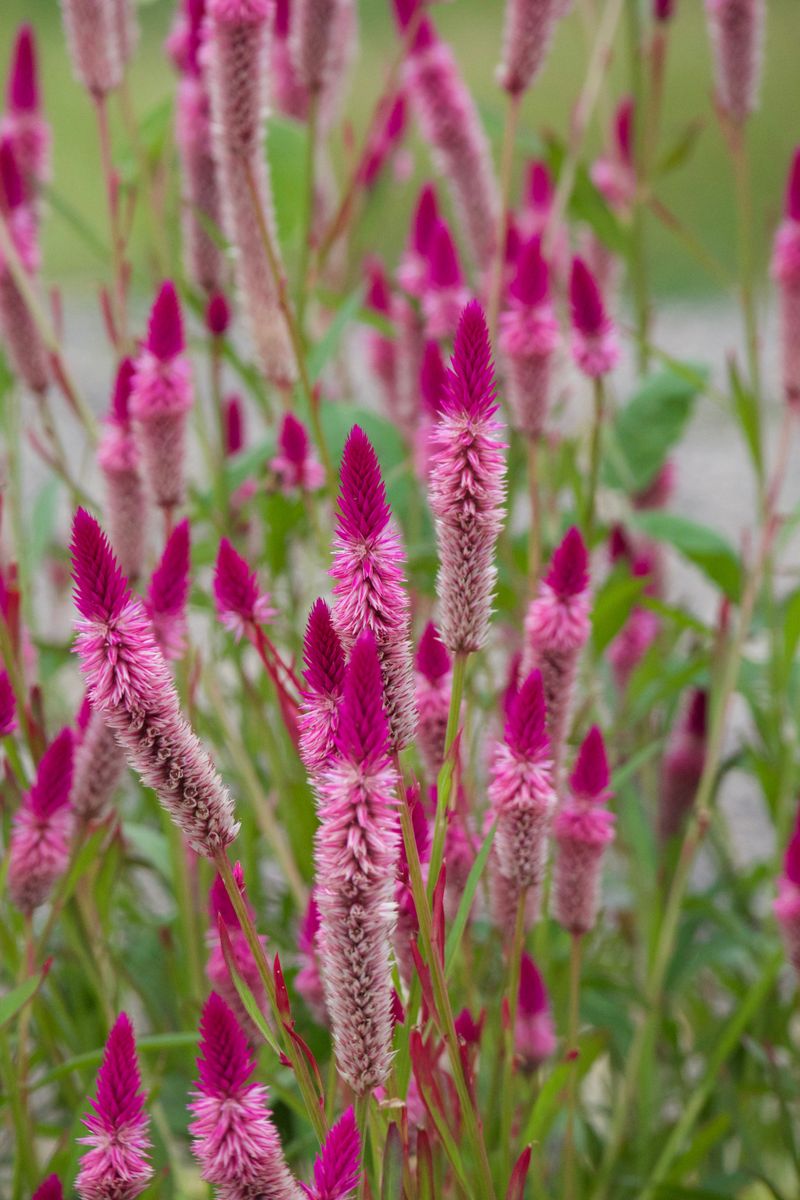
Celosia is the most underrated flower in the Connecticut cutting garden, and once you grow it, you will wonder why it took you so long.
Nothing else in a summer bouquet looks quite like it. It comes in three distinct forms. Plume types produce feathery, upright spires.
Cockscomb varieties make dense, velvety heads that look almost sculptural. Wheat types offer slender, tapered spikes with a quieter elegance.
All three hold up beautifully in a vase. Unlike most flowers, celosia genuinely loves heat. It does not slow down in July or August. It speeds up. The hotter and more humid Connecticut gets, the harder this flower works.
Start seeds indoors four to six weeks before your last frost date, or transplant after mid-May once the soil has warmed. Celosia sulks in cold ground and takes off the moment temperatures climb.
For cutting, choose tall varieties rather than compact bedding types. Look for ‘Armor Red,’ ‘Sunday Plum,’ or the ‘Celway’ series, which produce the long, sturdy stems arrangements need.
Heights can reach three feet, giving you serious vertical presence in any bouquet. Cut stems when about two thirds of the bloom has colored up but before seeds begin to form.
Strip the lower leaves, place immediately in cool water, and expect seven to fourteen days of vase life with regular water changes.
Celosia also dries beautifully, holding its color for months. One plant gives you fresh bouquets all summer and dried arrangements well into winter. That kind of double duty is hard to beat.