Uncommon Edible Flowers That Thrive In North Carolina Gardens
Most gardeners who grow edible flowers stick to the same familiar options, but North Carolina’s long growing season supports many others worth trying.
Some thrive in the heat, while others are better suited to spring or fall, giving you plenty of ways to add color, flavor, and variety to the garden.
These plants are not especially fussy, and many are just as useful in the kitchen as they are beautiful outdoors. Once you taste what fresh edible flowers from your own yard can add to a meal, the usual short list starts to feel limiting.
Before harvesting, make sure you can positively identify each flower and that it was grown without unsafe pesticides or chemical treatments.
Avoid flowers from florists, nurseries, roadsides, or treated ornamental beds unless they are specifically labeled or grown for edible use, and try new edible flowers in small amounts at first.
1. Daylily
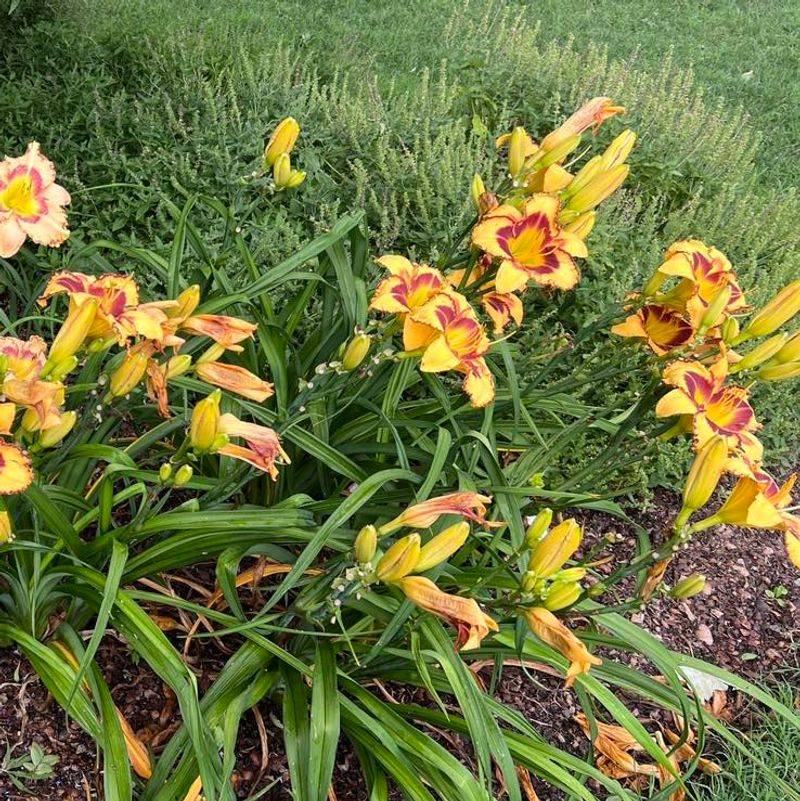
Most people admire daylilies from a distance without ever realizing they could be on the dinner table.
These cheerful, sun-loving blooms are one of the most rewarding edible flowers you can grow in North Carolina, and they thrive with surprisingly little fuss.
The young shoots, buds, blossoms, and petals of true daylilies are edible when harvested from pesticide-free plants, but they should be eaten in moderation and should never be confused with true lilies.
In the kitchen, daylily buds taste mild and slightly sweet, almost like a cross between asparagus and green beans. You can toss them into stir-fries, stuff them with cream cheese, or slice the open petals into fresh summer salads.
The flavor is delicate enough that it pairs well with both savory and lightly sweet dishes, making them a fun ingredient to experiment with.
Planting daylilies in North Carolina is straightforward. They prefer full sun to partial shade and do best in well-drained, loamy soil with a slightly acidic pH between 6.0 and 6.5.
Once established, they are remarkably drought-tolerant, though regular watering during dry summer stretches keeps them blooming strong.
Spring is the ideal time to plant daylily tubers in North Carolina, right after the last frost. Space them about 18 to 24 inches apart so they have room to spread.
They bloom from late spring through summer, and dividing clumps every three to four years keeps plants healthy and productive.
A small patch can supply your kitchen with fresh edible blooms during the daylily flowering season, as long as you harvest only correctly identified, pesticide-free daylilies and eat them in moderation.
2. Nasturtium
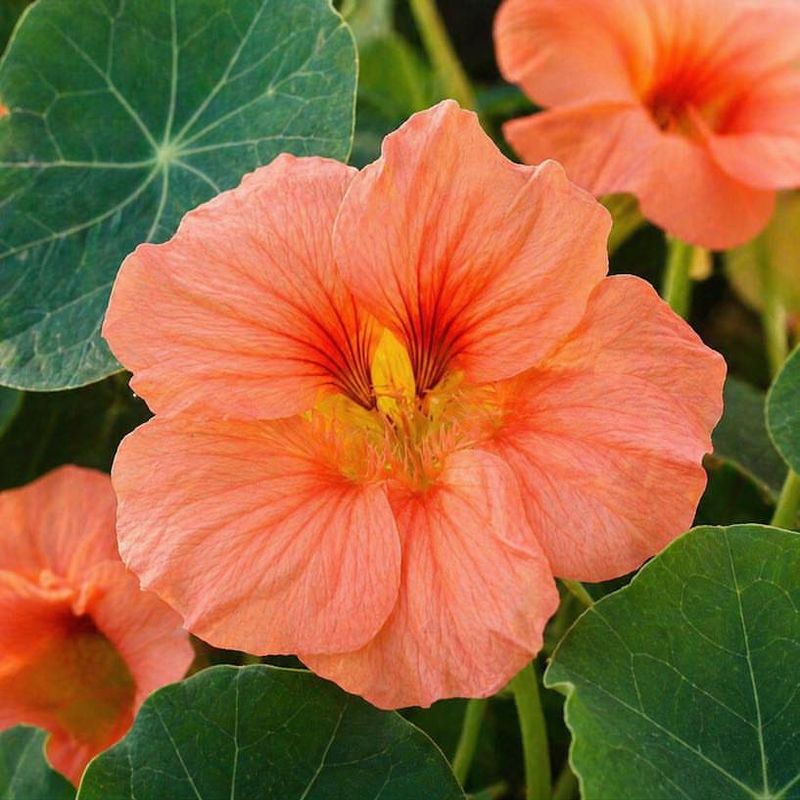
Few edible flowers pack as much personality as the nasturtium. With its bold, peppery bite and jewel-bright colors ranging from deep red to golden yellow, this flower earns its place in both the garden and the kitchen.
Gardeners across North Carolina love it because it is easy to grow, strikingly beautiful, and genuinely useful at mealtime.
The flowers, leaves, and even the seed pods are all edible. Petals add a spicy, watercress-like kick to fresh salads, and the round leaves make a punchy addition to sandwiches and wraps.
Your North Carolina Garden Changes Every Week. Your Plan Should Too.
Gardening in North Carolina changes quickly throughout the season. Every Friday you’ll receive a simple weekly plan showing exactly what to plant, prune, fertilize, harvest, and protect so you never miss the right timing.
Young seed pods can be pickled and used as a caper substitute, which is a fun culinary trick worth trying at least once.
Nasturtiums come in trailing and climbing varieties, giving you plenty of flexibility in the garden. Climbing types work beautifully on trellises or fences, while trailing varieties spill gracefully over raised beds or containers.
They thrive in full sun and prefer lean soil. Surprisingly, too much fertilizer actually reduces flowering, so resist the urge to feed them heavily.
North Carolina’s warm springs and long growing season are ideal for nasturtiums. Direct sow seeds into the garden after your local last frost date, since North Carolina’s frost dates vary widely by region and elevation.
Water moderately, as they handle short dry spells well but dislike soggy roots. As a bonus, nasturtiums attract aphids away from neighboring plants, making them excellent companion plants for tomatoes, squash, and cucumbers.
3. Eastern Redbud
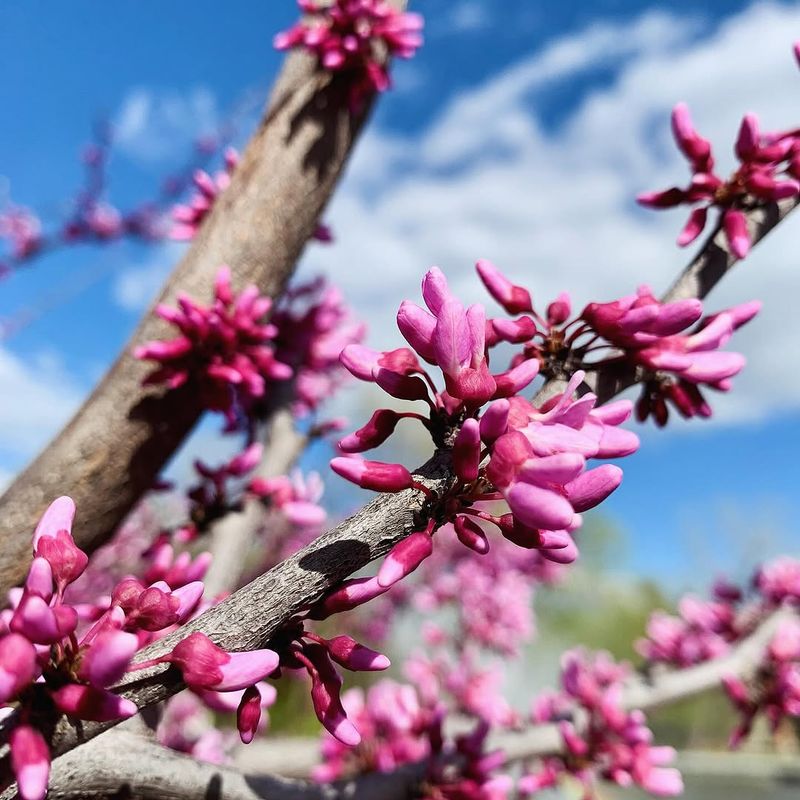
Before the leaves even appear, the Eastern Redbud puts on one of spring’s most breathtaking flower shows. Clusters of vivid pink-purple blossoms coat every branch in a burst of color that signals warmer days ahead.
What most North Carolina gardeners do not know is that those gorgeous blooms are completely edible and genuinely delicious.
The flowers have a mildly sweet, slightly tangy flavor with a subtle floral note that works beautifully in spring salads.
Scatter the fresh blossoms over mixed greens with a light vinaigrette, or use them as an elegant garnish on cheese boards and spring appetizers.
They can also be folded into pancake batter or used to brighten up a simple grain bowl in a way that feels both fancy and effortless.
Eastern redbud is native to North Carolina and adapts to a range of sites, but it performs best in well-drained soil and can be stressed by heat, drought, wet soil, or root disturbance.
The tree performs best in partial to full sun and appreciates consistent moisture while it establishes itself during the first growing season.
Young trees are widely available at North Carolina nurseries and are typically planted in fall or early spring. They grow at a moderate pace, reaching 20 to 30 feet tall at maturity.
Blooms appear in March and April, well before most other flowering trees, giving you an early-season edible harvest that doubles as a spectacular landscape feature year after year.
4. Borage
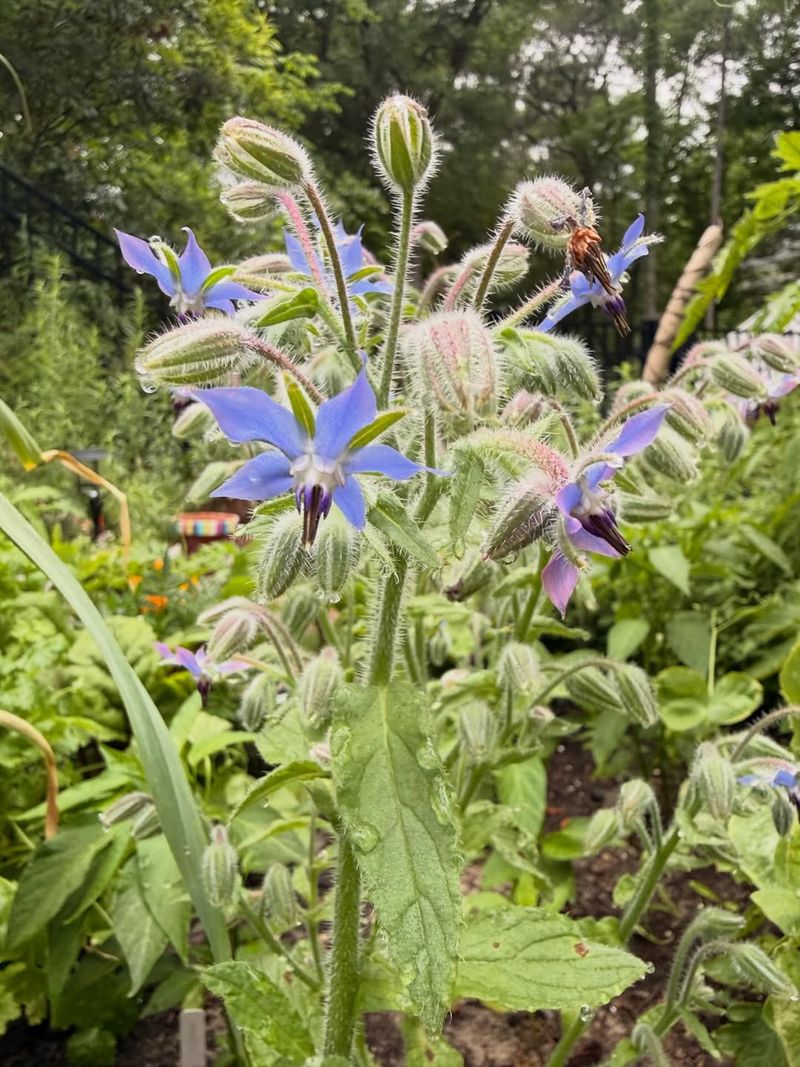
There is something almost magical about borage. The moment those vivid, star-shaped blue flowers open up against a backdrop of fuzzy gray-green leaves, the garden feels like it belongs on a different planet.
Beyond looking spectacular, borage flowers have a fresh, cucumber-like flavor, but they should be eaten sparingly because the plant contains compounds that can be harmful in larger amounts.
That cucumber flavor makes borage flowers a natural addition to summer drinks. Drop a few blossoms into lemonade, sparkling water, or a gin and tonic for an instant upgrade.
They also freeze beautifully inside ice cubes, creating a stunning visual effect for entertaining. In the kitchen, borage flowers can be used sparingly in drinks, salads, and garnishes, while the leaves should be used cautiously and in small amounts.
Borage grows fast and strong in North Carolina’s warm, sunny conditions. It prefers full sun and well-drained soil but is surprisingly adaptable to different soil types as long as drainage is decent.
Once it gets going, it self-seeds generously, which means you may only need to plant it once to enjoy it for years.
Sow borage seeds directly in the garden after your local last frost date, which varies from March in some coastal areas to May in parts of the mountains. Thin seedlings to about 12 inches apart for good airflow.
Plants bloom from late spring through summer and are known to attract pollinators, especially bumblebees, making them a fantastic addition to any productive kitchen garden.
5. Calendula
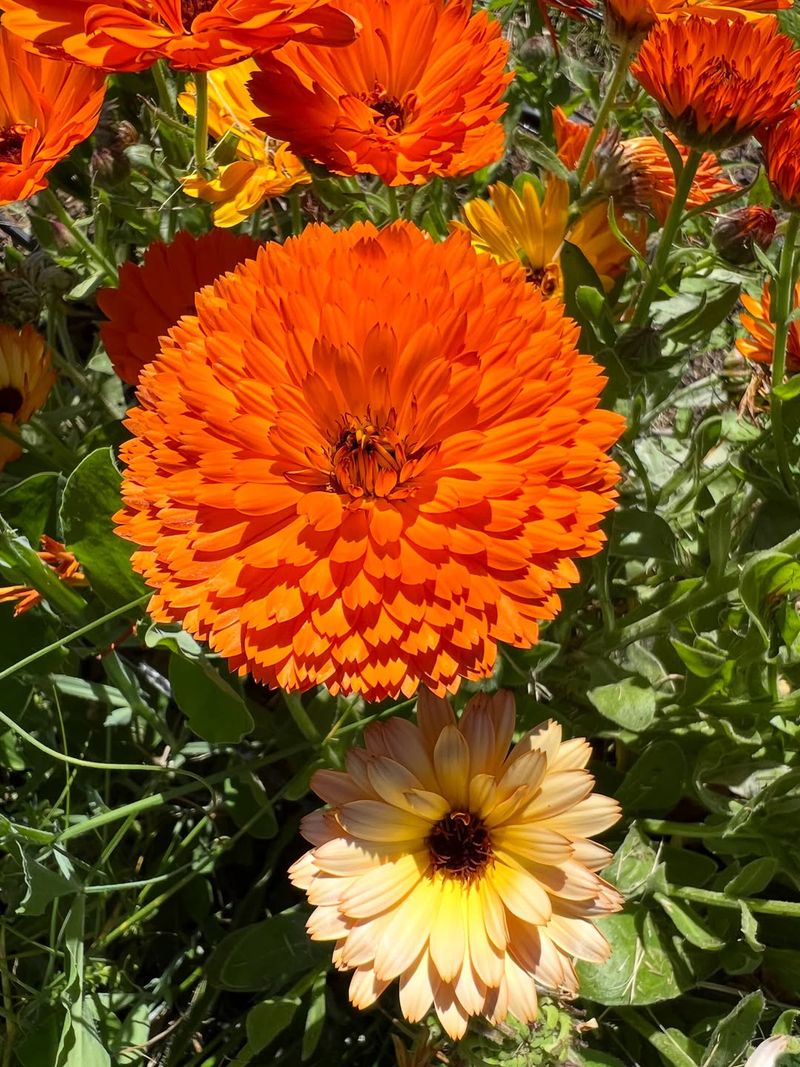
Calendula has been earning fans in gardens for centuries, and once you taste it, you will understand why.
Sometimes called pot marigold, this cheerful flower offers petals with a mildly tangy, slightly peppery flavor that adds a pop of color and taste to all kinds of dishes.
North Carolina gardeners can grow calendula successfully, especially in the cooler spring and fall seasons, but it may struggle during hot summer weather or drought. The petals are the edible part, and they are incredibly versatile.
Sprinkle them fresh over salads, soups, and grain bowls for a burst of golden color. Dried petals can be stirred into rice or scrambled eggs to mimic the look of saffron at a fraction of the cost.
They also infuse beautifully into oils and butters, creating vibrant, flavorful condiments you can use all season long.
Growing calendula in North Carolina is genuinely rewarding. The plant thrives in full sun and prefers well-drained soil with moderate fertility.
It handles cool spring weather well and can bloom into early summer, but high heat and drought can slow it down or cause plants to decline.
Regular deadheading, which means removing spent blooms, encourages continuous flowering over a long season.
Start seeds indoors four to six weeks before the last frost date, or direct sow outdoors in early spring. In North Carolina, you can often get two growing windows: one in spring and another in fall when temperatures cool back down.
Calendula is a compact plant, usually reaching 12 to 18 inches tall, making it ideal for raised beds, borders, and container gardens where space is limited.
6. Johnny Jump-Up
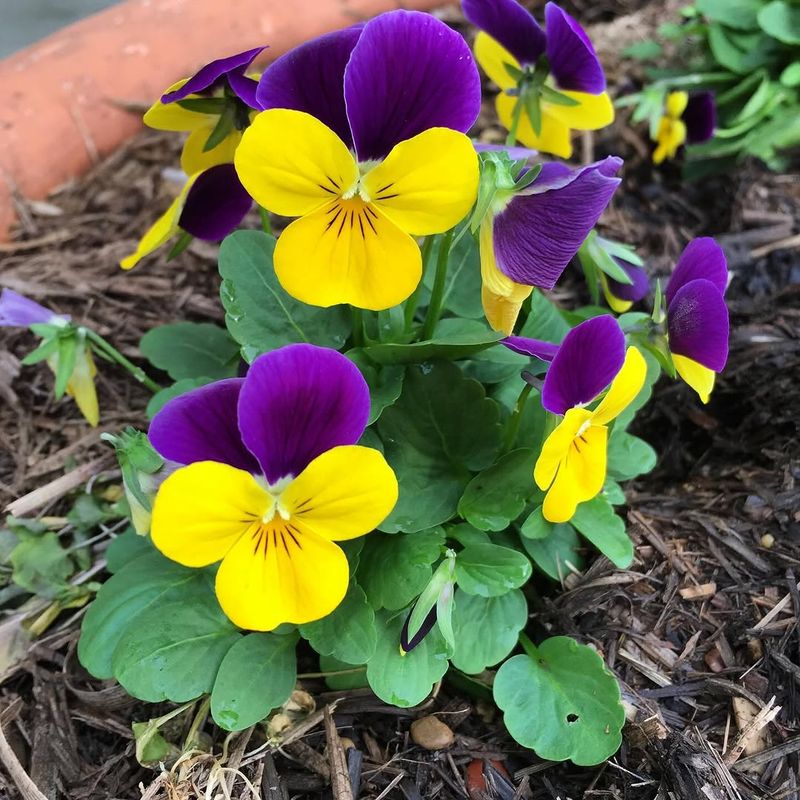
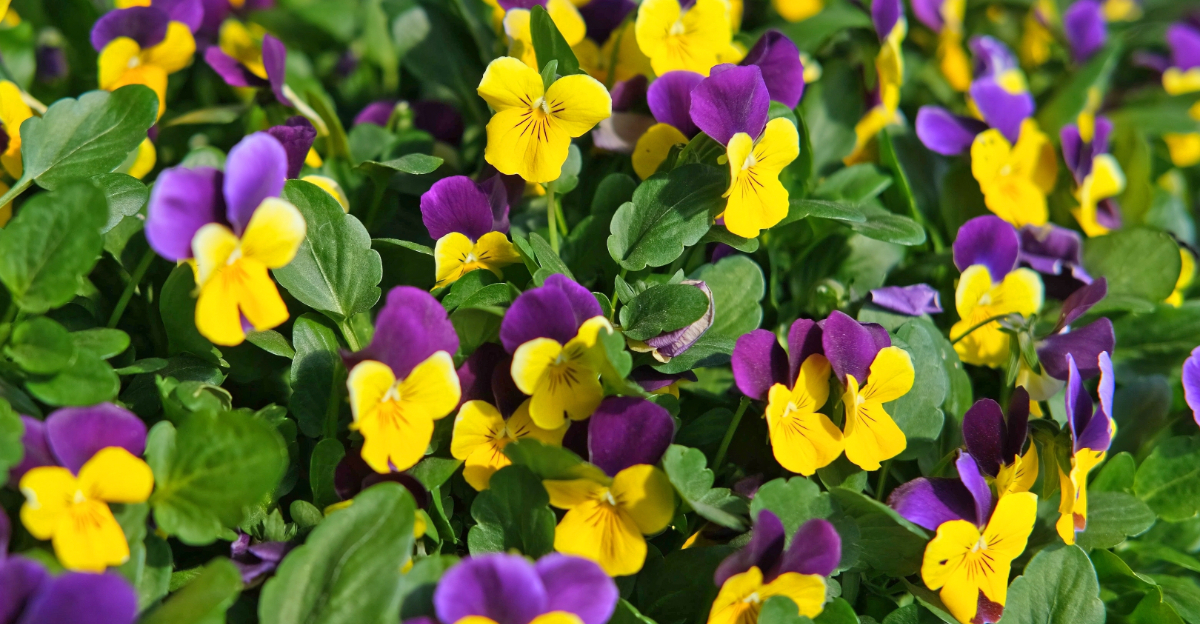
Tiny but absolutely full of charm, Johnny Jump-Up is one of those flowers that makes you smile the moment you spot it. With its classic purple, yellow, and white face pattern, this little viola has been a garden favorite for generations.
What most people do not realize is that it is also edible in small amounts, though its flavor is mild and often more decorative than pronounced.
In the kitchen, Johnny Jump-Up blossoms are as decorative as they are tasty. Float them on top of herbal teas or lemonades for an instant visual upgrade.
Press them onto frosted cakes or cupcakes as natural edible decorations. Tossed into a spring salad with strawberries and a honey vinaigrette, they add both color and a gentle sweetness that feels genuinely sophisticated.
One of the best things about Johnny Jump-Up is its flexibility in the garden. Unlike many edible flowers that demand full sun, this one is perfectly happy in partial shade, which makes it a great choice for spots under trees or along shaded walkways.
It prefers cool temperatures and moist, well-drained soil with average fertility.
In North Carolina, Johnny Jump-Up thrives as a cool-season plant. Sow seeds in late summer for fall blooms, or start them indoors in late winter for spring planting.
They often self-seed freely, popping up in unexpected spots and spreading gentle color throughout the garden year after year. At just four to eight inches tall, they fit perfectly in containers, window boxes, and border edges.
7. Chive Blossoms
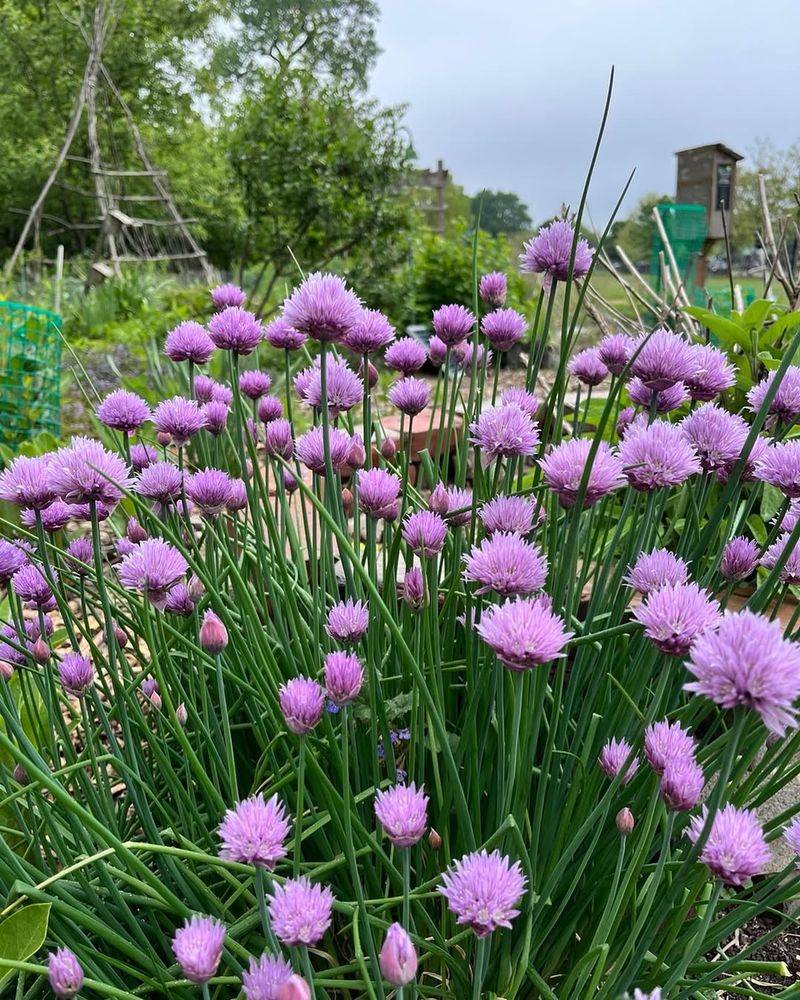
Chives are already a kitchen staple, but the moment they bloom, something even better happens. Those round, lavender-purple flower heads that appear in late spring are not just pretty ornaments.
They carry a bold, onion-forward flavor that is slightly milder than the leaves themselves, making them one of the most practical and delicious edible flowers in any North Carolina garden.
Chive blossoms shine in savory cooking. Separate the tiny individual florets and scatter them over creamy potato soup, scrambled eggs, or deviled eggs for a burst of color and flavor.
Blend them into soft butter with a pinch of salt and spread it on fresh bread for an easy, impressive appetizer. They can also be infused into white wine vinegar, turning it a stunning pale pink while adding a gentle onion flavor perfect for dressings.
Growing chives in North Carolina is about as low-maintenance as gardening gets. They thrive in full sun and prefer well-drained, moderately fertile soil.
Regular watering during dry spells keeps the plants lush, but they are fairly forgiving if you miss a day or two. Clumps grow larger each year and can be divided every few seasons to keep them vigorous and tidy.
Start chive seeds indoors eight to ten weeks before the last frost, or direct sow them outdoors after the last frost; established clumps can also be divided in spring or fall.
They bloom reliably in April and May across most of North Carolina, giving you a short but plentiful harvest of blossoms.
After flowering, cut the plants back by about a third to encourage a fresh flush of tender leaves that you can keep harvesting straight through into fall.